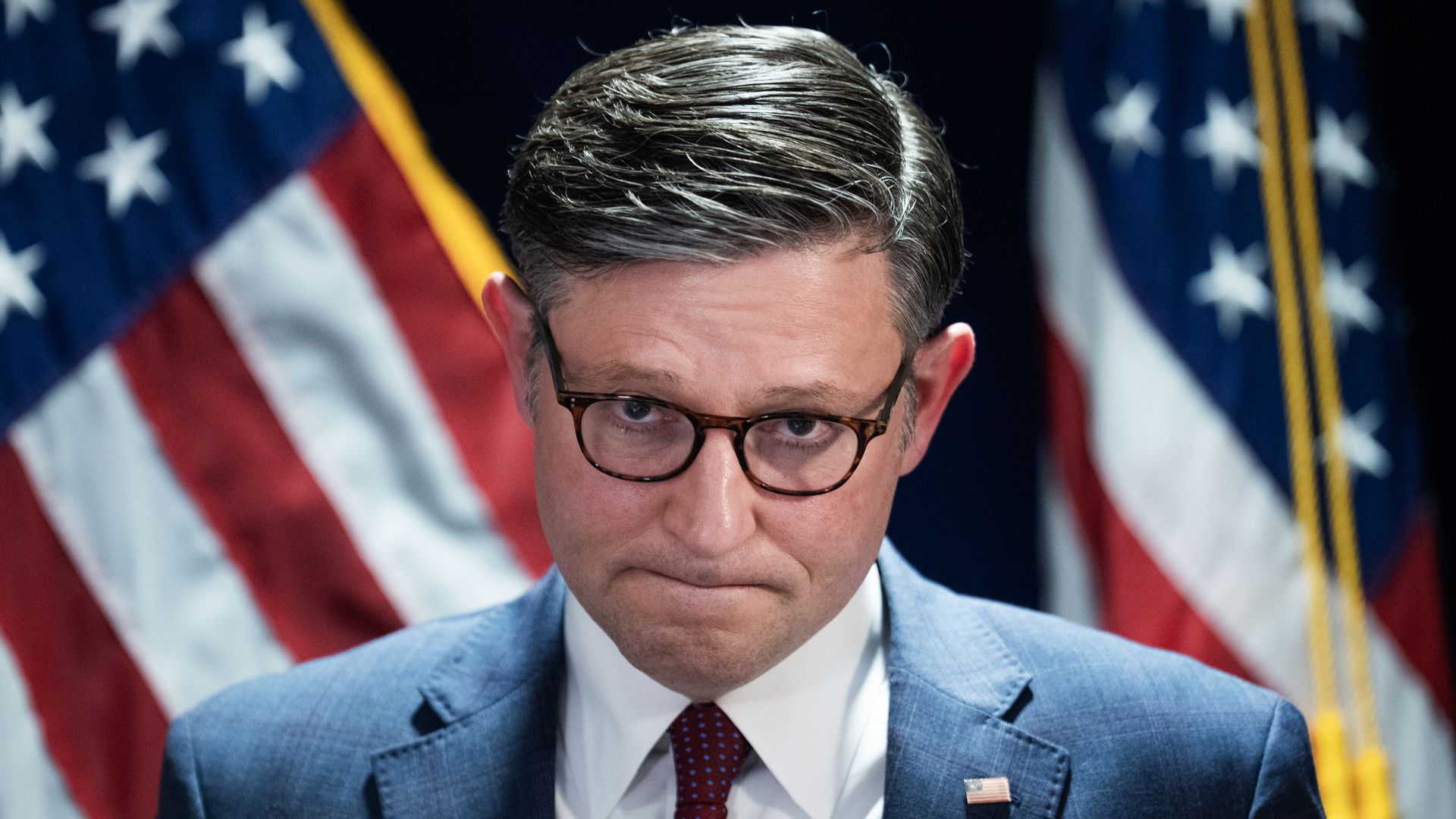
House Speaker Mike Johnson is in an uncomfortably familiar spot: under pressure from President Trump, under fire from members and under the gun to advance a reconciliation bill in just a few days.
Why it matters: Johnson (R-La.) is trying to tee up a final party-line legislative package before the midterms, but Republicans remain divided over the contents of the bill and the strategy behind it.
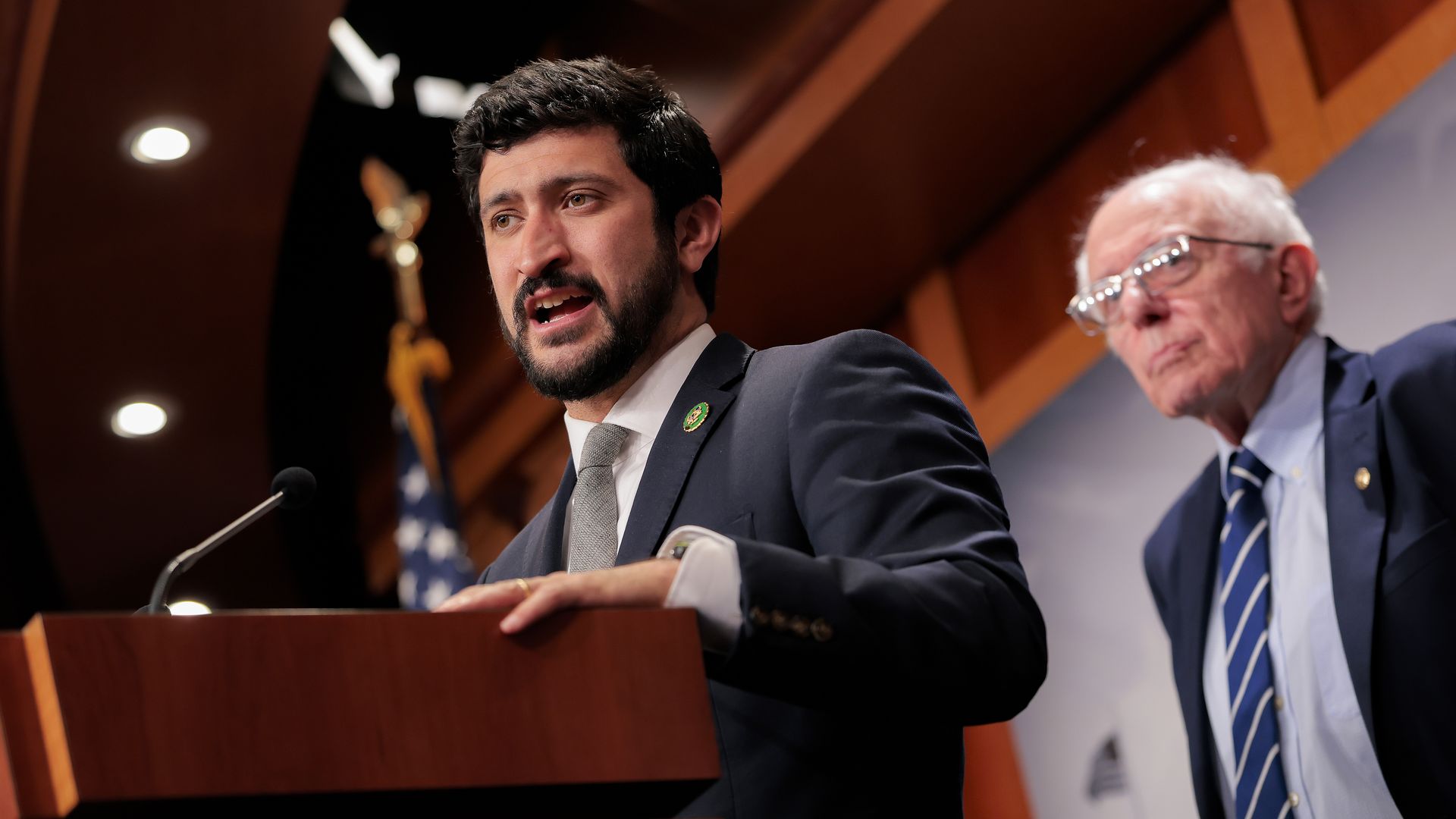
An upcoming House vote on a measure blocking U.S. aid to Israel has Democrats divided over how far they should go to signal displeasure with the Netanyahu government.
Why it matters: The vote is revealing just how much anxiety Democratic lawmakers have about the growing anti-Israel sentiments coming from their grassroots base.
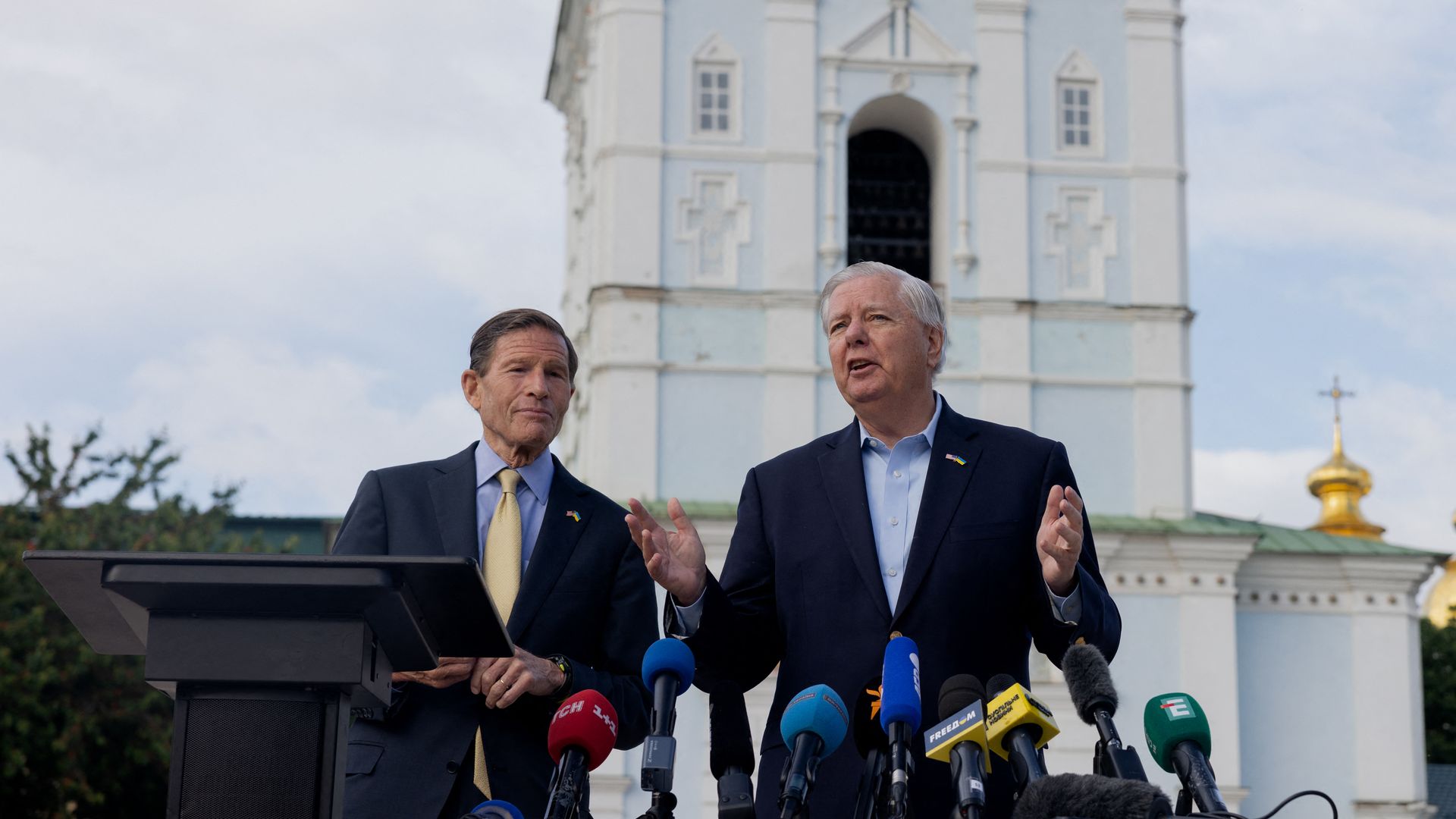
A bipartisan group of senators is unveiling a revised Russia sanctions bill that the late Sen. Lindsey Graham (R-S.C.) helped finalize in one of his last efforts to broker a compromise and end the war in Ukraine.
Why it matters: If enacted, the bill would ratchet up pressure on Vladimir Putin by imposing 100% tariffs on the five largest importers of Russian oil and gas — likely including China and India.
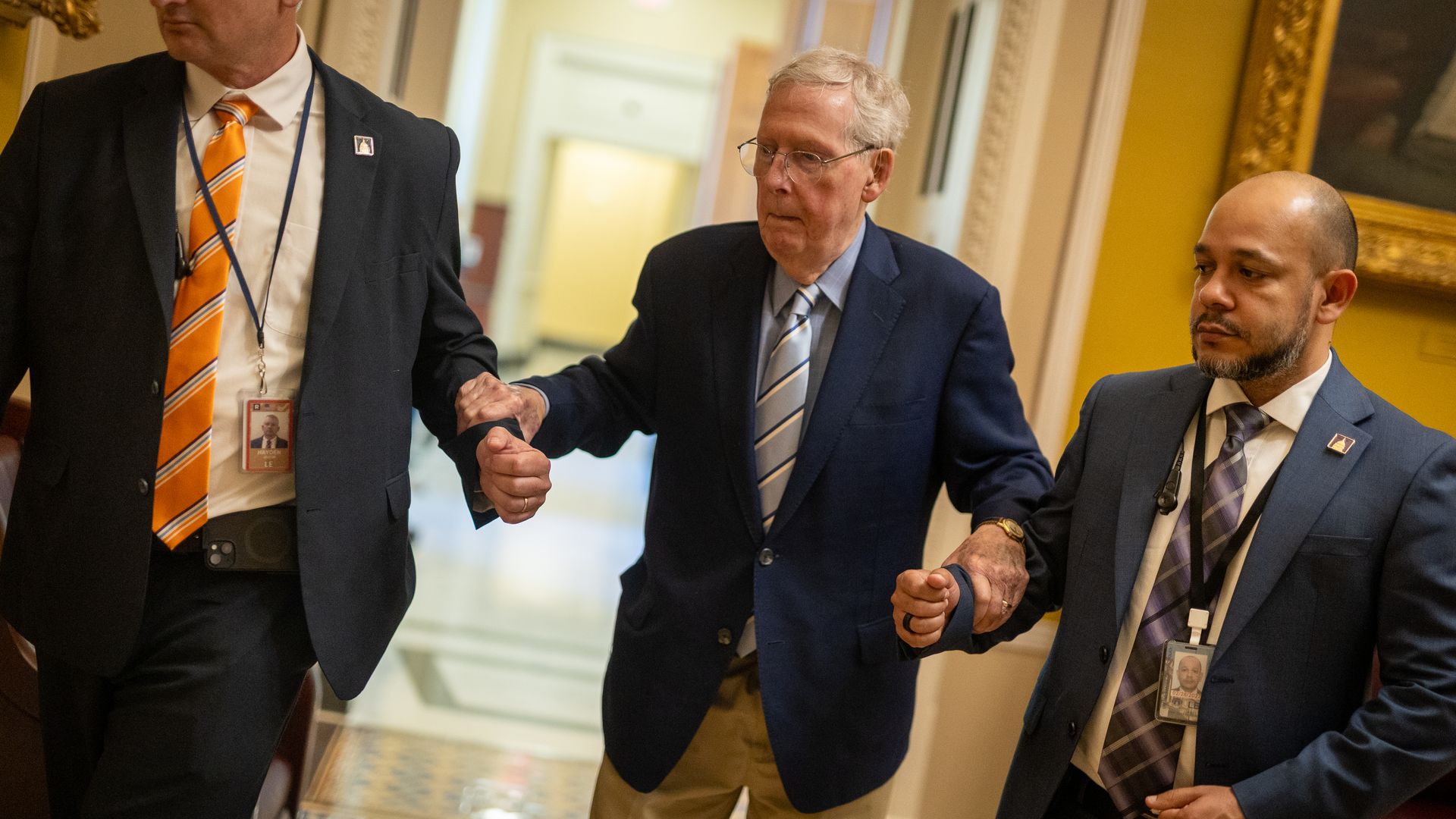
The prolonged absences of Rep. Tom Kean Jr. (R-N.J.) and Sen. Mitch McConnell (R-Ky.) have inspired a bill that would force members of Congress to offer up more information when they go AWOL, Axios has learned.
Why it matters: The back-to-back disappearances have sparked an intense national debate over the degree to which federal lawmakers are obligated to be transparent with the public about their health.
ICE is temporarily suspending most vehicle stops during enforcement operations nationwide after two fatal shootings in Texas and Maine within a week, according to multiple outlets.
The big picture: The pause is expected to remain in place while ICE provides additional training to officers on vehicle stop tactics, the outlets reported, citing Homeland Security and law enforcement sources.
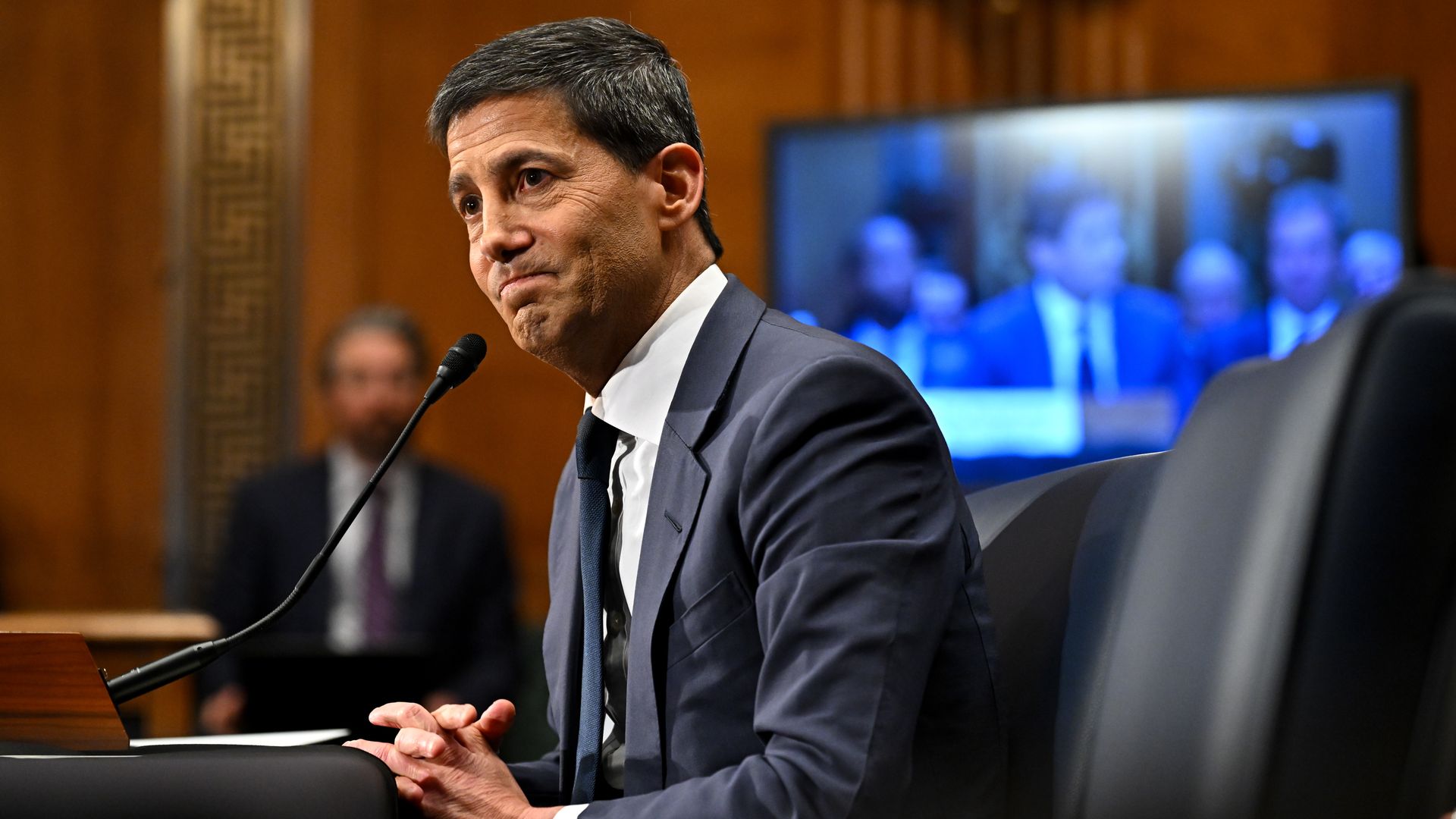
Federal Reserve chairman Kevin Warsh told Congress Tuesday that the central bank remains determined to bring inflation back to target, but declined to offer any hint about whether that could require higher interest rates.
Why it matters: Warsh is trying to break with the Fed's post-financial crisis habit of telegraphing its next move, leaving investors with fewer clues about where policy is headed.
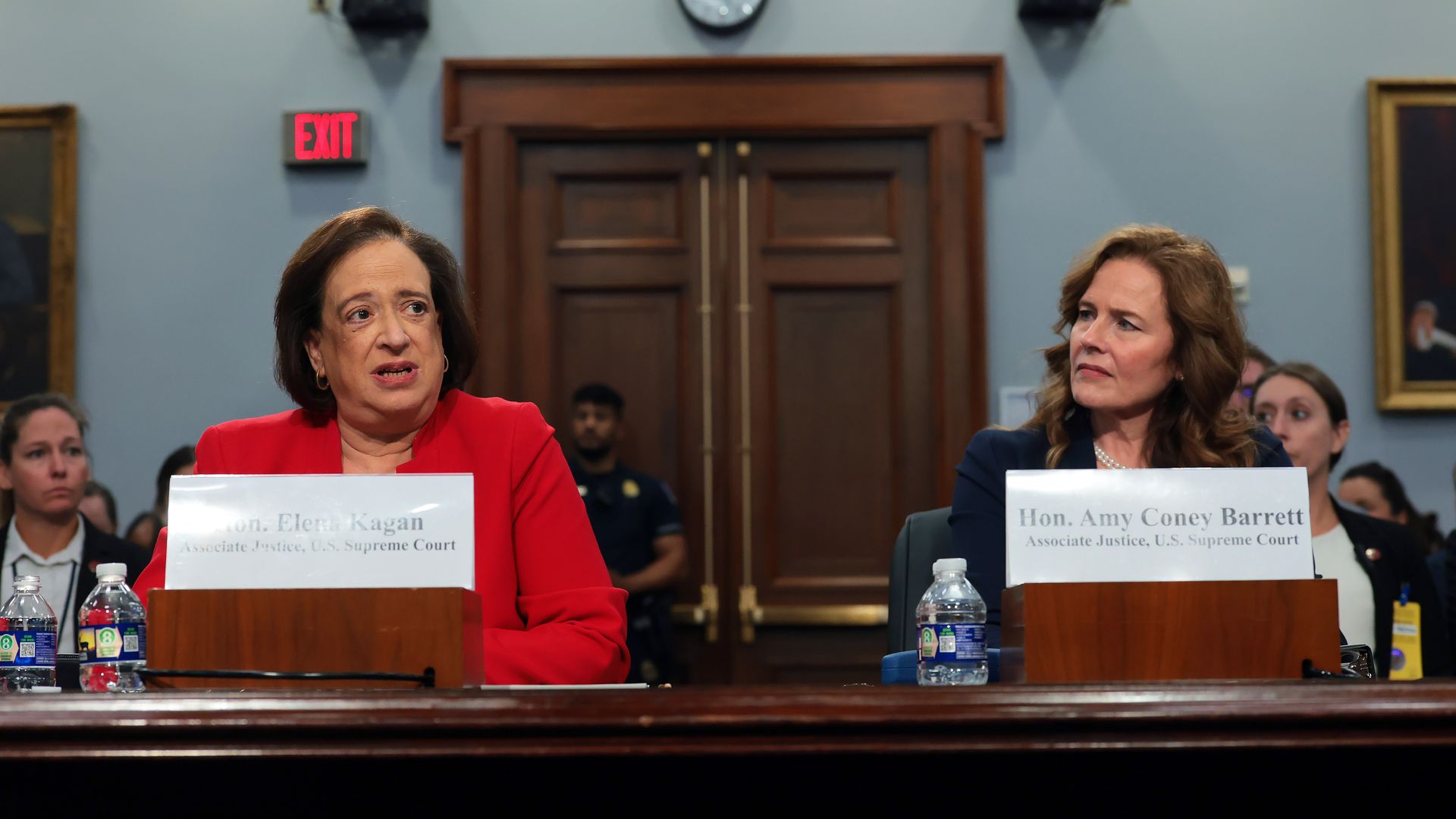
Justice Elena Kagan warned Congress on Tuesday that police expect threats against Supreme Court justices to rise nearly 40% this year.
Why it matters: As courts play a bigger role in deciding the nation's most contentious policy fights, anger from the losing side is turning into threats that risk undermining the court's independence.
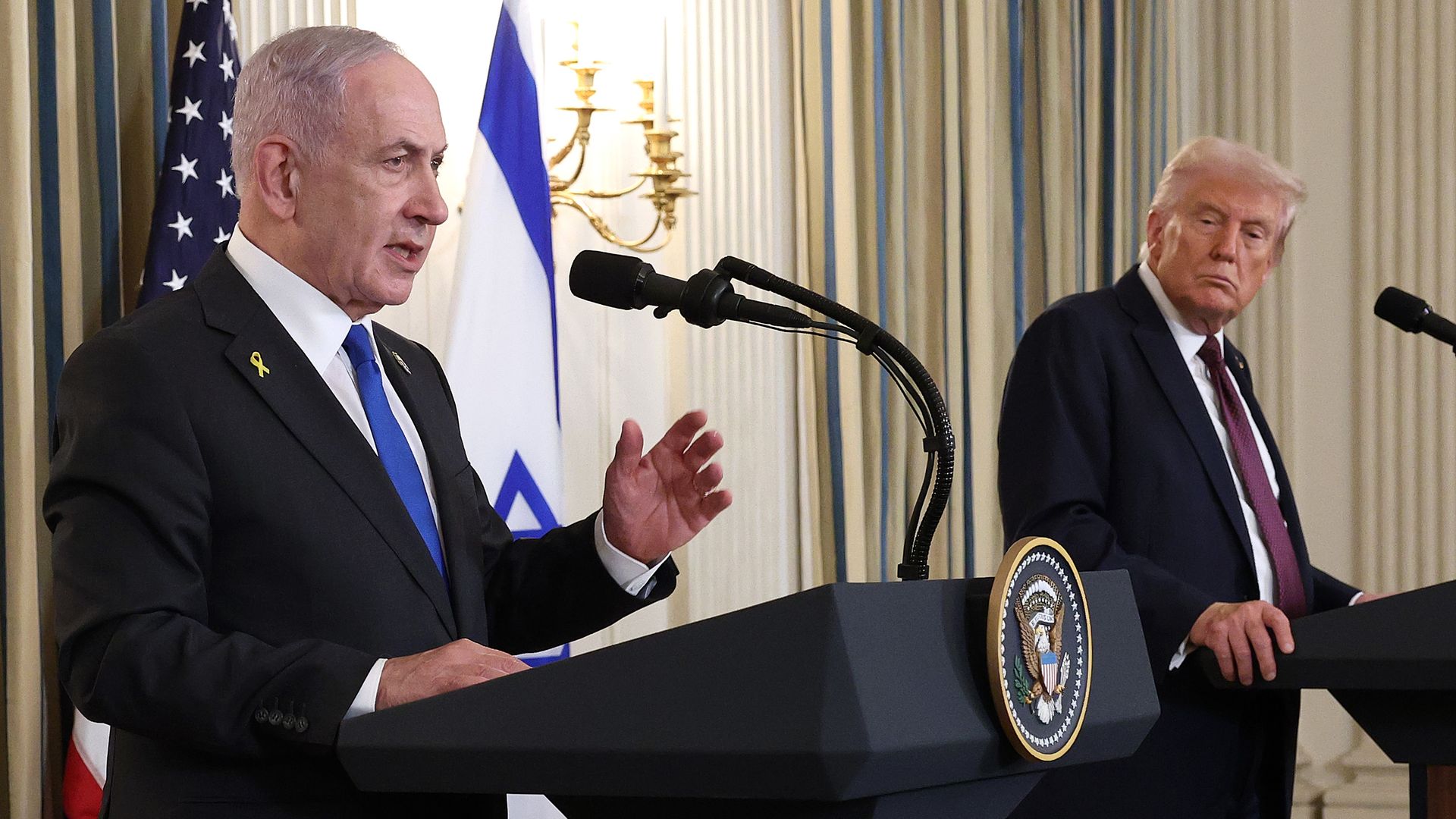
President Trump told Israeli Prime Minister Benjamin Netanyahu during a phone call Thursday that Israel should start redeploying its forces out of Syria and urged him to do the same in Lebanon, according to U.S. and Israeli officials.
Why it matters: Three months ahead of an election that is existential for his political survival and personal freedom, Netanyahu is unlikely to take any significant steps to withdraw Israeli forces from territory it occupies in Syria — or to allow further redeployments in Lebanon beyond the one he's already agreed to.
E. Jean Carroll has finally received the more than $5 million she was owed after a jury found President Trump liable for sexual abuse and defamation three years ago.
The big picture: Trump, who has denied wrongdoing, spent years trying to get the verdict tossed, with the Supreme Court eventually rejecting his bid late last month.
President Trump on Tuesday walked back his demand for collecting a 20% toll from ships that transit through the Strait of Hormuz — and instead said Gulf states would make major investments in the U.S.
Why it matters: Trump's Hormuz fee announcement on Monday was deemed illegal by the UN maritime agency and shocked many U.S. allies in the Gulf. It also validated the Iranian demand to collect service fees in the strait — something Trump himself rejected until several days ago.
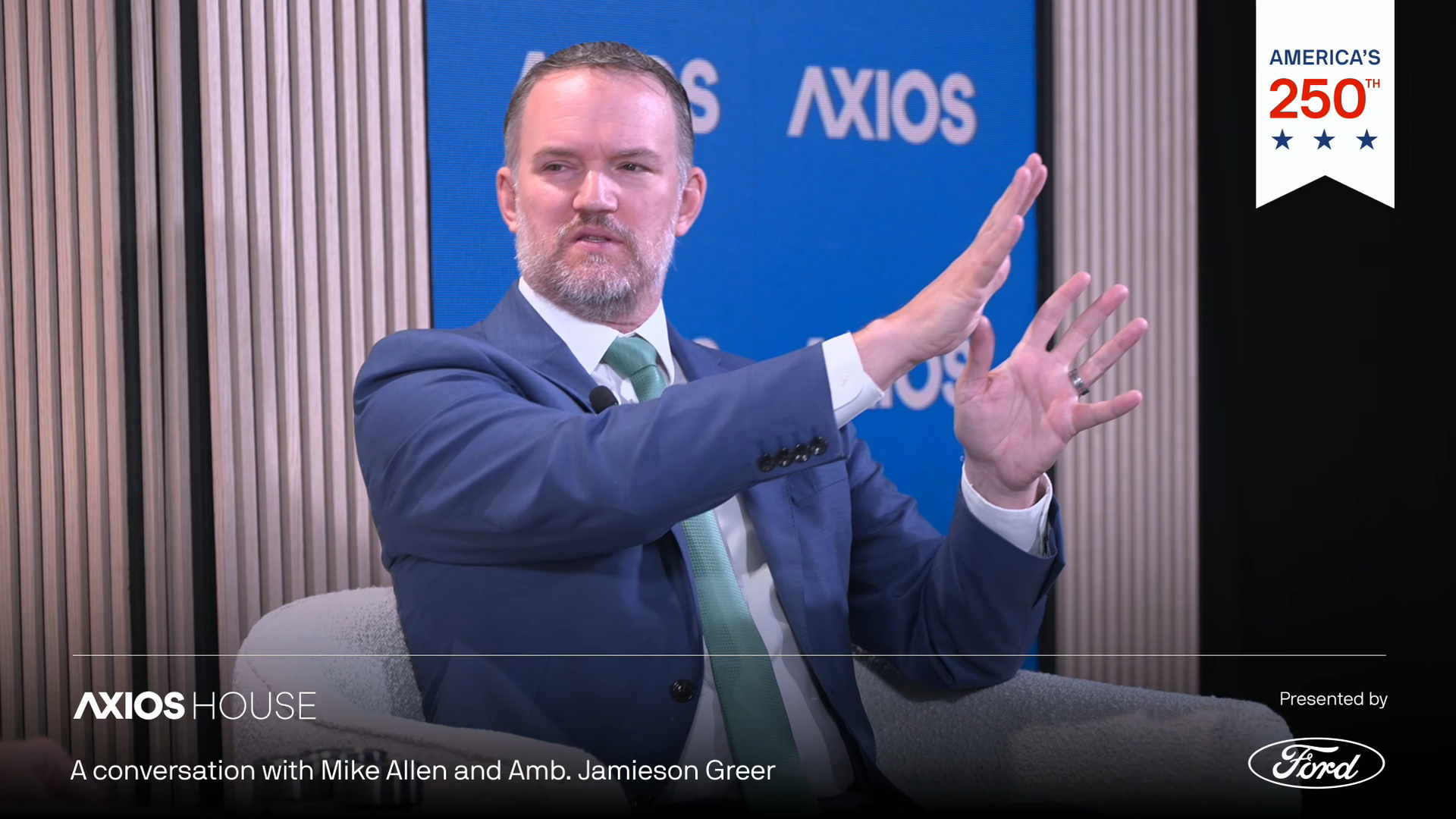
Europe must take "concrete actions" to rein in its enforcement of laws that disproportionately hit American tech companies, U.S. Trade Representative Jamieson Greer said at Axios House D.C. on Tuesday.
Why it matters: At stake is who gets to write the rules for the world's dominant tech companies — Washington or Brussels — and Greer wants America to lead the way on how its companies operate.
Singularity exited stealth Tuesdaywith millions of dollars in its pocket and a singular goal: improving and proliferating air defenses.
The big picture: Cheap drones and missiles now swarm modern battlefields, and investors are funding systems that might stop them.
Ukraine swats hourly Russian strikes. American troops prepare for and contend with Iranian salvos. Analysts dissect stockpile levels on TV. And President Trump publicly muses about Golden Dome.
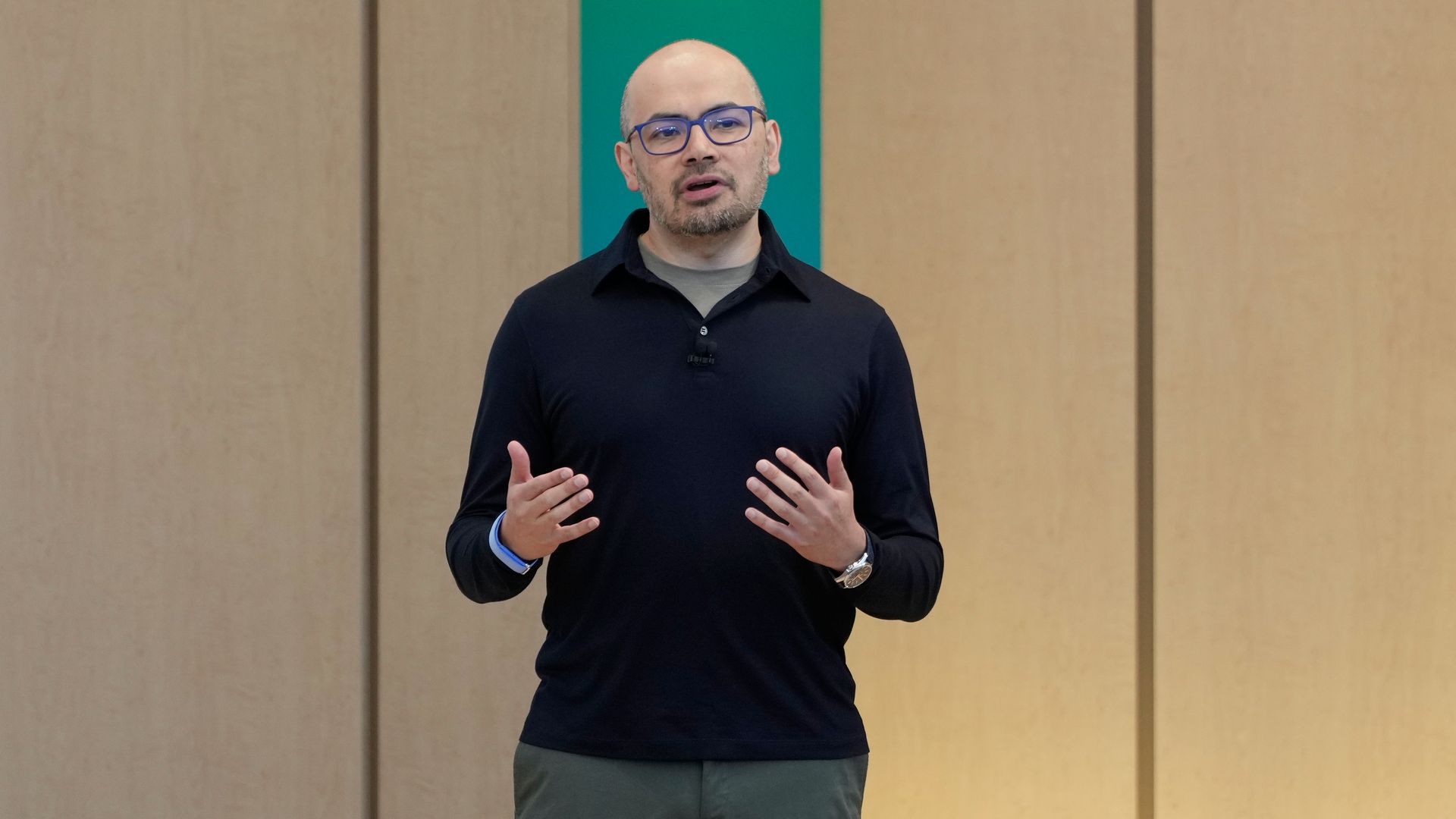
Demis Hassabis, Google DeepMind co-founder and CEO, is calling on the U.S. to establish a new AI watchdog with the power to screen the world's most advanced models — and coordinate an industry-wide slowdown if dangers mount.
Hassabis, the Nobel laureate behind Gemini, lays out the plan in a personal manifesto published Tuesday morning, "A Framework for Frontier AI and the Dawning of a New Age."
Why it matters: In an exclusive interview with Axios, Hassabis said the time has come for a more "systematic" approach to AI regulation — funded by the industry, staffed by world-class technical experts, and answerable to the U.S. government.
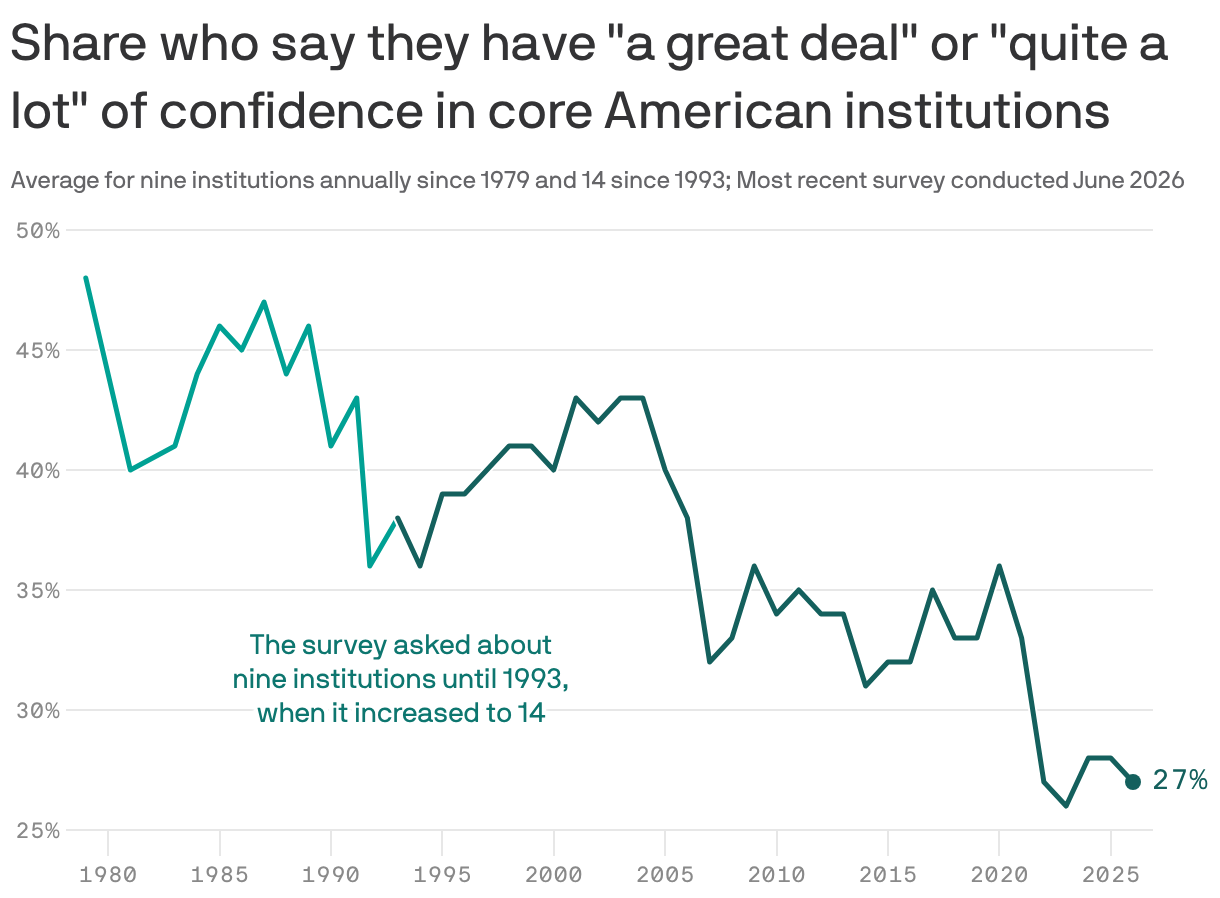
Data: Gallup; Note: Institutions rated annually since 1979 are church or organized religion, the military, the U.S. Supreme Court, banks, public schools, newspapers, Congress, organized labor, and big business. Additional institutions rated annually since 1993 are TV news, the presidency, police, the medical system, and the criminal justice system. Chart: Danielle Alberti/Axios
Americans' confidence in 14 of the nation's core institutions is at or near all-time lows, according to new Gallup polling.
Why it matters: Trust in America's institutions is being pulled apart by a widening partisan gap, with Republicans far more confident than Democrats in the Trump 2.0 era of mass societal disruption.
President Trump's prime-time Thursday speech from the White House is slated to include election integrity, an update on Iran and whatever else he deems important, a senior adviser tells Axios.
"It will be a potpourri," the adviser said.
Why it matters: Though ever-available to reporters, Trump hasn't given many prime-time, direct-to-camera speeches from the White House. He wants to do more of them, the adviser said.