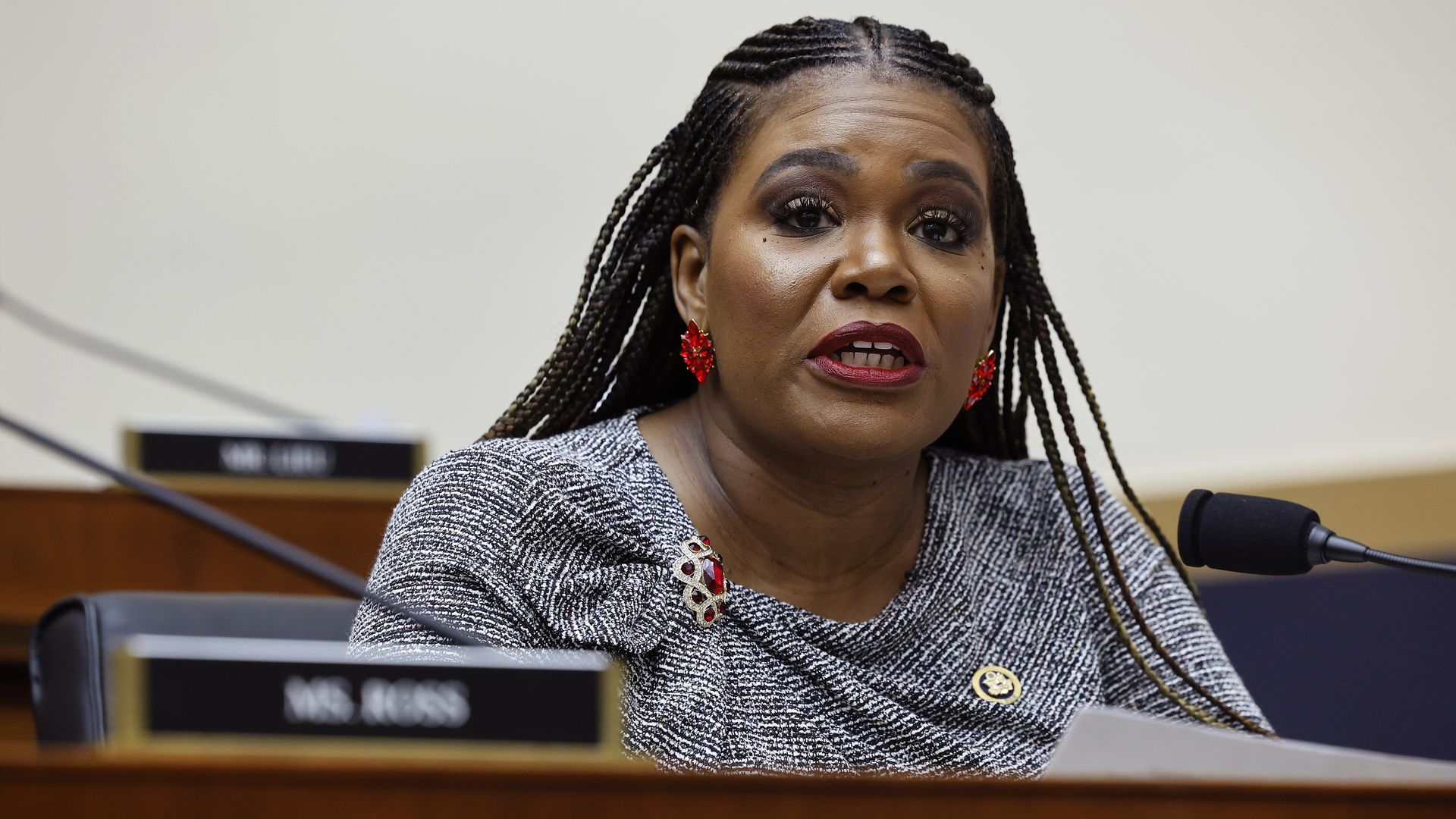
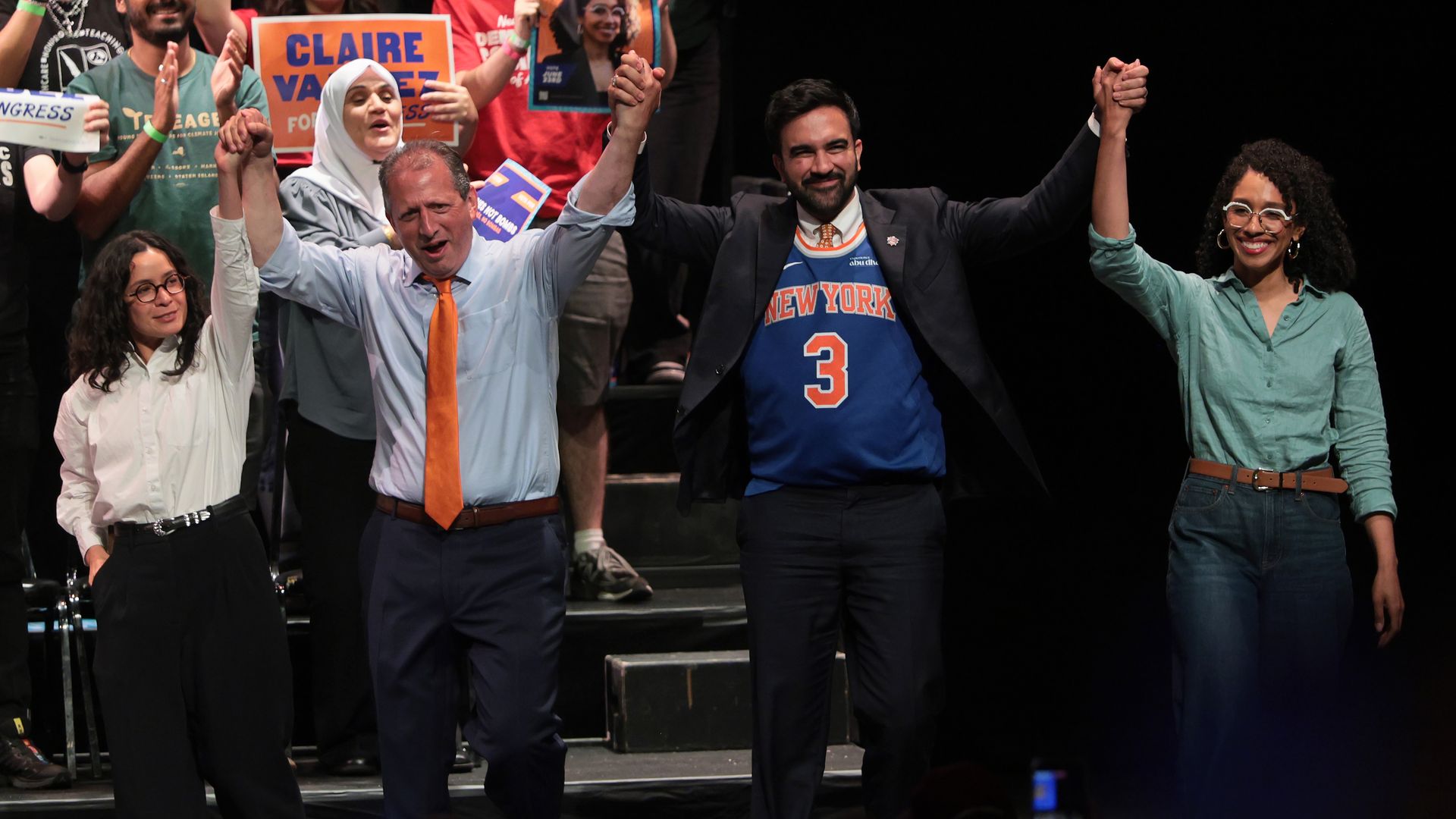
Former Rep. Cori Bush (D-Mo.), in an interview with Axios on Friday, declined to commit to voting for House Minority Leader Hakeem Jeffries (D-N.Y.) as speaker if she wins back her old House seat.
Why it matters: Bush joins dozens of candidates — particularly Democratic Socialists of America members and their allies — who are stopping short of committing to a Jeffries speakership.
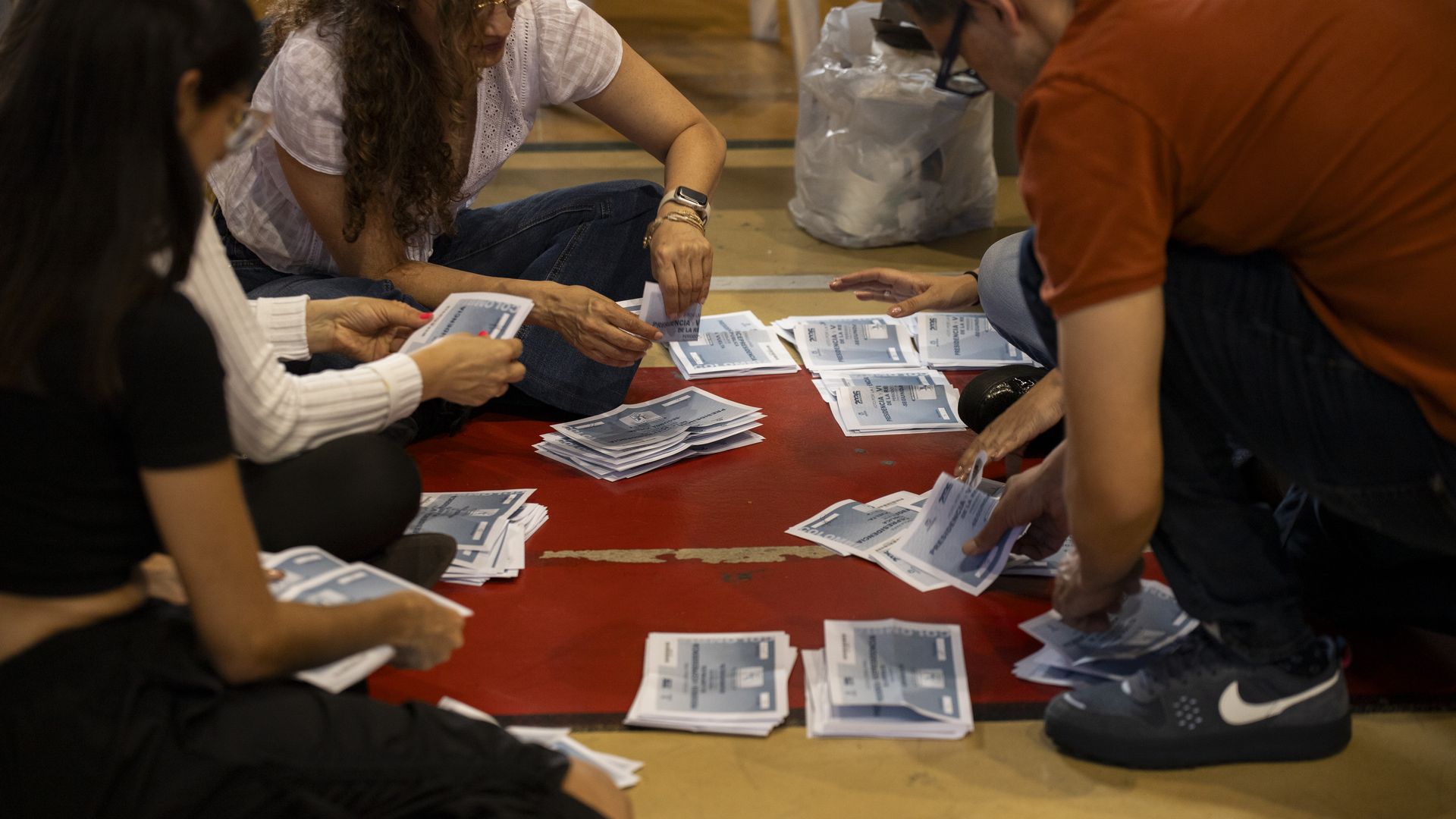
Senate Republicans are elevating Colombia as a role model in their push for stricter voting rules in the U.S. — and using California as their foil.
Why it matters: Republicans don't have the votes to jam through President Trump's SAVE Act, but some conservatives are using Colombia's election system to keep the up the pressure on GOP leaders.
White House aide Heidi Overton, oncologist Jeffrey Vacirca and senior Pentagon health official Stephen Ferrara are all in the running to be the next FDA commissioner, sources tell Axios.
Why it matters: The agency is moving to repair its relationship with industry and rehire critical staff since the departure of former commissioner Marty Makary. But a full-time political leader will ultimately decide the agency's direction.
President Trump trained elected Republicans to obey him, even when they disagreed.
Elected Republicans trained Trump to expect obedience, even as his demands grew impossible to satisfy.
Why it matters: Years of Republicans submitting to Trump, often against their own judgment, have curdled into a rolling crisis as Washington nears the likely end of the GOP's two-year monopoly.
Vice President JD Vance headlined an RNC fundraiser on Thursday night in Palo Alto, California, at the residence of influential investor and All-In Podcast host Chamath Palihapitiya, raking in $4.2 million for the Republican Party, a source familiar with the dinner tells Axios.
Why it matters: Vance, who worked in venture capital before becoming a U.S. senator from Ohio, has always had strong ties to Silicon Valley and the tech world.
Reps. Josh Gottheimer (D-N.J.) and John Moolenaar (R-Mich.) are introducing legislation that would let U.S. cloud companies flag suspected foreign misuse of advanced AI computing to the government, per a copy of the bill seen by Axios.
Why it matters: As the Trump administration works out its AI policy and frontier models rapidly advance, there's bipartisan interest on Capitol Hill in tackling thorny AI security issues.
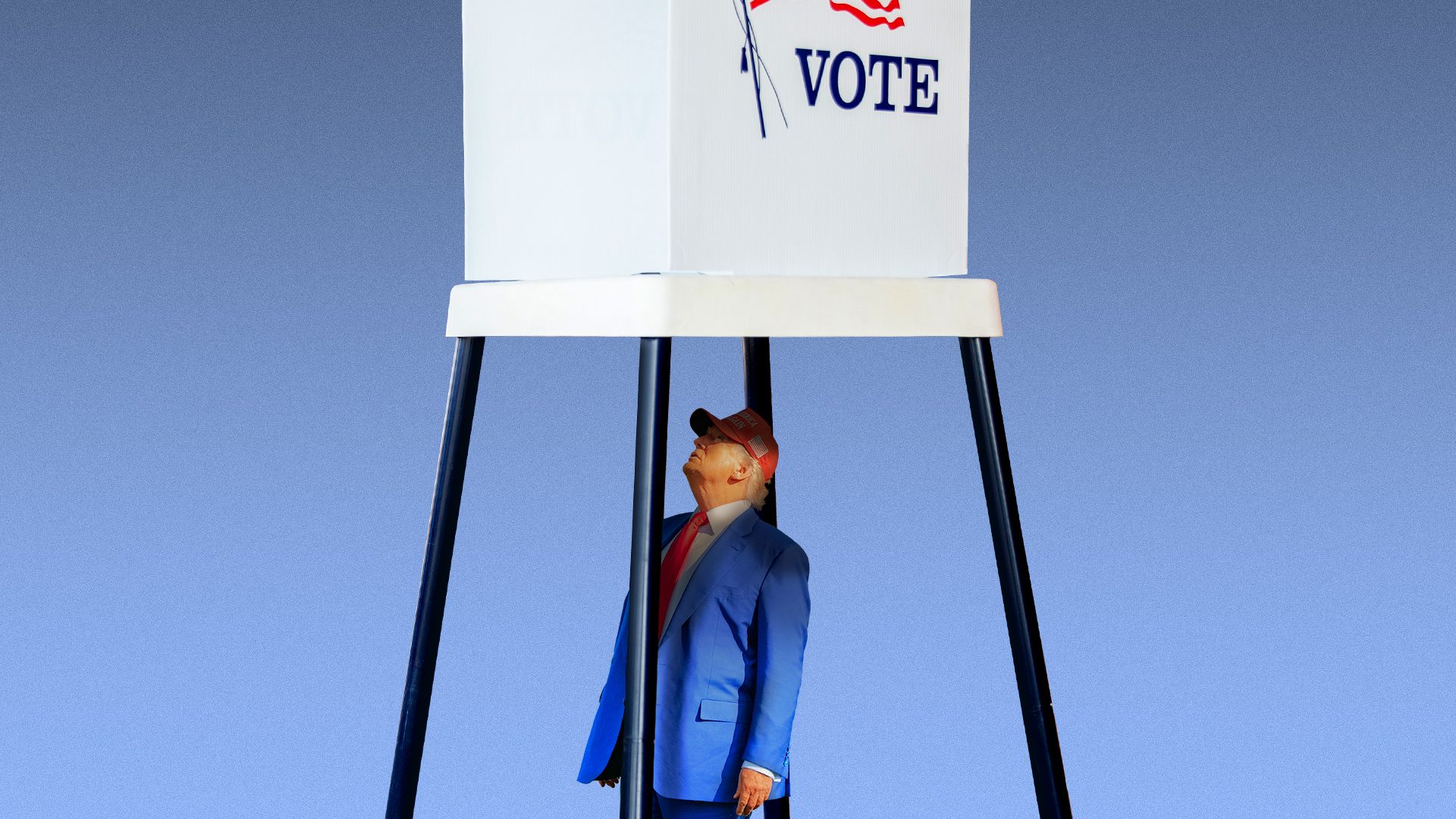
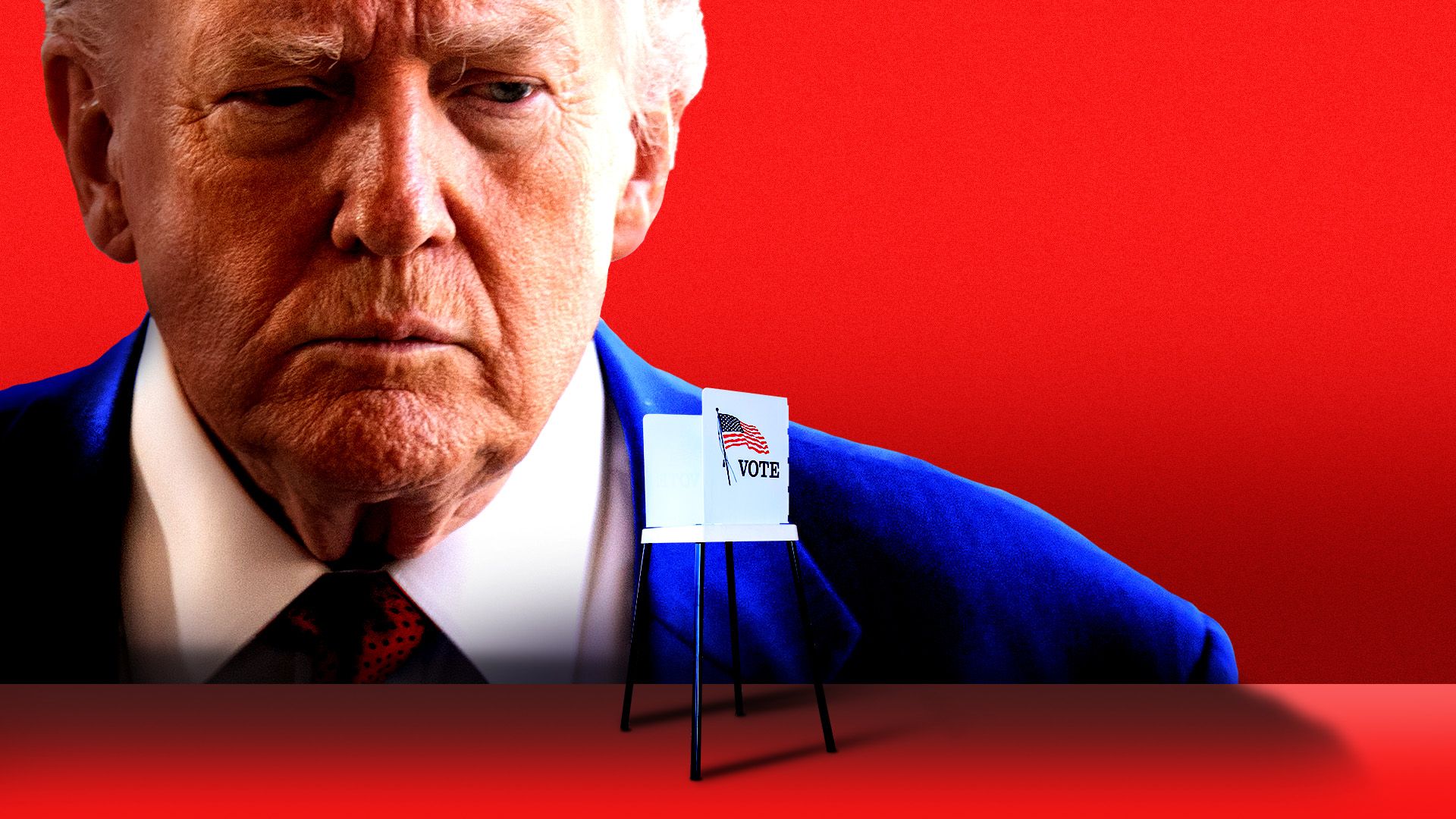
President Trump's voter fraud crusade is crashing into the limits of his power ahead of November's midterm elections.
Why it matters: Trump has made cracking down on alleged mass voter fraud a priority, but his election-related executive orders are stalled in court and his legislative fix is stuck in the Senate.
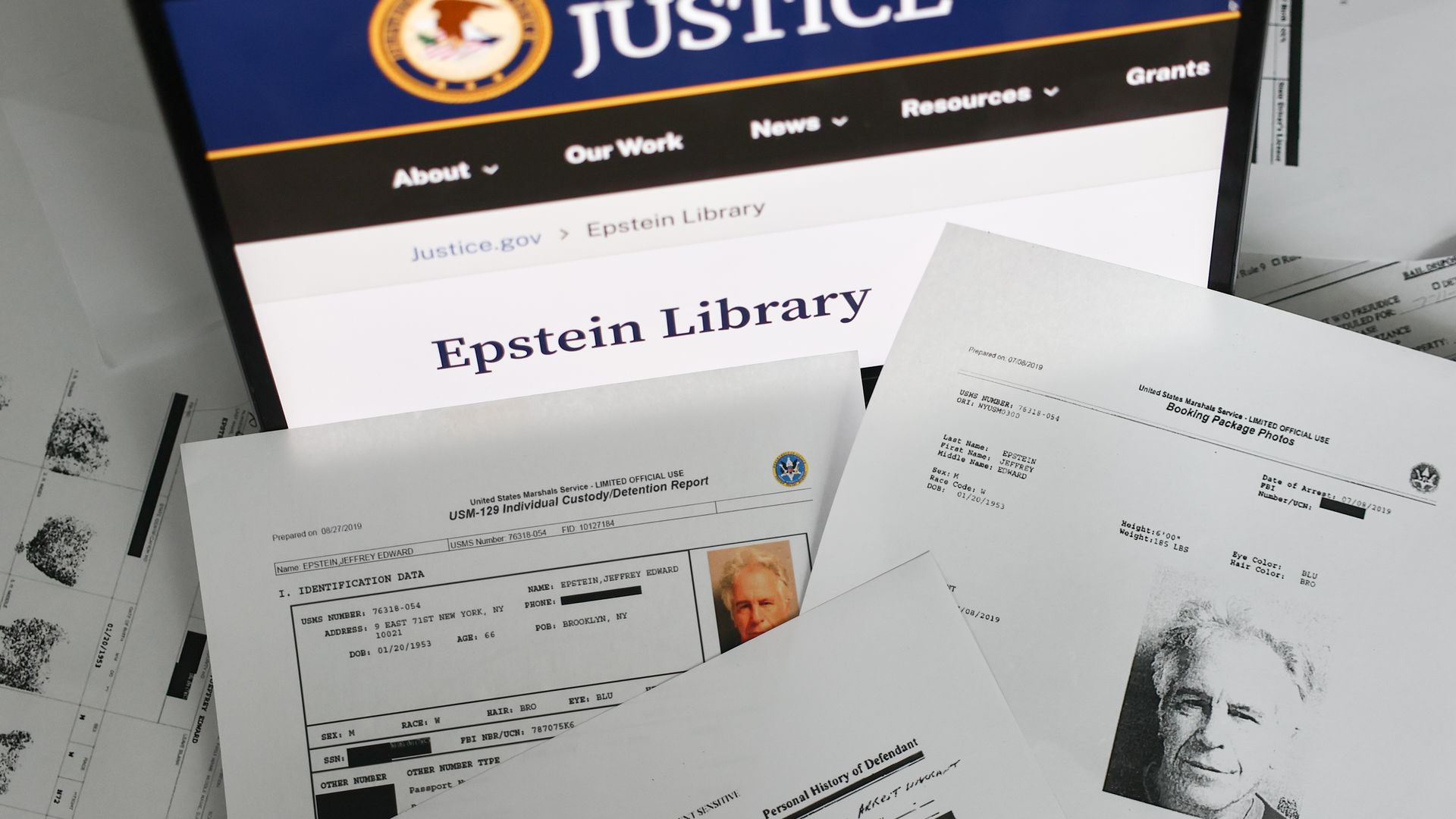
A federal judge on Thursday ordered the U.S. Department of Justice to release additional unredacted Jeffrey Epstein records or explain by July 2 why it can't.
Why it matters: The ruling could force the DOJ to release previously withheld Epstein records or publicly explain why they remain sealed.
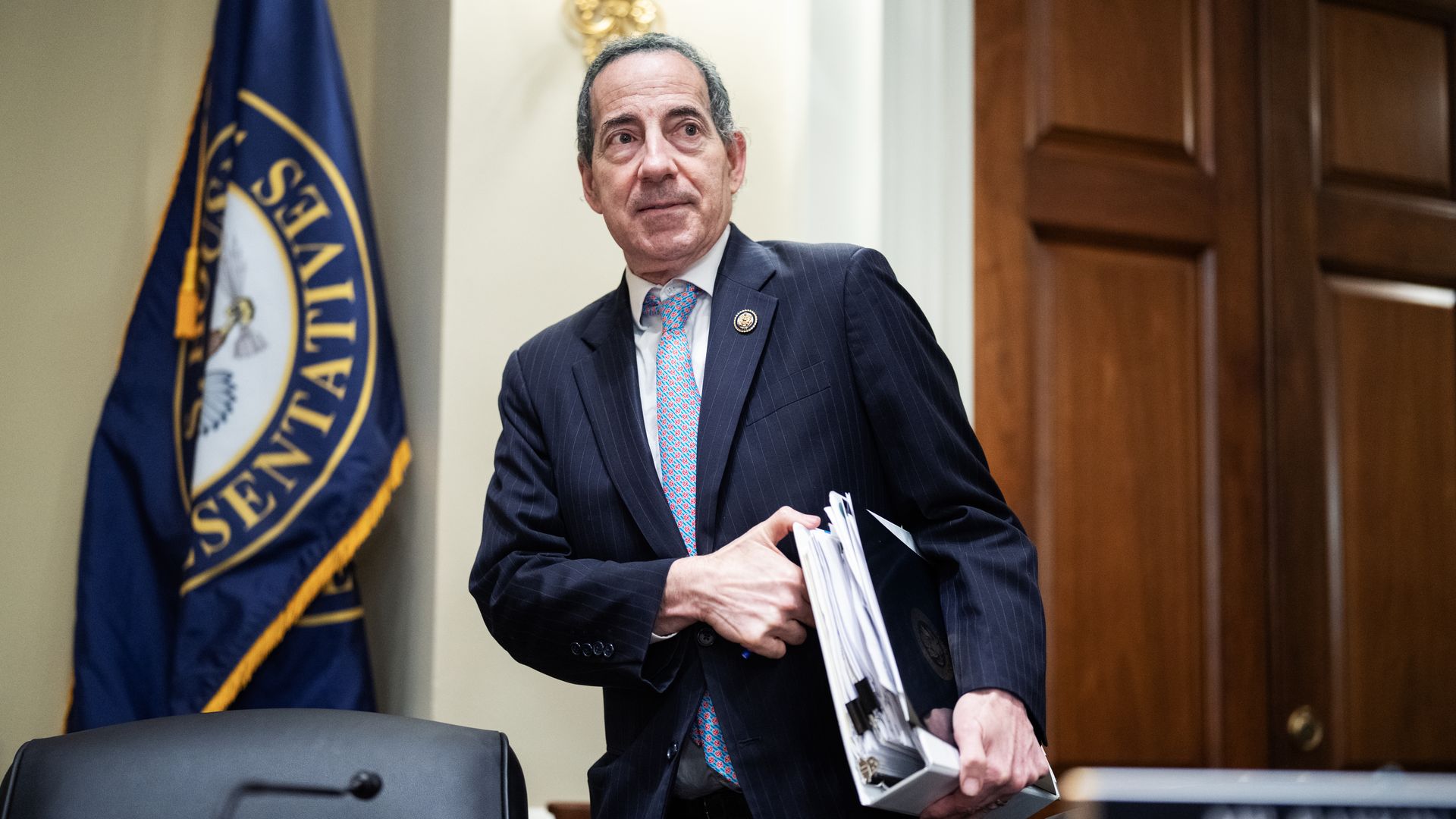
Moderate House Democrats are warning they're prepared for "war" if incoming progressives and democratic socialists try to hijack the House floor to secure ideological concessions.
Why it matters: This strategy would mean even more work for House Minority Leader Hakeem Jeffries (D-N.Y.) to tamp down divisions and keep his caucus unified come 2027.
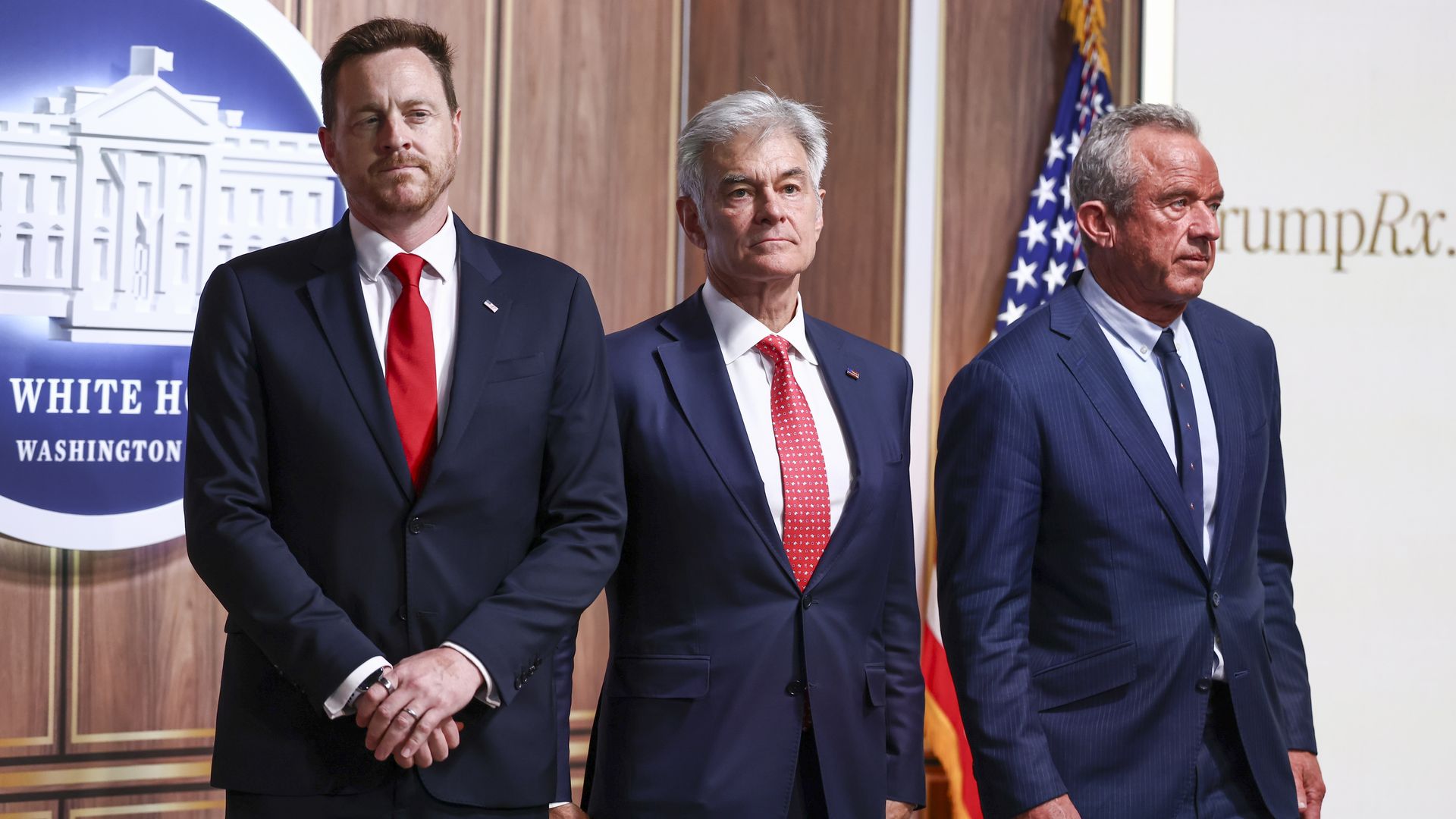
President Trump nominated Chris Klomp for deputy health secretary on Thursday, cementing the influential aide's role as a de facto No. 2 to Health Secretary Robert F. Kennedy Jr.
Why it matters: Klomp has won praise from health industry leaders and other stakeholders since being elevated from Medicare director to chief counselor of the Department of Health and Human Services in February.
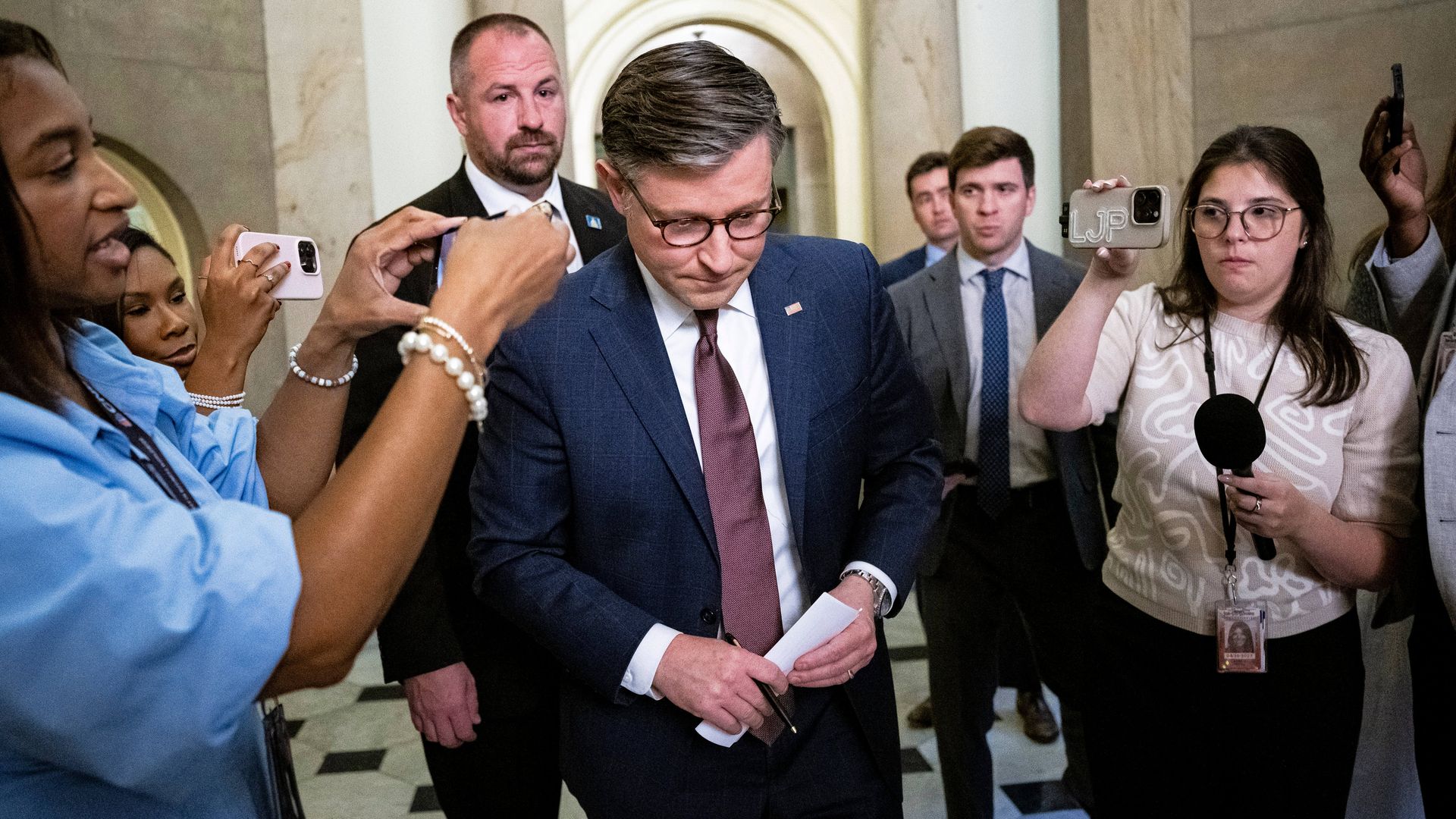
Speaker Mike Johnson (R-La.) emerged from a White House meeting Thursday with two much-needed wins:
President Trump publicly urged House Republicans to stop tanking procedural votes, which could help unstick the House floor.
Johnson officially transmitted the bipartisan housing bill to the White House, a sign of confidence that it's on track to become law after Trump had refused to sign it just a day earlier.
Why it matters: The SAVE America Act has consumed the House GOP, with some Republicans frustrated that a bill they've already passed three times is now paralyzing their agenda.
After the Supreme Court struck down Hawai'i's gun law Thursday, lawmakers and gun-control advocates are reassessing which firearm restrictions they can enact that this court will let stand.
Why it matters: The ruling shows how hard it has become to design modern gun laws under the court's exacting standard, which asks whether any new restrictions fit within the nation's historical tradition of firearm regulation.
CANNES, France — Latino purchasing power in the U.S. has hit $4 trillion — yet the marketing and ad dollars aimed at the Latino consumer still doesn't match it, leaders said at an Axios event.
Why it matters: Undervaluing this audience has real consequences across industries, said former professional baseball player Alex Rodriguez, who is chairman and CEO of A-Rod Corp.
As an illustration, Rodriguez pointed to women's sports: top WNBA broadcasts can draw similar viewership numbers as Sunday Night Baseball, yet the MLB commands 25 to 30 times more in rights fees.
"The same math applies to how we [Latinos] are valued," Rodriguez said.
Axios' Sara Fischer and Kerry Flynn moderated discussions with Rodriguez, co-founder of Religion of Sports Gotham Chopra, Atlassian Williams Formula 1 Team driver Carlos Sainz, and Pablo Torre, host and executive editor of "Pablo Torre Finds Out." The June 24 event was sponsored by TelevisaUnivision.
What they're saying: Brands treat the Latino community as a monolith and that's the core mistake, Rodriguez and Torre both said.
"The way a Latino shows up in LA is so different than the way a Latino shows up in Miami or in New York," Rodriguez said. "You got to really micro-study these things."
"Race is a concept that is imposed upon you — it is not one that you choose," Torre said. "We need to be careful about that."
Between the lines: Brands' one-size-fits-all approach to Latino communities often reflects a lack of diversity among the decision-makers, Rodriguez said.
"It's not good enough to be the only man or woman of color in the room," Rodriguez said. "Leave that door open. Make sure you bring others with you."
Zoom out: Sports and music are the two most powerful entry points and live events are where Latino fandom converts to commerce, Sainz and Torre said.
Sainz said F1 is finally paying attention, as it is now translating all of its social content to Spanish and this year will host its first Grand Prix in Madrid in over 40 years. "When we do things, we like to do them properly," Sainz said.
The NFL's Bad Bunny decision was business, not culture, Torre added. "The prime directive is growth. By that standard, Bad Bunny makes all the sense in the world."
Yes, but: Reaching this audience authentically takes time and many brands won't invest it, Chopra said.
"You cannot show up on day one with a camera and say, 'Go be vulnerable,'" Chopra said. "Everything we have done successfully has been a function of time and earning trust."
The bottom line: "Sports and music are the two last elements that bring us together," Rodriguez said, explaining that the brands that invest in the Latino audience year-round, not just during special events like the World Cup, are the ones that will win.
Content from the sponsor's segment:
In a View from the Top conversation, TelevisaUnivision president of U.S. advertising sales and marketing John Kozack said media fragmentation has made it harder to reach the Latino audience, but live sports, music and drama remain the exception.
TelevisaUnivision holds over 50% of all U.S. soccer viewership and has secured the Spanish-language broadcast rights for Super Bowl LXI in 2027, Kozack said.
"It's not if you should invest in reaching Hispanics — it's how."
Polestar, the Chinese-owned electric vehicle company, is withdrawing from the U.S. market after the U.S. Commerce department banned its high-tech cars, citing national security concerns.
The big picture: It's the latest sign of a new, fractured era in the auto industry. After decades of globalization, the industry is splintering into regional markets and supply chains, driven by geopolitics and the rise of low-cost, high-tech competition from China.
The Supreme Court on Thursday cleared the way for the Trump administration to turn away asylum seekers at the southern border who haven't yet crossed into U.S. territory.
Why it matters: The Court's decision resolves a years-long legal fight over a Border Patrol practice when there's limited bandwidth to process people at a port of entry.
A seismic shift has been proposed for federal grantmaking that would fundamentally alter how billions of dollars in federal funding are awarded across the United States, with far-reaching implications for grant-supported programs, services and organizations nationwide and the communities they serve.
A federal judge blocked the Trump administration Thursday from enforcing key parts of his executive order aiming to create a citizenship list of eligible voters and restricting mail-in voting.
The big picture: Fueled by unfounded claims of a rigged election, President Trump has consistently railed against and attempted to undermine mail-in voting. Thursday's decision hands the president yet another loss on his attempts to unilaterally change American elections.
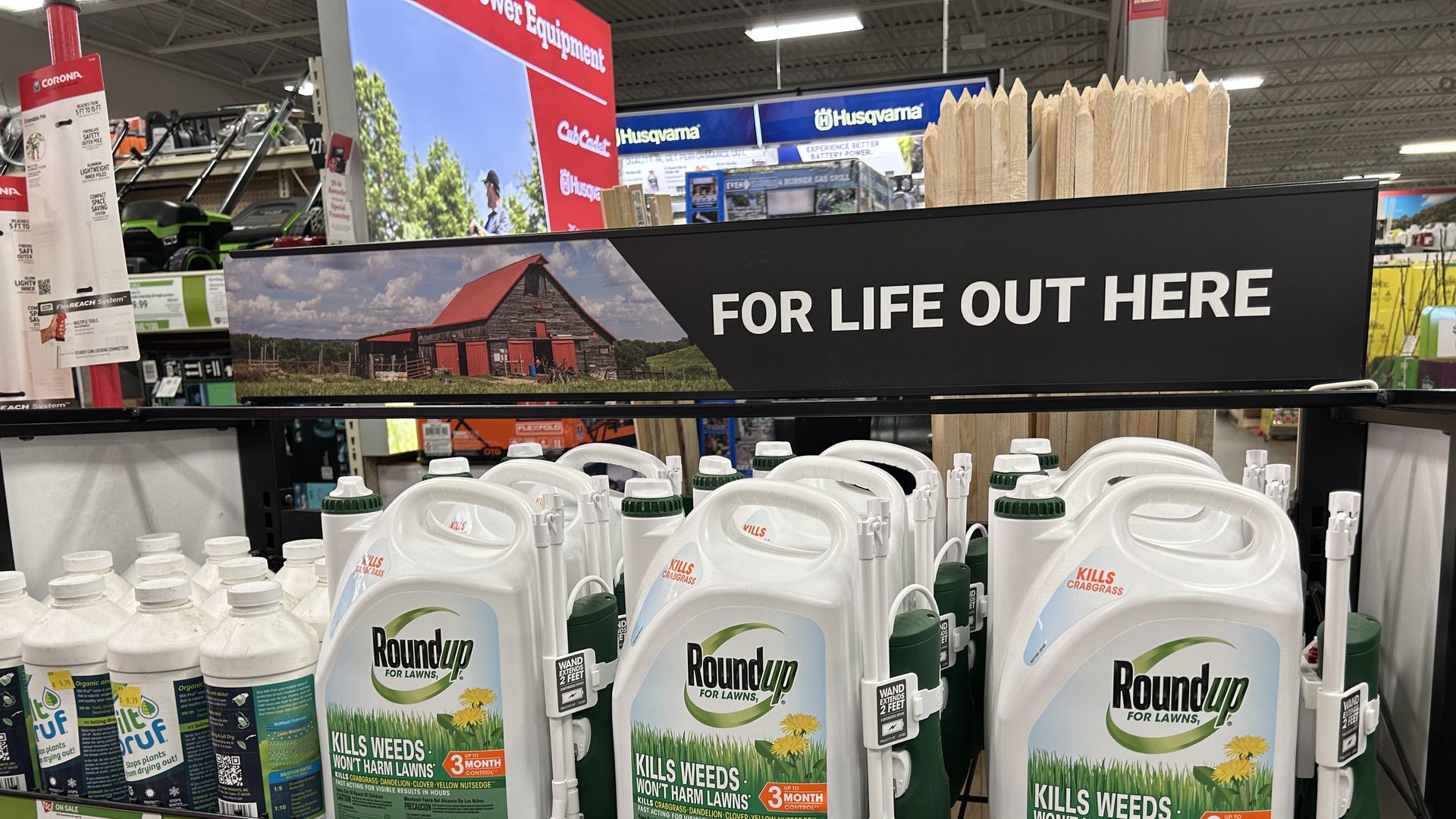
The Supreme Court ruled Thursday that consumers can't use state courts to bring lawsuits against manufacturers that don't warn of hazards surrounding their products.
Why it matters: The case was a major friction point for activists in the "Make America Healthy Again" movement, who have been calling for a crackdown on chemicals like glyphosate, the active ingredient in the weedkiller Roundup, in the food supply.
House Democrats are launching a discharge petition to force a vote on permanently blocking the Trump administration's nearly $1.8 billion anti-weaponization fund.
Why it matters: The petition tests whether Republicans' complaints about the fund will turn into votes to kill it and whether Democrats can keep using discharge petitions to drag sensitive Trump fights onto the House floor over GOP leaders' objections.
American politics, reordered and reimagined by a decade of President Trump's rise, fall and resurrection, is imploding in substantial ways.
MAGA is splintering between Trump enthusiasts and true "America First" believers.
Socialism is rising in popularity and clout. Democratic leaders are flailing.
Israel is bleeding support with both parties. Pro-Palestinian politicians are winningelections.
AI is dividing both sides of the aisle, with strong pro-worker coalitions forming among Republicans and Democrats.
And Trump's unpopularity seems set and locked around 60%.
Why it matters: Everything is up for grabs — and wildly uncertain. House and Senate control are coin tossesin the November midterms, the 2028 presidential races are wide open, and both parties are equally despised by the electorate.
Growing demand for medical care and high-cost drugs helped drive up national health spending 7.3% last year, to $5.7 trillion, according to new projections federal actuaries released on Wednesday.
The big picture: It marked the third consecutive year that health spending rose above 7% — a trend that's likely to continue this year and intensify affordability concerns.
The big-picture indicators of the U.S. economy — GDP, unemployment and so on — are doing finewhile public opinion on economic conditions is at rock bottom.
The big picture: The juxtaposition is the result of not just the elevated prices reflected in macroeconomic data, but higher and more volatile prices for the specific items that dominate Americans' day-to-day living expenses.
That's the early conclusion of top Democratic economic policy minds who have embarked on a new effort to quantify — and develop policy responses to — the economic forces that ail American households.
The war-driven spike in gas prices has caused "financial hardship" for about two-thirds of American households, per survey data from Gallup out Thursday.
Why it matters: Although it's becoming clear that the rise in oil prices wasn't a huge hit to the overall U.S. economy, high prices at the pump certainly slammed people in the pocketbook.
America's child population fell by 1.8 million from 2020 to 2025 — with the under-18 population shrinking in every region but the South.
Why it matters: Most of America is preparing for fewer students and young families, while the South faces the opposite problem: crowded classrooms, new housing pressure and rising political stakes.
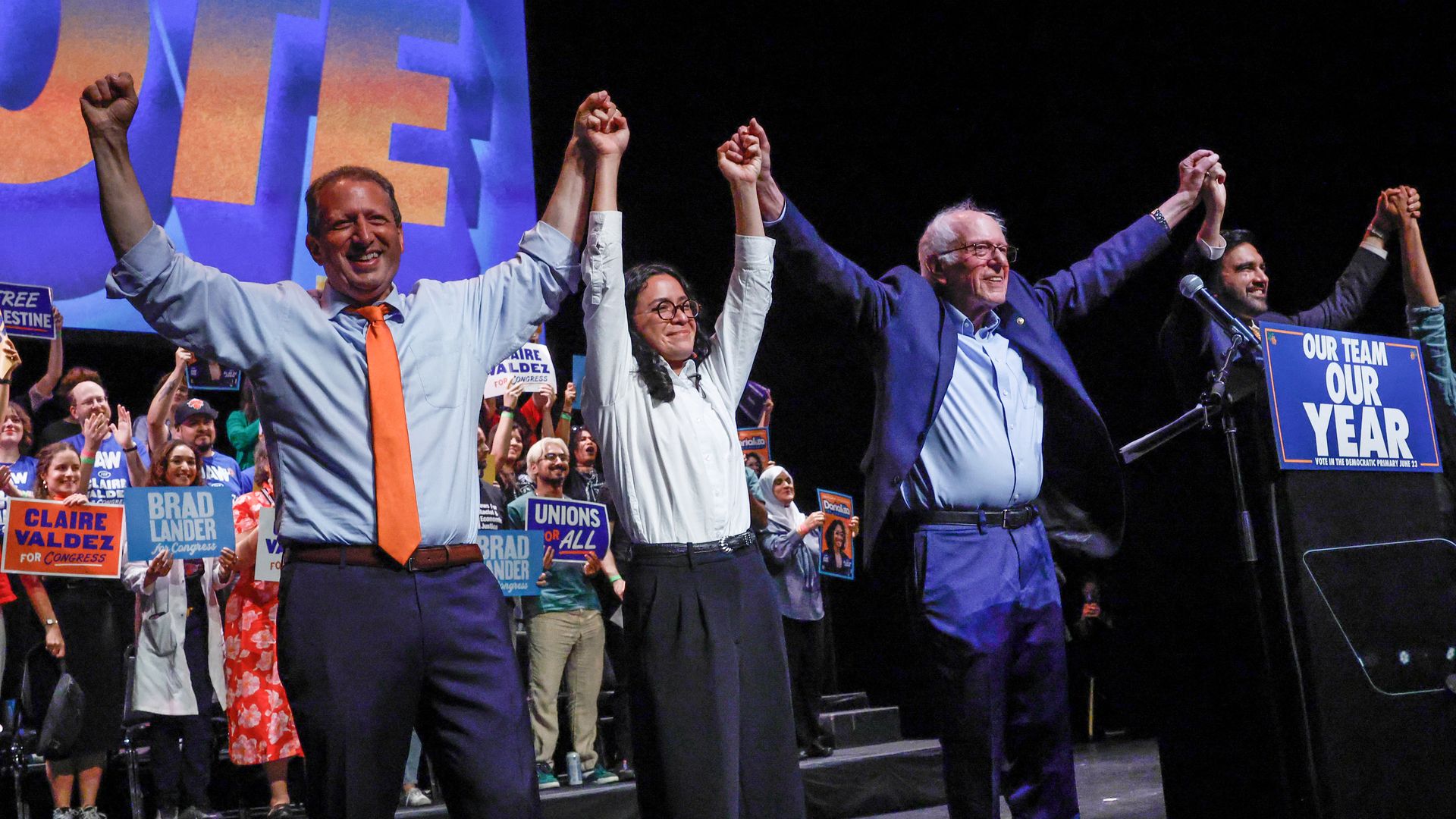
House Democrats are preparing themselves for a caucus in 2027 that is significantly more outspoken and left-wing than the one they have now.
Why it matters: It wasn't all that easy to integrate the four-member "Squad" into the Democratic fold. Now party leadership is going to have to contend with a much larger cohort of rabble rousers.
The Trump administration asked Congress on Wednesday for $87.6 billion in supplemental funding, most of it to cover costs related to the Iran war.
Why it matters: The request is likely to intensify debate over presidential war powers as lawmakers in both parties question whether Congress should have authorized military action against Iran.