Supreme Court blocks lawsuits over chemical risks


Add Axios as your preferred source to
see more of our stories on Google.
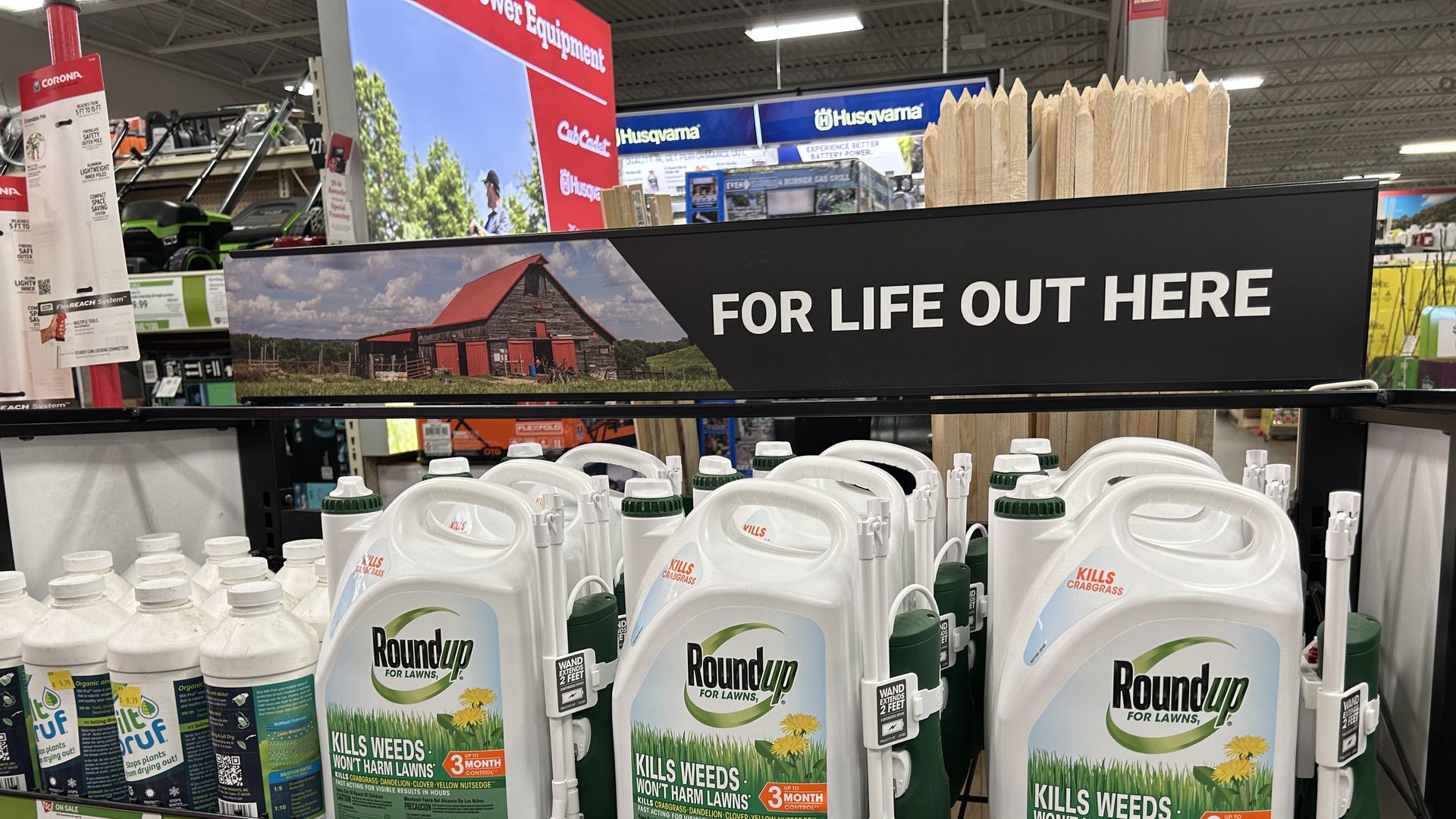
Lindsey Nicholson/UCG/Universal Images Group via Getty Images
The Supreme Court ruled Thursday that consumers can't use state courts to bring lawsuits against manufacturers that don't warn of hazards surrounding their products.
Why it matters: The case was a major friction point for activists in the "Make America Healthy Again" movement, who have been calling for a crackdown on chemicals like glyphosate, the active ingredient in the weedkiller Roundup, in the food supply.
- The decision could block thousands of pending lawsuits from individuals who claim they developed cancer after being exposed to pesticides.
Driving the news: In a 7-2 ruling, justices said federal pesticide law preempts a lawsuit against Monsanto, the maker of Roundup, for failing to include a warning about cancer risks on the label.
- While Health Secretary Robert F. Kennedy Jr. has pointed to glyphosate as an environmental toxin that contributes to chronic disease, the Environmental Protection Agency, which regulates pesticides, has balked at characterizing it as harmful.
- Federal law "requires Monsanto to sell Roundup with the label that EPA approved at the initial registration and that EPA has subsequently re-approved on multiple occasions—that is, the label without a cancer warning," Justice Brett Kavanaugh wrote for the majority.
- Justices Ketanji Brown Jackson and Neil Gorsuch dissented.
Context: The case, Monsanto v. Durnell, stemmed from a Missouri state court verdict in favor of a man who claimed Roundup products caused his non-Hodgkin's lymphoma.
- The Trump administration filed a brief in the case siding with the company.
Monsanto said the decision "is good for science, farmers, and industries that depend on regulatory clarity for innovation."
- Shares of its parent Bayer soared 17% after the ruling. Investors had widely anticipated a victory in the case.
The other side: The ruling extends beyond pesticides, "inviting other industries to argue that compliance with often weak and outdated federal regulations should shield them from stronger state consumer protection laws and civil liability," Ken Cook, co-founder of the Environmental Working Group, said in a statement.
This story has been updated with additional reporting. Nathan Bomey contributed to this story.
