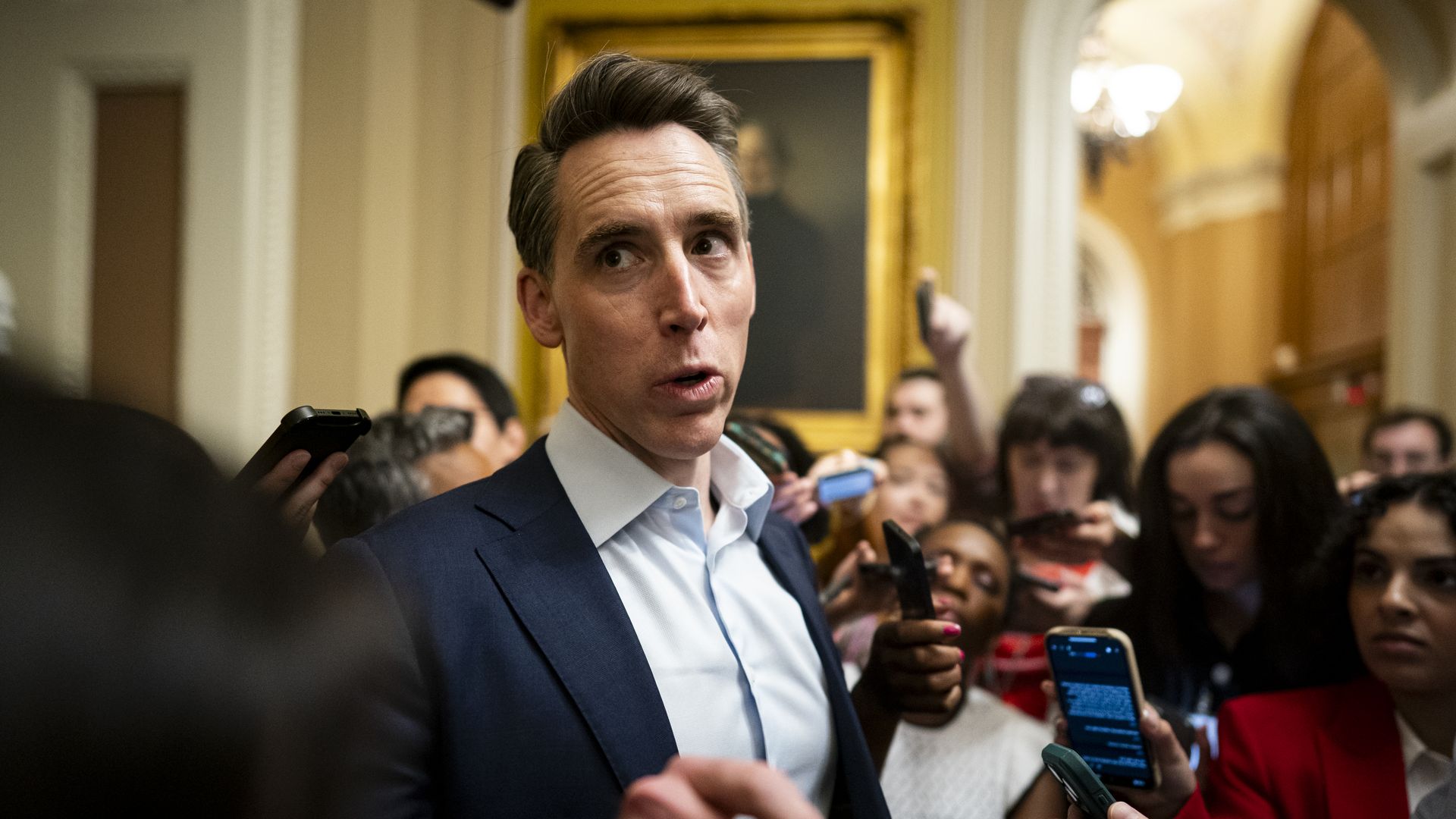
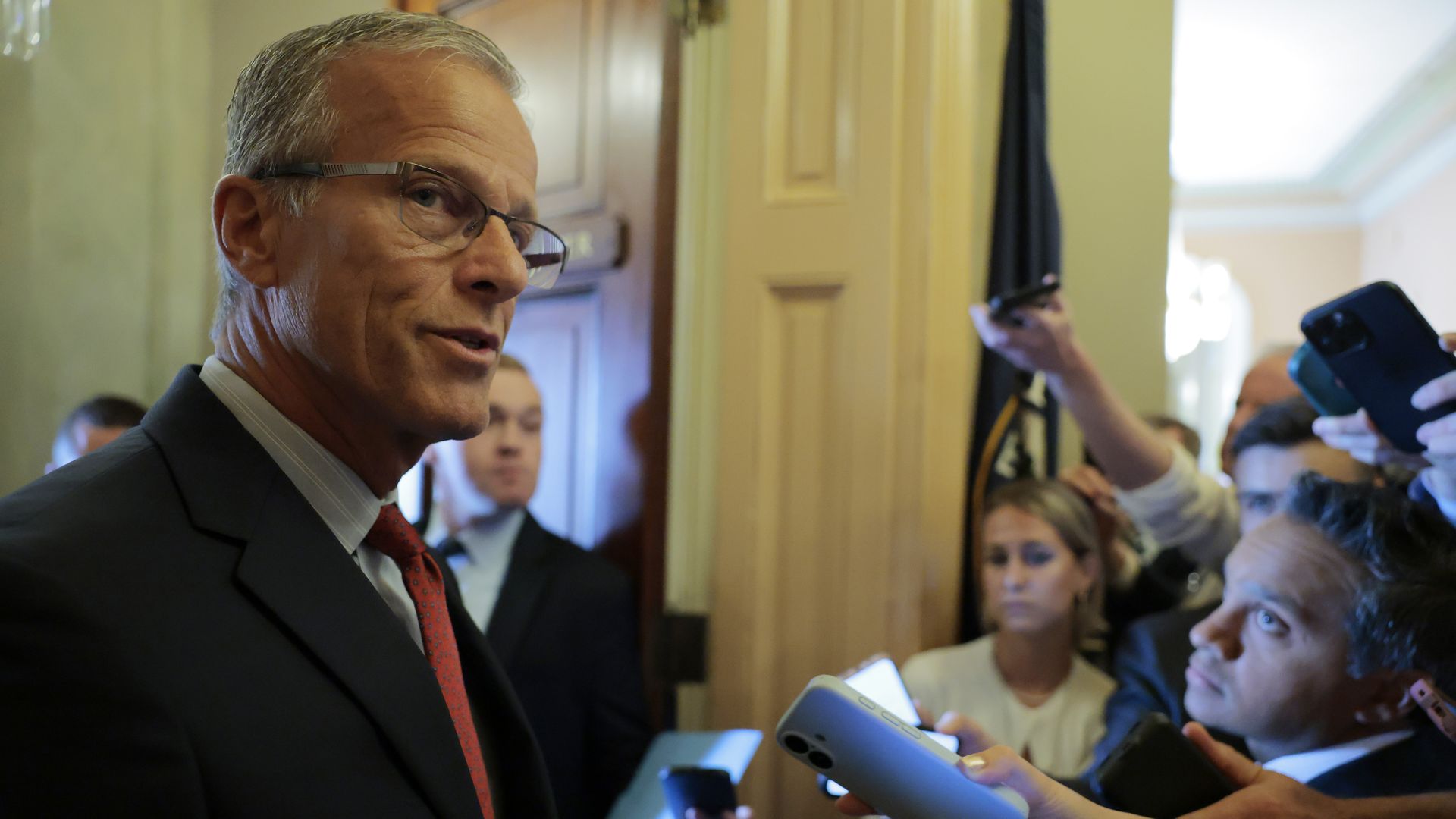
Sen. Josh Hawley's (R-Mo.) proposed stock trading ban is turning into a GOP headache — with the White House raising alarm ahead of a committee vote on Wednesday, Axios has learned.
Why it matters: In order to move forward, the bill may now include the president and vice president, in addition to Congressional members, in its ban on certain investments.
Israel is coming under an unprecedented barrage of criticism from some of Congress' most stridently pro-Israel Democrats and even some Republicans over the growing humanitarian crisis in Gaza.
Why it matters: Lawmakers told Axios the deteriorating situation in Gaza and the U.S. public's growing apathy toward Israel have made it increasingly untenable to be unflinchingly pro-Israel.
A record-shattering Senate speech. A House vote held open longer than ever before — twice, in two weeks. Those are just some of the milestones that Congress has surpassed so far this year.
Why it matters: The 119th Congress is shaping up as one of the most grueling in recent memory, underscoring the stamina that grinding through massive legislation like President Trump's "big, beautiful bill" requires of both supporters and opponents.
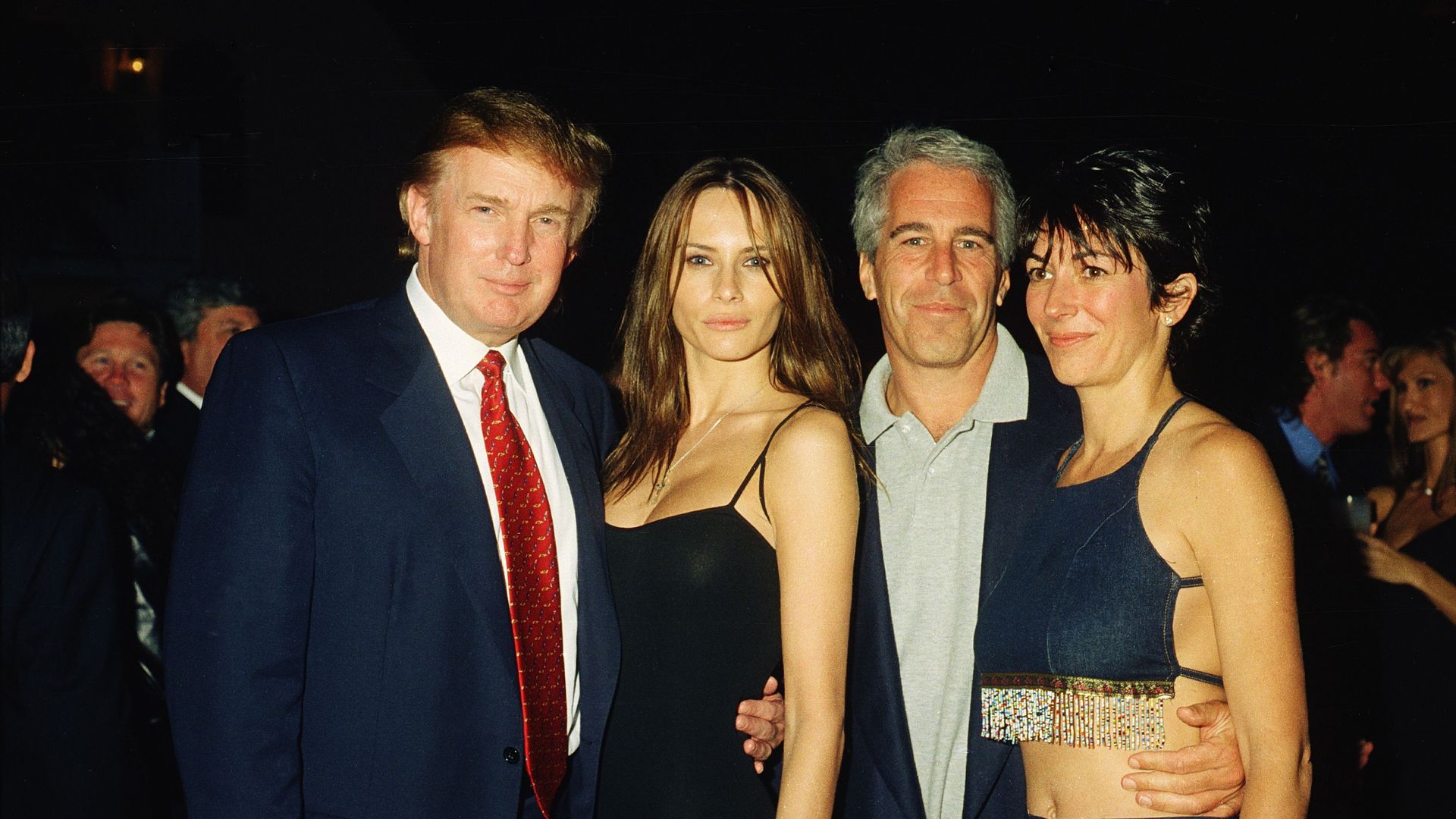
President Trump on Tuesday shared more details about spa workers he says were poached from his Mar-a-Lago estate by Jeffrey Epstein.
The big picture: Trump's past relationship with the disgraced financier who died in jail after being charged with sex trafficking has emerged as a liability with his political base amid demands for more transparency about the case.
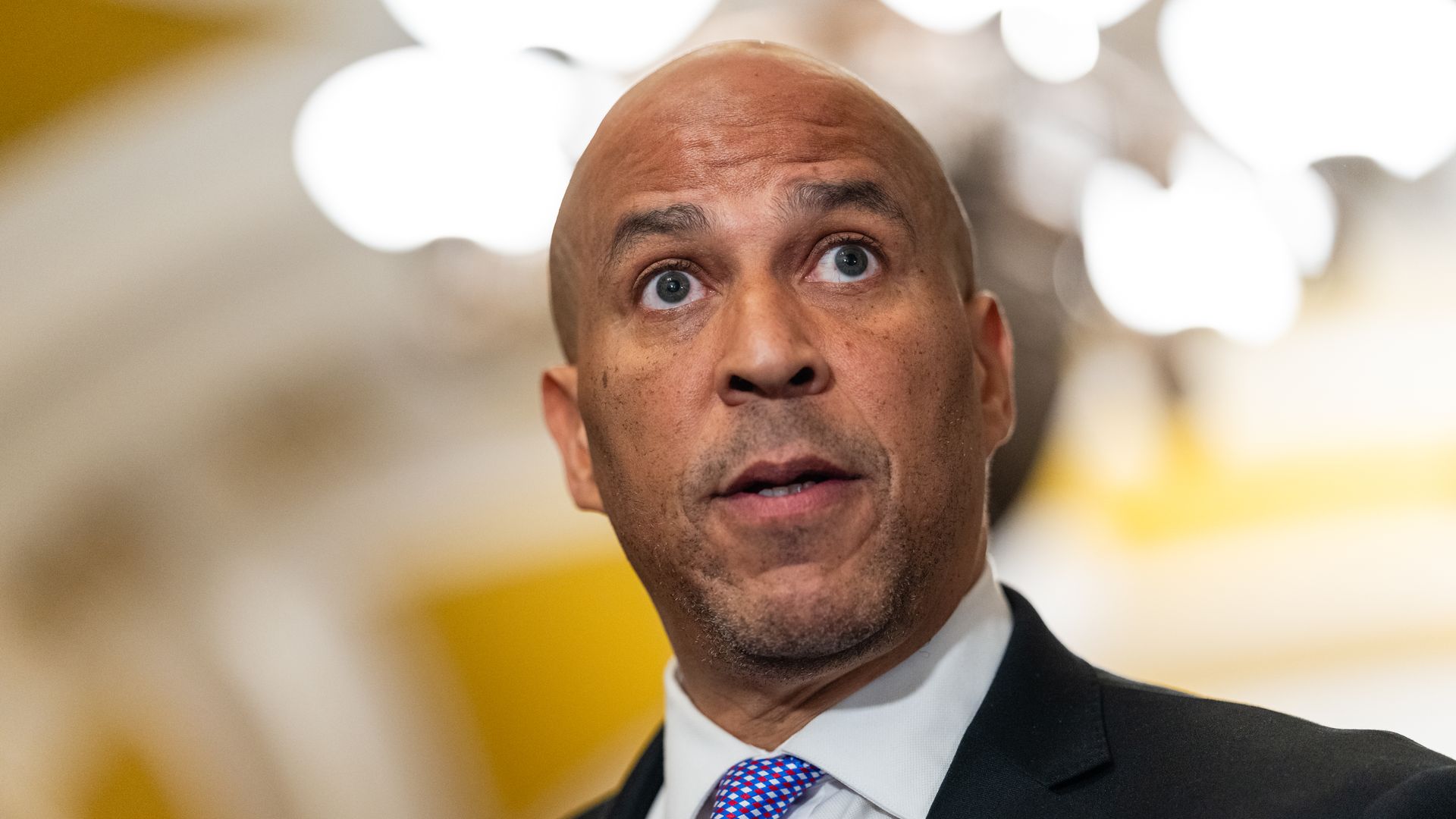
Why it matters: Technically the Senate was debating bipartisan legislation on police grants. But Sen. Cory Booker (D-N.J.) used it as an opportunity to accuse his party of not doing more to counter Trump.
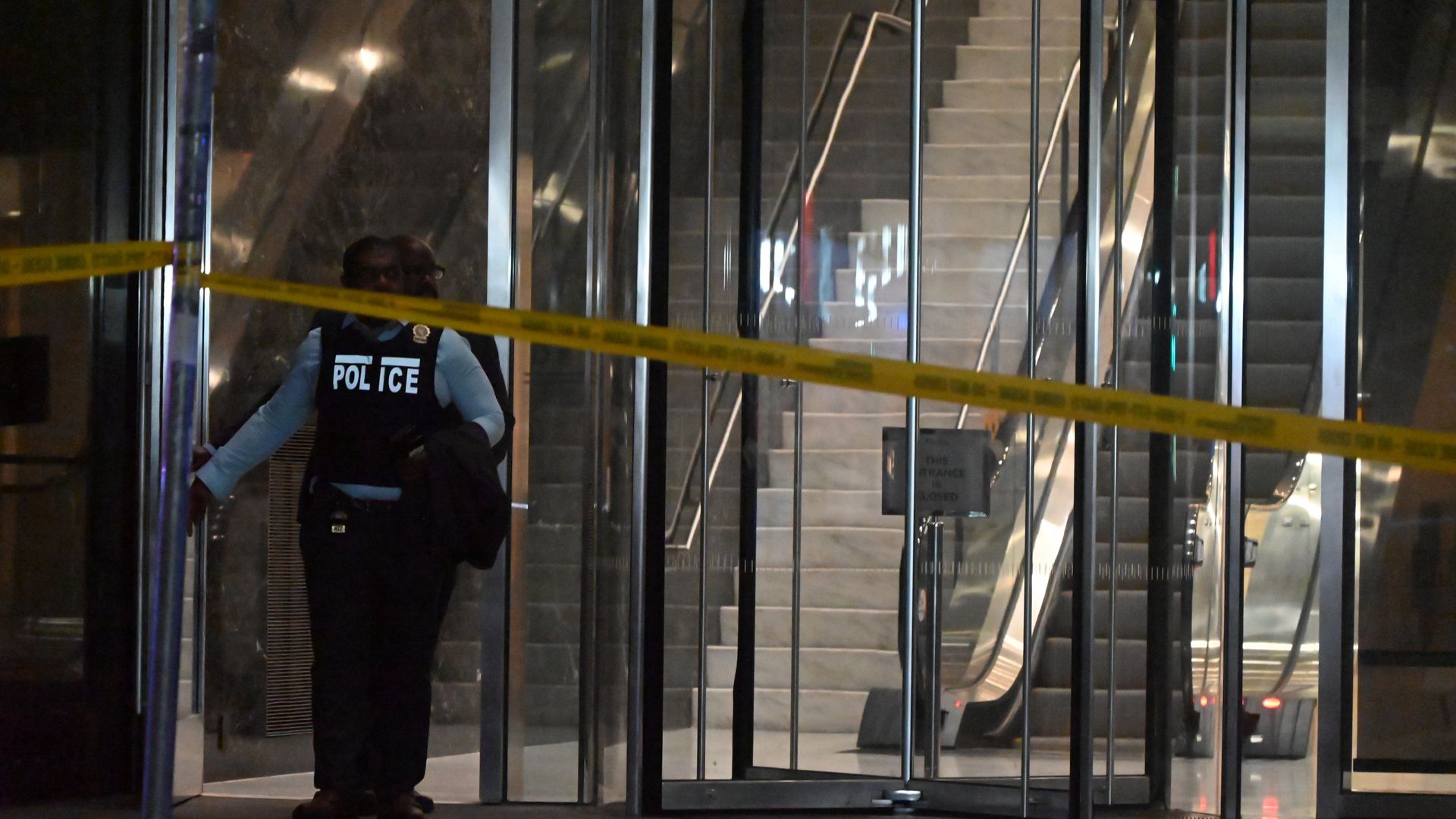
A New York City police officer, a chief executive at Blackstone and a security guard were among the four victims who lost their lives in Monday's Manhattan shooting.
The big picture: Police are still investigating the motives behind the shooting, as more details about the victims are being released.
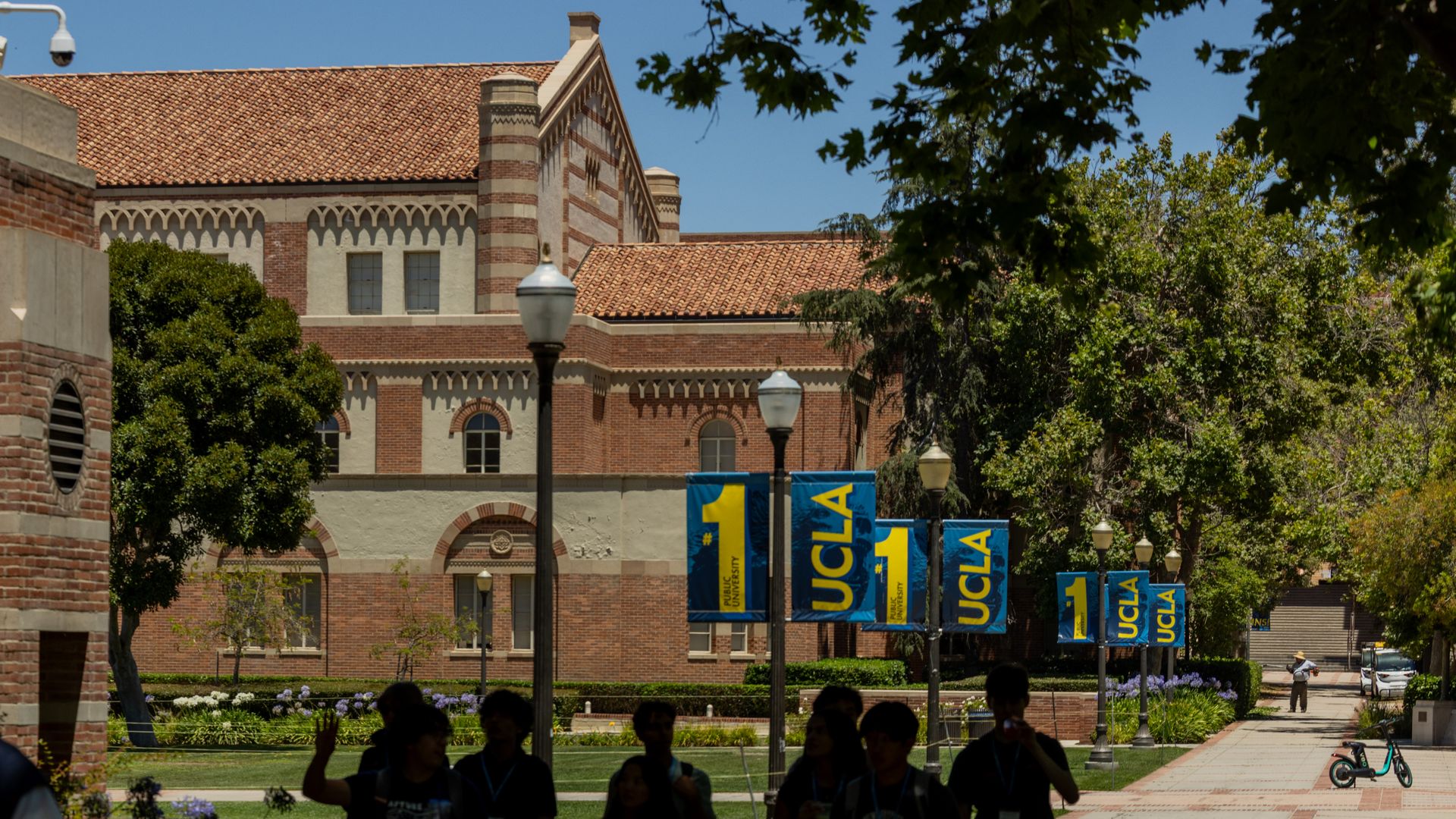
The Department of Justice announced Tuesday it found UCLA in violation of federal civil rights law and accused the university of "systematic" antisemitism.
The big picture: A number of universities have faced similar accusations by the Trump administration, which has also cracked down on pro-Palestinian protests at colleges.
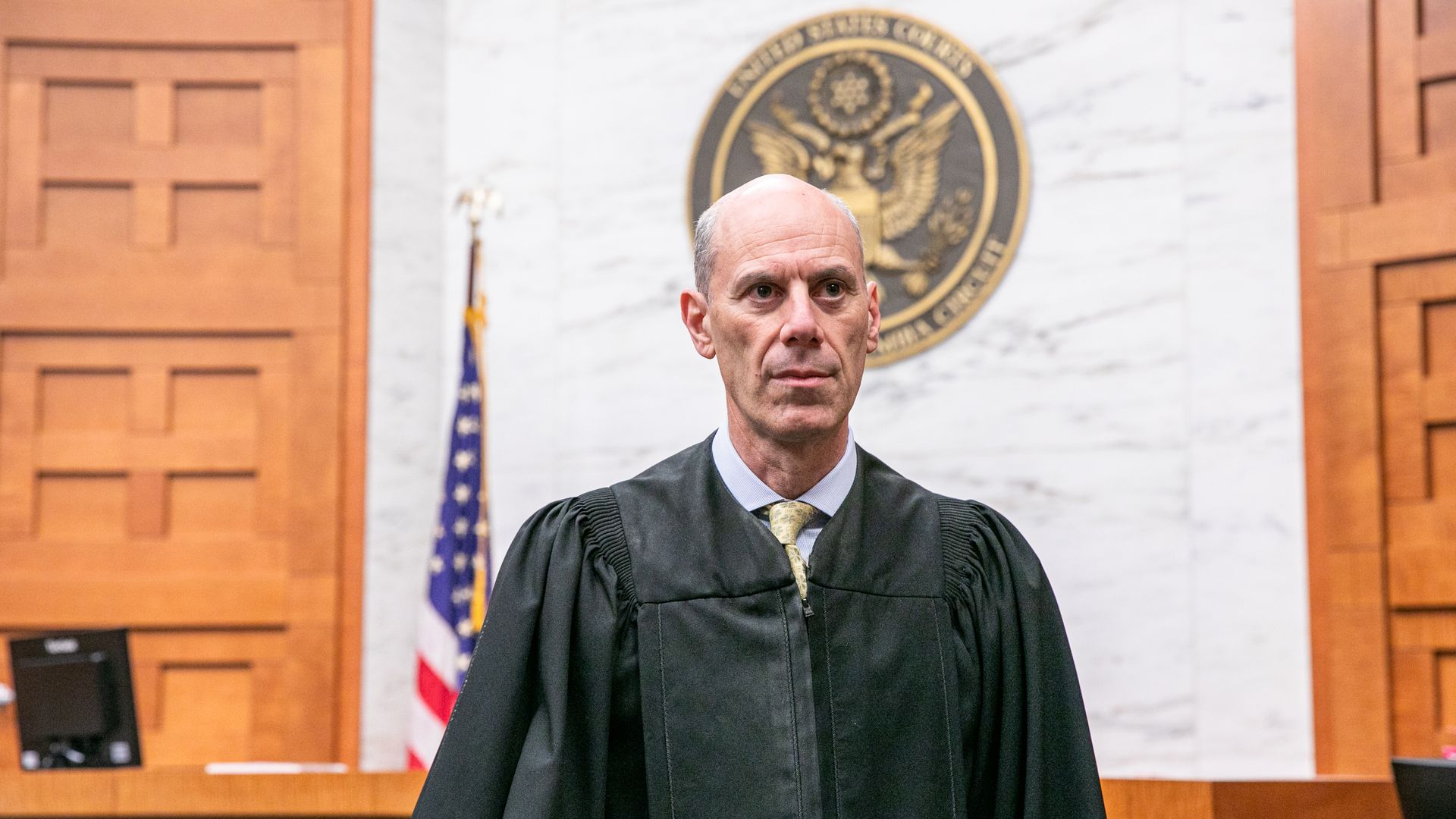
The Department of Justice filed a misconduct complaint against federal Judge James Boasberg "for making improper public comments about President Trump and his Administration," Attorney General Pam Bondi announced Monday.
The big picture: The D.C.-based U.S. District Court chief judge has previously angered the Trump administration with his rulings on deportations.
GOP senators are fed up with Democrats' stall tactics and ready to make big moves to quickly get President Trump's nominees confirmed — eyeing everything from rule changes to recess appointments in a sweeping, closed-door discussion Tuesday.
Why it matters: Democrats have been dragging out the confirmation process for all nominees, and Senate Majority Leader John Thune has already warned senators to be ready to work into the weekend — and potentially longer into the scheduled break.
A record-low number of American adults support Israel's military action in Gaza, per a Tuesday Gallup report.
The big picture: The drop in approval and a largely unfavorable view of Israeli prime minister Benjamin Netanyahu coincide with a geopolitical sea change in attitudes toward Israel.
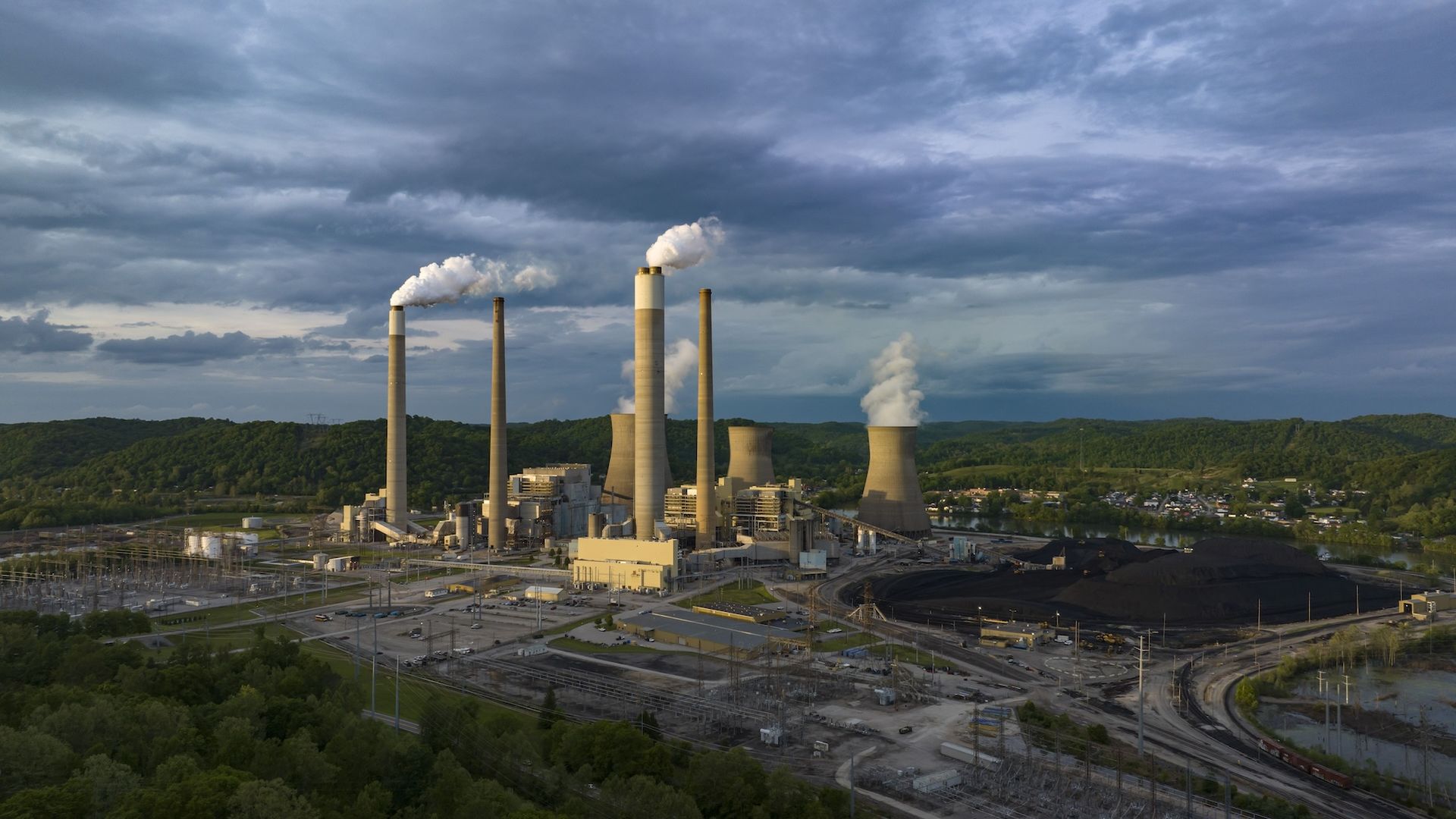
EPA Administrator Lee Zeldin said Tuesday he's issuing draft plans to overturn the agency's 2009 scientific finding that greenhouse gases threaten human health and welfare — a move guaranteed to spark litigation.
Why it matters: It'sPresident Trump's most direct effort to rip out climate regulations root and branch — and make it harder for a successor to impose new ones.
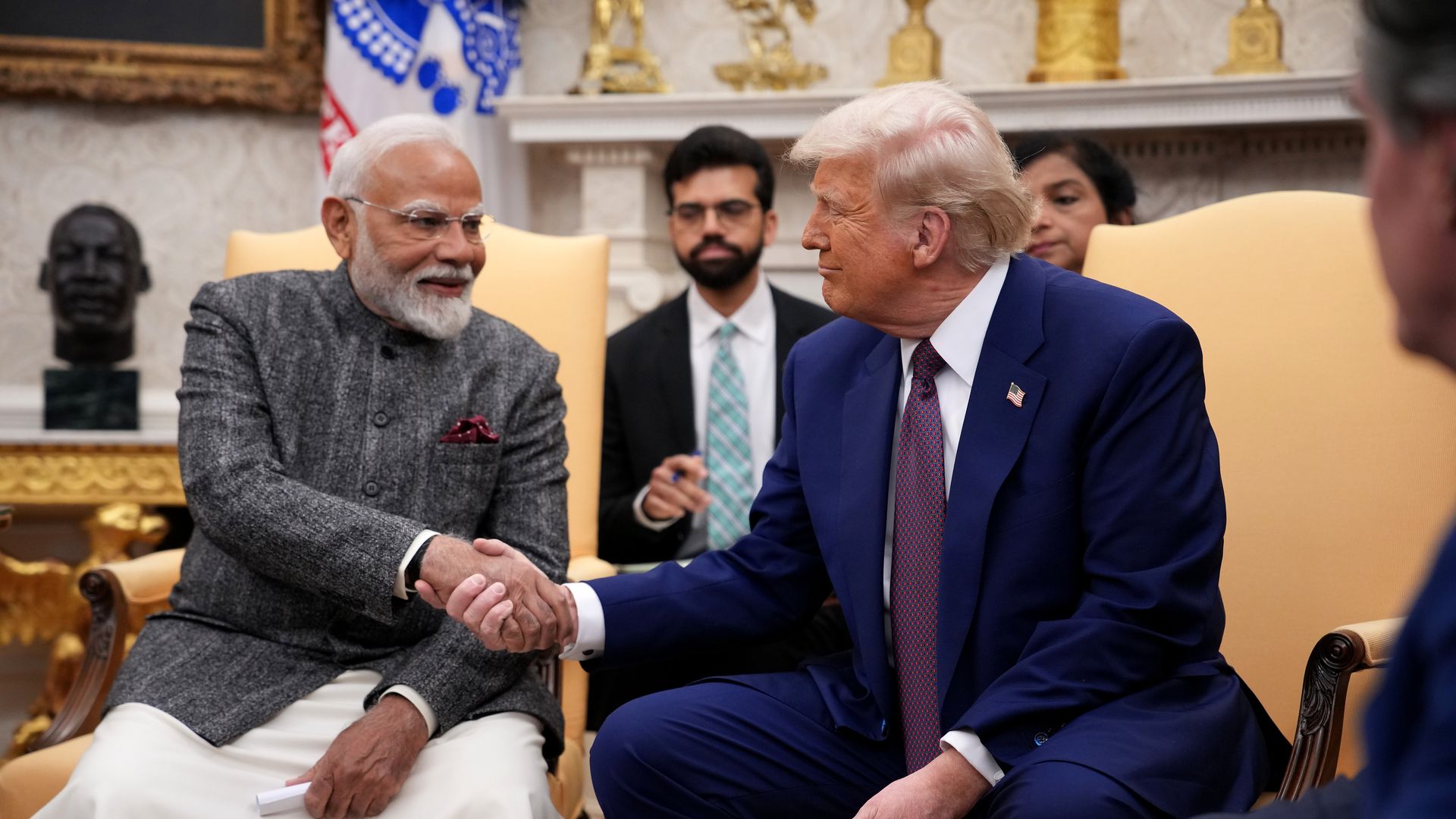
India will probably face a 20% to 25% tariff, though a deal isn't finalized, President Trump told reporters aboard Air Force One on Tuesday.
Why it matters: India was one of the first deals the administration said it was close to landing, but it's still pending months later — a prime example of the complexities of global trade.
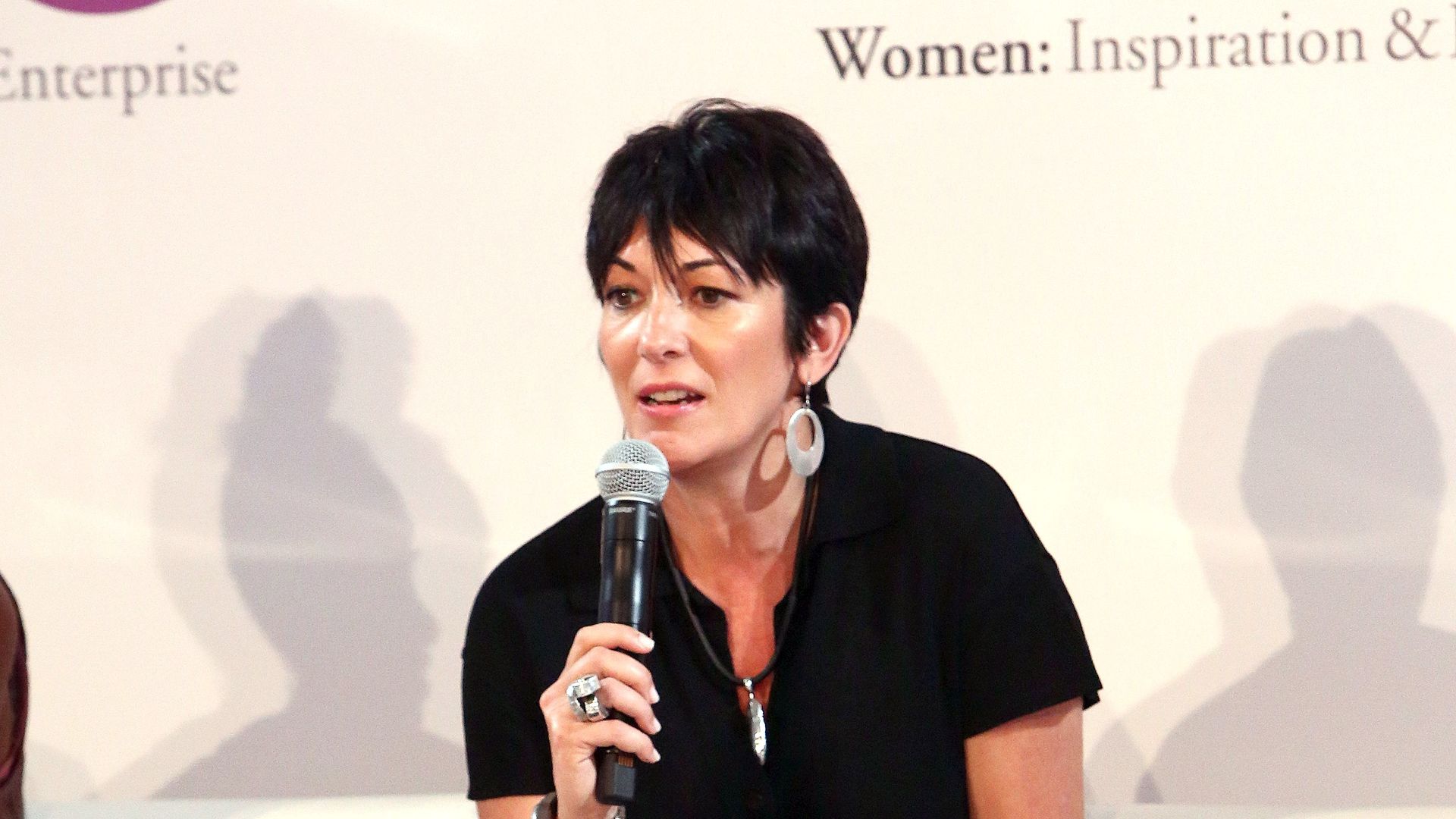
Jeffrey Epstein associate Ghislaine Maxwell agreed to participate in a congressional deposition only if a series of demands — including immunity — are met, according to a Tuesday letter from her attorneys.
The big picture: Maxwell, who is serving a 20-year prison sentence for sex trafficking, has been seeking to overturn her conviction as the Trump administration faces mounting pressure to release more information about the Epstein case.
A group of congressional Democrats wants to ban for-profit corporations from forming and using political action committees, Axios has learned.
Why it matters: The debate over the power of money in politics divided Democrats in their last two open presidential primaries. It could split them again in 2028.
Skydance this week is expected to complete its $8 billion acquisition of Paramount Global, following a 20-month process that was cinched via political appeasement.
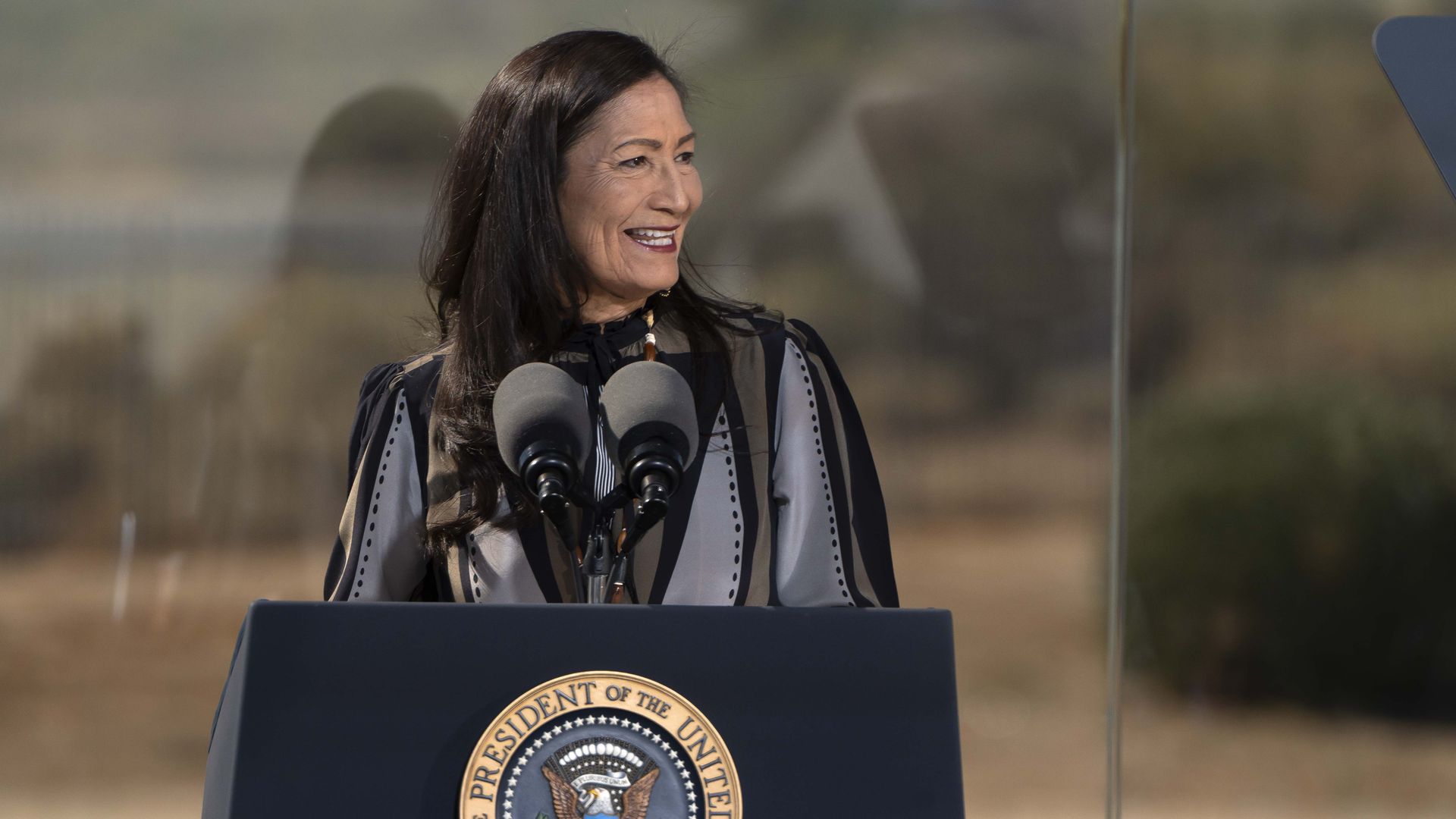
A key Indigenous tribe in New Mexico won't support former U.S. Interior Secretary Deb Haaland in Democratic primary for governor in the state, Axios has learned.
Why it matters: It's a signal that Haaland, who is Laguna Pueblo, isn't galvanizing New Mexico's Native Americans as she did during her 2021 confirmation hearing for interior secretary, when she rallied Indigenous people in the U.S.
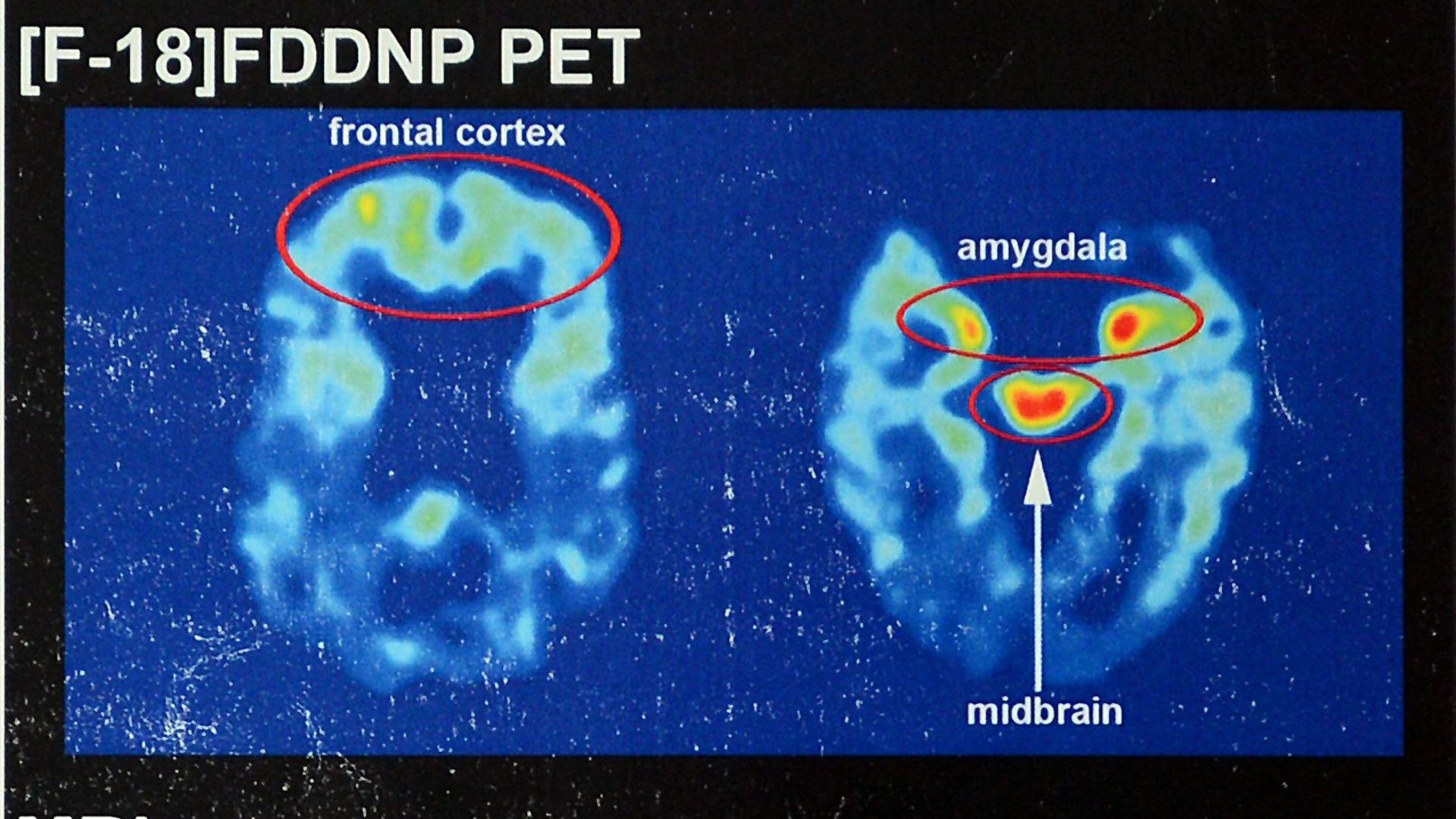
The suspect in the fatal shooting of four people inside a Manhattan office building on Monday claimed to suffer from chronic traumatic encephalopathy (CTE), a brain disease that's linked to head injury.
Why it matters: The alleged shooter had sought to target the headquarters of the NFL, NYC Mayor Eric Adams said on Tuesday. The NFL has been accused of covering up the effects the disease had on its players, prompting former players and their families to sue the league.
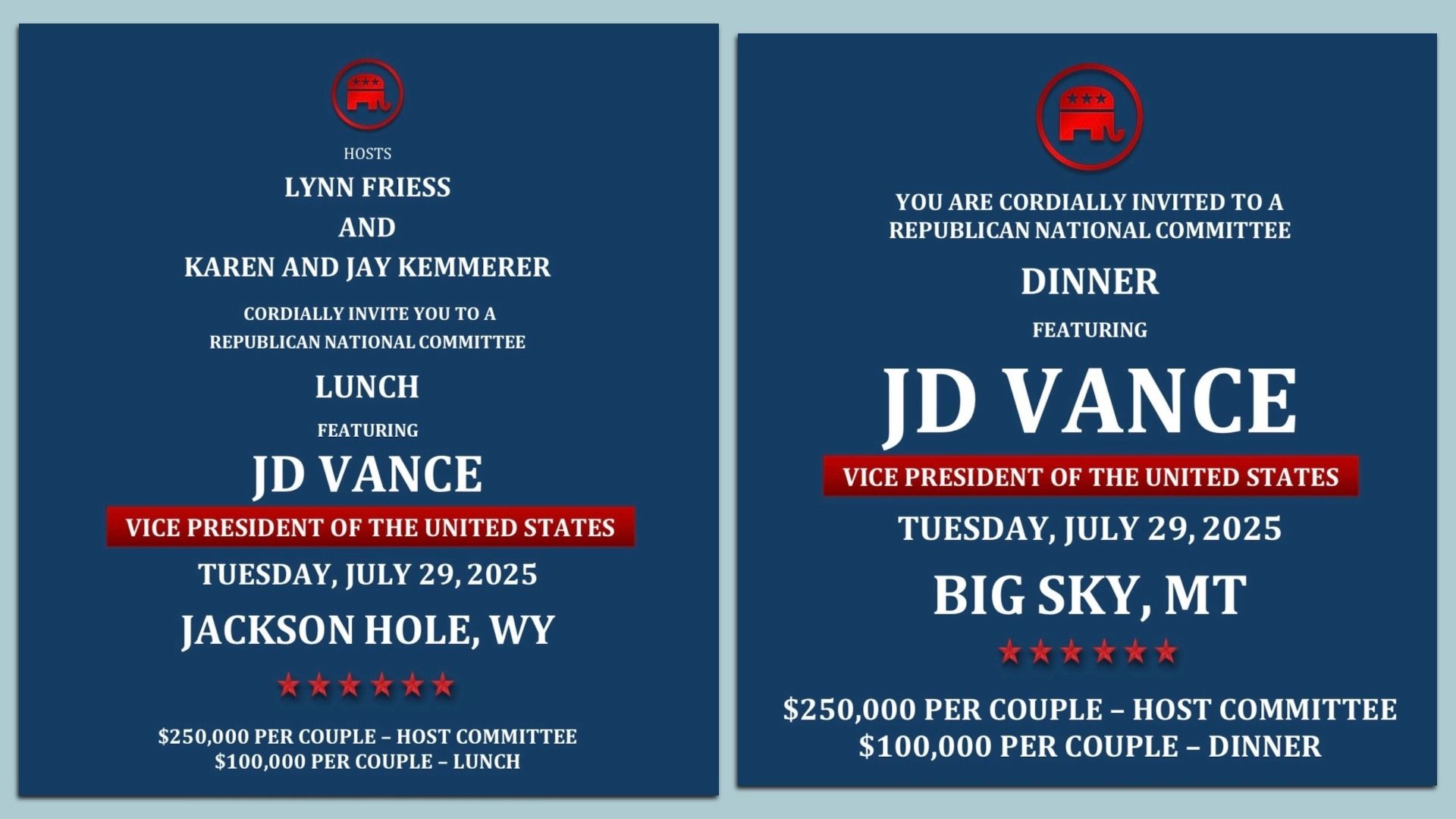
Vice President Vance is headlining high-dollar fundraisers for the Republican National Committee today in Jackson Hole, Wyoming, and Big Sky, Montana, an official tells Axios.
Axios is told each event is raising over $2 million, for a total haul today of over $4 million.
Trump's "announce first, details later" approach to trade deals has caught some global leaders off guard and led to contradictions about the billions of dollars the administration says foreign nations have pledged.
Why it matters: These are not traditional, word-heavy trade deals with text agreed to by all negotiators.
Instead, news of deals comes via flashy announcements with big numbers and little specificity, leaving global investors wondering about the durability of such frameworks.
What they're saying: "With several of the latest deals, the two parties seemed to offer divergent understandings of the details almost as soon as the agreement was announced," Evercore ISI's Sarah Bianchi wrote in a client note.
"All this means there is still much to be worked out in the months ahead and creates risks over the medium-term that misunderstandings could still emerge that jeopardize the tentative trade truces," Bianchi adds.
The other side: An administration official says the trade frameworks settle what the White House sees as the biggest points of contention.
The finer details are being hashed out, the official adds — noting that complete bilateral trade agreements, down to the HTS code, are not realistic given the short timeframe.
What's going on...
🇪🇺 Europe: The White House says that aluminum, steel and other metals imported from Europe would be subject to a 50% tariff, not the 15% agreed to in the deal, according to a fact sheet.
But European Commission president Ursula von der Leyen said at a news conference that metal levies "would be cut and a quota system will be put in place."
Meanwhile, analysts are questioning the viability of Europe's commitment to buy $750 billion worth of U.S. energy on top of an additional $600 billion investment.
🇬🇧 U.K.: Parts of the U.S.-U.K. deal still need to be implemented, including for U.K. steel and aluminum tariffs that Trump said would be slashed.
🇯🇵 Japan: As part of a trade framework, Trump said the Japanese committed to investing $550 billion in America, with the U.S. keeping 90% of the profits.
But Japan's top negotiator Ryosei Akazawa said over the weekend the nation will invest — at most — 2% of that sum, Bloomberg reported. The rest will come in the form of loans.
🇻🇳 Vietnam: Trump announced a U.S.-Vietnam trade deal, in which the nation would be subject to a tariff rate of 20%.
Vietnamese officials have acknowledged the existence of a deal, though not the specific terms, the FT reported earlier this month.
For the record: "The simple reality is that President Trump has, in record time, used tariffs to strike trade deals that secure unprecedented market access for American industries, farmers, and workers to economies that combined are worth over $30 trillion and are home to over one billion people," White House spokesperson Kush Desai said in a statement.
The bottom line: Beneath the headlines, key details of Trump's trade deals remain unclear.
"The devil is in the details. Other 'deals' in recent months have proven less unbalanced than was initially presented," Karl Schamotta, chief market strategist at payments firm Corpay, wrote in a note.
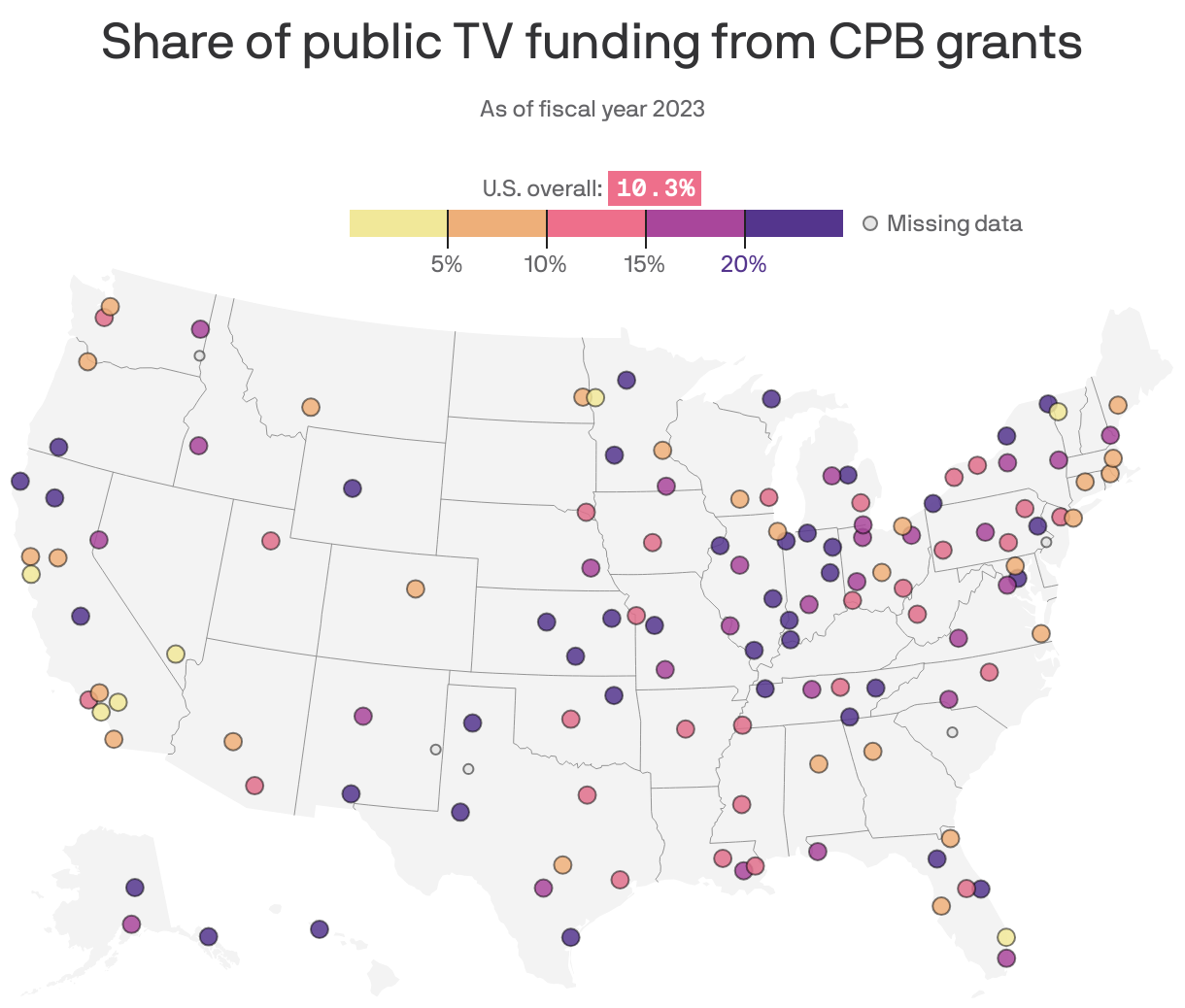
Data: CPB financial disclosures compiled by Alex Curley; Map: Erin Davis/Axios Visuals
Public TV and radio stations may find themselves with big holes in their budgets after Congress rescinded $1.1 billion in Corporation for Public Broadcasting (CPB) funding, based on publicly available financial data collected by a former NPR staffer and shared with Axios.
Why it matters: Public media outlets serve essential community newsgathering and emergency roles, but the Trump administration and others on the right have long accused them of left-leaning bias.
Democrats have a rare bright spot in their party's existential crisis: 2026, at least to them, looks pretty good.
Why it matters: The party is full of angst over how to retake the White House and win back the voters they lost to President Trump over the past decade. But they feel increasingly sanguine about taking back the House next year.
Airport security programs like TSA PreCheck and CLEAR allow travelers to breeze through screening. As TSA eases security protocols, travel experts say paying for that privilege is still a good investment.
Why it matters: Two decades after post-9/11 crackdowns made fast-track security a no-brainer for many Americans, especially frequent fliers, the appeal of skipping long lines hasn't faded.