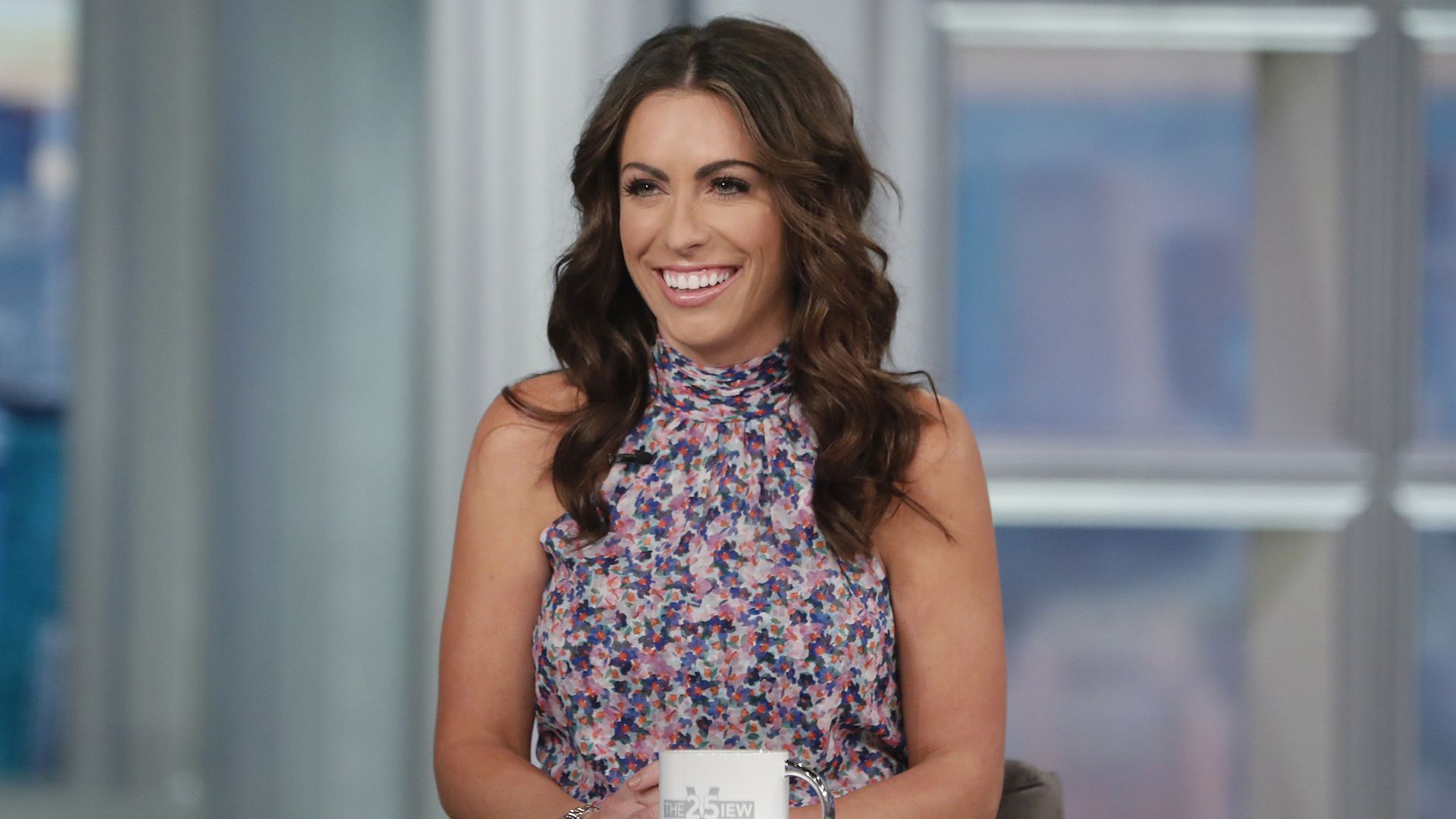
Former White House aide Alyssa Farah Griffin said Friday she believes it's "only a matter of days" before former President Trump returns to Twitter following Elon Musk's takeover of the company.
Driving the news: Griffin, who denounced Trump after the Jan. 6 Capitol riots, said on ABC's "The View" that she believes the former president's presence on the platform would hurt him and the Republican Party.
The last Confederate monument in Richmond, Virginia, could soon be coming down following a judge's ruling.
Driving the news: A Virginia circuit court judge ruled this week that the city has the right to dismantle the statue of Ambrose P. Hill, which has stood over his remains since 1892, per the New York Times.
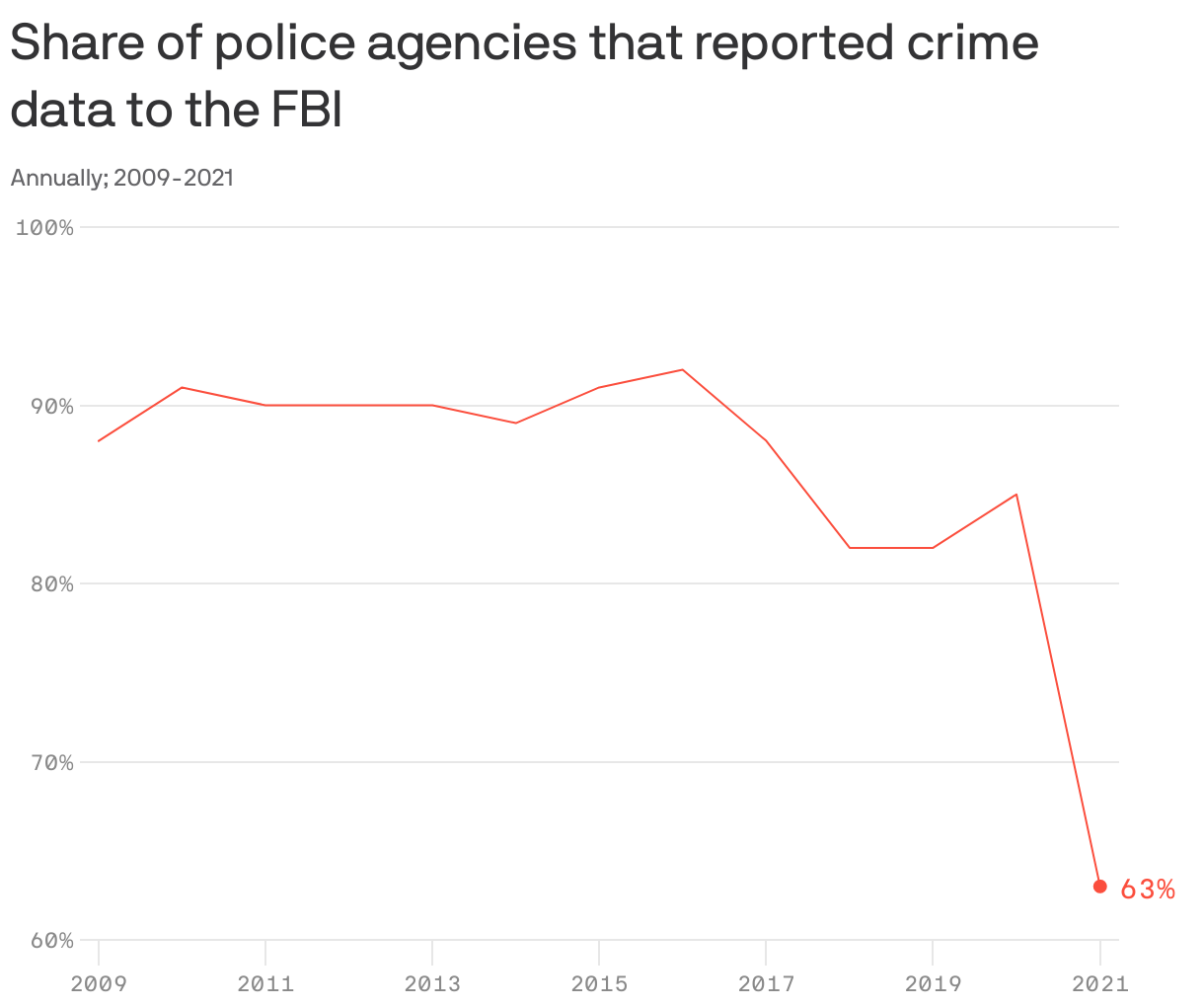
Police departments from Boston to Phoenix have boosted their data collection to improve policing and community relations — but the impact is limited by holes in the national data and the way police departments use what they collect.
Why it matters: Data can improve trends in use of force and arrests. Surveillance technology, for example, can be used to prepare police for dangerous situations — but civil liberties groups worry about how it can be misused.
After George Floyd's death, protesters in the summer of 2020 shouted the slogan "defund the police" — a phrase rooted in a decades-old call for local governments to redirect money from police agencies to other forms of crime prevention.
The movement did force some cities to examine how to rethink police budgets, but nearly all major police reforms failed.
In the wake of George Floyd's killing by Minneapolis police, many big-city departments have begun sending unarmed mental health professionals to respond to certain 911 calls.
Why it matters: Backers of the programs say these professionals are better equipped than police to help people going through mental health crises — and they see the programs as a way to prevent police shootings, including those involving people of color.
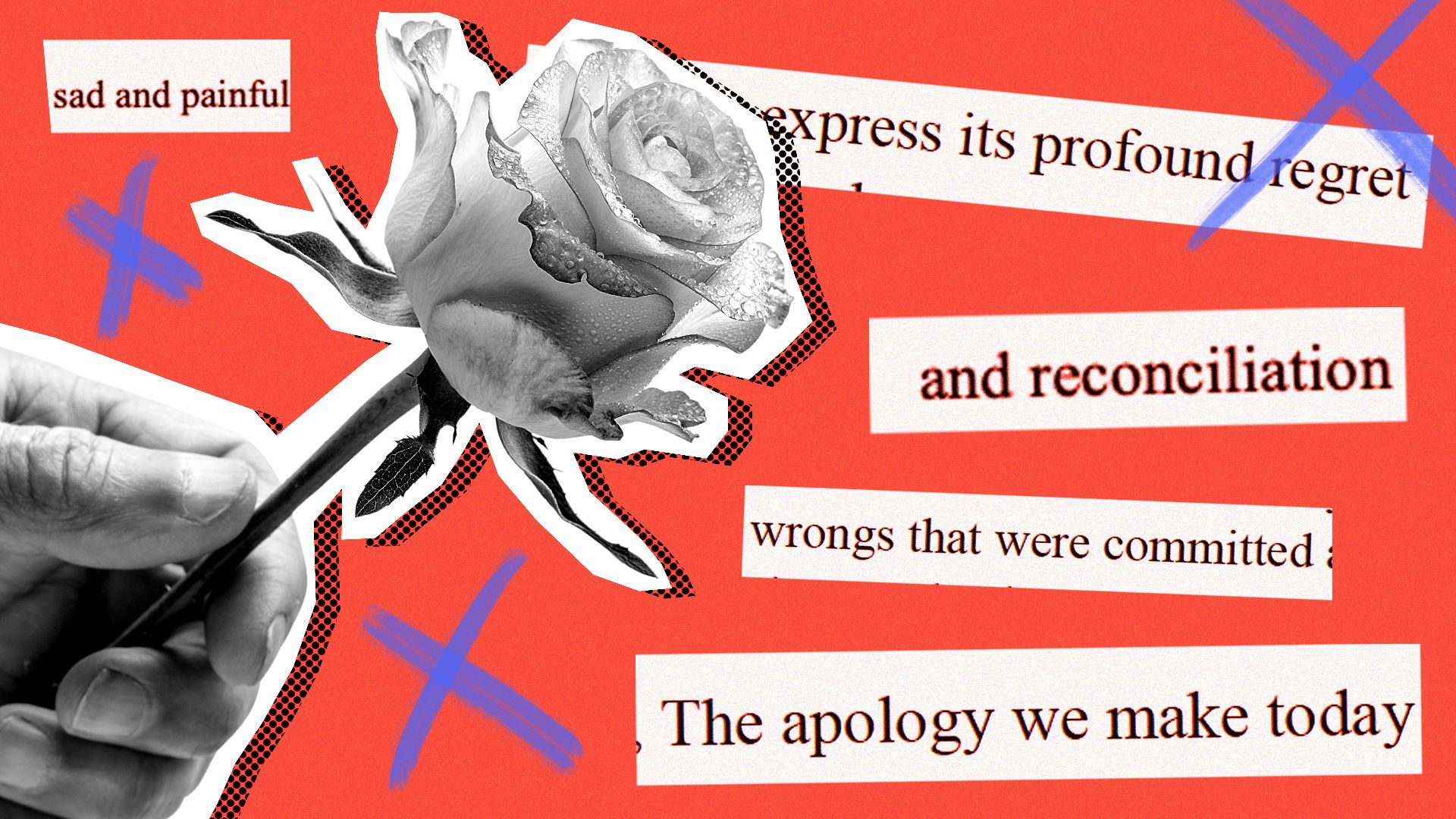
Some cities with deep histories of police misconduct against people of color are trying to make amends for their most egregious episodes.
Why it matters: More diverse city governments are acknowledging and trying to atone for incidents from the past. But they're almost always decades old, not the police violence that's in the news today.
Severalapps and technological solutions have been launched over the past decadein an attempt to help de-escalate police encounters.
Why it matters: Technology has played a significant role in exposing police abuse. But activists say it can only be one tool in leading to change — and some technologies have raised civil liberties concerns.
Two years after George Floyd's murder renewed long-standing calls for police reform, including diversifying police departments, law enforcement agencies are still wrestling with ways to rebuild community trust.
And it's happening at a time when officers have been leaving the profession in droves, crippling recruitment efforts.
One proposal after another has been offered on ways to tackle systemic racism in policing — but nearly all have fallen short, and significant reforms have been slow.
The big picture: Protests, technology and court orders have forced some departments to face transformation, but systemic barriers continue to stall major changes.
The man accused of breaking into House Speaker Nancy Pelosi’s home and attacking her husband allegedly made racist remarks and rambled about QAnon conspiracy theories online.
Catch up quick: The suspect, 42-year-old David DePape, will be charged with multiple felonies after allegedly attacking Paul Pelosi with a hammer, Axios reports. He was looking for Nancy Pelosi when entering the home, a source briefed on the attack told Axios.
Paul Pelosi's doctors expect him to make a "full recovery," spokesperson Drew Hammill said in a statement Friday.
During his visit to Washington earlier this week, Israeli President Isaac Herzog tried to ease the Biden administration's concerns about the expected rise of the radical right in the upcoming elections and asked U.S. officials to wait until the government is formed before jumping to conclusions, five Israeli and U.S. officials told Axios.
Why it matters: The Biden administration is concerned that if opposition leader Benjamin Netanyahu wins Tuesday's elections, he will form a government with extreme right-wing parties and Jewish supremacists, including Itamar Ben Gvir and Bezalel Smortich, will be made senior ministers and be part of the security cabinet.
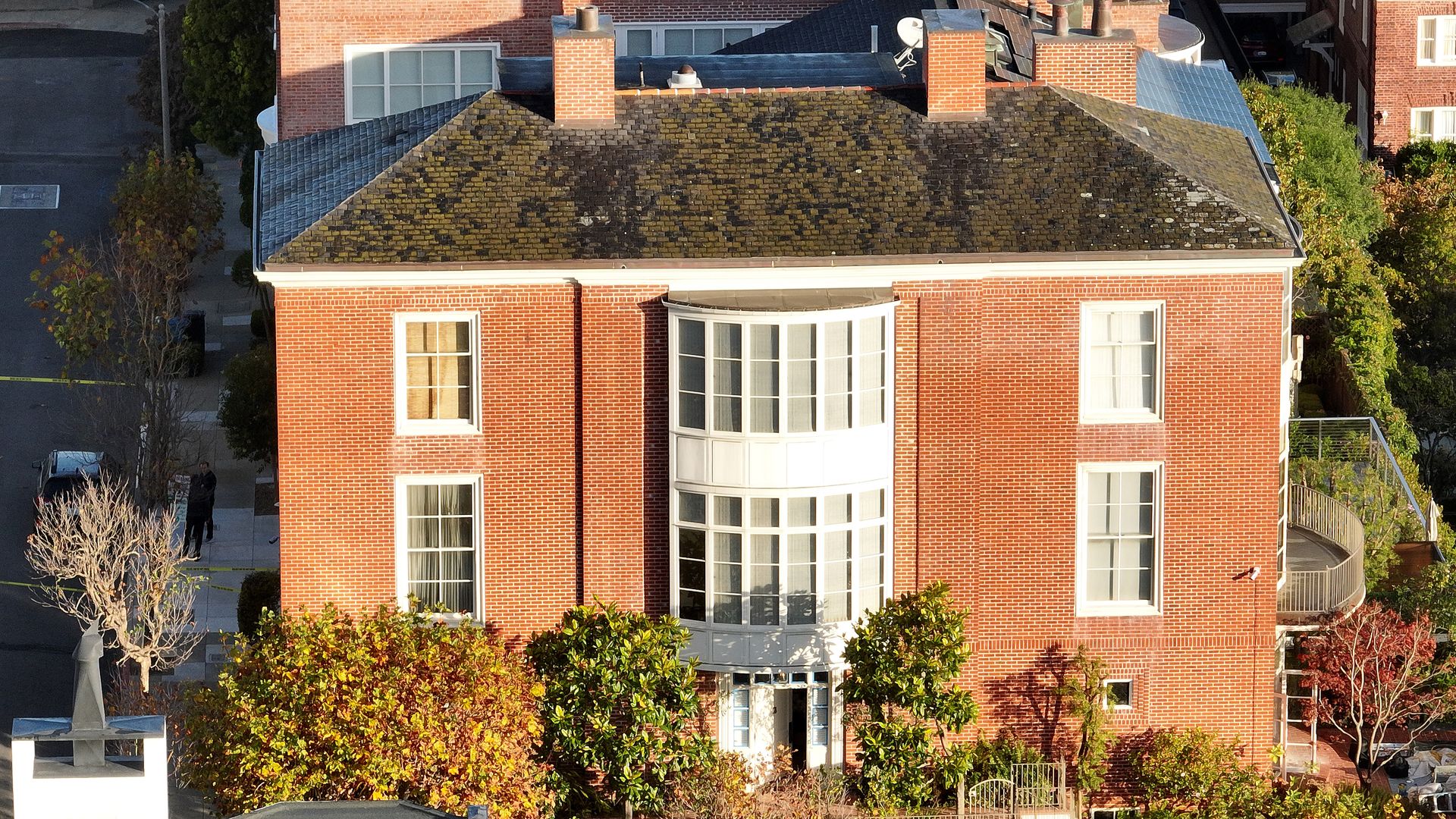
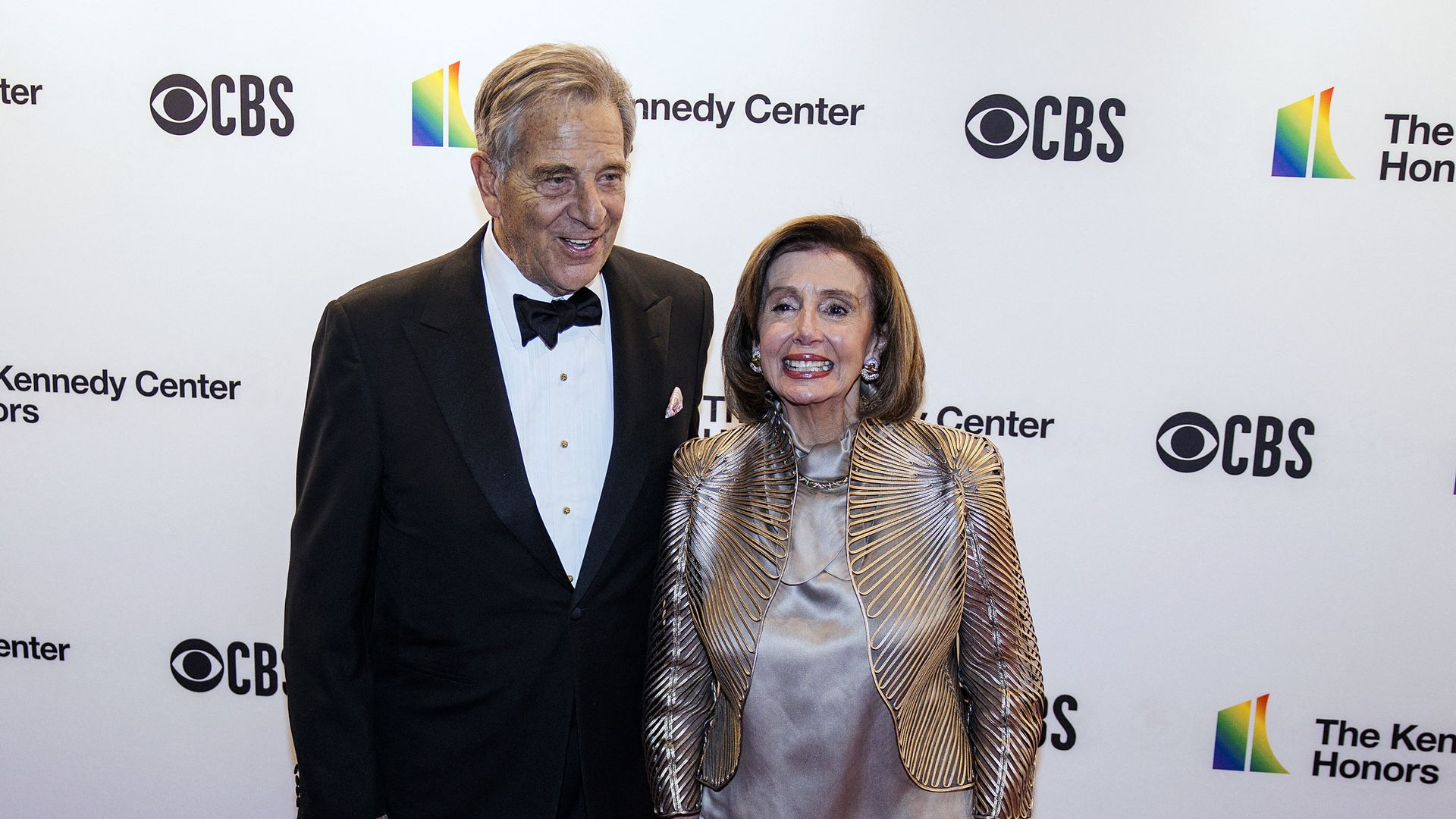
House Speaker Nancy Pelosi's husband Paul "underwent successful surgery to repair a skull fracture and serious injuries to his right arm and hands," following an attack at their San Francisco home, according to the California Democrat's spokesperson.
A Wisconsin appeals court refused to overturn a previous lower court's ruling that bans the practice of "ballot spoiling" — in which voters who already submitted an absentee ballot can cancel it and vote again, the Associated Press reports.
Why it matters: The Wisconsin ruling comes as federal officials warn about potential threats ahead of the 2022 midterms related to election outcomes and voter fraud.
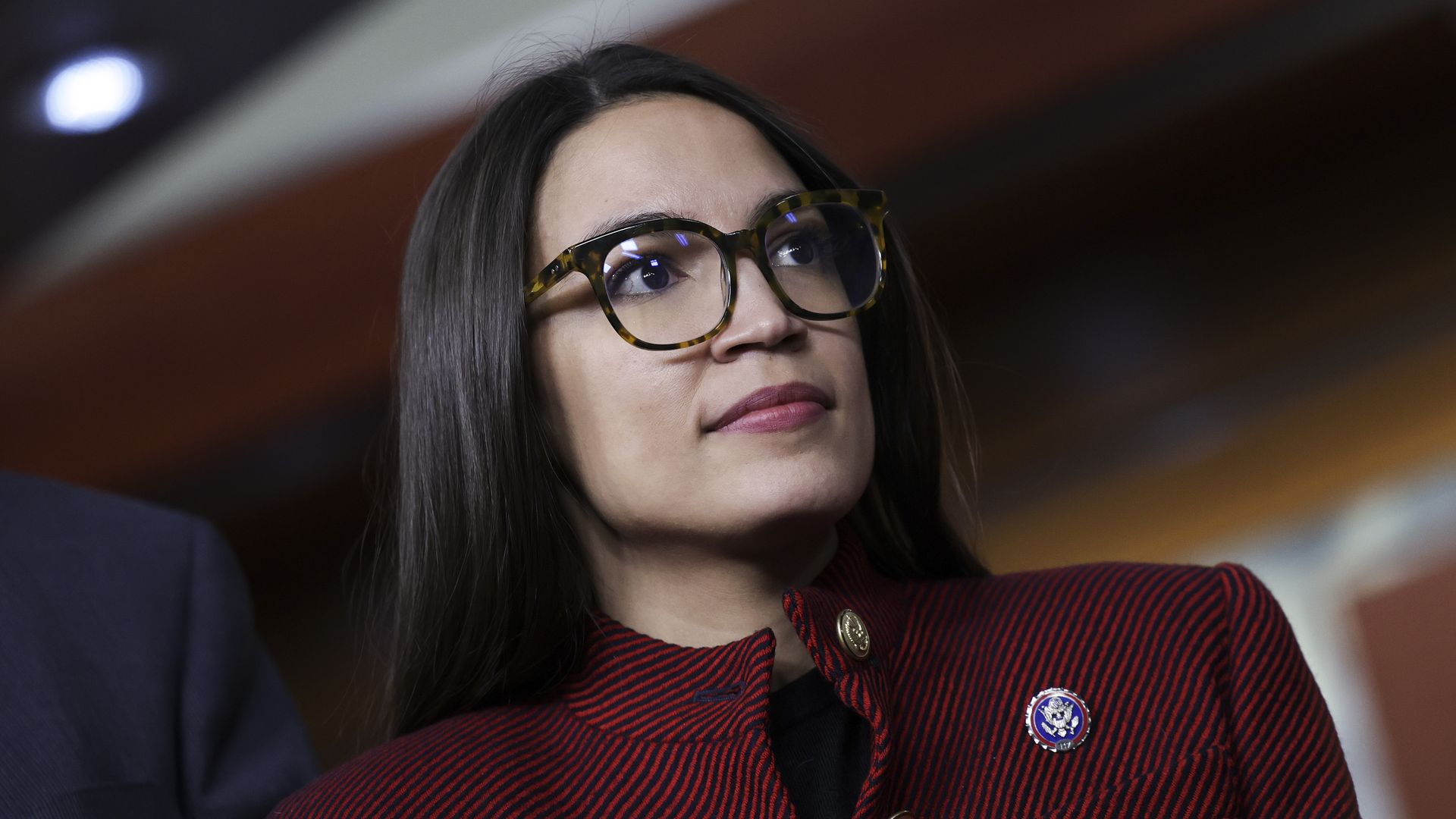
Rep. Alexandria Ocasio-Cortez (D-N.Y.) said in an interview with MSNBC on Friday that the United States is "facing an environment of fascism" similar to the days of Jim Crow in the leadup to the 2022 midterms.
The big picture: Federal officials at the Department of Homeland Security and FBI have warned of a "heightened threat" ahead of the midterm elections charged by violent extremism, CBS News reports.
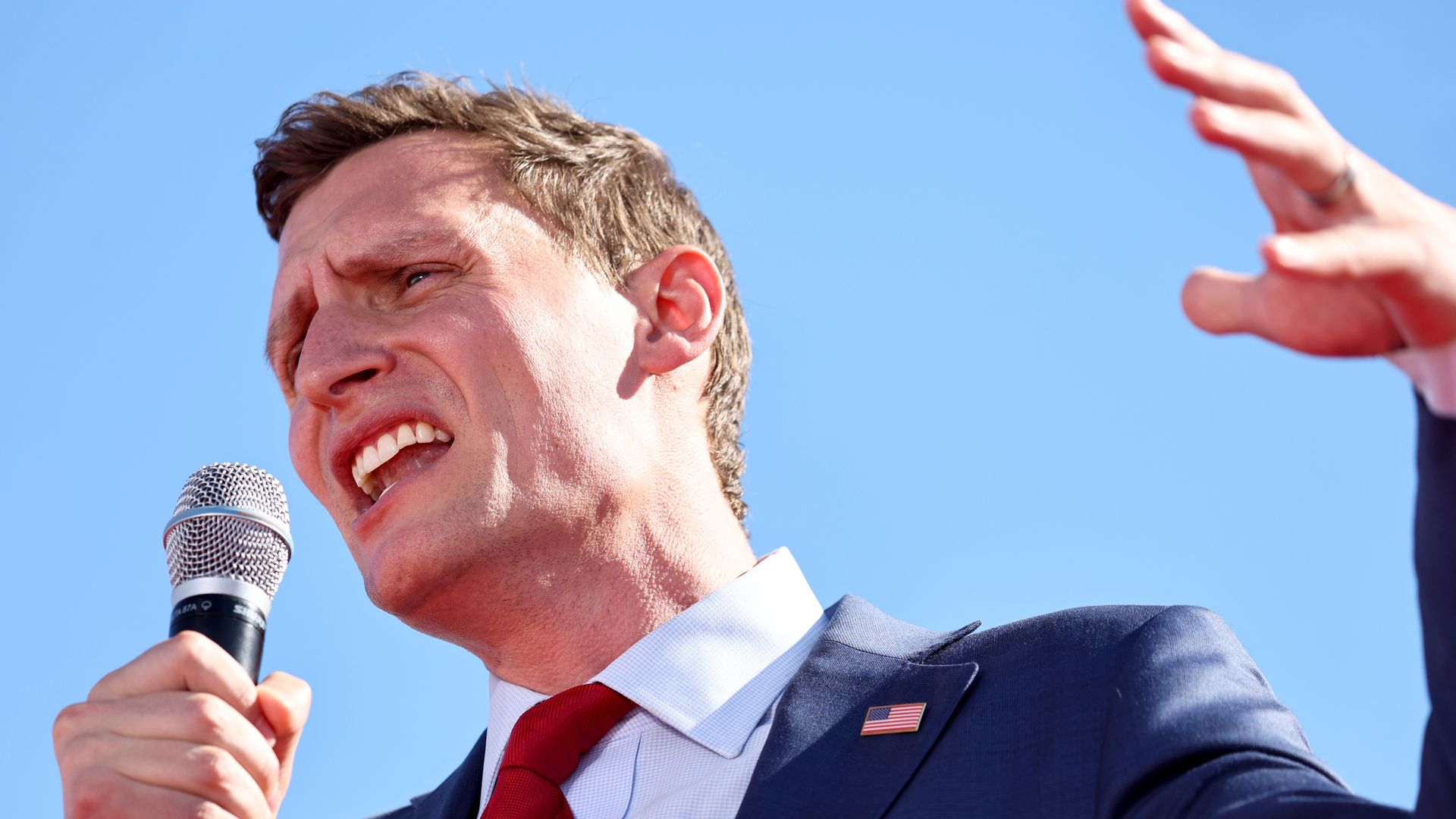
Millions of last-minute dollars are flooding into Arizona to prop up Republican Senate nominee Blake Masters, after a key group aligned with GOP Leader Mitch McConnell decided against helping him in the race.
Driving the news: The Club for Growth, a leading conservative outside spender, is dropping $5.5 million into the Arizona Senate race in its closing days.
The in-home attack on House Speaker Nancy Pelosi's husband by a hammer-wielding man shouting, "Where's Nancy?" thrusts post-Jan. 6 fears about political violence and American democracy back into the light days before the midterm elections.
Why it matters: Violence and threats of violence are affecting political figures in both parties. See: Lee Zeldin (R), Justice Brett Kavanaugh, Gov. Gretchen Whitmer (D). But all of the polling offers this year's candidates a different imperative: Focus on the economy if you want to win elections.
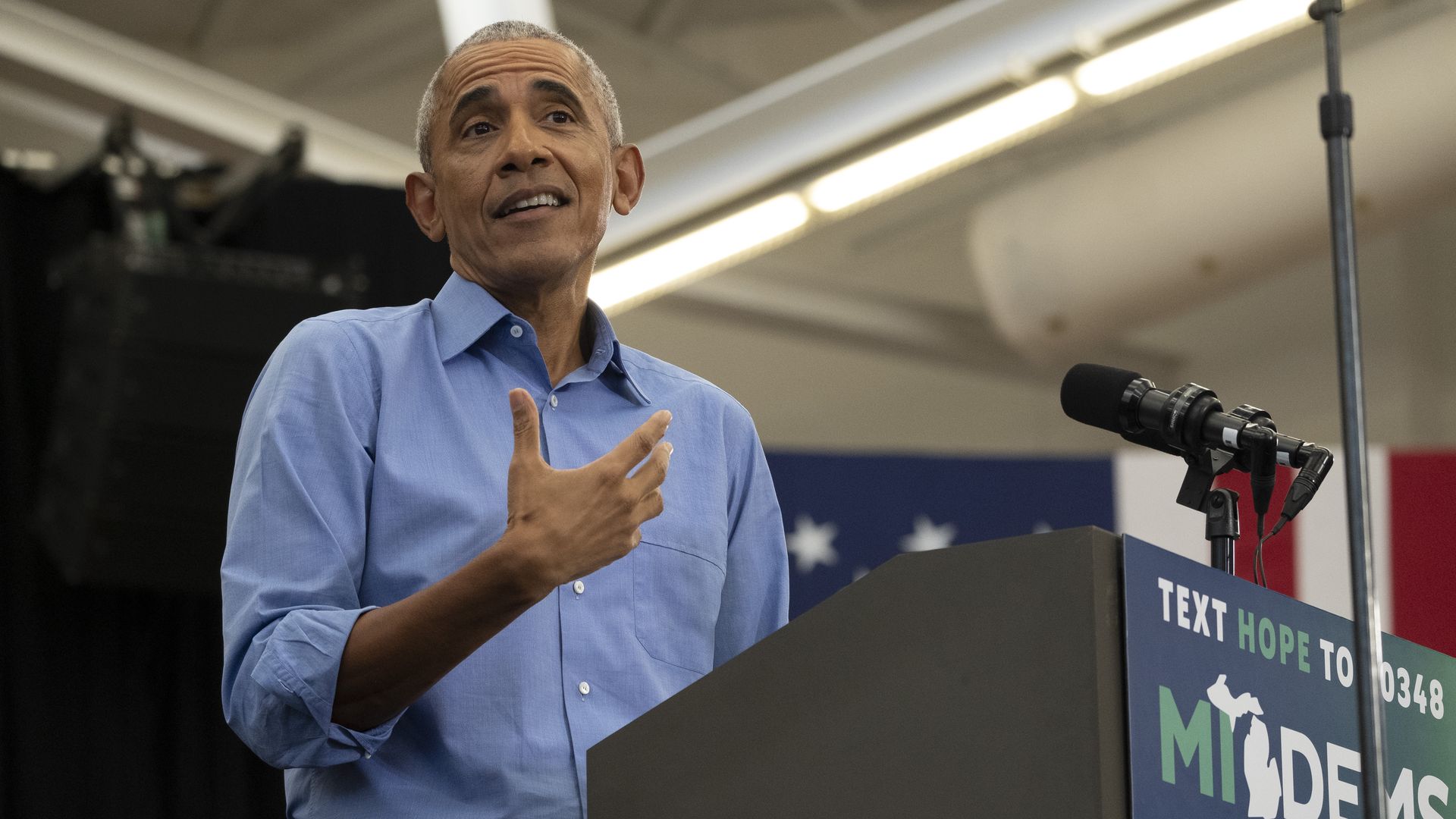
President Biden and Democrats, watching a red wave encroach, shifted their closing message to emphasize their efforts to create manufacturing jobs, reduce prescription drug costs and prevent Republicans from cutting Social Security or Medicare. That's left former President Obama to carry much of the party's democracy-is-on-the-ballot message.
Details: There's a lot we still don't know about the attack. The Associated Press reported that the suspect, David DePape, appeared to have echoed QAnon conspiracies, made racist online posts, questioned the 2020 election outcome and defended former President Trump.
What we're watching: President Biden, speaking Friday night in Philadelphia, called the attack "despicable" and said there's too much political violence and hate. "Enough is enough is enough," Biden said. "Every person of good conscience needs to clarify and unambiguously stand up against the violence in our politics, regardless of what your politics are."
Vice President Kamala Harris said that "anyone who professes to be a leader, I think, has to really understand the meaning and the impact of their words and their posture on these things."
House Republican Leader Kevin McCarthy did not issue a direct statement but said through a spokesperson that he had called Speaker Pelosi, was praying for Paul Pelosi's recovery and was "thankful they caught the assailant."
Trump had not issued a statement about the attack.
By the numbers: Polls show voters are most worried about inflation, gas prices, recession, jobs — and crime, but the kind tied to economic hardship not political targets.
71% of voters in a New York Times/Siena College poll this month agreed democracy is at risk. But only 7% said that was the country's top problem.
Nearly four in 10 Republicans and one in four Democrats in last month's Axios-Ipsos Two Americas poll said they'd blame election fraud if their party doesn't win control of Congress in the midterms.
What we're watching: Whether the attack on Paul Pelosi has any impact on the midterm elections will become clear in about a week and a half.
The bigger governance question: Does the U.S. system have the will — or the ability — to contain rising political violence?
Members of Congress are sounding new alarms about their personal security — and broader concerns about what the drumbeat of threats against prominent political figures means for them and for the country.
Why it matters: Friday's attack against Speaker Nancy Pelosi's husband hit especially hard because of where it happened: inside the personal residence of the woman second in line to the presidency.