ACLU lawyers told a federal judge on Tuesday that 911 migrant children have been removed from their parents since last year's court reunification order for separated families, the Washington Post reports.
What's happening: The ACLU urged the judge to clarify when family separation should be allowed, as the organization claims children are being separated for "minor alleged offenses," including traffic violations. The ACLU also asked the federal judge to block the Trump administration from continuing to separate families, per its Tuesday press release.
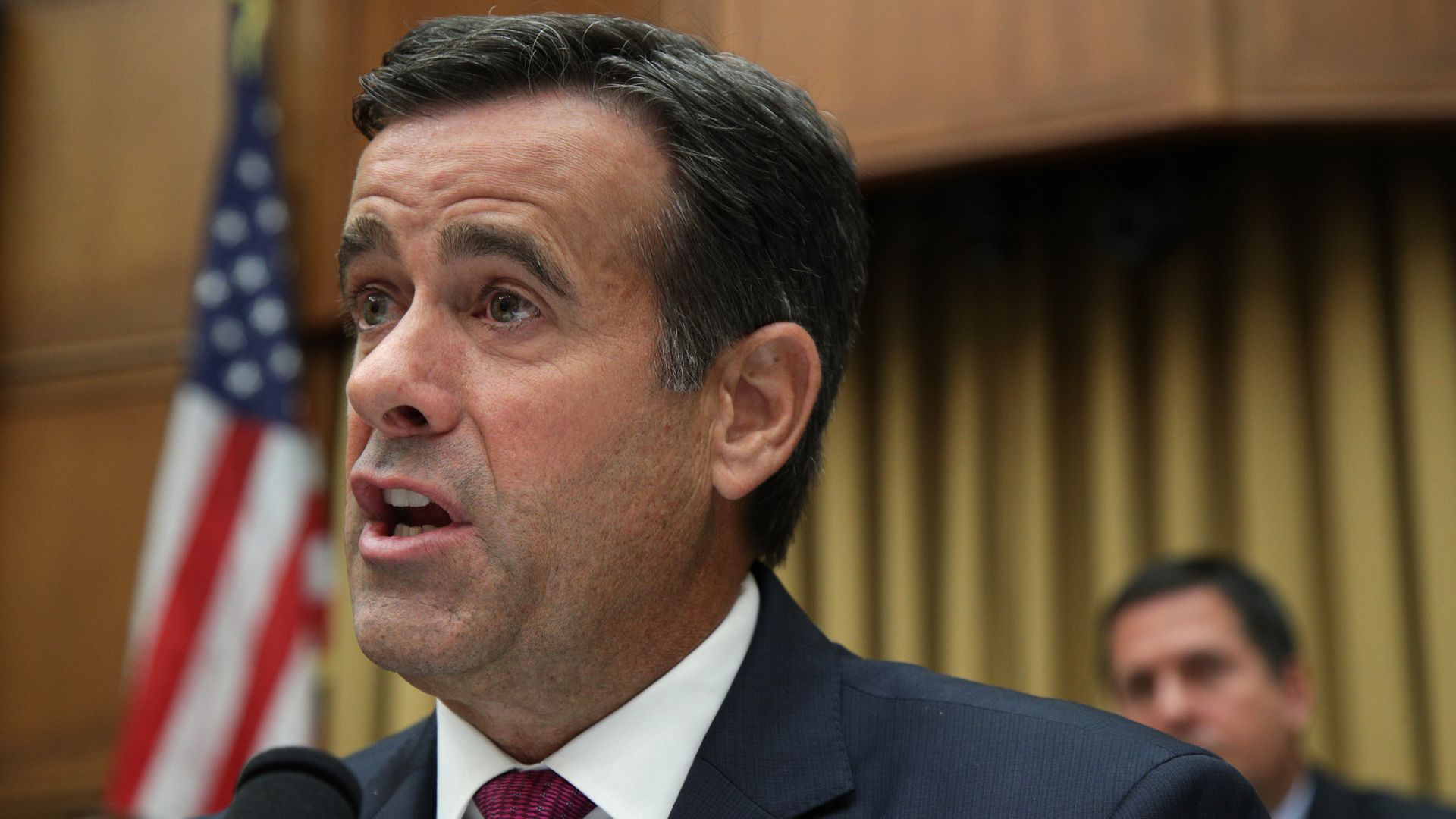
President Trump said on Tuesday that he believes the U.S. intelligence community has "run amok," and that Rep. John Ratcliffe (R-Texas), his controversial nominee to replace Dan Coats as director of national intelligence, would "rein it in."
Why it matters: Ratcliffe, who defended Trump and "downplayed the threat posed by Russia" at former special counsel Robert Mueller's hearing last week, is not well-known by many Republican senators or trusted by Democrats, per Politico. Democrats worry that as a "relentless critic of the Russia investigation," Ratcliffe would turn the director of national intelligence into a partisan position, in addition to lacking the necessary experience for the nation's top intelligence job, the NYT reports.
California Gov. Gavin Newsom signed a bill into law on Tuesday requiring all presidential and gubernatorial candidates to release their 5 most recent years' worth of tax returns in order to appear on the state's primary ballot.
Why it matters: The move makes California the first state to demand the disclosure from candidates, according to reporter Yashar Ali. If a contender refuses, they will not be included on the primary ballot. The law was passed in hopes of pressuring President Trump to make his filings public — a battle House Democrats and other states have thus far failed to win.
Elizabeth Warren and Bernie Sanders' plans for student debt cancellation have by far generated the most online attention from among policies proposed by 2020 Democratic candidates, according to data from NewsWhip provided exclusively to Axios.
Why it matters: Each candidate is vying to separate themselves from a crowded field with bold, new ideas. This data shows which have captivated readers, as well the ideas being associated with top-tier candidates — a key insight into how the average voter might view the candidates.
As Democrats prepare for a second round of presidential primary debates in Detroit starting Tuesday night, one issue is dominating the political discourse: President Trump and racism.
Why it matters: Aides told Axios' Jim VandeHei and Mike Allen following Trump's "go back" tweets attacking 4 congresswomen of color that race-baiting is central to his 2020 strategy. He has since expanded targets to include Rep. Elijah Cummings, calling the majority-black Baltimore-area district he represents "a disgusting, rat and rodent infested mess," and Rev. Al Sharpton.
Issues that got the most heat in the first 2020 Democratic debates have since made a dent in the social-media conversation, per data harvested by Hamilton Place Strategies, an analytical public affairs consulting firm.
What they're saying: "Some of the most notable moments in the debate were around health care and immigration, and both of those topics gained in share of voice after the debate," partner Matt McDonald tells Axios.
President Trump broadened his Twitter attacks on leading black figures Monday to include the Rev. Al Sharpton, as conservative African American pastors defended him from claims that he's racist following a meeting with him.
Why it matters: Trump has faced growing accusations of racism for targeting lawmakers of color and repeatedly lashing out at Rep. Elijah Cummings on Twitter and the majority-black Baltimore-area district he represents, notably calling it "a disgusting, rat and rodent infested mess."
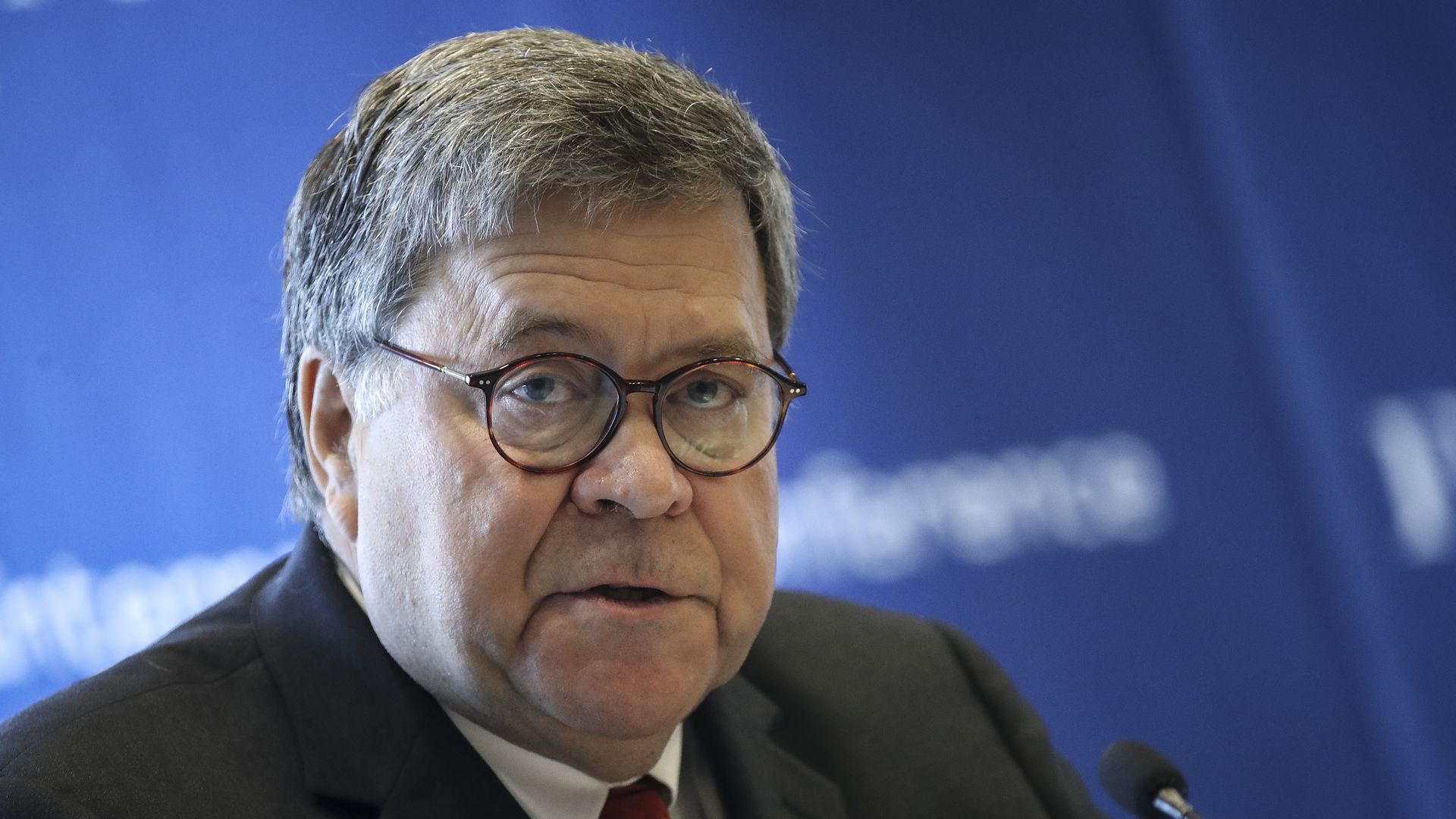
Attorney General Bill Barr issued an opinion Monday that moves to restrict asylum protections for migrants whose family members have been persecuted in their home countries.
Why it matters: This precedent-setting decision is another attempt by the Trump administration to limit U.S. sanctuary options for asylum-seekers.
Just as the Fed seems poised to announce the first interest rate cut since the financial crisis, President Trump took his feud with the central bank one step further, saying it "has made all the wrong moves."
Why it matters: In previous administrations, it would have been unthinkable for the president to publicly lobby for a rate cut, which Trump says will goose the economy. And even though Trump may have unintentionally gotten everything he's wanted from the Fed so far, he is pushing for even more. On Monday, he tweeted: "A small rate cut is not enough, but we will win anyway!"
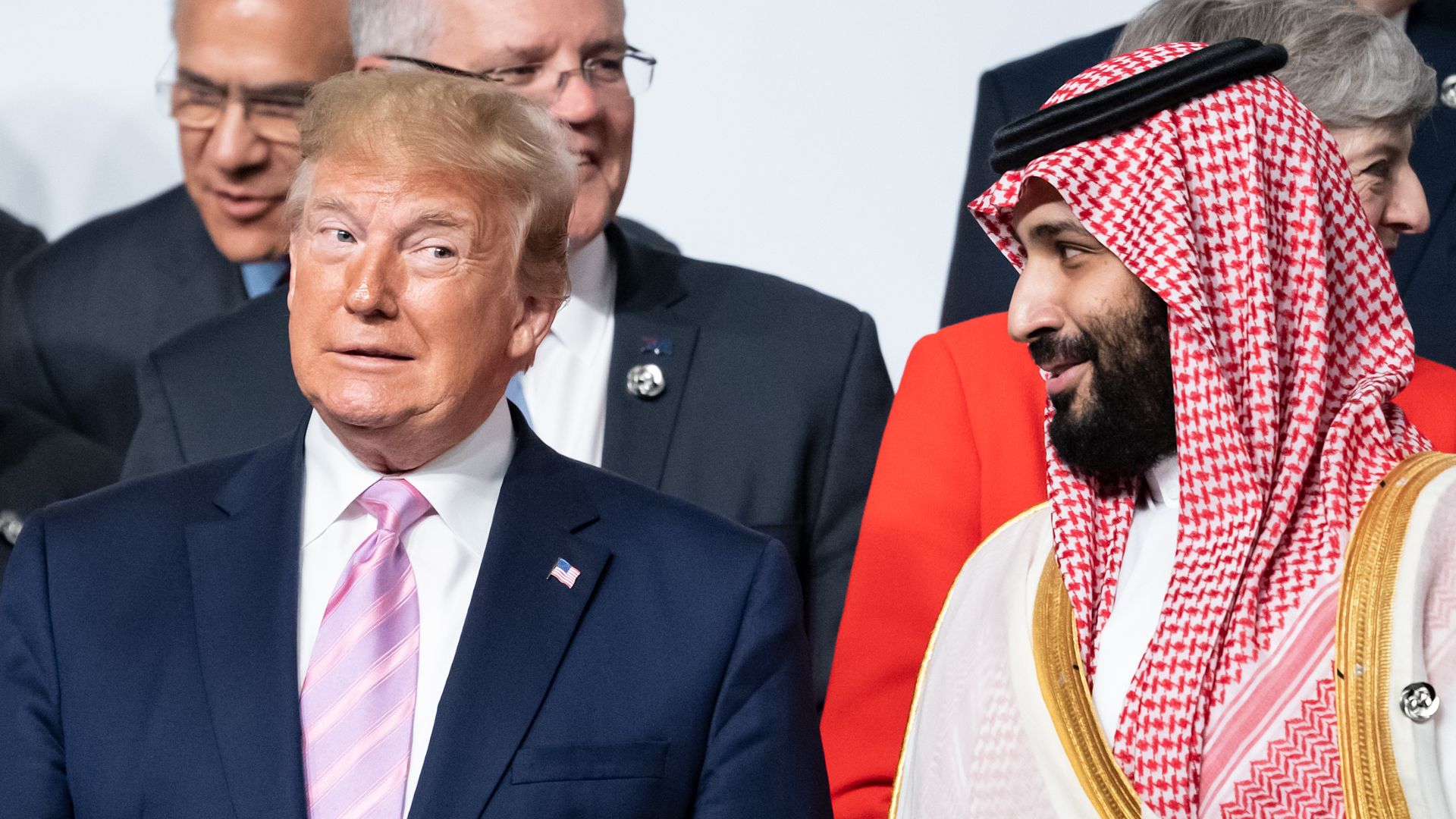
The Senate on Monday failed to override President Trump's veto of three resolutions seeking to block U.S. arms sales to Saudi Arabia, falling 22 votes short of the necessary two-thirds majority.
Why it matters: The initial passage of the resolutions marked yet another bipartisan rebuke of the administration's close relationship with Saudi Arabia, which has come under increased scrutiny in the months since the murder of journalist Jamal Khashoggi at the hands of the Saudi government. Trump, in vetoing the resolutions, argued that they "would weaken America's global competitiveness and damage the important relationships we share with our allies and partners."
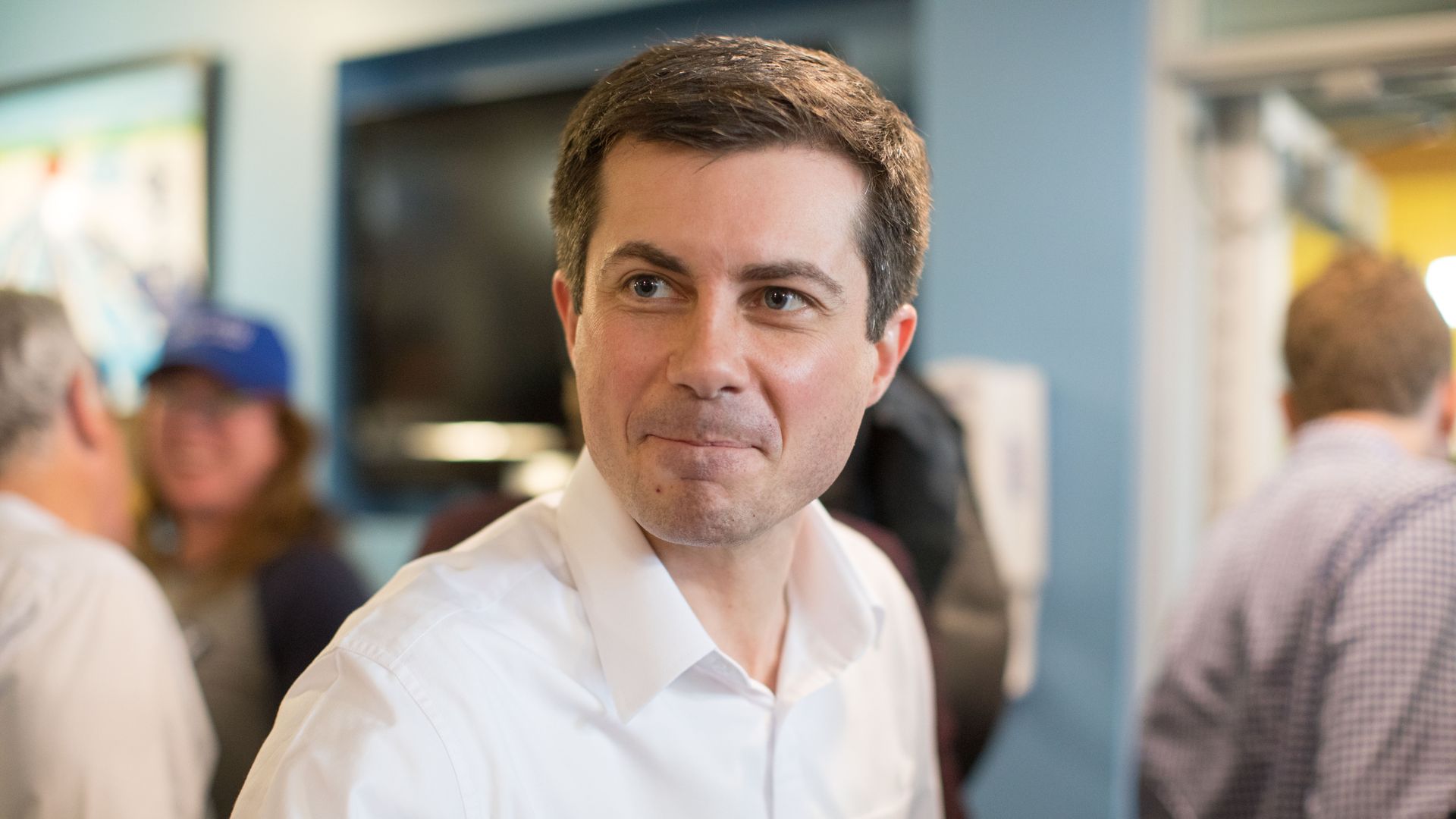
South Bend Mayor Pete Buttigieg has hired Michael Halle — a close adviser to former Virginia Gov. Terry McAuliffe who most recently ran Richard Cordray's failed 2018 campaign for Ohio governor — as a senior strategist, the Buttigieg campaign confirmed to Axios. It is unclear when his official start date is.
Why it matters: Halle, who also ran Hillary Clinton’s 2016 battleground-state strategy, has impeccable connections to the Democratic establishment and extensive experience working on major campaigns. His hire is the latest in a steady drumbeat of big names that Buttigieg has brought on, with the campaign telling Axios to expect other personnel announcements in the coming days.
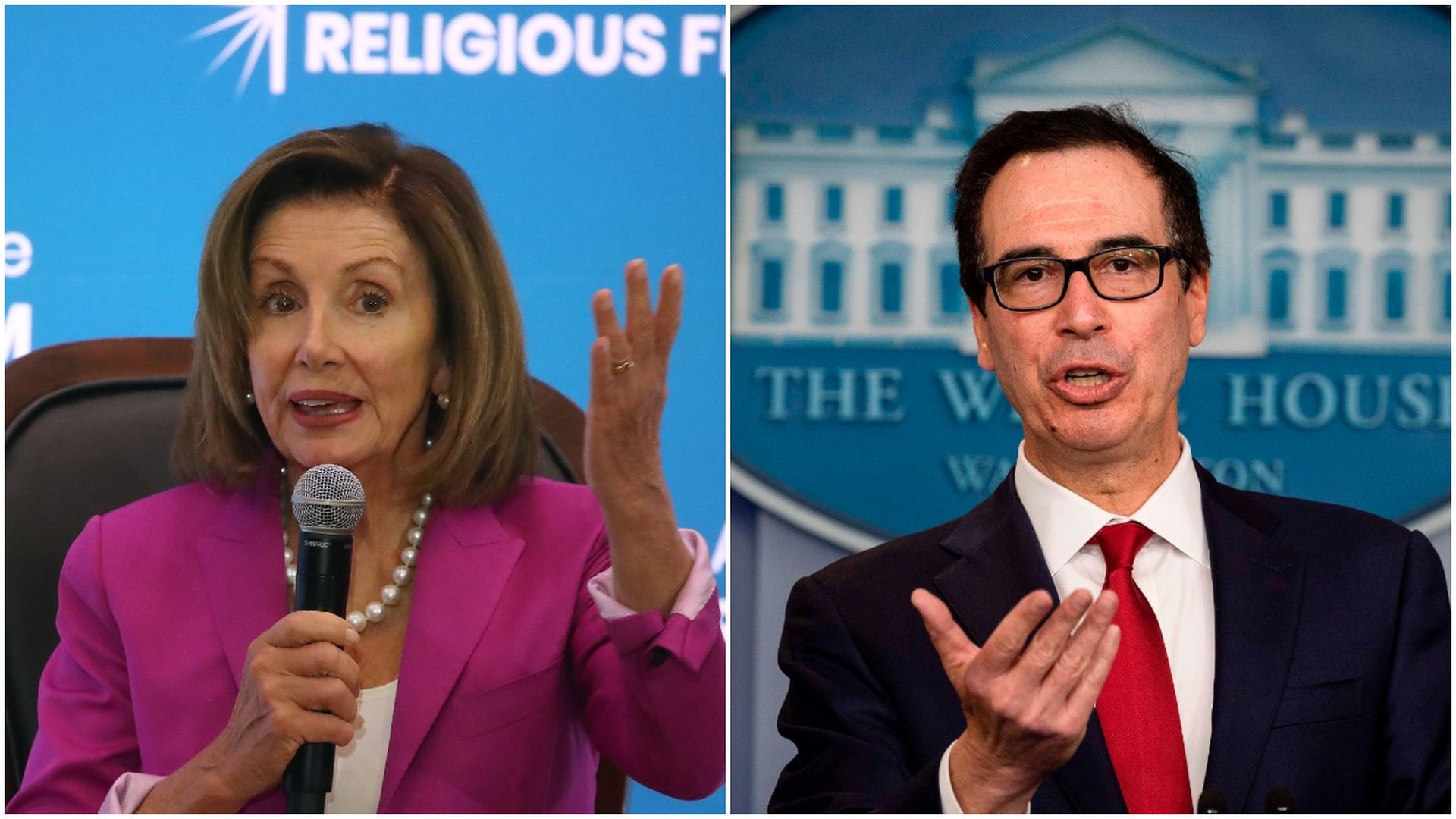
Treasury Secretary Steven Mnuchin has been telling colleagues that House Speaker Nancy Pelosi has privately assured him she would allow a vote on the United States–Mexico–Canada Agreement (USMCA) by October, according to 3 administration officials familiar with the internal conversations. Pelosi's office unequivocally denies that she gave Mnuchin any assurances on timing for a USMCA vote.
Why it matters: The USMCA — the trade deal that President Trump renegotiated to replace NAFTA — is the Trump administration's top legislative priority. Trump has signed the deal, but the law requires Congress to approve the trade deal on a yes or no vote. Pelosi leads the House and controls what legislation is voted on, meaning she has the power to kill the USMCA.
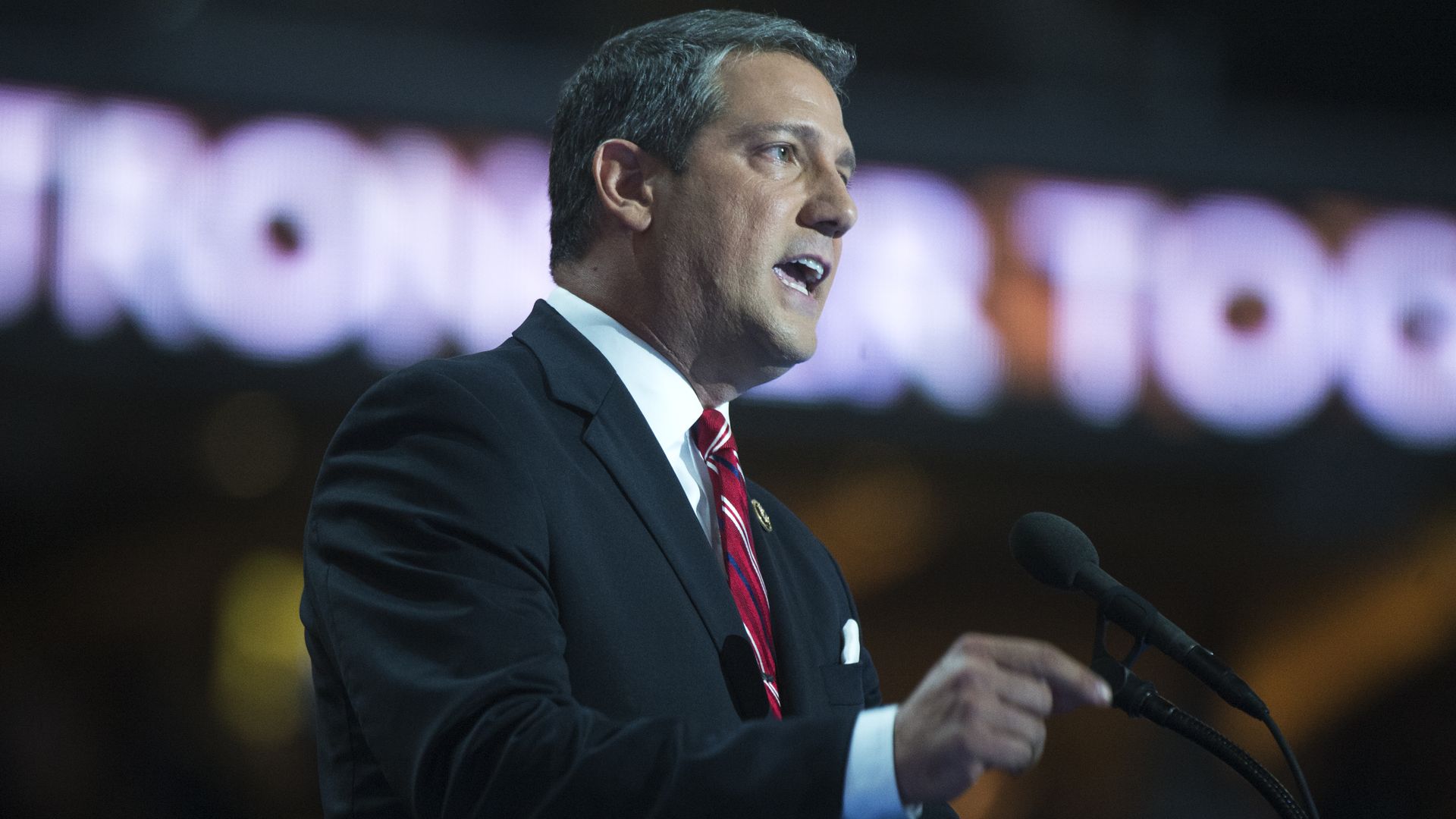
Editor's Note: Ryandropped outof contention for the Democratic presidential nomination on Oct. 24, 2019. Below is our original article on his candidacy.
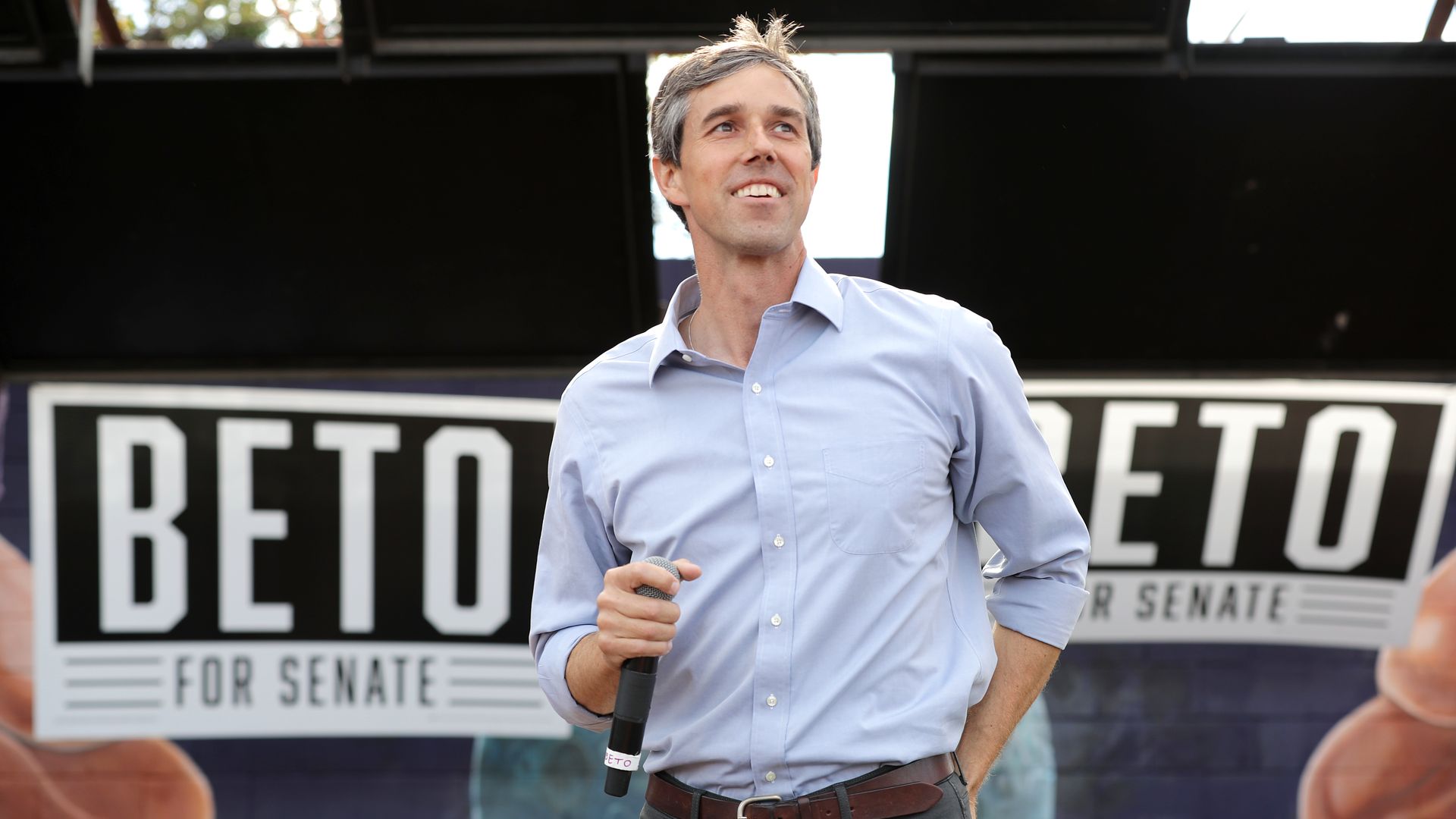
Editor's Note: O'Rourkedropped outof contention for the Democratic presidential nomination on Nov. 1, 2019. Below is our original article on his candidacy.
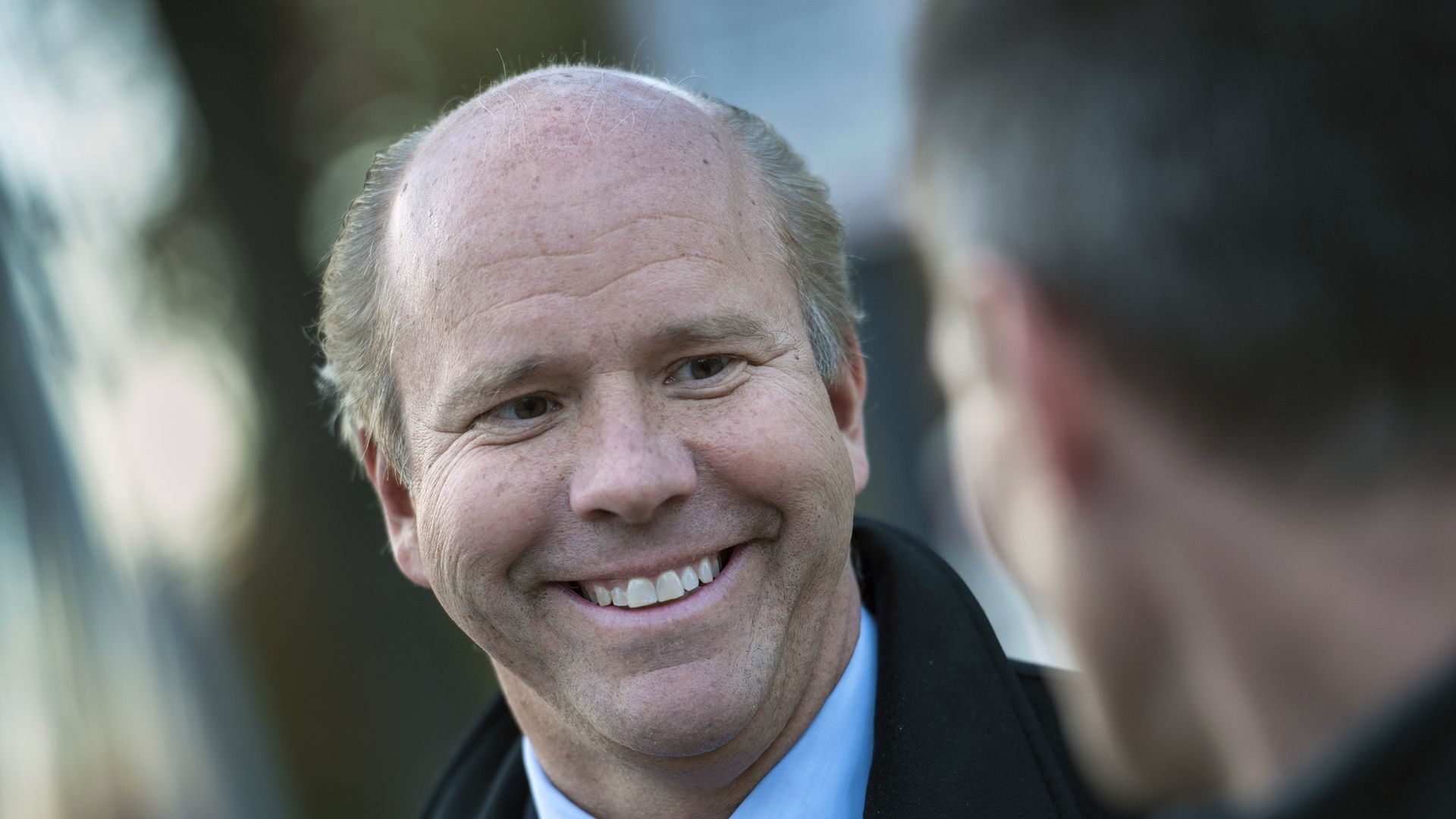
Editor's note: Delaneydropped out of contention for the Democratic presidential nomination on Jan. 31, 2020. Below is our original article on his candidacy.
John Delaney, a former House representative known for his bipartisan work and focus on artificial intelligence, became the first Democrat to say he would challenge Donald Trump for the presidency, announcing his candidacy two full years ago.
In 2016, every single Senate race went to the candidate of the same party that those states voted for in the presidential election, according to a new analysis by the Democratic group One Country Project, provided exclusively to Axios.
Why it matters: That's never happened before, since at least 1984. And the data shows that's not great news for Democrats heading into the 2020 elections.
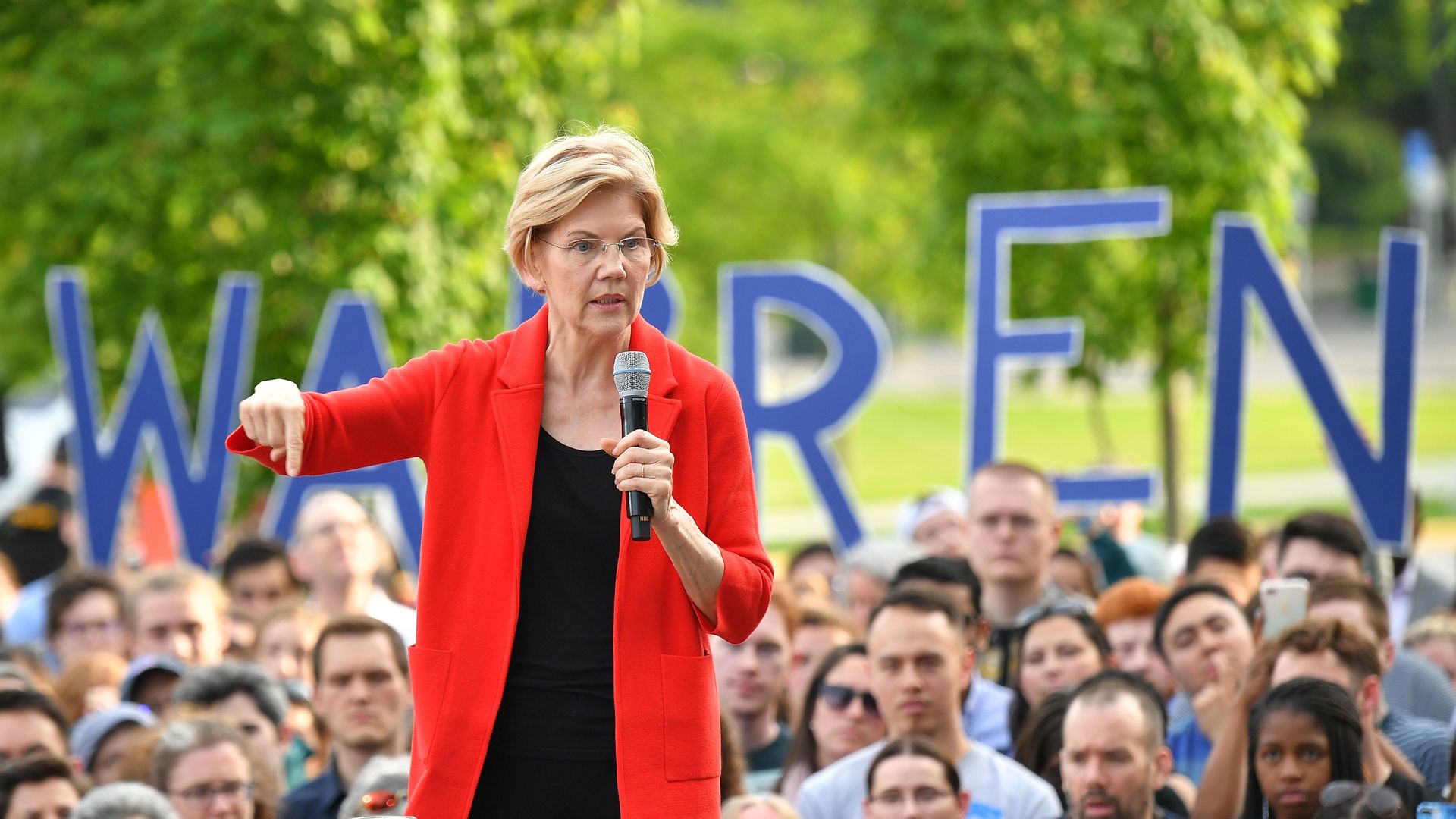
Elizabeth Warren has released a trade plan that would set up standards countries must meet as a precondition for any trade agreement, and she vows to renegotiate existing deals to meet that criteria.
Why it matters: President Trump’s approach to trade has upended traditional partisan divisions on the issue, shifting Republicans in favor of more restrictionist trade policies and Democrats toward defending free trade. This dynamic gives 2020 Democratic candidates an opportunity to implement a large-scale shift on an important policy issue for the party.
Federal prosecutors are looking at foreign influence over President Trump's 2016 campaign, his transition and the early stages of his administration, the N.Y. Times reports under a quintuple byline (subscription):
"The relationship between Mr. Barrack, Mr. Manafort and representatives of the U.A.E. and Saudi Arabia, including Mr. al-Malik, has been of interest to federal authorities for at least nine months. The effort to influence Mr. Trump’s energy speech in 2016 was largely unsuccessful."
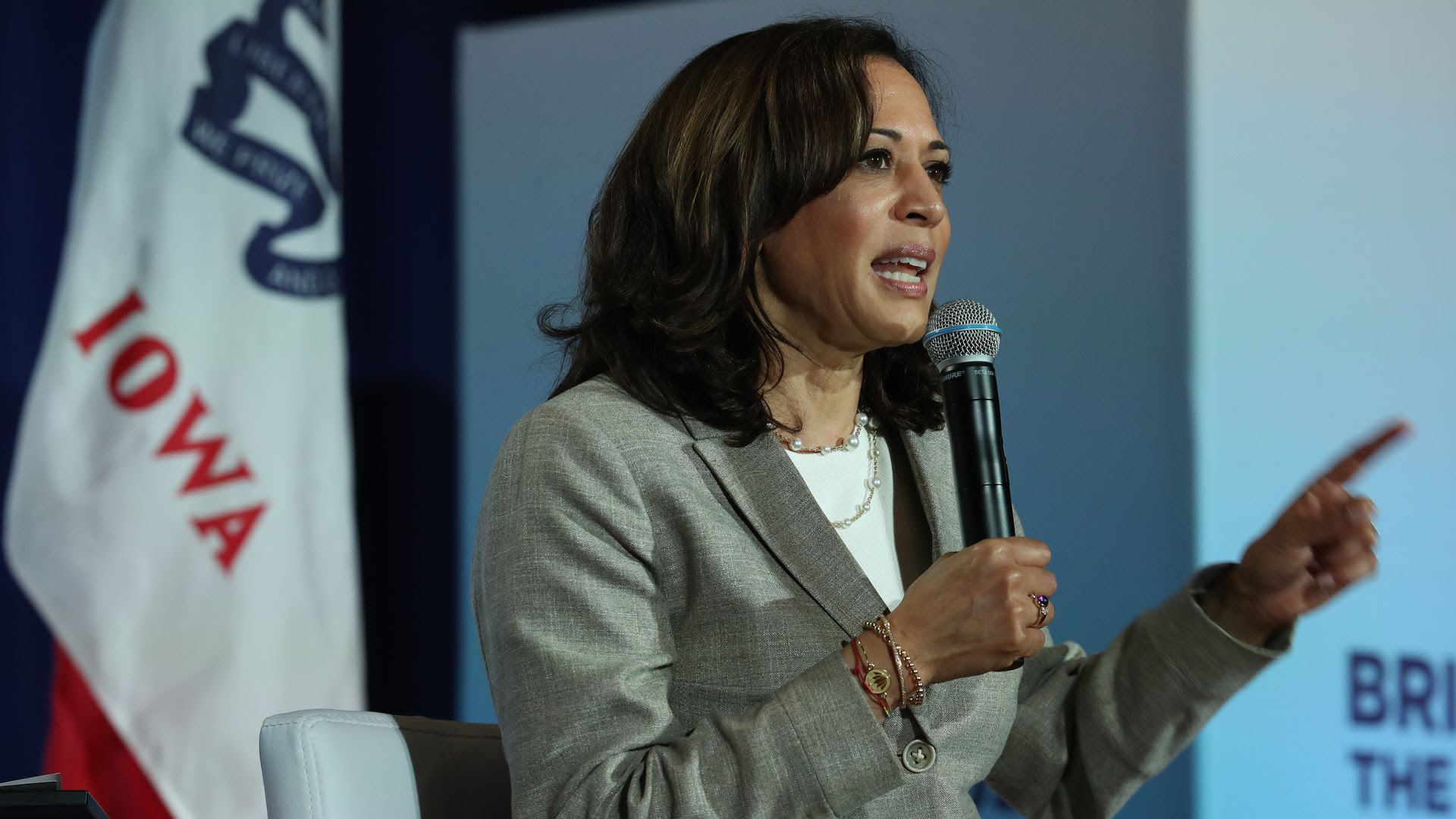
After changing course a couple of times on Sen. Bernie Sanders' "Medicare for All" plan, Sen. Kamala Harris is out with a version of her own on Monday.
How it works: Harris' proposal differs from Sanders' in a couple of key ways.
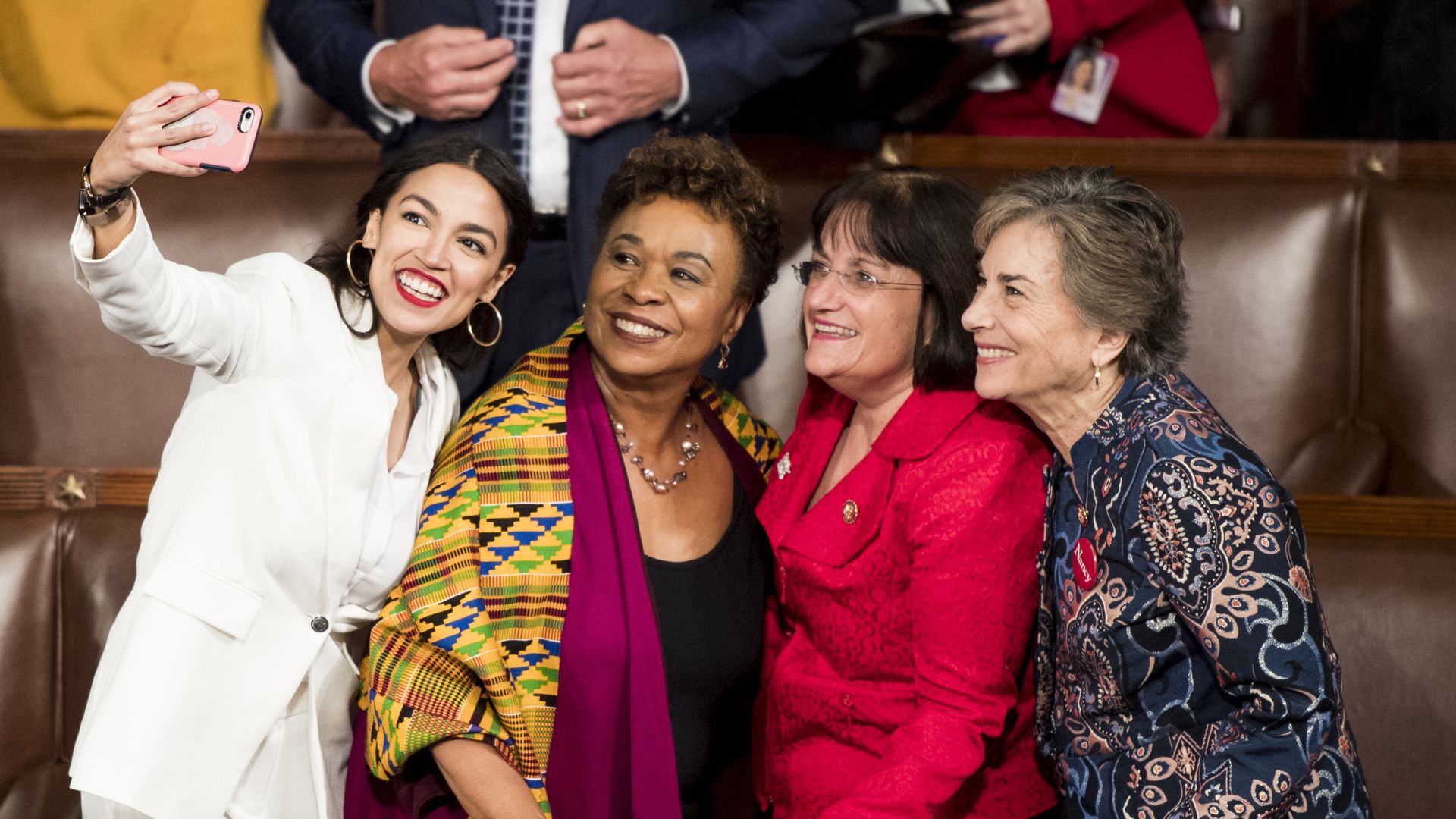
Building a daunting moat around the the House Democratic majority, each of the 62 freshmen Democrats has raised more than their top opponent, AP's Alan Fram reports.
Why it matters: It'salso true for all 31 Democrats from districts President Trump won in 2016. And for all 39 Democrats who flipped Republican-held seats last November. Those seats are the key GOP pathway to retaking the House.
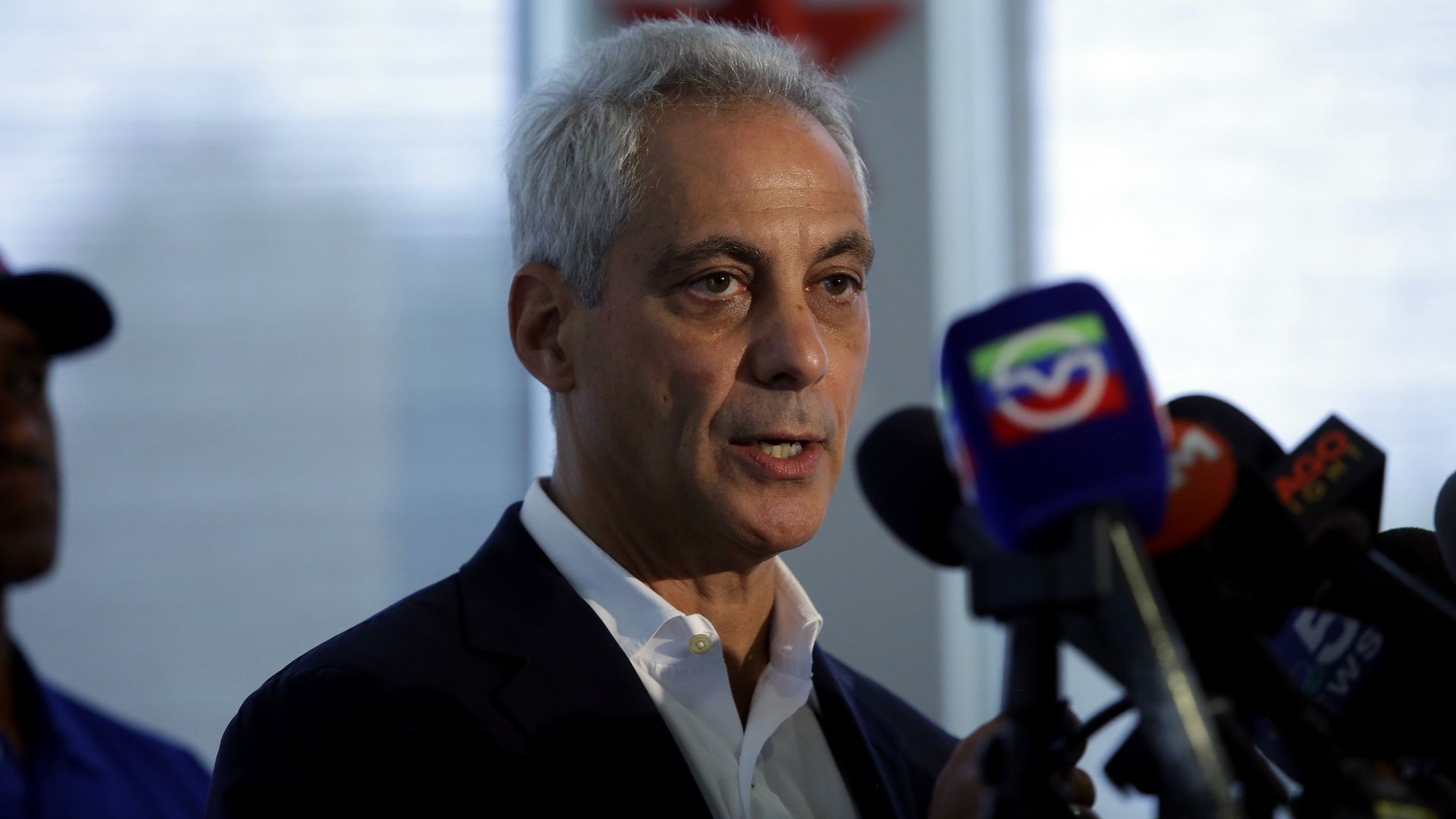
Rahm Emanuel — former Chicago mayor and chief of staff to President Obama, and now ABC News contributor — posts this open memo to 2020 Dems.
"Don’t Make Detroit’s Debate Miami Part II ... This time, don’t fall into the traps that had many of us shaking our heads during the debates in Miami."
President Trump's onslaught of disparaging tweets calling Baltimore a "disgusting, rat and rodent infested mess" — and characterizing Maryland Democrat Elijah Cummings as failing to fix it — extends Trump's streak of vilifying big American cities and adds a racial spin that scores points with parts of his base.
The big picture: Cities, particularly coastal ones, are Democratic strongholds that have been protesting Trump policies like immigration and health care since day one of his administration.