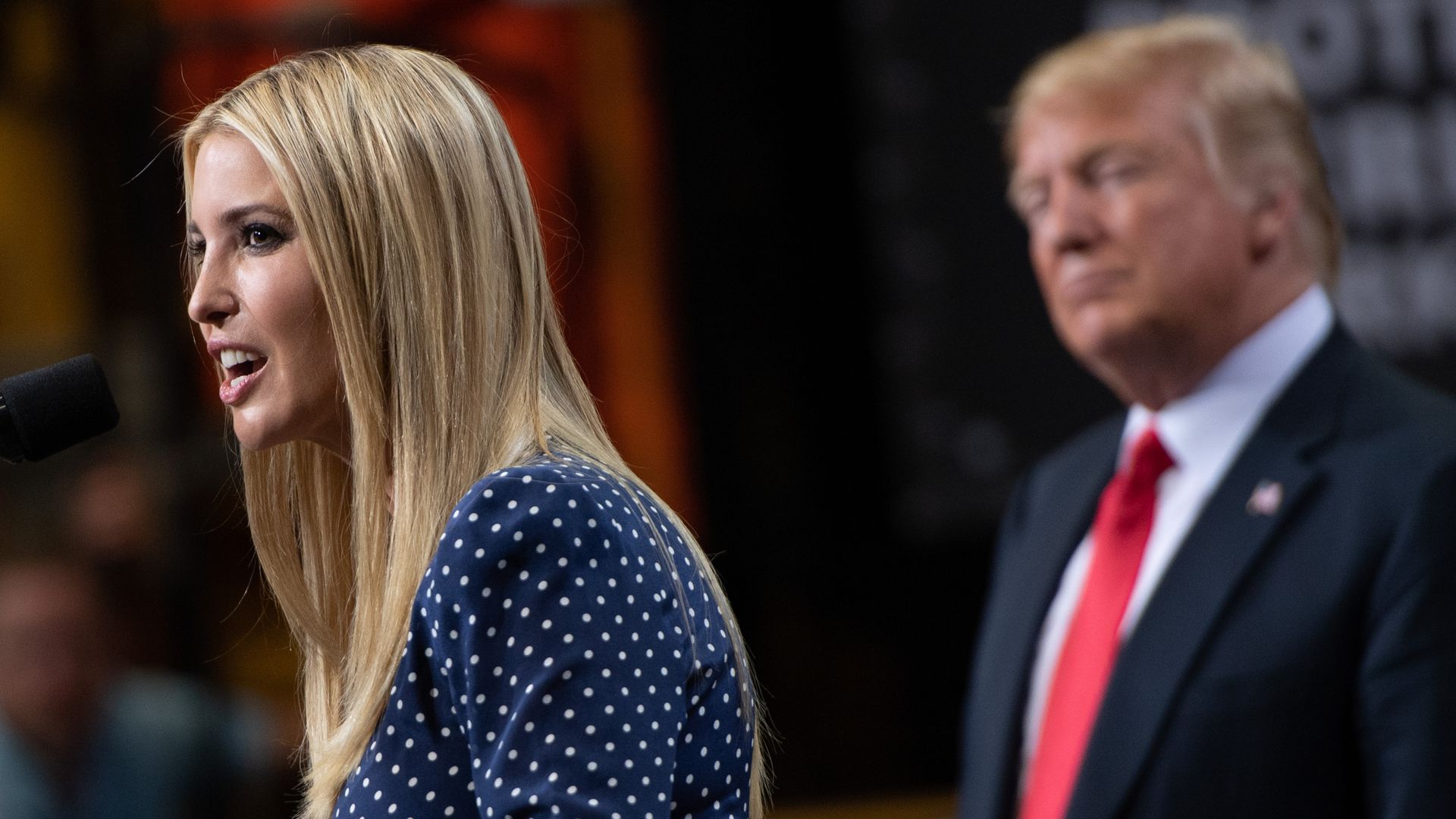
China has granted Ivanka Trump initial approval for 16 trademarks on a bevy of branded products — from shoes and sunglasses to semiconductors and voting machines — the New York Times reports.
Why it matters: Theapprovals come more than two years after Trump’s company applied, "which is far longer than the average processing time of a year or less," Hao Junbo, a trademark lawyer at the Beijing Hao Law Firm, told the Washington Post. Trump closed her fashion brand in July amid ethics concerns over her new job as senior adviser to her father, but the trademark approvals have renewed concerns about potential conflicts of interest given President Trump's ongoing clashes with China on trade.
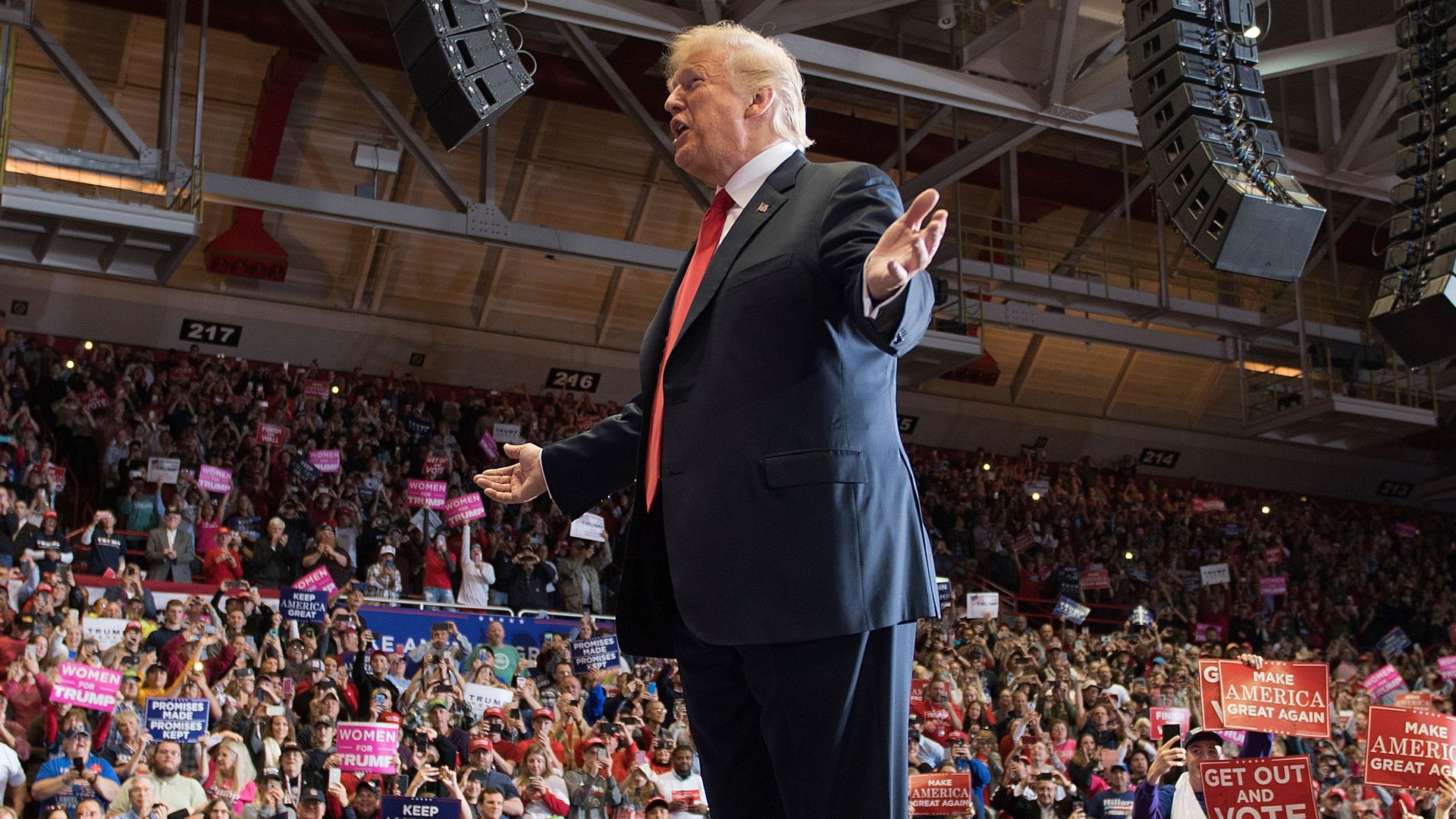
It took Donald J. Trump to do what do-gooders, activists, politicians and TV ads failed to do: get the American public interested in midterm elections and the consequences of voting.
The big picture: The dirty, sad truth of congressional elections is Democrats typically suck at voting in midterms. Mostly old, mostly white voters are usually the only ones bothering to show up. Hence, GOP dominance, especially in House races these past few decades. But no more: Everywhere you look you see signs of record-setting voting on both sides. It’s the only bipartisan show in town!
By late Tuesday night or Wednesday morning, officials from both parties say we should know whether or not the Democrats have won the House. Until then, everyone is on edge — and the tension is only going to get worse through the long election night.
What they're saying: Democrats remain "cautiously optimistic," one strategist told me, especially "after living through 2014 and 2016" when Democrats had high hopes but suffered major losses. President Trump is sounding the alarm by disputing CNN polls and warning of potential illegal voting. And a national Republican operative texted me: "It's going to be abad night in the House."
A majority of Americans approve of President Trump's handling of the economy — the issue that's mattered most to them all year — but it won't be enough to give Republicans a clear advantage in today's midterm elections, according to a new Axios/SurveyMonkey poll.
Why it matters: It shows that the economy is one of Trump's strongest issues with the public. So if Republicans don't do well tonight, it will raise new questions about whether they would have done better if Trump had stayed on message and talked about the economy more.
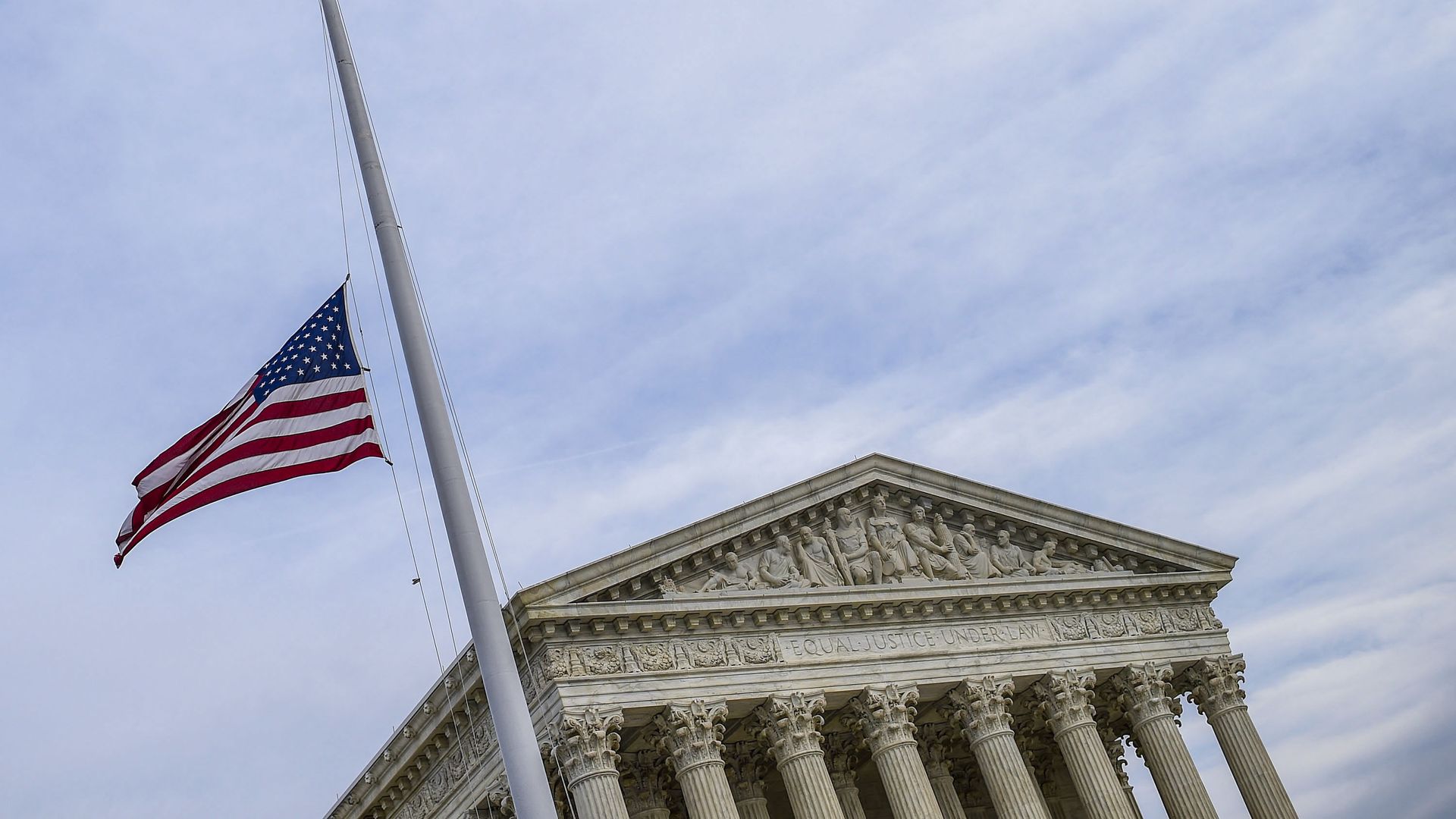
The Justice Department urged the Supreme Court on Monday to take up a legal battle over the Trump administration's attempt to end the Deferred Action for Childhood Arrivals (DACA) program, despite lower courts having yet to rule on the legality of the effort.
The big picture: The administration has been trying to bypass lower-court rulings on some of President Trump’s signature policy proposals with the hope that the now conservative Supreme Court majority will help push his measures through.
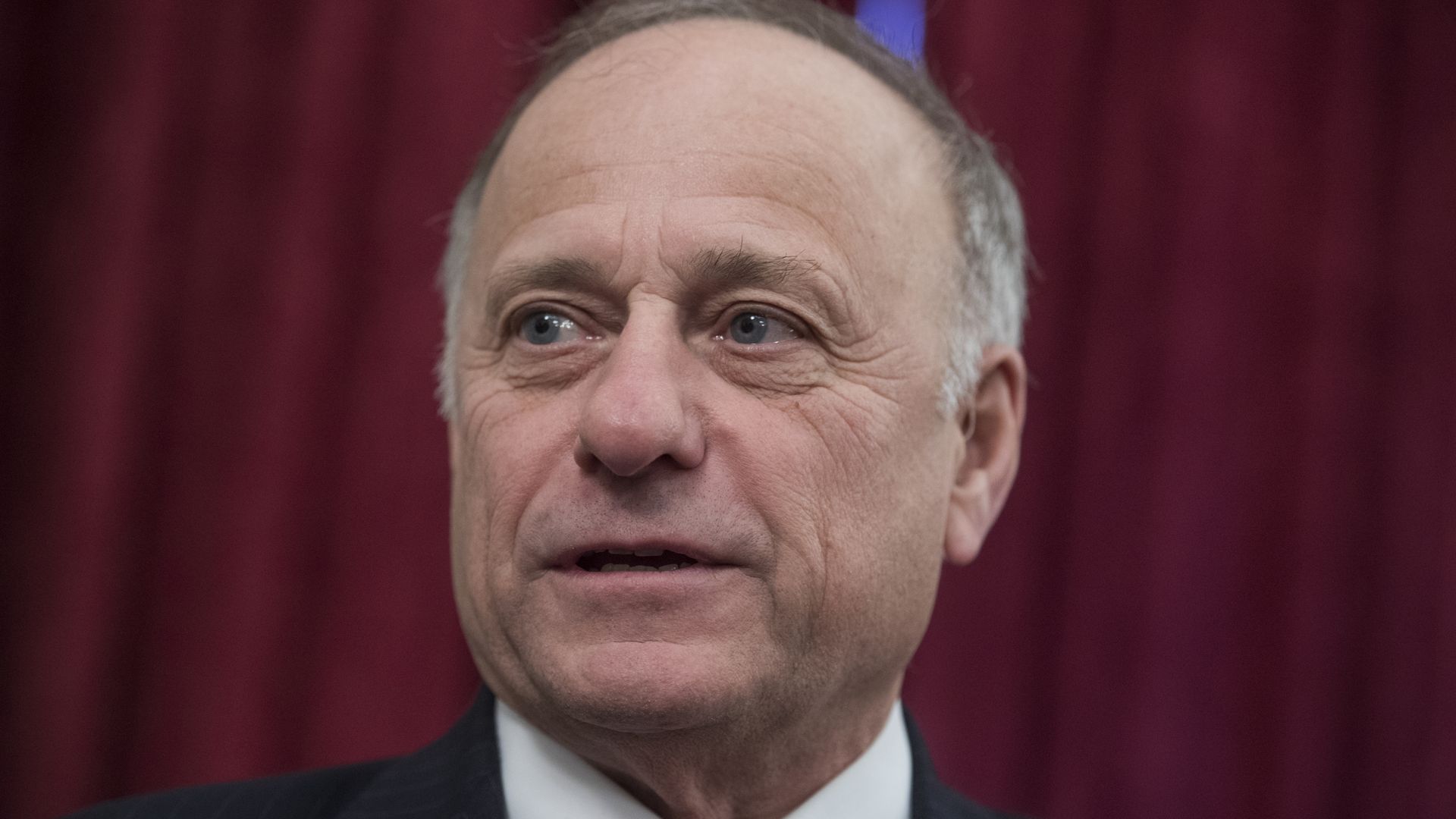
Rep. Steve King (R-Iowa), speaking about the Supreme Court during an appearance in Hampton, Iowa on Monday, said that he hopes Republicans will "have a 7-2 court" after tomorrow's midterm elections, adding that if the party is lucky Justices Elena Kagan and Sonia Sotomayor "will elope to Cuba," reports the Weekly Standard's Adam Rubenstein.
Why it matters: King has a history of making incendiary comments, and has recently come under fire for endorsing white nationalist Faith Goldy for mayor of Toronto. In the last few weeks, dairy company Land O'Lakes ended their donations to him; Rep. Steve Strivers (R-Ohio), chairman of the National Republican Congressional Committee, condemned King for his "completely inappropriate" actions and remarks; and Jonathan Greenblatt, CEO of the Anti-Defamation League, urged House Speaker Paul Ryan (R-Wisc.) to strip King of his subcommittee chairmanship and initiate censure proceedings.
You already know what you think about the midterms, or are smarter than to predict. So here's a cheat sheet for what comes next.
The state of play for President Trump's next 30ish hours: Lose as expected, and he'd face a narrowly controlled Democratic House and a friendly Republican Senate with the ability to keep confirming judges. Lose by a landslide, and the House would get more hostile, and even the Senate would be at risk. But win by any margin, and he could get even more aggressive on tax cuts, health care and immigration, with only congressional fears of 2020 in the way.
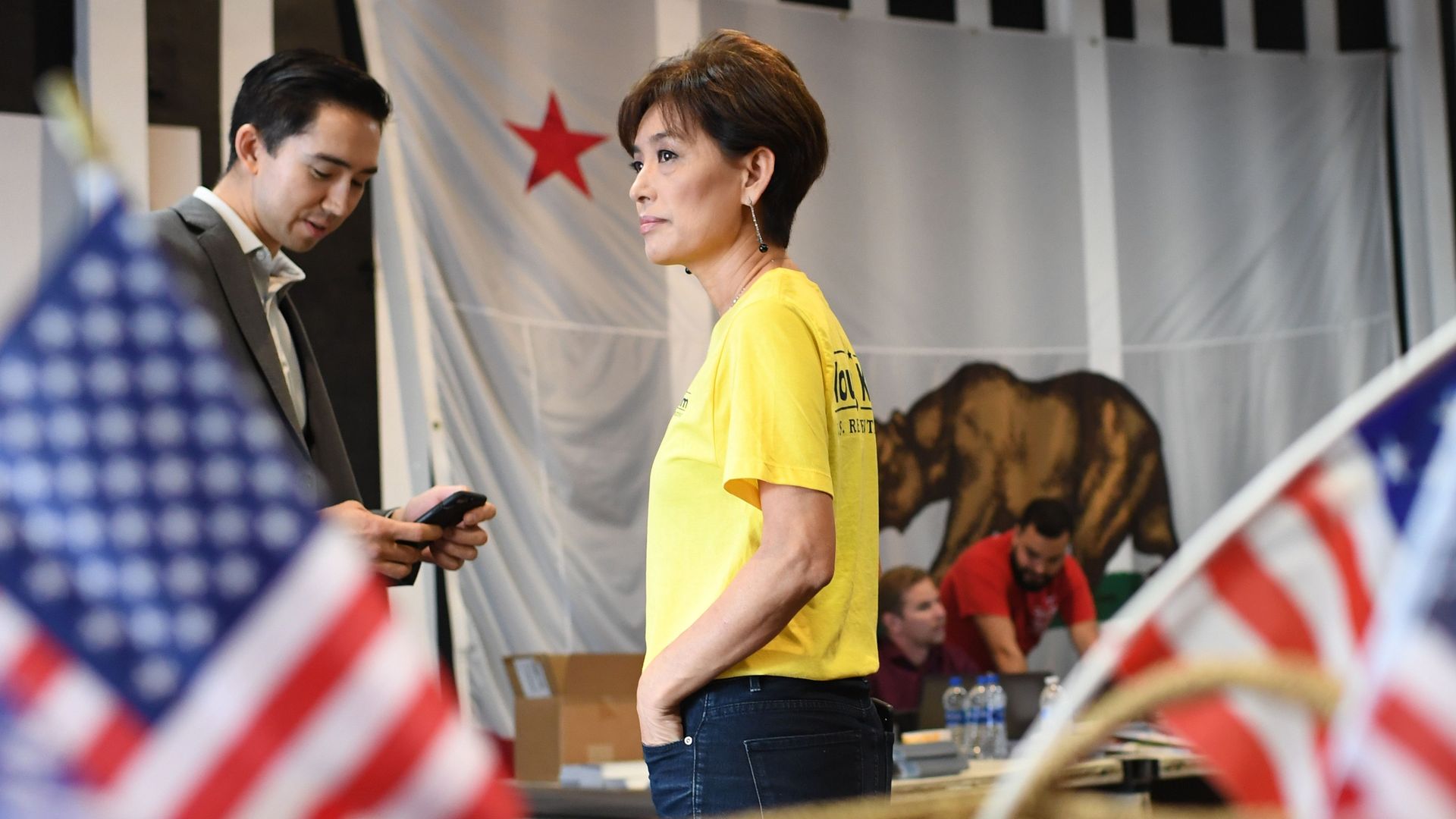
Three in 10 Democratic women running for the House are in races that the Cook Political Report rates as "toss-ups" or better, compared to just one in 10 Republican women in House races, according to an analysis by NPR. The analysis only looks at female candidates who aren't incumbent House members.
Why it matters: Although there's been a record number of female candidates and nominees this cycle, there's a large gap between the parties — 42% of all Democratic nomineesfor the House, Senate, and governor are women, compared to just 14% of Republican nominees. This latest NPR analysis suggests there will be an influx of women in Congress, but mostly in the Democrats' caucus.
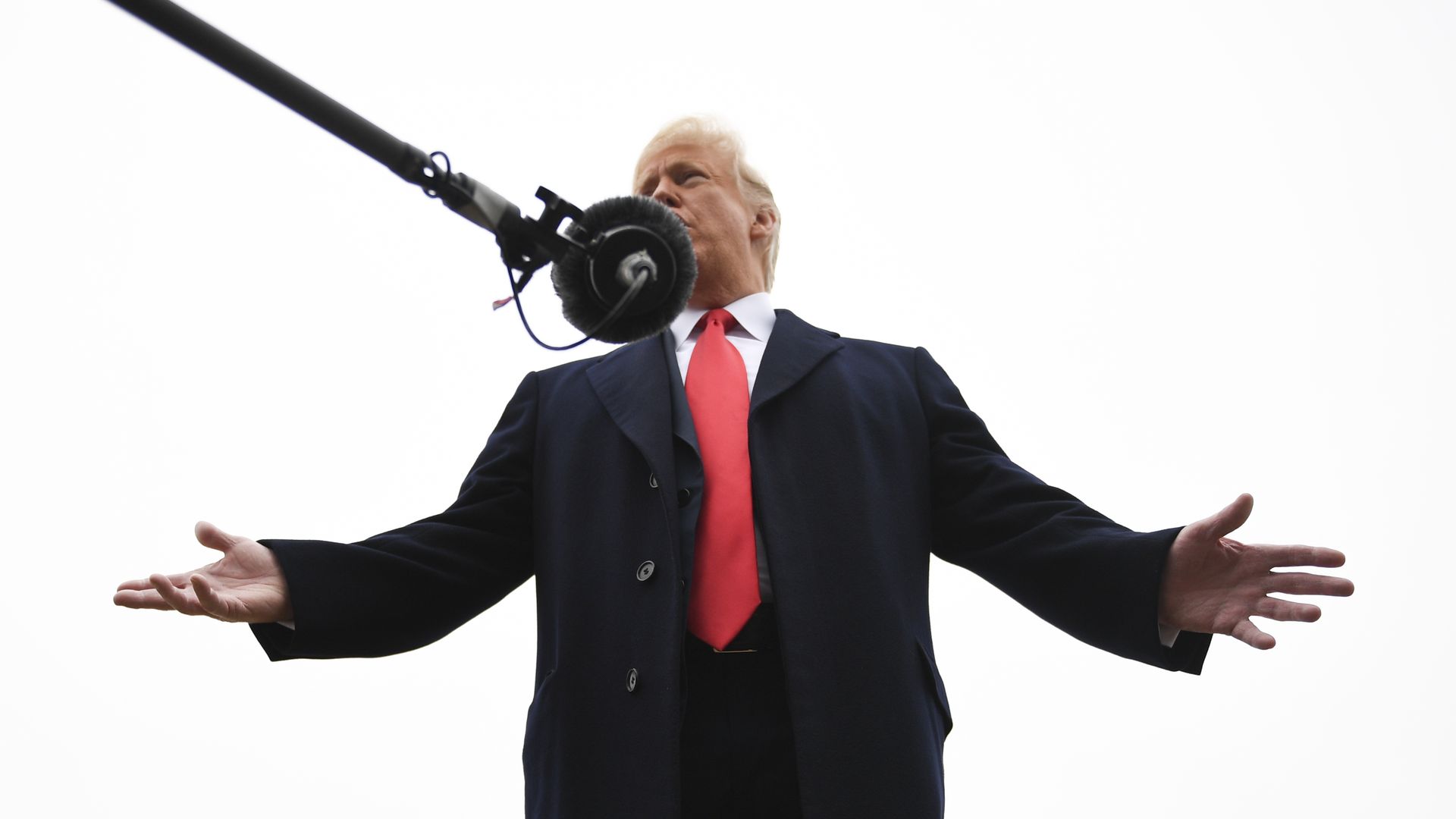
President Trump told reporters on Monday that he probably would not have a meeting with Vladimir Putin in Paris next week, but that they would meet at the G20 summit in Argentina later this year.
Why it matters: In late October, National Security Adviser John Bolton said that Trump and Putin would meet in Paris during the 100th anniversary of the armistice ending World War I. The last time Trump met with Putin, he was widely criticized for flattering Putin and for saying that he didn't see "any reason" for Russia to interfere in the U.S. elections. Trump also said that he will announce his new UN ambassador by the end of this week.
"Is this person a citizen of the United States?" This is the controversial question the Trump administration will defend adding to the 2020 census questionnaire in a closely watched federal trial starting Monday in New York City.
Why it matters: This could determine the electoral map for future state legislative races and federal elections. Census data is used to apportion congressional seats and electoral college votes that determine the winner of presidential elections, as well as the distribution of federal funds among states.
Just 51% of Americans said they have faith in the country's democracy, and 37% say they have lost faith in democracy, according to a new Axios/SurveyMonkey poll conducted in late October.
Why it matters: It suggests that recent political turmoil has caused people to doubt the very foundation of American society, particularly leading up to election day.
President Trump would lose the 2020 election against every woman mentioned as a possible Democratic opponent, according to an Axios poll by SurveyMonkey, aired first on HBO Sunday night.
Why it matters: Trump is underwater with women voters (64% of women view him unfavorably), and particularly among white suburban women — a group that will be critical in 2020. Look for Democrats to turn to their top 2020 female candidates after Tuesday’s election. A record number of women are running and a record number of women are expected to vote and win come Tuesday.
For the Axios HBO series, we interviewed people who've negotiated with Donald Trump throughout his life in business and in politics. One very Trumpian story came from Peter Osnos, the editor of Trump's 1987 book "The Art of the Deal."
Here's Osnos to Axios/HBO: "When the idea of meeting with Trump came up ... I thought to myself how do we impress Donald Trump? So I went to my shelf and took 'Generations of Winter' by the wonderful Russian writer Vasily Aksyonov. Nice big fat Russian novel."
President Trump told "Axios on HBO" his administration is looking seriously at antitrust investigations of Google, Facebook and Amazon. In the next breath, he argued they are great companies that he wants to help.
Why it matters: Trump's inconsistent approach toward Silicon Valley has had the world's most powerful technology companies on edge — and that's exactly where he wants them. But his wavering stance makes it difficult to set national priorities around serious tech issues, such as consumer privacy, data security and competition.


/2018/11/05/1541446755389.gif?w=3840)