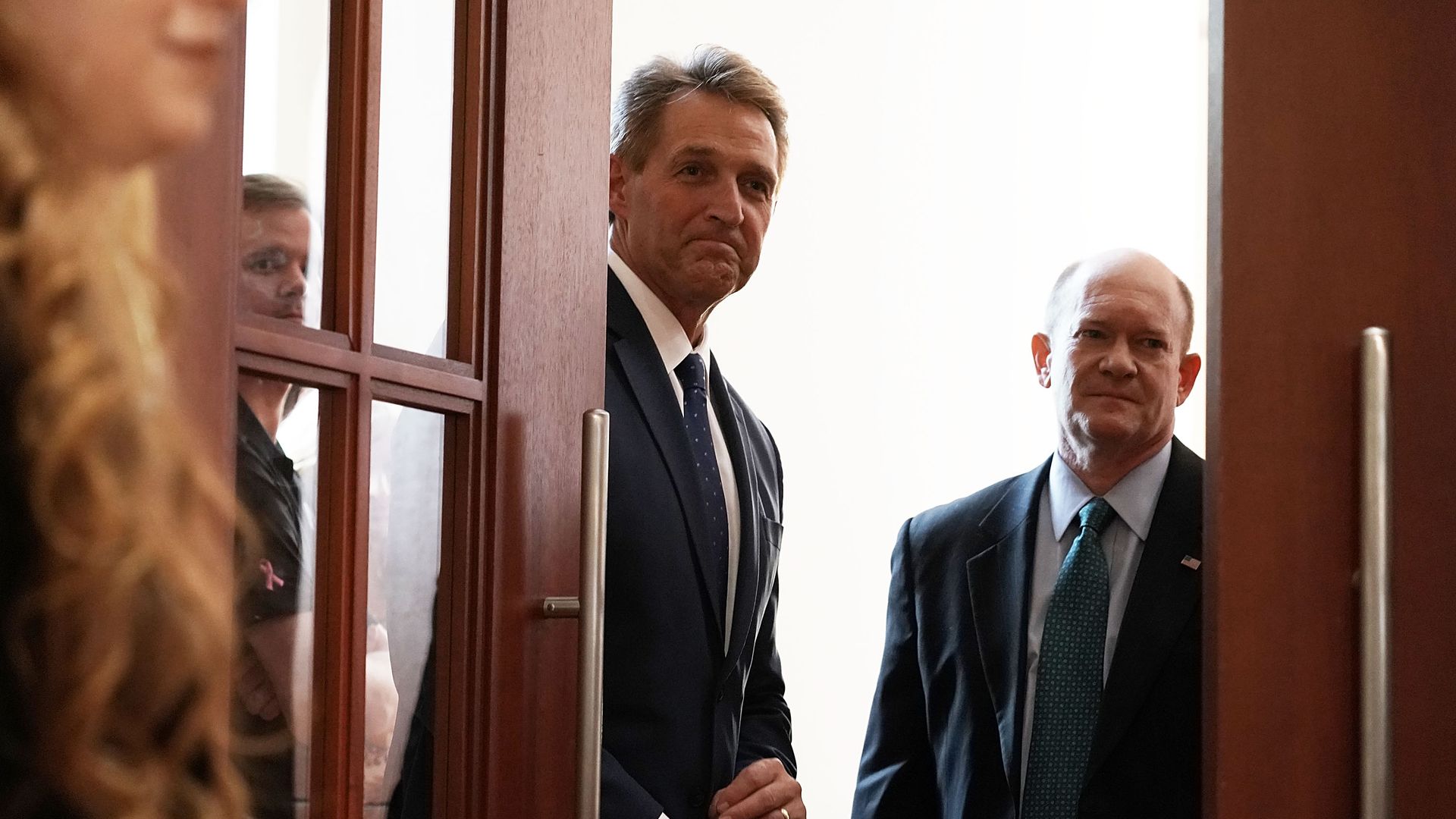
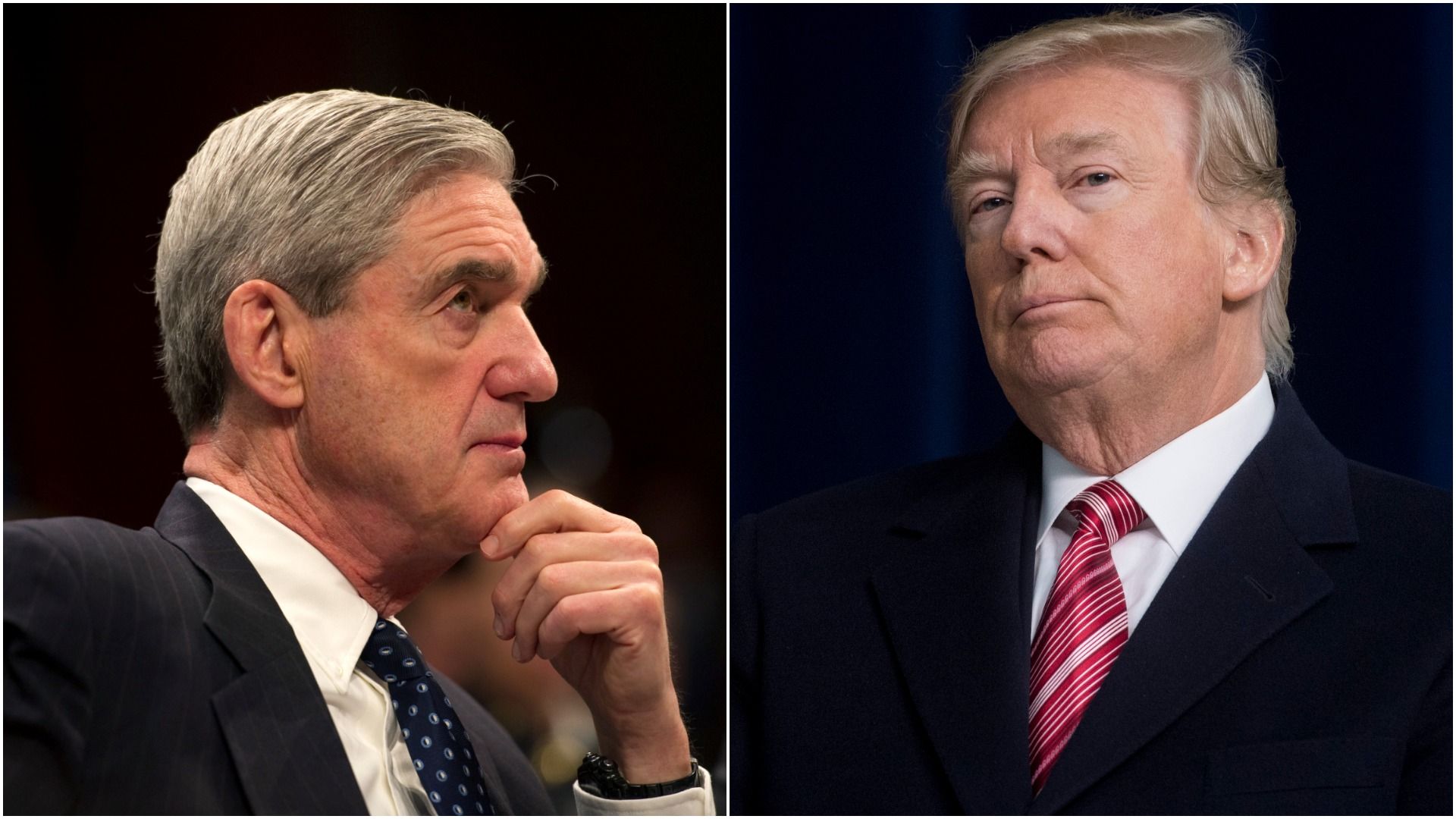
Senator Jeff Flake (R-Ariz.) said Thursday that he and Senator Chris Coons (D-Del.) will push for a floor vote next week on a bipartisan bill that would safeguard special counsel Robert Mueller’s ongoing probe into potential Russian collusion and ties to Trump's 2016 campaign.
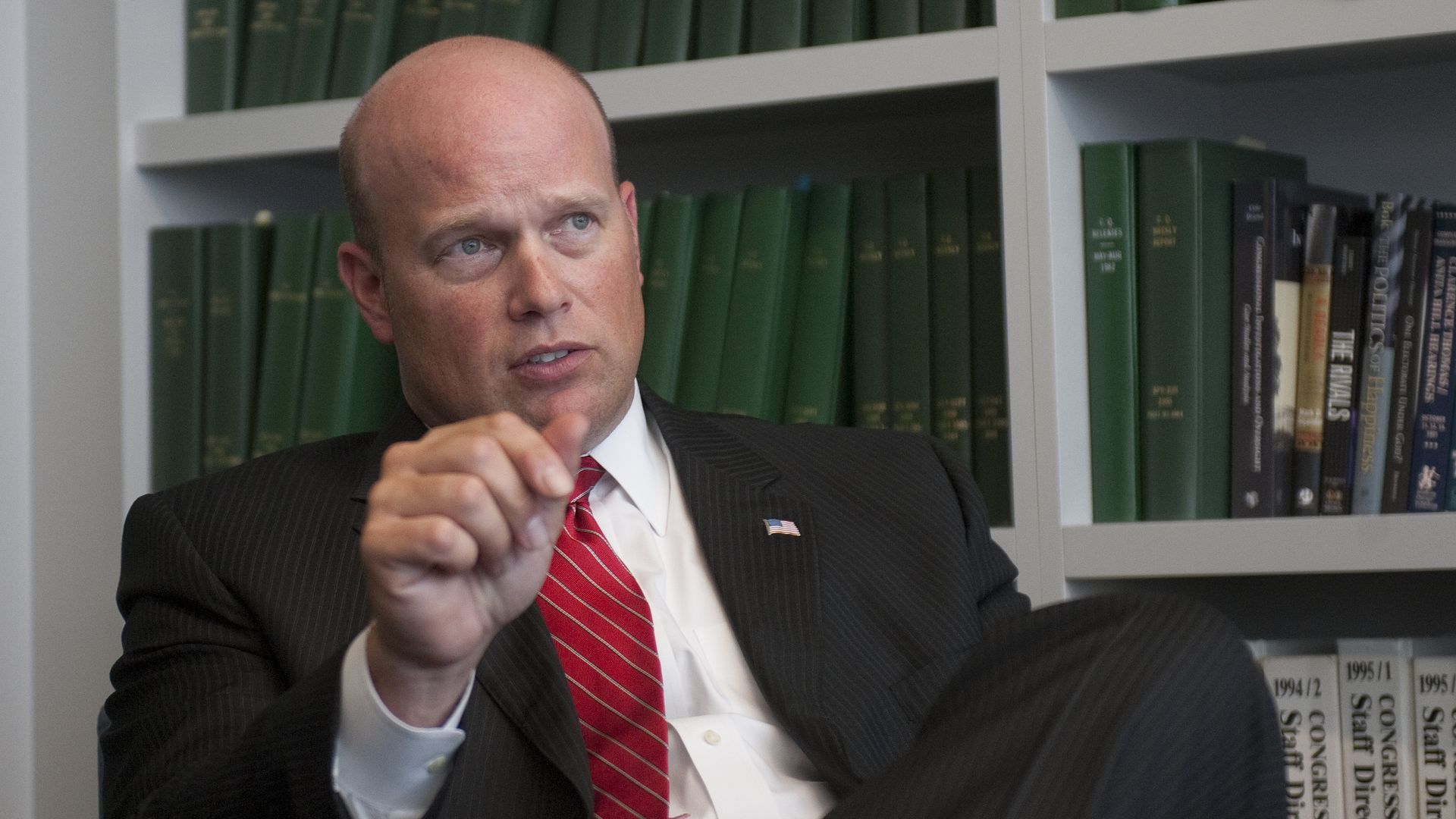
Why it matters: The renewed interest in the measure comes in response to Attorney General Jeff Sessions’ abrupt resignation on Wednesday at the request of President Trump, which immediately raised questions about the fate of Mueller’s investigation. President Trump's elevation of Justice Department chief of staff Matthew Whitaker to acting attorney general means that he will assume control of the investigation. There have been mounting ethical concerns about Whitaker's role as he has publicly criticized Mueller's probe in the past.
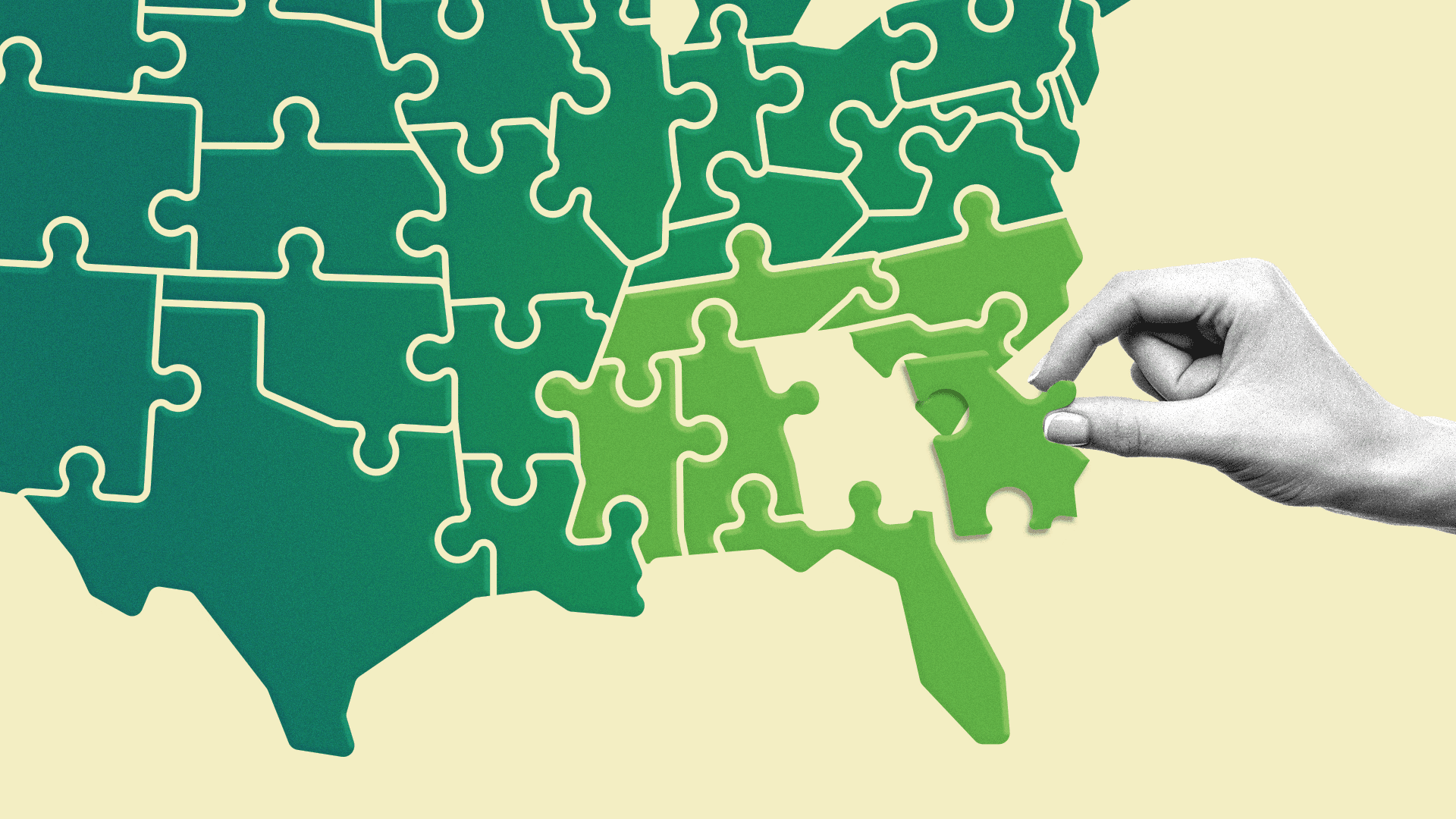
All eyes will now turn to the deep southeast, with potential recounts and a potential runoff for extremely high stakes gubernatorial contests.
The big picture: Florida could be heading to three statewide recounts, and Georgia Democrats are prepared to use litigation as they search for the roughly 25,000 votes needed to force a gubernatorial runoff.
Even as the races in Florida and Arizona remain too close to call, the Republicans' performance in Tuesday's elections was enough to cement their Senate majority — all but ensuring Trump's record-breaking judicial appointments will continue uninterrupted for at least the next two years.
Why it matters: Advancing a judicial nomination in the Senate used to take 60 votes, but it now only requires a simple majority. Of the 84 Trump-nominated appellate and district judges confirmed by the Senate, 30 of them replaced judges nominated by a president of the opposing party. With Trump's legislative agenda likely to be stalled by a Democrat-controlled House, judicial appointments will become even more of a priority over the next two years.
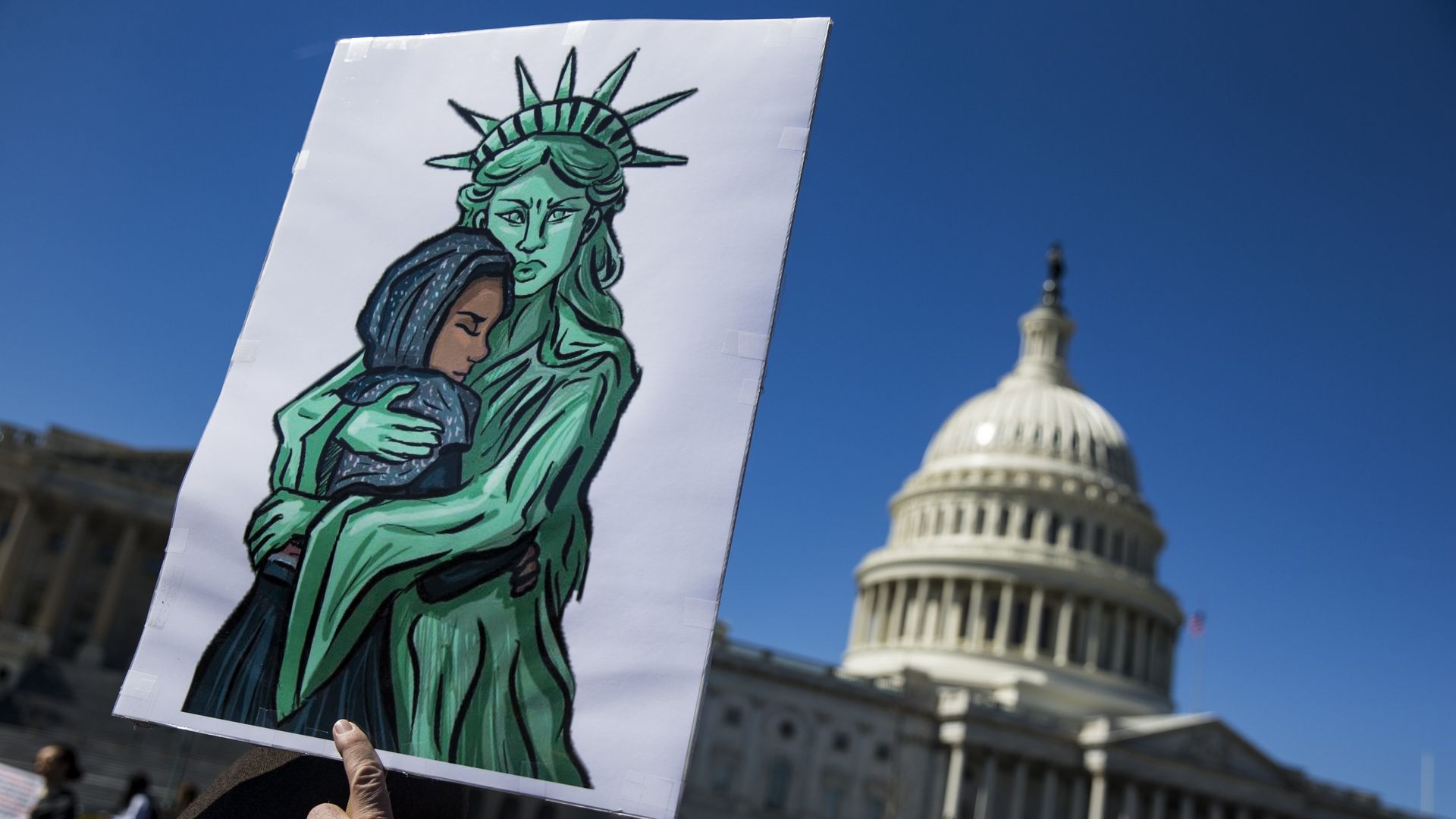
The Trump administration has posted a new regulation that will allow President Trump, via proclamation, to prohibit certain immigrants from seeking asylum, senior administration officials told reporters Thursday afternoon.
Why it matters: This will allow Trump to block any immigrants who enter the U.S. illegally from receiving asylum, and comes as a caravan of Central Americans makes its way toward the U.S. border. It has been previously reported that the administration was considering a proposal that would prevent immigrants who cross the border illegally from obtaining asylum.
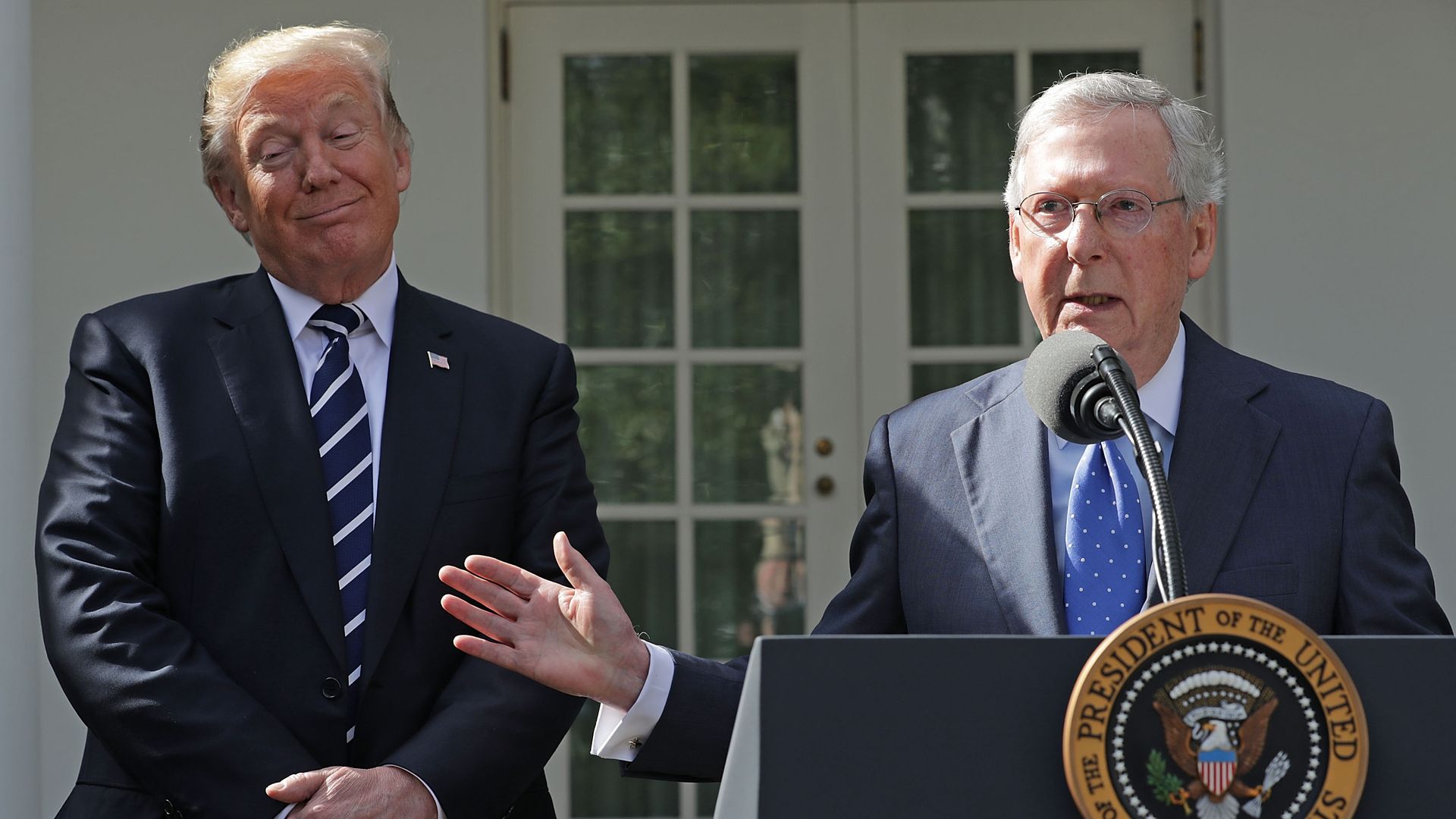
Senate Majority Leader Mitch McConnell (R-Ky.) told WVLK Thursday that he doesn't think there is "any chance" Special Counsel Robert Mueller's investigation will end despite Matthew Whitaker, a critic of the investigation, taking over the probe after being tapped as acting attorney general.
"The President has said on multiple occasions the Mueller investigation should be completed. He wish it would happen sooner. But I don't think there's any chance that the Mueller investigation will not be allowed to finish."
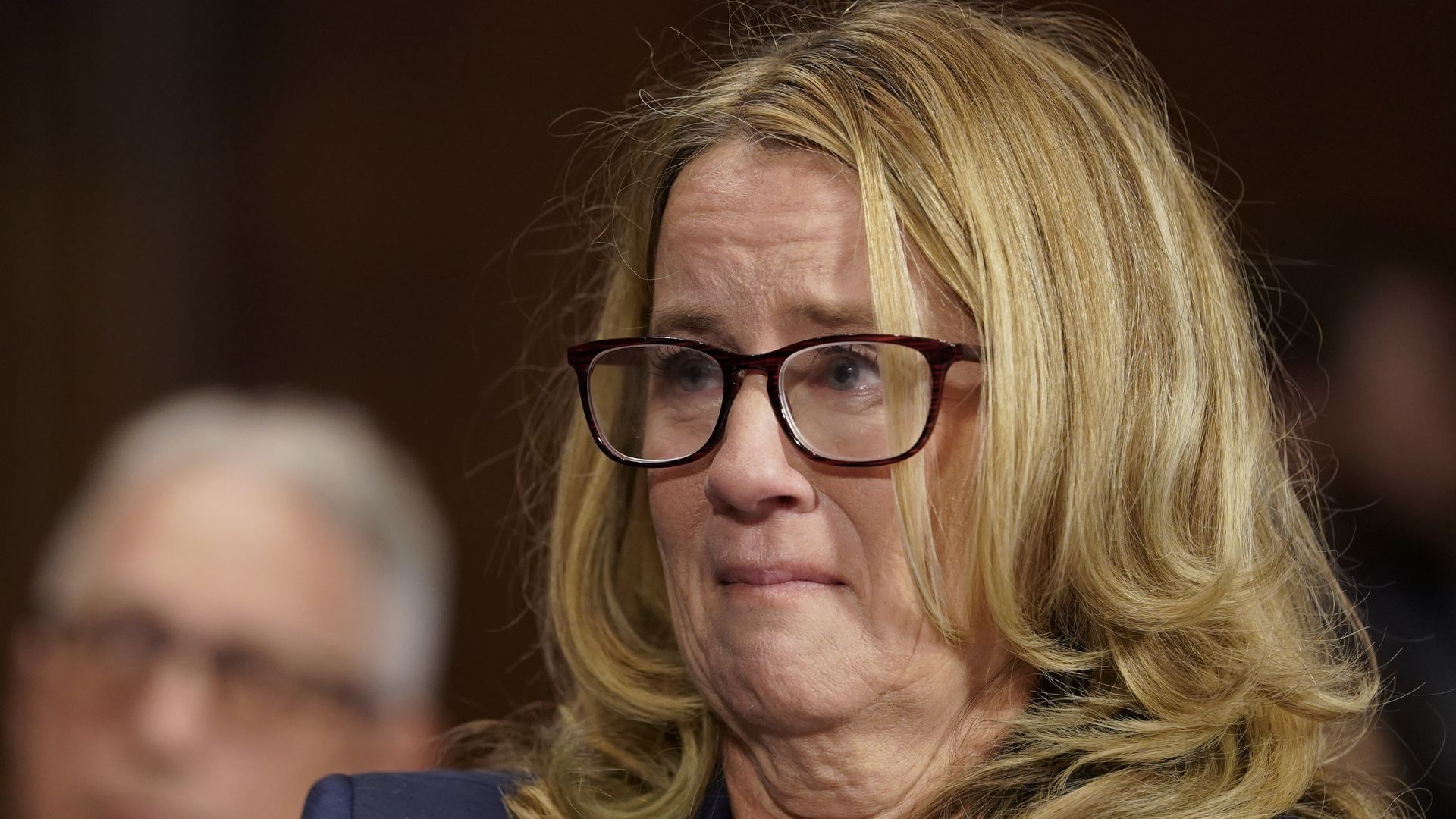
Christine Blasey Ford is still being harassed more than a month after publicly testifying about her allegations that Supreme Court Justice Brett Kavanaugh sexually assaulted her in high school, NPR reports.
Why it matters: The constant threats were a large part of why Ford told the Senate Judiciary Committee that she was hesitant to go public with her accusations. Ford wrote last month that she has had to move four times as a result, and has had to hire a private security detail for protection.
President Trump's decision to replace Attorney General Jeff Sessions with Matthew Whitaker is facing new questions, with two prominent attorneys — including the husband of White House counselor Kellyanne Conway — suggesting that it may be illegal.
Why it matters: Axios spoke to multiple legal experts and former Justice Department officials who say they can't remember a similar case where someone not confirmed by the Senate has been named as acting attorney general. They have different interpretations of the laws, but they agree that the naming of Whitaker is in uncharted legal territory and leaves room for challenges to the legality — and constitutionality — of Trump's actions.
On Thursday, a federal appeals court in San Francisco upheld a lower court order to block Trump's efforts to end deportation protections for undocumented immigrants who came to the U.S. as children.
Why it matters: It's been more than a year since then-Attorney General Jeff Sessions ended DACA, but various court injunctions have kept the program up and running until the Supreme Court weighs in. The Justice Department petitioned the Supreme Court earlier this week to intervene in the case in an effort to prevent it from making its way through the lower courts.
President Trump won four of the six states where early voting in 2018 increased by 200% from the 2014 midterm elections.
Why it matters: It means voters in those red states — Georgia, Oklahoma, Indiana and Utah — are energized and highly motivated to vote in 2020. That's something Democratic presidential candidates will have to factor into their plans, because these voters are likely to be even more motivated when Trump is actually on the ballot.
The most surprising — and least surprising — thing about the 2018 midterms is that we were aware of almost this exact outcome at the start of the cycle.
The big picture: The incumbents who lost were mostly predictable because they were the most vulnerable all long: House Republican incumbents in districts Hillary Clinton won in 2016 and red-state Democratic senators in Trump country.
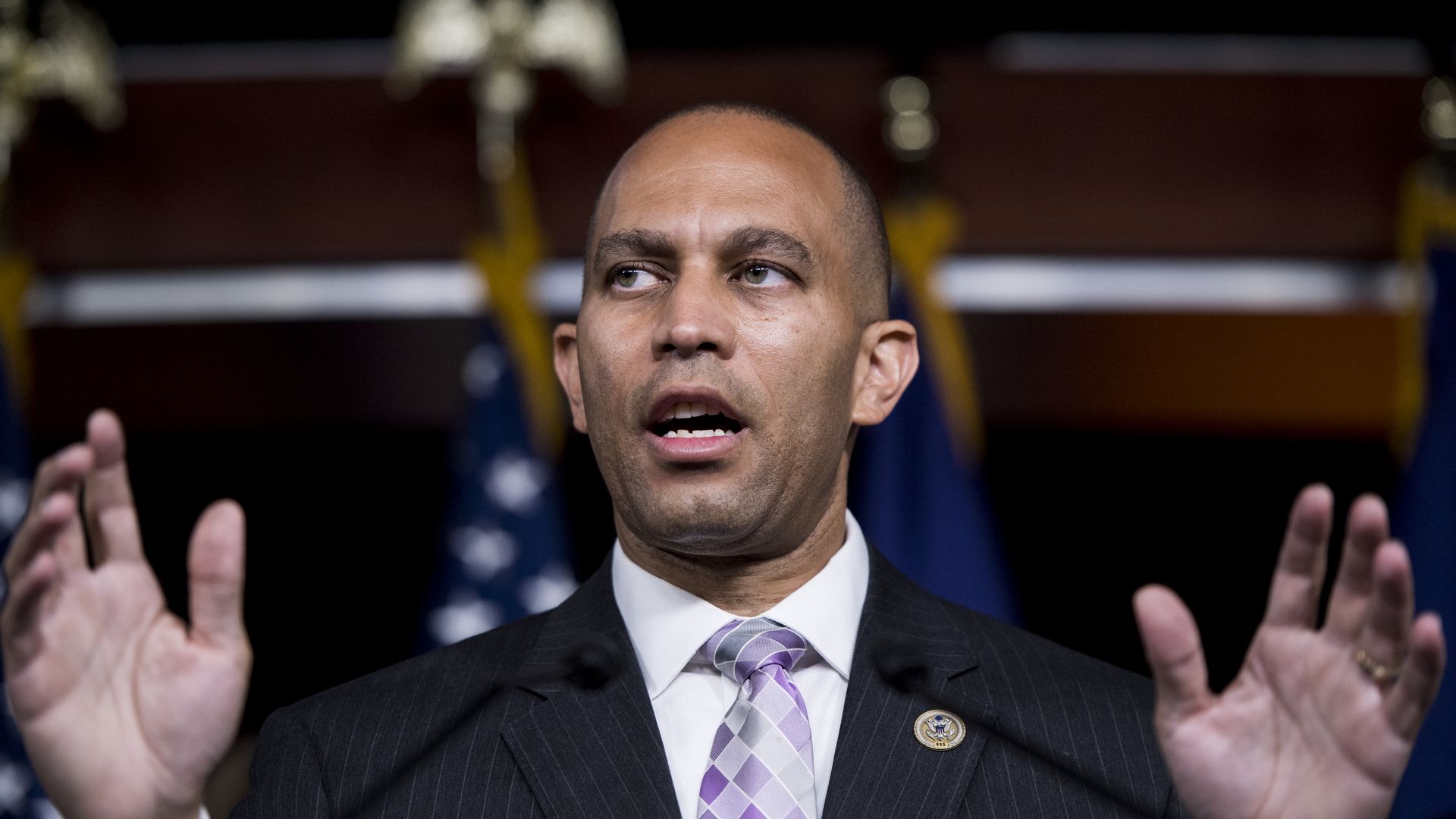
Rep. Hakeem Jeffries (D-N.Y.) announced Thursday he intends to run for House Democratic Caucus chair.
Why it matters: It's one of the top leadership positions in the House, and the caucus is responsible for nominating other House Democratic leaders, including majority leader and majority whip. The current chair is Rep. Joseph Crowley (D-N.Y.), who was unseated by Alexandria Ocasio-Cortez in the Democratic primary for New York's 14th district. Reps. Barbara Lee and Linda Sanchez of California are also running for the job.
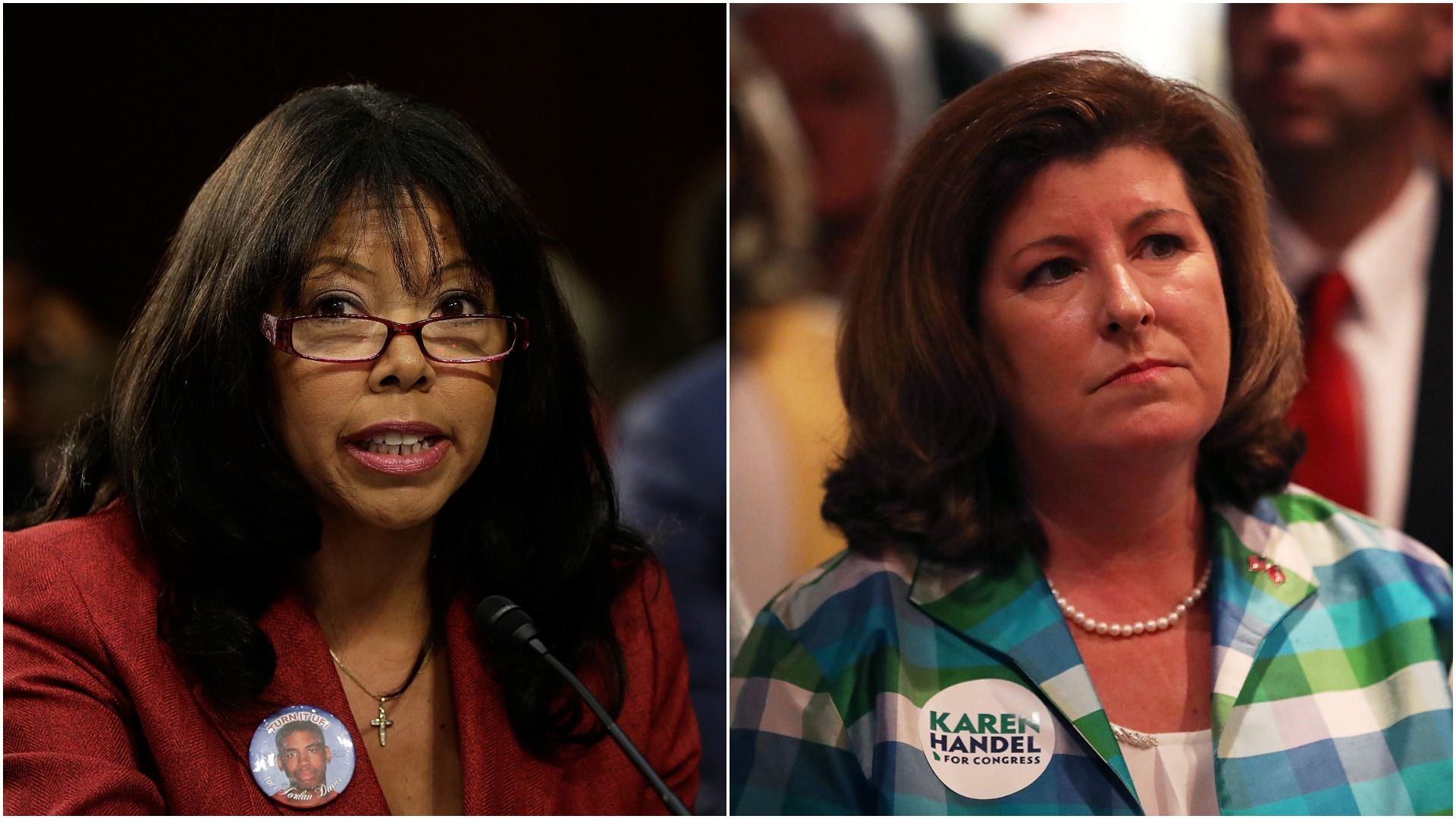
Democratic newcomer Lucy McBath, who became an anti-gun violence advocate following the fatal shooting of her son Jordan Davis in 2012, has won the House seat in Georgia’s 6th congressional district after Republican Rep. Karen Handel conceded the race Thursday morning, per local outlet Channel 2 Action News.
The big picture: McBath's win, which gained her the seat Handel won over Jon Ossoff last year, was sealed just hours after another mass shooting killed at least 12 at a country music bar in Thousand Oaks, Calif. Everytown for Gun Safety had invested $1.35 million in McBath's congressional bid this summer as its first major investment in the midterms election cycle.
Tuesday’s midterms will shake up the congressional committees responsible for keeping tabs on the tech industry and set the stage for new legislation taking direct aim at companies like Google and Facebook.
The bottom line: Democrats focused on privacy and conservatives who are suspicious of the platform companies are moving into more prominent positions at a time when Big Tech is a bigger target for concrete regulation than ever before.
President Trump increasingly demands, solicits and gets the loyalty of Republicans, big and small.
The big picture: You saw this in the midterms, when he hand-picked the governors-elect of Florida and Georgia because they expressed their loyalty to him. And when he grew his Senate majority by helping candidates who were loyal to him and to his Supreme Court nominee, Brett Kavanaugh.
The voting patterns in Tuesday's House midterm elections shifted only slightly to the left of the 2016 election. But as this graphic shows, Democrats picked up 28 seats in districts that President Trump won in 2016 — and that's a big part of the reason they'll be in charge of the House next year.
How to read this chart: Democrats in the upper left won in districts that Trump carried in 2016; Republicans in the bottom right won in districts carried by Hillary Clinton. For races above the diagonal line, Democrats won by larger margins and Republicans won by smaller margins compared to the 2016 presidential vote. Candidates without challengers and those who won by margins greater than 50 points are excluded.
We've told you before that 2018 is the year of the Democratic woman, and this chart shows the result for the next Congress: The influx of women, mostly Democrats, will give an ever so slight boost to the number of women serving on Capitol Hill.
117 women were elected in the Nov. 6 midterms, including 96 to the House and 12 to the Senate. In addition, 9 women were elected governor.
Why it matters: Even with a record number of women who ran and won this cycle, we're still not even close to reaching gender parity in Congress. And the Republican Party will actually have fewer women in the House than they do now. Eight GOP congresswomen are not returning — two retired, three ran for higher office and three lost their re-election bids.
Attorney General Jeff Sessions’ abrupt resignation on Wednesday at the request of President Trump immediately raised questions about the fate of special counsel Robert Mueller’s wide-ranging investigation into potential Russian collusion and ties to Trump's 2016 campaign.
Driving the news: President Trump has elevated Justice Department chief of staff Matthew Whitaker to acting attorney general until a permanent replacement is confirmed. Whitaker has questioned the scope of Mueller's investigation.
In October, we reported that no one should wait for the U.S. and global anti-establishment wave to soon dissipate — the shakeup to the system is going to be a feature of politics for years and perhaps decades.
The big picture: Now, in the U.S. midterm elections, American voters have validated that conclusion — Americans are living in a different country from two years ago.