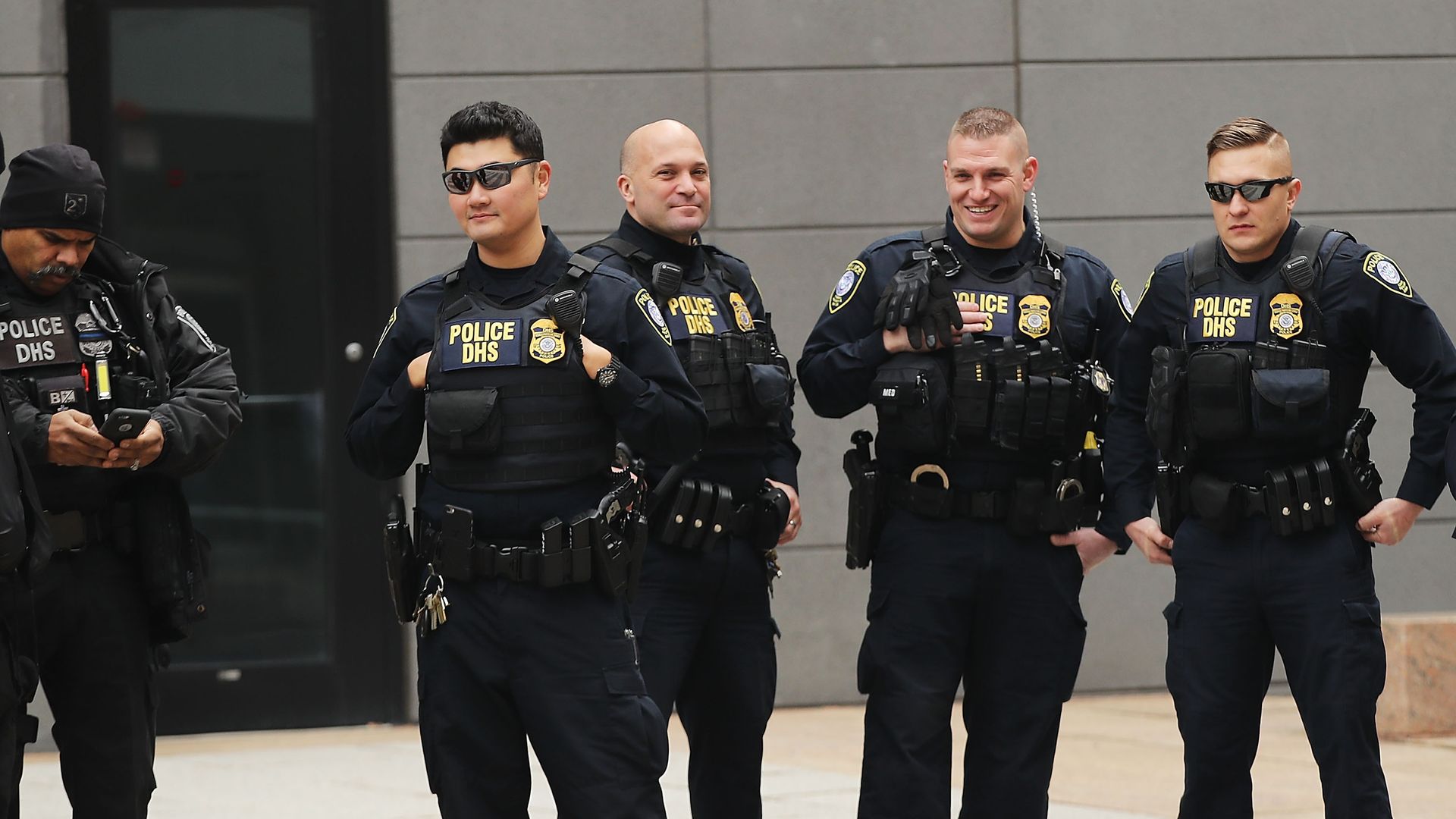
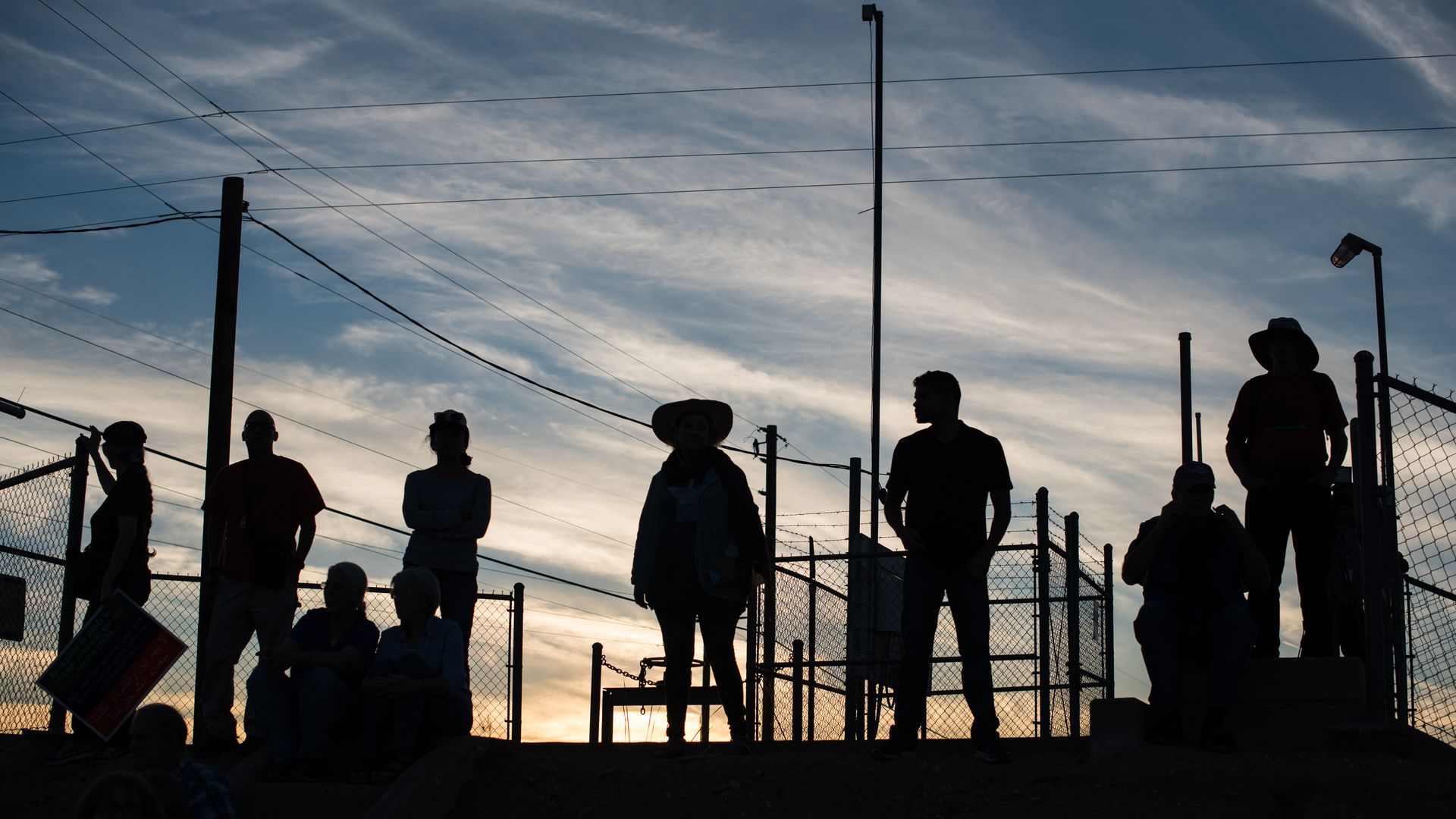
Judge Gonzalo Curiel ruled today that the Department of Homeland Security can lawfully waive environmental protection statutes in order to build a border wall in San Diego because the existing fence is “no longer optimal for border patrol operations.”
Remember when: This was the same judge who presided over the $25 million settlement to the students of Trump University. At the time, Trump insinuated that Curiel was biased because of his Mexican heritage and called the judge a "hater."
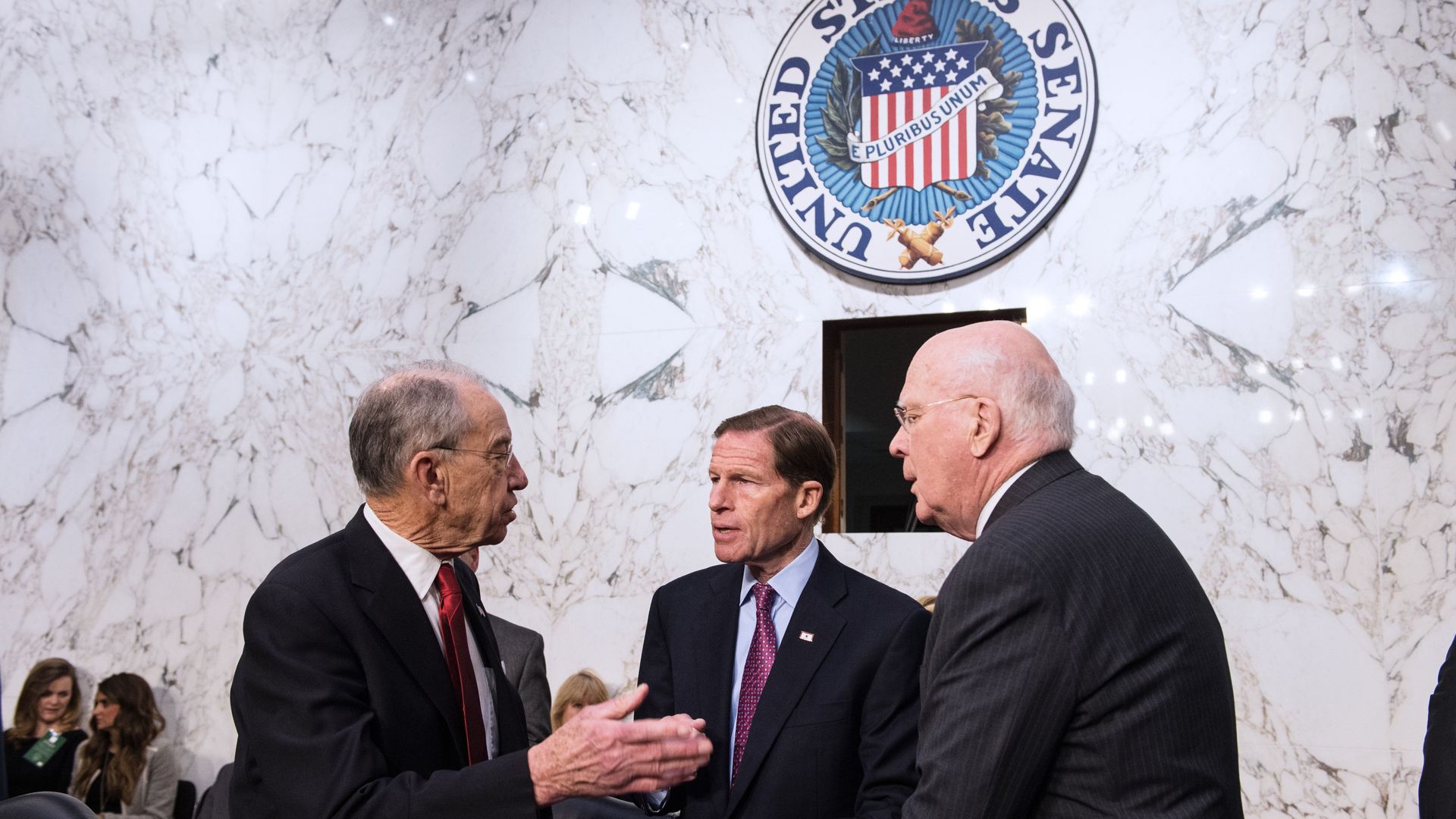
Sens. Richard Blumenthal and Chuck Grassley, both members of the Senate Judiciary Committee, have written a letter to FBI Director Chris Wray and White House Counsel Don McGahn asking about the process of granting interim security clearances, who has clearances in the White House, and what they're able to access. The FBI confirmed to Axios that they received a letter from the Senators today.
Why it matters: There are reportedly more than 100 people working in the White House now with interim security clearances that are not eligible to have access to sensitive information. Sens. Blumenthal and Grassley write that they want to figure out whether this is a "common problem or one unique to this administration." They want a response by March 13.
California U.S. District Judge Philip Gutierrez ordered a nationwide injunction on Tuesday, which blocks the Trump administration from arbitrarily deporting or removing work permits from DACA recipients "without notice, a reasoned explanation, or an opportunity to respond." ACLU had filed the lawsuit on behalf of three "Dreamers" whose visas were revoked without reason.
Why it matters: There was some concern that "Dreamers" could still lose status on an individual basis even after the earlier injunction blocking DACA from ending. This ruling treats DACA more like a green card than "prosecutorial discretion"— it can't be taken away unless the immigrant does something illegal that would get them deported.
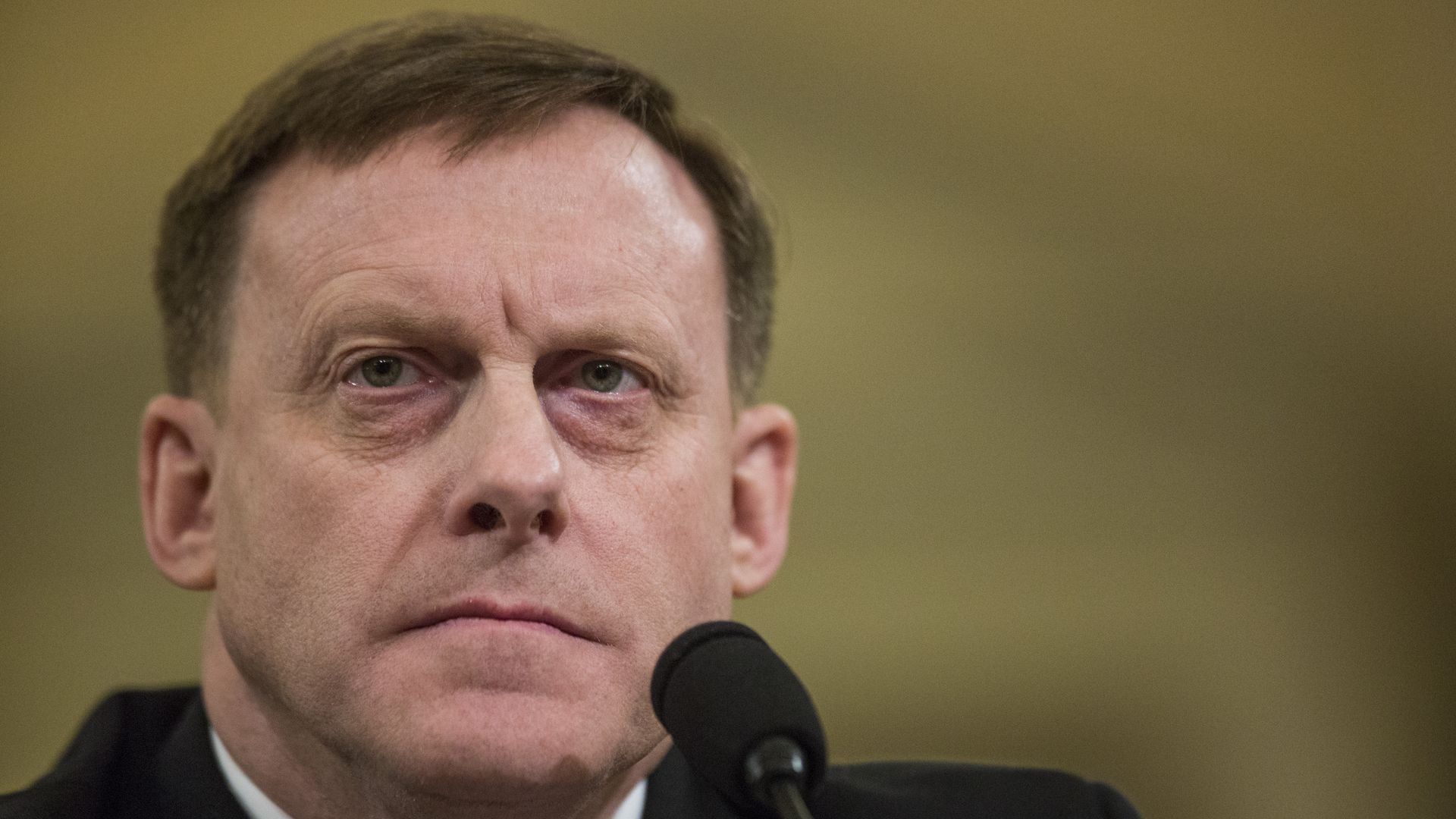
The director of the NSA, Mike Rogers, who also heads up the Pentagon’s Cyber Command, told lawmakers during a hearing Tuesday that President Trump hasn’t directed him to stop Russian hacking attempts.
Why it matters, according to Rogers: "They have not paid a price that is sufficient to change their behavior.” Intel leaders told lawmakers earlier this month that Russia’s hacking behavior has not changed since 2016 and that the country is expected to meddle in the 2018 midterms.
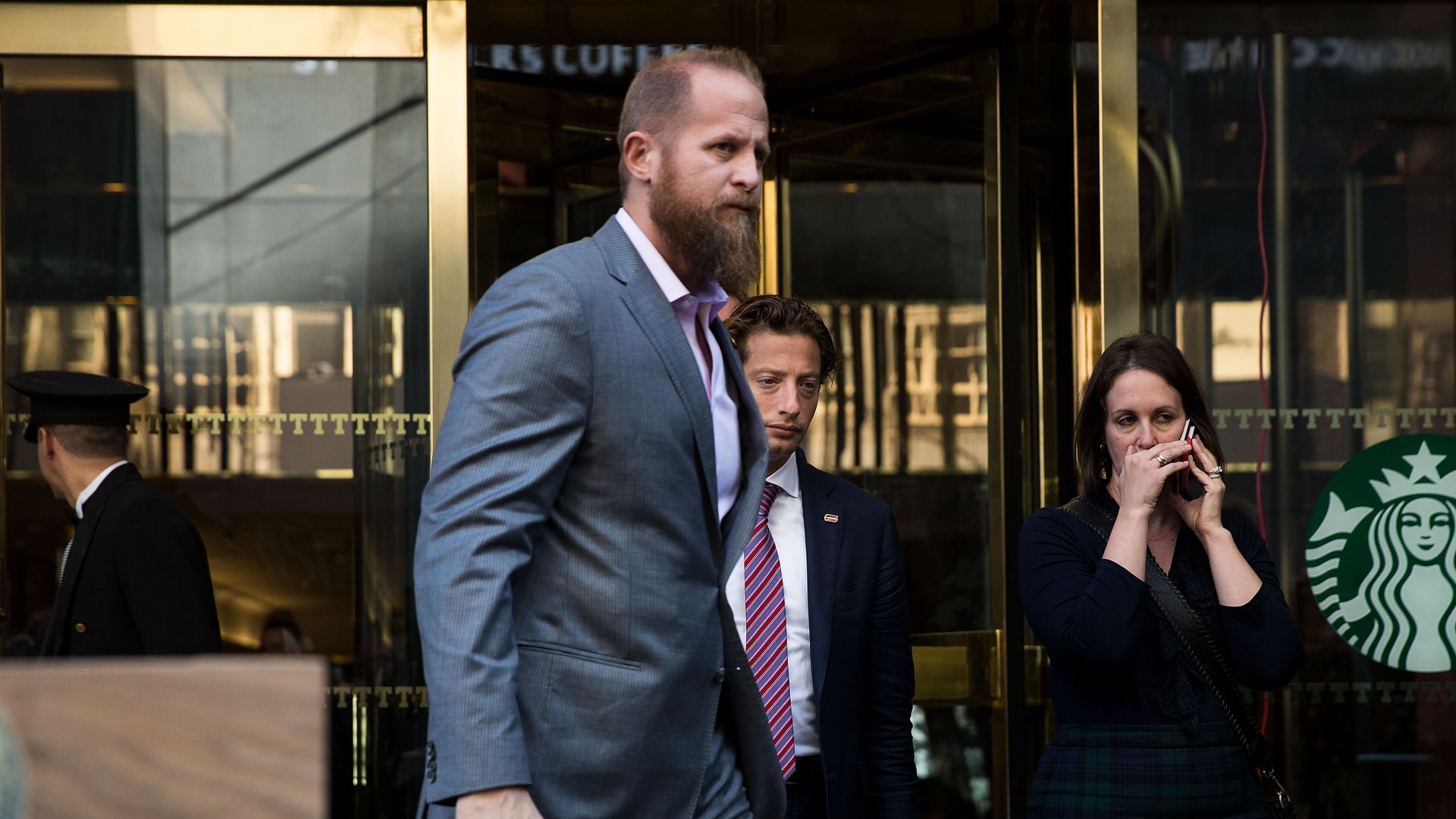
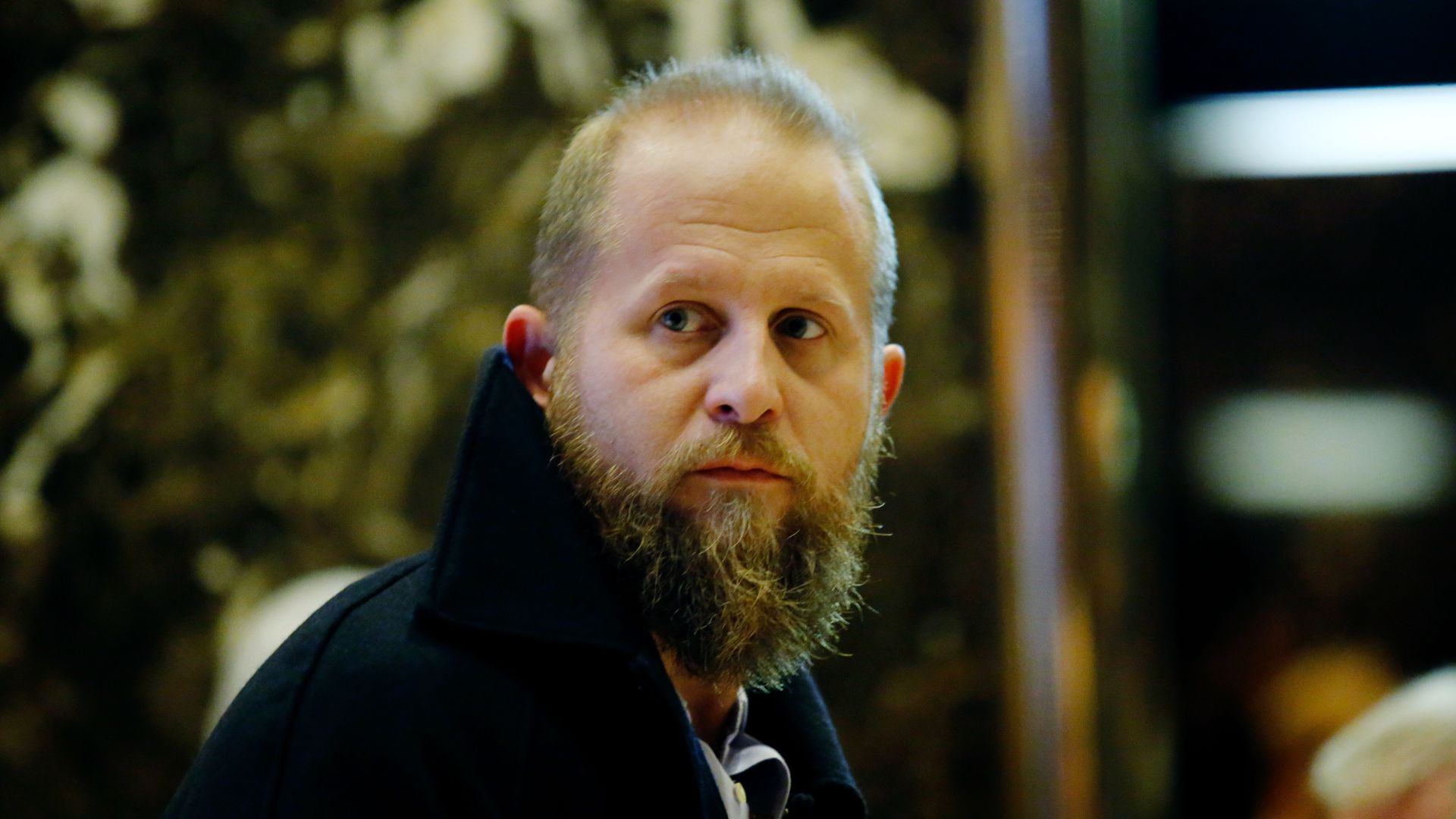
Brad Parscale was the leading force behind President Trump's digital media campaign strategy, which relied heavily on social media platforms like Twitter and Facebook and played a vital role in Trump's 2016 win. Now, he'll run Trump's 2020 re-election bid as a campaign manager.
The bottom line: Trump prizes loyalty and appreciates the power of marketing, and Parscale has been at Trump’s side successfully promoting his business and then political agenda on digital platforms since 2012.
President Trump has tapped his longtime digital strategist Brad Parscale, who served as the digital media director of his 2016 campaign, as his campaign manager for 2020. The news was first reported by The Drudge Report and has been confirmed by Axios.
Why it matters: This decision reflects Jared Kushner’s continued influence inside Trumpworld. Nobody has promoted Brad Parscale more than Jared, and during the campaign he was Parscale’s biggest advocate. It also shows that Trump wants somebody adept at digital campaigning to run his campaign.
The U.S. Supreme Court ruled on Tuesday that certain immigrants, including those who have recently arrived and those with a criminal record, have been detained and face possible deportation, are not entitled to a bond hearing after six months of detention.
Why it matters: The Trump administration has signaled that it aims to grow the number of immigrant arrests and detainments. Leon Fresco, who was a former Deputy Assistant A.G. at the DOJ’s Office of Immigration Litigation, said he expects that "the immediate reaction of the Administration will be to fill every available detention bed that exists now and to seek significant funding for new detention beds."
Starbucks executive chairman Howard Schultz this morning batted down speculation that he plans to run for president, in an interview on Fox Business Network.
No I'm not.
— Howard Schultz, after being asked if he'll run in 2020.
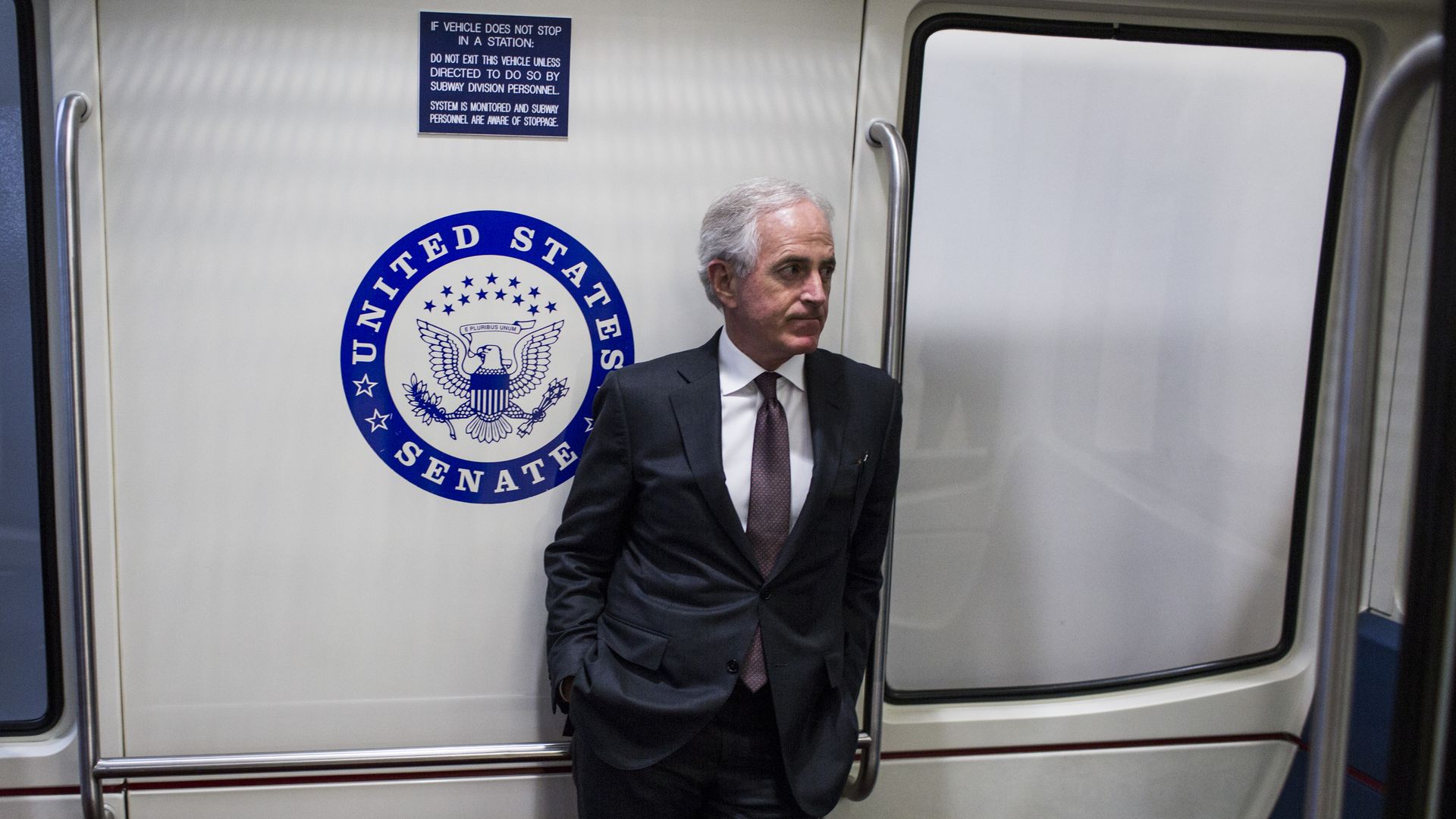
After reconsidering his decision to retire in recent weeks, Sen. Bob Corker (R-Tenn.) says he will not run for reelection this fall, per Politico. Corker announced last year that he wouldn't seek to return to the Senate in 2018, opening up a war of words with President Trump — though the two have recently patched up their relationship.
And he was willing to listen to folks but he really believes the decision he made in September was the right one and is going to be leaving the Senate at the end of the year.
— Todd Womack, Corker's chief of staff, to Politico
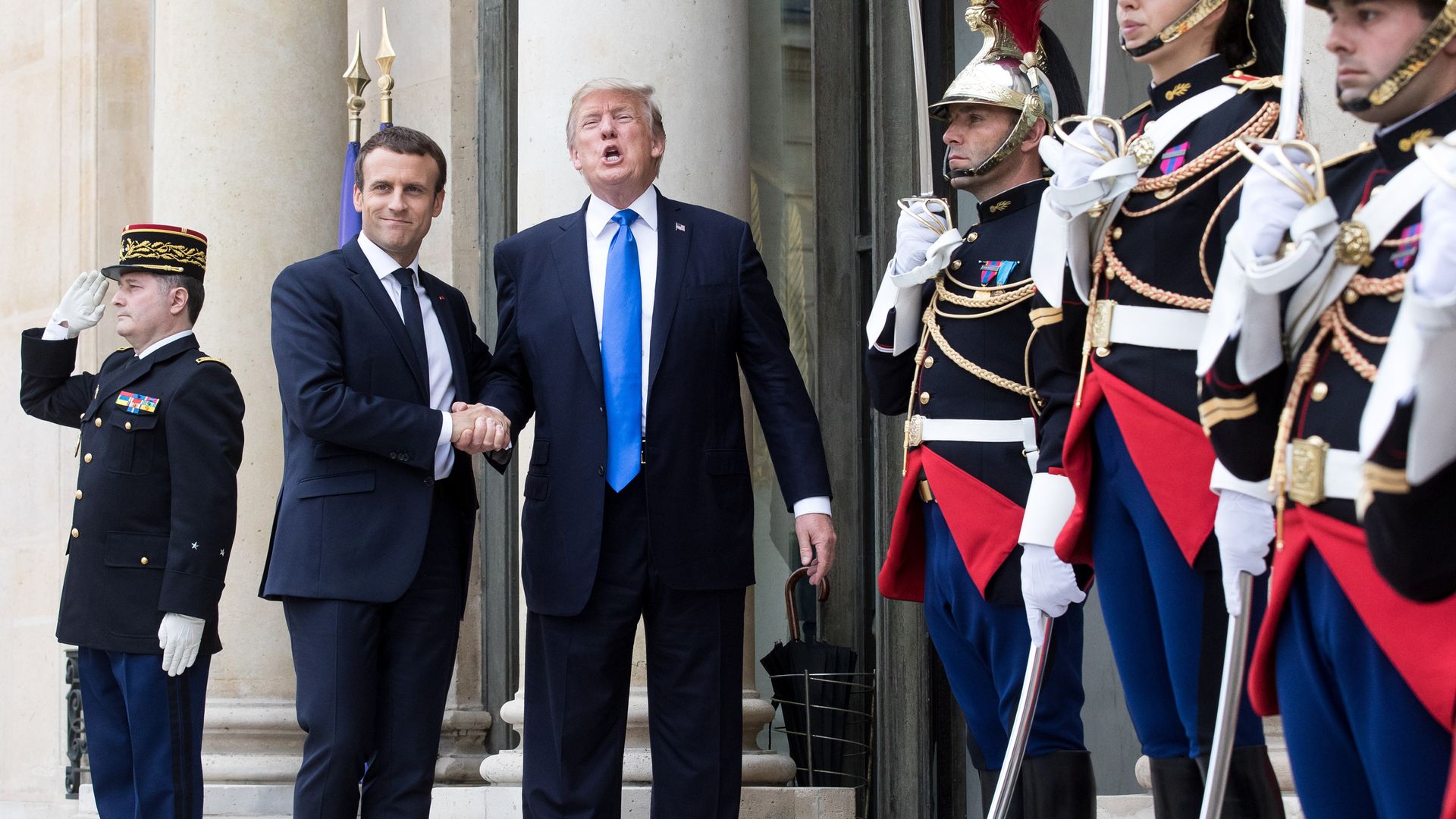
President Trump will host the first state dinner of his presidency on April 24, with French President Emmanuel Macron. "The French presidency said in a brief statement Macron’s visit would take place on April 23-25 and include a joint news conference," per Reuters.
Why it matters, from AP: Trump was the first U.S. president in decades to close his first year in office without welcoming a fellow world leader for a state visit.
David Brooks, Axios CEO Jim VandeHei and I had a worthy email exchange last night about David's column in today's New York Times, "A Generation Emerging From The Wreckage":
"I’ve been going around to campuses asking undergraduate and graduate students how they see the world. Most of the students I’ve met with so far are at super-competitive schools — Harvard, Yale, the University of Chicago and Davidson — so this is a tiny slice of the rising generation. Still, their comments are striking."
A culture clash between the two ends of Pennsylvania Avenue that we've detected during our conversations with the Hill and White House:
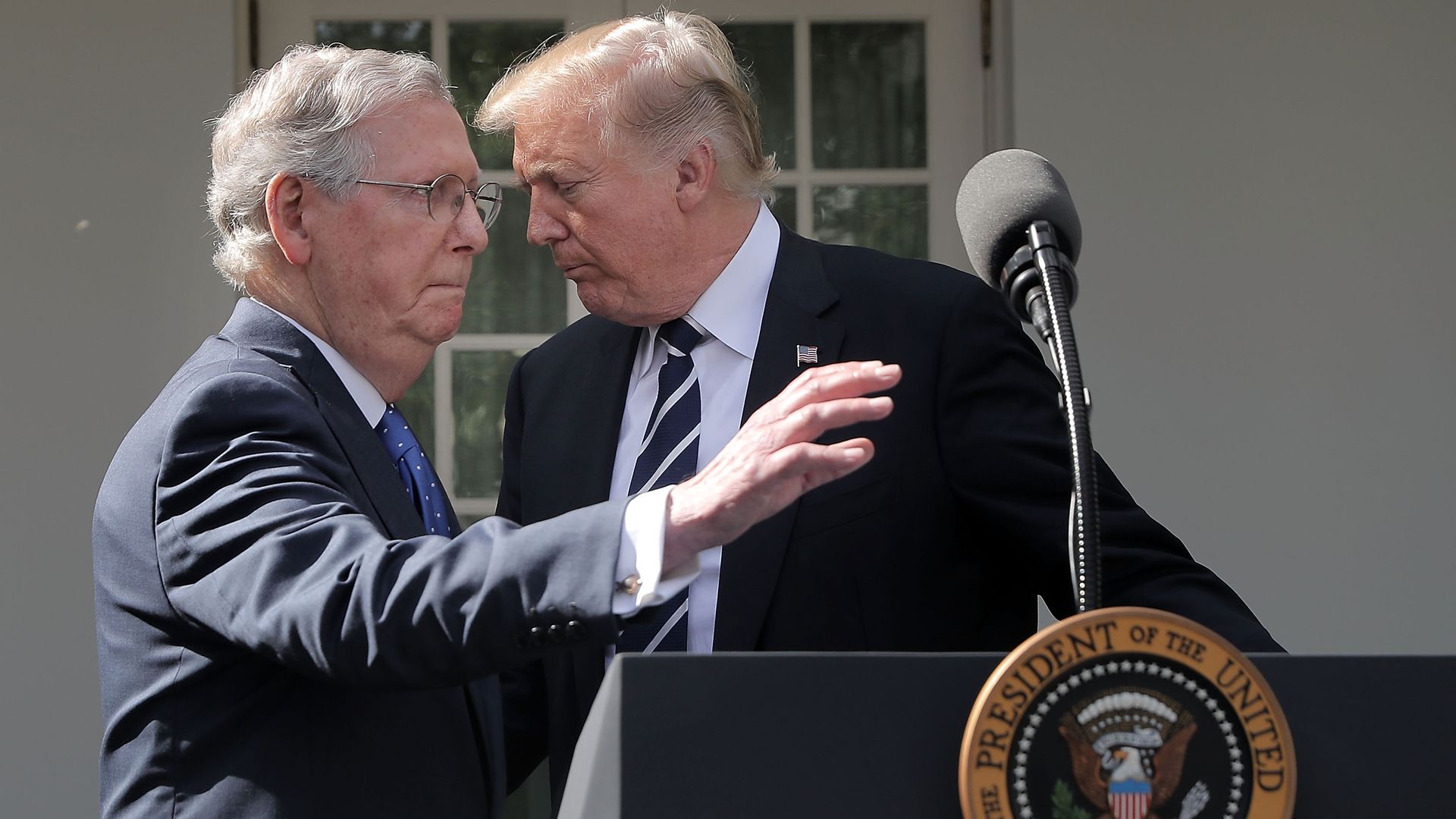
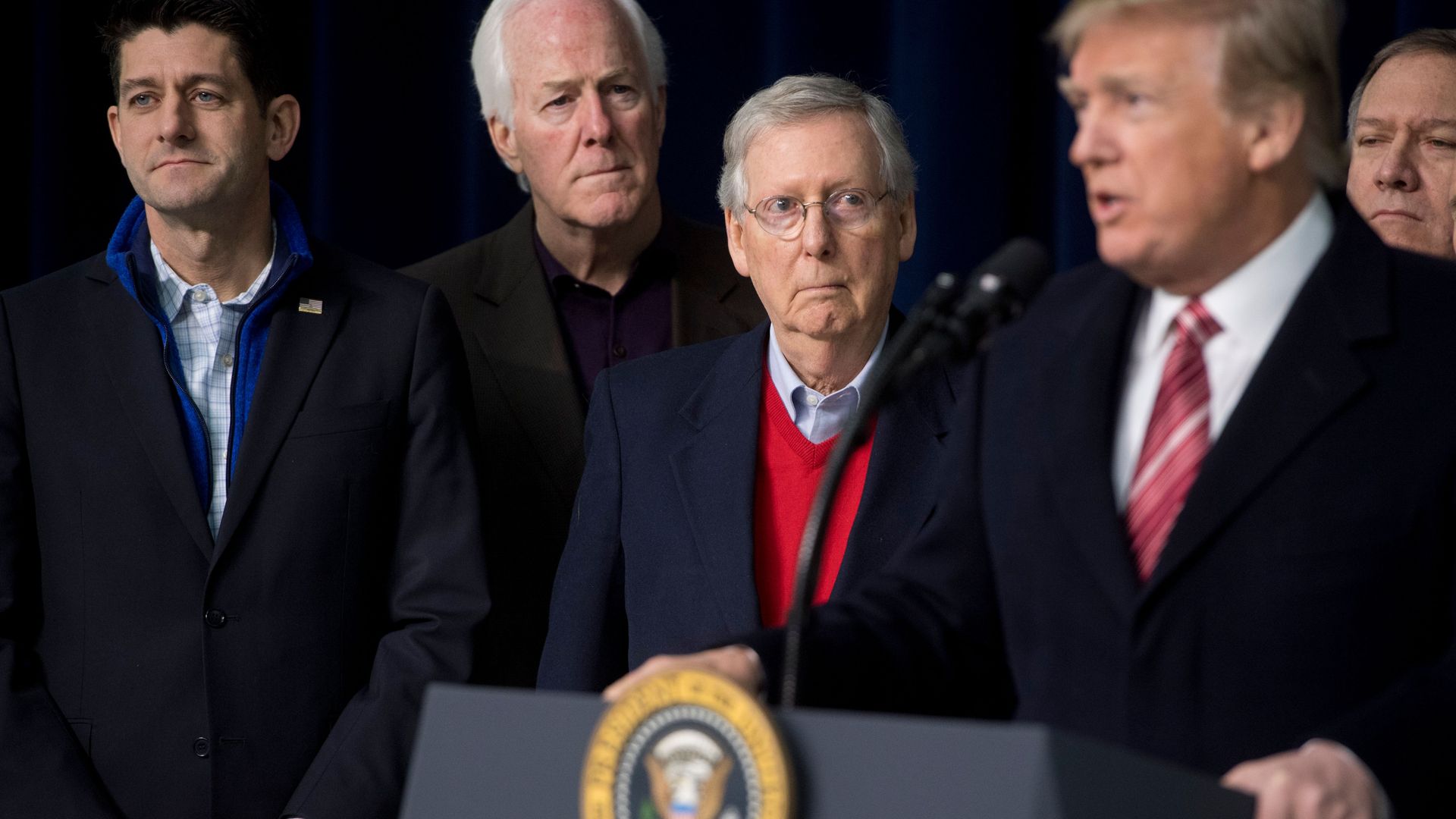
Senate Majority Leader Mitch McConnell (R-Ky.) plans to focus this year on steady work like confirming judges, while the White House and some younger senators would like him to be more aggressive up taking up new legislation.
President Trump's call to bring back "mental institutions" isn't likely to catch on, but some experts hope it could be a springboard to addressing legitimate gaps in the mental-health system, including a lack of treatment options for low-income patients.
Why it matters: Most people who suffer from a mental illness aren't violent, but addressing the broader failings of the mental-health system could — in addition to improving millions of people's lives — also help prevent another mass shooter from falling through the cracks.
No one knows what, if anything, Congress is going to be able to do on guns. If there was tepid optimism going into the week that the Senate would be able to quickly pass a bipartisan, NRA-backed bill that strengthens the existing background check system, it was quickly replaced by the chaos that now erupts every time Congress tries to address something difficult.
Between the lines: The confusion and lack of a clear direction on the Hill mirrors the White House. President Trump has been all over the place since the Parkland shooting, and congressional Republicans are either not taking him seriously or unwilling to embrace many of the gun control policies he's floated.
The front-runner in the Republican primary to replace Arizona Rep. Trent Franks is embroiled in a sexting scandal, leading to concern among Republicans that they could lose a reliably Republican seat, Politico reports.
The details: Former state Sen. Steve Montenegro, a married Christian minister, admitted last week that he exchanged lewd text messages with a legislative staffer over several months, per Politico. The texts reportedly include a nude photo. One Republican strategist told Politico that "it could be Alabama all over again," in reference to Roy Moore's failed Senate bid.