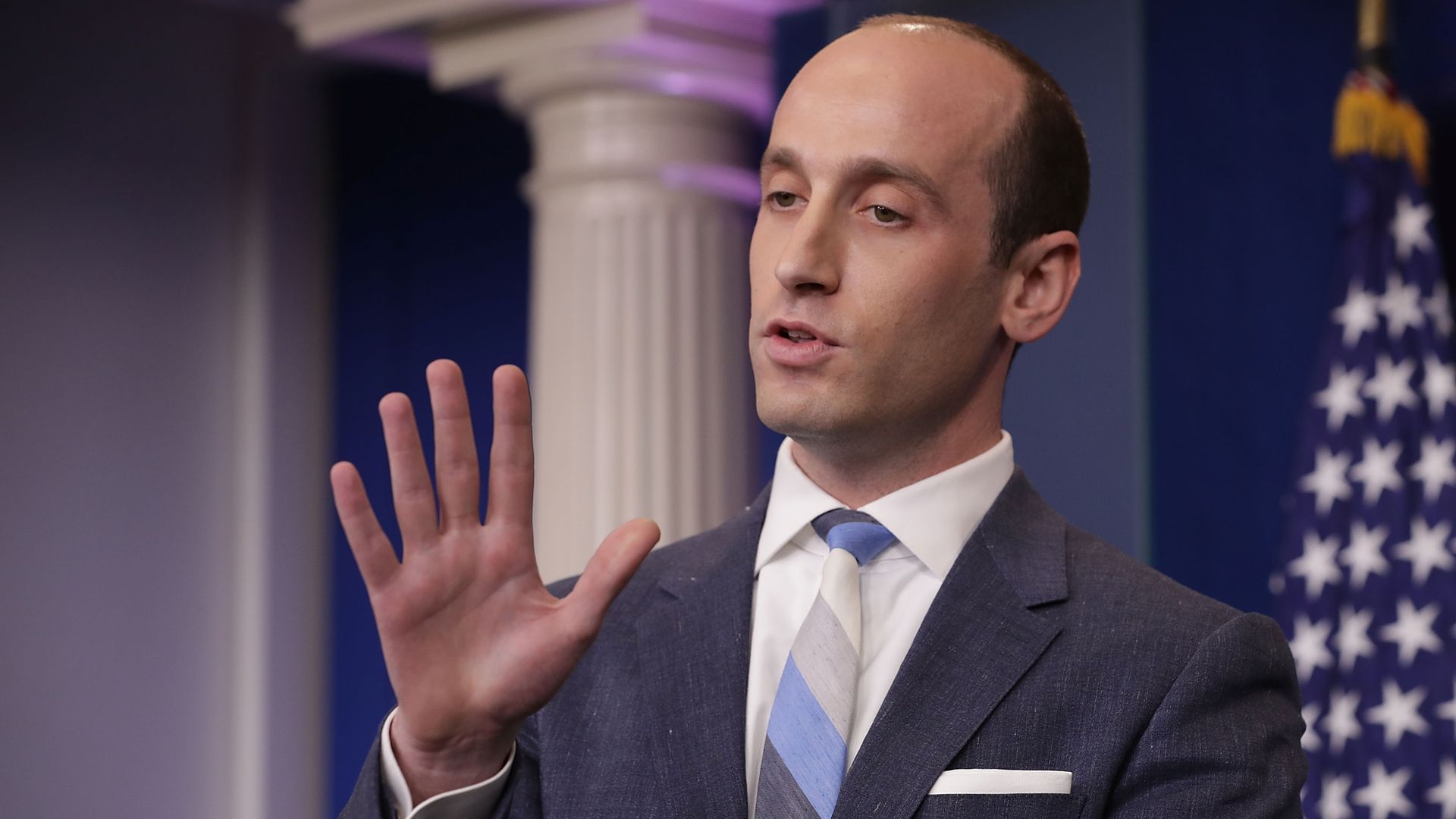
The White House's immigration plan will offer a path to citizenship for 1.8 million immigrants living in the country illegally, according to details shared by administration officials on a call for allies that Axios listened to. The administration proposal will be shared with Congress today, the officials said.
The big picture: The plan is "a compromised position" that includes "some extremely generous provisions that should make Democratic support to get to 60 votes a given," White House adviser Stephen Miller said on the call.
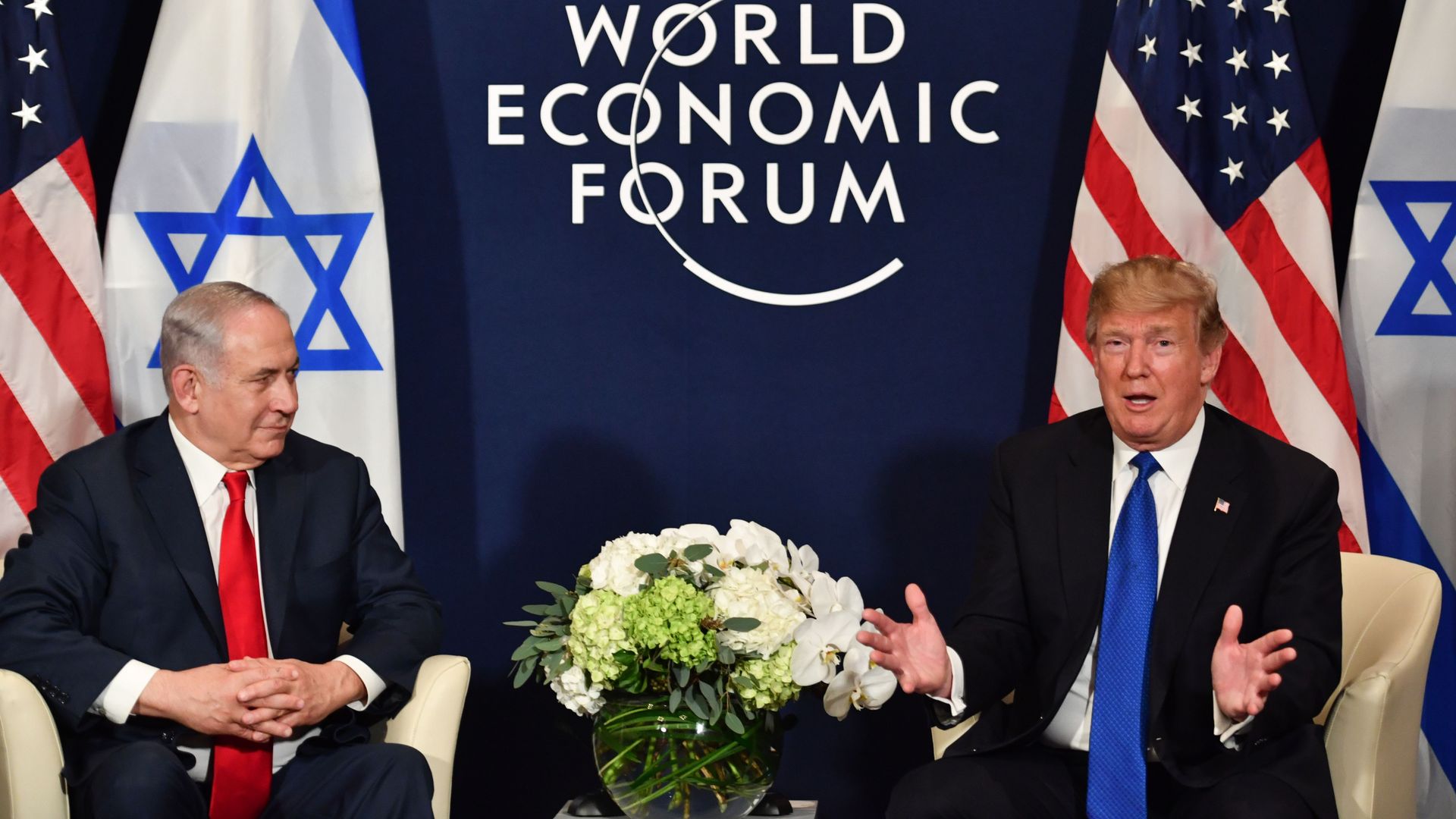
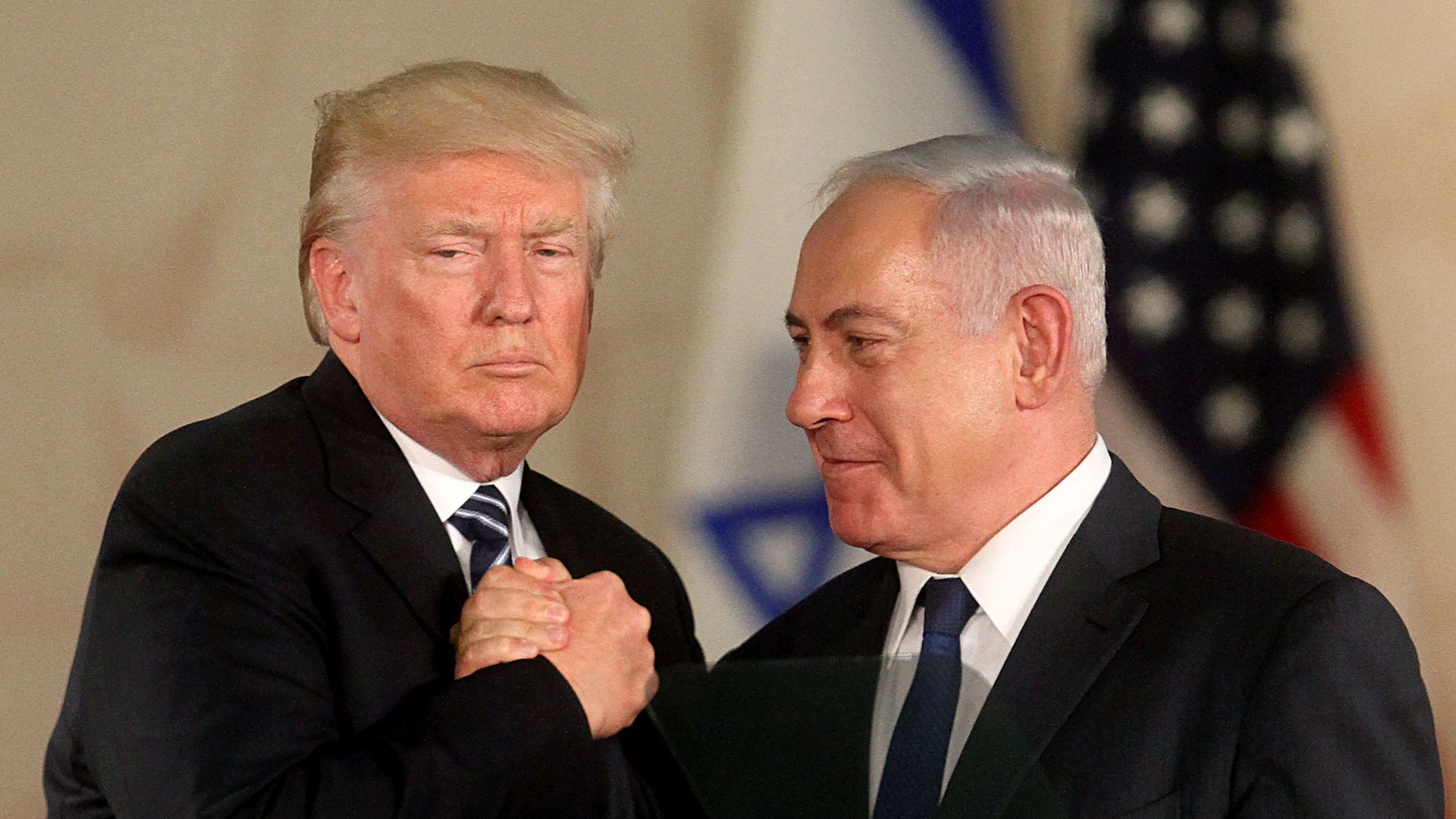
President Trump's statements about Palestinian leadership — and Jerusalem — at his meeting in Davos today with Israeli Prime Minister Benjamin Netanyahu showed the seriousness of the crisis between the U.S. and the Palestinians. And they were further evidence that the "peace plan" the White House was working on for the past year is in serious risk of dying.
Why it matters: It is hard to overstate how important and sensitive the Jerusalem issue is for both Israelis and Palestinians. If Jerusalem is off the negotiating table, as some understood from Trump's statements today, it means the "ultimate deal" he is trying to achieve is off the table. There is not one living Palestinian who will agree to sign a peace deal with Israel without having the capital of Palestine in East Jerusalem.
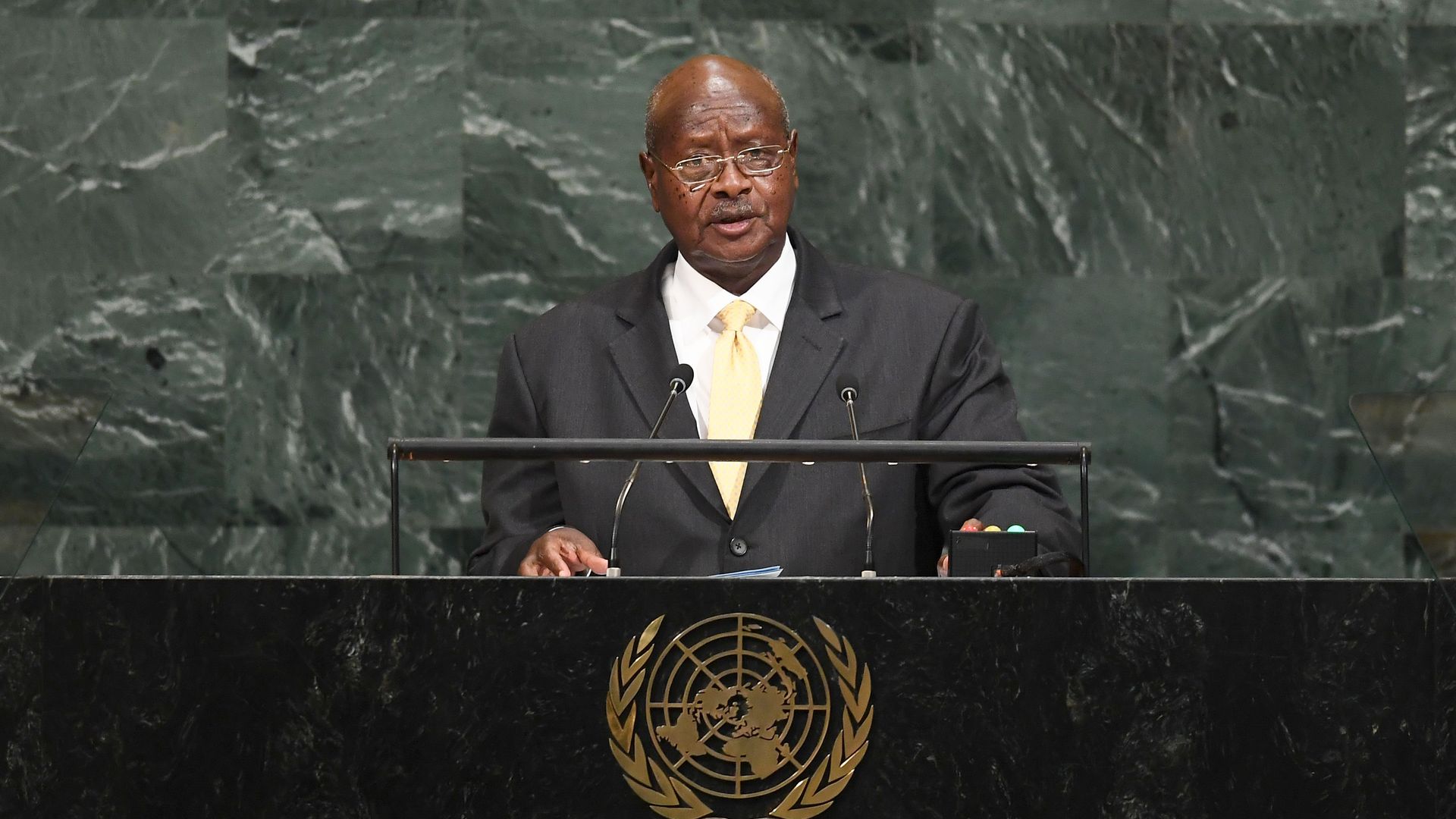
Ugandan President Yoweri Museveni has hailed President Trump as "one of the best presidents ever," saying he "speaks to Africans frankly" and even adding, "I love Trump."
These statements may seem surprising after Trump reportedly called African countries "shitholes." But Museveni — who allegedly rigged the 2016 elections and then had the presidential age limit in the Ugandan constitution removed to allow himself to run again — may be hoping that flattery will help secure U.S. support for his increasingly illegitimate administration.
As opposition groups gear up for the 2021 elections, some Ugandan lawmakers are already trying to reinstate the age limit. Any U.S. diplomatic support that bolsters Museveni’s legitimacy and downplays criticism of his anti-democratic actions could smooth his path to re-election.
Why it matters: Museveni's comments give Trump cover (however flimsy) against charges of racism, and he may be hoping Trump will repay the favor. Other leaders with poor records on human rights and democracy, such as President Joseph Kabila in the neighboring Democratic Republic of Congo, will likely watch closely to see how Trump responds.
Aditi Gorur is the director of the Protecting Civilians in Conflict program at the Stimson Center.
President Trump, while dodging an interviewer's questions Thursday on whether he's going to pull out of the North American Trade Agreement, misstated some of the numbers when trying to explain how terrible the deal is.
Why it matters: Trump's seesawing on NAFTA has been controversial, as both the legal and economic consequences of pulling out are extremely unclear. Meanwhile, his "trade deficit" facts don't fully line up with his own trade office.
President Trump said Thursday that he's open to renegotiating the Trans-Pacific Partnership if the U.S. could negotiate a "substantially better deal," in an interview with CNBC in Davos.
Home Depot announced that they will be giving its U.S. employees a cash bonus up to $1,000 later this year due to the money they will save under the new tax code, Reuters reports.
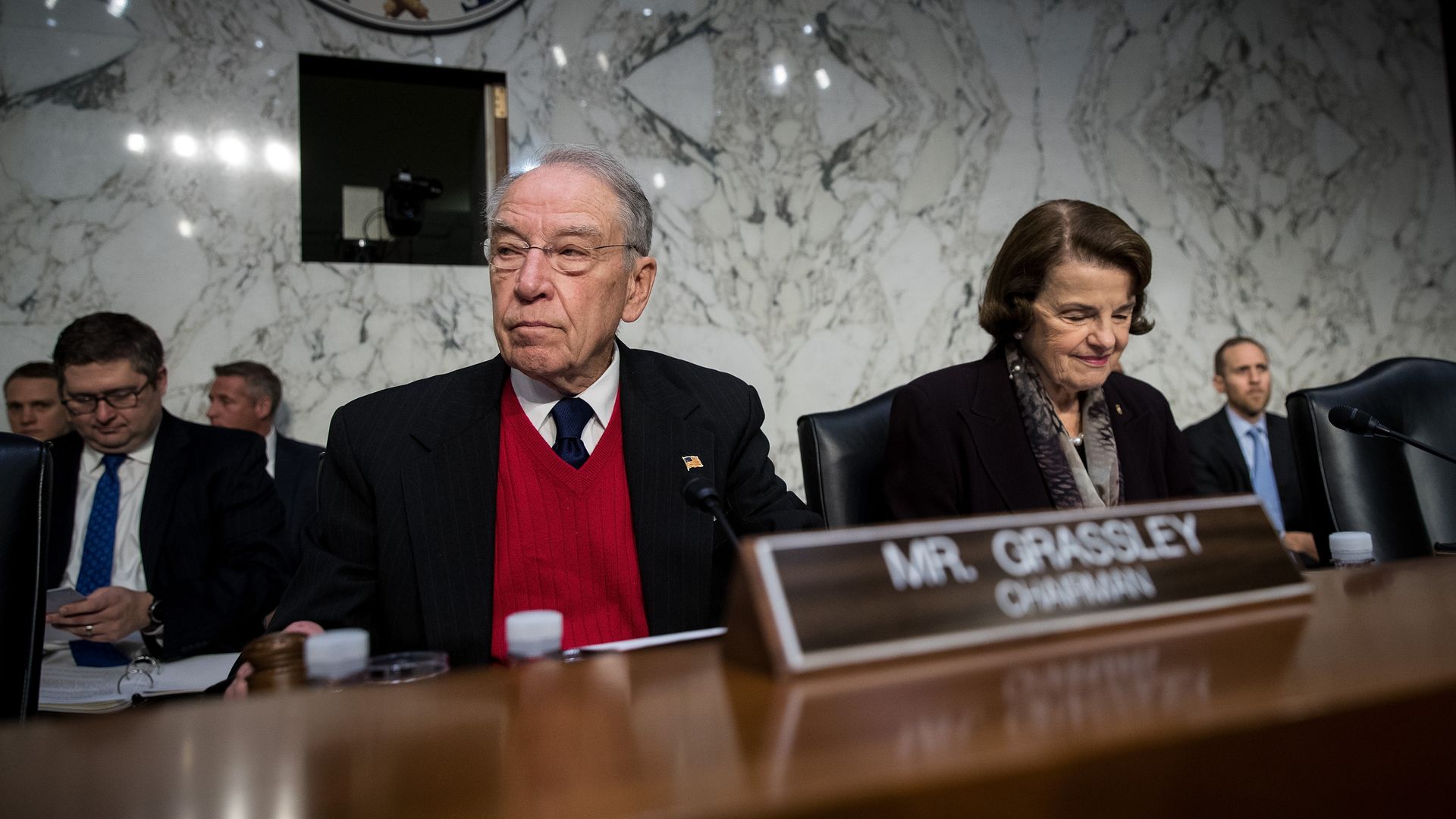
Senate Judiciary Committee chairman Chuck Grassley said Thursday that he believes the committee's interviews with the witnesses of the Trump Tower meeting are complete, and that he hopes to officially release the transcripts as soon as possible.
Why it matters: Grassley said that Sen. Dianne Feinstein's unilateral release of the Glenn Simpson transcript "spooked" other witnesses, so the Trump Tower section of the investigation is now done. The witness transcripts Grassley hopes to release include interviews with Donald Trump Jr., Rinat Akhmetshin, Ike Kaveladze, Anatoli Samochornov and Rob Goldstone.
Republicans and Democrats are clashing over two hot topics centered on the federal government's ongoing investigations of the Trump campaign and administration: lost texts between two FBI employees who were formerly part of Special Counsel Robert Mueller's Russia probe and the #ReleaseTheMemo campaign. On Thursday, the Justice Department reportedly told lawmakers that the texts have been recovered.
Why it matters: The disputes over these topics underscore the hyper-polarized climate of 2018 — where facts can be stretched and interpreted to fit two competing, wholly at-odds narratives from both ends of the political spectrum.
President Trump said Thursday "we’ll see what happens with the peace process" in the Middle East, "but respect has to be shown to the U.S. or we're just not going anywhere."
Why it matters: Trump spoke seated next to Israeli Prime Minister Benjamin Netanyahu on the sidelines of the World Economic Forum in Davos, Switzerland.
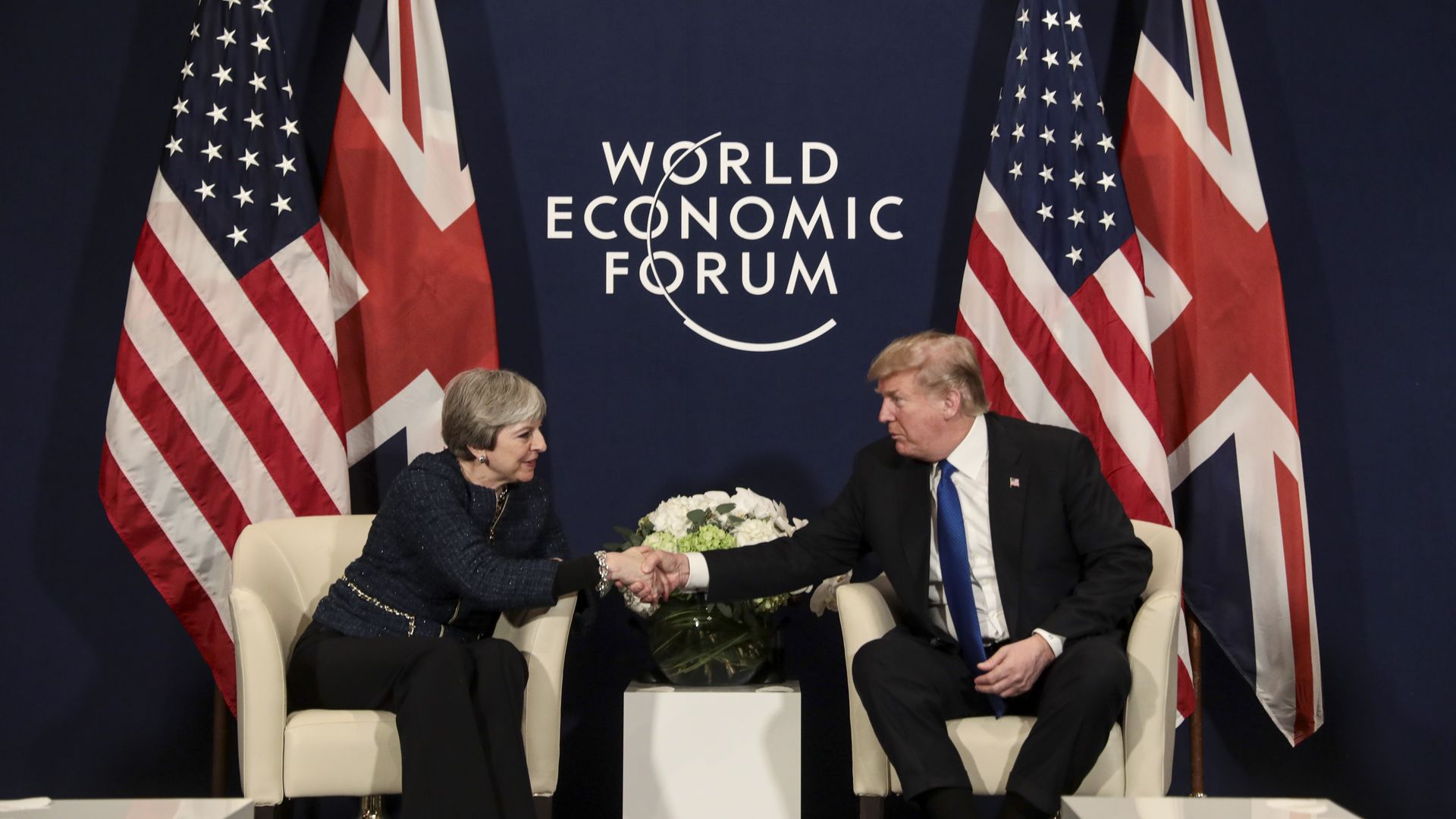
President Trump boasted about his "great relationship" with UK Prime Minister Theresa May during a bilateral meeting at the World Economic Forum in Davos Thursday, adding that the reports of tension between the two is "a false rumor."
Why it matters: The meeting is the first time the two leaders have met since May criticized Trump for retweeting anti-Muslim hate videos from British far-right leader Jayda Fransen in November. Since then media reports have characterized the leaders' relationship as strained and Trump cancelled a planned trip to London.
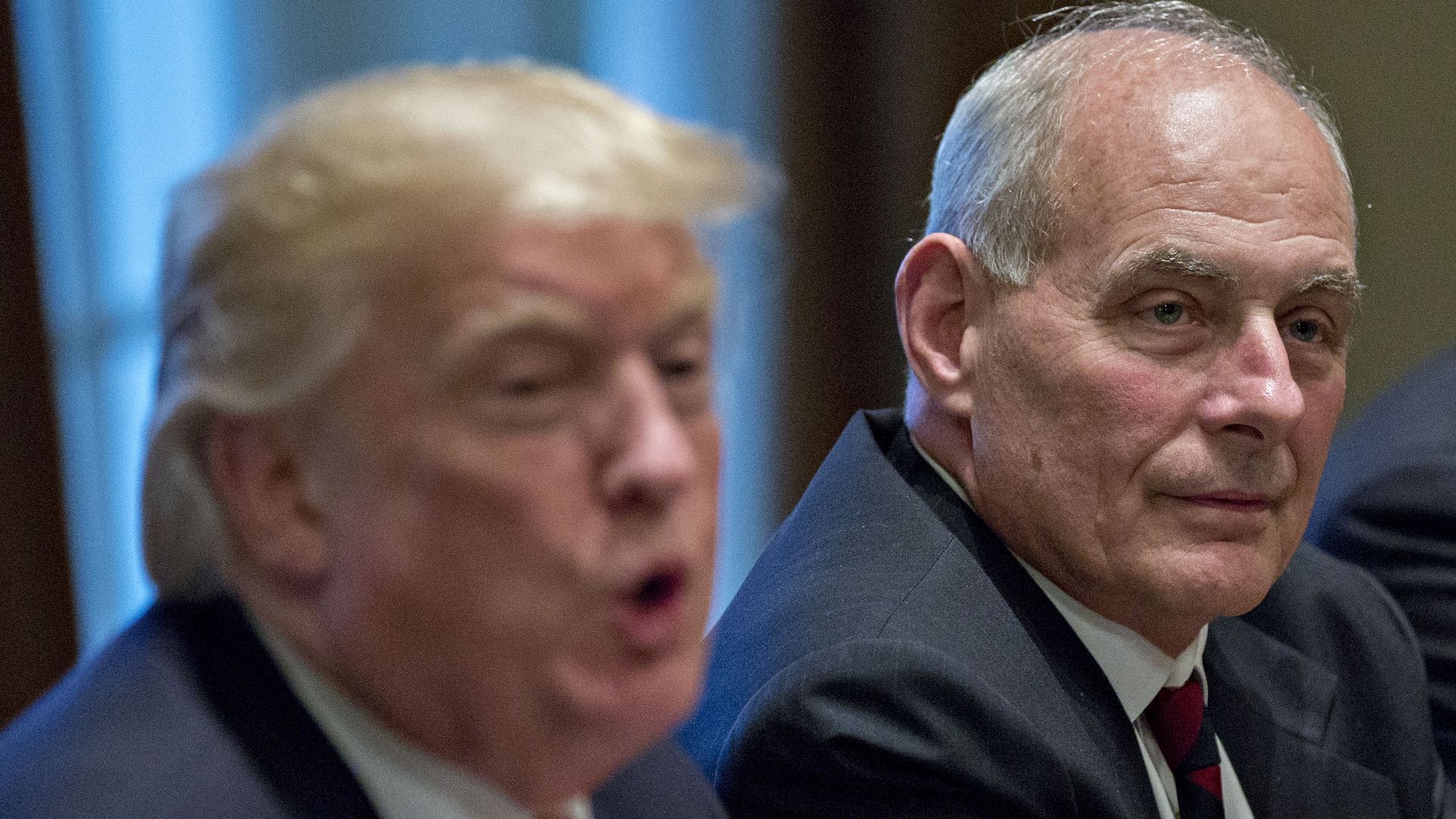
White House Chief of Staff John Kelly didn't join President Trump's delegation on his trip to Davos, per White House Deputy Press Secretary Raj Shah, though Kelly was announced as a member of the delegation earlier this week. Shah said that Kelly stayed behind in Washington "to work on immigration reform" as the White House plans to release its legislative framework early next week.
CFR President Richard Haass, in TIME, on what the global elite can learn from Donald Trump:
"The Davos men and women need to open their minds to the idea that some of what Trump has to say may be right ... Elites need to get real about how to fix the world."
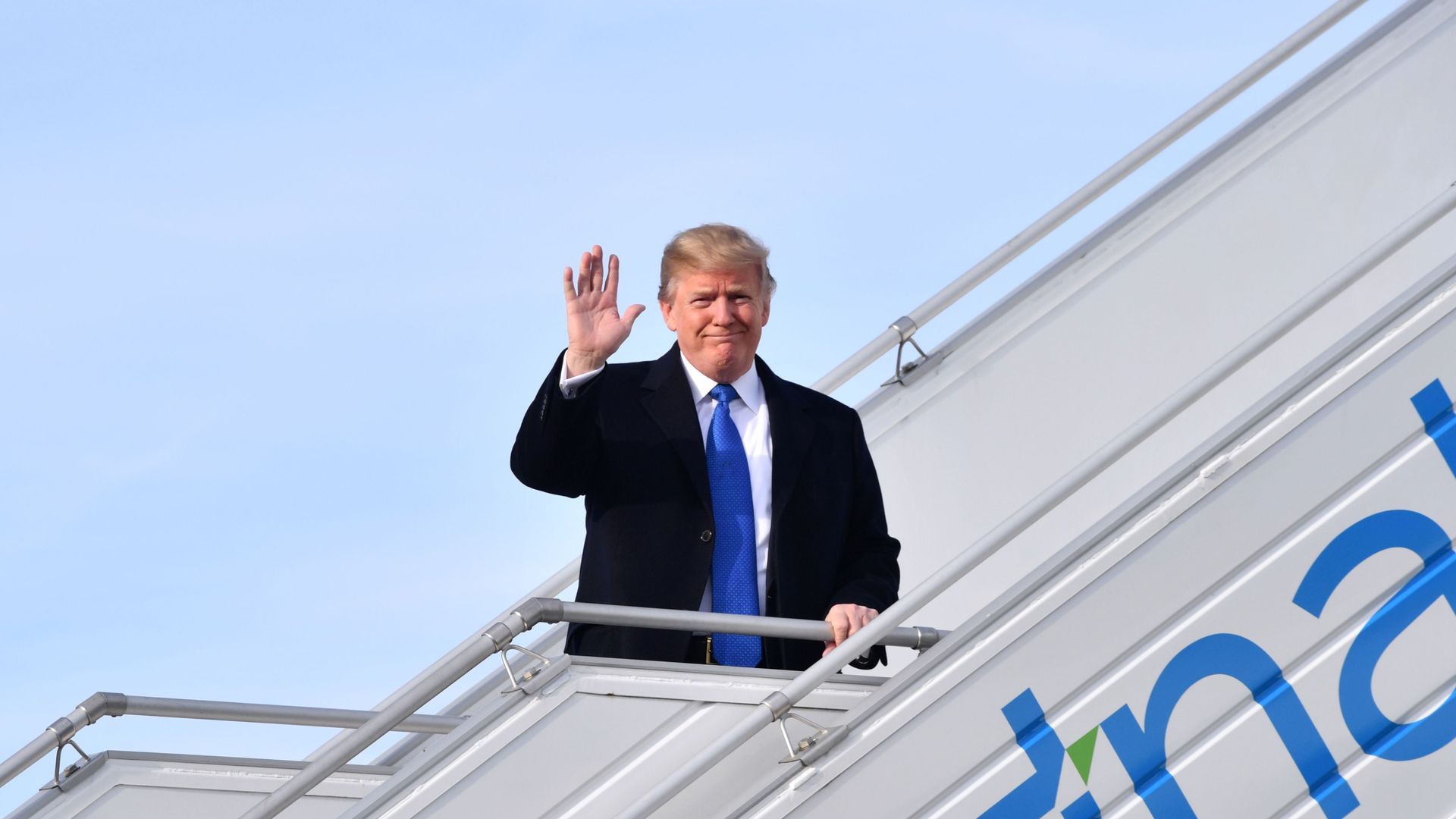
Air Force One landed in Switzerland this morning, ahead of Trump's speech to Davos tomorrow.
Trump advisers hope the takeaway will be: "America first" doesn't mean "America alone." A top White House official tells me Trump's implicit message will be: "We're back."
We're getting a vivid preview of how President Trump and his conservative allies will likely fight Robert Mueller if he accuses POTUS of obstructing justice, by firing James Comey/pressuring the FBI.
The chief attack: Mueller, the roots of his investigation and the FBI aren't on the level — and haven’t been since even before he took office.
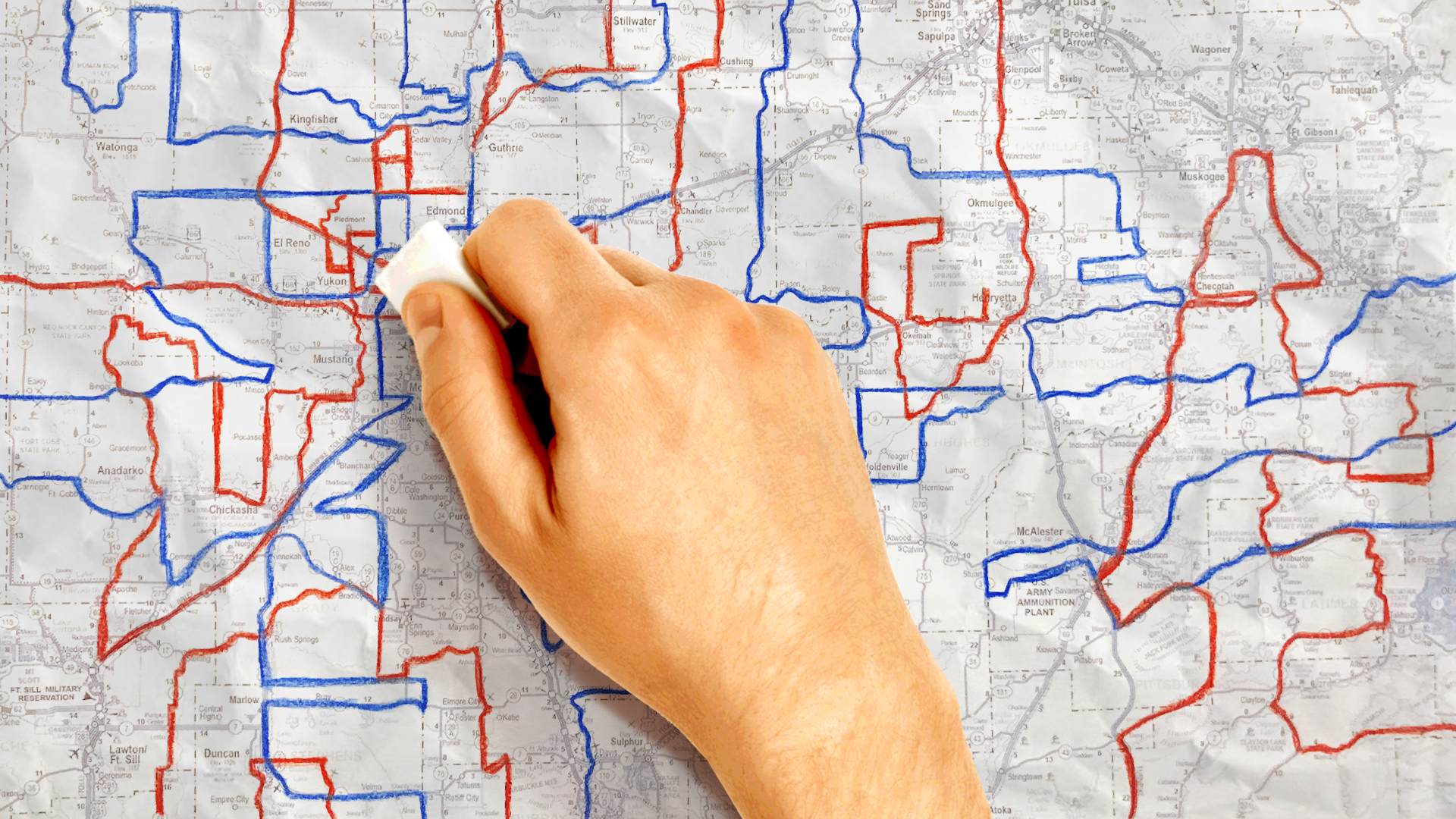
Gerrymandering is at a tipping point. The courts are taking a harder line than ever before, saying some states have simply gone too far as they tried to give one political party an advantage. But if the Supreme Court doesn’t join the mounting legal backlash — and soon — there may be no limits on state parties’ ability to design their own political battlegrounds.
Why it matters: The outcome of these legal battles not only has the potential to upend the 2018 midterms, but also the more fundamental tools of politics and governance. If you’re trying to preserve a majority, gerrymandering works. The question is whether it works too well.
The NAACP Legal Defense and Education Fund sued the Department of Homeland Security, DHS Secretary Kirstjen Nielsen, and the former head of the DHS, Elaine Duke, for racial discrimination, according to PBS.
Why it matters: The lawsuit is over the decision to remove Temporary Protected Status for immigrants from Haiti. The NAACP says in its lawsuit that "the agency and its leaders' move discriminates against immigrants of color." The move comes after it was reported President Trump referred to Haiti as a "shithole" country.
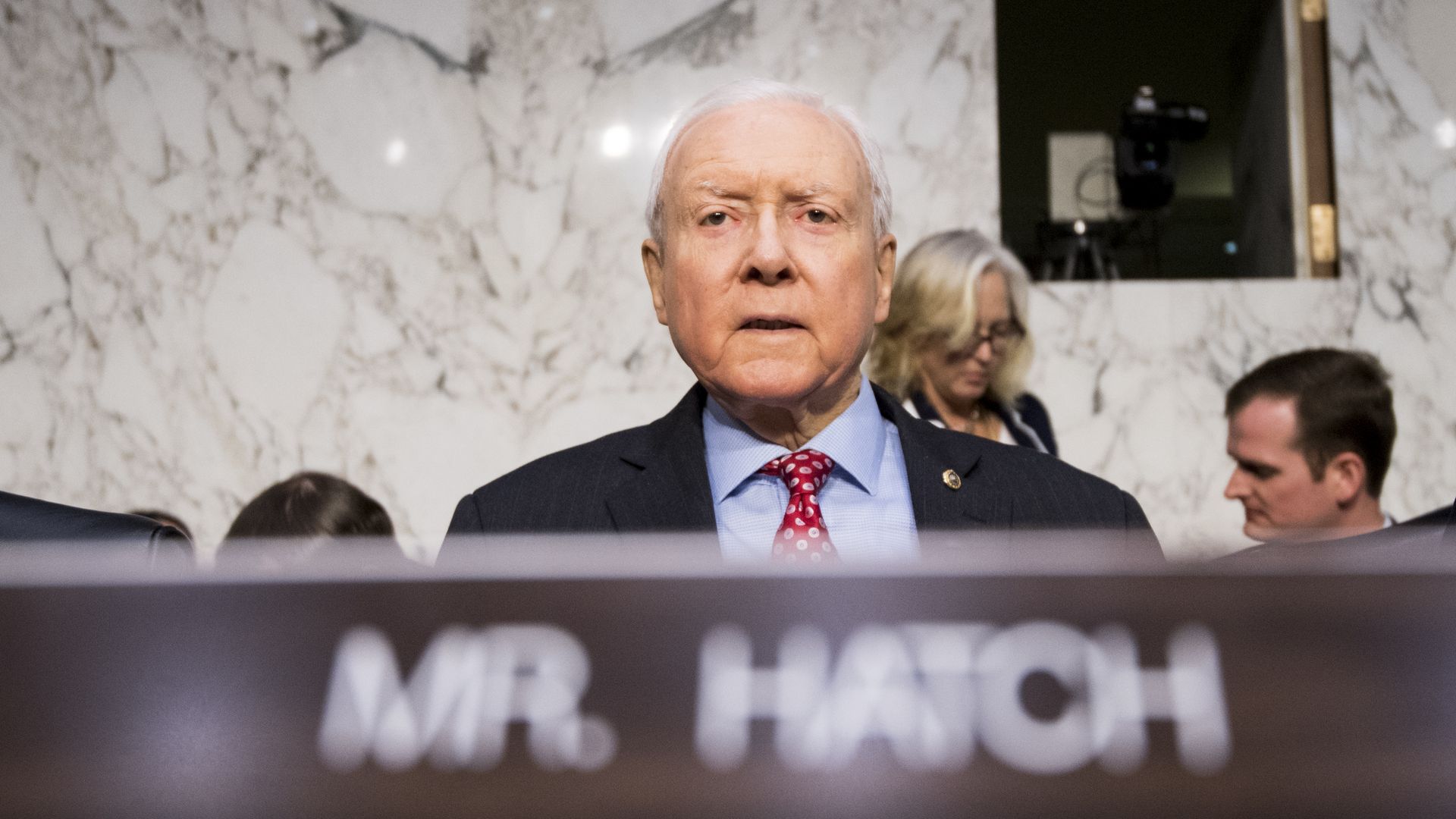
Sen. Orrin Hatch (R-Utah) is expected to re-introduce his bipartisan immigration bill "I-Squared" on Thursday, Hatch's spokesperson confirmed to Axios. The bill would expand the cap on high-skilled worker visas (H-1Bs) per year to 195,000.
Why it matters: This is another big immigration topic in the middle of heated debates over what to do with DACA. The Trump administration has made several efforts to crack down on the H-1B program, but so far, high-skilled worker visas have been left out of DACA and other immigration negotiations.
Sens. Richard Blumenthal and Sheldon Whitehouse, two Democrats on the Senate Judiciary Committee, asked the committee's chairman, Republican Sen. Chuck Grassley, to share transcripts of their interviews with witnesses in the Russia probe with Special Counsel Robert Mueller, Politico reports. One of the transcripts they want to provide Mueller is from the committee's interview with Donald Trump Jr.
Why it matters, via Politico: "The request ... reflected the partisan tension in a judiciary committee whose investigation has for months been splintered along party lines." Blumenthal said the transcript could be "explosive," per Politico.