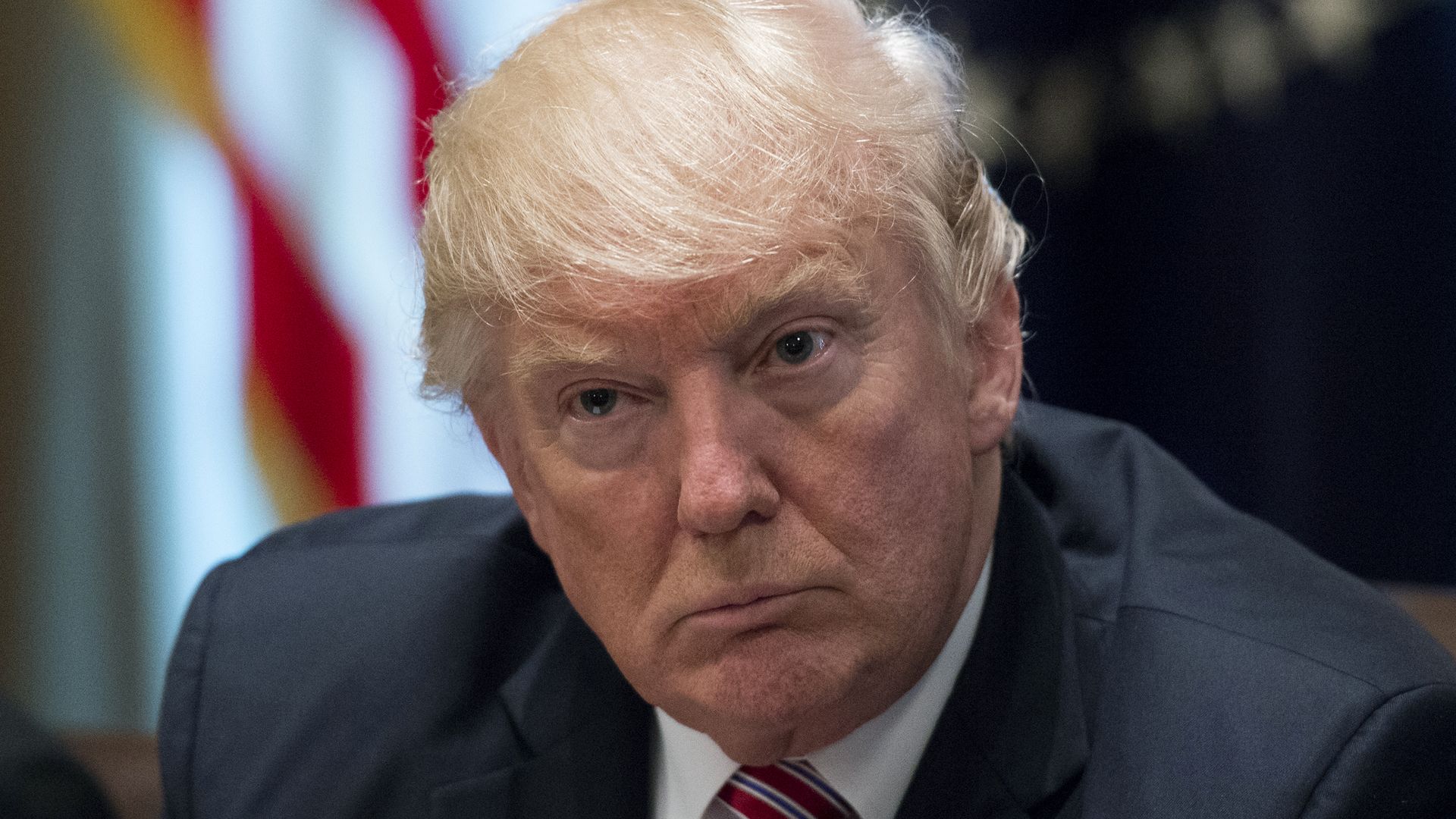
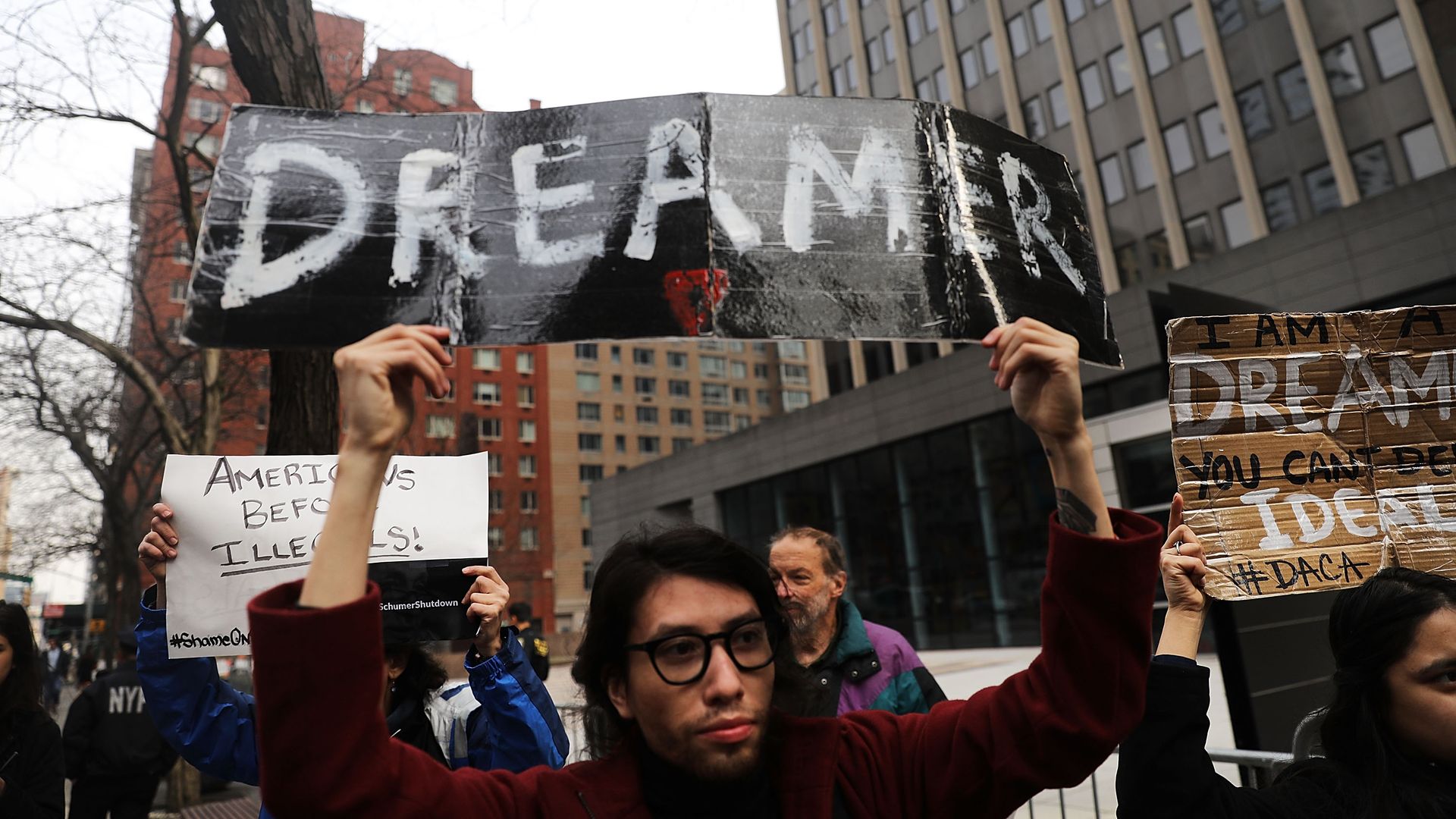
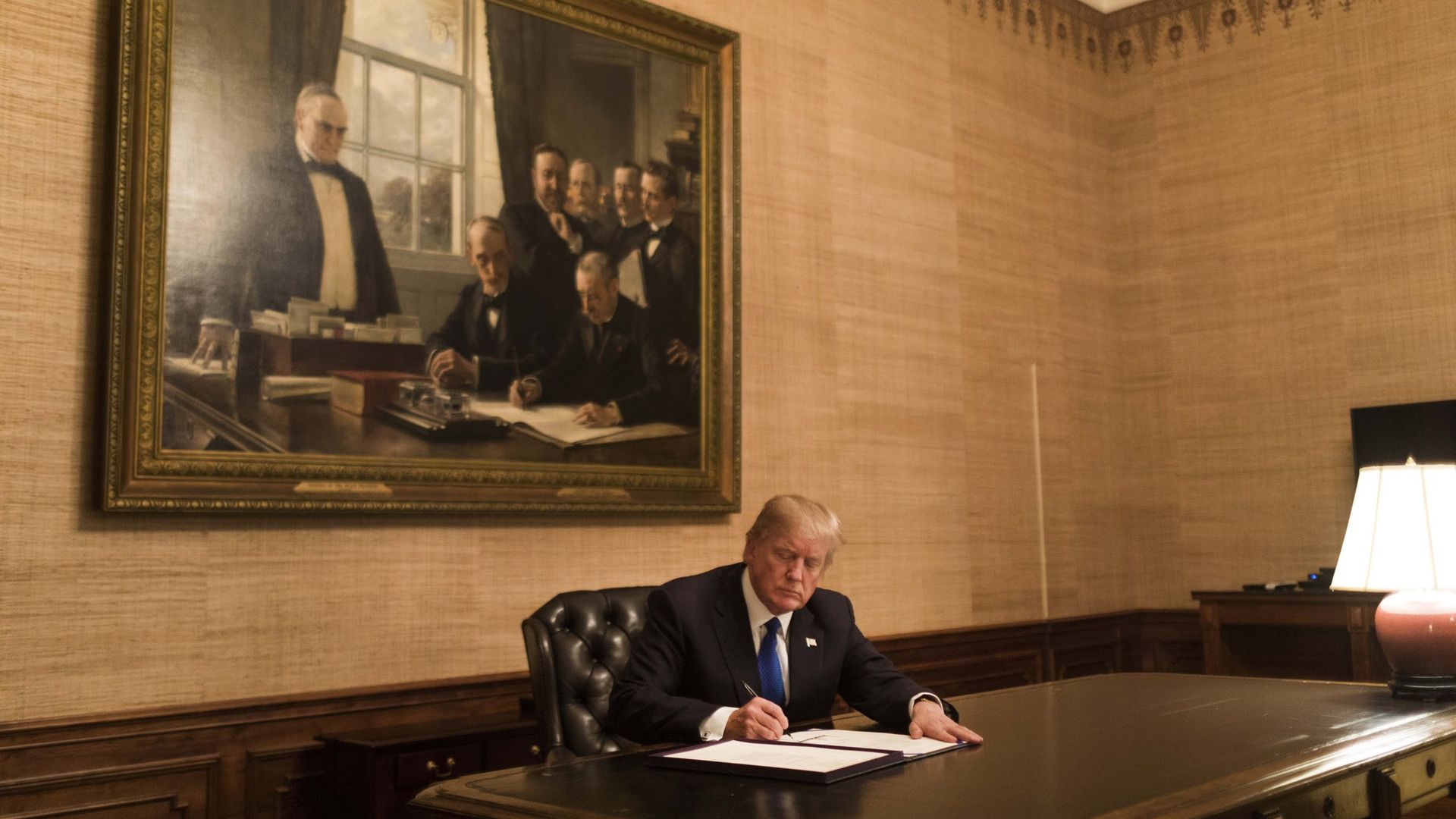
President Trump said Wednesday the White House immigration plan would let protections for younger immigrants "morph into" citizenship in 10–12 years.
"If [Dreamers] do a great job, I think it's a nice thing to have the incentive of, after a period of years, being able to become a citizen."
The backdrop: The White House will roll out a framework for what Trump is looking for in an immigration bill on Monday. Republicans and Democrats in Congress are struggling to strike a deal balancing a legislative fix for Dreamers and Trump's border security priorities, which include funding for a wall.
President Donald Trump rebuked the mayors who boycotted his bipartisan White House meeting on Wednesday over a subpoena threat from the Justice Department to 23 s0-called sanctuary cities:
"The mayors who choose to boycott this event have put the needs of criminal, illegal immigrants over law-abiding America. So let me tell you, the vast majority of people showed up."
— President Trump said at the meeting.
Why it matters: The DOJ notice is part of a broader effort by the Trump administration to crack down on illegal immigration. A California federal judge late last year blocked Trump's sanctuary cities executive order, which sought to deny funding to municipalities that refused to cooperate with efforts by the federal government to identify and deport undocumented immigrants. Some of the mayors who skipped the meeting called the legal threat an attack on the immigrant community.
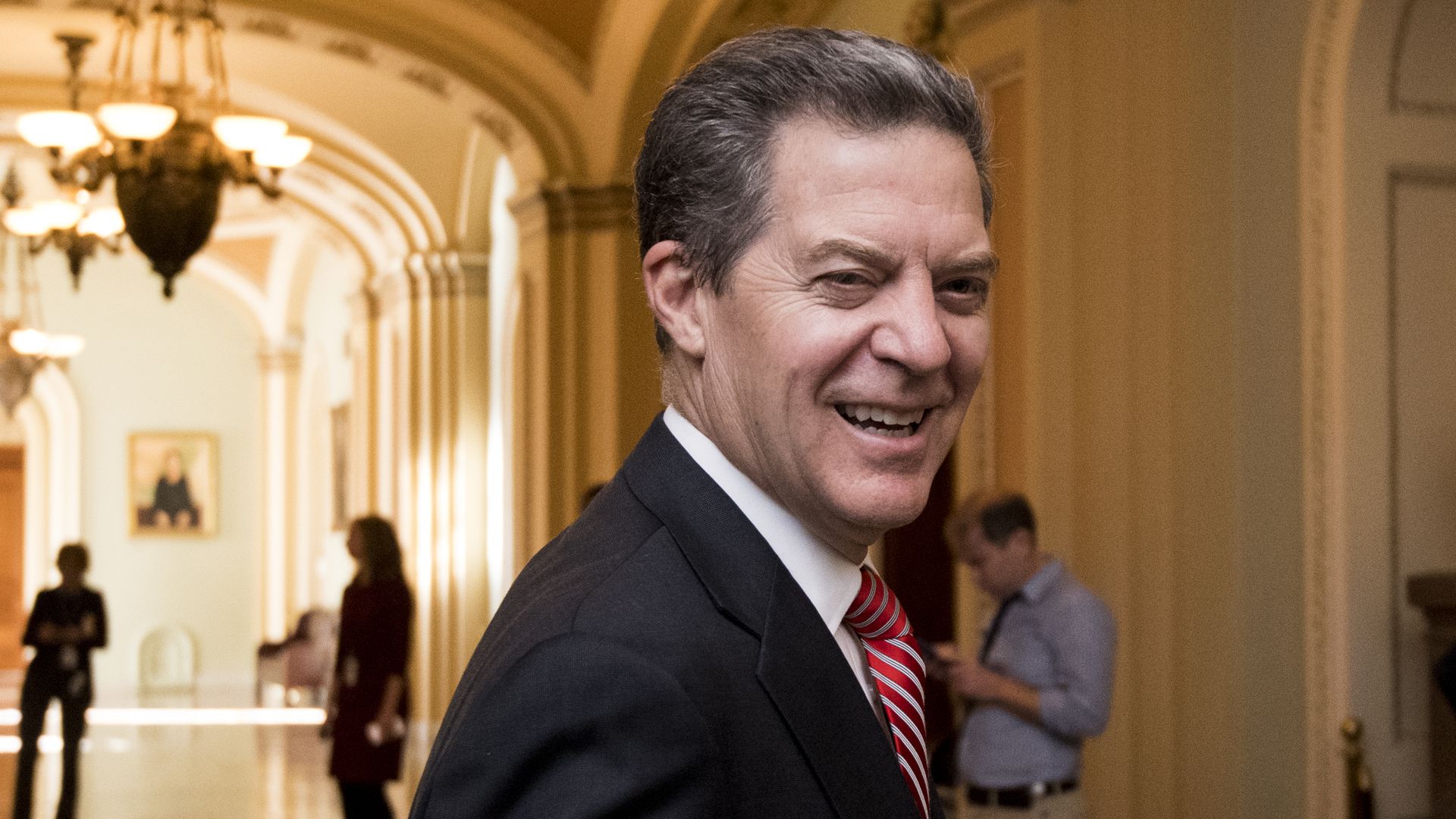
Mike Pence broke a 49-49 tie in the Senate to advance Sam Brownback for a final confirmation vote as U.S. Ambassador-at-Large for International Religious Freedom.
Why it matters: Brownback, the current governor of Kansas, had his first nomination for the position expire at the end of 2017. Brownback will join HHS Secretary Alex Azar and Federal Reserve Chairman Jerome Powell as Trump nominees confirmed by the Senate this week if the final vote passes.
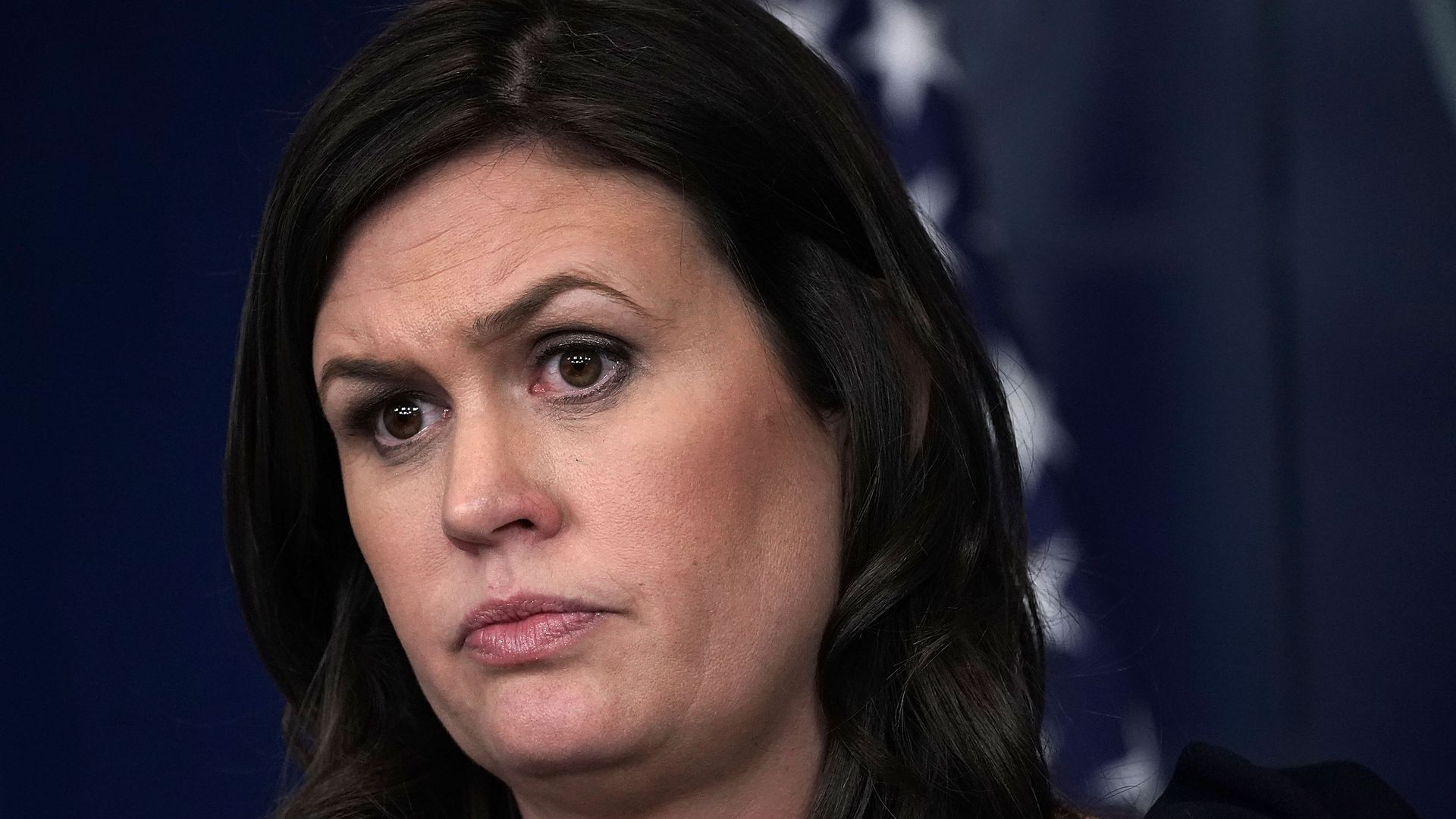
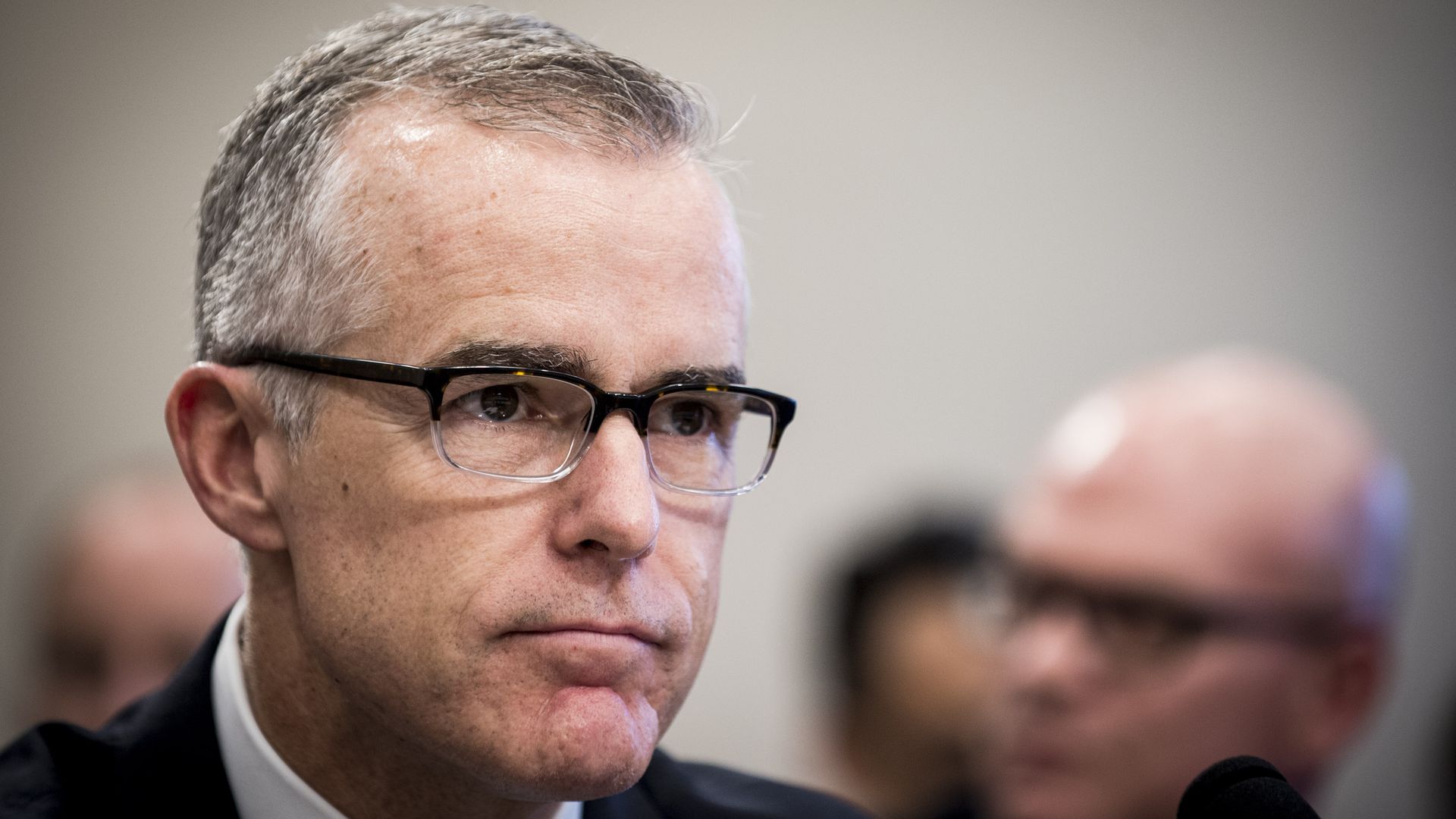
Press Secretary Sarah Sanders said Wednesday that President Trump's conversations with Deputy FBI Director Andrew McCabe were "limited" and "non-substantive." She did not comment on whether Trump asked McCabe who he voted for in 2016, saying she was not in the room.
The backdrop: The Washington Post reported Tuesday that Trump asked then-Acting Director McCabe who he voted for in the 2016 election during an Oval Office conversation shortly after James Comey was fired. McCabe reportedly found the conversation "disturbing."
Press Secretary Sarah Sanders said Wednesday that President Trump will release a framework for what he hopes to see in an immigration reform bill on Monday.
Asked whether that'll include a path to citizenship for Dreamers, Sanders said, "If I told you now it would kind of take away the fun for Monday."
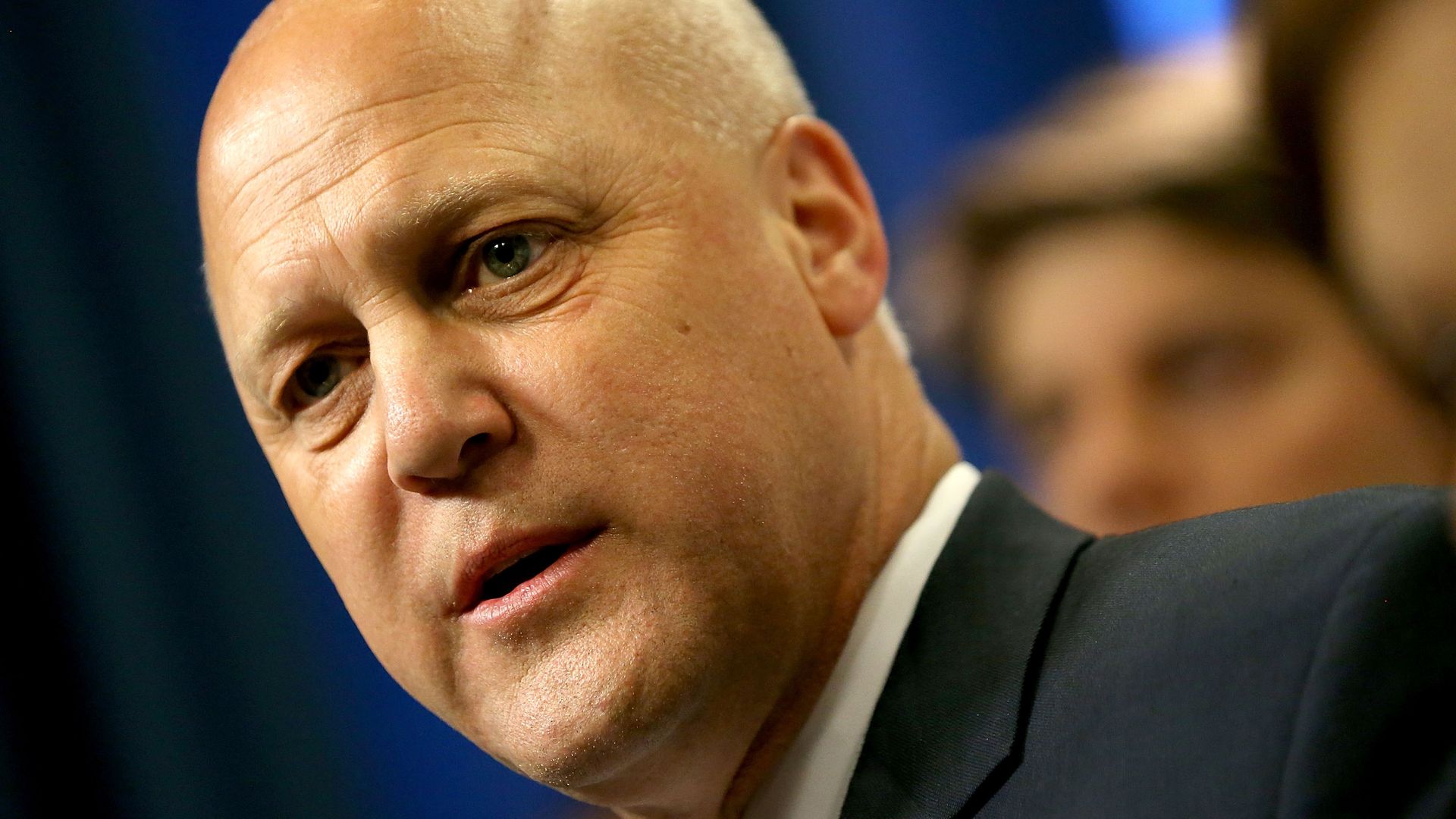
New Orleans Mayor Mitch Landrieu (D), president of the United States Conference of Mayors, has cancelled his meeting with the White House on Wednesday — joining New York City Mayor Bill de Blasio — after the Justice Department threatens to subpoena 23 so-called sanctuary cites as part of a crackdown.
The background: Attorney General Jeff Sessions asked the municipalities to submit documents showing whether they’re unlawfully withholding information from federal immigration authorities or else they would face subpoenas. Sessions said he's concerned that they're not in compliance with federal immigration law.
An immigration bill proposed by conservative House Republicans and supported by President Trump includes a provision that would criminalize non-student DACA recipients if their annual income falls below 125% of the federal poverty rate.
Why it matters: A covered individual making the federal minimum wage would be unable to miss a single hour of work in the entire year, let alone take a sick day or vacation day.
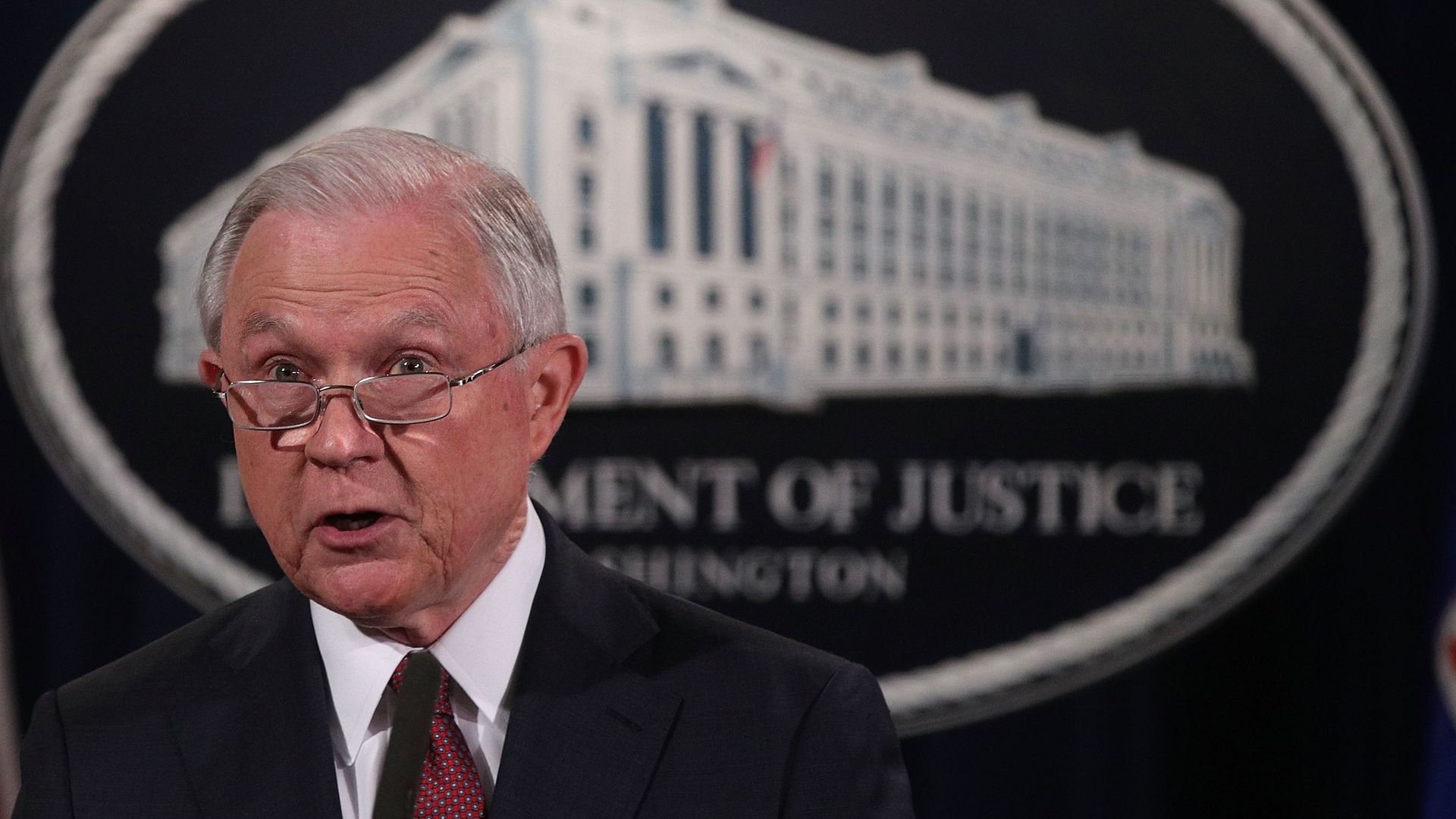
Attorney General Jeff Sessions on Wednesday issued a stern warning to 23 jurisdictions, asking for records that could show whether they’re unlawfully withholding information from federal immigration authorities or they would face subpoenas.
The details: Among those that received the DOJ notice are California, Illinois and Oregon, as well as Chicago, Denver, New York City and Los Angeles. The Justice Department said the agency had previously contacted the jurisdictions, arguing that their policies violate federal law that promotes information sharing with immigration authorities.
Immigration talks. Mar-a-Lago. Davos. No matter where President Trump goes, or what he does, the dark cloud of Robert Mueller seems to shadow him.
Be smart: Below is a roundup from the past 48 hours, amid a government shutdown and the opening day of Davos. Much of this flows from actions taken in office knowing the whole world is watching for a cover-up. It’s the ultimate unforced error — and reason many around Trump fear him testifying.
The Alabama House voted 67-31 to end special elections for U.S. Senate appointments, per the Montgomery Advertiser's Brian Lyman.
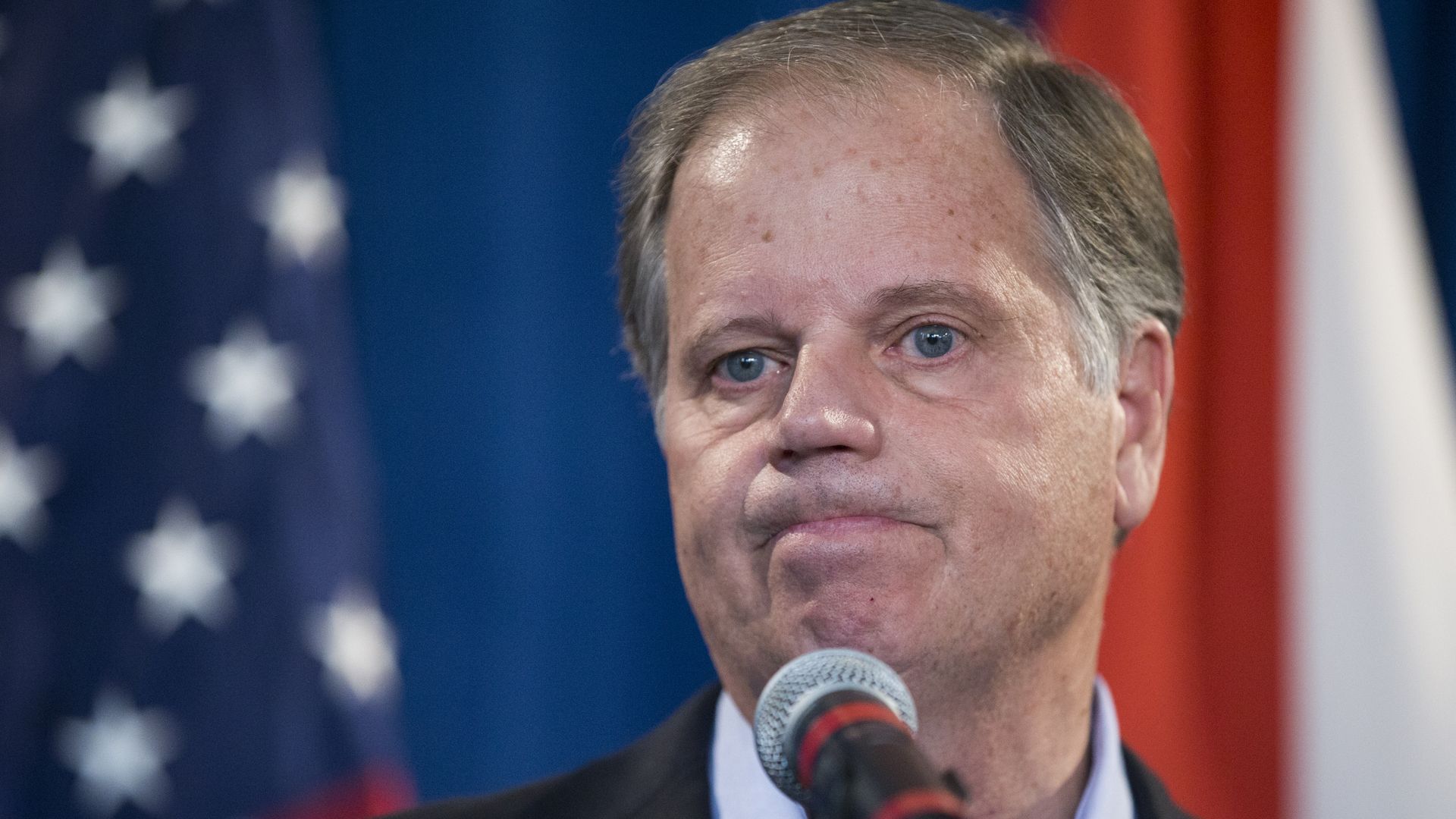
Why it matters: Democrat Doug Jones was elected to the Senate in a special election, rocking a deep red state. The bill's sponsor, Rep. Steve Clouse, said it was meant to save the state money as last year's election cost $11 million. The bill now advances to the Alabama Senate.
In an Oval Office meeting shortly after former FBI Director James Comey was fired, President Trump asked then-Acting Director Andrew McCabe who he voted for in the 2016 election, the Washington Post reports. McCabe reportedly said he did not vote and later said he found the conversation "disturbing," one U.S. official told the Post.
The backdrop: Axios' Jonathan Swan reported Monday that FBI Director Christopher Wray threatened to resign if Attorney General Jeff Sessions kept pressuring him to remove McCabe, and others.
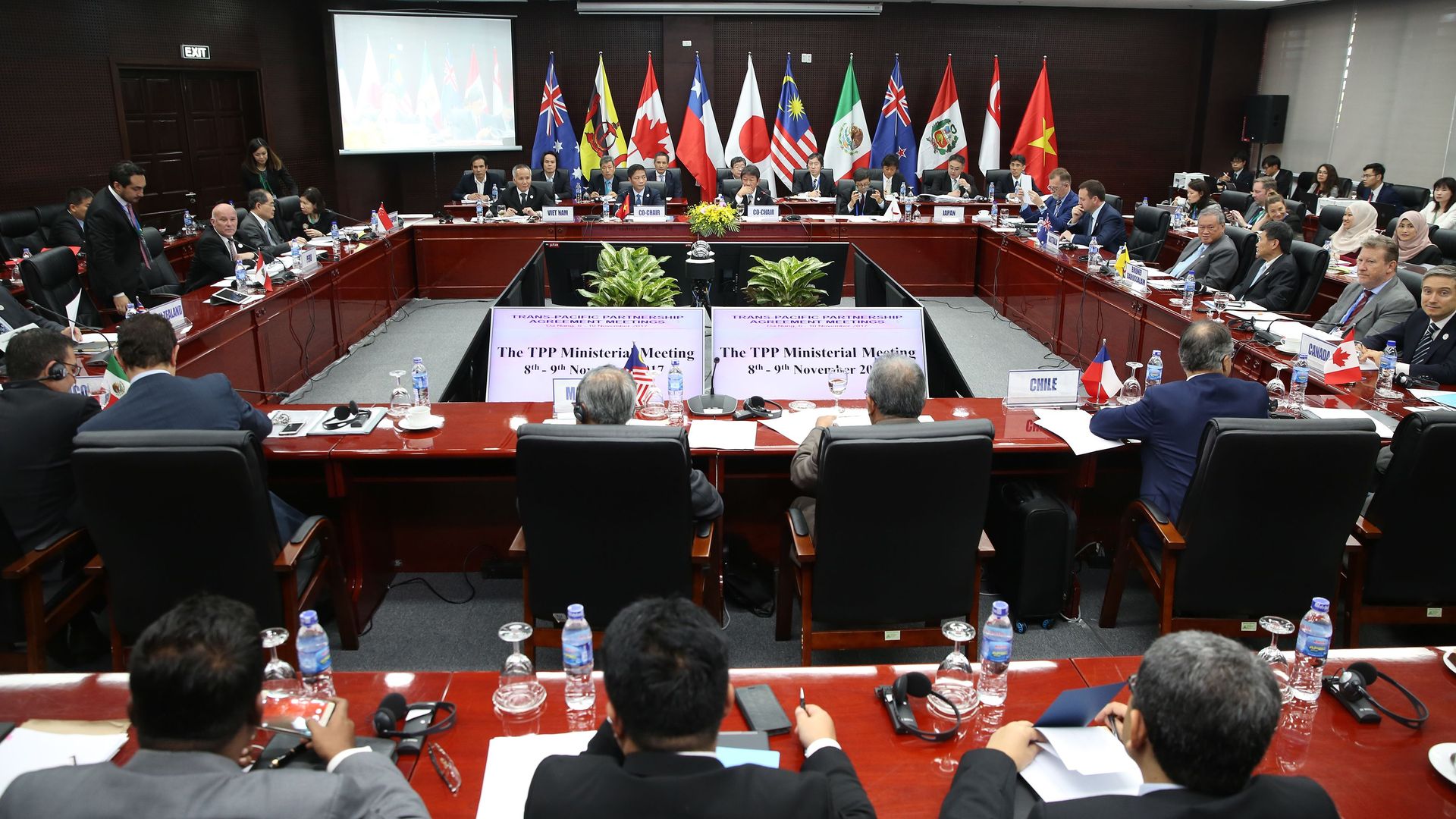
One year after the United States pulled out of the Trans-Pacific Partnership, it’s clear Asia-Pacific nations have not been waiting around for the Trump administration to change its mind.
Just today, the 11 remaining TPP countries announced that they have reached a deal, which could be signed as early as March, without the U.S. A number of other regional and bilateral trade negotiations were concluded in 2017, including a landmark agreement between Japan and the EU. Several others were launched, with Australia, Canada, New Zealand and Singapore each starting talks with the four Latin American countries of the Pacific Alliance.