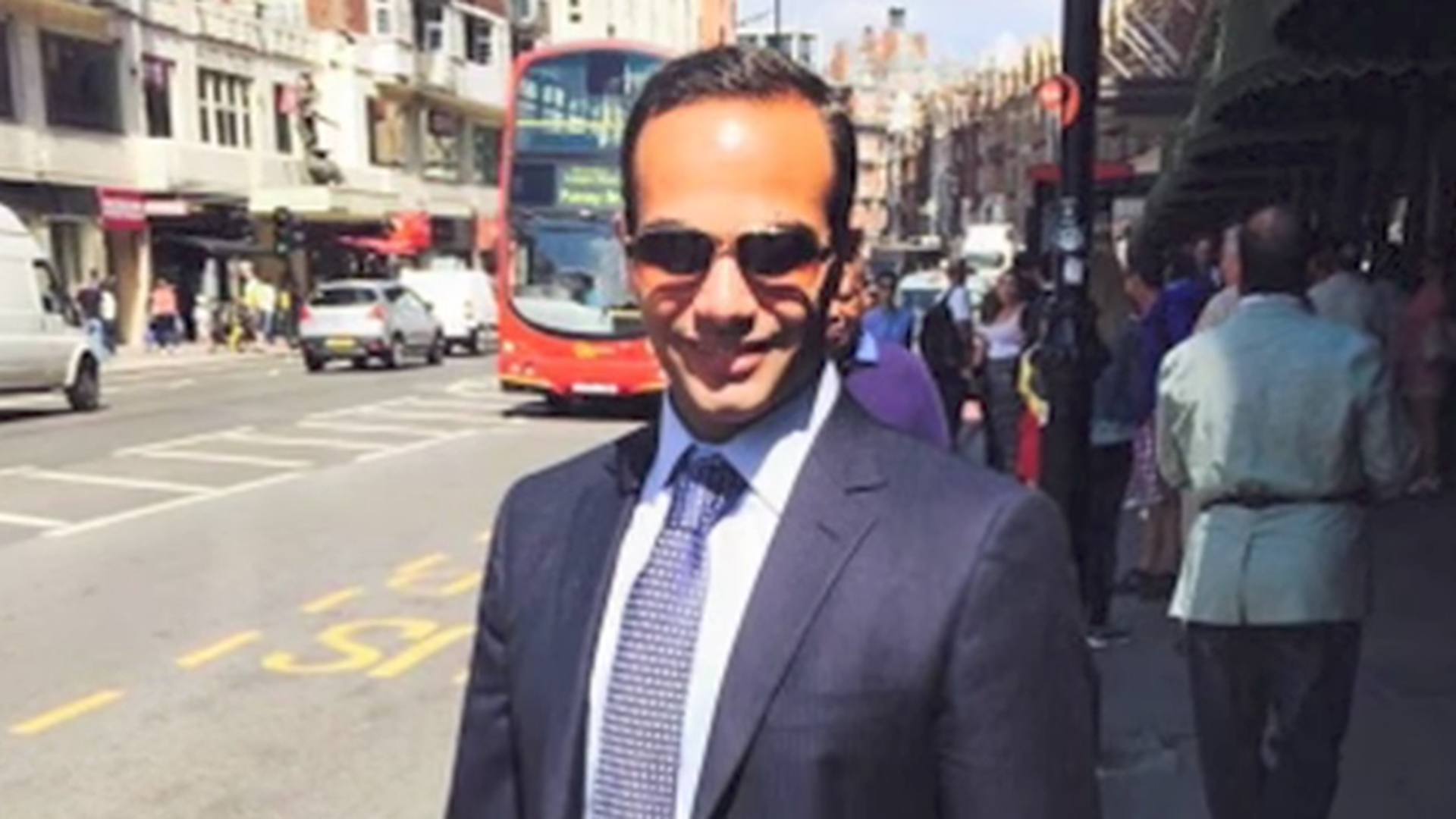
George Papadopoulos, a former Trump campaign foreign policy advisor who pleaded guilty to lying to the FBI, claims he misled agents about his contact with Russian leadership in order to protect President Trump, a source told ABC News. The source said Papadopoulos didn't want to contradict the official White House stance that there has been no collusion with Russian officials.
Why it matters: Trump has repeatedly maintained that the Russian investigation is a "hoax" and a "witch hunt," but Papadopoulos' charges, as well as his admission of guilt, are explicitly linked to attempts at collusion with Russia.
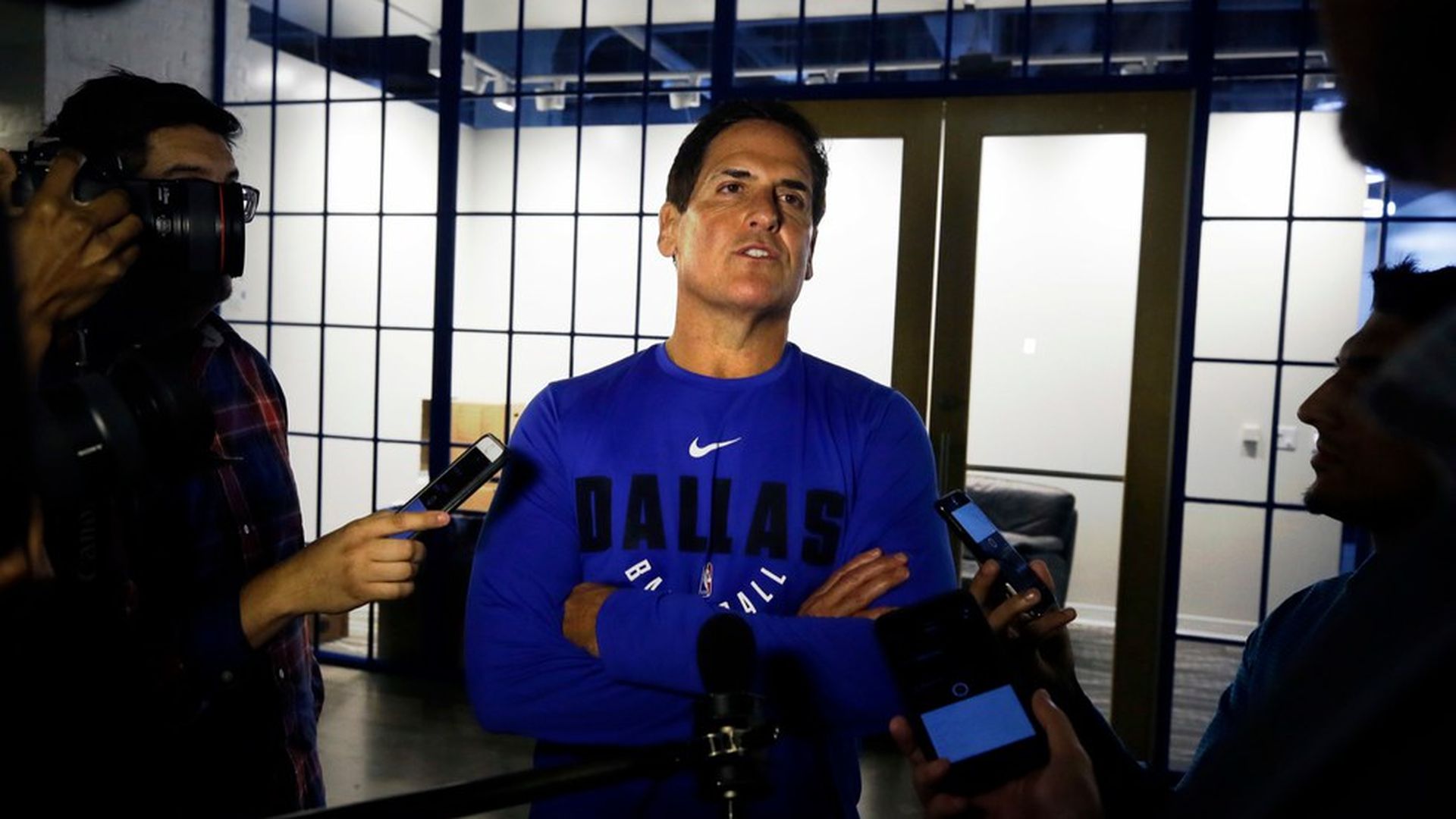
Mark Cuban has discussed the possibility of running for president in 2020 with Steve Bannon over the past few months. Bannon has encouraged the Shark Tank entrepreneur and Dallas Mavericks owner to run as a Democrat, according to a report by The Daily Beast.
Why it matters: Bannon wants to break down the entrenched political system, so he might view Cuban — with his mix of social liberalism and Ayn Rand devotion — as someone he could work with on the left. And while it might seem odd that Bannon would seemingly work against Trump, don't forget that he told Vanity Fair last month that he only gives his boss a 30% chance of lasting a full term.
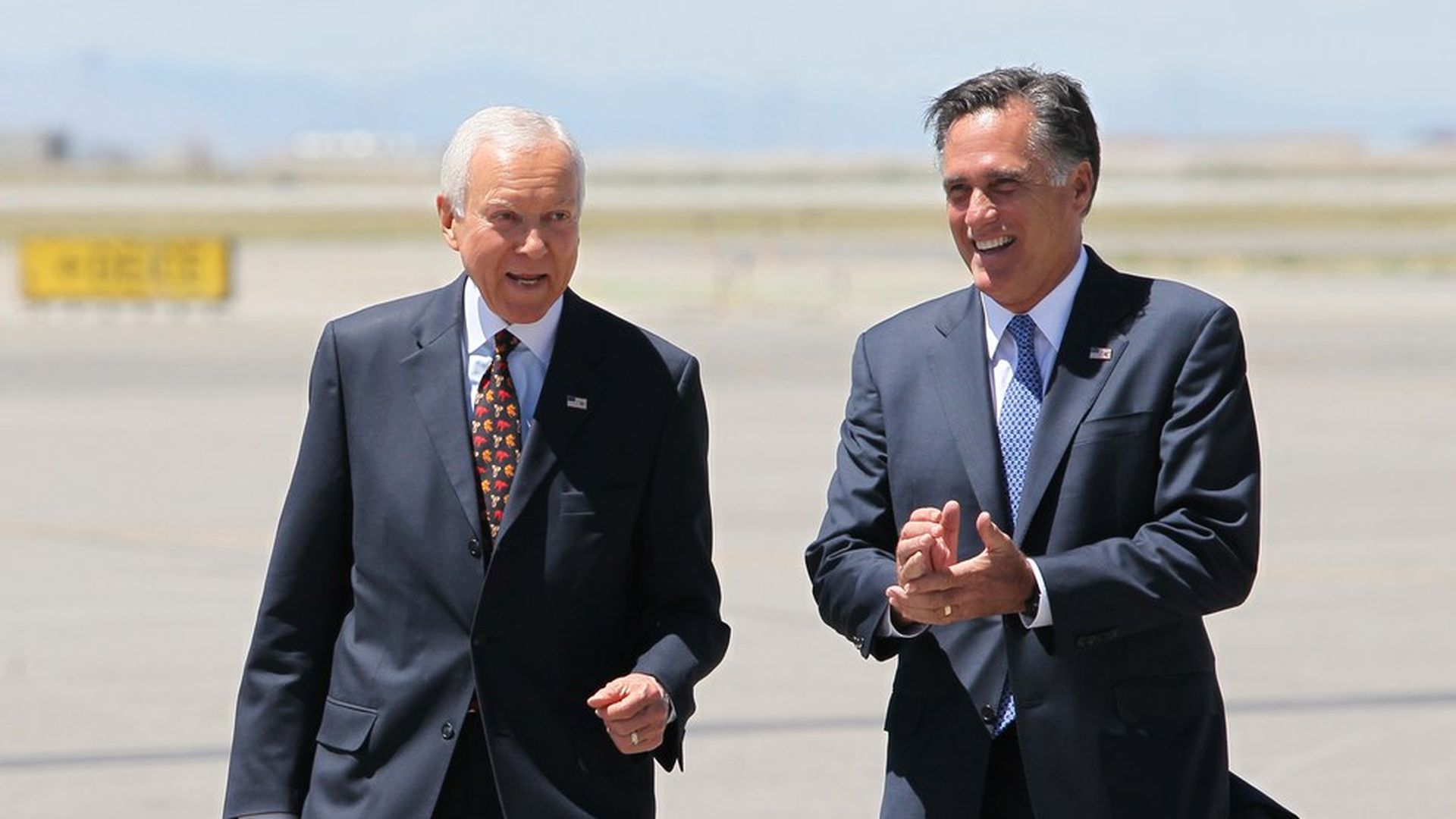
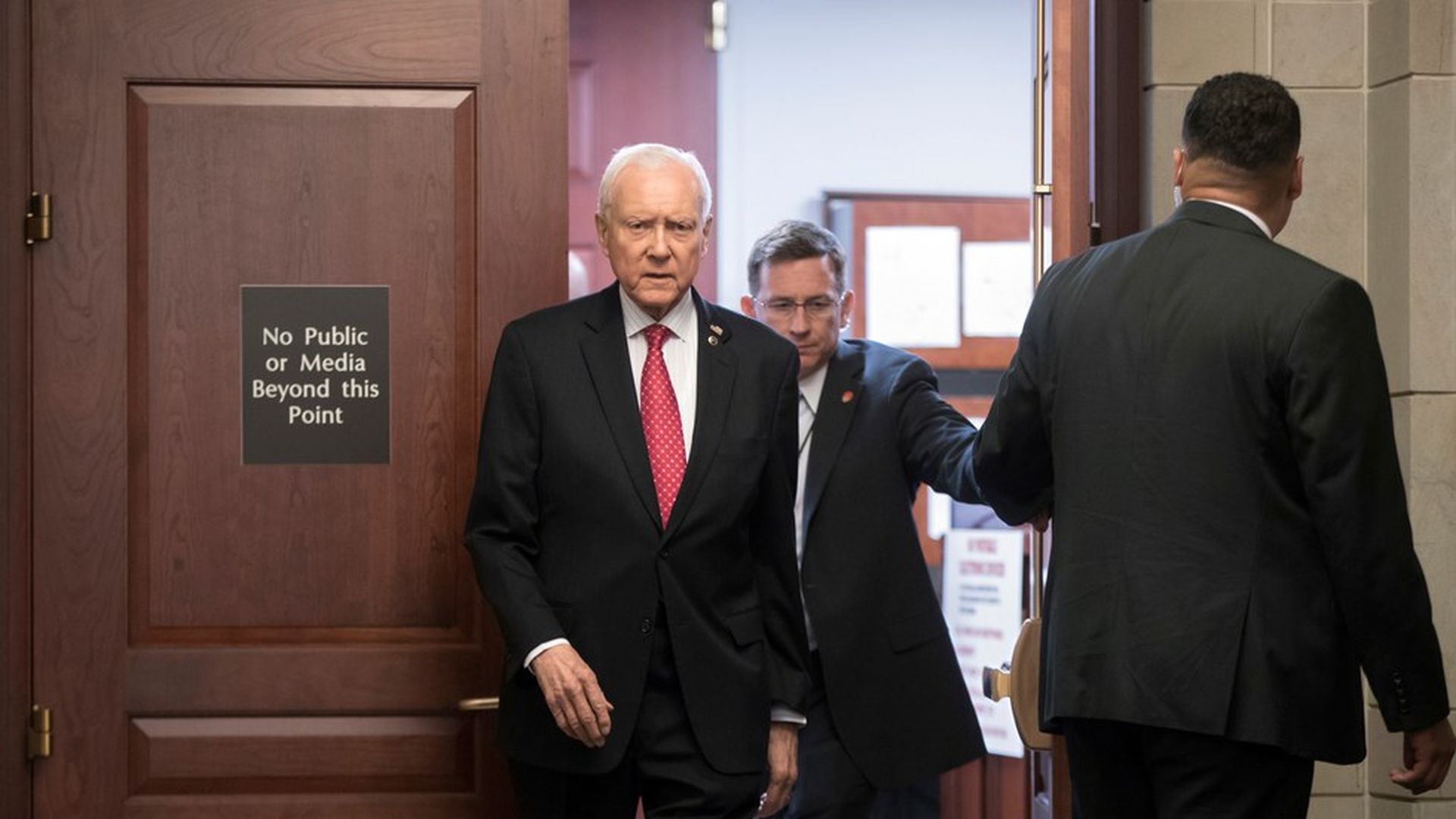
Mitt Romney sure looks to be gearing up for a 2018 Senate run amid speculation that Utah's incumbent senator, Orrin Hatch, will retire. Politico's Alex Isenstadt reports that the former GOP presidential nominee has been meeting with the state's Republican power brokers, reaching out to major political donors, and coming out in full force to support candidates in local races.
Why it doesn't matter yet: A spokesperson for Hatch has maintained that the longtime Utah senator hasn't made a final decision about whether or not to seek reelection, and likely won't announce his plans until the end of the year.
"Endangered: America's global influence has dwindled under Donald Trump — A presidential tour of Asia cannot hide the fact that America has turned inward, hurting itself and the world," per The Economist's latest cover. "So far, Mr. Trump's foreign policy has been less awful than he promised ... [but] Reagan, he ain't."
Why it matters: "For all its flaws, America has long been the greatest force for good in the world, upholding the liberal order and offering an example of how democracy works. All that is imperiled by a president who believes that strong nations look out only for themselves. By putting 'America First,' he makes it weaker, and the world worse off."
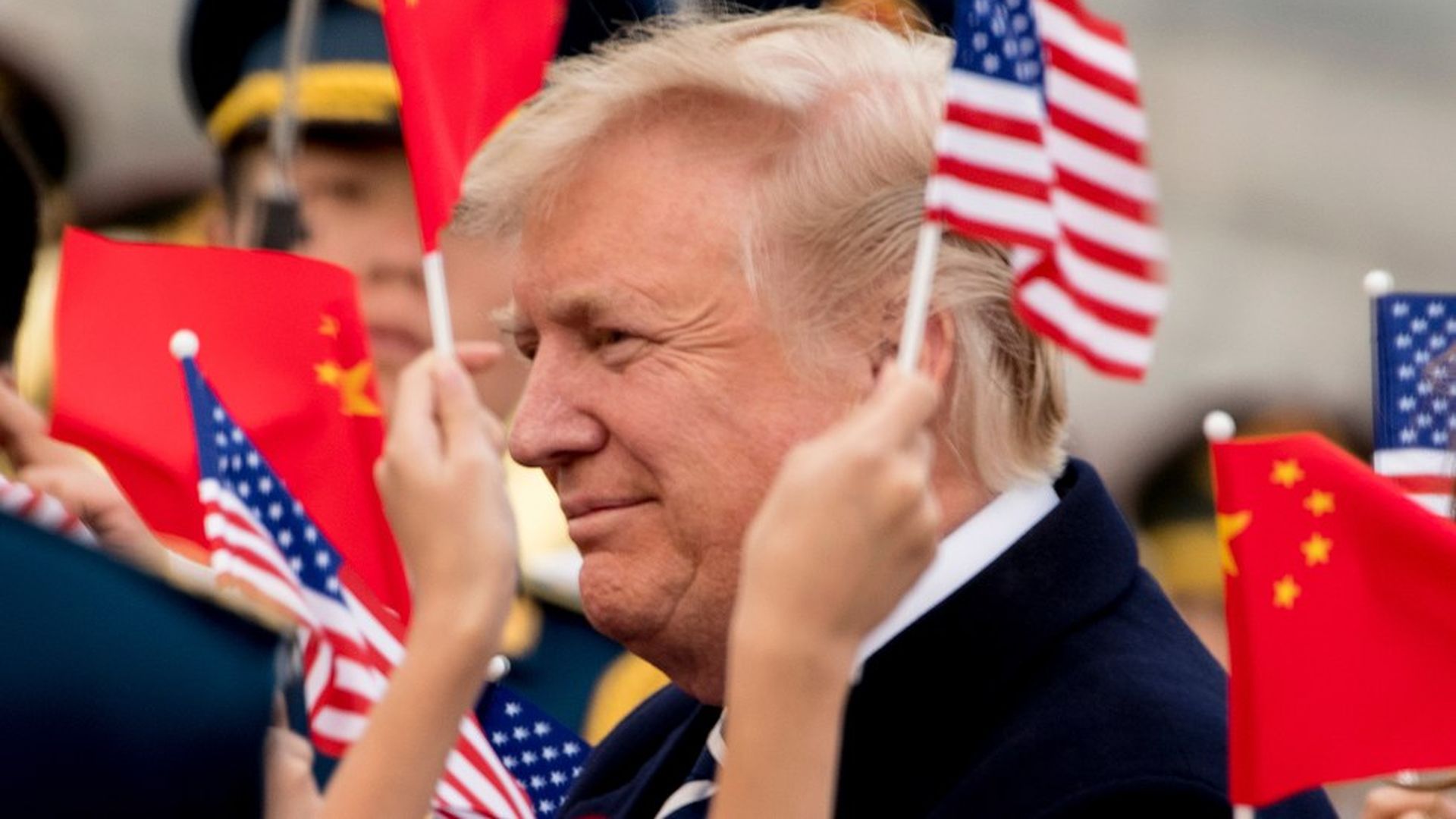
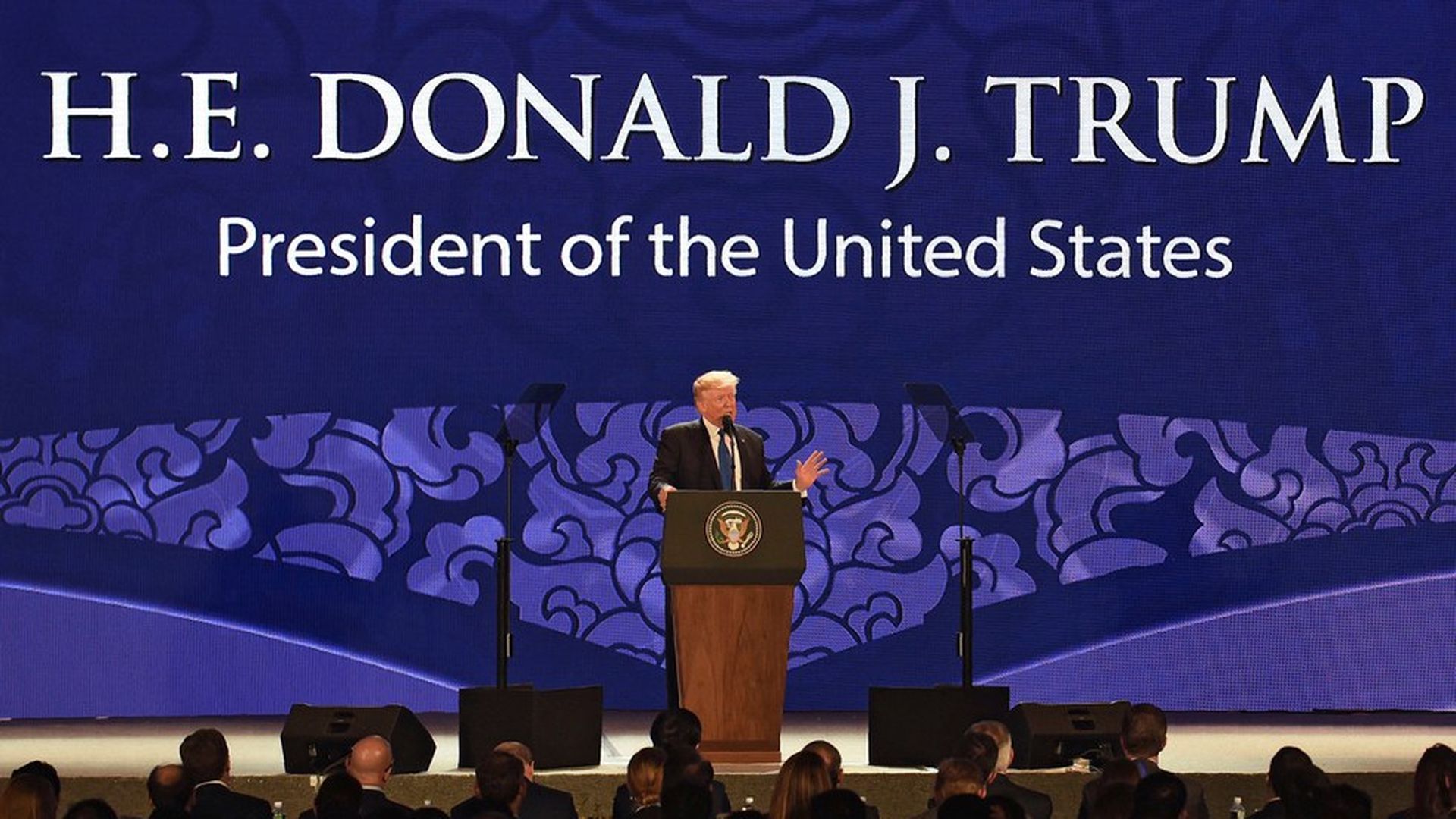
In his speech to CEOs at the Asia-Pacific Economic Cooperation Summit in Vietnam, President Trump seemed to issue a veiled warning to China on trade, saying that his administration is "not going to let the United States be taken advantage of anymore." He reiterated his often heard pledge to "put America first."
Why it matters: Trump just had a relatively quiet few days in China, where he even complimented the Chinese on taking advantage of the U.S. for so long on trade — a fact he referenced in his speech. So his change back to his usual rhetoric is notable after seemingly friendly, balanced talks with Chinese President Xi Jinping.
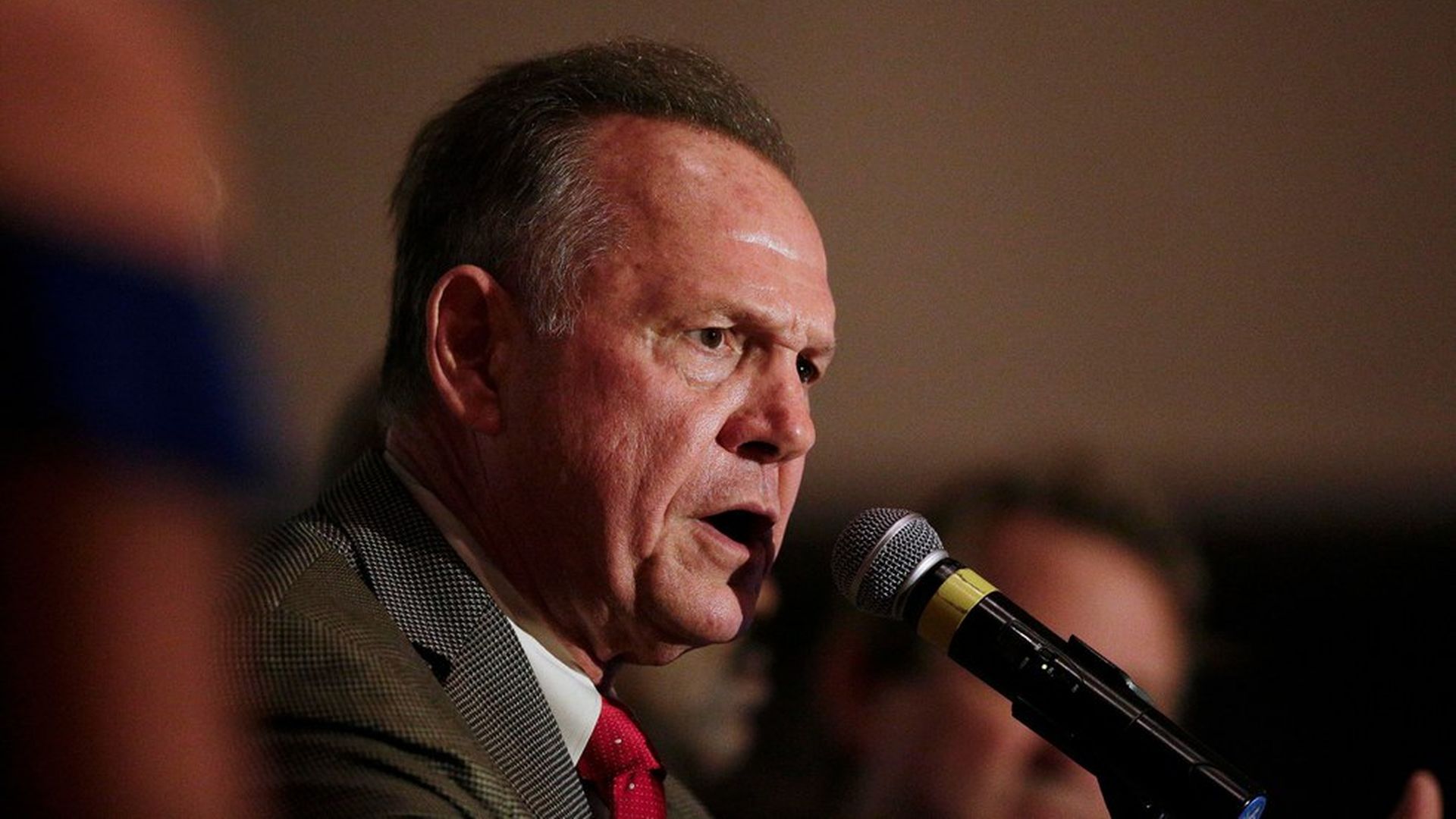
Roy Moore, the GOP's nominee in Alabama's special Senate election to replace Attorney General Jeff Sessions, was alleged today in a report by The Washington Post to have sexually assaulted a 14-year-old in 1979 while he was 32. The report also claims that Moore pursued multiple other relationships with teenage girls at the time.
Why it matters: Moore is one of the most controversial and conservative politicians in America, known for his unbending stances on social issues. He had twice lost his position as the Chief Justice of Alabama's Supreme Court — once by removal, once by resignation — after his refusal to back down on federal directives on cases relating to religion and sexuality.
The Senate Republicans' tax plan, expected to be unveiled later Thursday, won't change the mortgage interest deduction, per the AP, citing a Senate GOP source "familiar" with the details on the pitch.
Why it matters: That's a concession to the real estate industry, which opposed the House GOP proposal — which cut the cap for mortgage interest deduction from $1 million to $500,000 — over concerns that change could hurt the housing market.
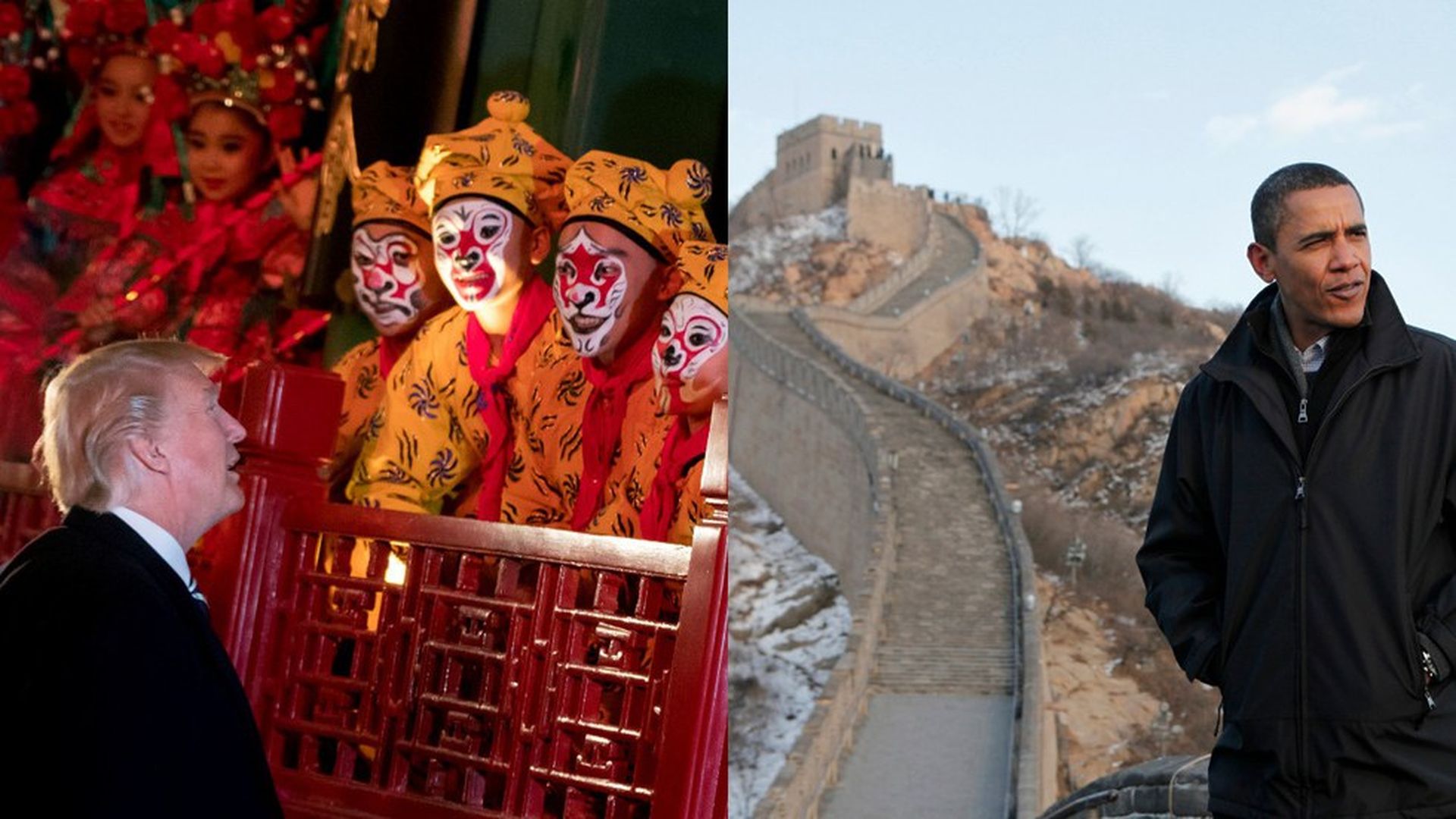
President Trump has largely taken it easy on China during his two-day stop in Beijing, something Barack Obama was criticized for during his first trip to China as president, which took place under surprisingly similar circumstances.
The parallels: Obama and Trump both visited China in November of their first years in office as a part of larger multi-country swings through Asia as major legislative packages hung in the balance back home. And each of their trips garnered criticism for being largely deferential to their Chinese hosts — though both presidents might argue that their decisions were part of a larger strategy to establish stronger relations with the United States' biggest competitor on the world stage.
The Senate GOP tax plan will propose to delay a corporate tax rate cut from 35% to 20% until 2019, breaking with Trump's preference that those cuts be effective immediately, The Washington Post reports, citing "four people briefed" on the plan. That also breaks with the House GOP plan, which would lower the rate next year.
Senators were briefed this morning on the Senate tax overhaul, which is expected to be introduced later Thursday. Separately, Sen. Bill Cassidy told reporters the Senate plan won't repeal the Affordable Care Act's individual mandate.
What it means: The delay on the corporate rate cut could lower the tax plan's cost by more than $100 billion, the paper says. Both House and Senate Republicans are working to keep the cost of their plans within the $1.5 trillion limit set by the budget.
(The first sentence of this article has been corrected to show the cut is to 20% not 30%.)
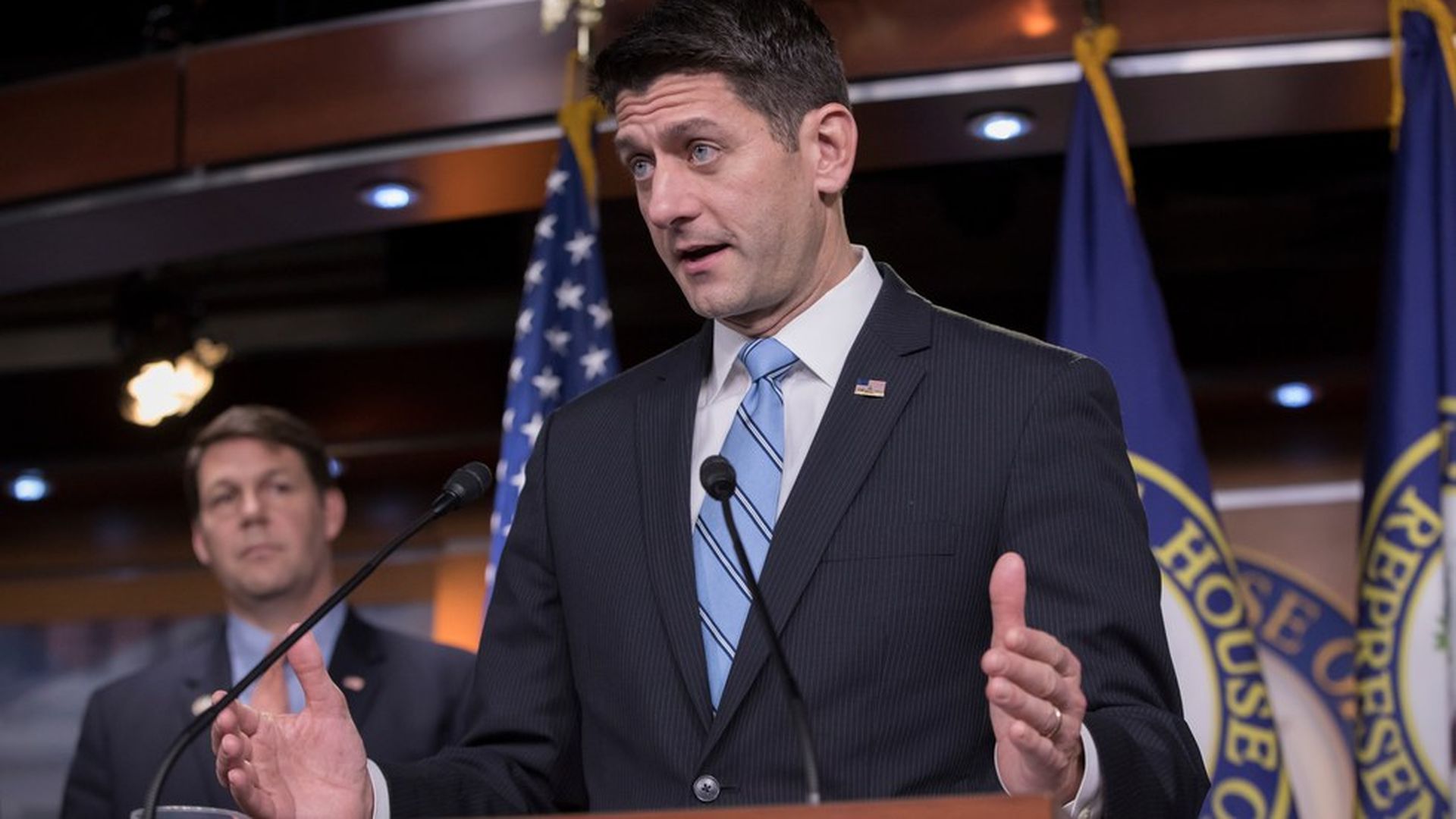
House Speaker Paul Ryan doesn't think there will be a similar political backlash to Republicans trying to pass their tax reform plan as they faced when trying to repeal and replace the Affordable Care Act. "We're going to be just fine politically," he predicted, because he argues "we're not doing this for political benefit."
By the numbers: Americans remain skeptical of the GOP tax plan. FiveThirtyEight notes that only 25% of people think it's a good idea and 50% of Americans oppose the plan entirely, according to a Washington Post survey from this week.
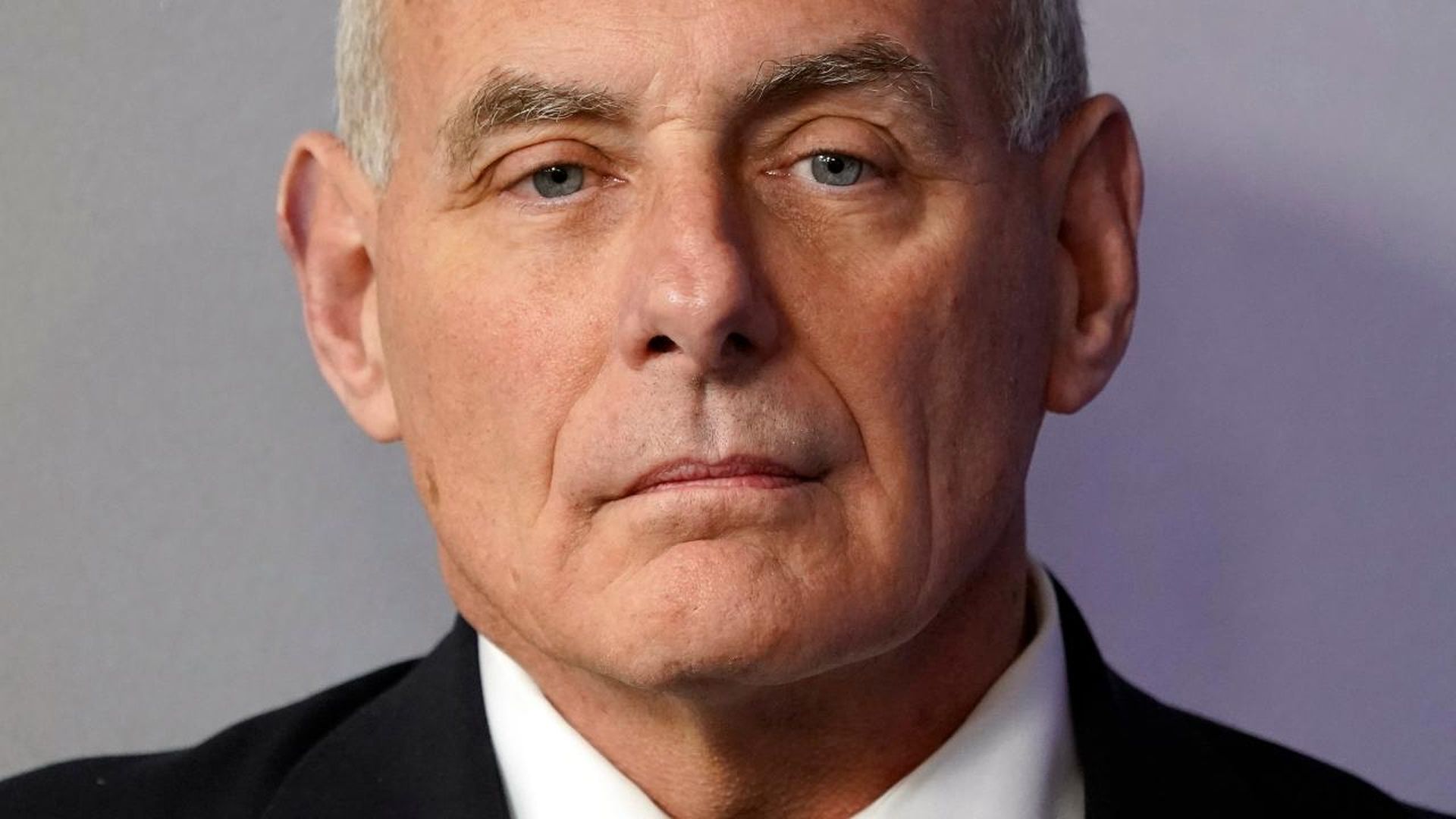
Chief of Staff John Kelly called Acting Homeland Security Secretary Elaine Duke on Monday to expel tens of thousands of Honduran immigrants with temporary protected status, the Washington Post reports citing "current and former administration officials." The residency permits for the 57,000 Hondurans were initially granted after a 1998 hurricane.
The backdrop: Duke had been planning to extend the permits, and "was angered by what she felt was a politically driven intrusion," per the Post. She reportedly told Kelly she would resign. Jonathan Hoffman, a DHS spokesman, said there is "zero factual basis" to that claim.
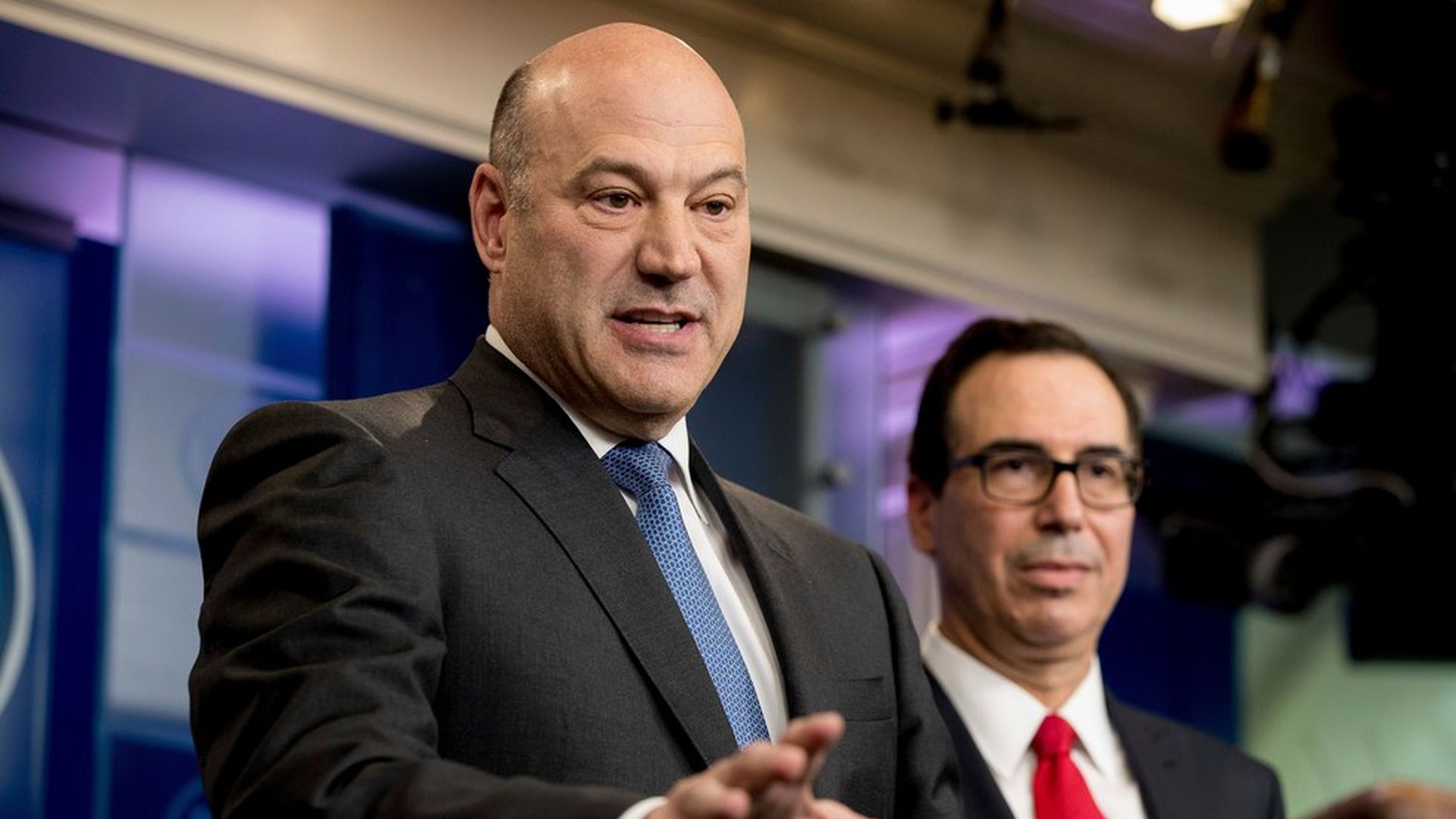
When first rolling out the GOP tax plan, the Trump administration maintained that the wealthy "will not be gaining at all." In recent weeks, Trump's point men on tax reform, Gary Cohn and Steve Mnuchin, have conceded that their plan will benefit the rich, while saying that could actually be a positive.
Why it matters: In their efforts to sell the tax plan, which Trump and GOP leaders are pitching as a "raise" for middle class families, Trump's point men may actually be making things more difficult.
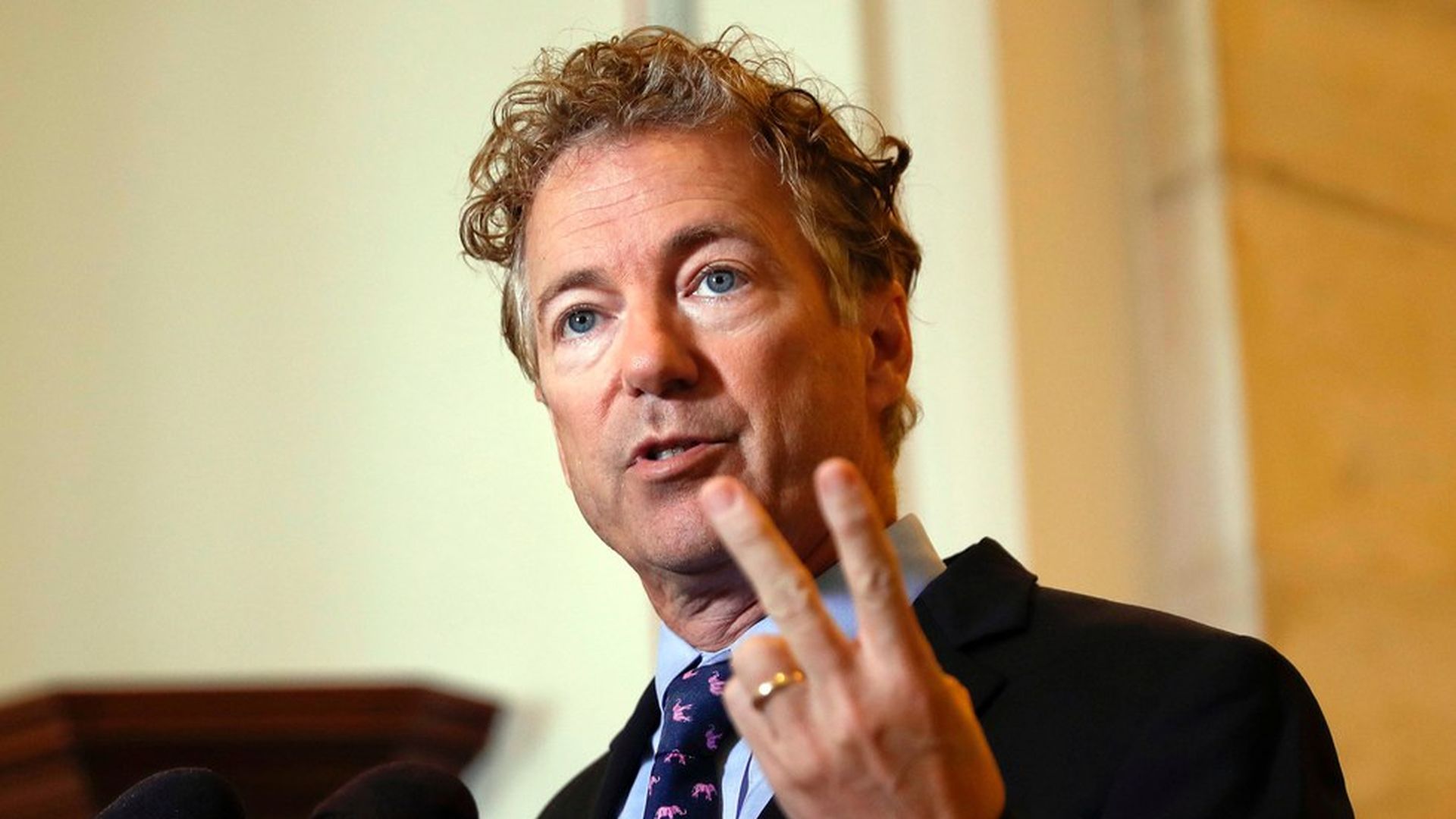
After Sen. Rand Paul tweeted last night to confirm his serious injuries following an alleged assault by his neighbor, he followed up with two tweets to stories pushing back on the widely-reported narrative that the dispute was over landscaping. His neighbor had earlier issued a statement through his lawyer denying that the incident had anything to do with politics and describing the issue as "trivial."
What happened: Without any additional context, Paul tweeted a Breitbart article headlined "Exclusive: Rand Paul's Neighbors Say Reports Blaming Savage Assault on 'Landscaping Dispute' Are Fake News" and a Washington Examiner piece titled "Rand Paul's neighbors rip media 'landscaping dispute' reports." Both pieces largely feature the same neighbors expressing effusive praise about Paul's behavior in their subdivision and don't offer any sort of alternative motive for the incident.
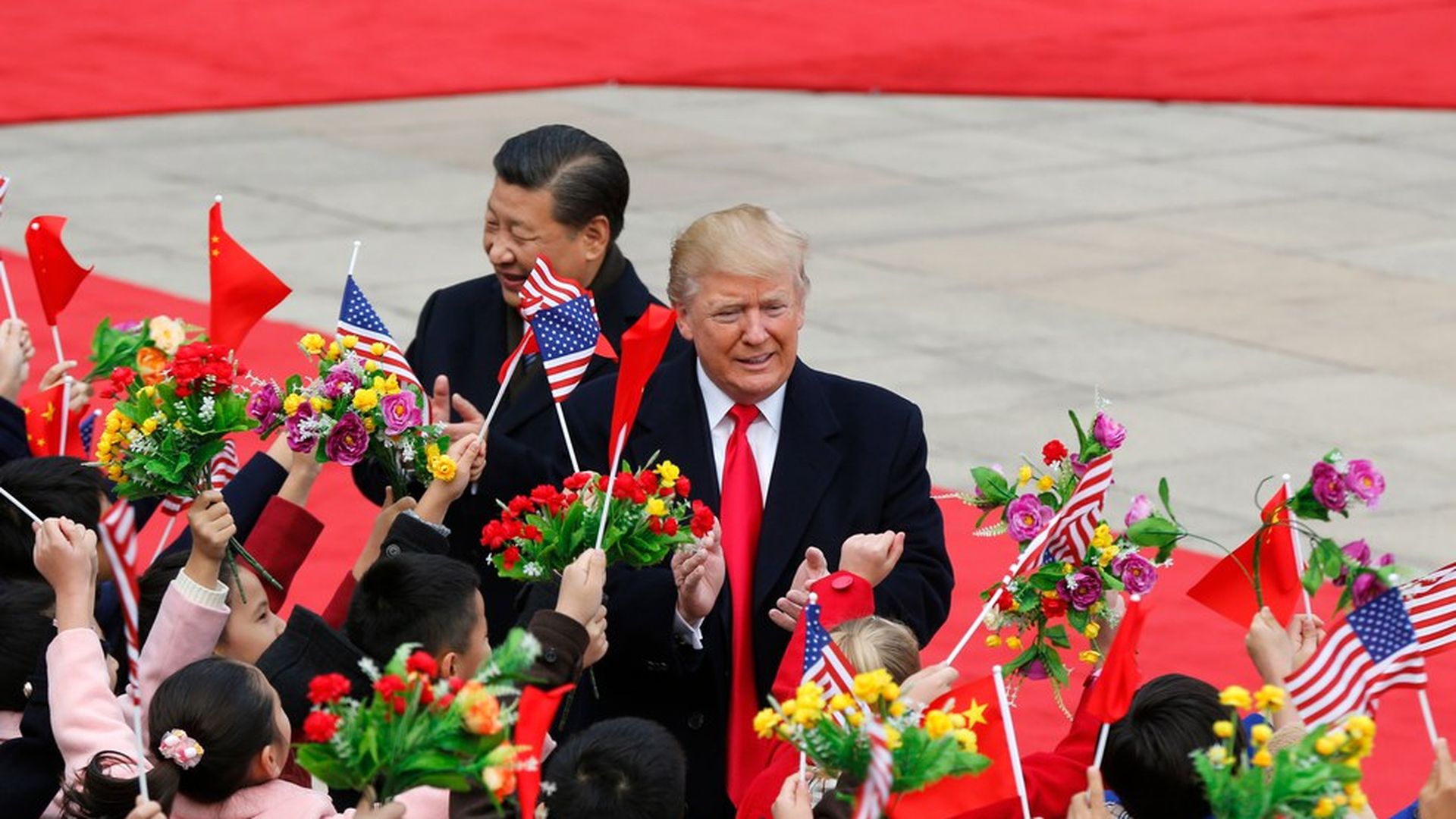
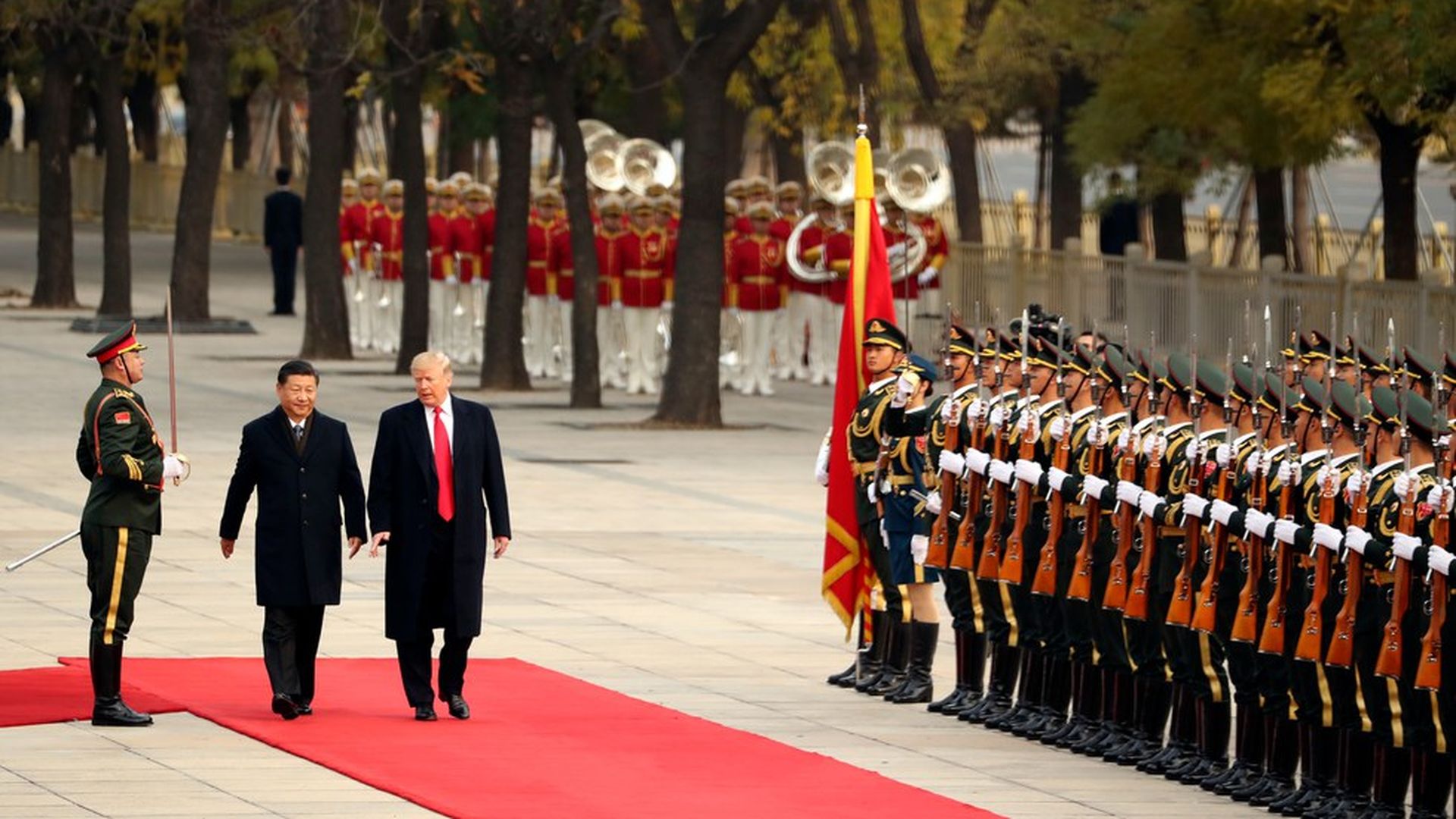
President Trump's second day in China kicked off with an elaborate welcome ceremony with Chinese President Xi Jinping at Beijing's Great Hall of the People on Tiananmen Square. After that, it was down to work as Trump took part in bilateral meetings and business events with his Chinese counterpart before taking the stage for a joint press conference that didn't feature any questions from the press. POTUS then met Chinese Premier Li Keqiang, effectively the country's prime minister, and took part in a meet and greet with First Lady Melania Trump at the U.S. embassy. The day ended with a Chinese state dinner.
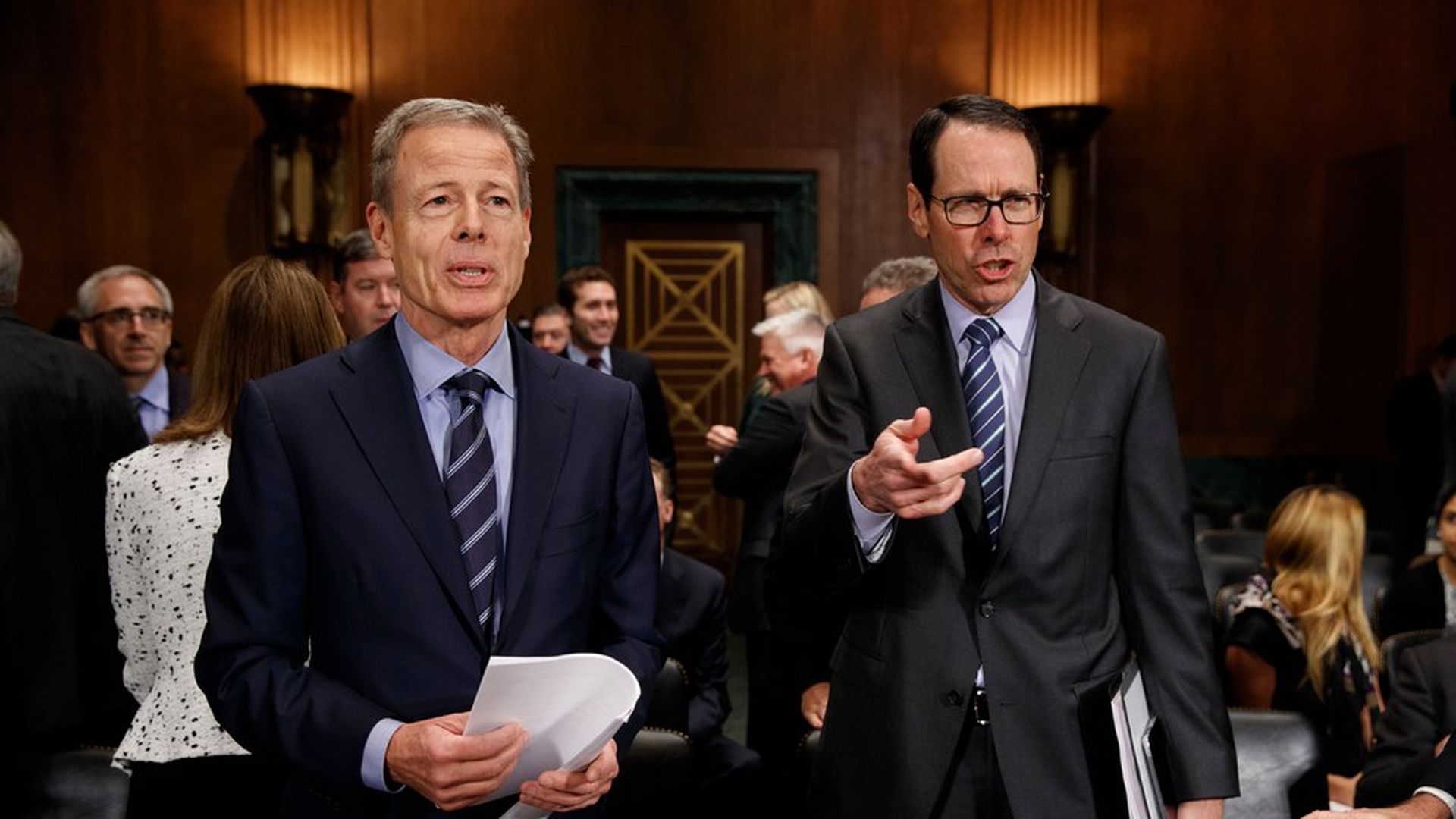
If the U.S. Justice Department were to sue over its demands that AT&T sell Turner (owner of CNN and other channels) or DirecTV in order to have its $85 billion purchase of Time Warner approved, as reported Wednesday, lawyers say the regulators will be fighting decades of precedent.
Why it matters: Speculation is swirling about the DOJ's motives, in light of President Trump's campaign trail promise to block the deal, and his vocal disdain for CNN's coverage.
Chinese President Xi Jinping rolled out the red carpet (literally) for President Trump and First Lady Melania Trump during a formal welcome ceremony at the Great Hall of the People in Beijing on Thursday morning local time. Upon his arrival, a Chinese military band played the U.S. and Chinese national anthems, while ceremonial cannon fire exploded in nearby Tiananmen Square. The ceremony follows their tour of the Forbidden City and trip to the Chinese Opera Wednesday.
What's next: Trump will participate in a bilateral meeting with Xi later today, where North Korea and trade will likely top the agenda. The two will also deliver a joint press statement before a state dinner in Beijing later this evening.
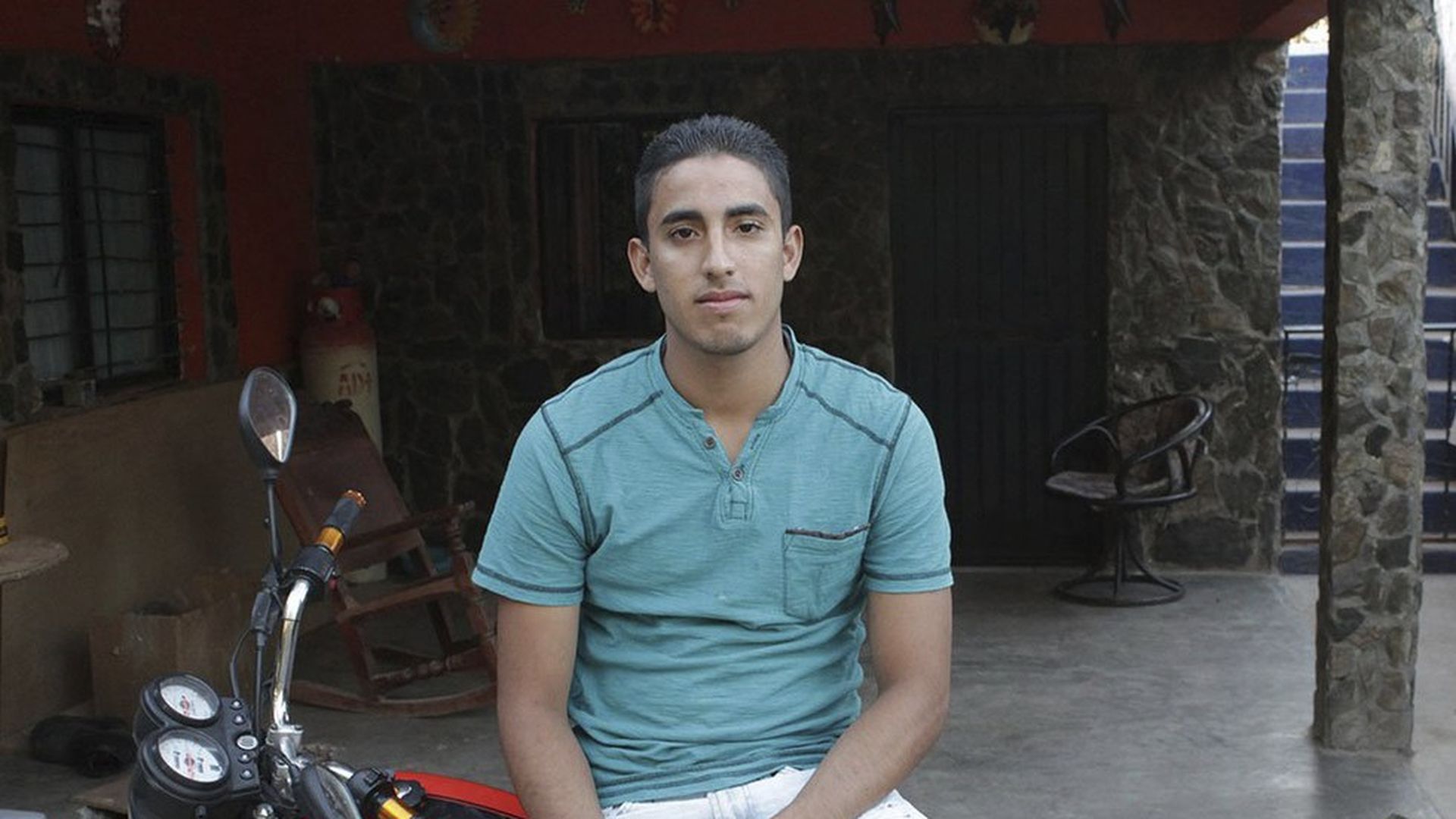
A 23-year-old Mexican DACA recipient who sued the Trump administration in April, claiming he had been unlawfully deported, was arrested this week and charged with illegally re-entering the U.S., per the WSJ. Juan Manuel Montes Bojorquez, who dropped his lawsuit last month, will likely be deported again and could face up to two years in prison if found guilty, according to the Journal.
Why it matters: Montes became a key figure in the immigration debate earlier this year after claiming his deportation was a violation of the Obama-era DACA order. If true, Montes would have been the first Dreamer deported under Trump. Homeland Security officials claimed he returned to Mexico on his own, thereby revoking his DACA privileges.