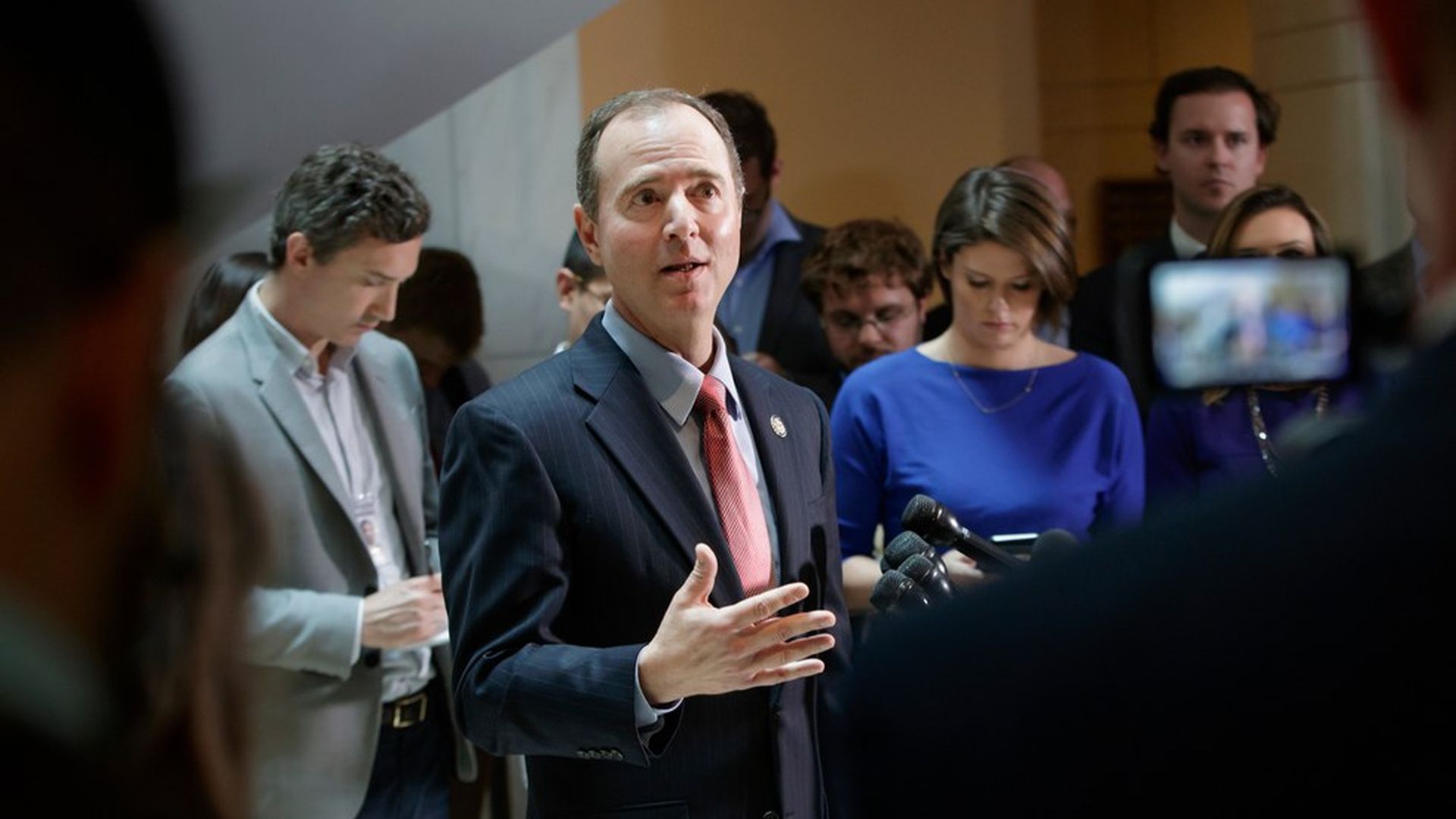
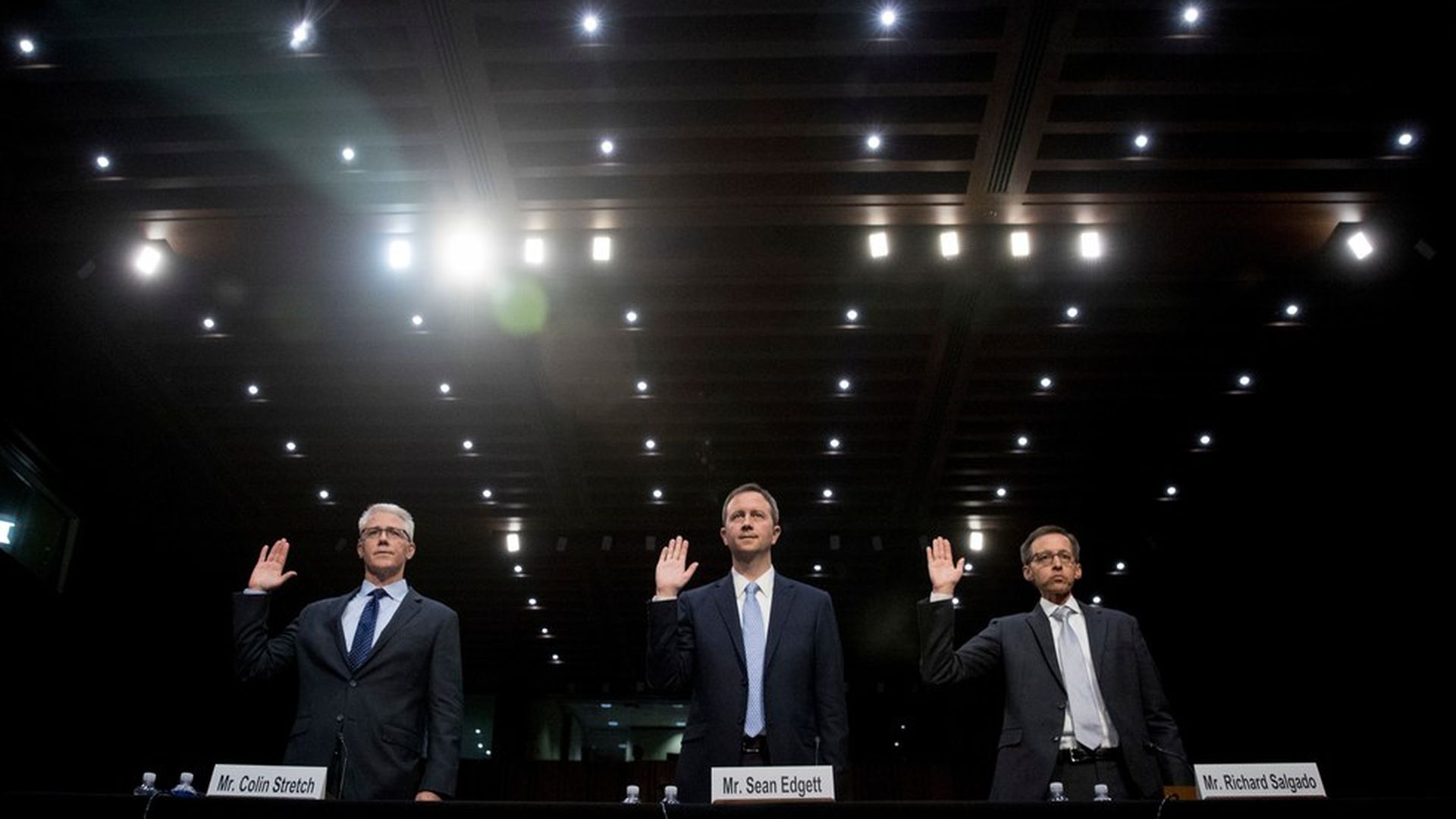
Glenn Simpson, a co-founder of Fusion GPS, agreed to testify in a closed-door setting before the House Intelligence Committee next week in exchange for the panel withdrawing a subpoena, per CNN.
Why it matters: Fusion GPS, a Washington-based investigative firm, has been under heightened scrutiny in recent months for commissioning the Steele dossier, which details Trump's alleged interactions with Russians during his campaign. The firm was also hired by Hillary Clinton and the DNC to collect damaging information about Trump.
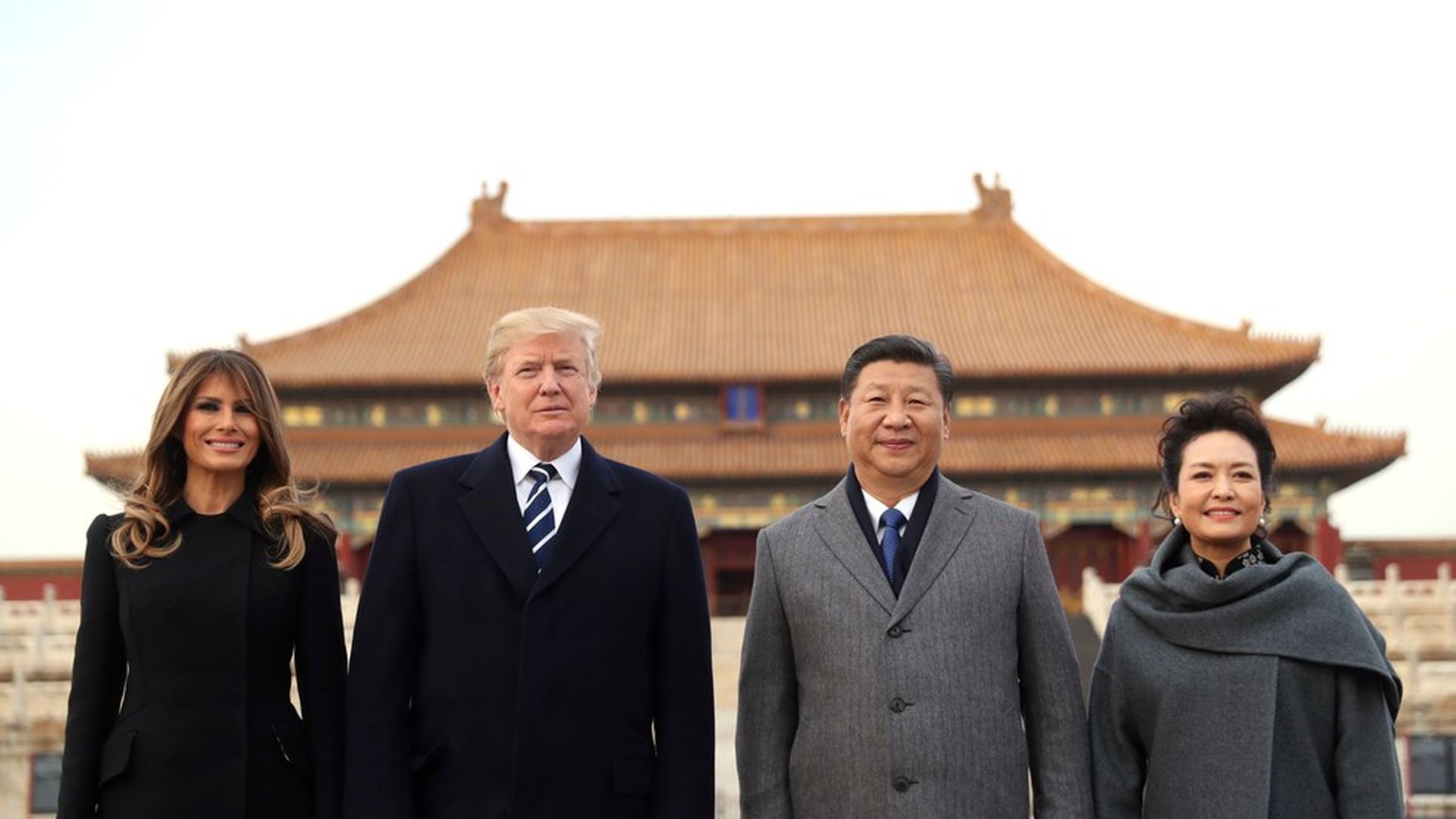
President Trump used a desktop computer to send tweets from China, after posting from his iPhone while in South Korea, Bloomberg reports. The White House reportedly consulted with counterintelligence officials ahead of Trump's Asia trip to discuss whether or not the president should tweet amid concerns of cyber hacking. White House staff traveling with Trump have been instructed to use burner phones as a precaution.
The bottom line: Trump will find a way to reach his Twitter following even from China, where tweeting raises cybersecurity concerns and the government has blocked Twitter for its citizens. Though, before Trump's visit, "the Chinese government had signaled that if Trump wanted to tweet, no one would stop him," per Bloomberg.
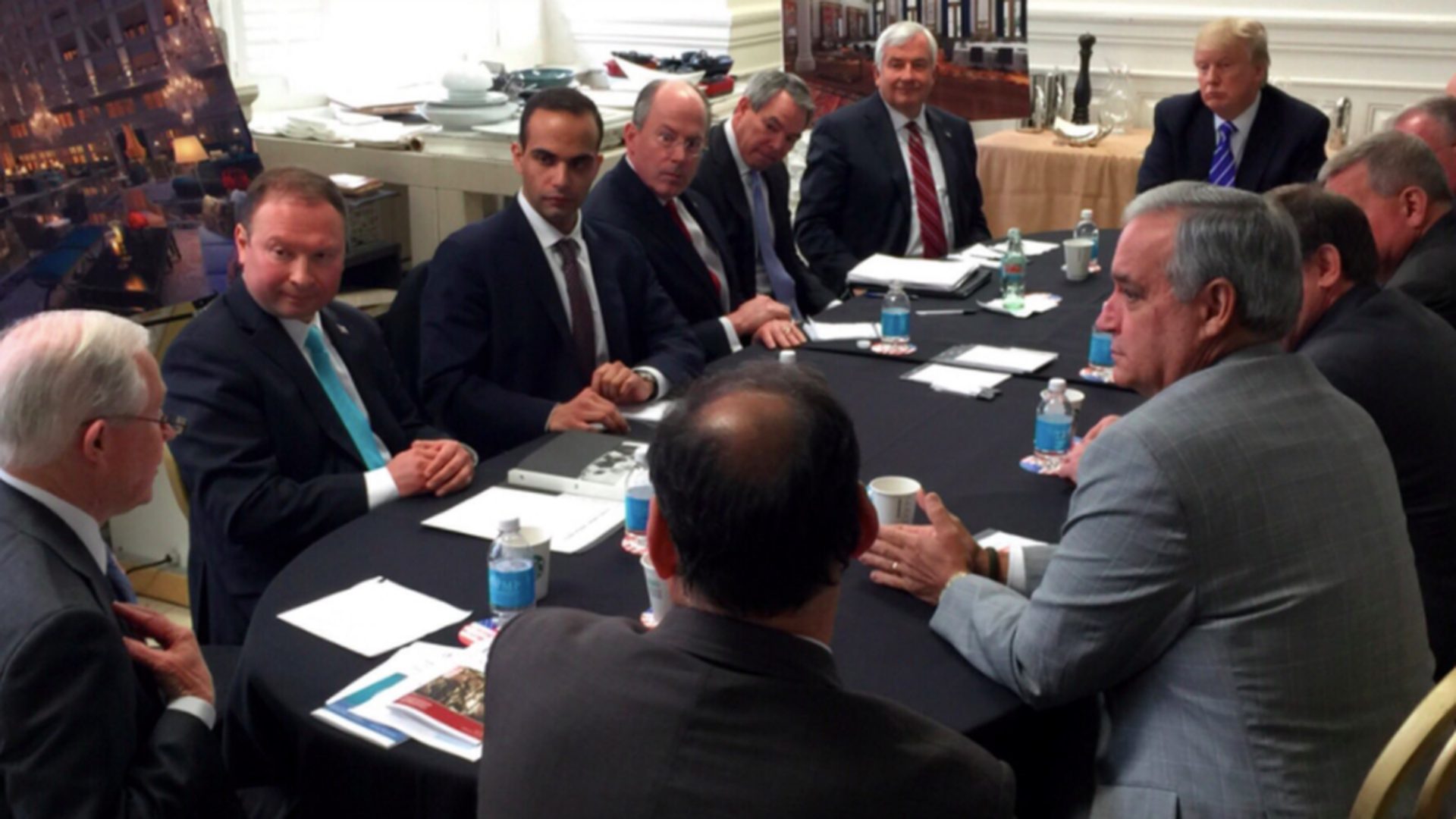
George Papadopoulos, the former Trump campaign foreign policy advisor who pleaded guilty to lying about his contacts with Russians, met with a British Foreign Office official two months before the U.S. election, the BBC reports. Per the report, the U.K. government "apparently treated him with the type of deference due to a top-level political adviser."
Why it matters: While a spokeswoman for the Foreign Office told the BBC that "this type of outreach is normal diplomatic business," the BBC notes that the meeting "undercuts the White House's recent assertion that Papadopoulos was a campaign volunteer of little importance." It's unclear whether Papadopoulos was asked by the Trump campaign to hold the meeting.
Under the GOP House tax plan, 7% of Americans would see a tax hike next year and 25% would pay more by 2027, according to the latest analysis by the Tax Policy Center. The nonpartisan group retracted its initial projections that 12% and 28% of Americans would receive tax hikes in 2018 and 2027 respectively due to an error.
Why it matters: Fewer Americans will see a tax hike than the original analysis forecasted, but there will still be some middle-class Americans, and some one-percenters, who could end up paying higher taxes under the new plan. Every income level would, on average, receive a cut. The average cut would be $1,200, with most high earners receiving significantly more.
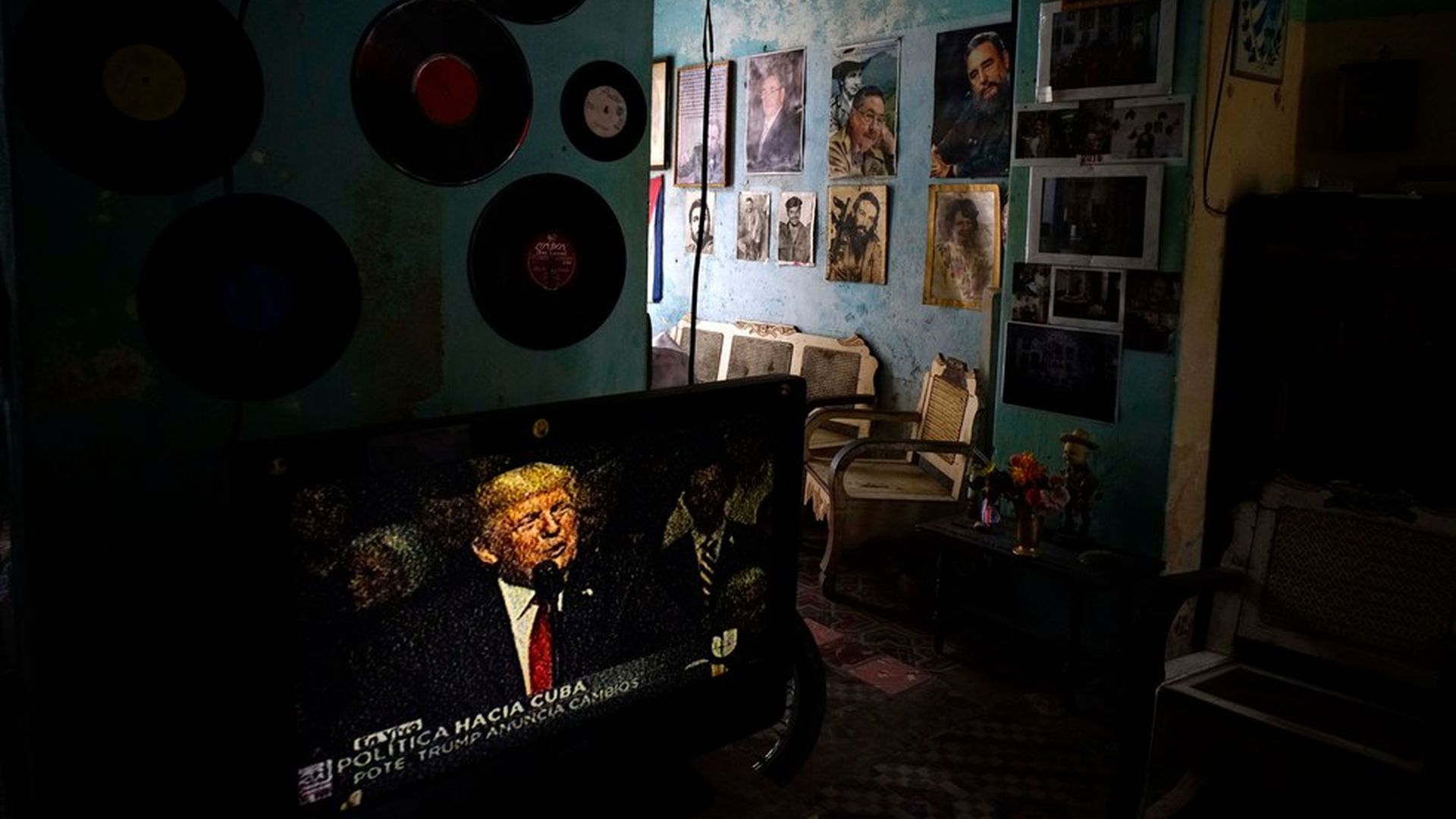
The Trump administration announced new restrictions on Cuba Wednesday as part of President Trump's pledge to roll back the Obama-era policy of closer ties to Havana,per the Washington Post. Under the new rules, which will go into effect Thursday, Americans will have to visit the island as part of a licensed group and be accompanied by a U.S. representative. The U.S. also published a list of businesses and other entities they believe to be controlled by the Cuban government that are barred from doing business with U.S. citizens.
Why it matters: The restrictions are aimed at preventing U.S. trade and travelers from benefiting the Cuban military or its intelligence and security agencies, according to the Treasury Department.
Russian trolls in St. Petersburg tapped back into sleeper accounts, with stolen photos and fake backgrounds, to amplify support for Trump and negative takes on Hillary Clinton during Election Day 2016, according to The Daily Beast. The sleeper cell accounts pull less clout on Twitter than the most influential Russian trolls, with just about 5,000 followers each, and some with creation dates going as far back as 2009.
Why it matters: As The Daily Beast's Kevin Poulsen writes, "they churned along largely unnoticed, averaging two or three tweets a day, then perked up on Election Day." This means some of what the Twitter execs and other big tech execs may have to answer to is how to tackle smaller accounts that may fly under the radar, and not just fake, influential accounts that might be easier to spot.
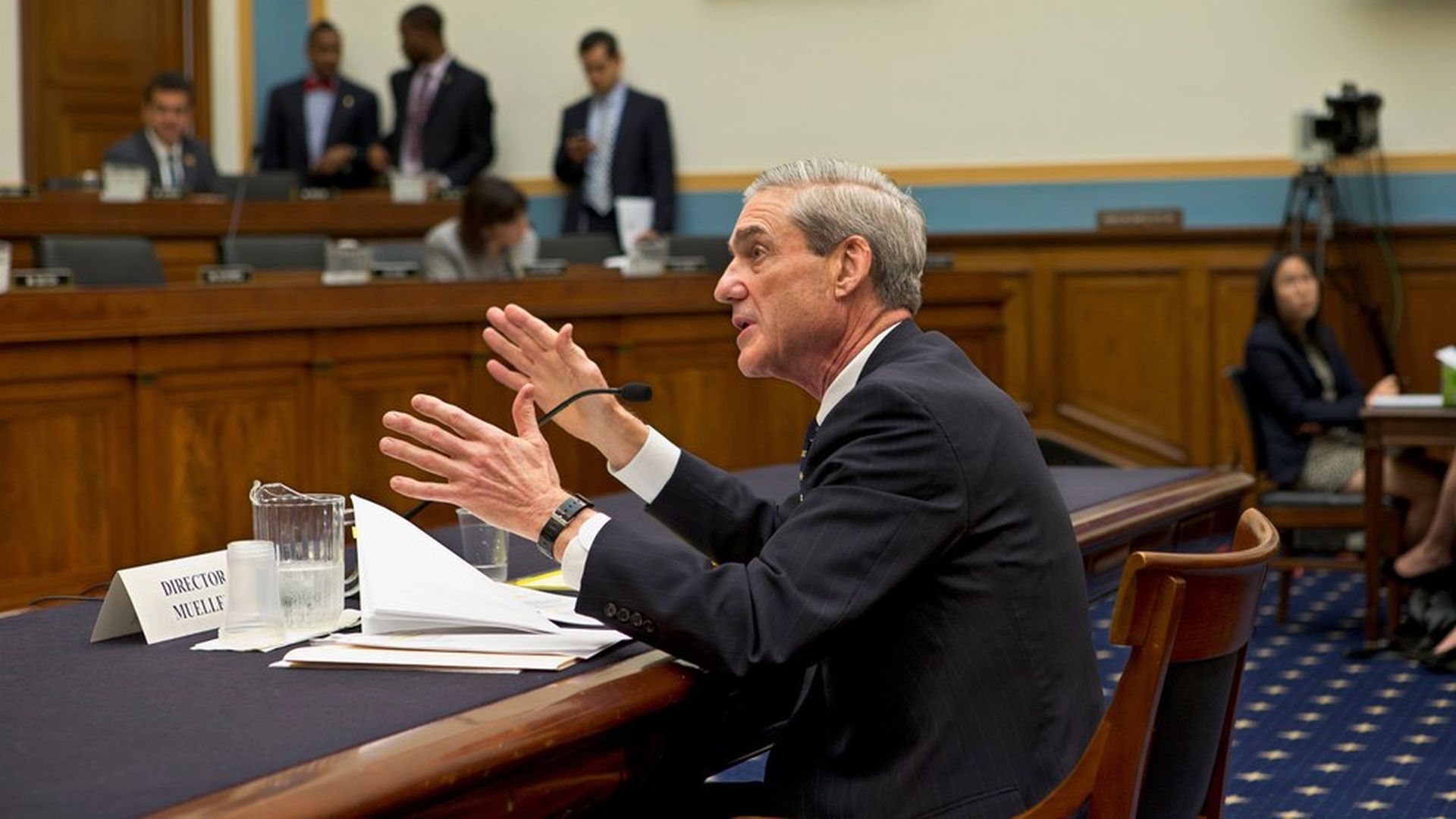
This July, when prosecutors from Special Counsel Bob Mueller's team arrested George Papadopoulos, who later pleaded guilty to lying to the FBI, at Dulles Airport, they didn't have a warrant for his arrest and only filed the criminal complaint the following morning, Politico's Josh Gerstein reports, citing an unsealed court recording Politico obtained. The case was formerly sealed.
Why it matters: The Papadopoulos arrest seemed slapped together in some ways. At a hearing on the matter, the prosecutors showed up late. That, coupled with Papadopoulos appearing without even a public defender to stand in for his own attorney at the hearing, paints a notable contrast with the serious way most accounts of the Mueller probe have portrayed his legal team and their legal know-how.
The N.Y. Times' Maggie Haberman once called longtime aide Keith Schiller "the ultimate emotional binky for Trump."
Why it matters: Schiller's closed-door testimony to the House Intelligence Committee yesterday was one of the most vivid signs yet of how deeply the Russia investigations are penetrating the president's inner circle.
When a dozen Senate Democrats met with two White House officials at the Library of Congress yesterday to discuss tax reform, President Trump called in from South Korea. Sen. Joe Manchin (D-W.Va.) had convinced his party colleagues to hear the pitch from White House economic adviser Gary Cohn and congressional liaison Marc Short, who asked the Dems for advice.
Inside the room: When Trump rang in, Cohn put him on speaker. The president said the tax bill was awful for rich people, and repeated a line he has used about his accountant telling him it's a bad bill for him. The meeting went well enough that the group plans to meet again next week.