COVID-19 shed light on and exacerbated the structural problems in the U.S. mental health care system — which often requires patients to seek out care and pay out-of-pocket for it. Demand for mental health services has skyrocketed, and therapists have reported difficulty meeting demand.
Axios Re:Cap is joined by Chris Molaro, CEO of NeuroFlow, to discuss gaps in the mental health care system and how mental health technology has evolved in the midst of the pandemic.
Note: This episode mentions depression and suicide. If you or someone you know needs help today, you can find help at the National Suicide Prevention Lifeline. It’s free and available 24/7: 1-800-273-8255.
About 23% of COVID-19 patients have developed at least one "persistent or new" medical condition more than four weeks after their initial diagnosis, according to a new study from FAIR Health.
Why it matters: New post-COVID symptoms were discovered across different age groups. The five most common were pain, difficulty breathing, high cholesterol, malaise and fatigue, and high blood pressure, reports the New York Times.
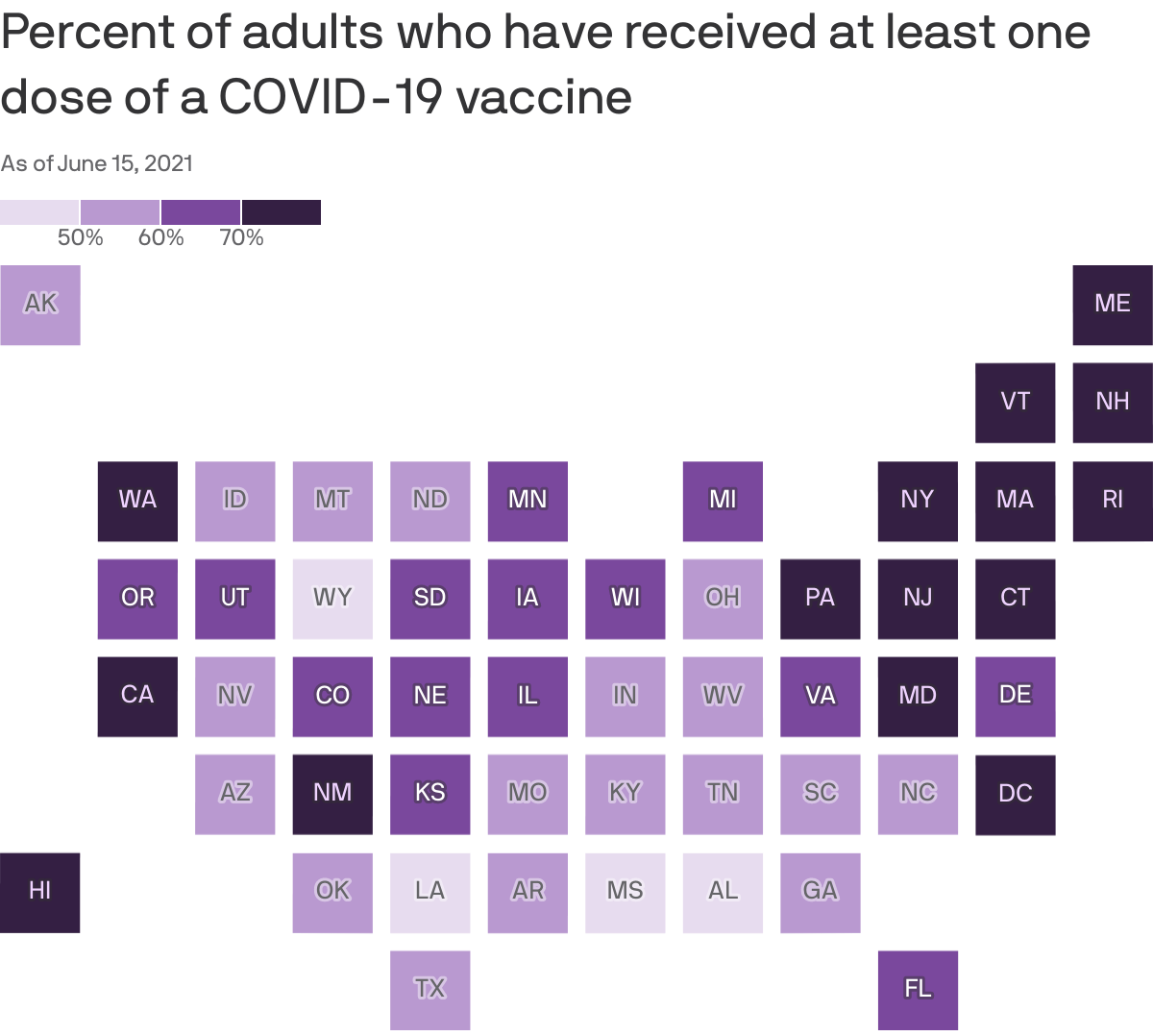
At least 70% of New York adults have received at least one dose of the COVID-19 vaccine, Gov. Andrew Cuomo announced Tuesday, meaning all state-mandated COVID-19 restrictions are lifted effective immediately.
Why it matters: Once the epicenter of the pandemic, Tuesday's announcement brings New York one step closer towards normalcy and a "return to life as we know it," Cuomo said.
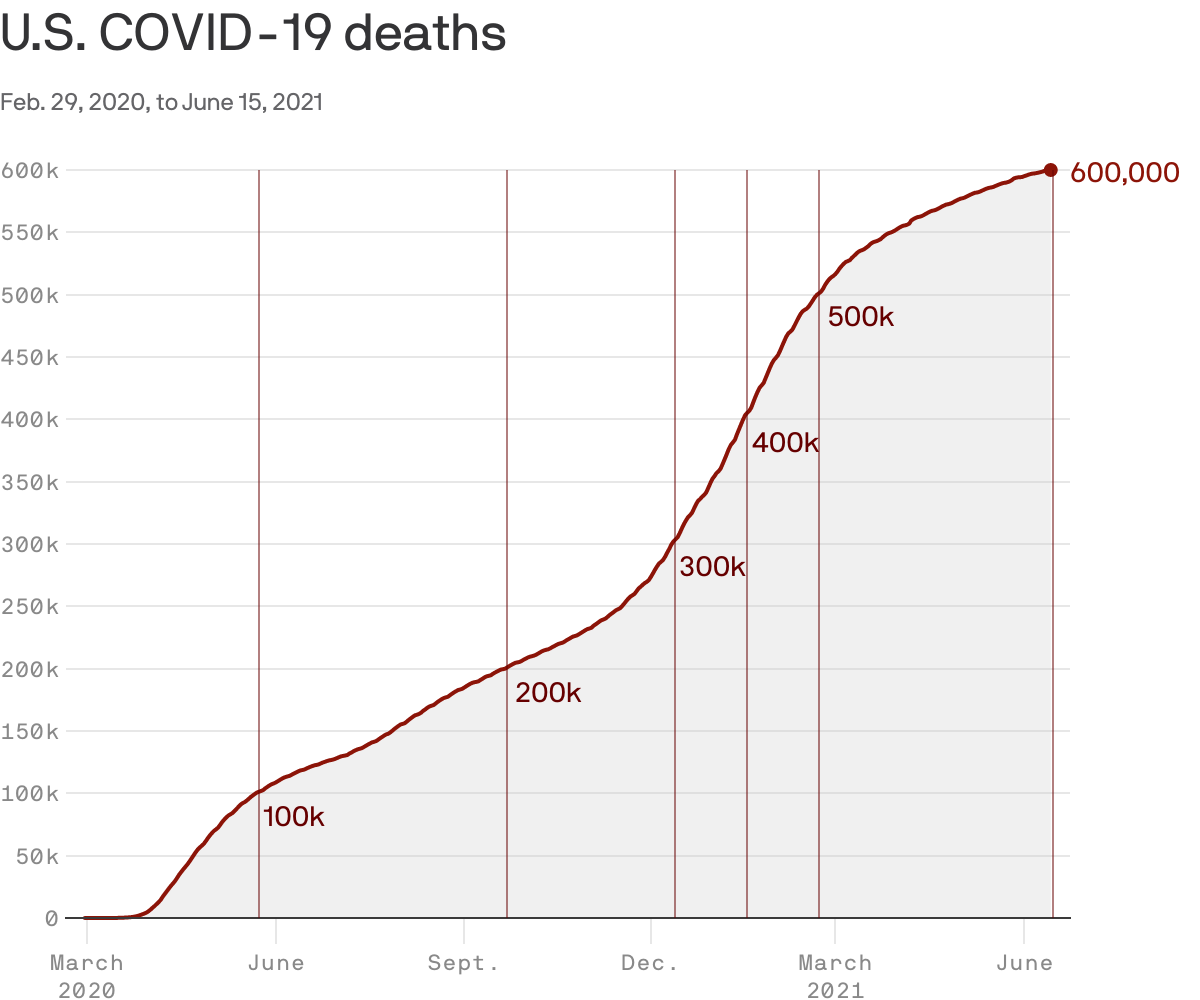
More than 600,000 people have died from the coronavirus in the U.S., according to data from Johns Hopkins University.
The big picture: It's a higher death toll than the number of American soldiers killed in combat during the Vietnam War, World War I and World War II combined.
California lifted most of its coronavirus restrictions on Tuesday, taking the U.S. a step closer to fully reopening.
Why it matters: California, the most populous state in the country, was one of the last states to drop its health restrictions, according to the New York Times.
The National Institutes of Health said Tuesday morning that testing of samples from an ongoing study of Americans show a very limited number of cases of SARS-CoV-2 infection in five U.S. states as early as Jan. 7, 2020.
Why it matters: Calling it another "piece of the puzzle" of when and how the coronavirus pandemic began, the NIH researchers say this offers more evidence that the virus was in the U.S. at the end of December.
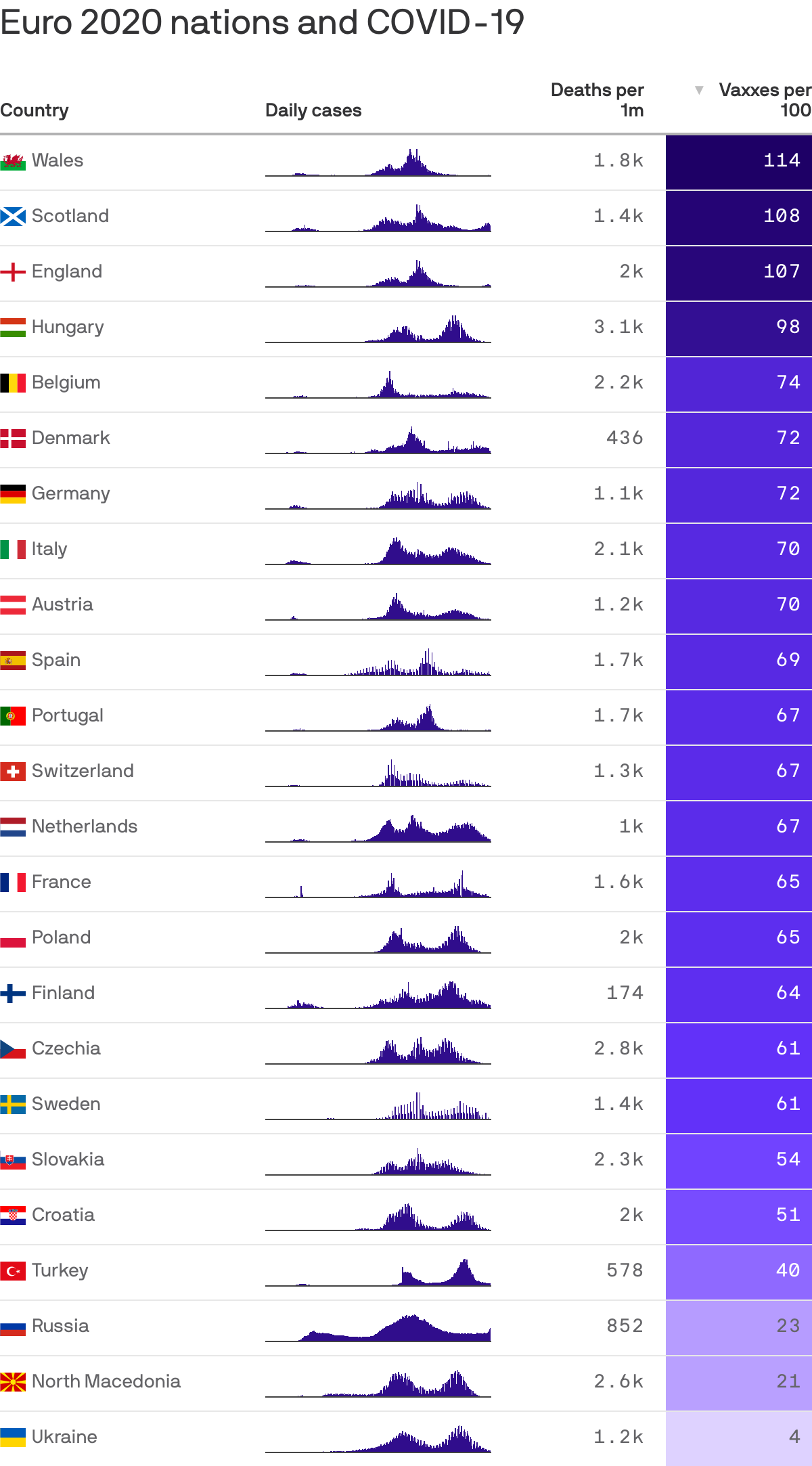
Euro 2020 is among the first major global sporting events to take place in the waning days of the pandemic, providing a chance to explore how 24 different countries have responded to COVID-19.
Why it matters: Though 11 countries share hosting duties, the tournament offers a preview of next month's Olympics, when athletes from over 200 countries will descend on Tokyo.
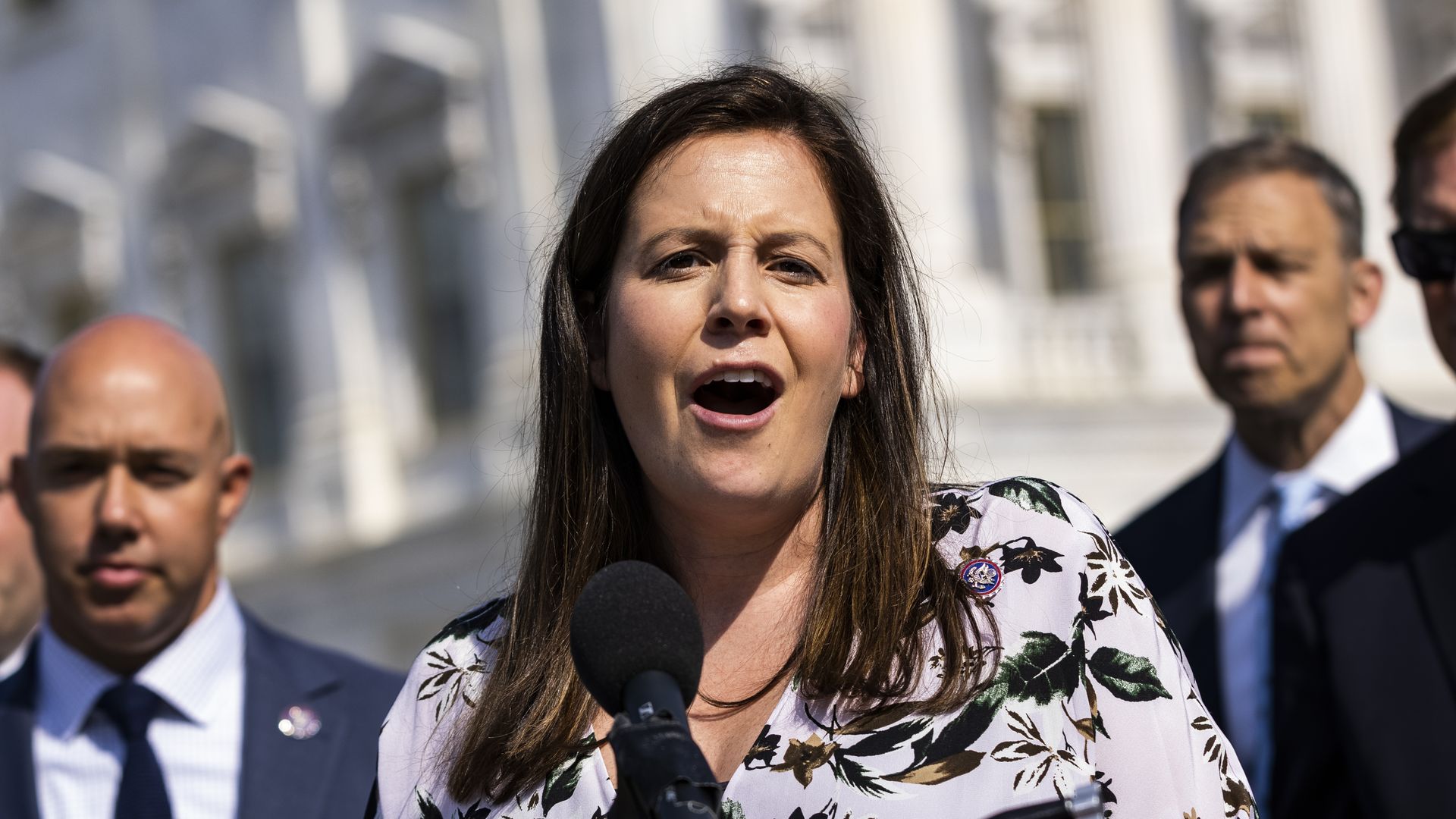
Two House Republicans — including Conference Chair Elise Stefanik (R-N.Y.) — are introducing a bill Tuesday to sanction top Chinese health officials until they allow an investigation into whether the coronavirus originated in a Wuhan lab, according to a copy of the bill text obtained by Axios.
Why it matters: The lab-leak theory has regained prominence in both the scientific and political worlds, after the Wall Street Journal reported that three scientists who worked at the Wuhan Institute of Virology experienced COVID-19 symptoms in November 2019.
Most hospitals aren't fully complying with a new federal rule requiring them to make their prices available, according to a new study in JAMA Internal Medicine.
Why it matters: The goal of the regulation is to allow price shopping and, thus lower costs, although it's unclear whether it'd have this effect.
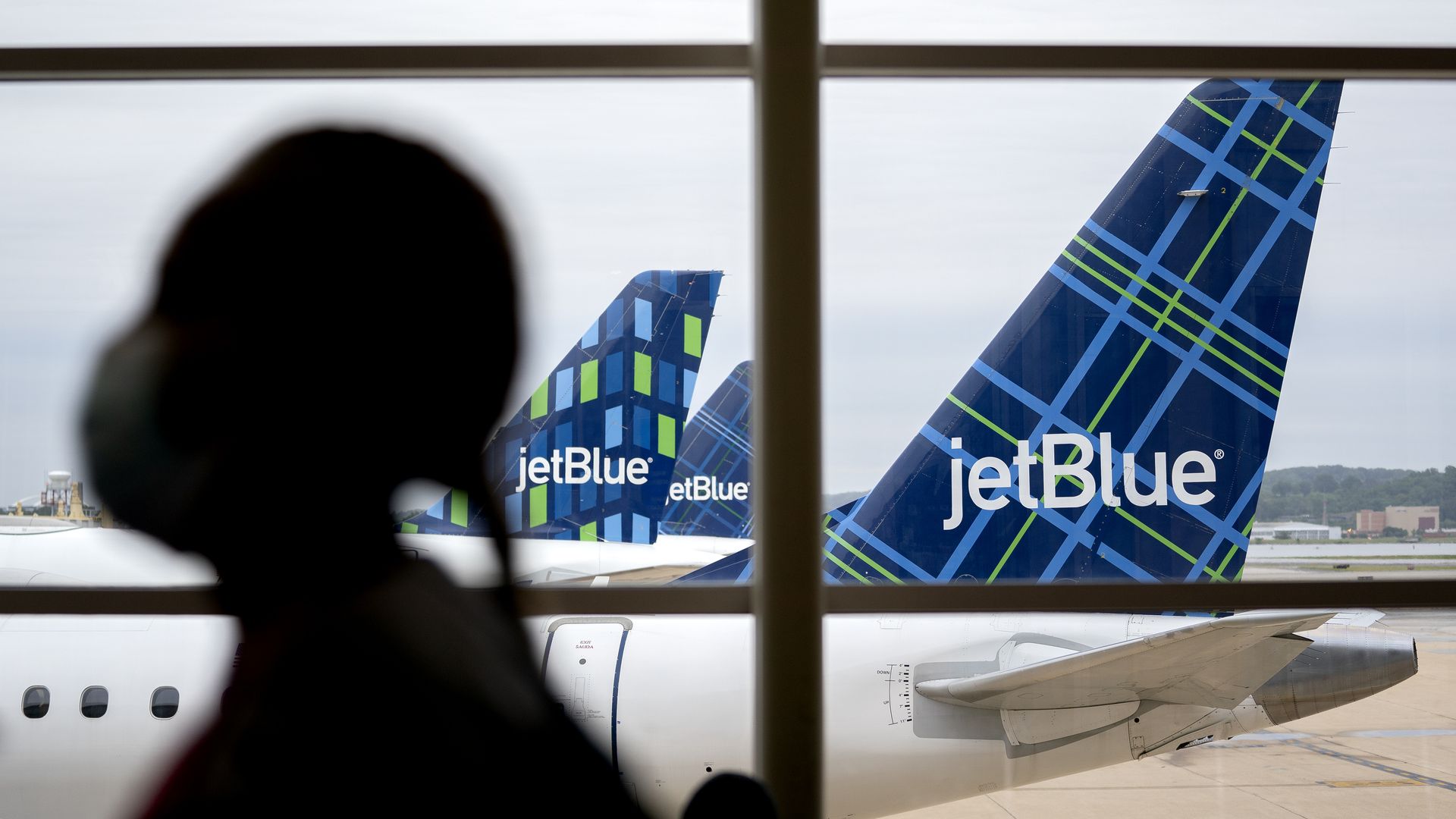
Airlines have reported some 3,000 cases of unruly behavior by passengers to the Federal Aviation Administration this year — including 2,300 for refusing to comply with face mask mandates, the FAA announced Monday.
Why it matters: Passenger numbers remain below pre-pandemic levels. But the FAA is investigating the highest number of suspected federal law violations since it began recording unruly passenger incidents in 1995, per ABC News.
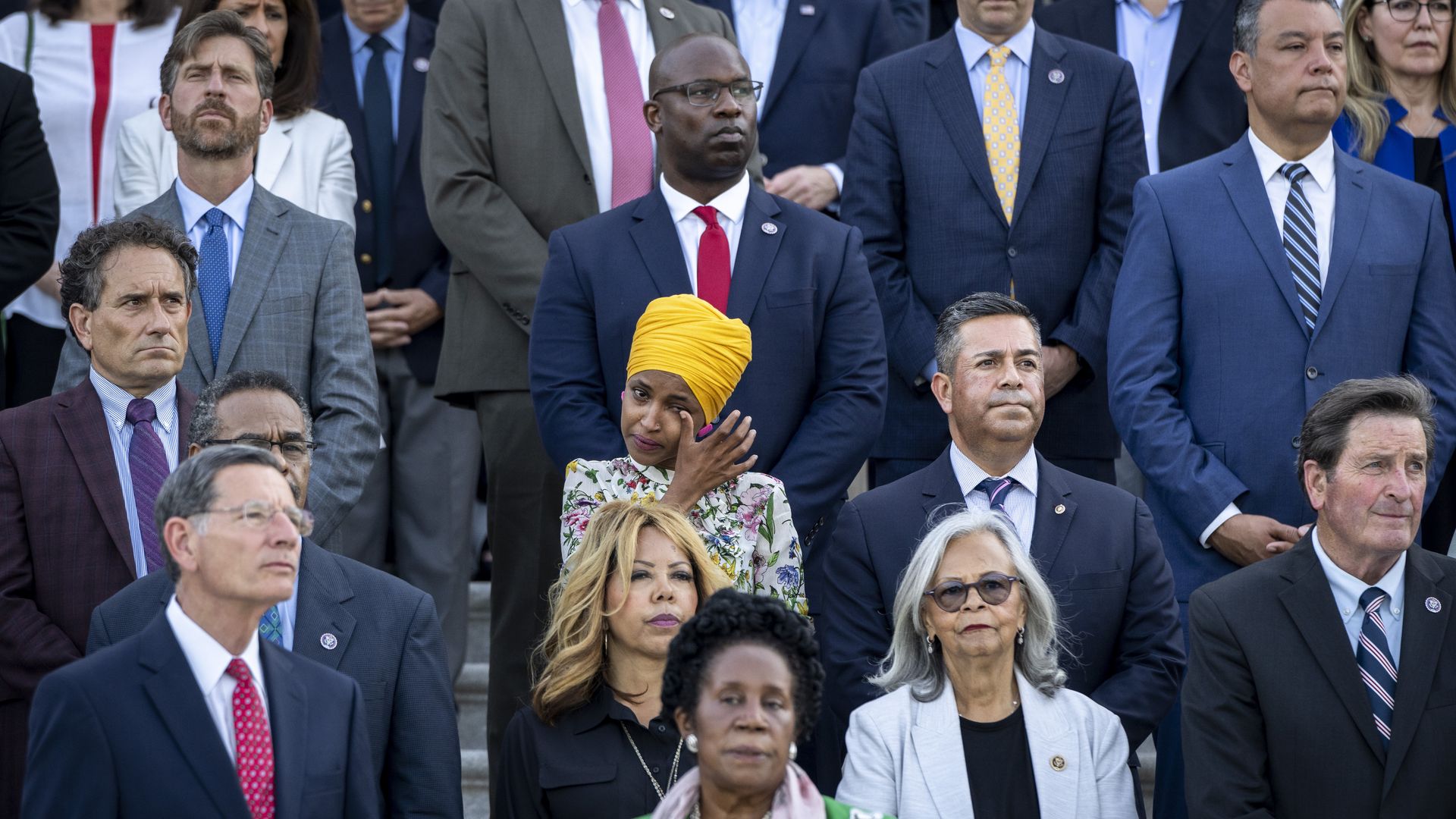
A bipartisan group of lawmakers gathered on the steps of the U.S. Capitol building to honor American lives lost to COVID-19, as the country's pandemic death toll on Monday neared 600,000.
Of note: The milestone comes as the number of deaths from the coronavirus continue to drop, along with cases and hospitalizations — something Senate Majority Leader Chuck Schumer (D-N.Y.) noted on the Senate floor before gathering with other lawmakers, including House Minority Leader Kevin McCarthy (R-Calif.), to hold a moment of silence.
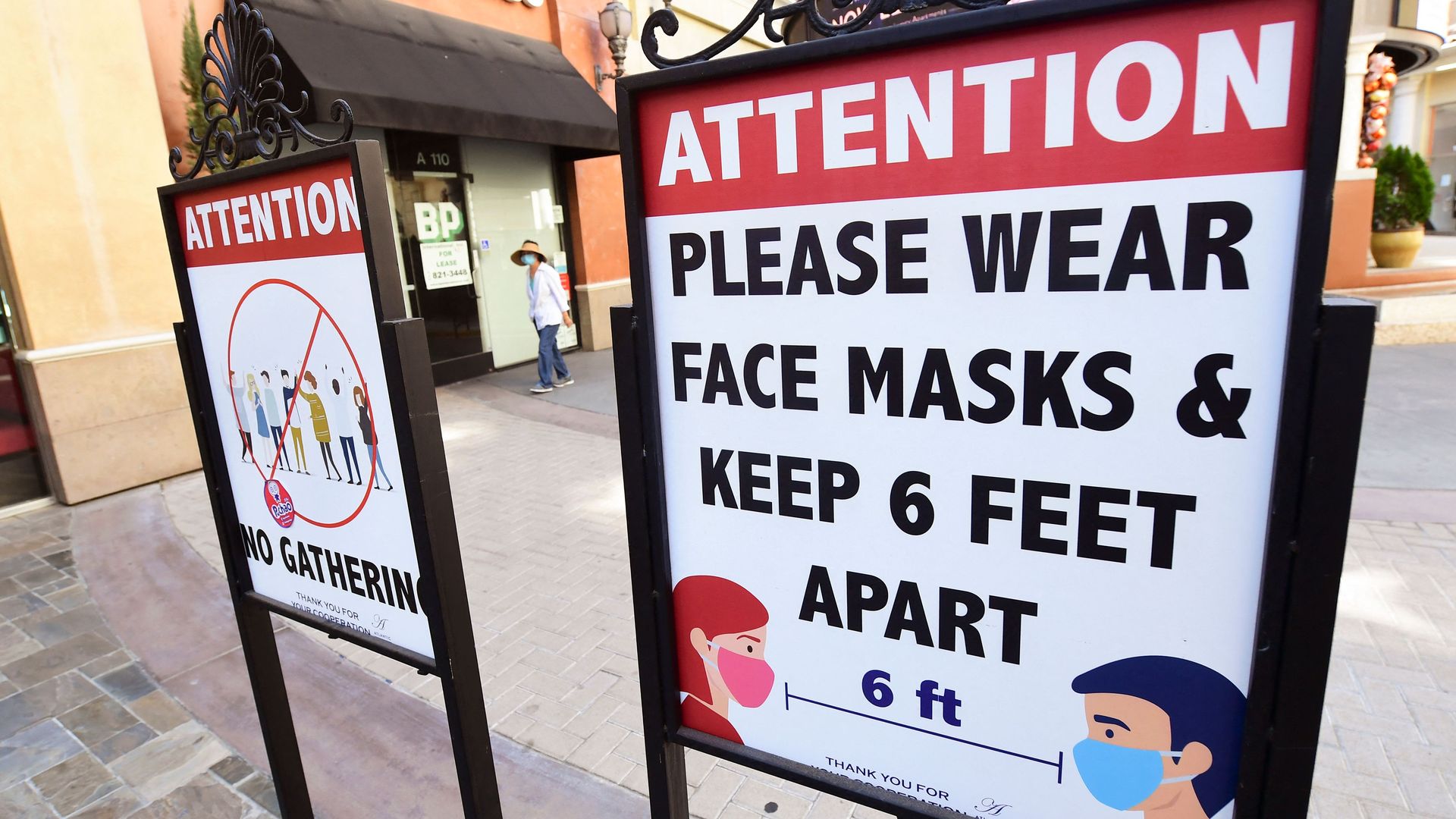
An Atlanta area grocery store cashier was killed and three other people were injured in a shooting following a dispute over a face mask policy in the supermarket Monday, police said.
Driving the news: DeKalb County Sheriff Melody Maddox said during a news conference that the female cashier was working at the Big Bear Supermarket in Decatur when she was shot following a "confrontation" over the wearing of masks.
Mall owner Washington Prime Group has filed for Chapter 11 bankruptcy protection, saying the "COVID-19 pandemic proved insurmountable."
Our thought bubble, via Axios' Aja Whitaker-Moore: Malls have been on the decline for years due to consumer demand shifting online. The pandemic has accelerated the trend for some operators grappling with disappearing foot traffic from shutdowns, and struggling tenants who've stopped paying rent or filed for bankruptcy themselves.