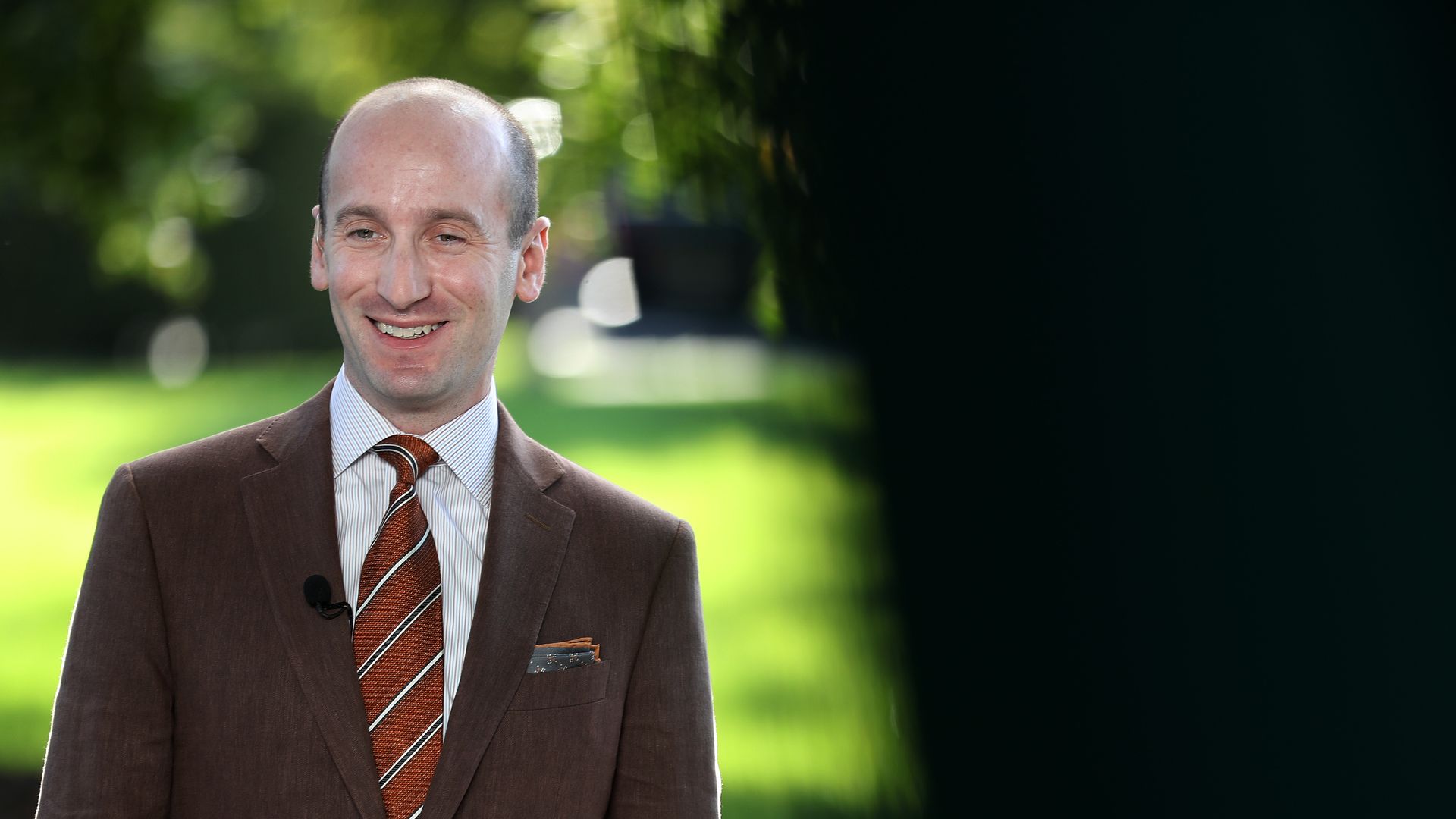
White House senior adviser Stephen Miller has tested positive for the coronavirus, he confirmed in a statement on Tuesday.
Why it matters: Miller's diagnosis adds to the long and growing list of Trump administration officials who have contracted the virus as the White House scrambles to respond to the outbreak.
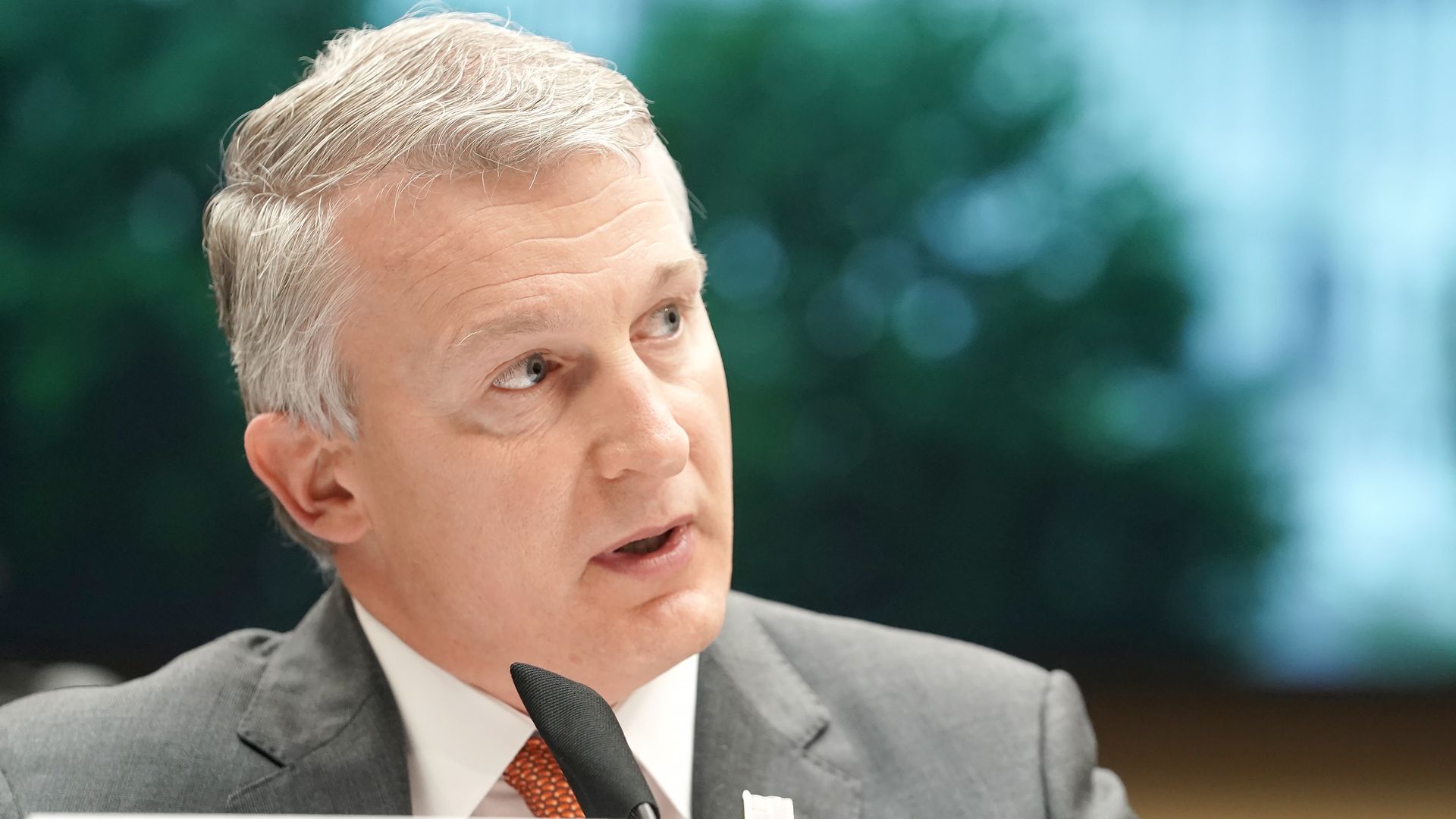
The senior vaccine scientist who said in a whistleblower complaint last May that he was demoted for political reasons resigned from his position at the Department of Health and Human Services on Tuesday, the New York Times reports.
Why it matters: Rick Bright, who was chief of the Biomedical Advanced Research and Development Authority (BARDA), told Congress in May he believes he was demoted after trying to limit the use of chloroquine and hydroxychloroquine to treat the coronavirus.
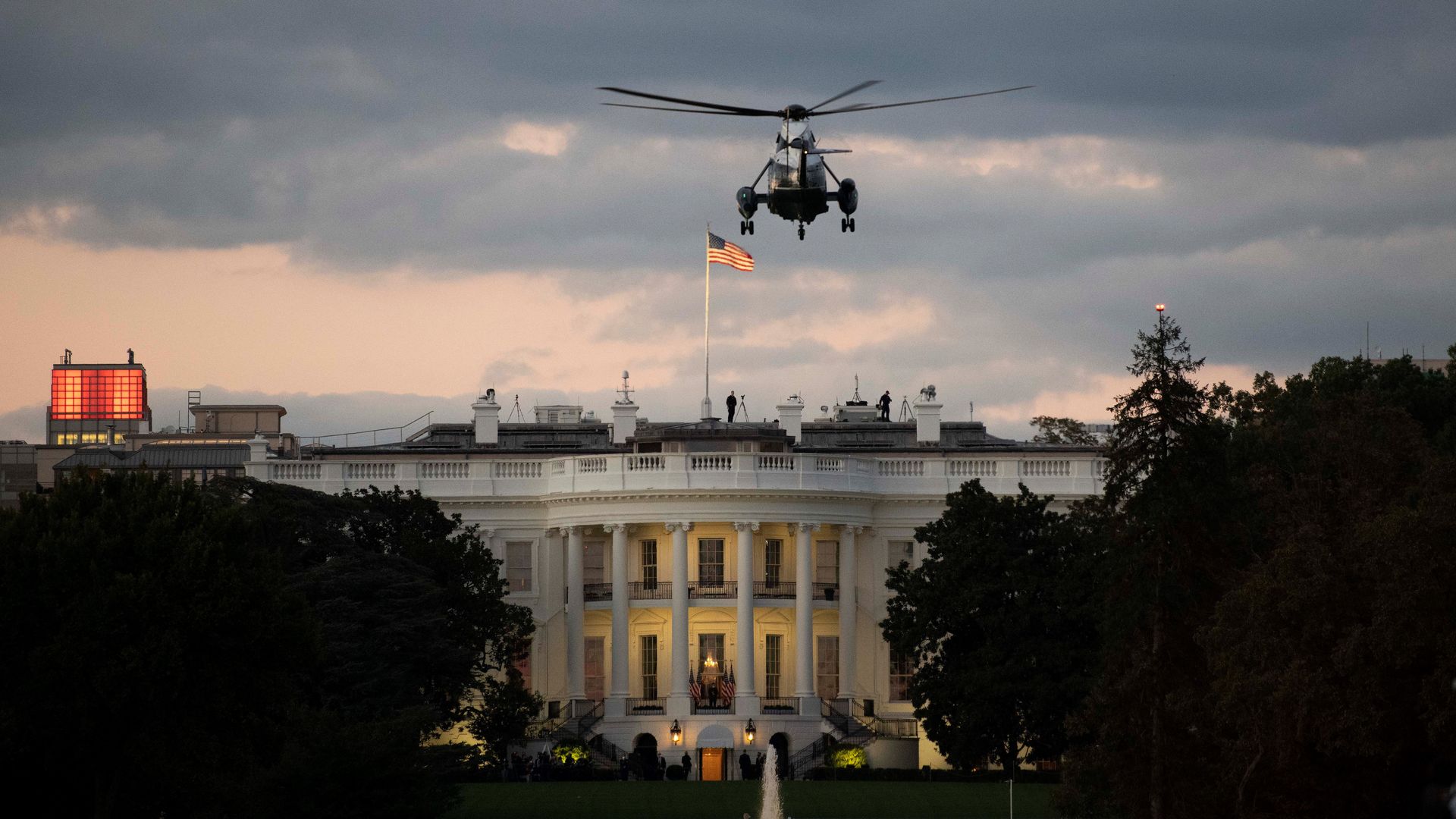
The White House said Tuesday it has had "hospital-grade disinfection policies" since March, as it outlined the residence's health and safety precautions in a new memo that follows President Trump's return from Walter Reed Medical Center on Monday.
Why it matters: The memo comes amid a botched response to the cluster of cases within the White House, which jeopardized the health of the president and his staff and set a poor example in a country that's already done a terrible job handling the virus, writes Axios' Caitlin Owens.
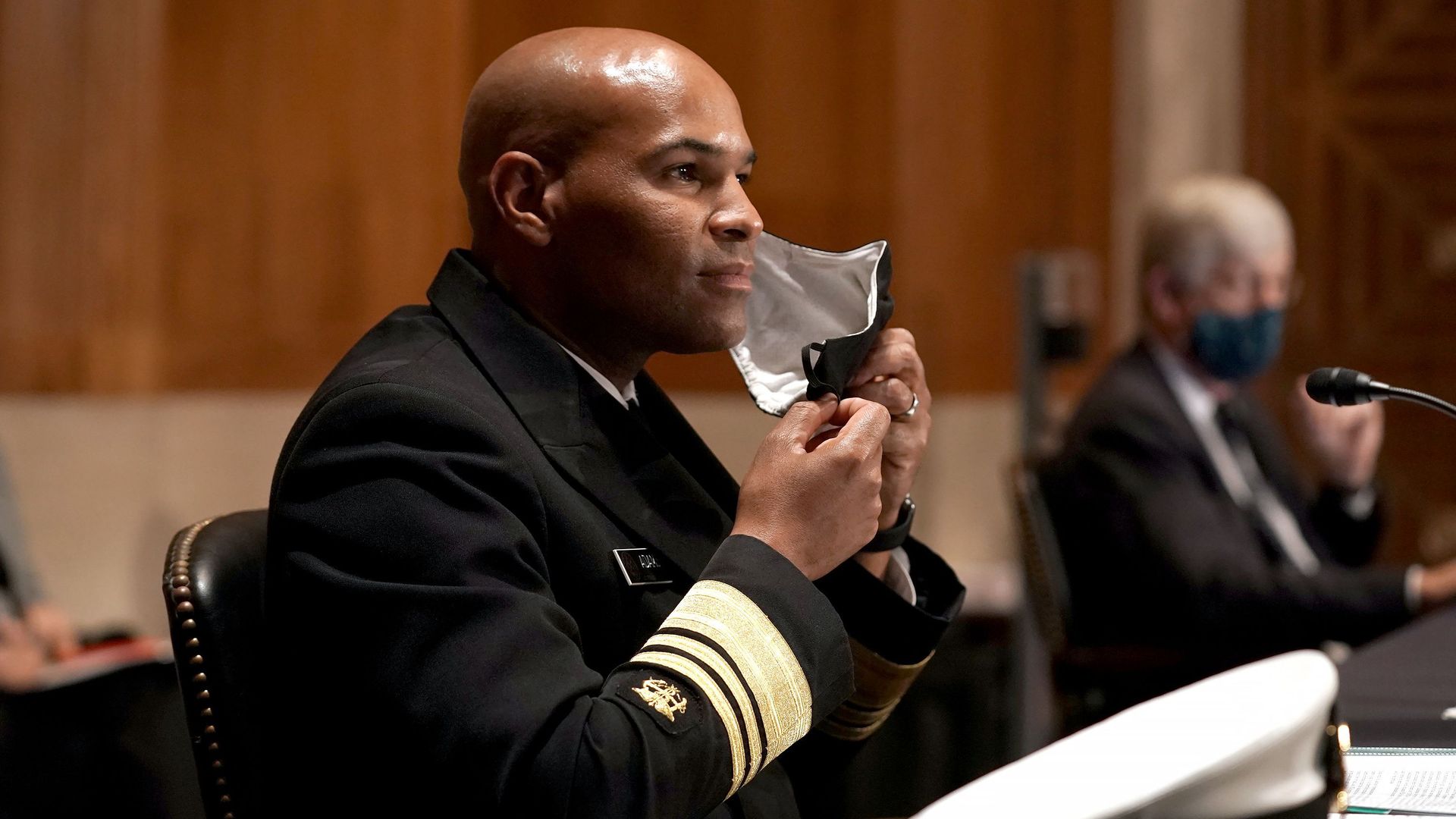
Surgeon General Jerome Adams received a citation for violating coronavirus policies while in Hawaii, where he was helping the state respond to its outbreak.
The big picture: Honolulu police have issued tens of thousands of coronavirus citations in recent weeks, notes Civil Beat. Hundreds of those cases have already been dismissed.
Last month, one of America's largest hospital chains was hit by a type of cybercrime known as a ransomware attack. Then, just days later, the same thing happened to a Philadelphia company called eResearch Technology, whose software is used in COVID-19 vaccine trials.
Axios Re:Cap digs into the growing threat with Nicole Perlroth, a New York Times cybersecurity reporter who broke the ERT news.
Washington, D.C. reported 105 new coronavirus cases on Monday, the highest number of new infections since June.
Why it matters: A cluster of at least 20 cases has been tied to the White House, raising concerns that the virus may be spreading into the surrounding community.
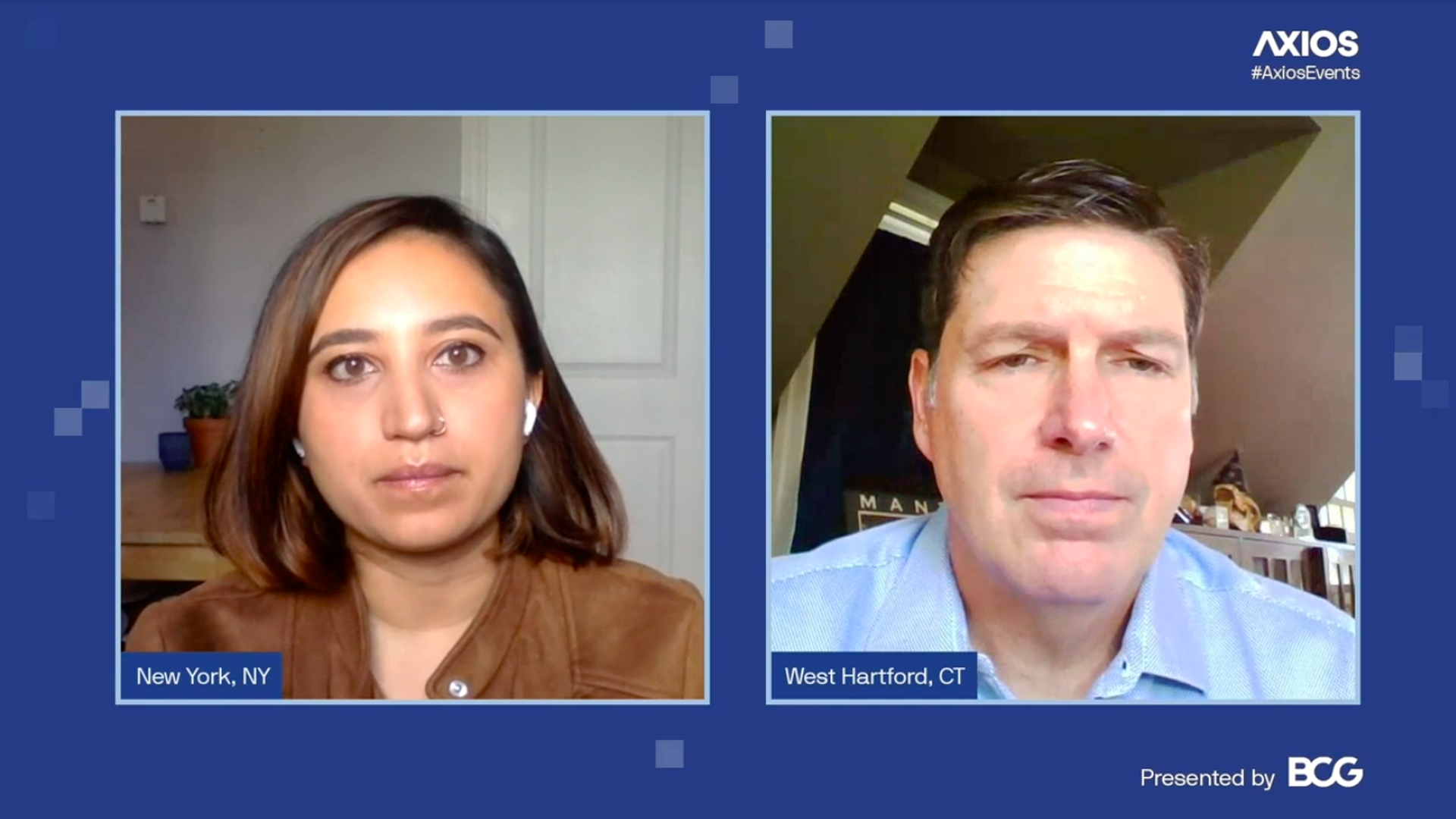
The coronavirus pandemic has created unprecedented opportunities for growth in the telehealth industry, including treating mental health and chronic conditions like diabetes, Hill Ferguson, the CEO of Doctor on Demand, told Axios at a virtual event on Tuesday.
What's changed: "Everything from reimbursements, paying providers for telemedicine in places where that wasn't possible, lowering interstate licensing laws that was prohibiting physicians from treating patients over interstate boundaries has been relaxed, patients are now aware of telemedicine at much higher rates than they were before," he said.
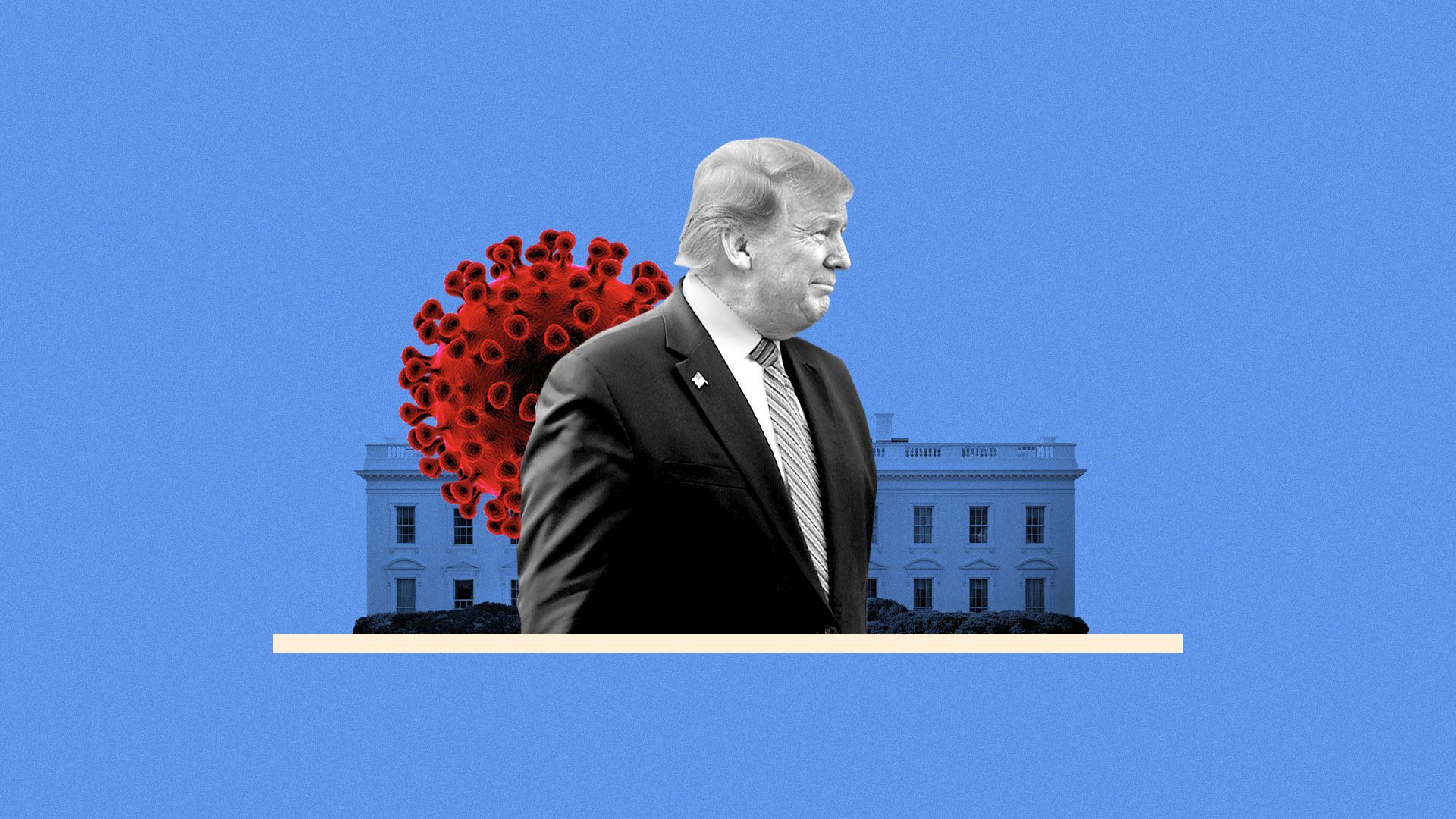
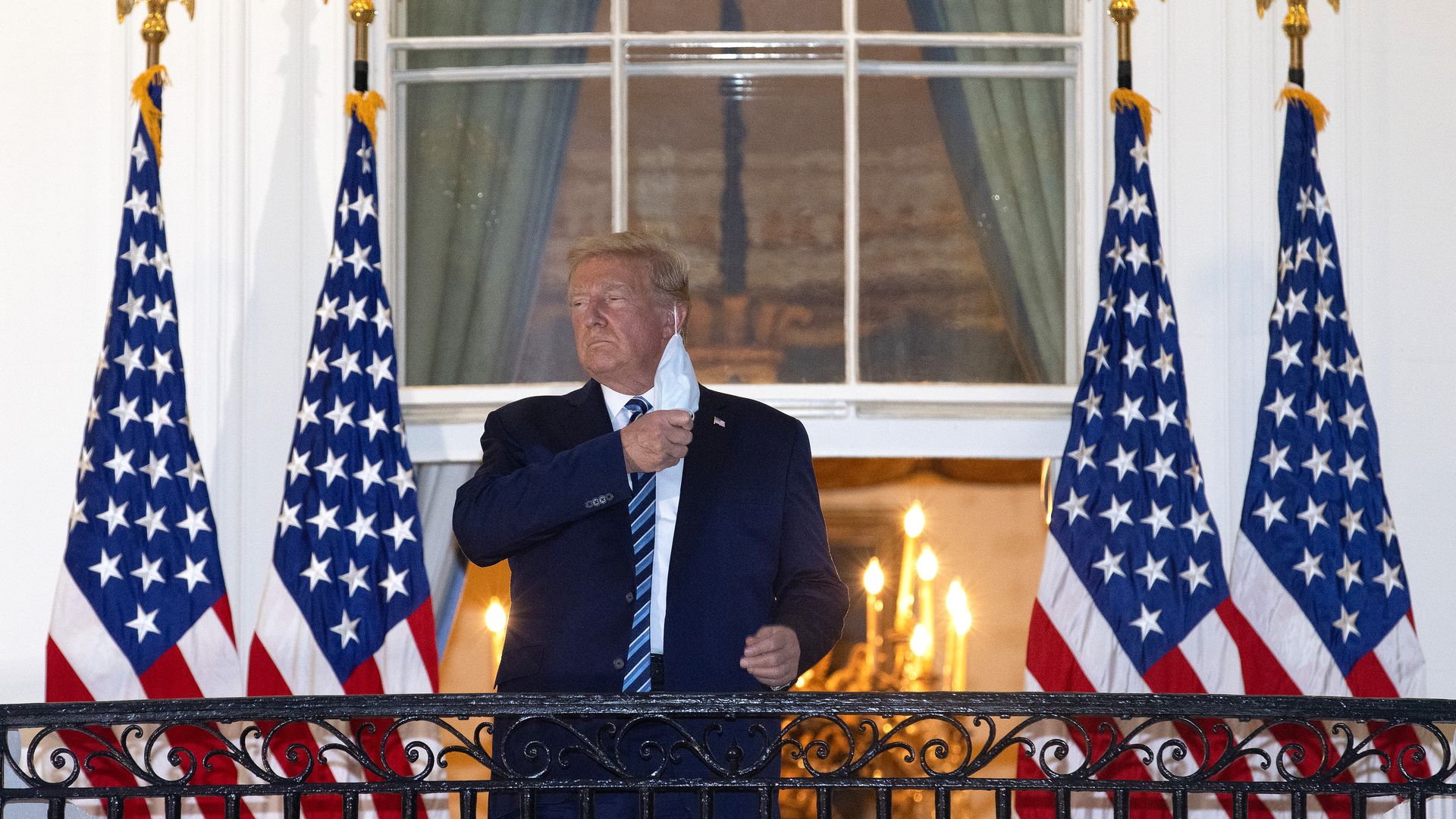
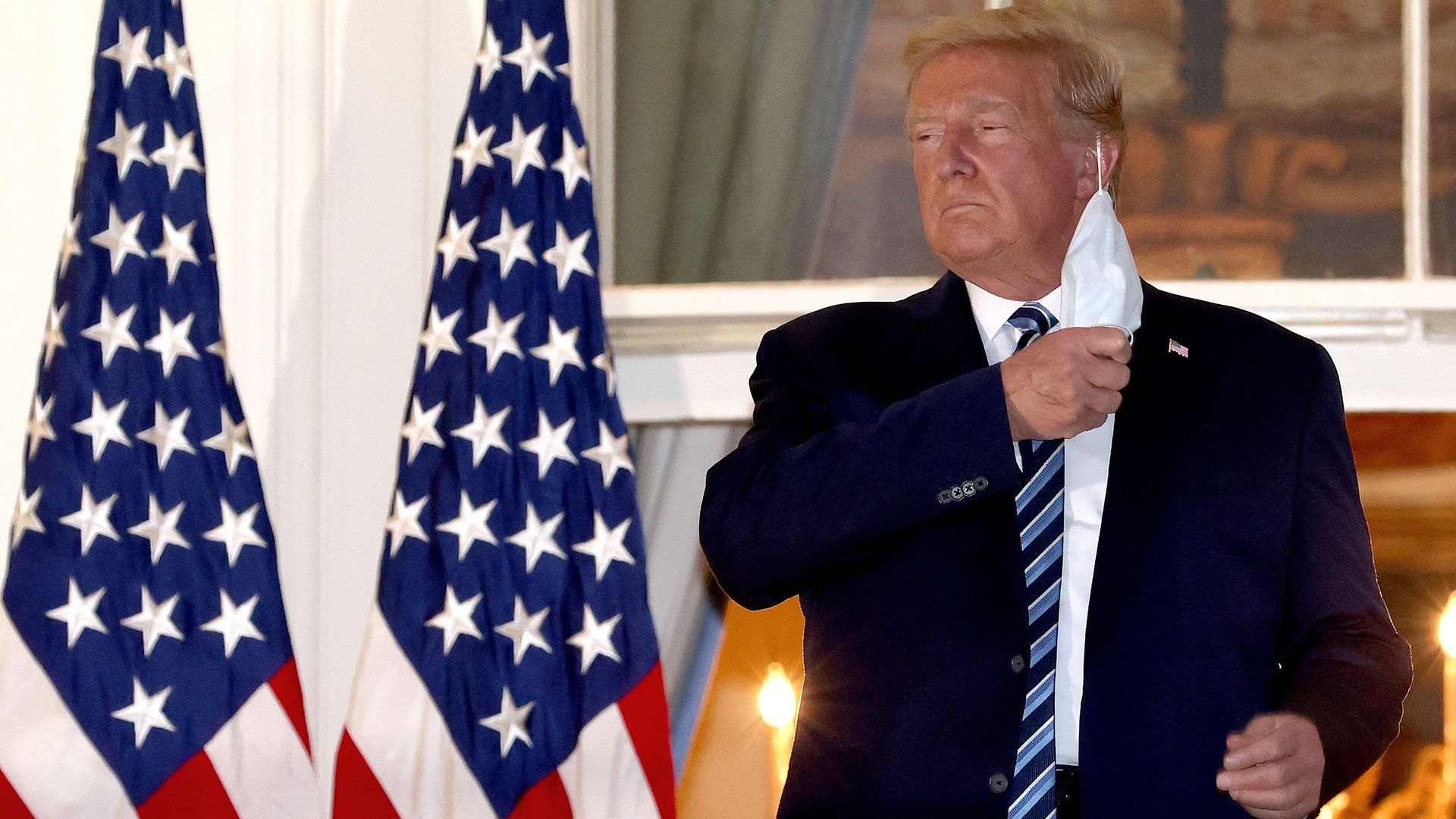
President Trump was not experiencing coronavirus symptoms Tuesday and is doing "extremely well," according to a memo released by White House physician Sean Conley.
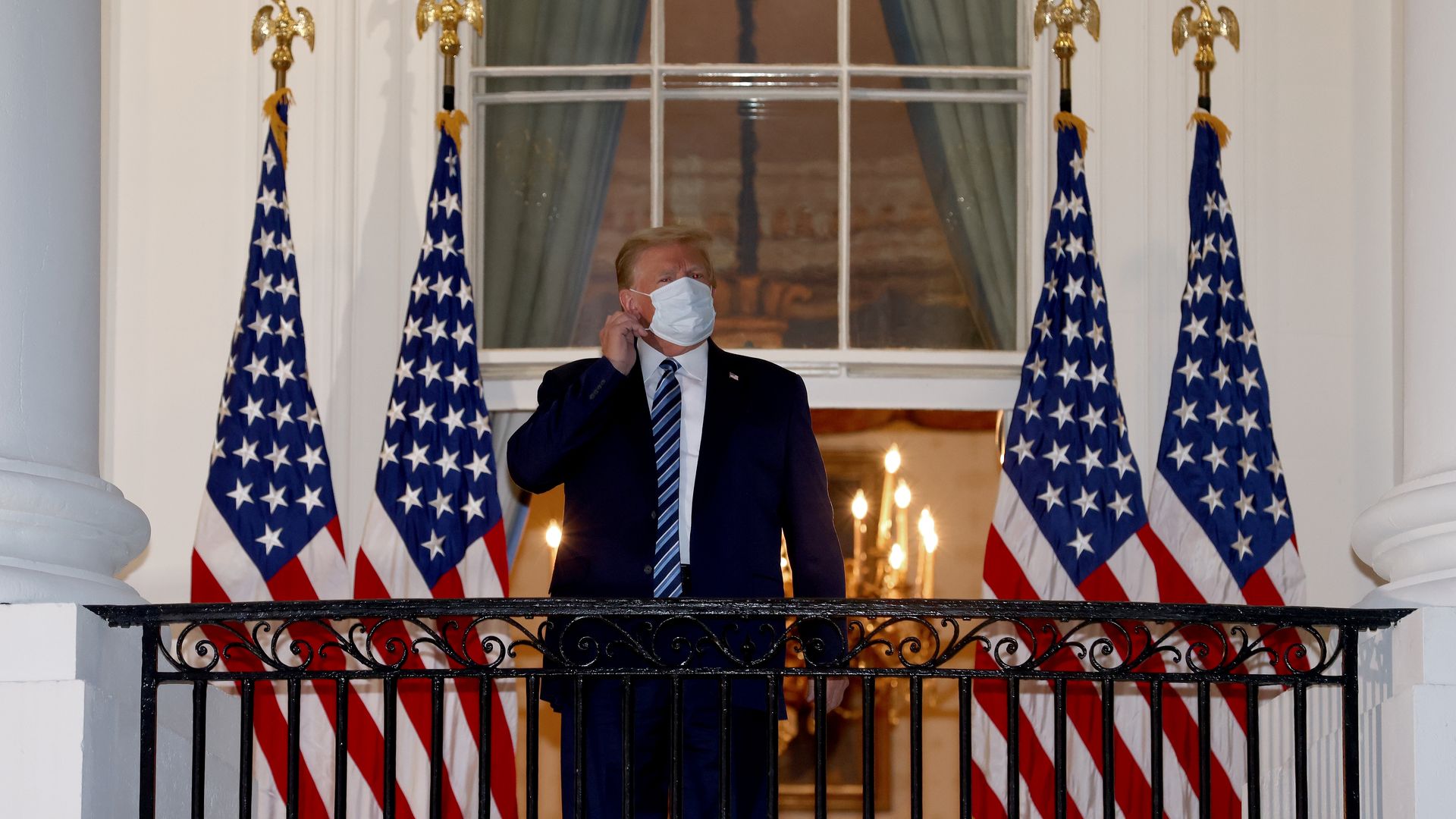
The state of play: Trump was discharged from Walter Reed Medical Center on Monday evening and returned to the White House to continue his treatment. Conley said in a briefing on Monday that while the president's condition is improving, he "may not be entirely out of the woods yet" and the next few days will be critical to the course of his recovery.
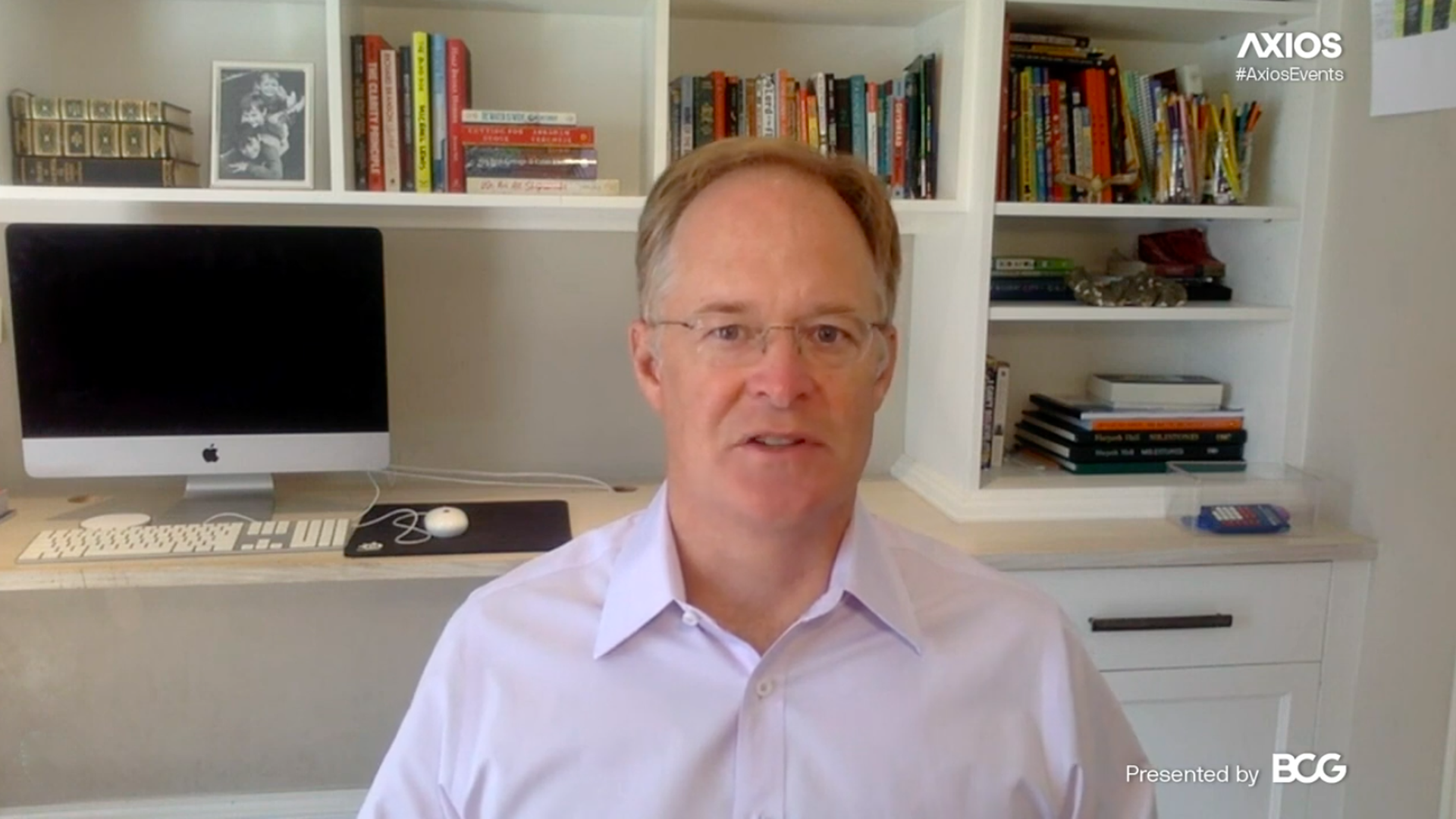
Remote work makes collaboration among colleagues harder and "is just not the same," especially for younger employees and interns who never connect with their colleagues in-person, Roger Crandall, CEO of the insurance company MassMutual, told Axios at a virtual event on Tuesday.
What he's saying: "I'm worried about what it means for culture over time, particularly for younger workers," Crandall said. "If you have people who are deep into their career, who have worked together for years, working remotely is not as hard."
Facebook on Tuesday removed a post from President Trump in which he falsely claimed that COVID-19 is less deadly "in most populations" than the flu. Twitter labeled the tweet for violating its rules about "spreading misleading and potentially harmful information," but left it up because it may be "in the public's interest."
Why it matters: Facebook has been criticized for not removing posts that violate community guidelines in a timely manner, yet the company sprung to action when Trump posted misinformation about the virus that "could contribute to imminent physical harm." Twitter took action about 30 minutes later.
President Trump's use of two prominent treatments for COVID-19 has sparked interest in the two companies behind the drugs remdesivir and REGN-COV2.
The state of play: Shares of Regeneron Pharmaceuticals, which makes REGN-COV2, and Gilead Sciences, maker of remdesivir, each rallied on Monday, but they have delivered very different returns for investors so far this year.
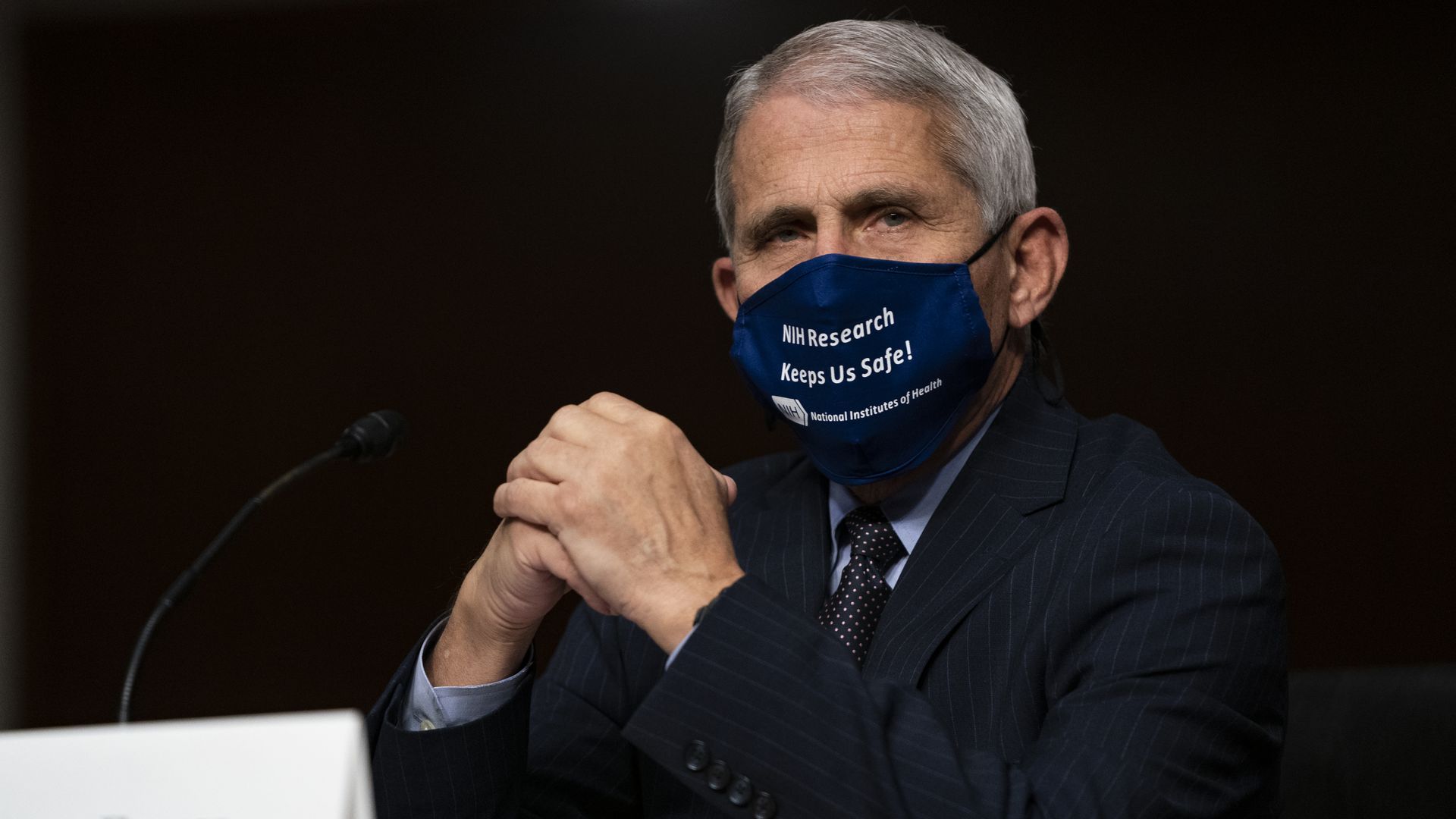
Axios' Margaret Talev interviewed Dr. Anthony Fauci yesterday during a Partnership for Public Service Zoom ceremony awarding him the top honor of the Samuel J. Heyman Service to America Medals.
Fauci had this advice to doctors, scientists or aides in government who may be under pressure to give upbeat or politically helpful assessments: "Whenever you walk into the White House, or to a congressional chamber, tell yourself that 'this might be the last time that I'm walking into that place ... I might have to say something that's going to get people to not like what they're hearing, and might have them not ask me back.'"
White House aides have advised President Trump to avoid the Oval Office while he's still infected. But they’re making arrangements for him to work out of the Diplomatic Reception Room, and use it as a backdrop for future televised remarks, two White House officials tell Axios.
Why it matters: The preparations show that far from bunkering down in the residence until he's well, Trump is considering remaining active while he recovers from COVID. Any Trump movement in the West Wing would create a series of risks for his staff.
The White House — despite its infinite access to the best resources available — continues to respond to its own coronavirus outbreak about as recklessly as possible.
Why it matters: This botched response has jeopardized the health of the president and his staff, and it has set a very poor example in a country that's already done a terrible job handling the virus.
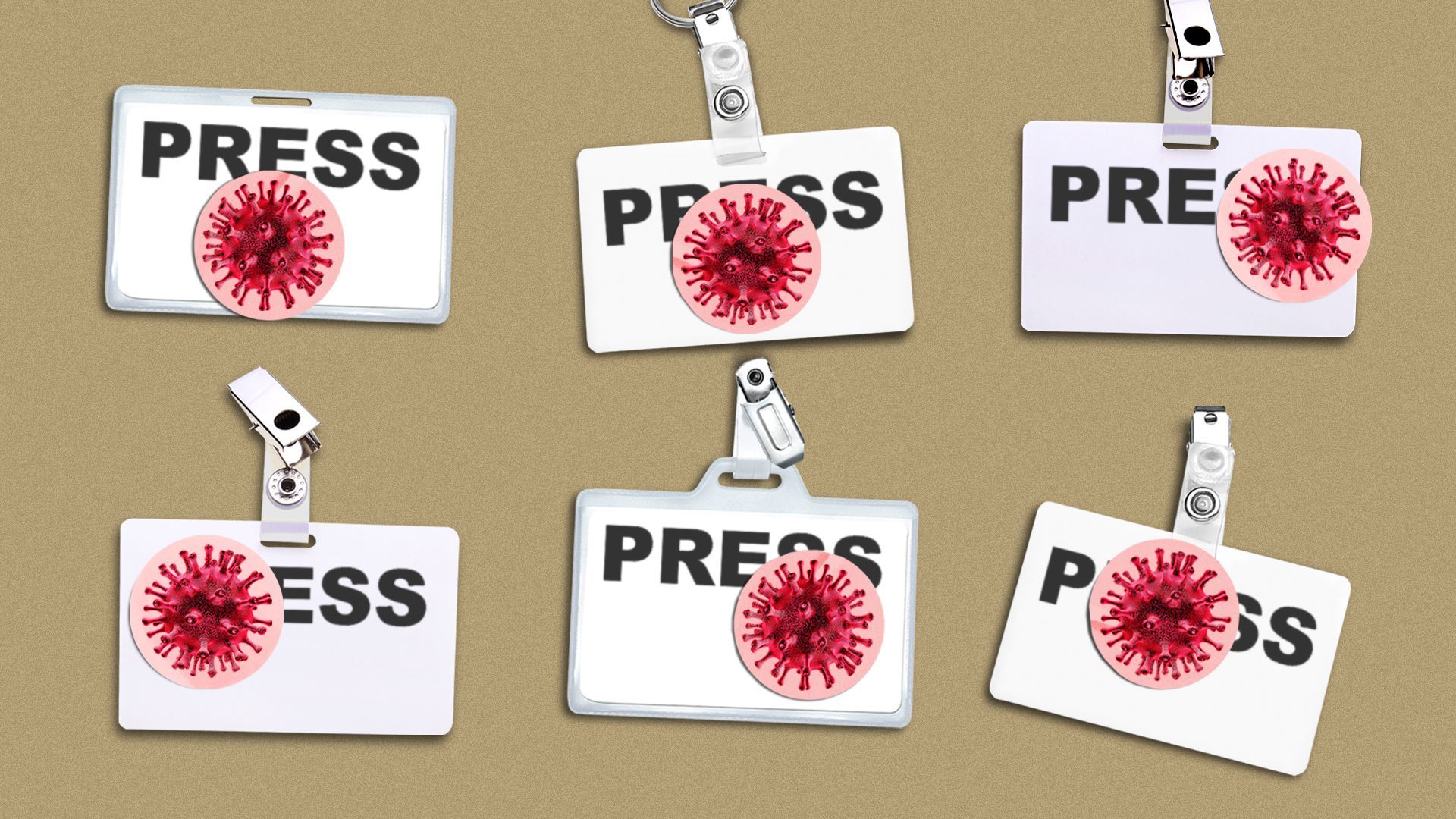
White House reporters are increasingly anxious and angry about the Trump administration's handling of COVID-19 cases within its own building.
State of play: Several White House reporters have tested positive and many are trying to figure out whether they and their families need to quarantine.
Most patients hospitalized with COVID-19 experienced neurological symptoms, including muscle pain, headaches and encephalopathy, according to a study published Monday in the Annals of Clinical and Translational Neurology.
Why it matters: It's the largest American study to date on how the virus affects the nervous system long-term, and how it could pose new cognitive challenges for survivors.
Some Americans say they're more likely to wear masks or social distance in the aftermath of President Trump's coronavirus diagnosis, but there's no evidence in any big shift in attitudes toward Trump himself, according to the latest installment of the Axios/Ipsos Coronavirus Index.
Between the lines: The early polling numbers, taken right after the news broke that Trump had tested positive, suggest that the public's attitudes toward Trump are so deeply settled that even the shock of an event like this can't shake them.
President Trump, who is still infected with the coronavirus, declared in a video released to his Twitter account: "Now I'm better and maybe I'm immune."
Reality check: Though Trump was discharged from Walter Reed Medical Center on Monday evening, White House physician Sean Conley said that the president "may not be entirely out of the woods yet."