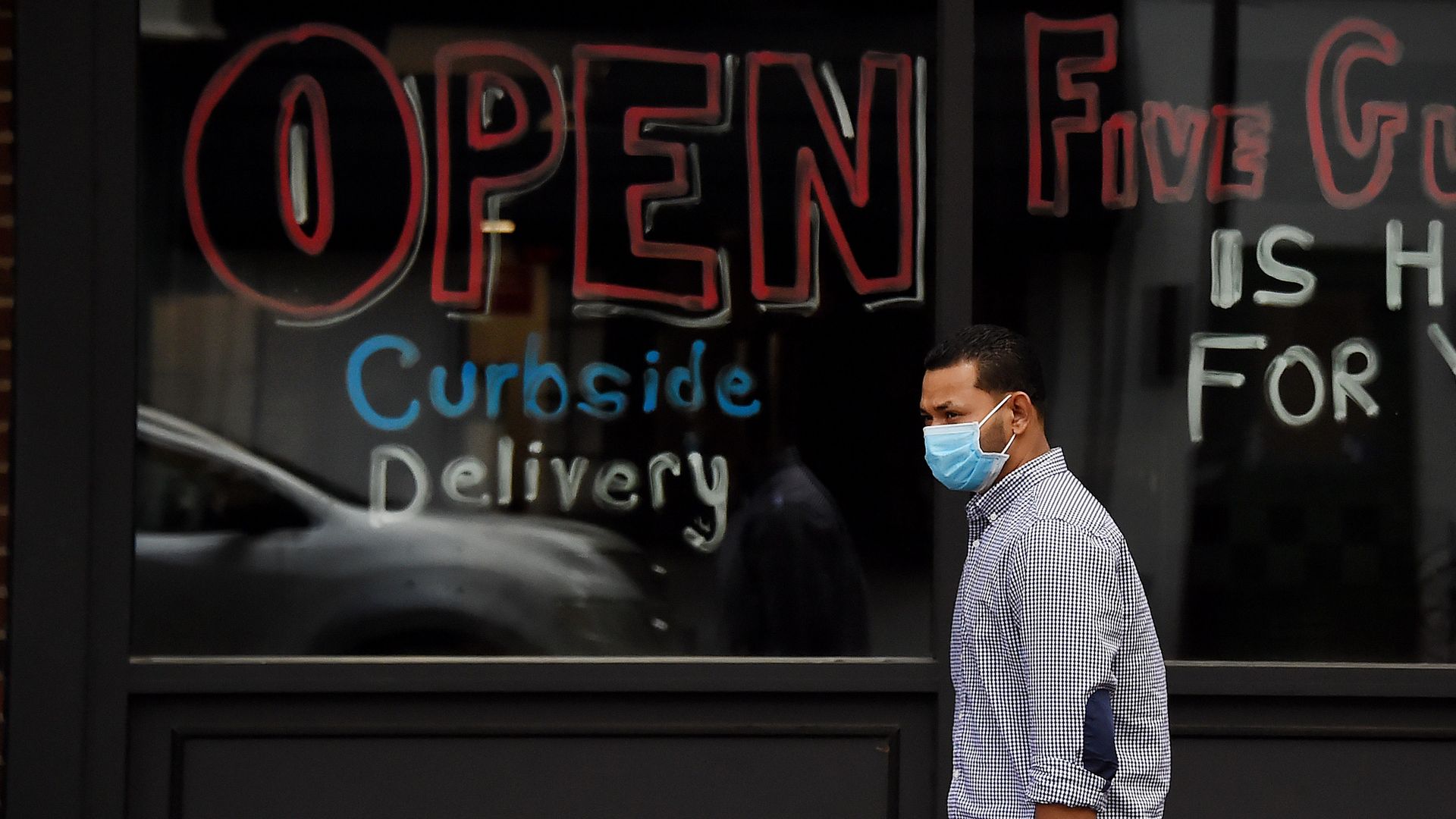
OpenTable expects that one in four U.S. restaurants will go out of business due to closures enforced by stay-at-home orders and customers skittish in the face of the coronavirus pandemic, Bloomberg reports.
The big picture: Restaurants that do reopen will look different than they did before the crisis, with limited menus, more space per diner and scarcer reservations, Axios' Felix Salmon reports.
Why it matters: The White House coronavirus task force asked the CDC to revise a more extensive set of guidelines that the agency had prepared more than a month ago, believing it was "overly prescriptive," an administration official told Axios' Alayna Treene.
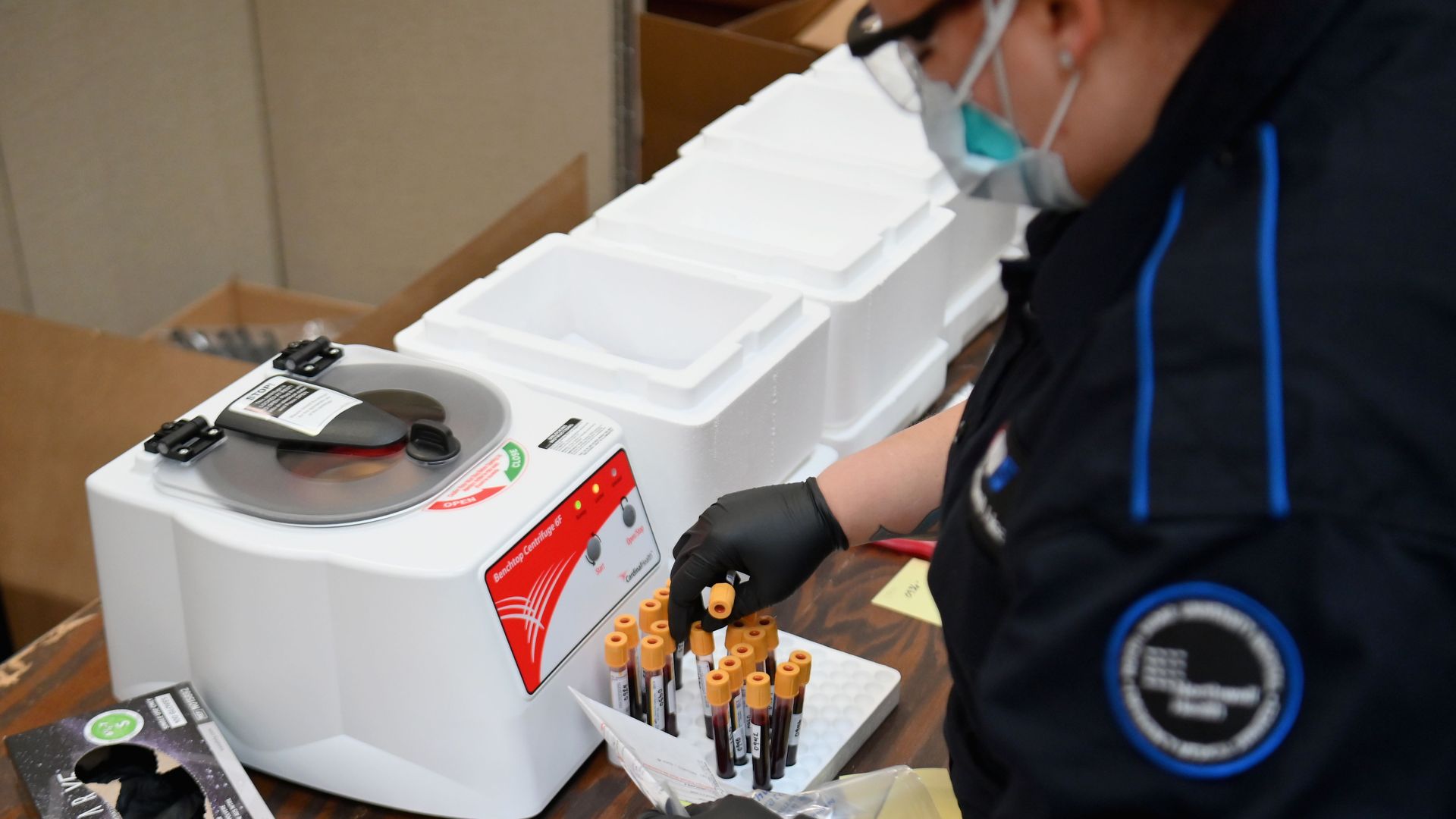
Antibody tests that identify those who have previously contracted the coronavirus should not be used to determine immunity, the American Medical Association cautioned in a Thursday report.
The big picture: Antibody tests help medical workers find out how widespread the coronavirus is in a given community, which New York state has pursued in recent weeks. These tests detect the antibodies the body produces when it fights off a coronavirus infection, but scientists don't know whether that translates into immunity, or how long such immunity might last.
The infodemic of misinformation and disinformation around the coronavirus is a serious threat to understanding how to deal with the pandemic — but this is nothing new.
The big picture: Whether the Black Death, smallpox or COVID-19, deadly diseases strike fear into people and, as scientific understanding is still gathered, stories and theories can start percolating into more serious finger-pointing, xenophobia or even violence.
Fox News host Bret Baier said Thursday that the testimony of Rick Bright, the ousted vaccine doctor who alleges that the Trump administration ignored early warnings about the coronavirus, could be "potentially politically damaging" for President Trump.
What they're saying: Trump lashed out at Bright as he testified on Thursday, describing him as a "disgruntled employee" who, "according to some people, didn't do a very good job." Baier, a host on Trump's favorite cable news network, countered: "Whether he's that or not, he does have a lot of experience and he's telling a story about not being prepared for this pandemic."
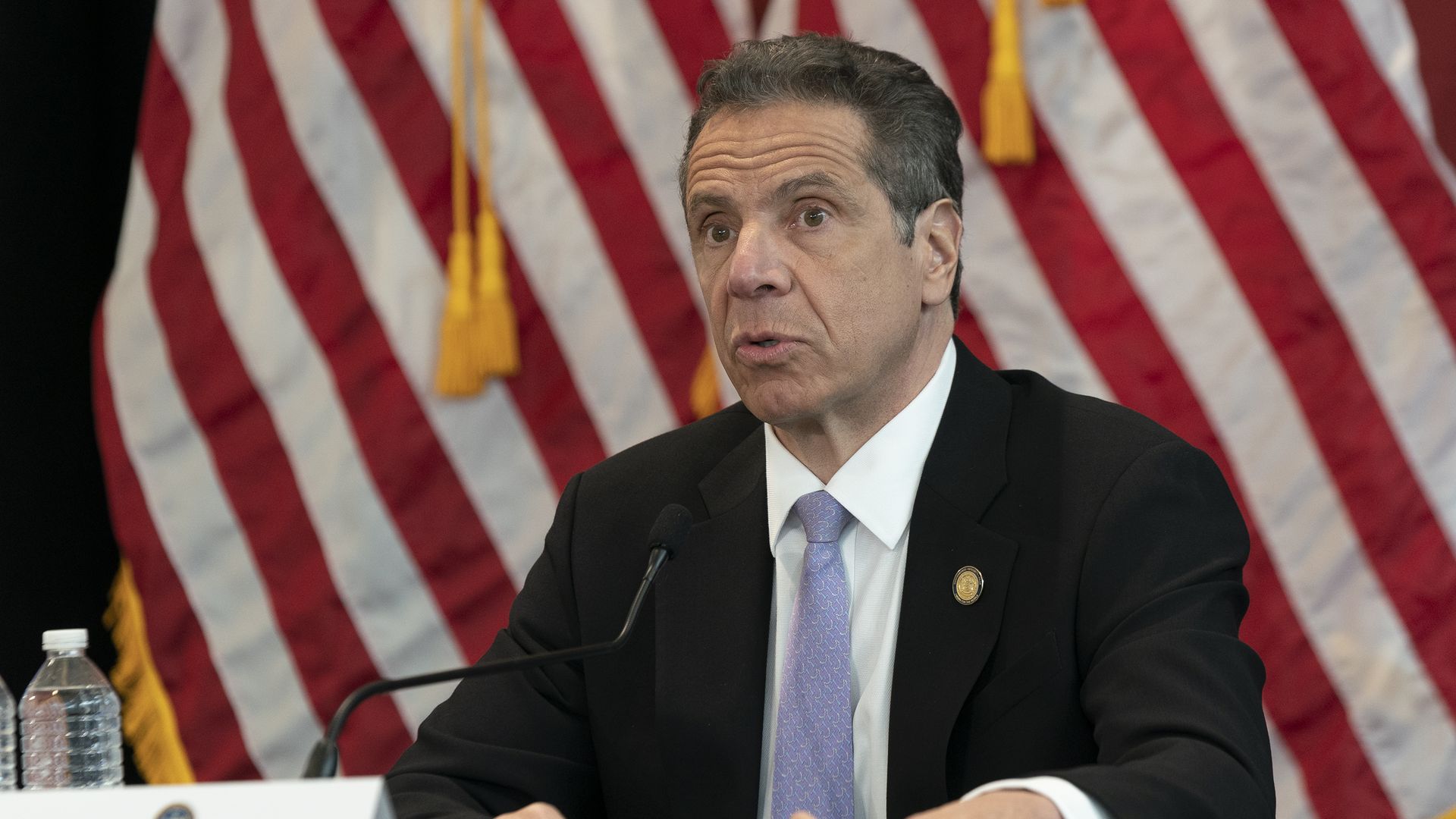
Large sections of central and northern New York state are "poised to reopen tomorrow" in the first phase of the state's easing of coronavirus restrictions, Gov. Andrew Cuomo said at a Thursday press briefing.
Why it matters: As other states prepare to reopen, New York — the original epicenter of the novel coronavirus in the U.S. — can set a positive example if infection rates remain low.
President Trump and Health and Human Services Secretary Alex Azar lashed out at ousted health official Rick Bright as he testified before Congress Thursday, dismissing his allegations about the administration ignoring his warnings about the pandemic as those of a "disgruntled employee."
Why it matters: Bright, who led the Biomedical Advanced Research and Development Authority until April, testified to a House panel that he was cut out of meetings by HHS leadership and was told his repeated warnings in January and February were "causing a commotion."
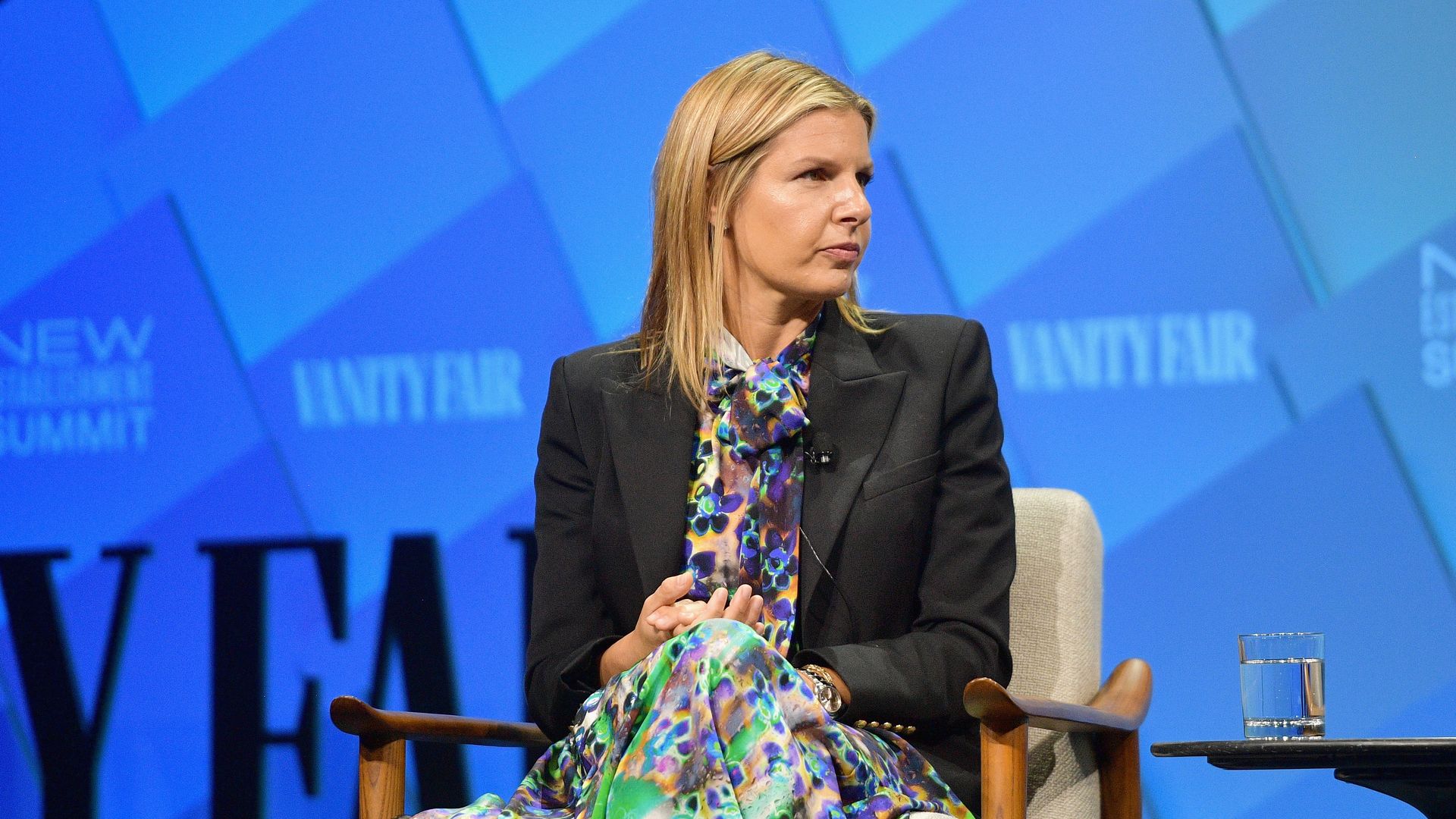
Industries need to adapt to be able to bring down the risk of viruses and pathogens while also rebuilding consumer confidence during the coronavirus pandemic, Caryn Seidman-Becker, CEO of biometric identity company CLEAR, said at an Axios virtual event on Thursday.
The big picture: Seidman-Becker said that many of these needs are the same that emerged following the 9/11 attacks: safety and ease. She said biometric technology and linked information could be used to increase consumer confidence as stadiums and workplaces reopen.
Businesses will have to "recalibrate reality" as they move forward during the coronavirus pandemic, Scott Rechler, the chairman and CEO of commercial realtor RXR Realty, said during an Axios event.
What he's saying: Rechler said the buildings his company manages will use data to establish health indexes, use thermal scanners and have a wellness concierge in place in building lobbies to ensure that workers feel comfortable returning.
The United States does not have a plan to distribute a vaccine for the coronavirus "in a fair and equitable manner" when one becomes available, Rick Bright, a former health official ousted from his position last month, told the House Energy and Commerce Committee on Thursday.
Why it matters: Bright, who led the Biomedical Advanced Research and Development Authority, cautioned that because one company cannot produce enough vaccine for the country, supply will be limited.
Rick Bright, who was removed from his position as head of a top vaccine agency last month, testified Thursday to the House Energy and Commerce Committee that he was cut out of meetings and was told his repeated warnings about the Trump administration's lack of preparedness for the coronavirus were "causing a commotion" in January and February.
The big picture: The former director of the U.S. Biomedical Advanced Research and Development Authority said there were "critical steps" that the Trump administration failed to take early on, including securing viral samples from China and ramping up production of the country's stockpile of medical supplies.
Eight weeks into this nation's greatest crisis since World War II, we seem no closer to a national strategy to reopen the nation, rebuild the economy and defeat the coronavirus.
Why it matters: America's ongoing cultural wars over everything have weakened our ability to respond to this pandemic. We may be our worst enemy.
Big cities have taken the biggest hit from the coronavirus, but they're now ahead of the curve in developing the public health infrastructure to manage the crisis in the future.
Why it matters: Communities that can conduct widespread testing and efficient contact tracing will be better able to keep more of their residents alive and reopen parts of their economies. So far, cities and states with large populations and ample resources are at the forefront.
Gov. Andrew Cuomo "quietly inserted a provision" in New York's budget bill that extended legal protections to the nursing home industry, making it harder for families to sue them, the New York Times reported Wednesday.
Why it matters: Nursing home lobbyists have been pushing during the coronavirus pandemic for immunity from lawsuits, and New York is among "at least 15 states" to have introduced extended legal protections to the industry per AP.
The novel coronavirus will cause the sharpest economic downturn since the Great Depression, a UN report projected on Wednesday.
Why it matters: Governments around the world are pushing to reopen economies devastated by COVID-19 lockdown measures as cases continue to rise along with the death toll. Andthe World Health Organization warns the virus "may never go away."
AUCKLAND, New Zealand — Australia and New Zealand are reopening their economies from coronavirus constraints and are on track to share a "COVID-safe travel zone" within weeks.
Why it matters: New Zealand is ending some of the world's toughest lockdown measures this week, after eliminating community spread. Australia is on course to suppress the virus and remove all domestic restrictions by July.
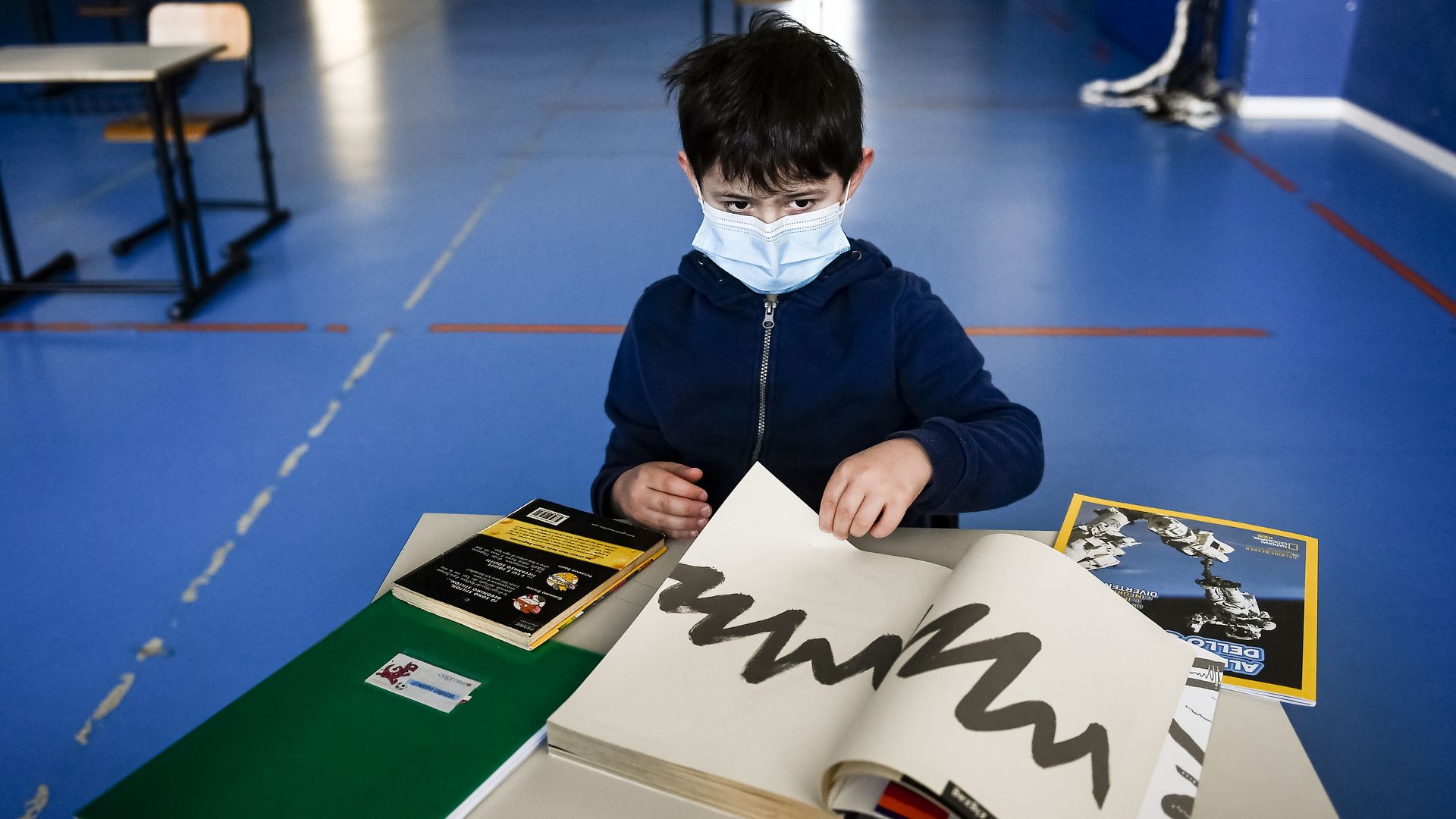
A hospital in the epicenter of Italy's coronavirus outbreak has seen a 30-fold increase of children with severe inflammatory symptoms most often associated with Kawasaki-like disease, according to a study published Wednesday in the medical journal The Lancet.
Why it matters: This is one of the first completed studies to examine the rise of an inflammatory illness that is affecting children — some of whom have tested positive for the coronavirus or its antibodies.