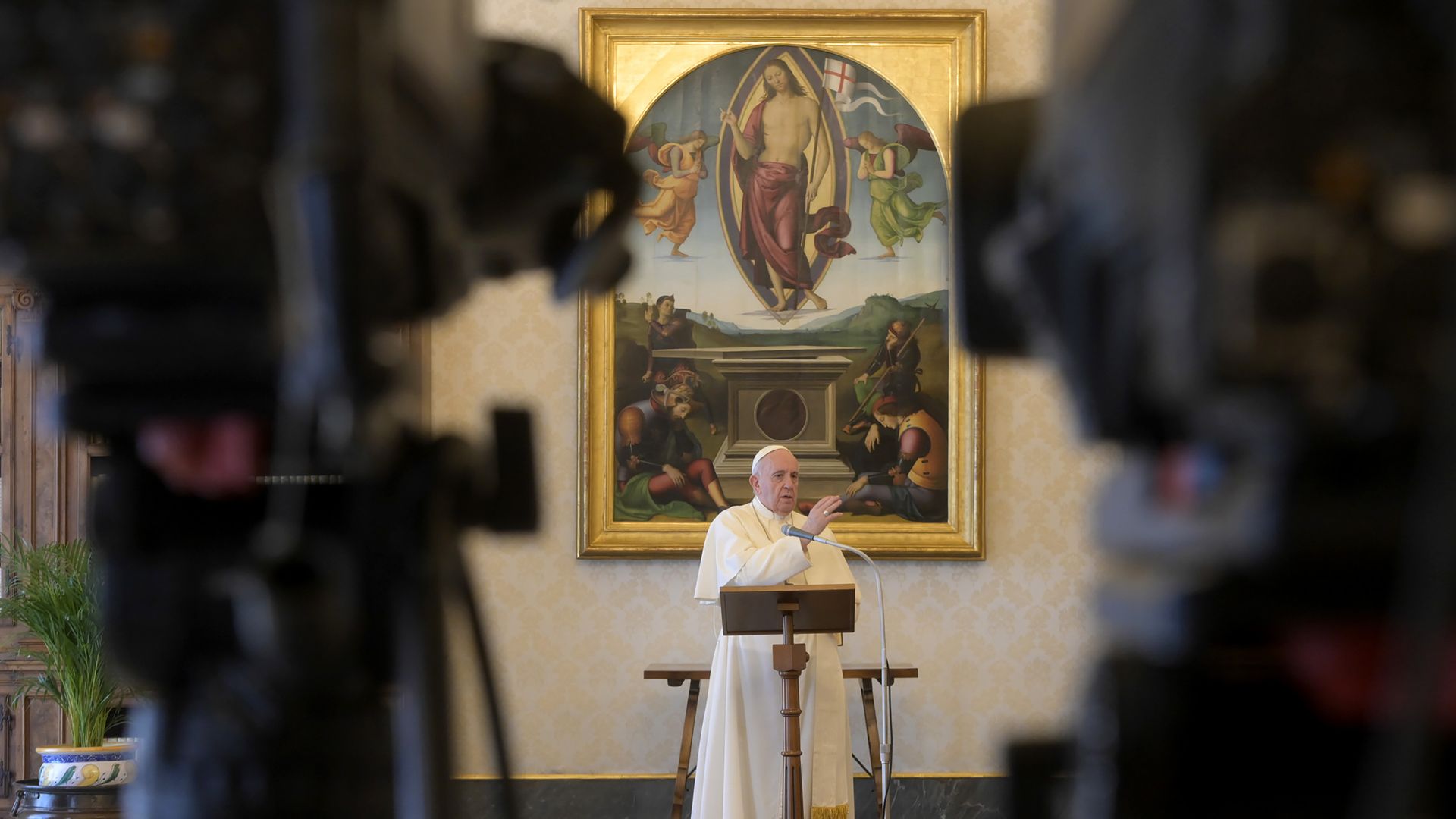
Churches, mosques and temples around the world — including the Vatican — are continuing to livestream religious services amid the coronavirus pandemic, AP reports.
Zoom in: In the U.S., some pastors in Maryland and Virginia are hesitant to reopen their doors as states begin to relax stay-at-home orders, per the Washington Post.
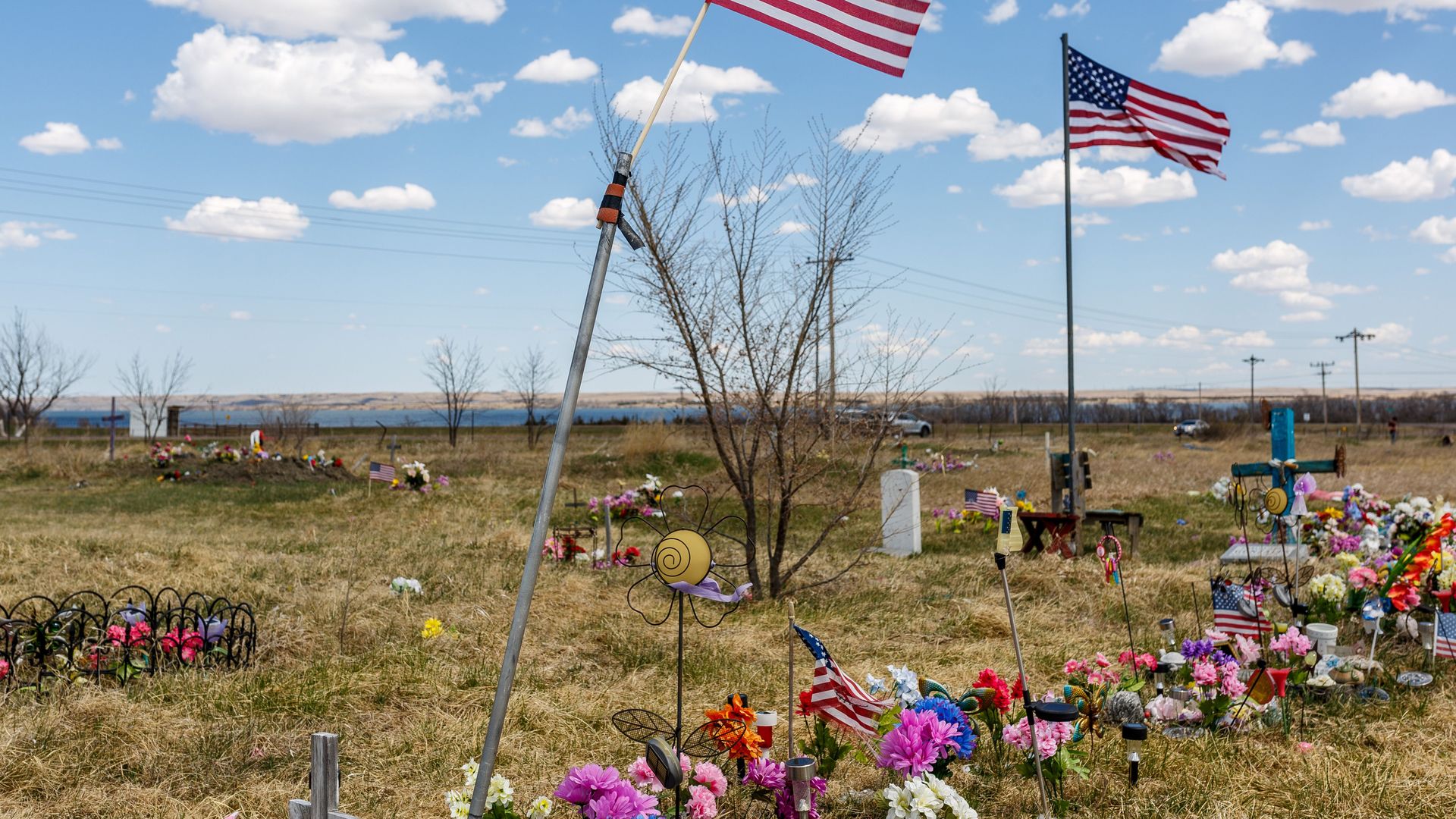
Native Americans across the U.S. are struggling to battle the coronavirus pandemic, as decades of poverty, poor health care and pre-existing medical conditions leave them vulnerable to high rates of infection.
Driving the news: The Navajo Nation, which stretches across three states and has been especially affected, is under its strictest weekend lockdown since the pandemic was declared, after a spike in cases, The Navajo Times reports. All gas stations and grocery stores must remain closed and essential workers have been told to stay home until the order expires on Monday at 5 a.m.
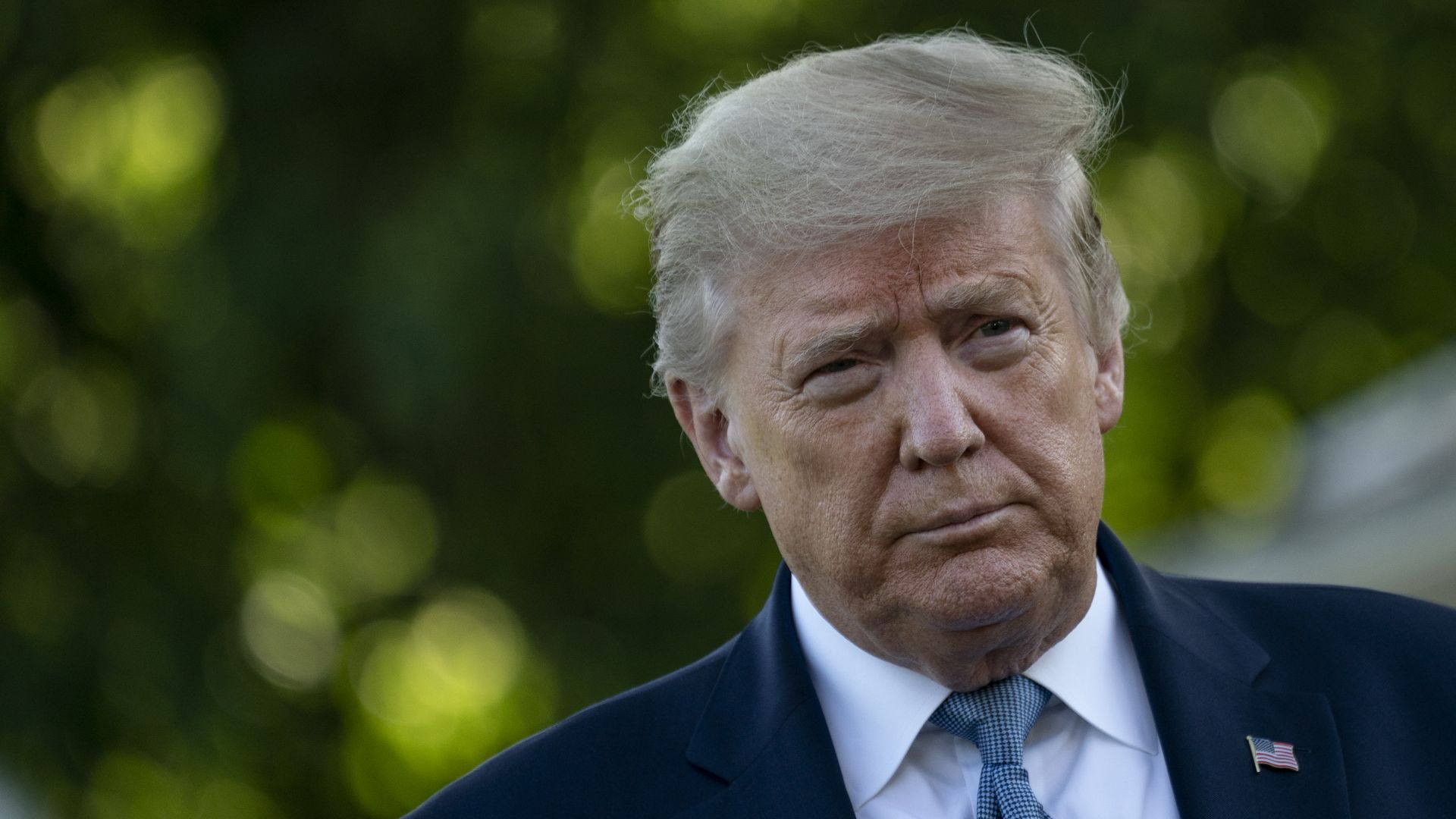
President Trump on Saturday said the administration is weighing a plan to allocate some funding to the World Health Organization, although he noted that a final decision has not been made.
Flashback: Trump announced last month that the U.S. would hold funding to the agency for 60–90 days over its handling of the coronavirus pandemic, pending a review.
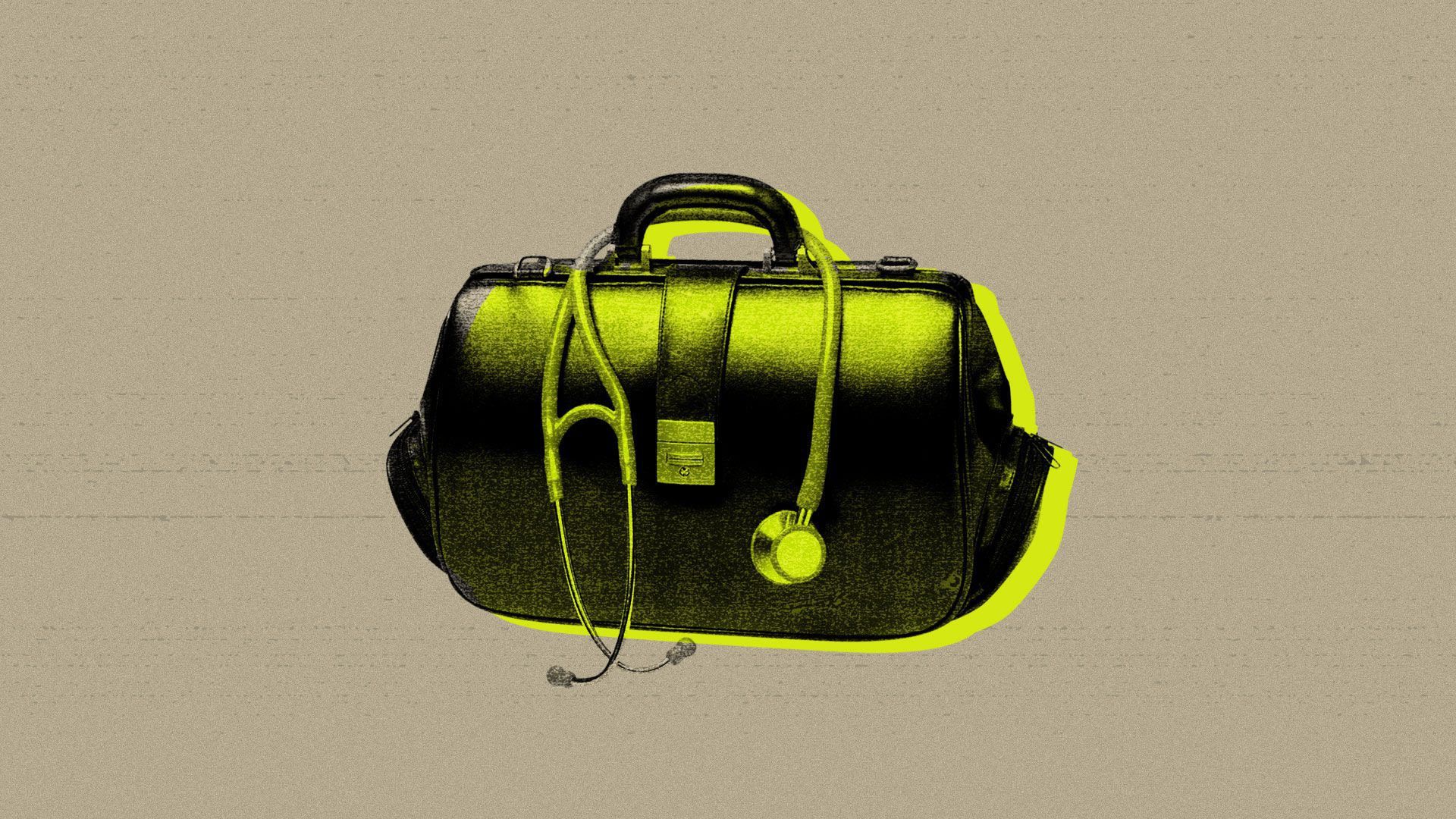
In this special issue, my Axios colleagues dig into the trials and heroics of America's front-line health care workers.
I got the idea for this Deep Dive when I saw doctors and nurses — for the first time in any crisis — telling their own stories, in real time, with social posts, on cable TV, and even with essays, op-eds and online diaries.
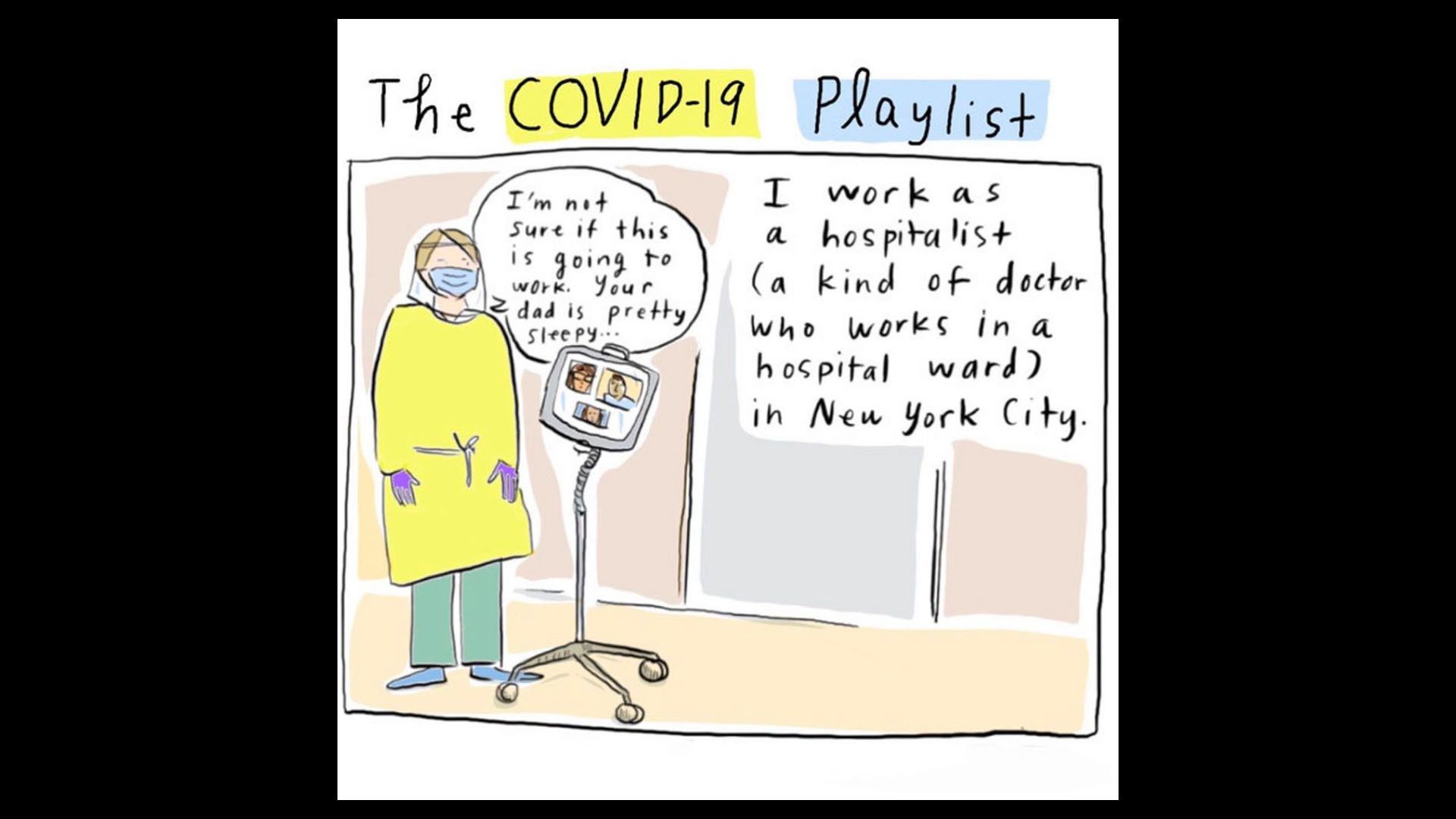
Art made by health care workers offers a rare look — through very personal lenses — at how the fight against coronavirus is unfolding in hospitals.
Why it matters: These can be the best glimpses of what happens behind hospital doors because patient privacy issues make it difficult for journalists to capture what is happening on the front lines.
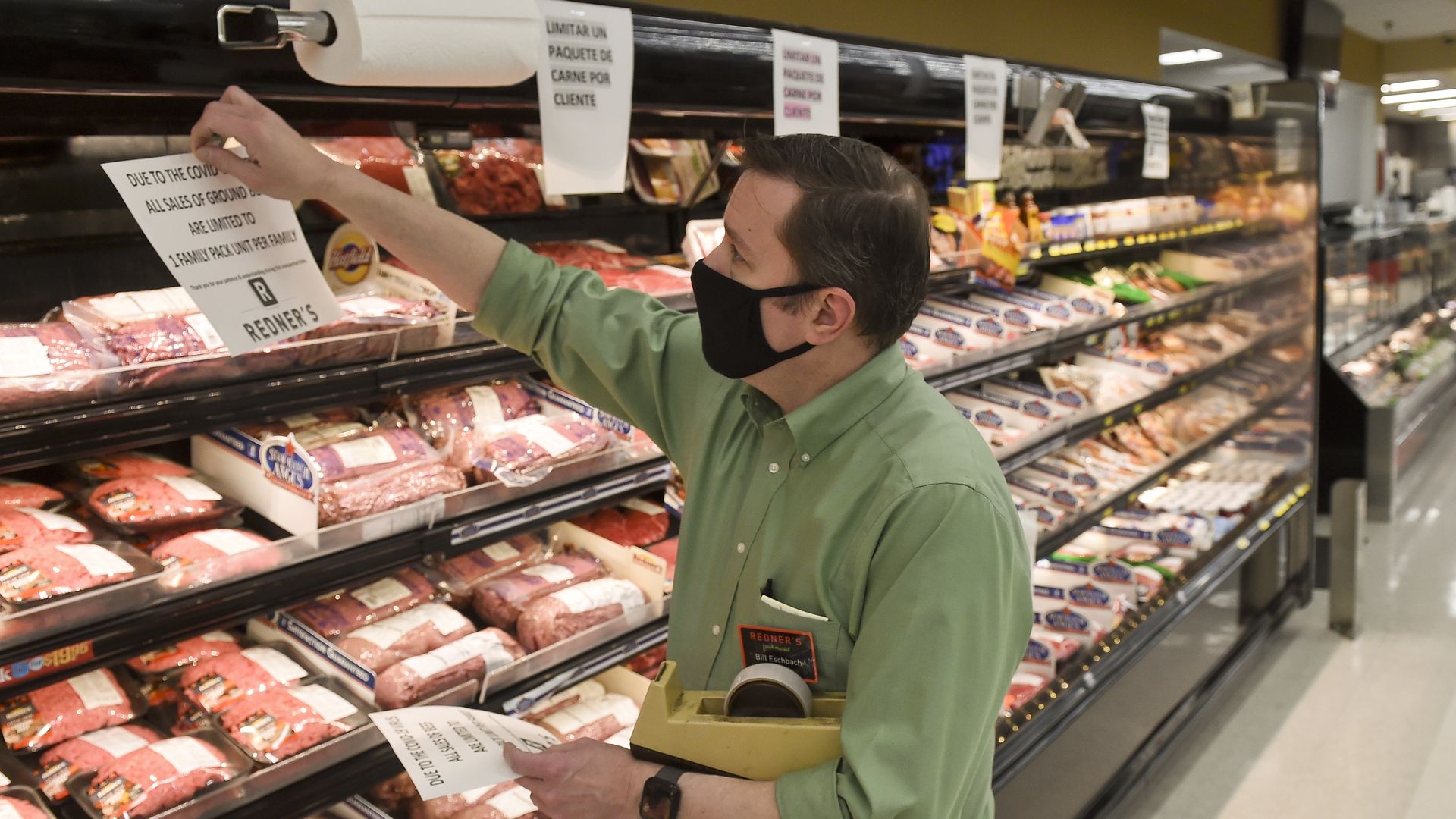
Groceries, drug stores and retailers are trying a variety of methods to enforce face mask mandates and protect employees, following customer complaints and assaults across the U.S., The Wall Street Journal reports.
Why it matters: State governments are implementing face covering orders, but have provided businesses with little guidance on how to enforce the rules when mask-less customers enter stores. Retailers are weighing "public-health requirements against the risk of putting their workers in harm’s way," the Journal writes.
The Diamond Princess cruise ship is traveling to Malaysia after being docked in Yokohama, Japan for three months, Japanese broadcaster NHK reports.
Why it matters: The Diamond Princess carried one of the first coronavirus outbreaks on a cruise ship, affecting 700 passengers from various countries, including the U.S., Japan, Australia and Canada in February. Several people died as a result.
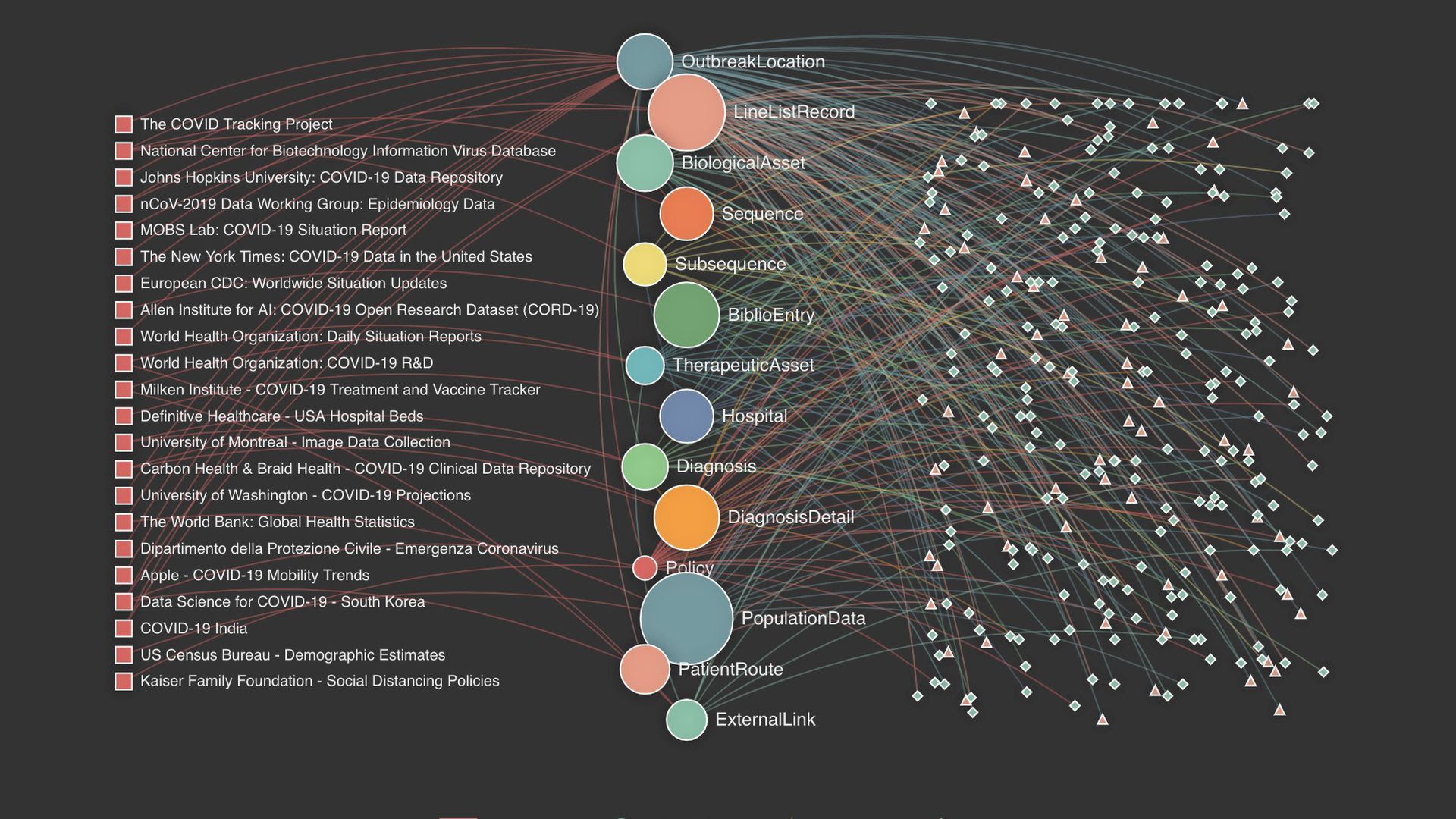
An AI software provider has created a sprawling new "data lake" of information about the COVID-19 pandemic for researchers around the world.
Why it matters: In just a few short months, researchers have generated an astounding amount of data about COVID-19. Putting much of that information in an easily readable source will enable researchers and policymakers to get the most out of big data.
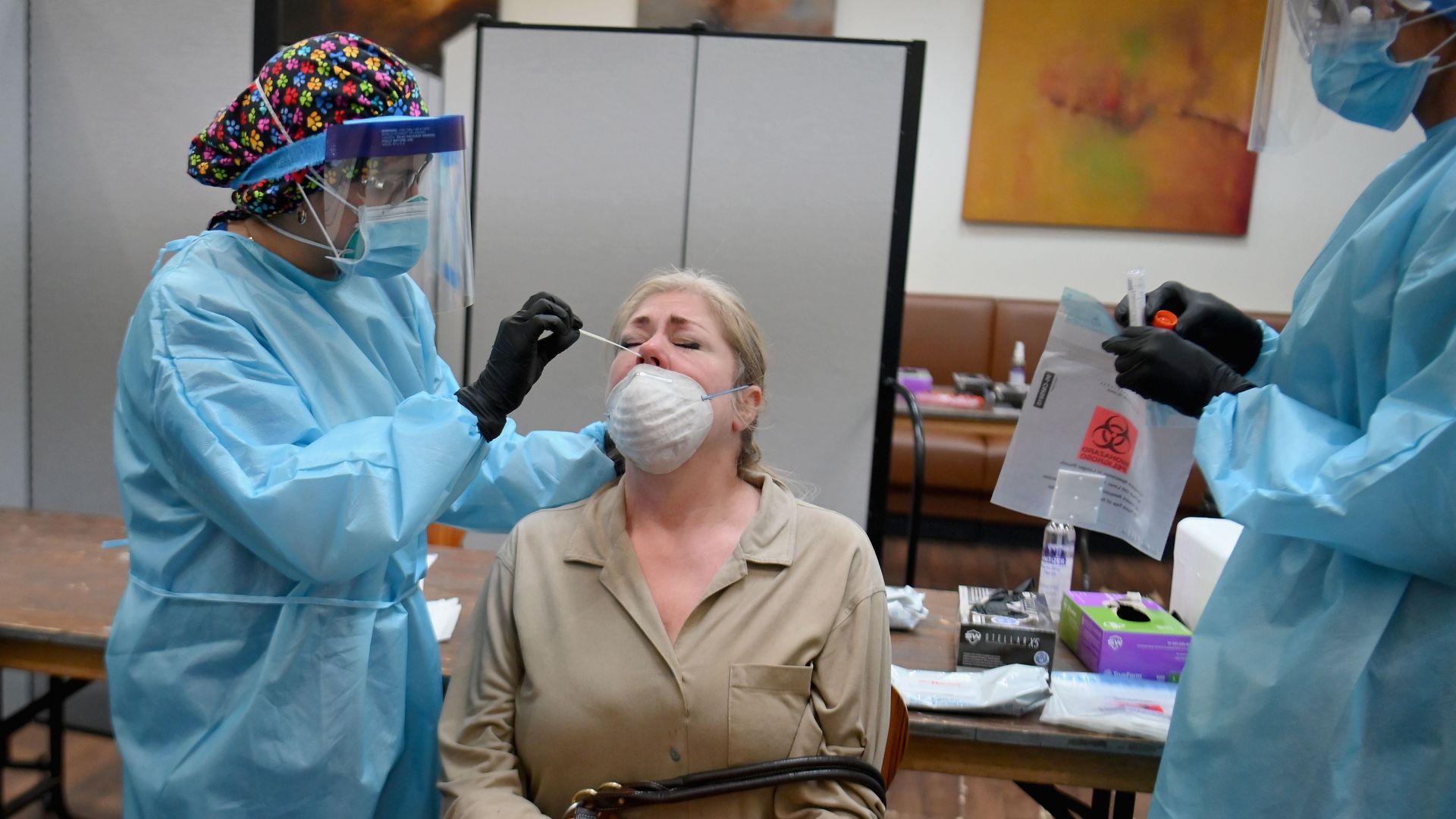
Why it matters: This is the only kit that can be used with multiple coronavirus tests, although two other at-home swabs have received authorization from the FDA. The swabs collected at home will be sent to labs for diagnosis.
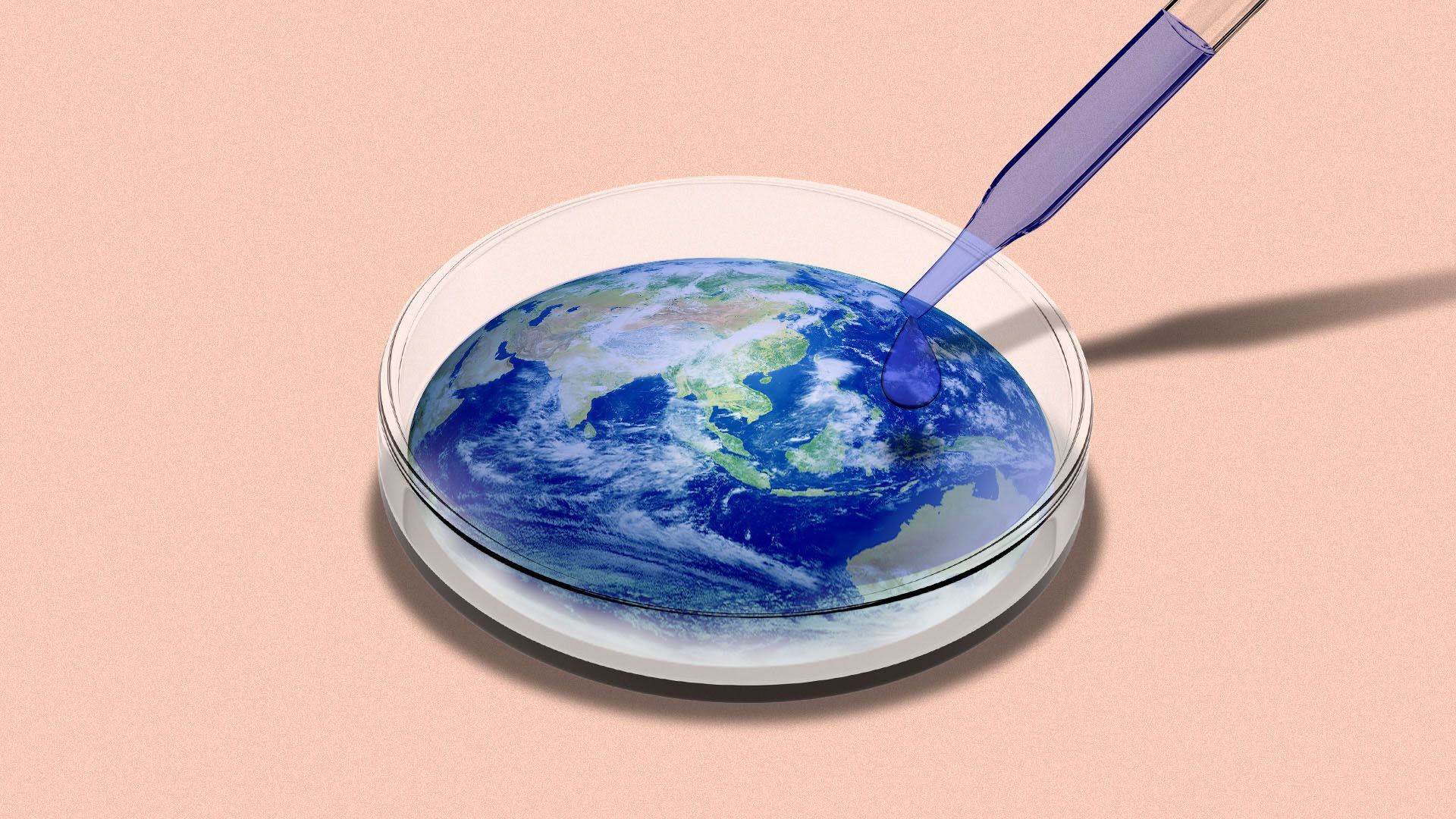
Increasingly inexpensive genetic sequencing and engineering tools could upend everything from health care to fuel.
Why it matters: This bio revolution could lead to a world that is more sustainable and even extend human lifespans. But its full extent is dependent on social acceptance — and carries serious risks as well.
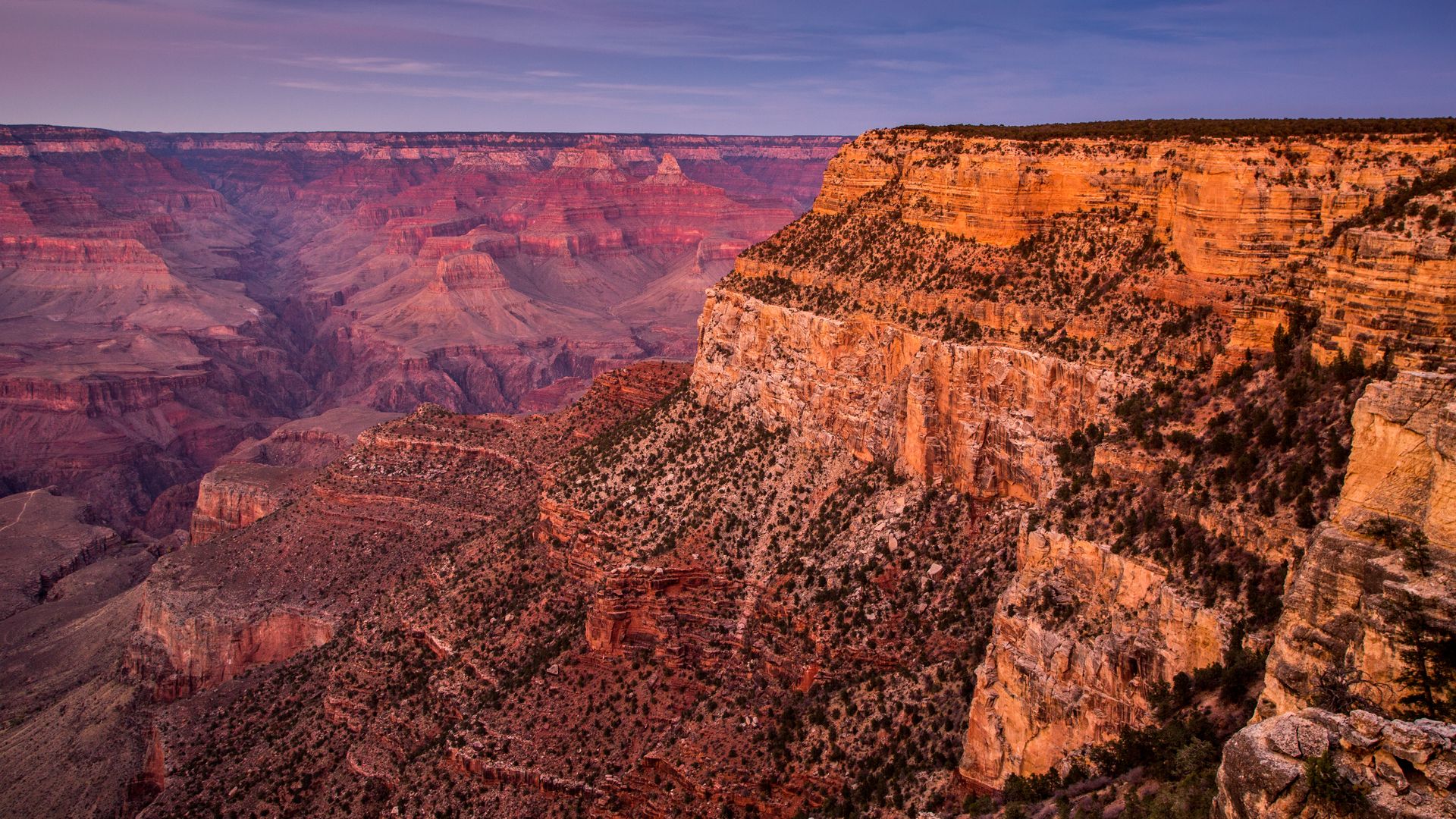
Grand Canyon National Park began granting increased recreational access to select areas on Friday as Arizona's stay-at-home orders expired, following guidance from the White House, Centers for Disease Control and Prevention and local public health authorities.
The big picture: The National Park Service said it's evaluating how to reopen parks and public spaces on a case-by-case basis. Of the 419 parks operated by the National Park Service, more than 150 remain closed due to the coronavirus.
Most states are showing advances on two of thekey criteria for being able to safely reopen parts of their economies: They’re testing more people and finding fewer infections.
Why it matters: The U.S. has to get the existing outbreak under control before we can even think about easing up on social distancing and managing the ensuing risk of new outbreaks. At this moment, most of the country seems to be moving in the right direction.
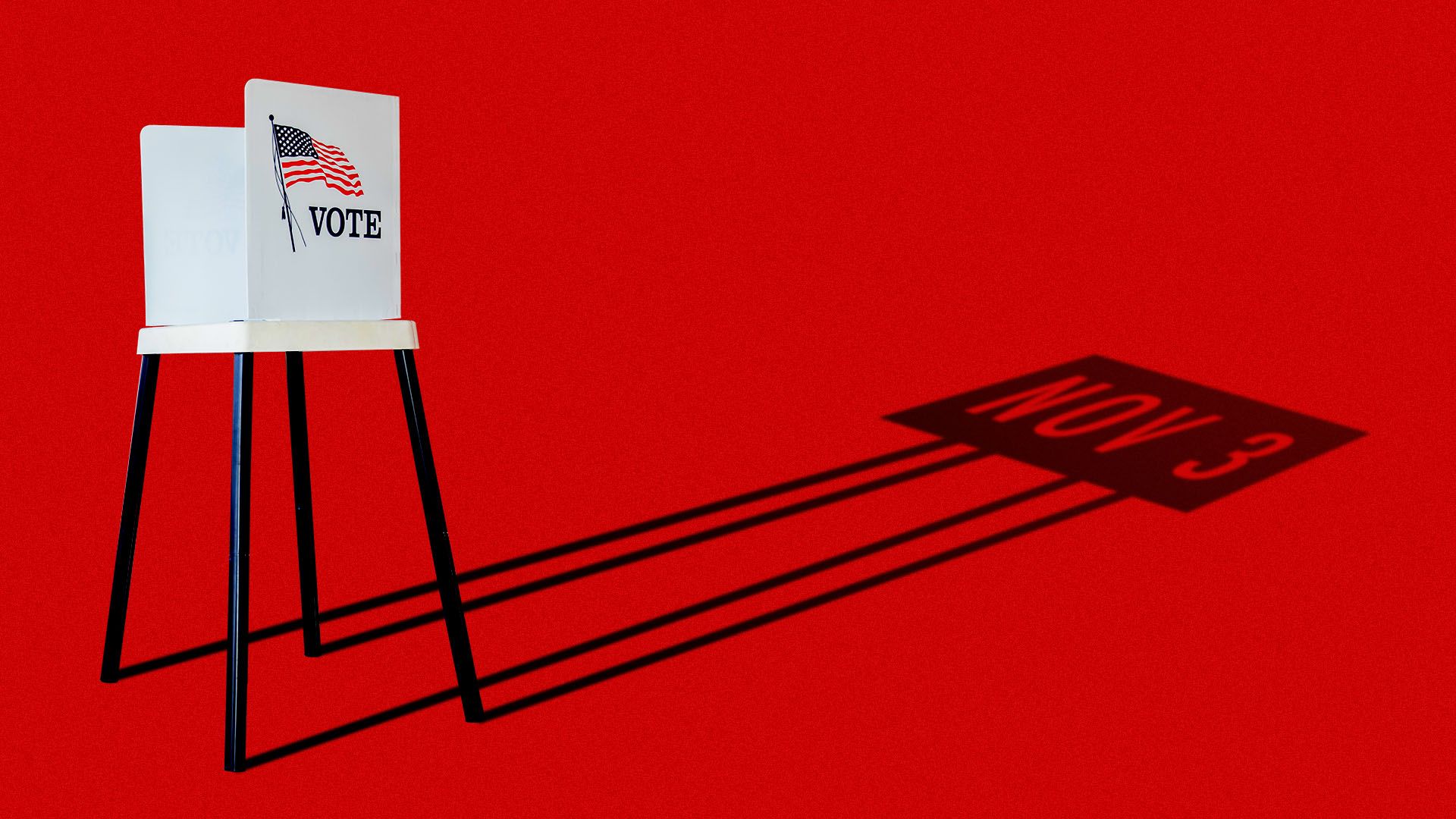
November seems a long way off, but deadlines already are beginning this month for states to figure out how to hold safe elections this fall, when the coronavirus will still be spreading.
Why it matters: In the next few months, decisions by state and federal courts and lawmakers, governors and local election officials will determine how Americans cast their ballots in the middle of a pandemic.
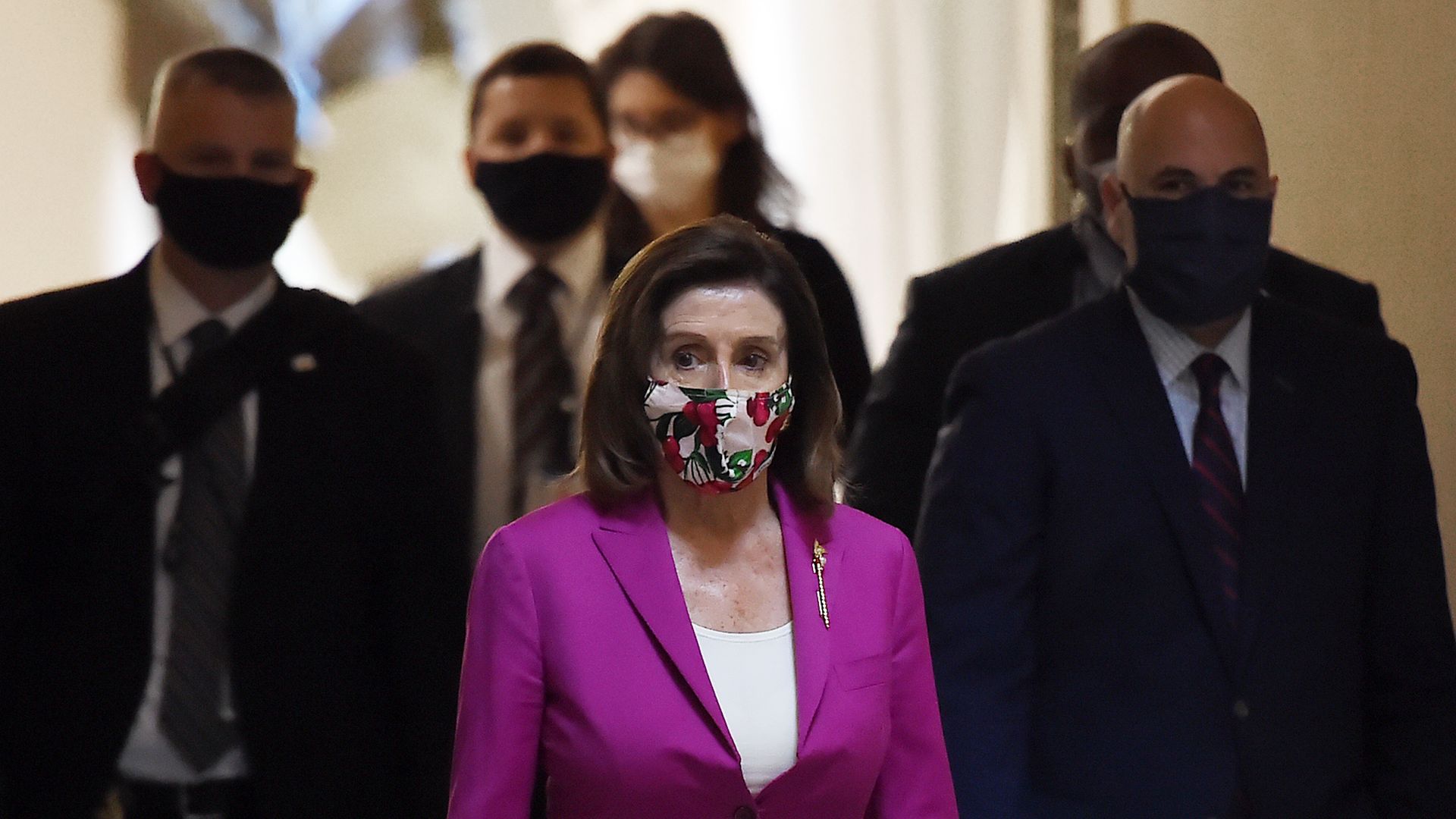
House Democrats' $3 trillion coronavirus rescue package, the HEROES Act, passed by 208-199 on Friday, although it is expected to die in the Senate.
The big picture: Millions of eligible Americans received one-time payments of $1,200 or $2,400 from the last relief bill passed by Congress — the largest in modern history. This package would cost another $1 trillion and offers money for state governments.
NFL clubs can reopen next Tuesday so long as they abide by public health requirements previously outlined by the league, Commissioner Roger Goodell said Friday.
Driving the news: The NFL released its 2020 schedule last week and is operating as if it will have a full season, although some contingency plans are in place for delaying playoffs and the Super Bowl if necessary, Axios' Kendall Baker reports.
High levels of corporate debt are among the risks that could make the fallout from the coronavirus economic shock even worse, the Federal Reserve warned in its twice-yearly report released on Friday.
Why it matters: Low interest rates and a flourishing economy tamped down concerns about companies' rising debt levels. With the U.S. in the worst economic downturn since the Great Depression, the Fed says those debt loads could "amplify the adverse effects of the Covid-19 outbreak."