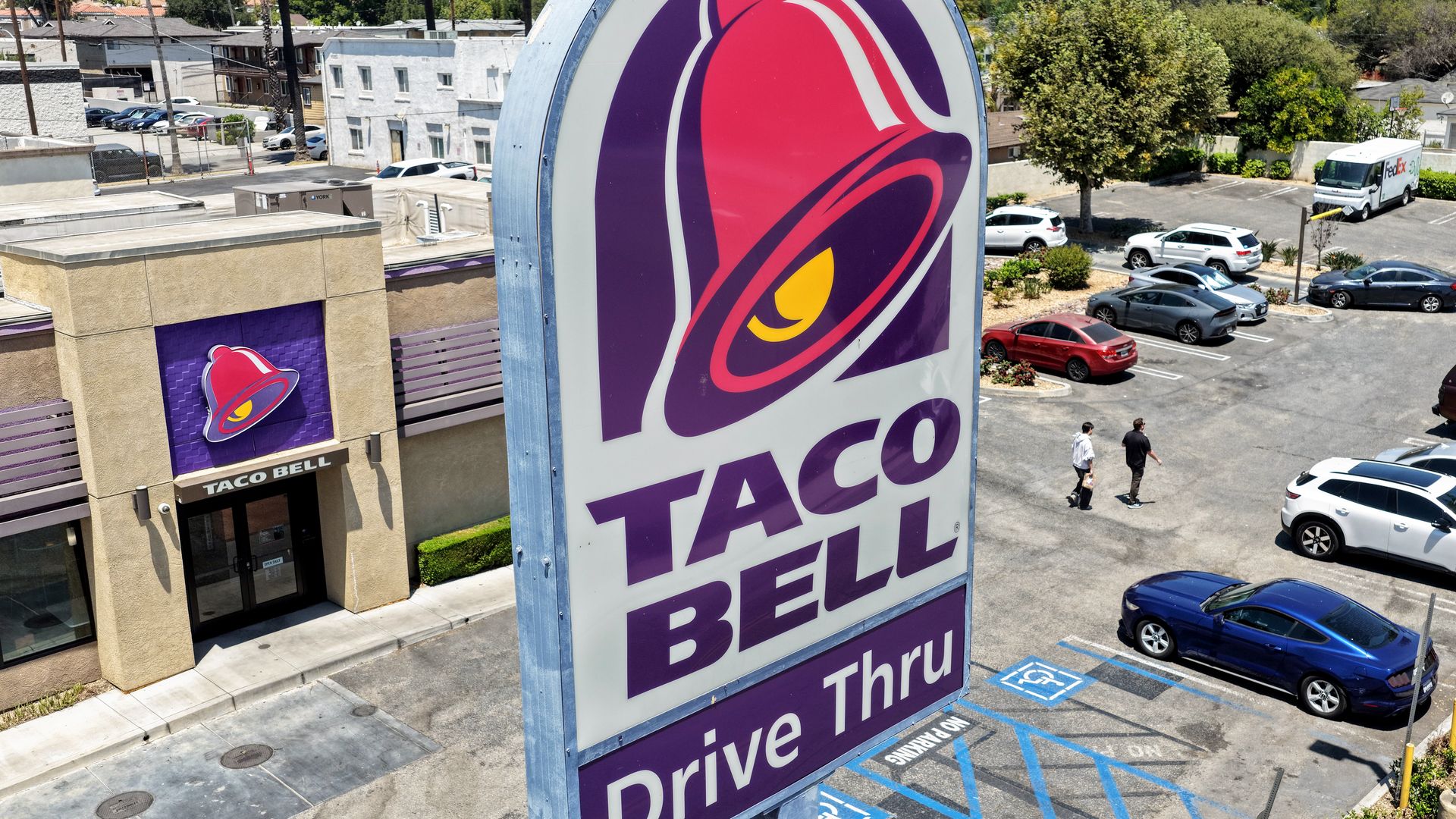
Taco Bell sales have fallen sharply since the national cyclospora outbreak, but the company's executives said they're already noticing signs of a rebound.
Why it matters: Health officials have identified more than 11,000 confirmed or suspected cases of the parasite, which can cause "explosive" diarrhea.
Amazon's AI cloud business soared in the second quarter, driving far higher revenue than expected, though the company's free cash flow also turned negative as it invests heavily in the business.
Amazon shares surged 9.4% in after-hours trading.
Why it matters: The surging AI economy — centered around cloud companies like Amazon, hyperscalers and data center investments — is booming, even as questions are mounting about whether it's sustainable.
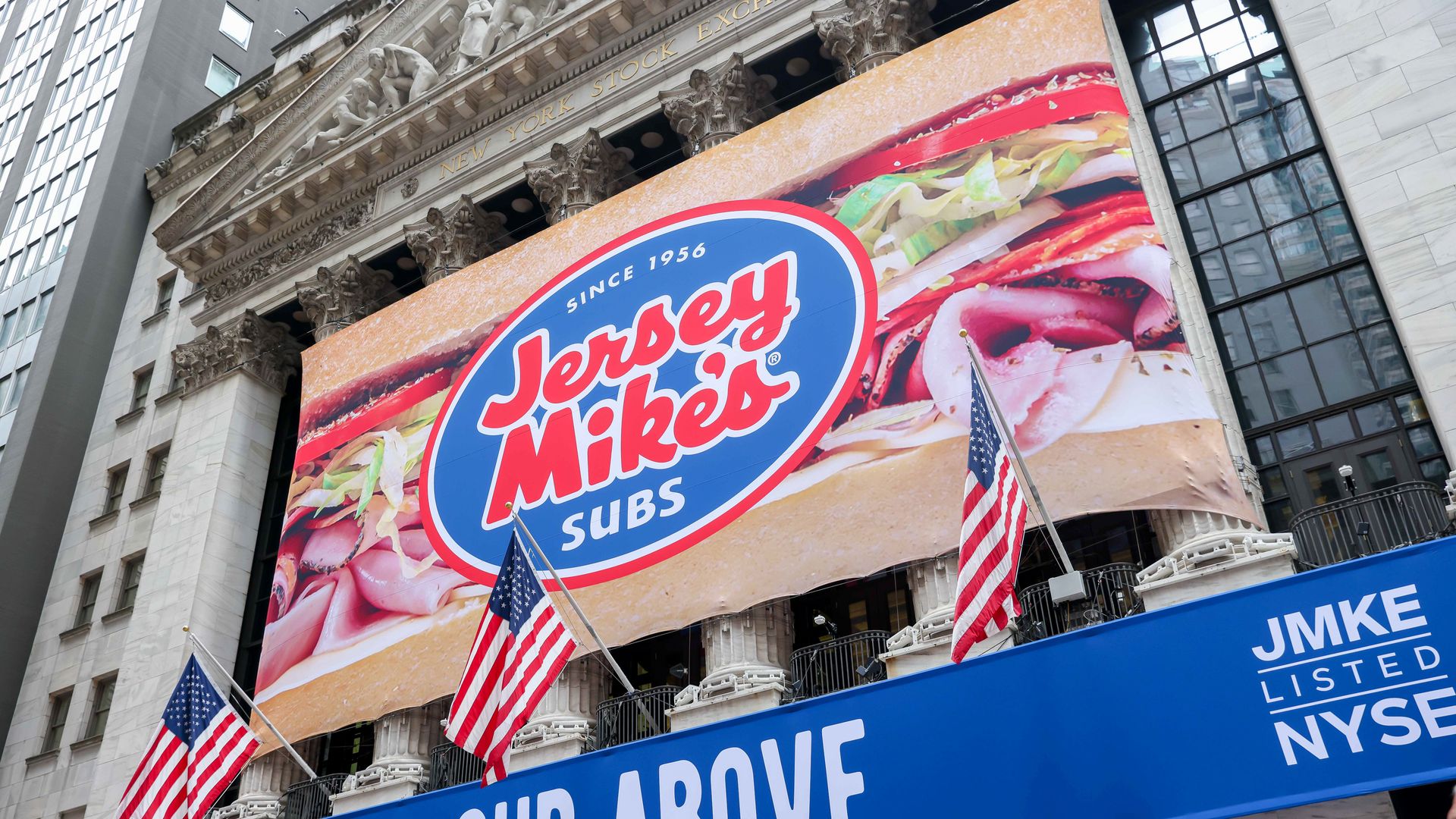
Jersey Mike's, the sub chain bought just last year by Blackstone, raised $1 billion in its IPO and today began trading on the New York Stock Exchange.
Why it matters: It's a rare 2026 bright spot for a restaurant industry that's been beset by high food costs and a recent parasite outbreak, even though its opening trades were below the IPO price.
Treasury Secretary Scott Bessent and U.S. Trade Representative Jamieson Greer held a high-level video call with China's vice premier to prepare for the September visit of its president, Xi Jinping, Axios has learned.
Why it matters: The call sets the stage for President Trump and Xi to sign future trade deals between the U.S. and China. But there are tensions.
Situational Awareness, an AI-focused hedge fund founded by a former OpenAI researcher, has sold all of its public equities portfolio to Ken Griffin's Citadel, a source tells Axios.
Why it matters: This comes amidst a recent sell-off in AI stocks, particularly chipmakers.
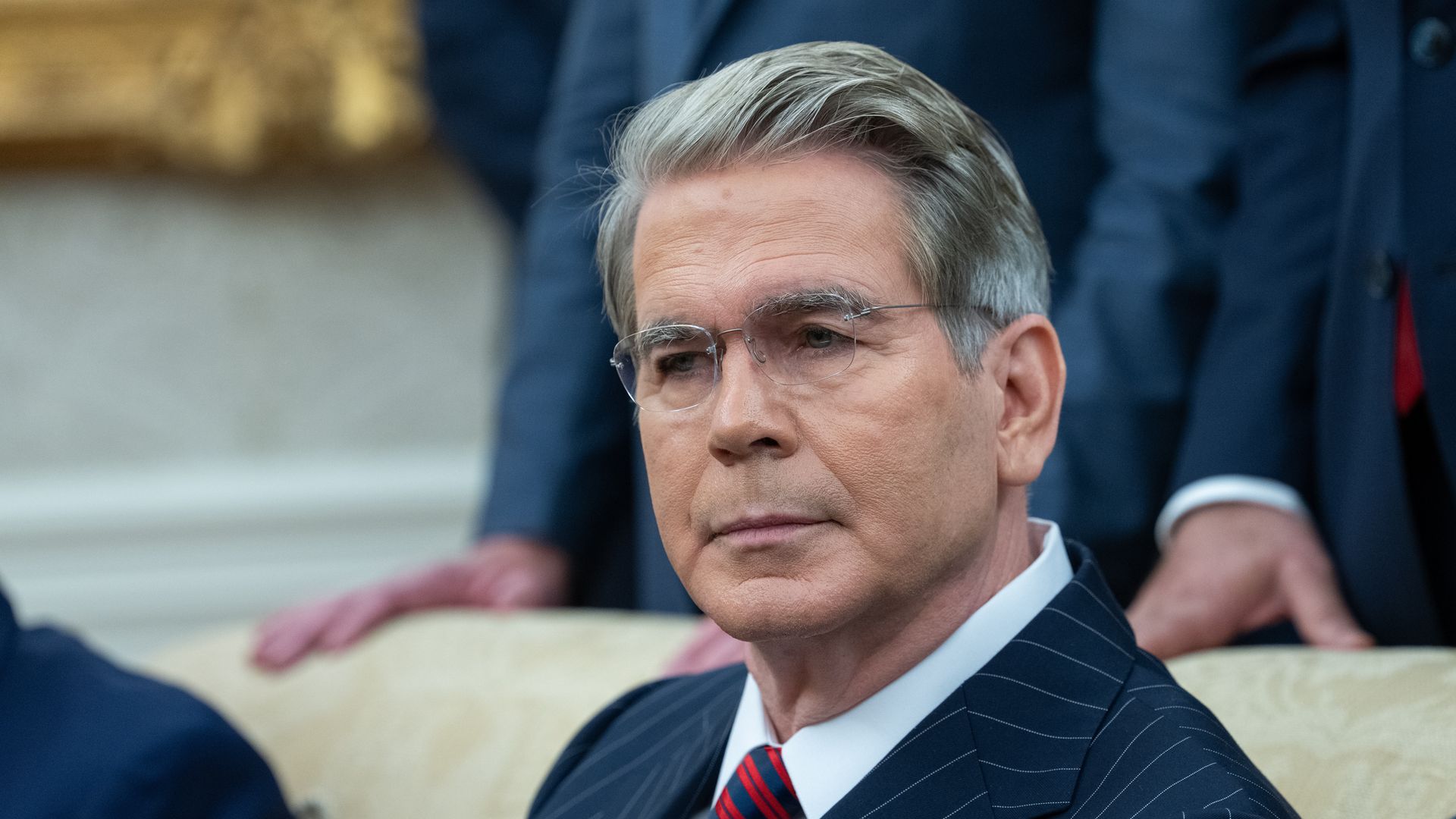
In his press conferenceWednesday, Federal Reserve chairman Kevin Warsh started by asserting that the central bank will not waver in its pursuit of 2% inflation. Then, he repeatedly declined opportunities to connect that commitment to any concrete action.
The result was a steep bond market sell-off, driving longer-term interest rates higher as global investors questioned the Warsh Fed's willingness to raise the short-term interest rates it controls.
The big picture: Warsh has long offered gauzy, high-level critiques of how the modern Fed operates. On Wednesday, he described candid discussions of the biggest conceptual issues for monetary policy. But he was elusive and vague on central banking basics.
The U.S. economy grew at a 1.5% annualized rate in the second quarter, the government said on Thursday, capturing a three-month stretch shaped by the Middle East conflict and a surge in energy prices.
Why it matters: Consumer spending and business investment fueled by AI spending remained the economy's standout growth engines in the spring.
As AI expenses bite, Meta's second-quarter free cash flow fell to its lowest since just before the social media giant launched its layoff-laden "year of efficiency," the company reported Wednesday.
The big picture: The AI boom is transforming major tech giants from asset-light, cash-spewing behemoths into indebted owners of a sprawling fleet of super-expensive data centers. And nobody knows whether those data centers will eventually turn out to be profitable investments.
The Federal Reserve left its interest rate target unchanged Wednesday amid significant internal dissent from officials who preferred to raise rates.
The big picture: The central bank elected not to surprise markets with an interest rate hike, contrary to rampant speculation on Wall Street in recent days. But three members of the policy-setting Federal Open Market Committee did favor raising the cost of borrowing.
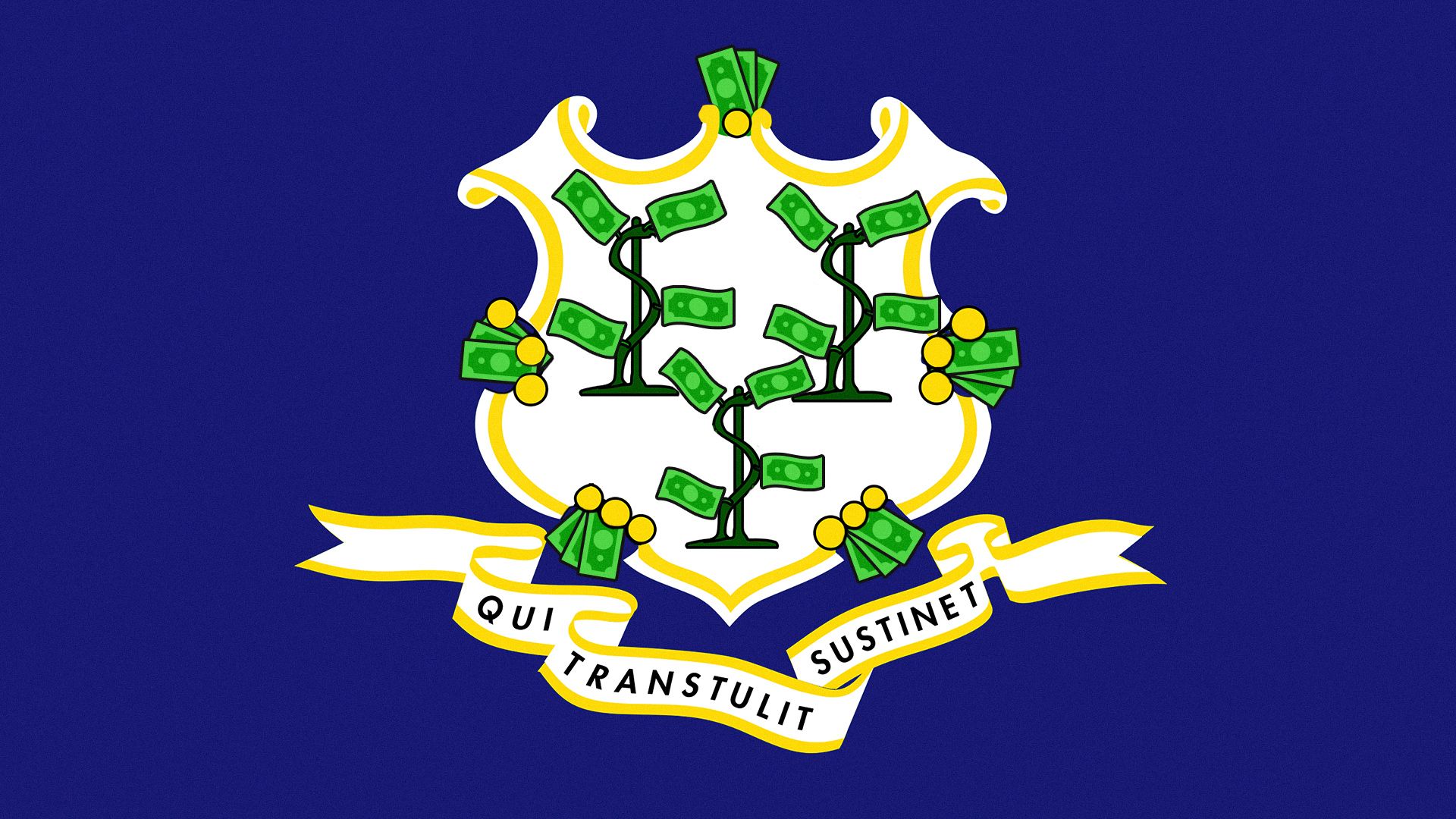
Connecticut Innovations, formed nearly four decades ago to support Nutmeg State startups, is on a heater.
Why it matters: We don't usually pay much attention to what happens between the startup hotbeds of New York and Boston, nor to the role of quasi-public venture capital funds.
FIFA, global soccer's governing body and World Cup organizer, is seeking to raise up to $4.2 billion for a new commercial subsidiary at a $20 billion valuation led by Joshua Kushner's Thrive Eternal.
Why it matters: This would be the first time FIFA has ever sought outside investment.
Central bankers, as a rule, try to maintain stable prices, a strong job market and a sound financial system. The AI boom is a complexifier on all three fronts.
The big picture: AI is blurring the usual indicators that central bankers rely upon to set policy, a new paper from a leading international body finds, simultaneously affecting the supply and demand sides of the economy and driving both structural and cyclical change.
Thursday's GDP and inflationreports are expected to reinforce the Federal Reserve's dilemma: Economic growth is holding up, while inflation remains too hot for comfort.
Why it matters: Growth that's resilient enough to withstand high borrowing costs, paired with inflation that remains above target, would reinforce the case for keeping monetary policy restrictive.
Everyone agrees the standard for self-driving cars is that they have to perform better than a human driver. Proving that is not so simple, however.
Why it matters: Inconsistent data reporting methods mean there's no common yardstick to compare safety claims, adding to the confusion and distrust surrounding autonomous vehicles.
Why it matters: A tumble in so-called momentum stocks — which worsened Tuesday with a steep drop in semiconductors — has weighed on the overall market since the S&P 500 peaked in early June.
Investors are rethinking their fondness for AI picks and shovels: the chipmakers, particularly memory makers, that make up the backbone of the new tech buildout.
Why it matters: The chip stock frenzy pushed the U.S. market to all-time highs earlier this year.