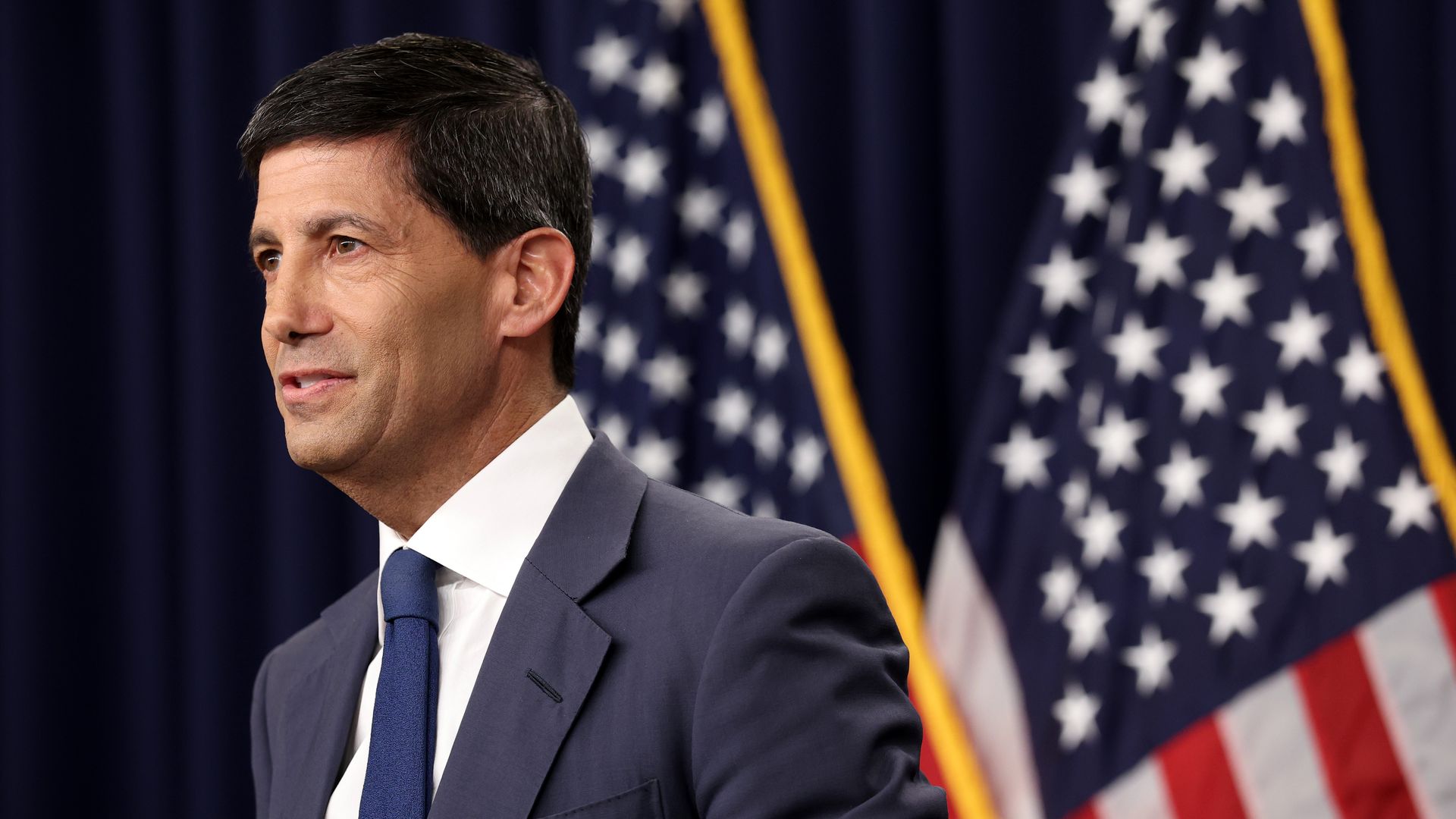
The Federal Reserve left its interest rate target unchanged Wednesday amid significant internal dissent from officials who preferred to raise rates.
The big picture: The central bank elected not to surprise markets with an interest rate hike, contrary to rampant speculation on Wall Street in recent days. But three members of the policy-setting Federal Open Market Committee did favor raising the cost of borrowing.
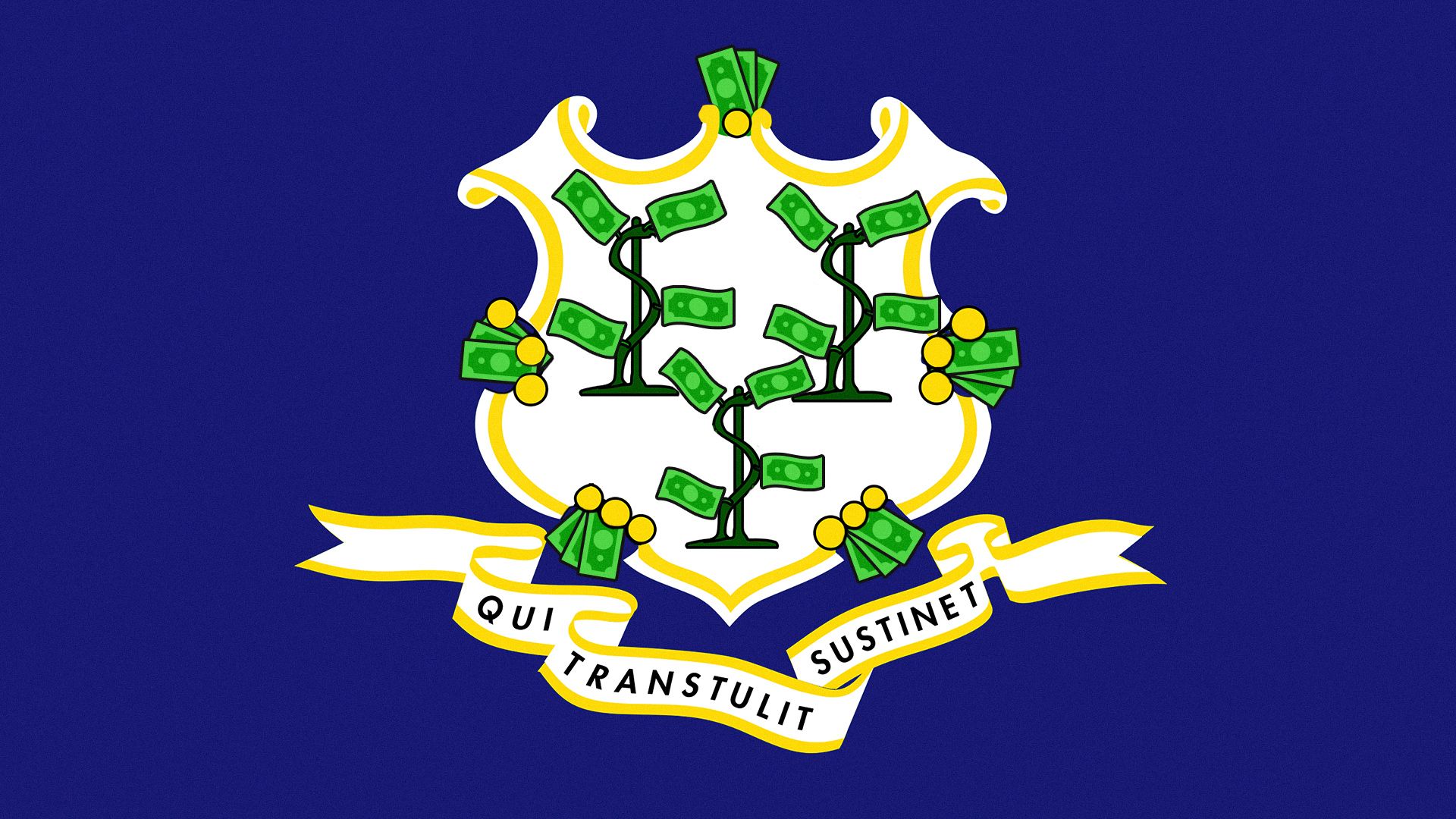
Connecticut Innovations, formed nearly four decades ago to support Nutmeg State startups, is on a heater.
Why it matters: We don't usually pay much attention to what happens between the startup hotbeds of New York and Boston, nor to the role of quasi-public venture capital funds.
FIFA, global soccer's governing body and World Cup organizer, is seeking to raise up to $4.2 billion for a new commercial subsidiary at a $20 billion valuation led by Joshua Kushner's Thrive Eternal.
Why it matters: This would be the first time FIFA has ever sought outside investment.
Central bankers, as a rule, try to maintain stable prices, a strong job market and a sound financial system. The AI boom is a complexifier on all three fronts.
The big picture: AI is blurring the usual indicators that central bankers rely upon to set policy, a new paper from a leading international body finds, simultaneously affecting the supply and demand sides of the economy and driving both structural and cyclical change.
Thursday's GDP and inflationreports are expected to reinforce the Federal Reserve's dilemma: Economic growth is holding up, while inflation remains too hot for comfort.
Why it matters: Growth that's resilient enough to withstand high borrowing costs, paired with inflation that remains above target, would reinforce the case for keeping monetary policy restrictive.
Everyone agrees the standard for self-driving cars is that they have to perform better than a human driver. Proving that is not so simple, however.
Why it matters: Inconsistent data reporting methods mean there's no common yardstick to compare safety claims, adding to the confusion and distrust surrounding autonomous vehicles.
Why it matters: A tumble in so-called momentum stocks — which worsened Tuesday with a steep drop in semiconductors — has weighed on the overall market since the S&P 500 peaked in early June.
Investors are rethinking their fondness for AI picks and shovels: the chipmakers, particularly memory makers, that make up the backbone of the new tech buildout.
Why it matters: The chip stock frenzy pushed the U.S. market to all-time highs earlier this year.
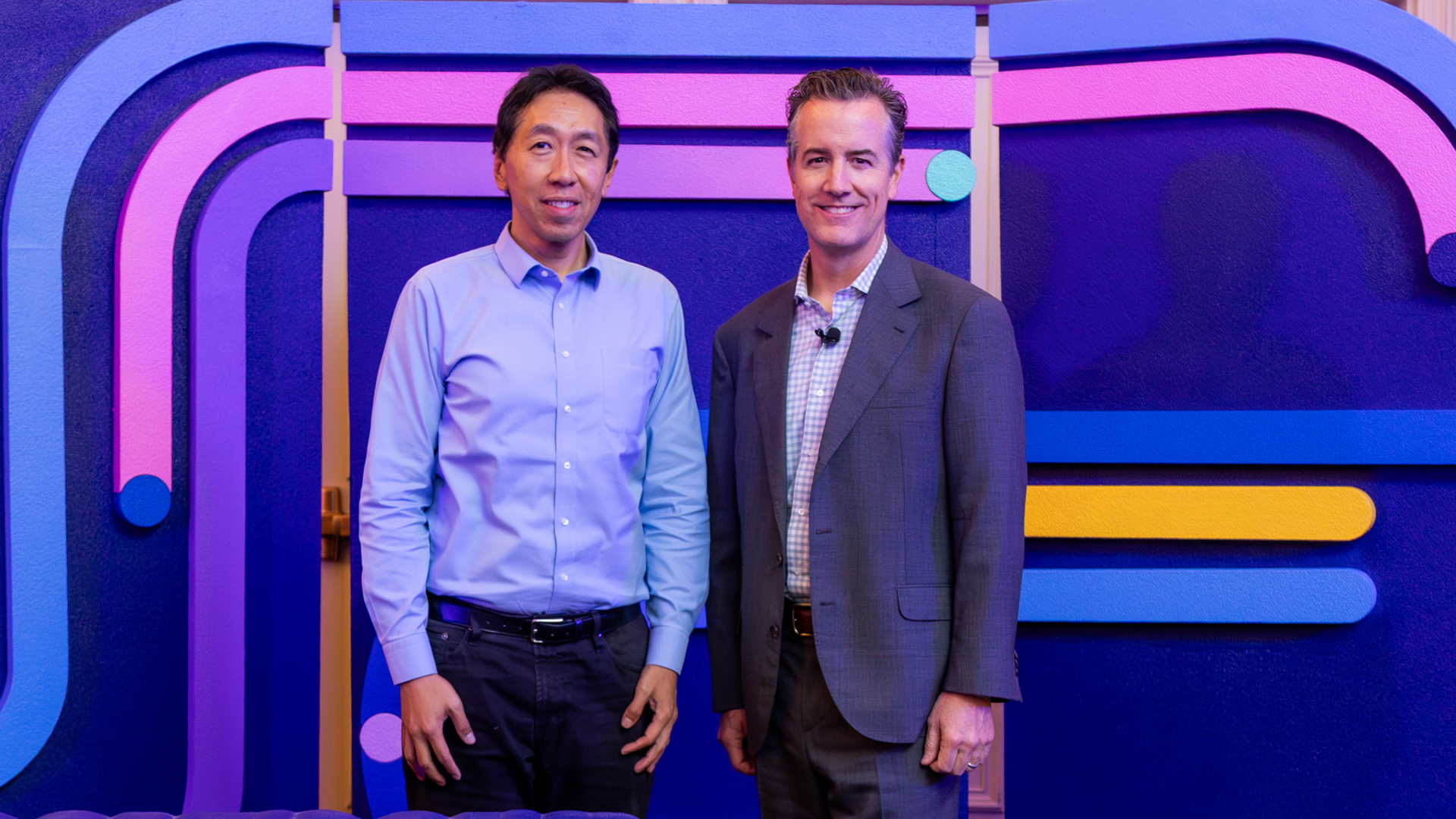
Coursera is putting $100 million into LearnVector, a new AI education company founded by Andrew Ng, a pioneer in AI and Coursera's chairman and co-founder, the companies shared first with Axios.
Why it matters: The investment is one of the largest public bets yet by an established education technology company on AI-native learning, and marks Andrew Ng's latest stab at redefining how people learn using technology.
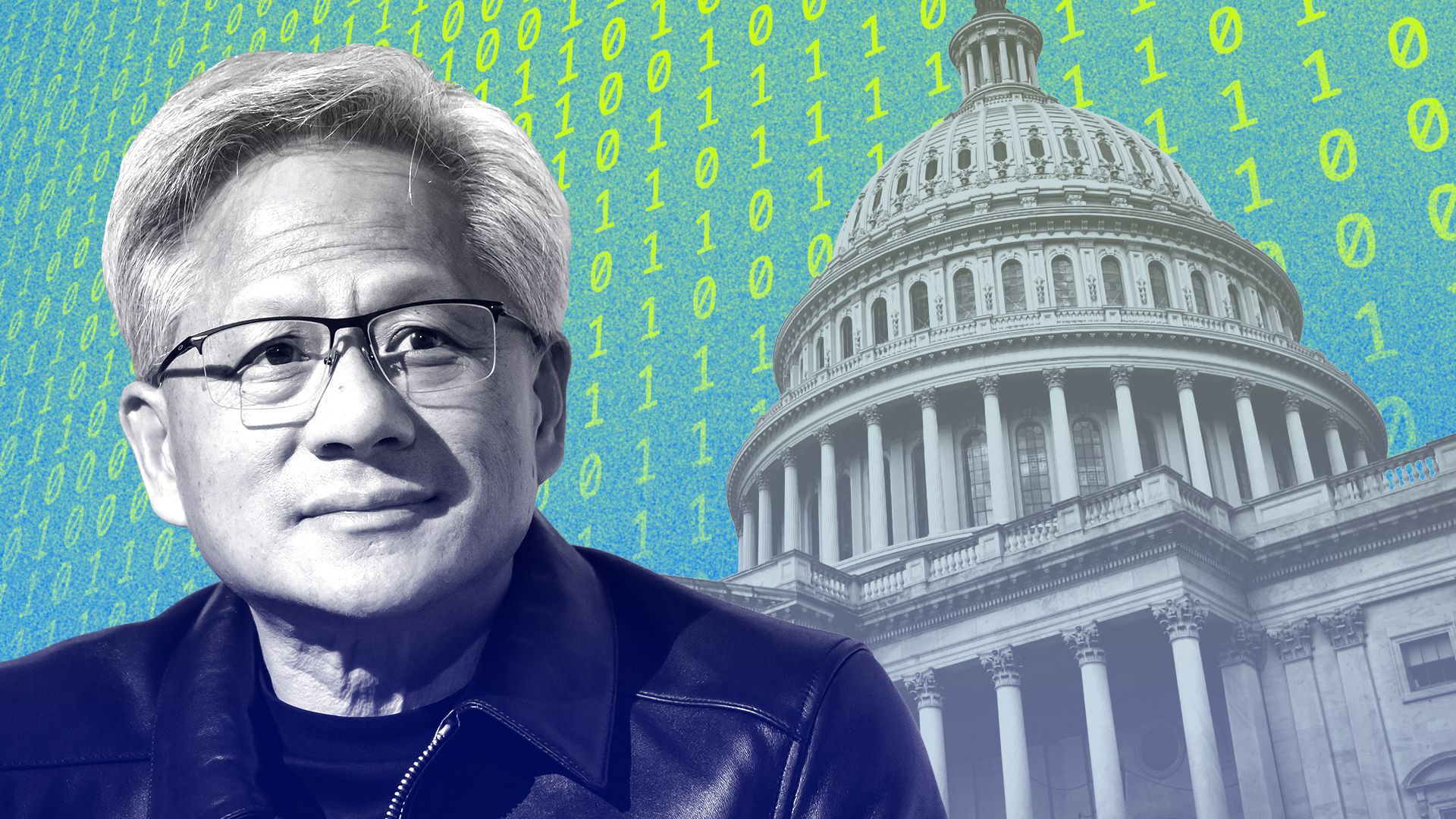
Nvidia CEO Jensen Huang met Tuesday with Commerce Secretary Howard Lutnick as the Trump administration investigates potential violations involving Nvidia chip exports to China, according to a source familiar.
Why it matters: Huang is in Washington as the Trump administration finalizes a framework that would give the government early access to the most advanced AI models before their release.
America's AI investment boom may be playing a bigger role in the U.S. economy than headline economic statistics suggest.
Why it matters: The AI boom depends on enormous imports of hardware that the U.S. doesn't make. That creates an unusual disconnect between the scale of the investment and how it appears in the government's economic statistics, particularly GDP.
AI appears to improve workers' efficiency in a number of sectors. The U.S. has experienced a surge in economy-wide productivity in the last couple of years. But the former isn't necessarily driving the latter.
The big picture: Companies are achieving more output per person-hour of labor because they are making better use of existing capital, a provocative new analysis finds — not, at the moment at least, by making major use of AI.
Venture funding for nuclear energy startups — both fusion and advanced fission — is surging.
By the numbers: Global investment is over $4.5 billion for 81 companies so far this year, according to PitchBook, putting 2026 on pace to smash last year's record haul of $6.2 billion for 93 companies.
Ares Management has held talks to acquire Los Angeles-based buyout shop Leonard Green & Partners, per the Financial Times.
Why it matters: Private equity is an AUM weak spot for Ares, when compared to other listed alt asset firms. Adding Leonard Green would help it fill the hole.
Apple's market valuation leapfrogged Nvidia's Monday for the first time since May 2025.
Why it matters: It's another sign that investors are keeping some distance from companies making giant bets on AI infrastructure — even longtime favorites like Nvidia.
President Trump's planned tariffs for generic drugs are the clearest test yet of whether the administration can keep its promises to both increase U.S. drug manufacturing and lower prescription costs.
Why it matters: Tariffs could give the country more control over the supply chain, but they could also make some of the country's cheapest medicines more expensive at a time when consumers are clamoring for relief.
Canadian travel to the U.S. fell 25% last year, according to a new Canadian government report, which says early 2026 data show the decline has persisted.
Why it matters: The report provides some of the clearest measures yet of the economic cost to the U.S. tourism industry after trade tensions, tariffs and President Trump's repeated "51st state" comments led many Canadians to vacation elsewhere.