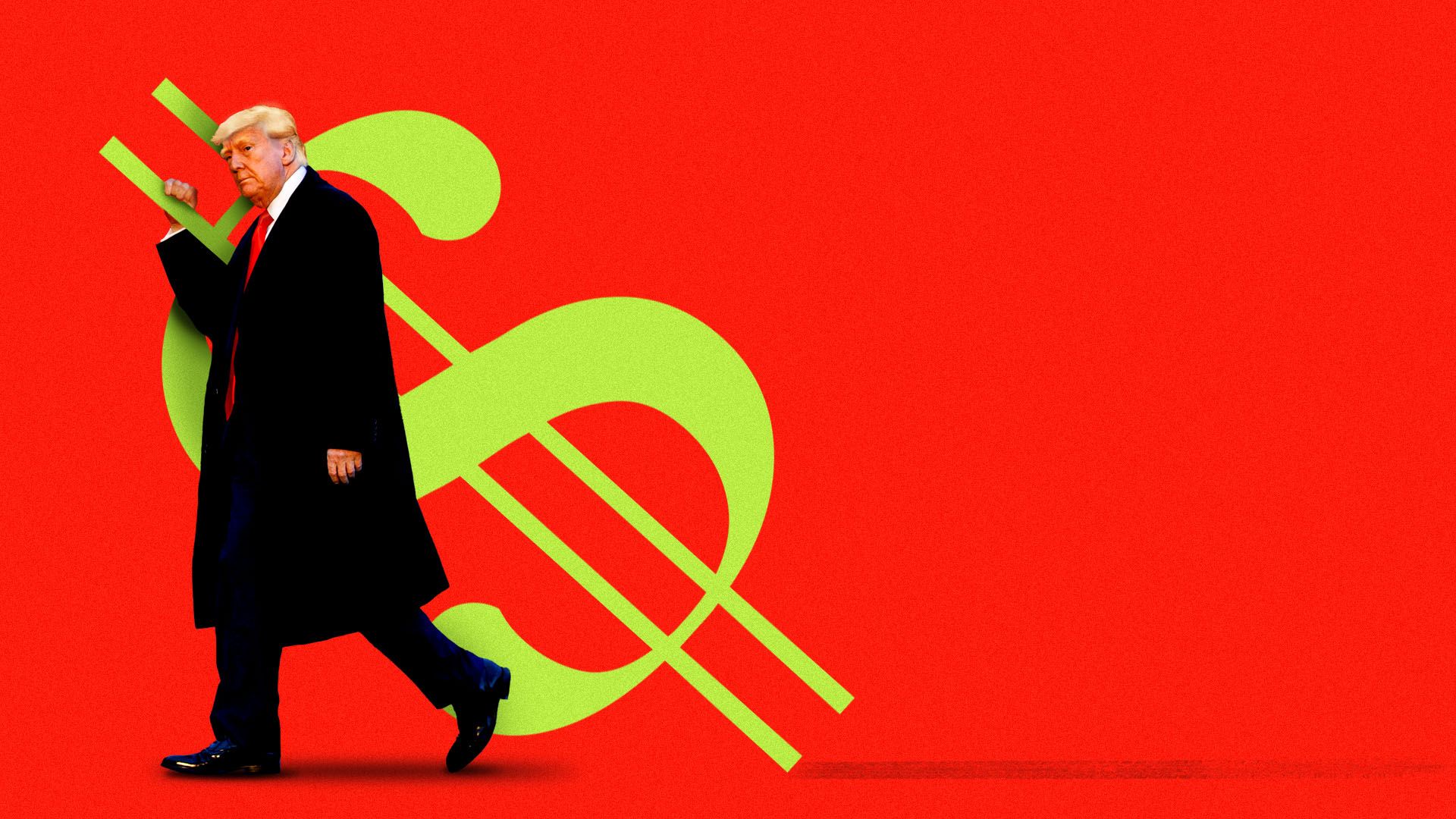
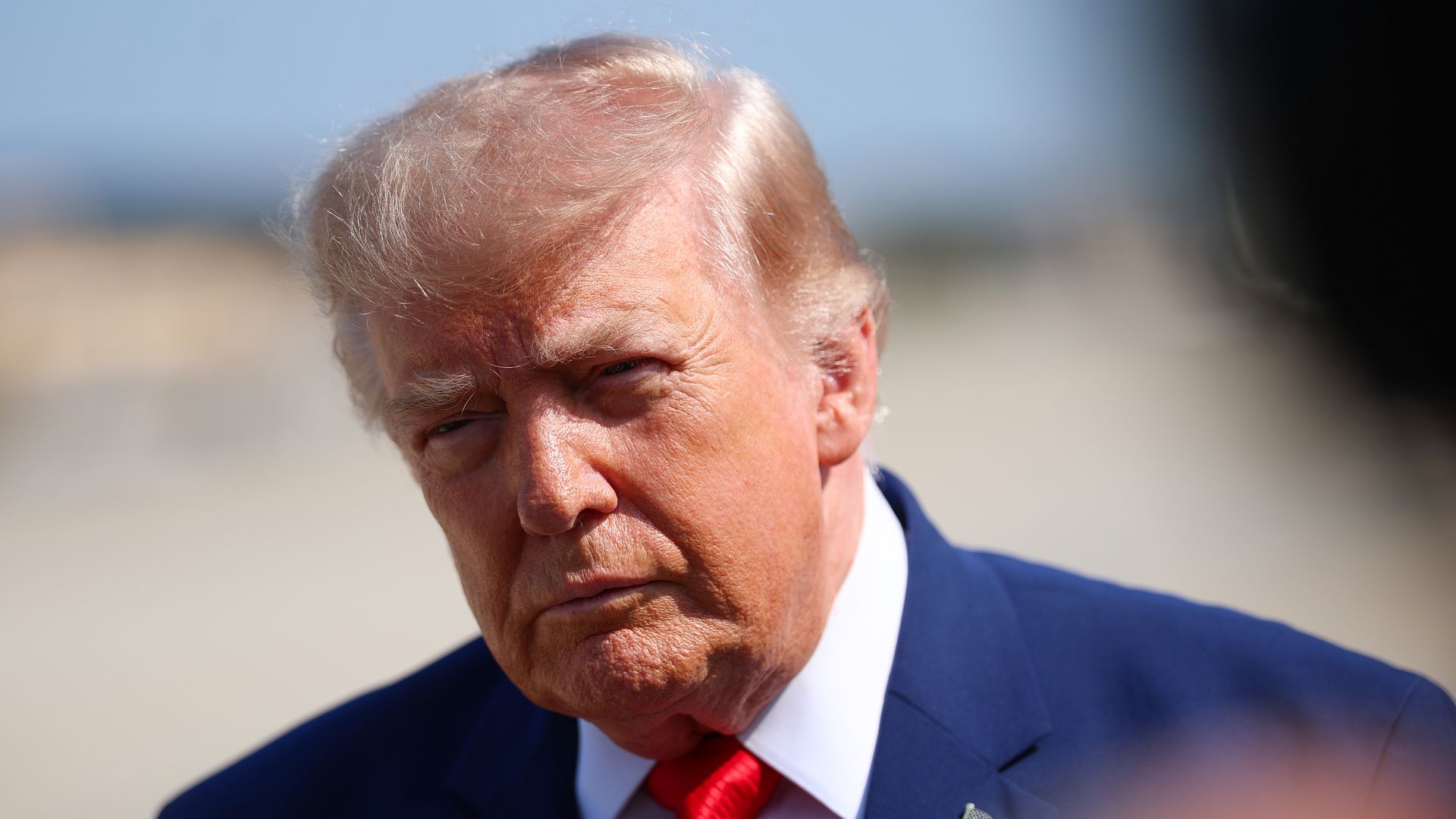
President Trump's economic assault on Iran has drawn a fraction of the attention devoted to his bombing campaign, even as senior U.S. officials believe it may ultimately do more damage to the regime in Tehran.
Why it matters: U.S. intelligence and open-source media reports point to a deepening economic crisis inside Iran, including gasoline shortages in one of the world's most oil-rich countries.
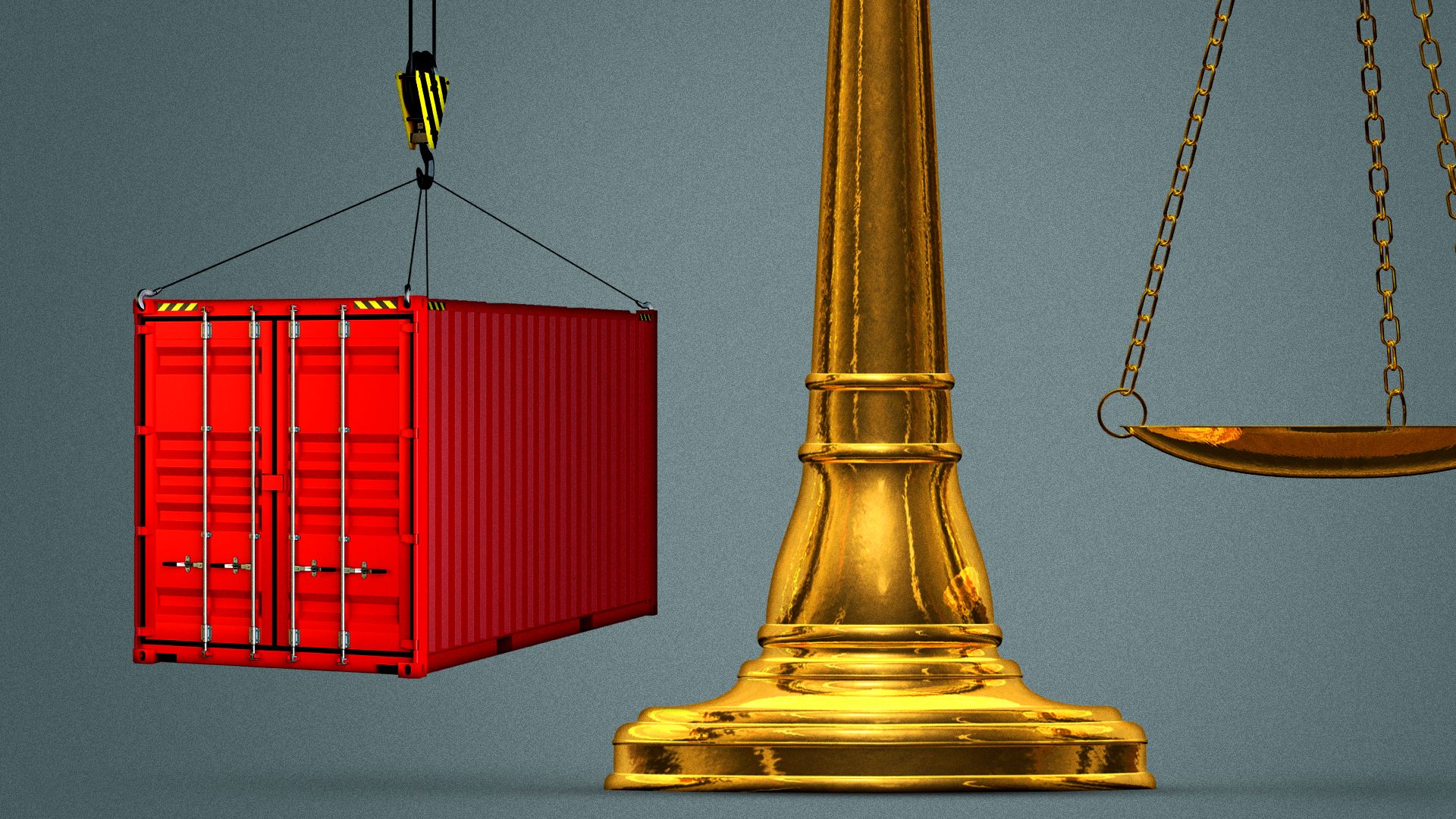
The small businesses behind high-profile legal challenges to President Trump's trade agenda are suing again to block his latest import taxes.
Why it matters: The lawsuits set up another legal test of Trump's tariff agenda after courts this year rejected one tariff regime and another remains tied up in court.
President Trump's economic sales pitch is colliding with voters' sour moods on high prices and the economy as the 2026 midterms loom.
Why it matters:Economic frustration is giving Democrats an opening on the issue that often decides elections — and could help them erase Republicans' narrow congressional majorities in November.
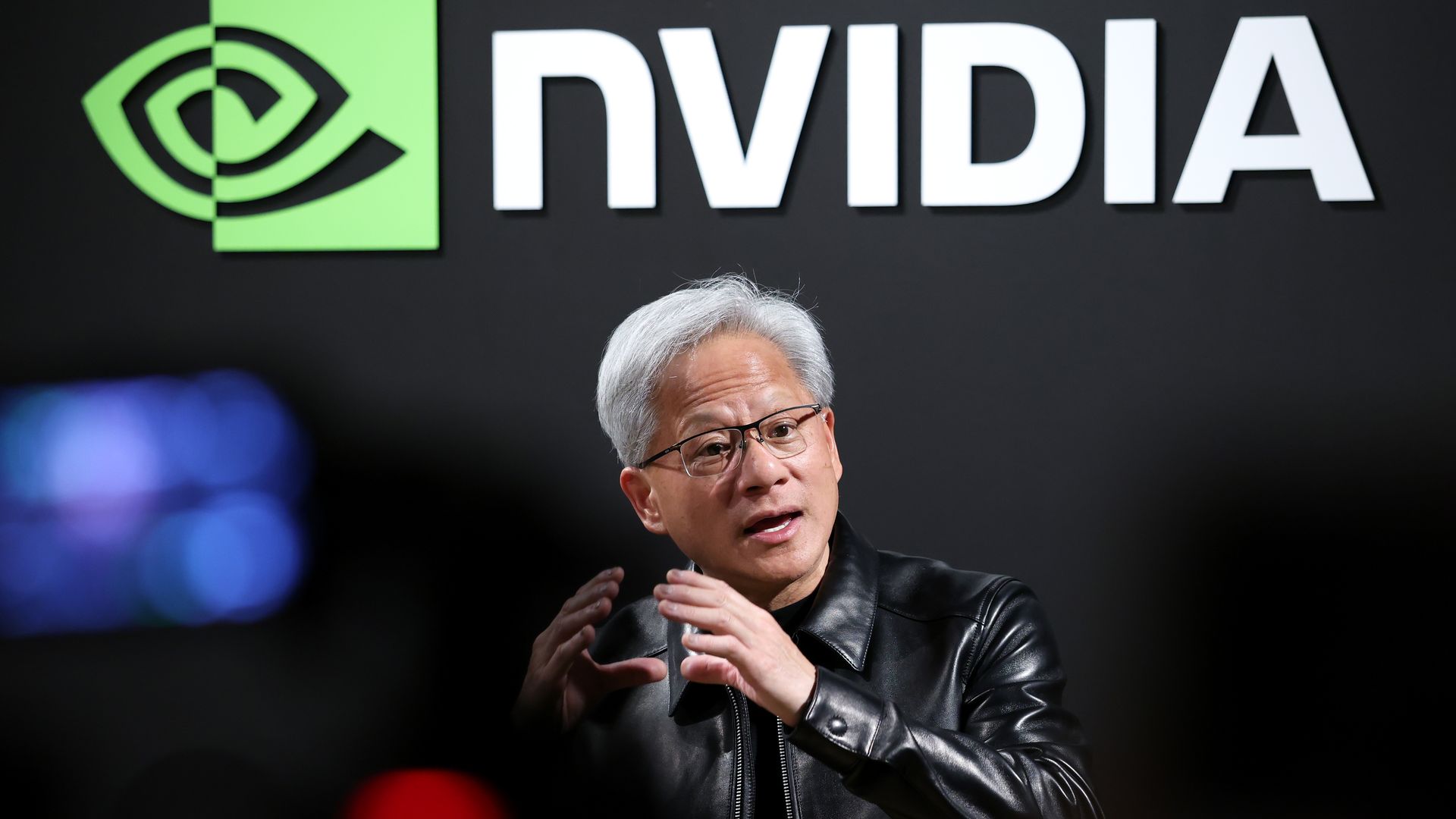
Nvidia appears poised to tighten its ties with OpenAI as it reportedly explores a deal to backstop financing for a massive data center to power the ChatGPT maker's ambitions.
Why it matters: The potential deal underscores the swift pace of the AI economy, but it also renews concerns that the increasingly "circular" nature of AI deals could create systemic financial risks.
Nvidia shares tumbled 4.5% in late morning trading.
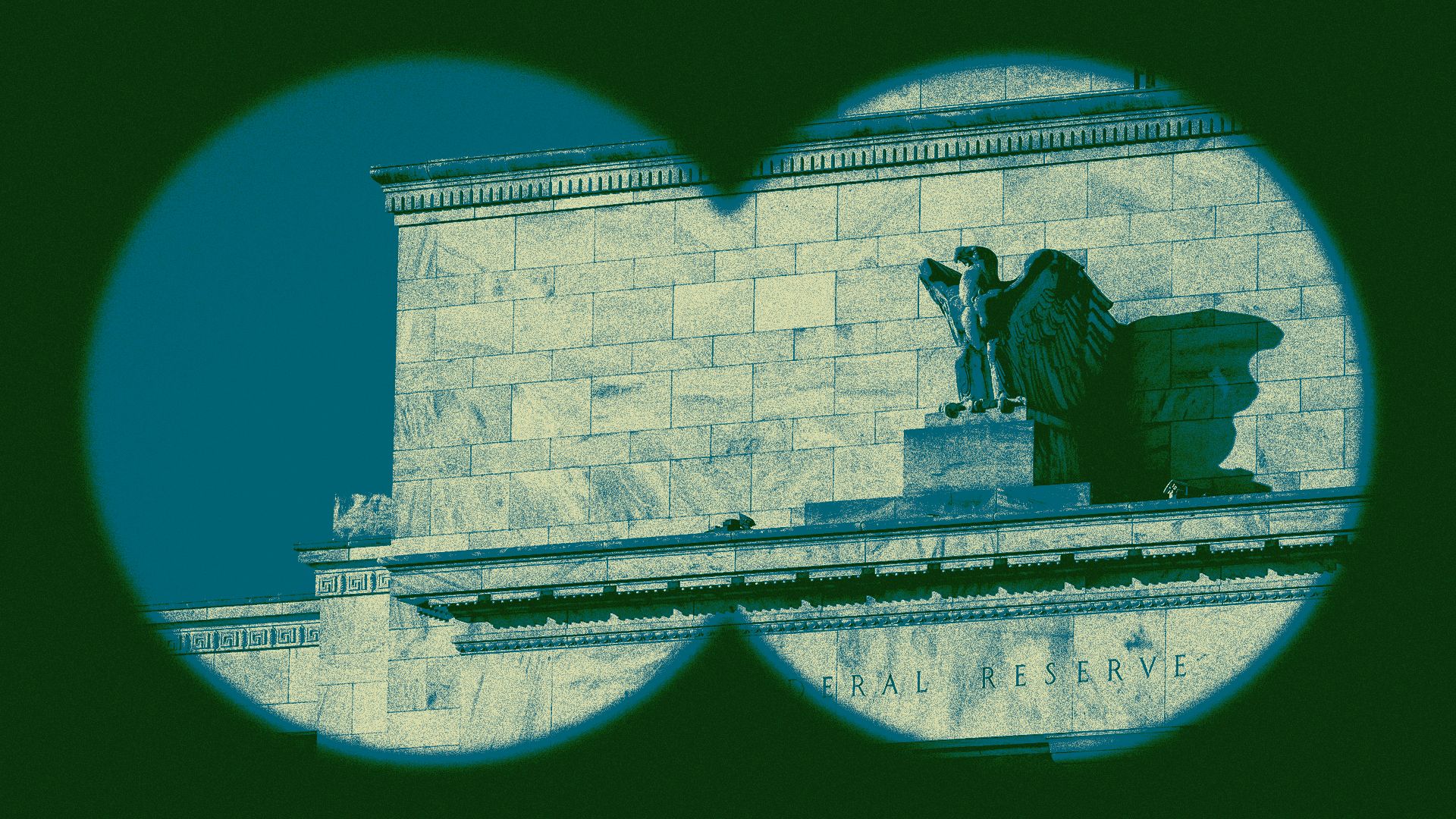
The Federal Reserve typically telegraphs its interest rate moves in advance, then follows through. This week will provide the clearest evidence yet on whether chairman Kevin Warsh is ending the era of the no-surprises Fed.
The big picture: Markets are now putting meaningful odds on the Fed delivering an interest rate hike at the conclusion of its two-day meeting this week.
If the Federal Open Market Committee were to do so, it would suggest a new era in which the central bank is less predictable — accepting more volatility and surprise as the price to be paid for greater policy nimbleness.
President Trump told Axios on Monday that he decided to pause U.S. strikes on Iran in order to give negotiations another chance, but stressed that he could order a return to expanded military operations if diplomacy fails.
Why it matters: The current negotiations are focused on a new deal that would reopen the Strait of Hormuz and relaunch talks on a comprehensive nuclear deal.
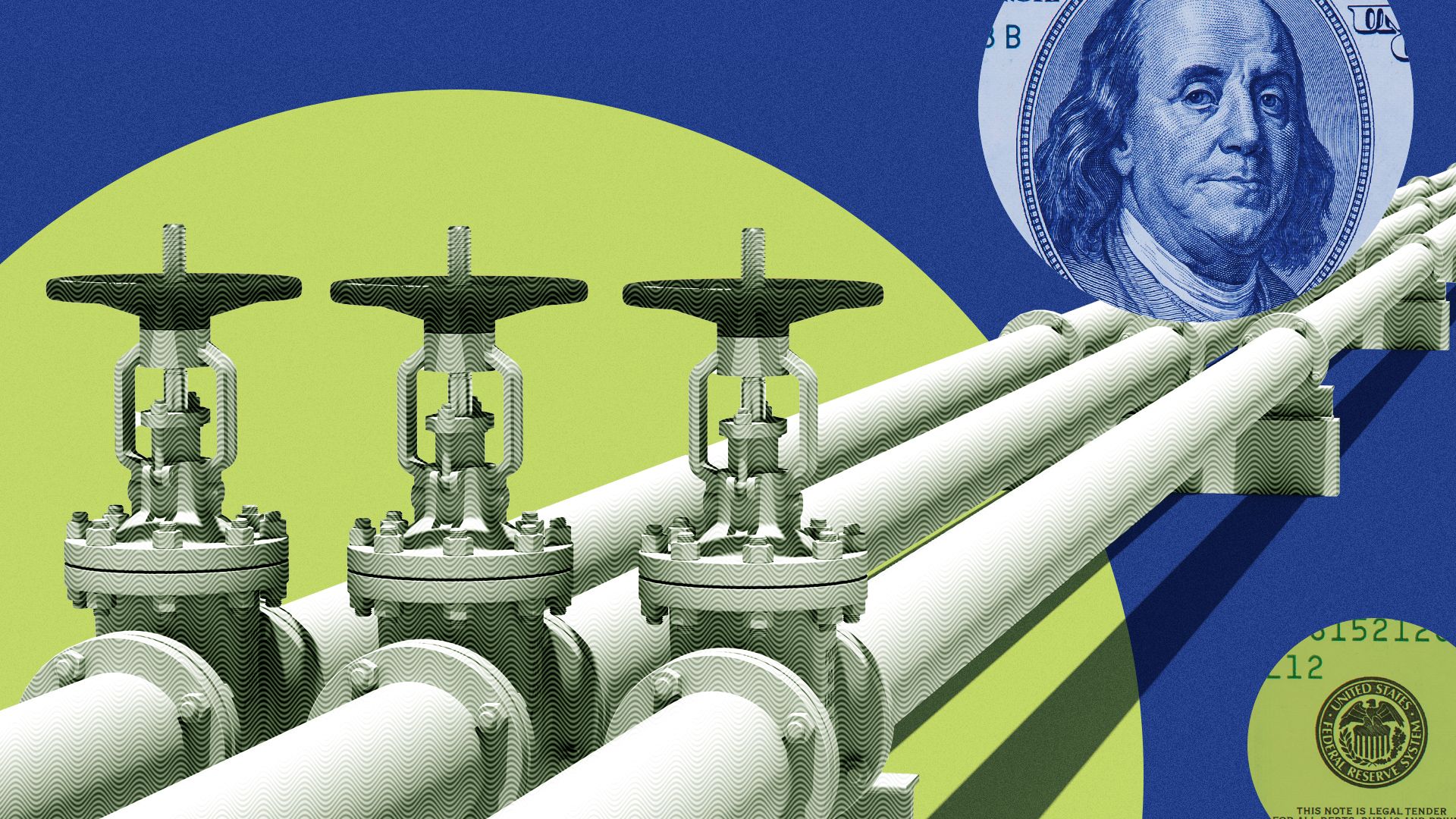
Kuwait's government has signed a $16 billion crude oil pipeline deal with North American private equity firms Blackstone, Brookfield Asset Management, and KKR.
Why it matters: This comes amid attacks on Kuwait's energy infrastructure by Iran, in retaliation for U.S. strikes.