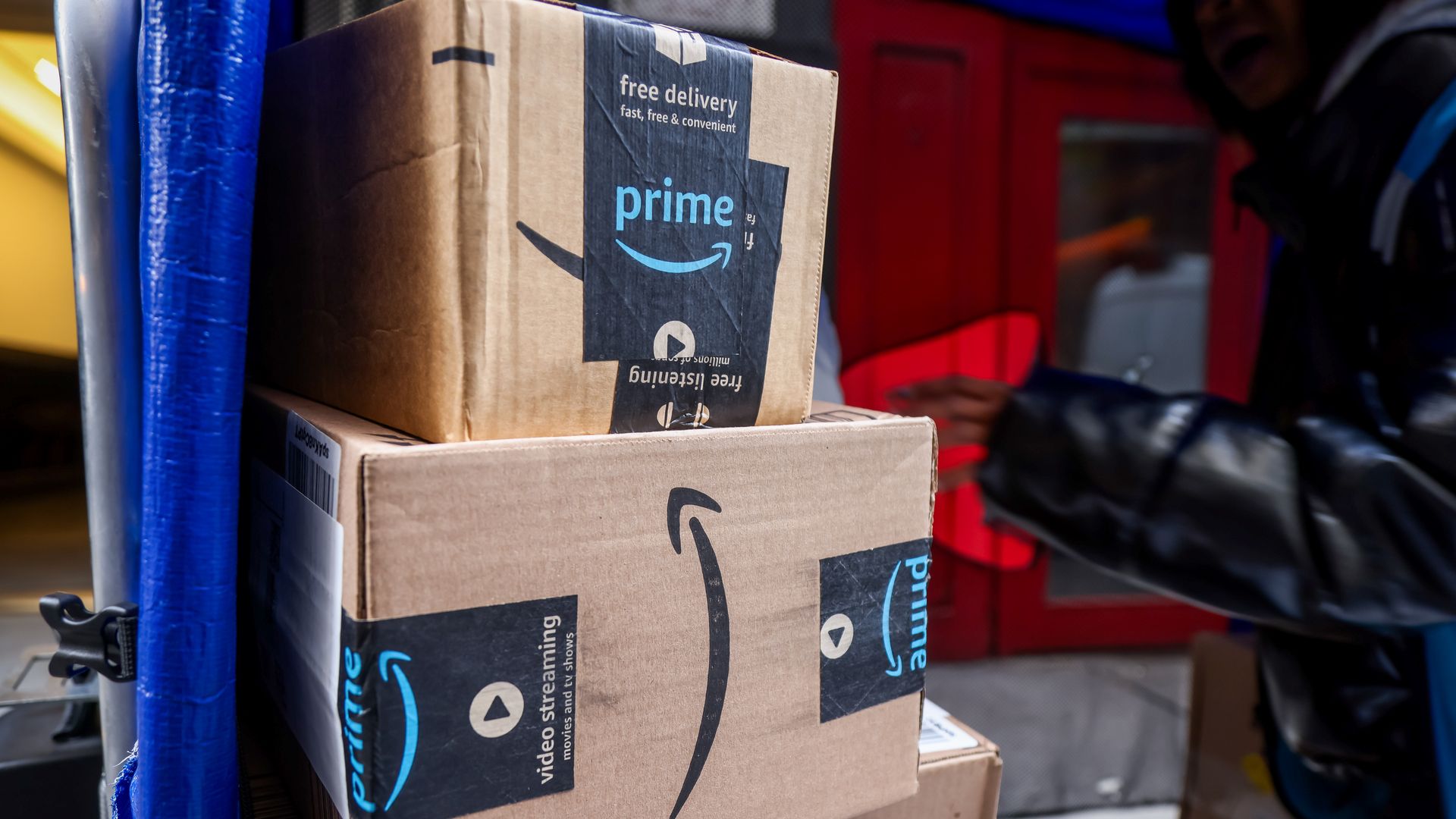
Amazon shares surged after-hours Thursday after the company posted a stronger-than-expected quarter, powered by cloud growth and resilient North American sales.
Why it matters: The results underscore how Amazon's heavy bets on AI and faster fulfillment are paying off.
The story: More Americans believe long-term investing success now requires looking beyond traditional holdings, according to findings from Charles Schwab's 2025 Modern Wealth Survey.
Apple on Thursday reported earnings slightly ahead of analysts' expectations despite continued weakness in Greater China, and forecast strong growth this holiday season.
Why it matters: The iPhone maker is huge on its own, but its results are also key to a host of suppliers and partners through the tech industry.
Eli Lilly's GLP-1 sales are rising at an unexpectedly strong pace, prompting its arch rival to make a surprising bid for an upstart obesity drug maker that another pharmaceutical company had already agreed to acquire.
Why it matters: The dynamic competitive landscape in the weight-loss drugs space continues to shift.
Hershey is warning of a disappointing Halloween, saying candy sales are lagging — just as trick-or-treaters get ready to hit the streets.
Why it matters: The candy aisle has become ground zero for climate-driven price pressure, and for quiet recipe tweaks as chocolate makers stretch cocoa supplies.
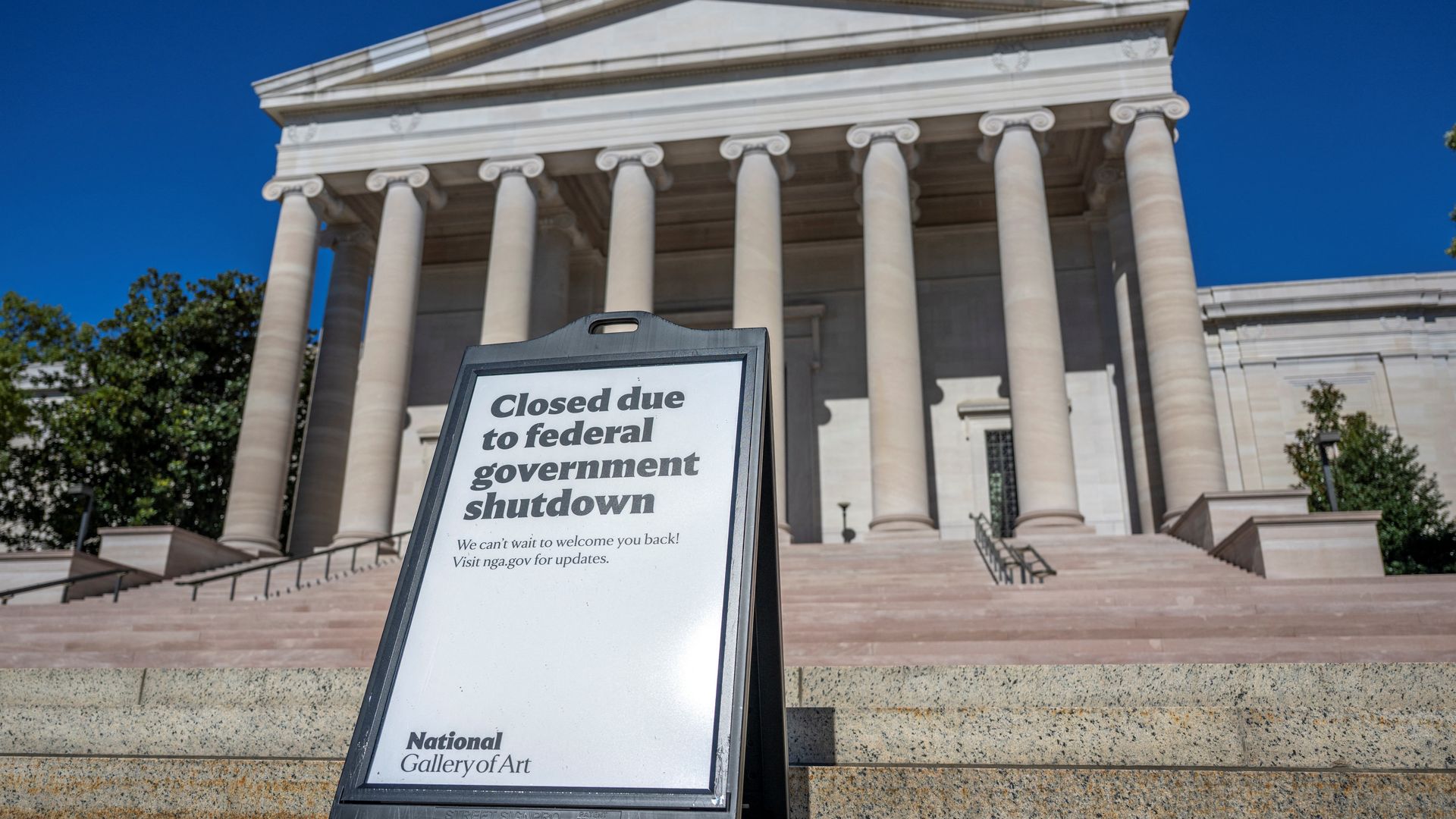
CEOs represented by the Business Roundtable, one of the nation's most influential business lobby groups, along with more than a dozen trade groups, urged Congress to reopen the government in a statement Thursday.
Why it matters: Some 200 or so CEOs of major U.S. companies, from Apple to Walmart, belong to the Business Roundtable, which warns that the prolonged government shutdown is causing economic damage, some of which is irreversible.
"The longer the shutdown persists, the larger and more durable the economic damage becomes — and some of it could never be recovered," the group says in its statement.
16 trade associations also joined the statement, representing a range of industries, including the American Bankers Association, American Hotel & Lodging Association, National Association of Home Builders and National Association of Manufacturers.
The big picture: The shutdown is now in its 30th day, and pressure is building on lawmakers to broker a deal.
Around 42 million Americans are at risk of losing their food benefits, or SNAP, beginning Saturday.
More than 65,000 small businesses that contract with the federal government have $3 billion at risk each week the shutdown persists, the Chamber of Commerce said in an analysis released Thursday.
"The Chamber is again calling on Congress to immediately pass the continuing resolution to reopen and fund the government," Neil Bradley, chief policy officer for the lobby group, said in a statement.
Zoom in: The airline industry in particular is eager to get back to business.
Air traffic controllers and other airport workers are going without pay, straining air travel in the U.S.
On Thursday, CEOs from American Airlines and United attended a roundtable to press for an end to the stalemate, Reuters reports.
"Delta Air Lines implores Congress to immediately pass a clean continuing resolution to reopen the government so that our air traffic controllers, TSA and CPB officers charged with the safety and efficiency of our national airspace can collect the paychecks they deserve," the company said in a statement.
Editor's note: This story has been updated with additional details.
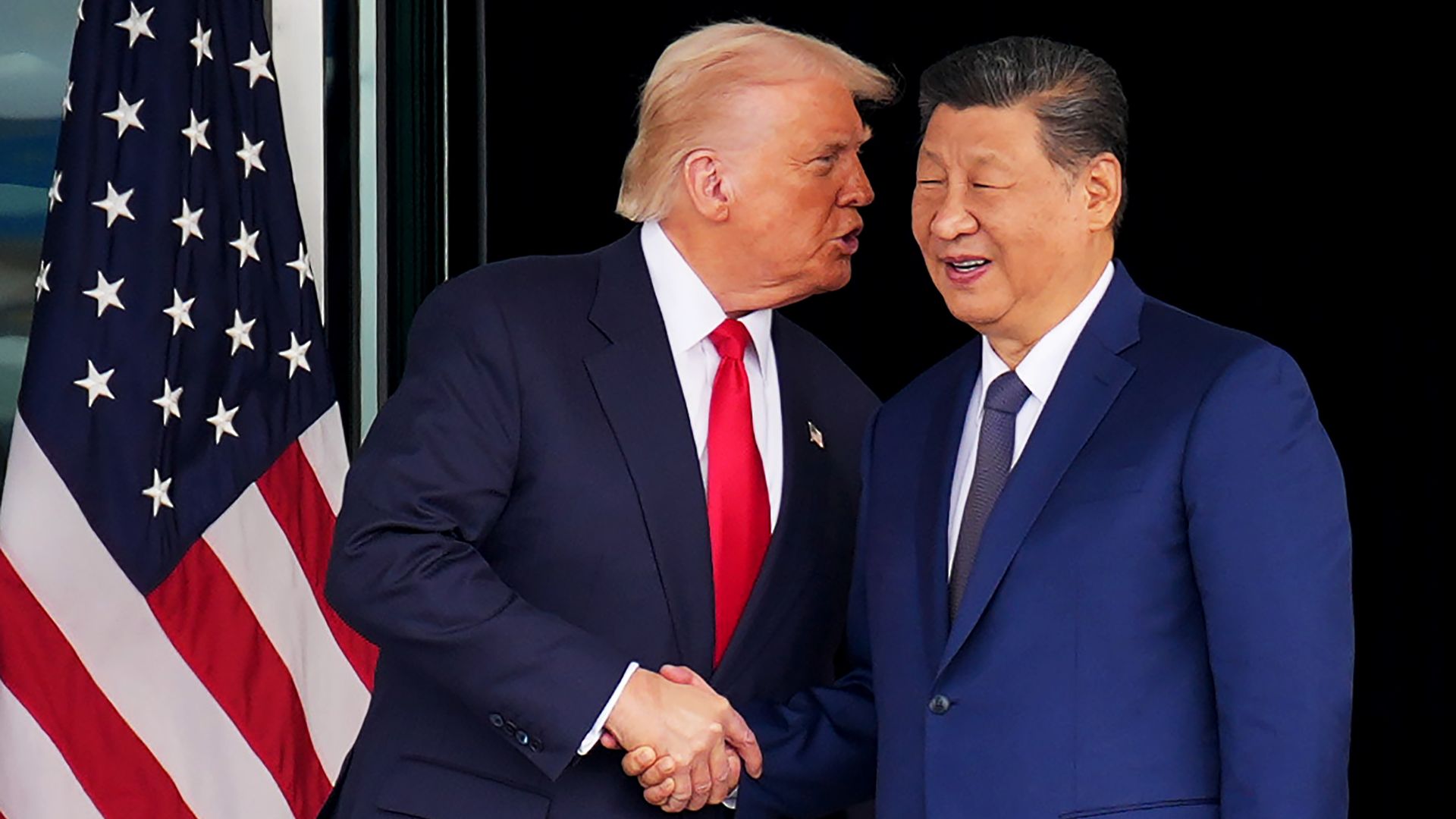
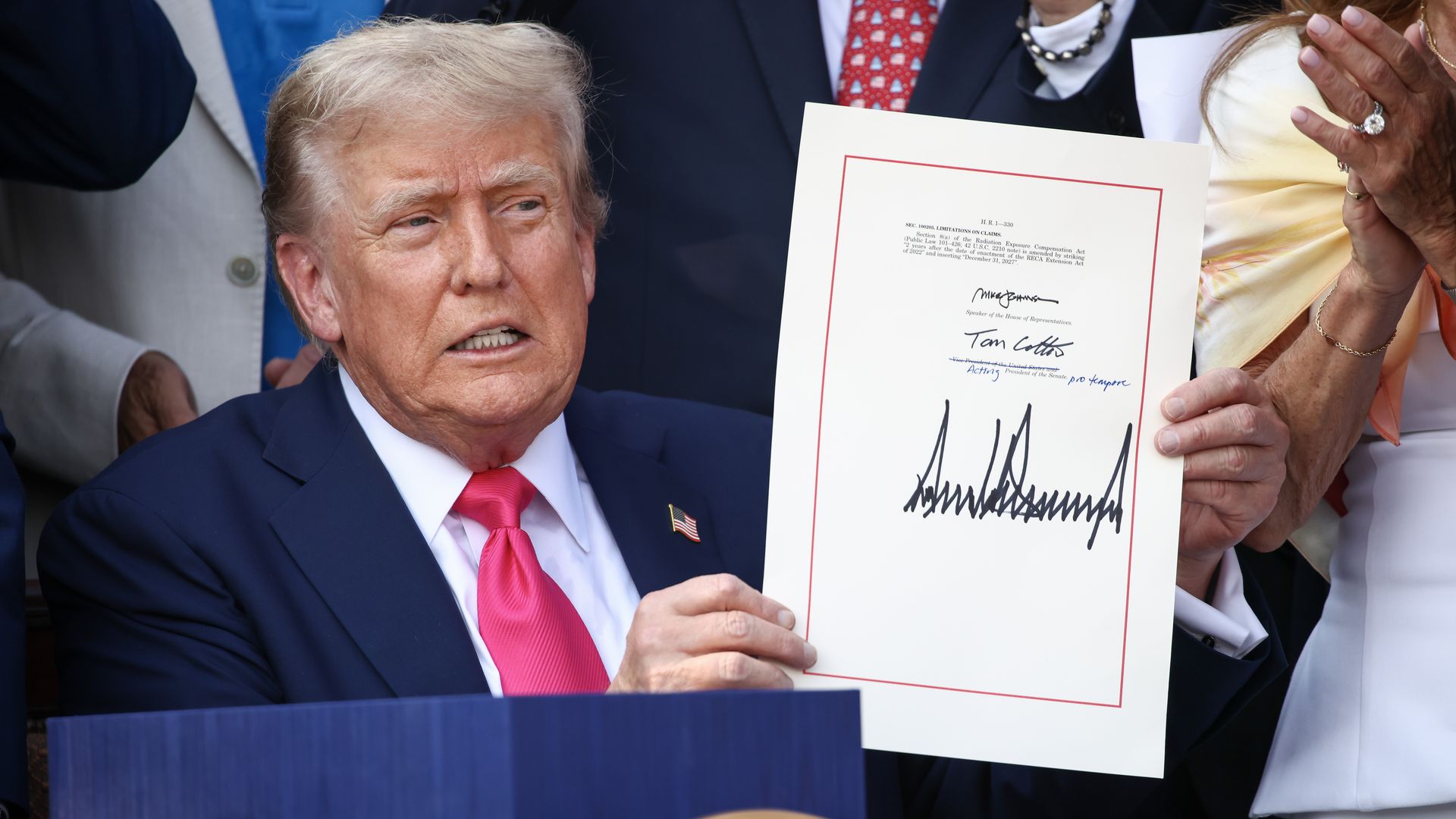
President Trump and Chinese leader Xi Jinping announced the outlines of a historic trade deal, touching on everything from agriculture to technology exports ... again.
The big picture: The deal announced early this morning overlaps considerably with previous deals Trump and Xi have cut over the past six years. In many cases, in some way or another, those deals fell apart or failed to perform, often with the Chinese changing their plans abruptly.
SNAP benefits are likely to run out this week due to the federal government shutdown, but major changes are still set to take effect for enrollees.
The big picture: The changes to the program outlined inPresident Trump's One Big Beautiful Bill Act (OBBA) mark a historic cut to the social safety net, which experts say could leave more people hungry and uninsured.
The big surprise from Wednesday's Federal Reserve policy meeting was chair Jerome Powell's repeated efforts to throw cold water on expectations that another rate cut is a sure thing by year-end — a reflection of an increasingly vocal, and frustrated, contingent of monetary hawks.
Why it matters: So much attention has been paid to the push to lower rates, advanced by President Trump appointees and eventually embraced by Powell himself, that it's easy to overlook how deeply worried a contingent of policymakers remain about still-elevated inflation.
Downtown districts across the U.S. have experienced widespread business closures, empty spaces and reduced foot traffic.
The pandemic accelerated long-term shifts that were already underway as e-commerce, remote work and changing consumer habits altered downtown economies.
Why it's important: These districts play an outsized role in community economies, serving as cultural and economic hubs that bring together jobs, residences, businesses, public spaces and anchor institutions.
Communicators tend to gripe about how they deserve to have a seat at the corporate leadership table. It's a tired trope that I'm, quite frankly, sick of writing about.
Yes, but: When Walmart executive vice president of corporate affairs Dan Bartlett told me the "public" has a seat at the table, it made me pause.
Why it matters: Corporate affairs and communications teams show their value by acting as strategic liaisons between a company and its most important audiences, namely the public.
Palantir on Thursday sued two former employees who now work at Percepta, an "AI transformation company" recently launched by venture capital giant General Catalyst.
Why it matters: GC has become one of venture's most ambitious firms, having recently bought an Ohio hospital and participated in a takeover bid for Janus Henderson. There's lots of IPO buzz.
This could stain its story, even if GC never gets added to the defendant roster.
Bending Spoons, an Italian holding company that buys and seeks to revitalize tech brands like AOL, on Thursday announced a $710 million equity raise at an $11 billion pre-money valuation.
Why it matters: The deal includes $270 million in primary capital that will be used to make further acquisitions, Bending Spoons CEO Luca Ferrari tells Axios.
Lucid Motors will soon unveil a vehicle-to-home power product, and the luxury EV startup is also talking with third-party dealerships in Europe — a departure from its direct-to-consumer model.
Why it matters: Those steps, shared by interim CEO Marc Winterhoff in an interview, illustrate how Lucid is adapting on the fraught, expensive road from buzzy startup to commercial-scale automaker.
The concentration of market gains into a basket of AI stocks ($5 trillion Nvidia mainly) is making it harder for hedge funds to hedge, as they are becoming dangerously correlated with the broader stock market.
Why it matters: Higher correlations increase the chance of bigger losses when there is a downturn, defeating the primary purpose of hedge funds.
The anticipatedspike in Affordable Care Act premiums came into focus this week as previews of 2026 coverage options showed how customers could be on the hook for thousands more dollars in costs.
Why it matters: ACA open enrollment starts on Saturday, and people looking to re-up coverage could face both higher premiums and less assistance paying them if Congress doesn't extend enhanced pandemic-era subsidies.
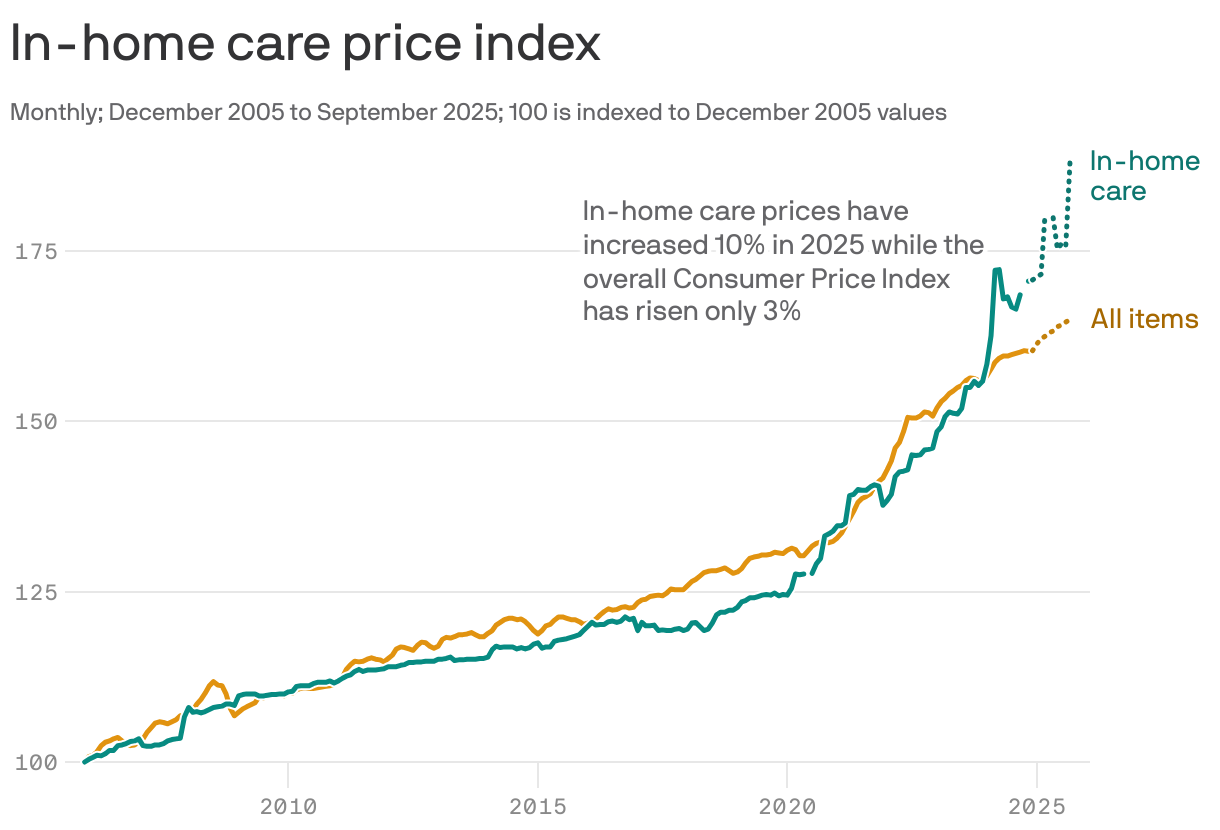
Data: BLS; Note: Defined as care of the elderly, disabled or convalescent at home. Data is seasonally adjusted; Chart: Axios Visuals
The cost of hiring help to care for an elderly or a sick person at home is skyrocketing.
Why it matters: A labor shortage and surging demand from an aging population was already driving up prices, and nowthe White House's crackdown on immigration and funding cuts are making things worse.
President Trump said he'll trim China tariffs after talks with Xi Jinping in South Korea in exchange for Beijing's pledge to buy U.S. soybeans and energy, allow exports of rare earth minerals and curb the flow of fentanyl.
Why it matters: A trade truce between the world's two largest economies could bring relief to businesses, investors and consumers.
The AI spending spree continues. It's only getting bigger, in fact, and the sums more astronomical.
Why it matters: The longer the boom can keep carrying the economy, the more it can offset other structural changes, like a reordering of global trade and a transformation of the labor market.