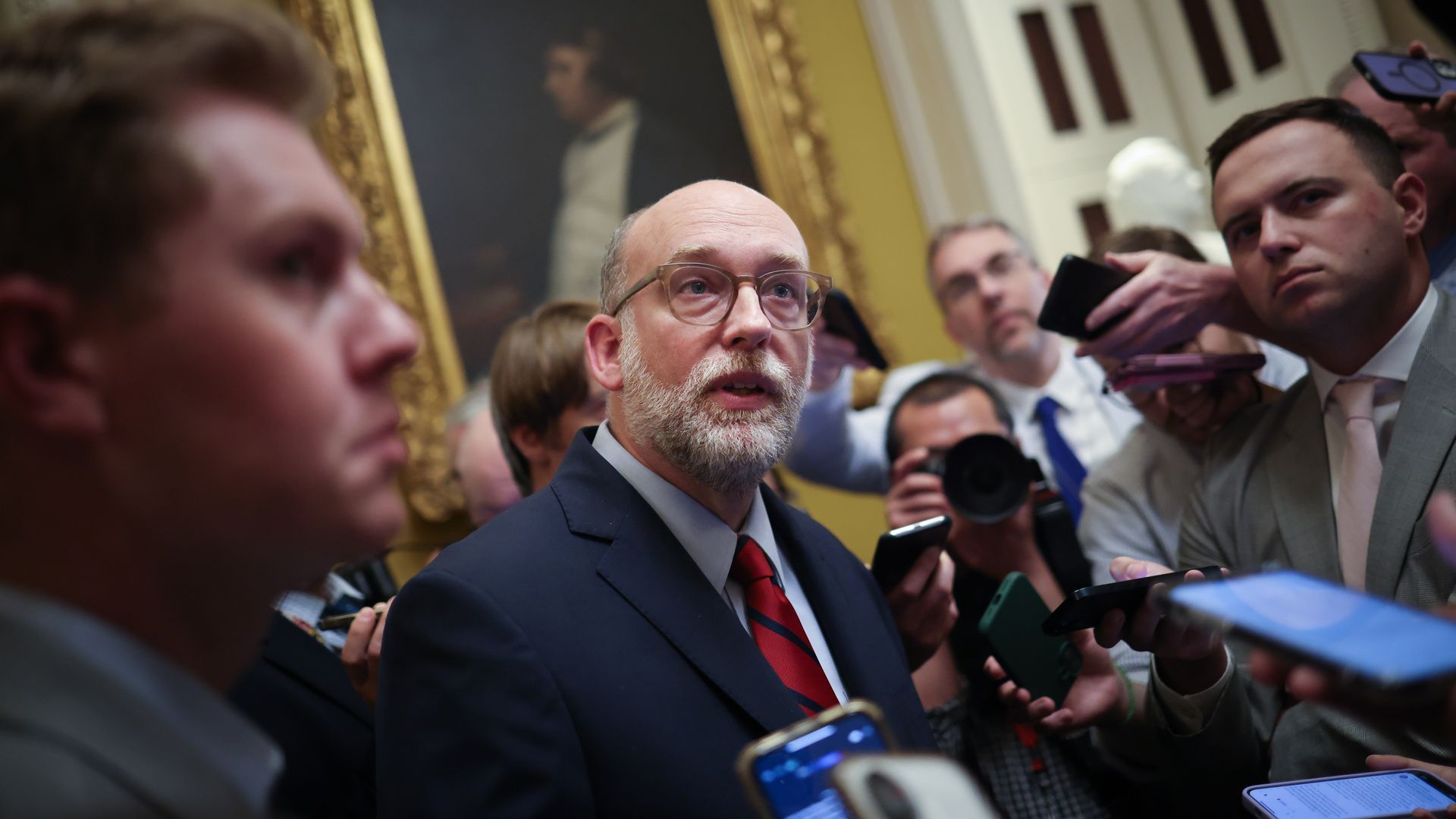
Key Senate Republicans pressed U.S. trade representative Jamieson Greer about struggling soybean farmers as President Trump moves forward with a bailout for Argentina.
Why it matters: Trump's now-$40-billion bailout for Argentina is exacerbating GOP trade war fears.
The White House threatened to fire thousands more federal employees Wednesday, and rolled out new hiring standards for those who'll replace them — then a judge issued an order complicating the whole process.
Why it matters: President Trump is using the government shutdown to further his push to completely upend the federal workforce.
Holiday shoppers are heading into the season with their most bleak economic outlook since at least the late 1990s, Deloitte said Wednesday, a warning sign for retailers counting on festive spending.
Why it matters: After two years of resilient holiday sales, shoppers are feeling stretched — and it's showing up in their plans.
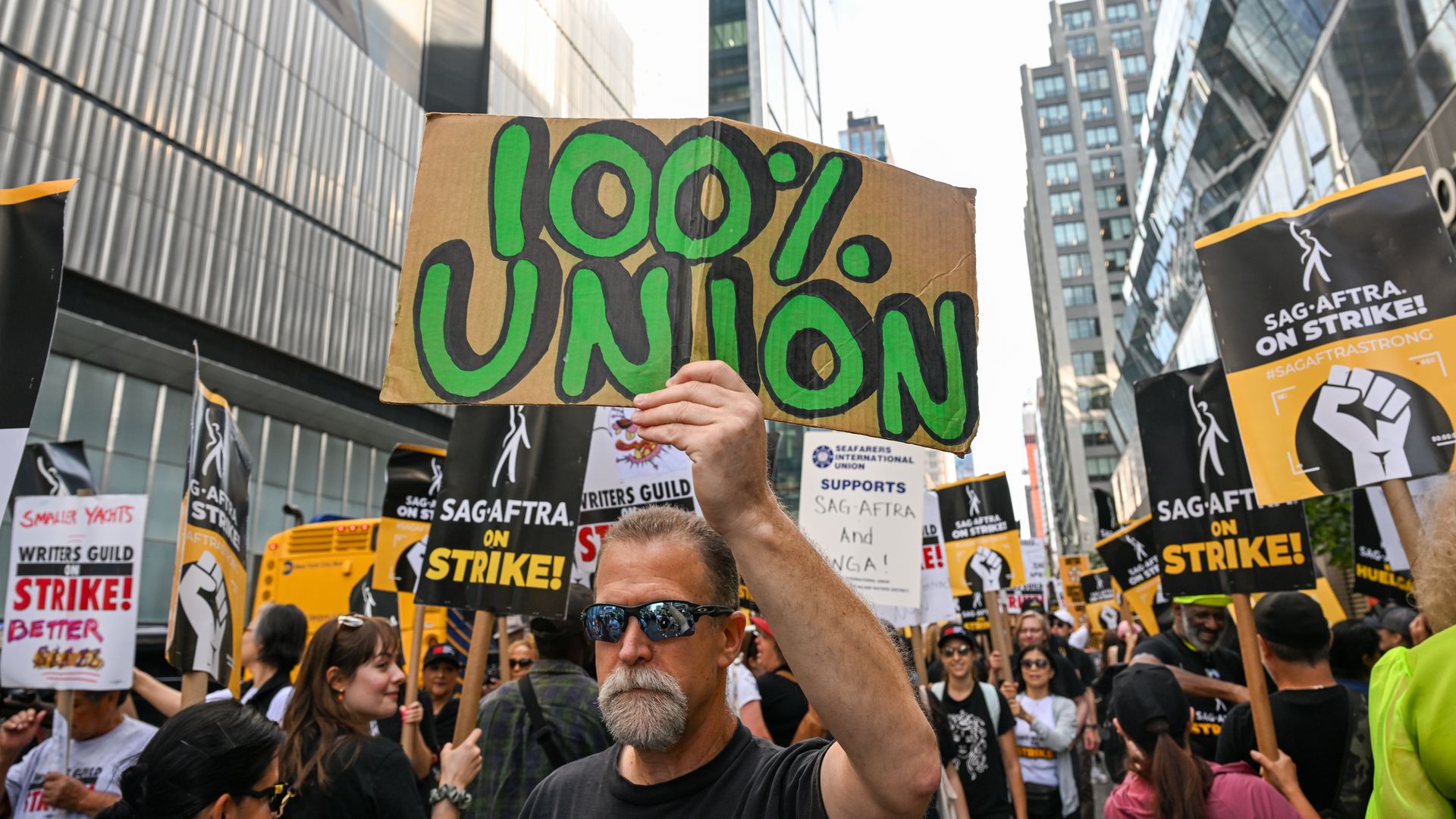
The largest federation of labor unions representing nearly 15 million Americans launched the first comprehensive agenda for a future fueled by "worker-centered" artificial intelligenceon Wednesday, promoting what they say are benefits for everyone, "not just tech billionaires and corporate shareholders."
Why it matters: Deemed the "Workers First Initiative on AI," the federation warns of the looming worker bloodbath many leaders in AI have predicted, and proposes a list of principles that would protect workers rights if implemented.
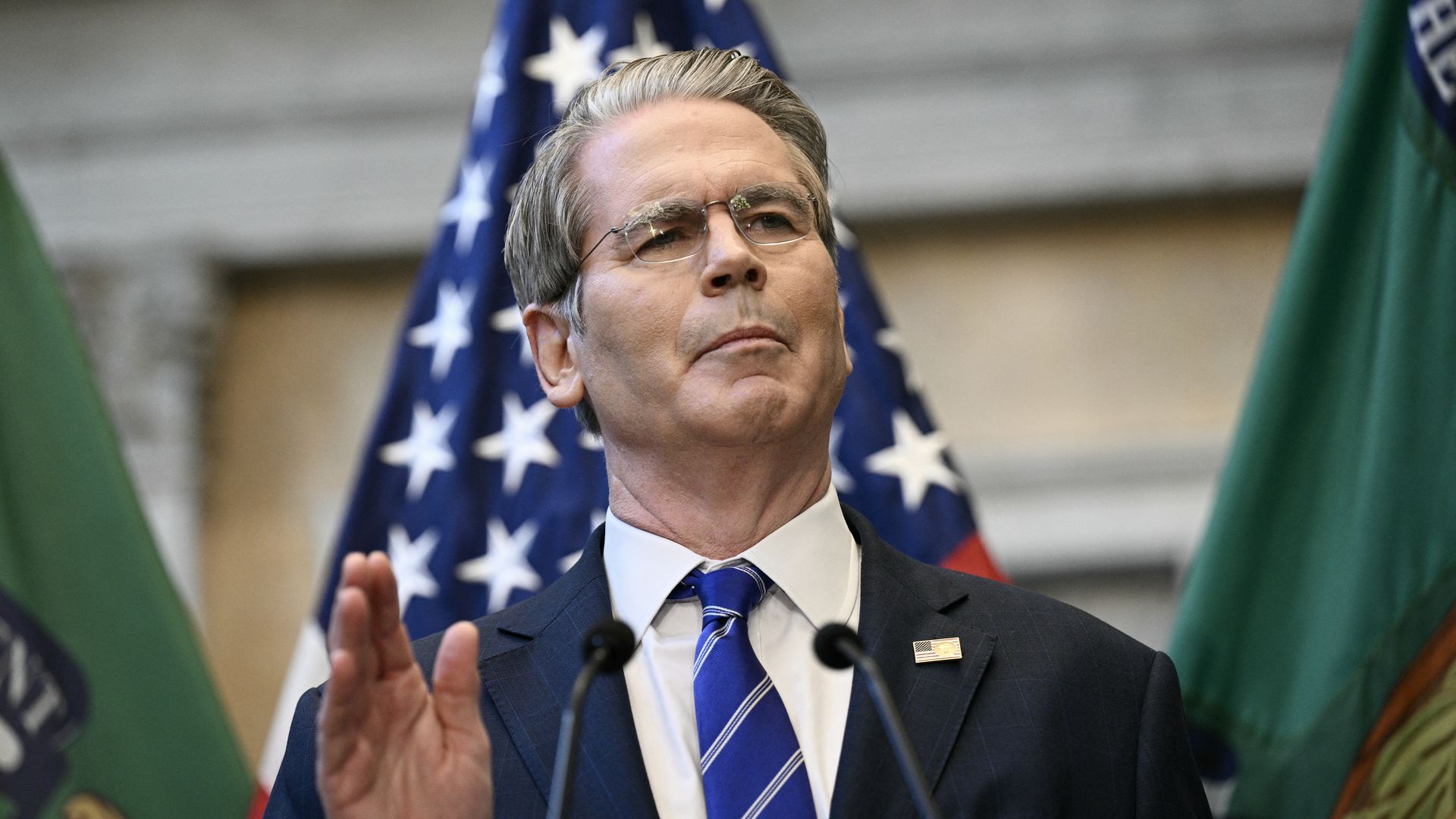
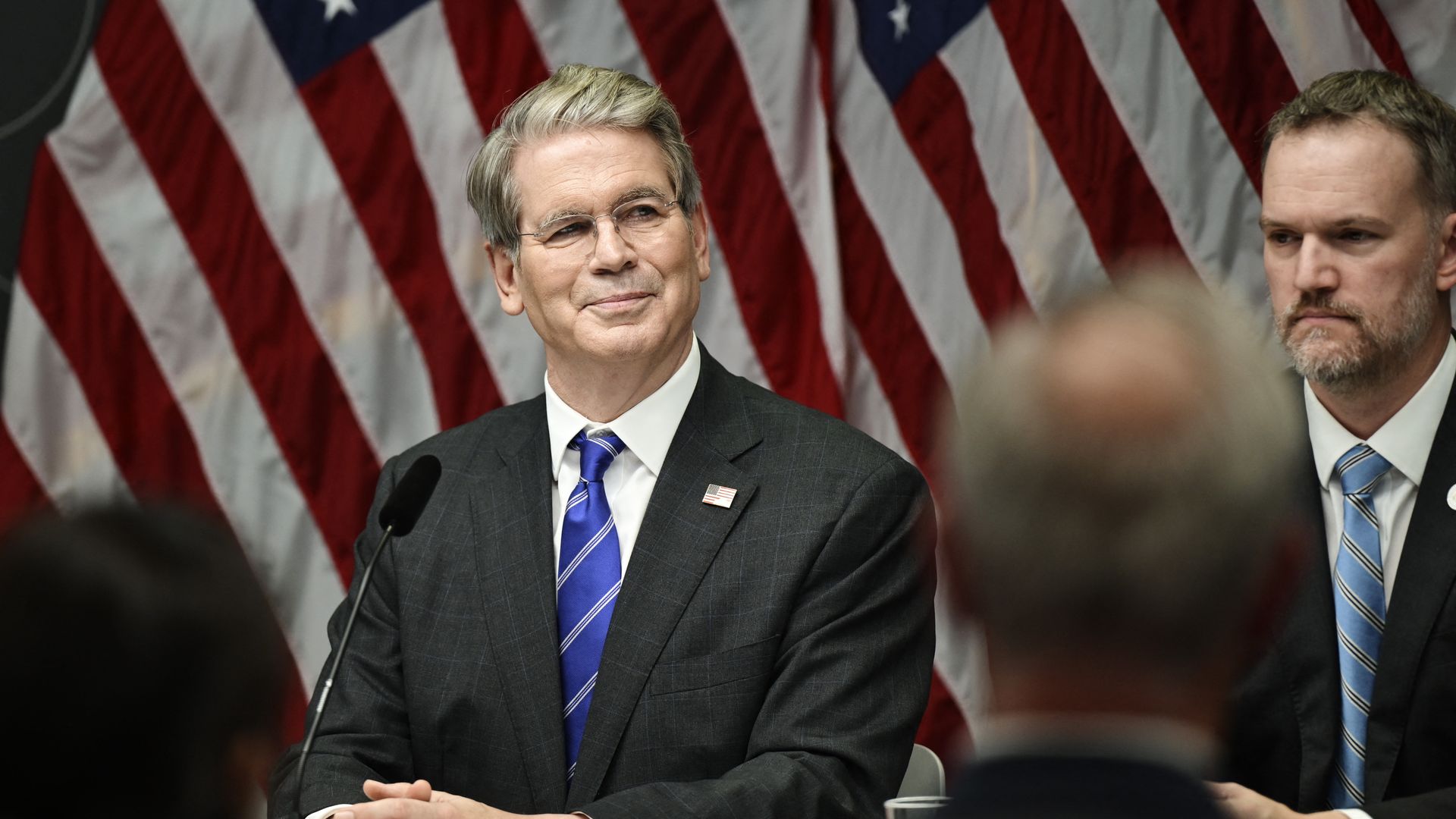
The U.S. is working on a multibillion-dollar rescue plan for Argentina funded by the private sector, Treasury Secretary Scott Bessent told a group of reporters on Wednesday.
Why it matters: Bessent said the $20 billion facility — aimed at shoring up Argentina's debt market — would work alongside the Trump administration's measures announced last week.
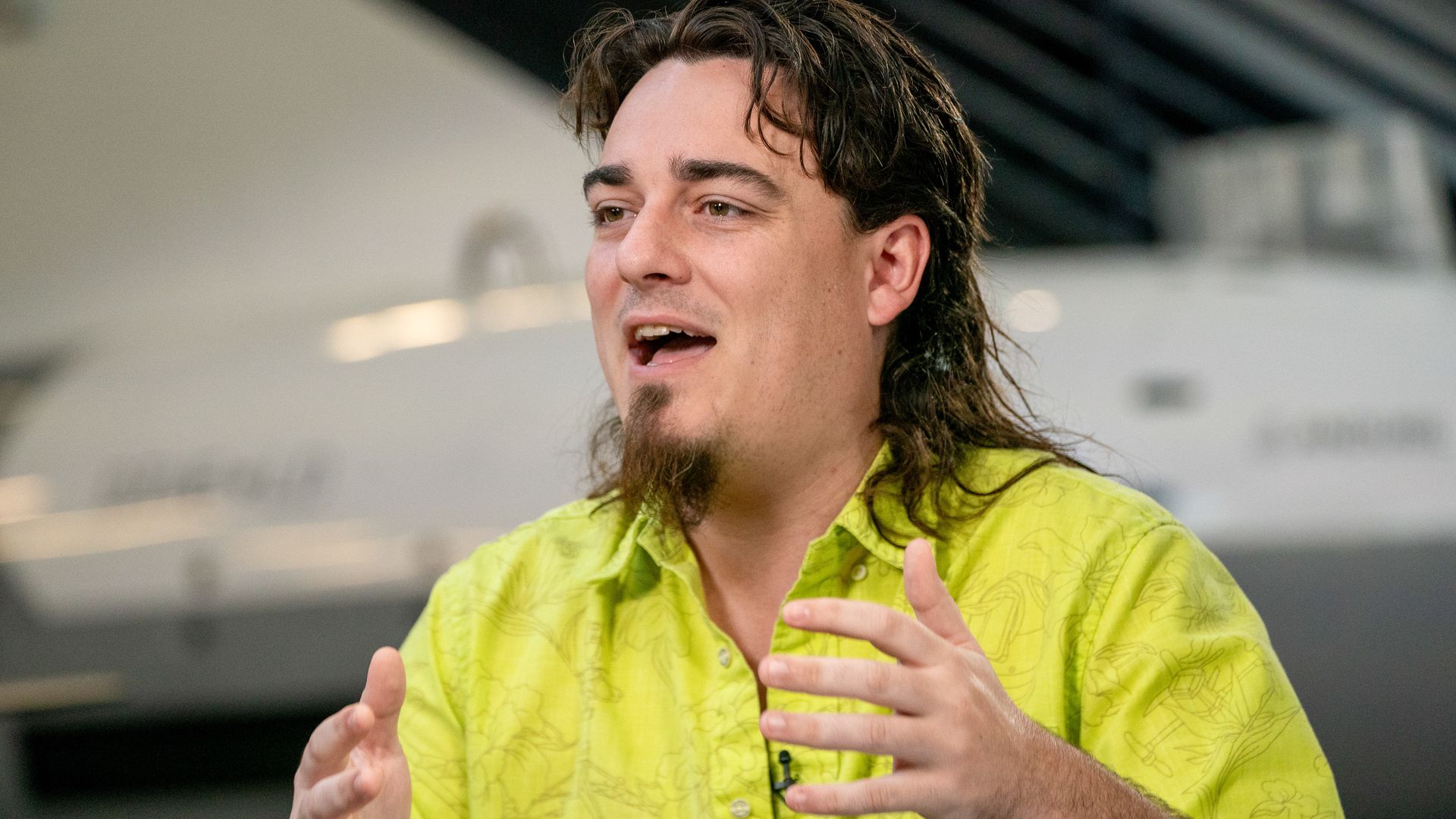
U.S. banking regulators have given conditional approval to a new digital bank co-founded by Palmer Luckey and backed by Peter Thiel.
Why it matters: The swift approval for Erebor — only four months after its application for a banking charter was submitted — illustrates the Trump administration's light touch on banking regulation.
The AI-driven productivity surge is real, it's already underway, and this will allow robust growth without inflation, a top White House economic adviser and potential next Federal Reserve chair argues.
Why it matters: It's a signal that at high levels of the Trump administration, the investment surge driven by AI is viewed as an unalloyed positive, as it will mean an ongoing jump in the economy's productive potential — not unlike in the late 1990s.
As cars begin to drive themselves, the onus of liability gets murkier, which is creating new headaches for the insurance industry.
Why it matters: More than half of all new cars in the U.S. will offer hands-free driving by 2028, according to Telemetry's 2025 Assisted and Automated Driving Forecast.
For insurers, that means rethinking risk assessments based on whether humans or robots are driving and writing policies that separate driver liability from that of the vehicle itself.
U.S. Trade Representative Jamieson Greer said that China's plans for harsh export controls risk violating a trade pact struck earlier this year, as Treasury Secretary Scott Bessent warned "they can't be trusted."
Why it matters: The Trump administration is signaling a new flare in the U.S.-China trade war, with higher import taxes on the horizon without a new truce in tensions.
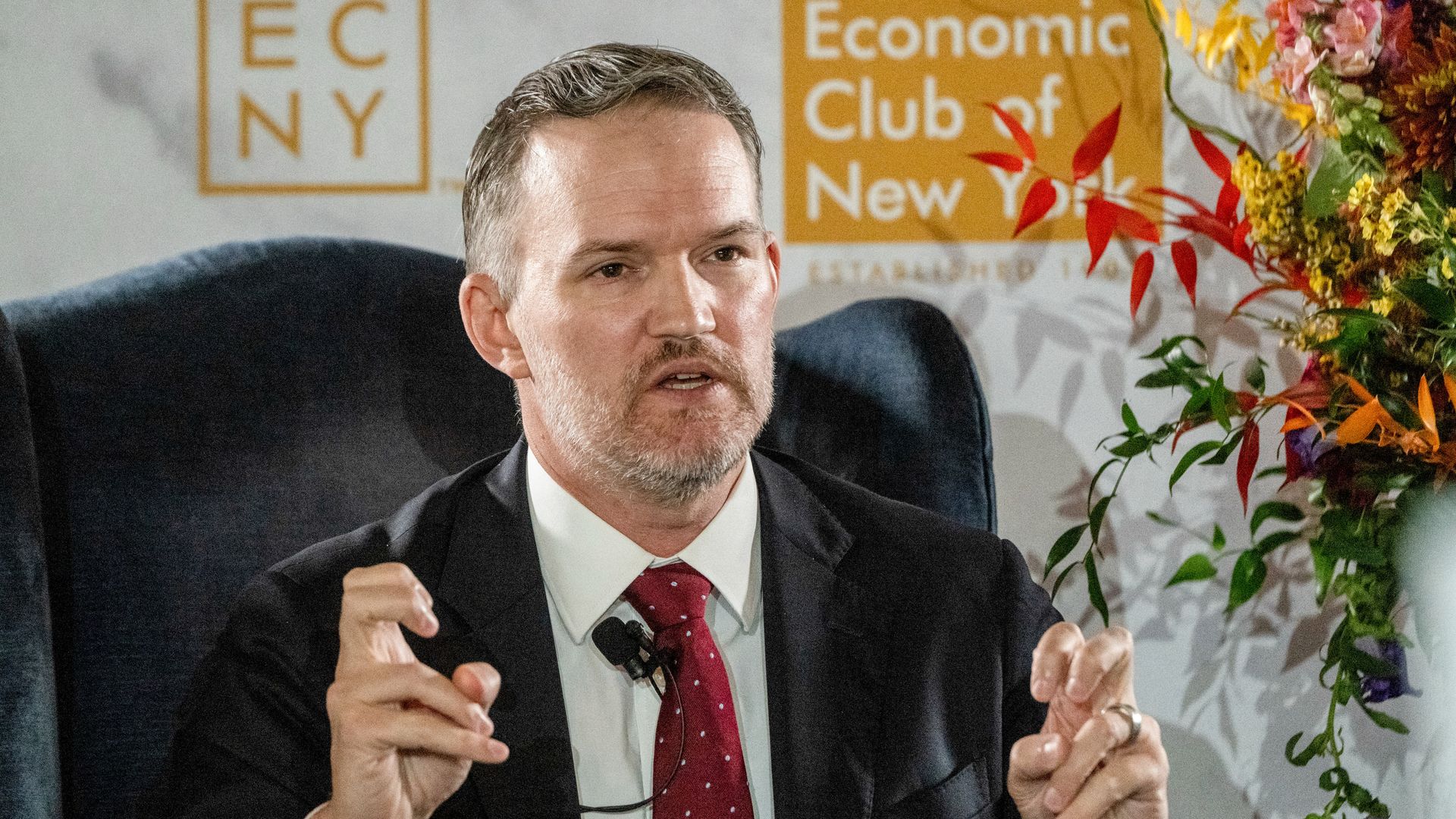
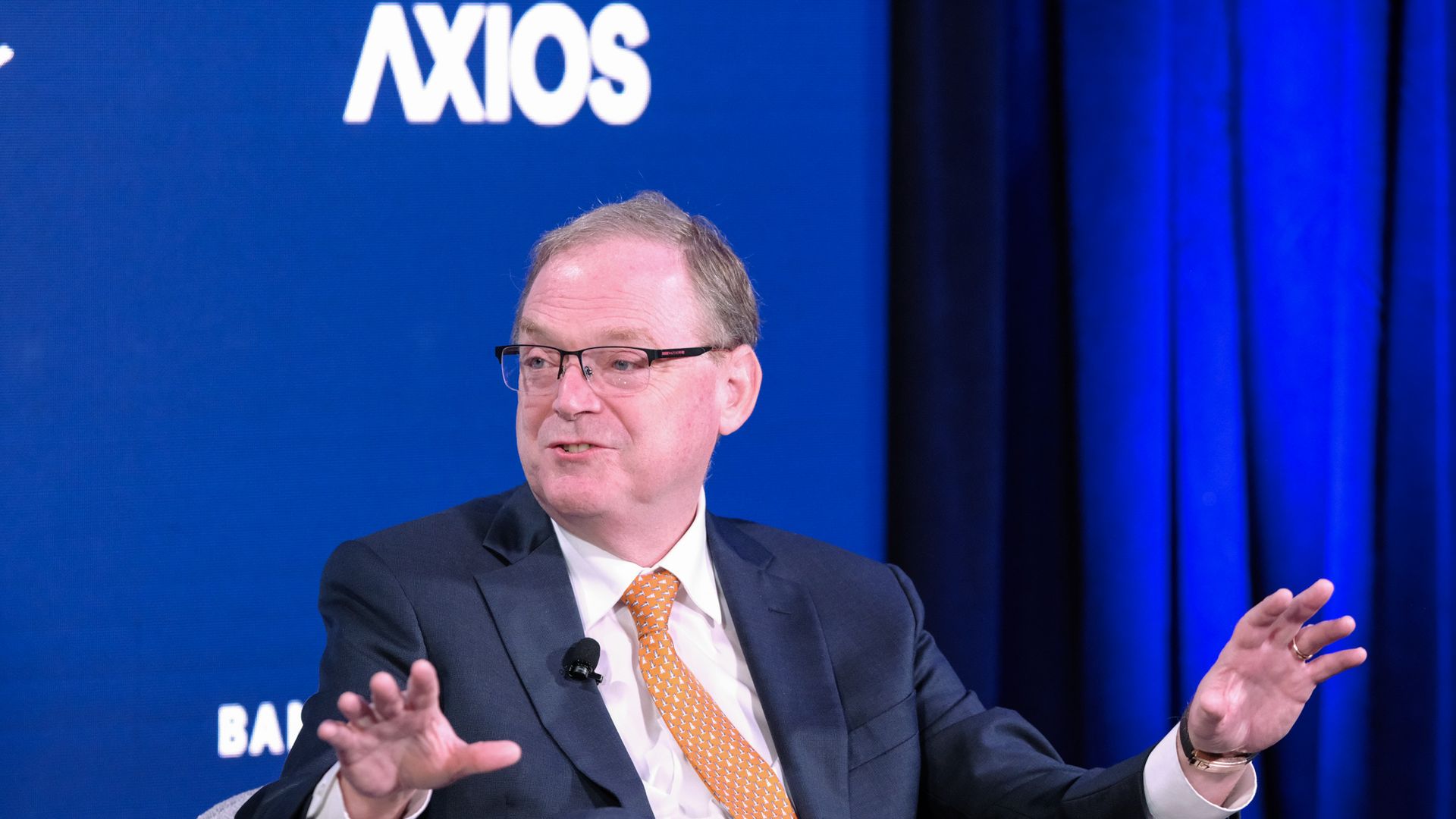
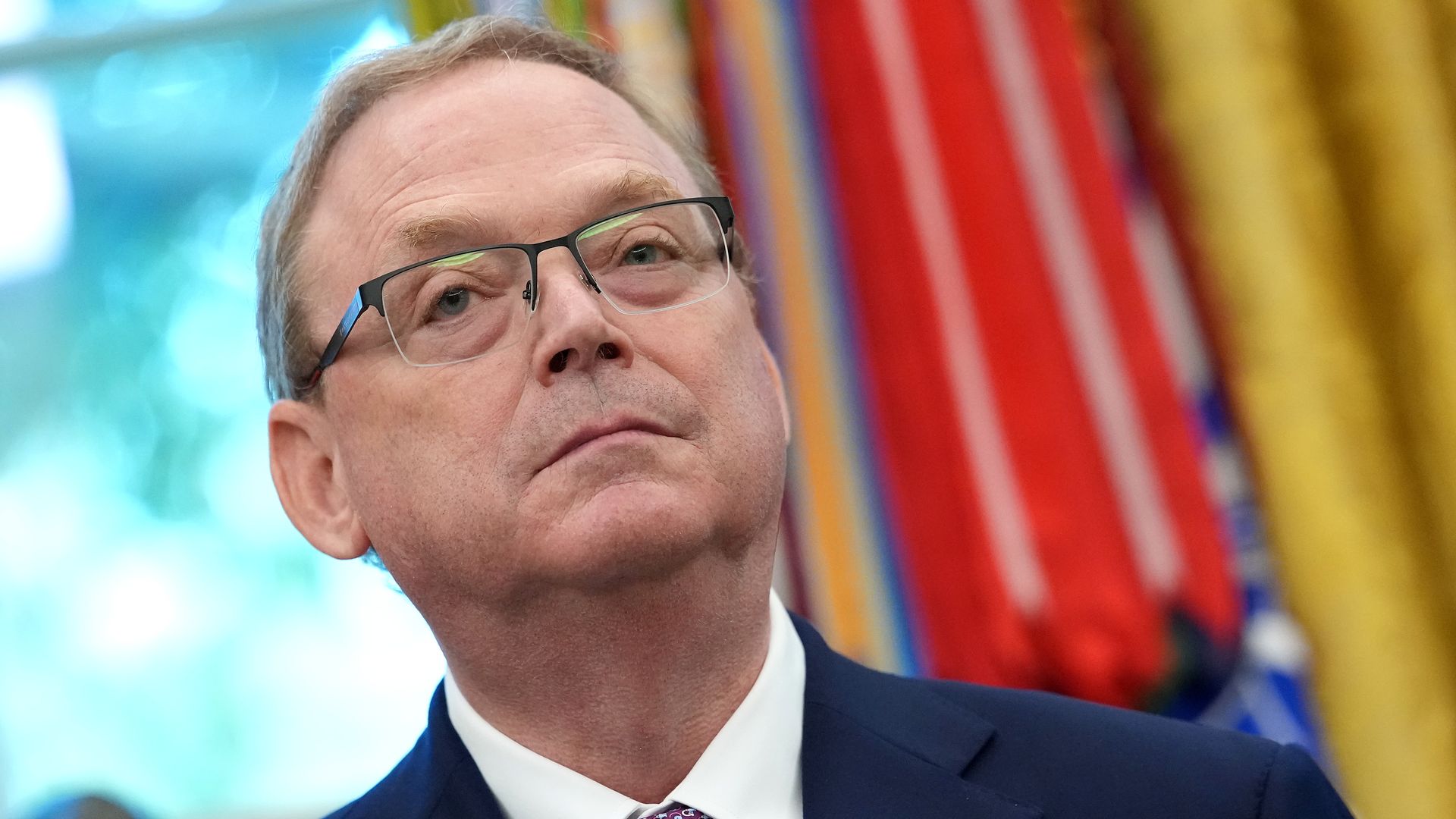
There is a "clever and generous" bailout coming for farmers as soon as the government shutdown ends, National Economic Council director Kevin Hassett said at an Axios News Shapers event on Wednesday.
Why it matters: The trade war has crushed the farm community, especially soybean farmers, who've seen their top export market — China — close completely.
Wall Street's belief that "Trump always chickens out" on tariff threats is keeping stocks afloat even as trade tensions with China heat up. But the TACO trade is riskier this time, says Bob Elliott, CEO of Unlimited Funds.
Why it matters: This may not be a repeat of April, when the stock market fell nearly 20% after President Trump announced sweeping global tariff, but it's a reminder of the risks that investors were happy to ignore in recent months.
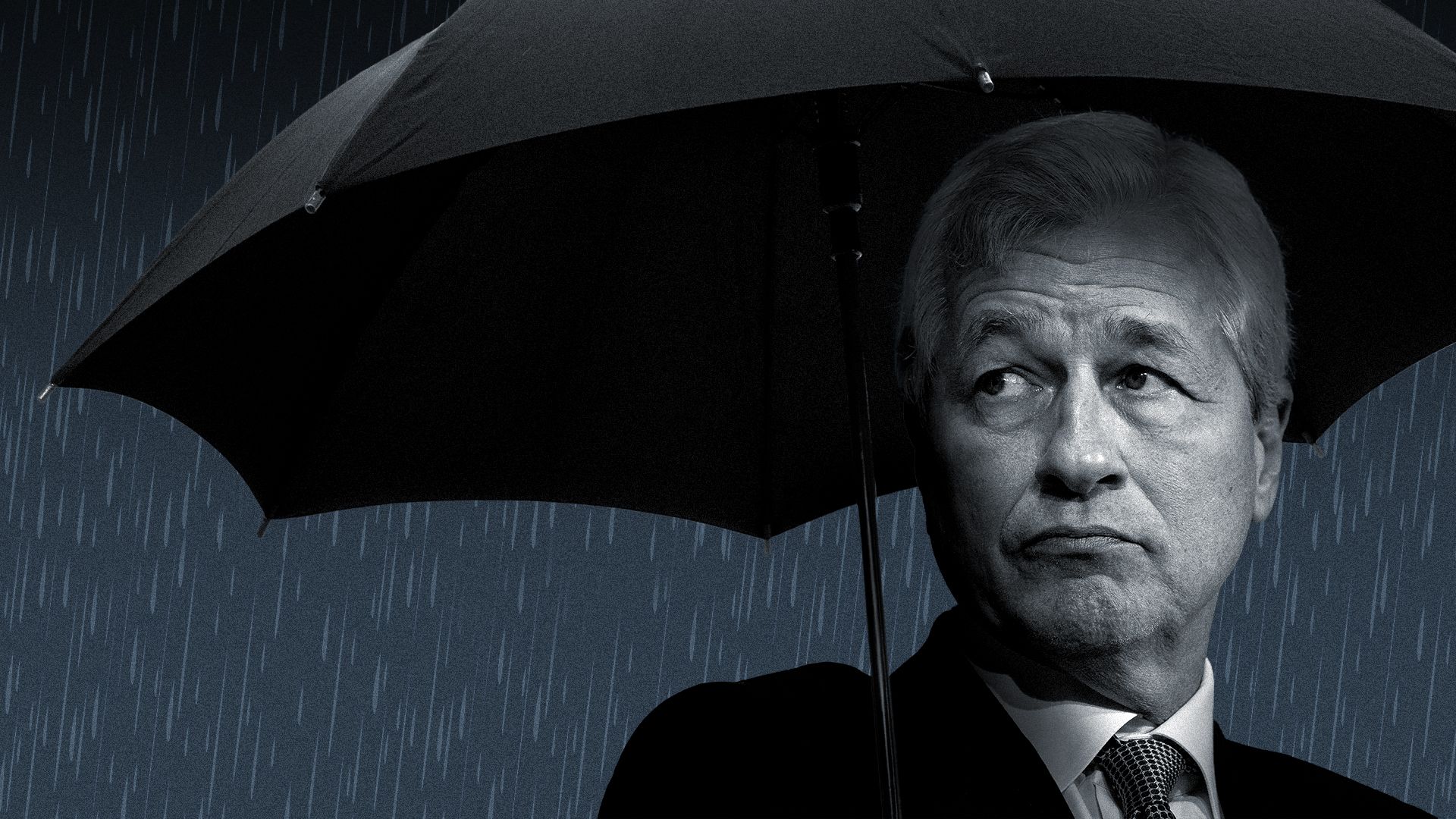
JPMorgan Chase increased provisions for loan losses as CEO Jamie Dimon warned of "signs of softening" amid continued uncertainty related to tariffs and the labor market.
Why it matters: The nation's biggest bank is getting cautious even as its investment banking and trading desks continue to rip, hinting at cracks beneath what Dimon called a "resilient economy."
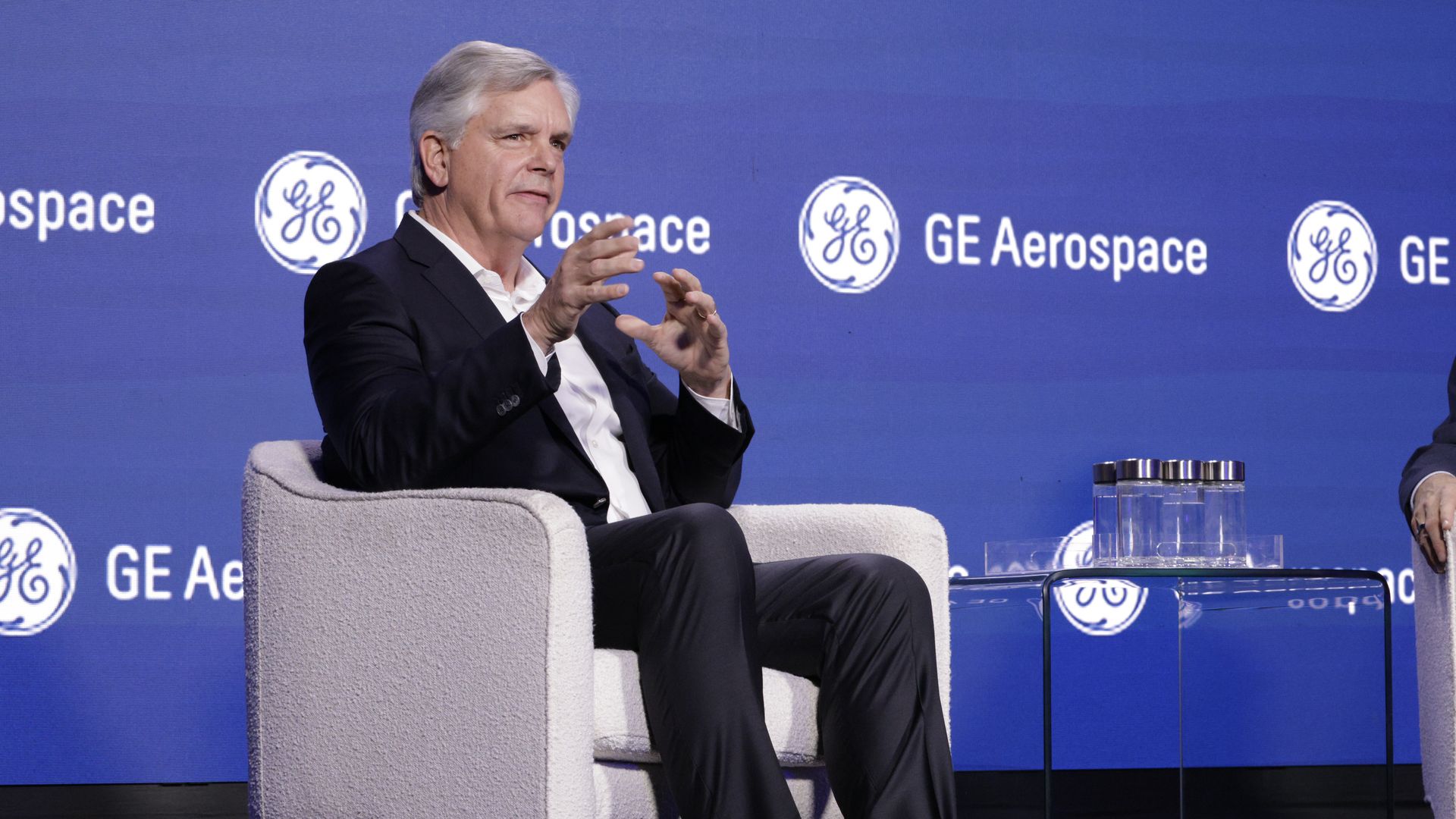
CINCINNATI — GE Aerospace CEO Larry Culp announced at an Axios event on Tuesday that the GE Aerospace Foundation is launching a $30-million, five-year workforce skills training program aimed at helping revitalize U.S. manufacturing.
Why it matters: It's part of the global aerospace giant's effort to close the gap between the number of manufacturing jobs that employers are creating in America, and the workers who have the necessary skills.
Premium increases are starting to hit home for millions of Americans as state-run Affordable Care Act marketplaces begin posting rates for next year that are based on the assumption Congress won't renew expiring financial assistance.
Why it matters: Sticker shock could lead many Americans to conclude health coverage is out of reach while the government remains in a shutdown that centers on the fate of enhanced ACA subsidies that will sunset at year's end.
Driving the news: "Window shopping," when ACA enrollees can preview their premiums for next year, is already underway in a half dozen states and begins Wednesday in California, Kentucky, Maine, New Mexico, Oregon and Vermont.
In Idaho, the actual enrollment for 2026 coverage begins Wednesday. Signs-ups begin November 1 for the rest of the country.
Democrats are already seizing on early examples of premium increases to prod Republicans to extend the subsidies. Sen. Raphael Warnock (D-Ga.) posted on X a potential premium increase, sent to him by a constituent, from $307 per month to $964 per month. The post has 6.5 million views.
On average, premiums for roughly 22 million ACA enrollees will more than double without a subsidy extension, per KFF.
What they're saying: Brad Woodhouse, president of the Democratic-aligned group Protect Our Care, said the group has created a toolkit to allow lawmakers to post examples similar to Warnock's and drive home the point that the pain has arrived.
"I think after tomorrow when this window shopping starts to open, and you start to see this data trickle out, I think it's going to put Republicans in a tremendous bind," Woodhouse said Tuesday.
The other side: Republicans say they are open to talks about extending the enhanced ACA subsidies in a modified form, but not as a precondition for reopening the government, as Democrats insist it should be.
Asked if premium increases put pressure on Congress, Sen. Roger Marshall (R-Kan.), said "I'm more than happy, when the government gets open, I'll sit down with the Democrats" to talk about solutions.
"It was supposed to be related to COVID and it's become a boondoggle; it's a subsidy for insurance companies," Speaker Mike Johnson said of the enhanced tax credits on Monday.
"If indeed the subsidy's going to be continued, it needs real reform," he added, saying the clean temporary government funding measure would allow time for those talks to happen over several weeks.
Potential changes include income caps on eligibility, or a minimum premium payment to eliminate $0 premium plans that Republicans say fuel fraud.
Between the lines: Democrats say that there is no time to wait, pointing to the November 1 start of ACA open enrollment.
The office of Sen. Maria Cantwell (D-Wash.) highlighted window shopping data from neighboring Idaho to warn of premium hikes to come. For example, a single mom making $41,000 in Boise would see monthly premiums go from $69 to $215 without the enhanced subsidy.
Red states are heavily represented in ACA enrollment, with Florida and Texas the top states for enrollees this year. Some Republicans in close reelection races next year have already come out in favor of a short-term extension of the subsidies.
The bottom line: Sen. Ron Wyden (Ore.), the top Democrat on the Senate Finance Committee, told Axios "no question about it" more knowledge of premium increases among Americans will put pressure on Republicans.
"People are coming to see that they have a health cost locomotive coming at them and it's going to crush them," Wyden said.
Coca-Cola and PepsiCo are shaking up the soda biz to attract younger, more selective drinkers.
Why it matters: Americans' affinity for soda has declined in recent years, and soda giants are trying to lure them back with smaller serving sizes, and TikTok-able flavors.