Trump's economic adviser: AI productivity surge is real, won't cause inflation

Add Axios as your preferred source to
see more of our stories on Google.
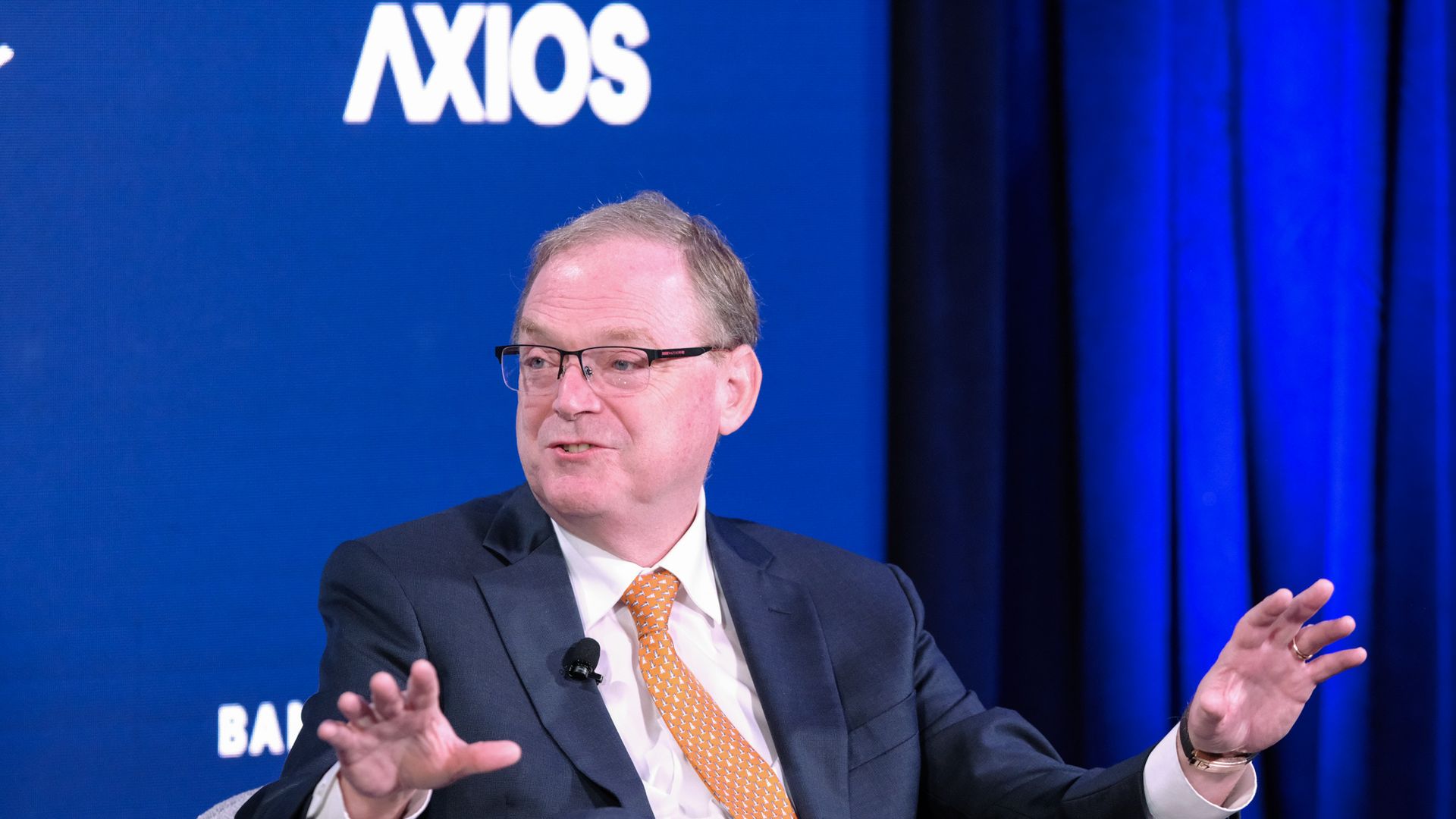
White House economic adviser Kevin Hassett at an Axios News Shapers event. Photo: Chris Williams on behalf of Axios
The AI-driven productivity surge is real, it's already underway, and this will allow robust growth without inflation, a top White House economic adviser and potential next Federal Reserve chair argues.
Why it matters: It's a signal that at high levels of the Trump administration, the investment surge driven by AI is viewed as an unalloyed positive, as it will mean an ongoing jump in the economy's productive potential — not unlike in the late 1990s.
Driving the news: "If you have ... an understanding of how economies work and you understand that because of AI we're in the midst of a huge positive supply shock," that pushes supply up in the economy and prices down, Kevin Hassett, director of the White House National Economic Council, said at an Axios News Shapers event Wednesday morning.
- "And so it's actually quite a deflationary thing, and there was precedent for this. I worked at the Federal Reserve in the '90s with Alan Greenspan, and you might recall that there was a time when the computer revolution was starting to happen, equity markets were celebrating. The unemployment rate was really, really low."
- "Greenspan decided that if you're getting a positive supply shock, then you can let low unemployment stay without having to lift rates, and he gave us three or four really great boom years. ... I think that the Fed has an opportunity like that right now."
Of note: In light of those productivity gains, he seemed unconcerned about the risks that there could be a bubble in AI, data centers, and related investments.
- "My belief is that you don't have to think about something popping, or don't have to think it's a high probability because the productivity gains are so high," Hassett said.
The intrigue: Hassett is said to be one of five finalists for the Fed chief job when chair Jerome Powell's term is up in May.
- "I think that President Trump wants to have a thorough [interview] process," Hassett said. "I think there are a lot of candidates that I think could do a good job." He cited an essay by Treasury Secretary Scott Bessent about "what the next phase of monetary policy should look like."
- "I think that the Fed needs to be more transparent," Hassett said. "We need to know, not just dots, but why they think what they think and when they make a mistake, as they did with inflation, they should have economists explain to us what they got wrong and how they're changing their models so that next time, it maybe doesn't happen."
Yes, but: He did not bite when asked whether he agrees with his White House colleague Stephen Miran, now serving as a Fed governor, that the neutral interest rate is considerably lower than the mainstream view and that the Fed should cut rates dramatically.
