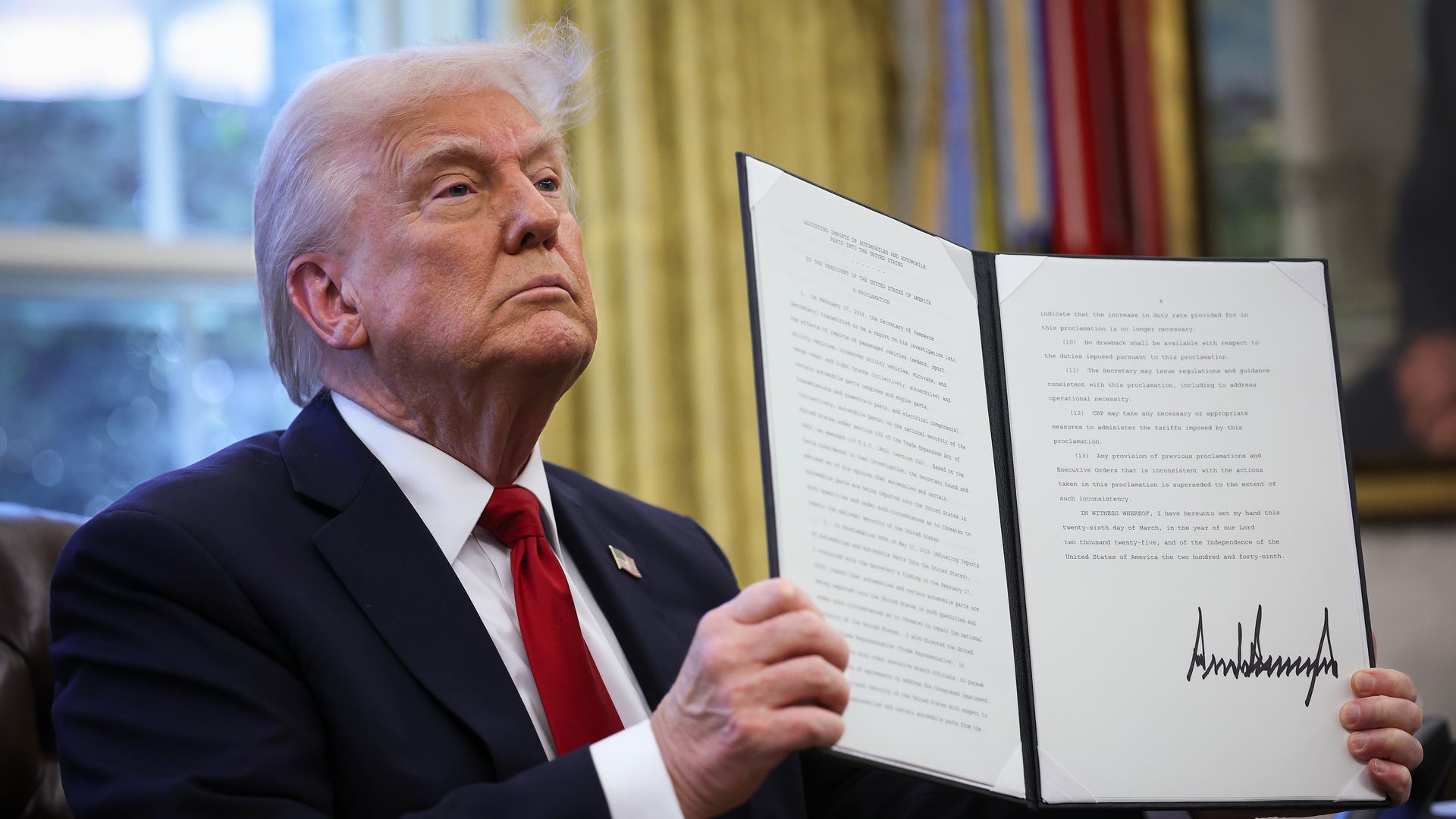
President Trump's tariffs will cost businesses more than $1.2 trillion this year, with most of that cost being passed on to consumers, according to a new study from S&P Global.
Why it matters: It's the latest sign that Americans will end up bearing the brunt of Trump's trade war.
The number of people looking for work this holiday season is surging, a new report from the jobs site Indeed finds. But they'll be fighting it out for spots — the number of available jobs hasn't budged much from last year.
Why it matters: A lot of these folks are looking to make extra cash to get through the holidays — a sign that rising costs are weighing on Americans.
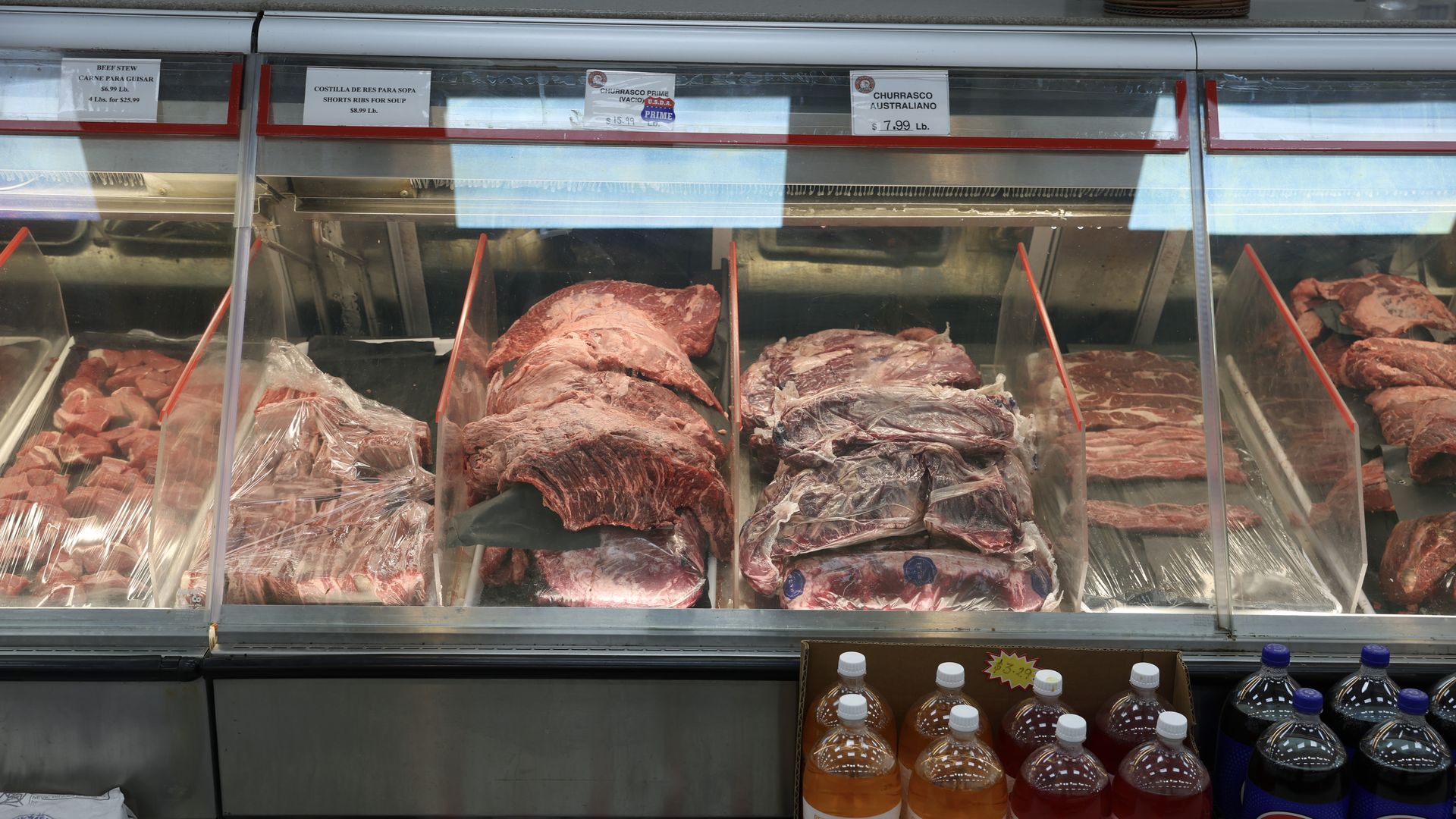
President Trump on Thursday promised an imminent deal to lower the quickly rising price of beef.
Why it matters: As inflation picks back up, beef has been leading the surge, putting more pressure on the growing share of consumers who say it's gotten harder to afford groceries.
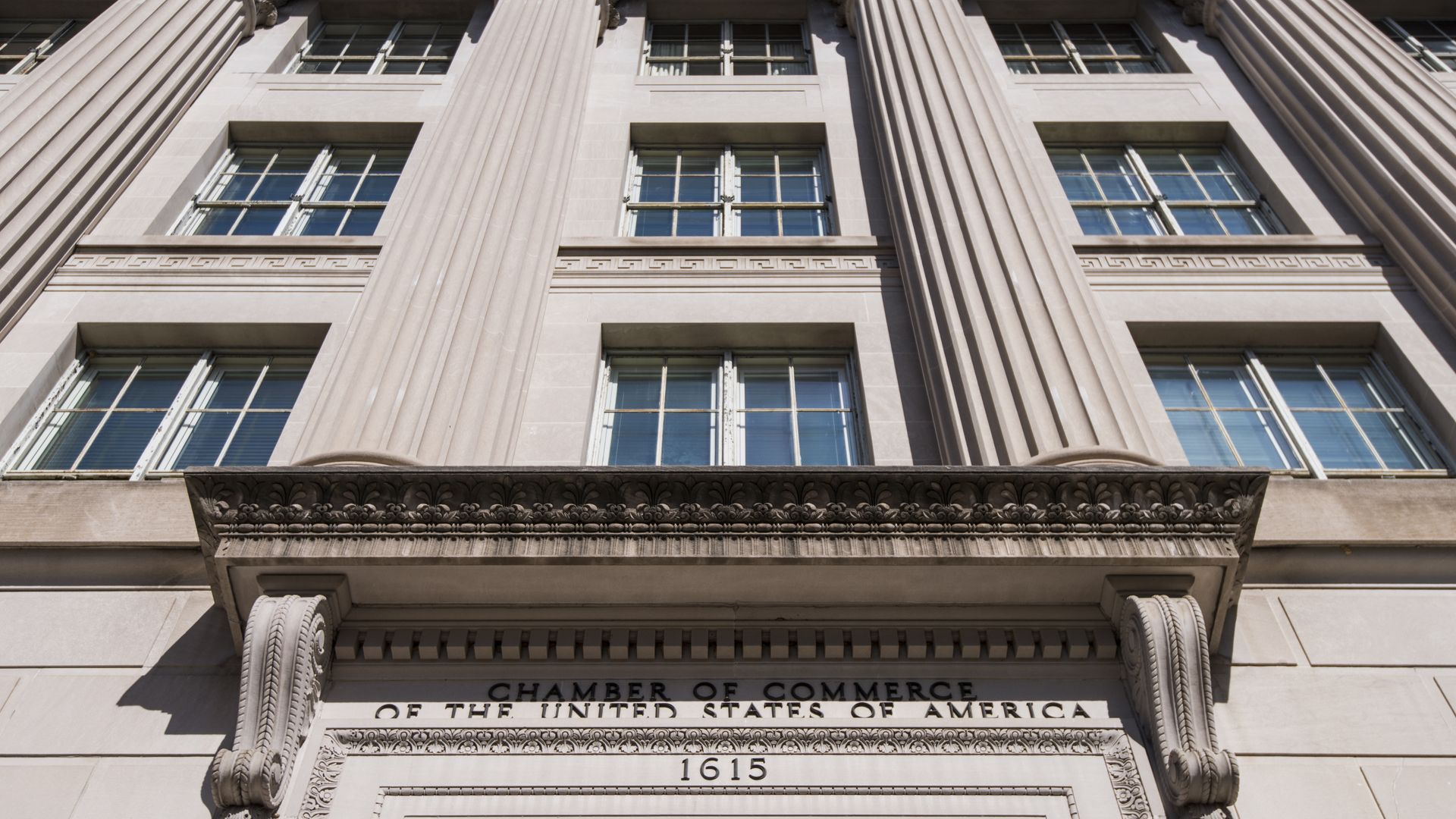
The U.S. Chamber of Commerce on Thursday sued to block the Trump administration's plan to charge a $100,000 fee for H-1B visas, a move businesses say could deprive them of skilled foreign workers.
Why it matters: For all of the actions taken by the administration that pressured corporate America, from DOGE to tariffs, the proposed visa changes proved a bridge too far for the influential business lobby.
The Trump administration's slashing of the federal workforce amid the government shutdown is threatening AI work at the Commerce Department, according to sources close to the agency.
Why it matters: President Trump has lofty goals for AI, but sources say they will be difficult to reach if the agency loses institutional knowledge and the staff needed to implement ambitiousexecutiveorders.
Harvard University ended its most recent fiscal year with an operating deficit, despite increased giving, according to an annual report released on Thursday.
Why it matters: The Trump administration's efforts to cut Harvard's federal funding took a toll, even though a federal judge has reinstated much of the money.
In the late 1990s, a surge in technology-fueled productivity enabled rapid growth, paired with subdued inflation, ample jobs, and low interest rates. Just maybe, the optimists say, AI might create the same happy conditions.
Not so fast, say some leading economists.
The big picture: There are significant differences in the current economic and demographic backdrop — and the nature of the AI rollout — that could mean inflation remains a problem and the job picture more worrying, even if AI lives up to its promise.
American companies are bundling years' worth of planned U.S. investments into one package and delivering it to the White House, hoping to strengthen government relations and make a PR splash.
Why it matters: This tactic is the latest addendum to the corporate Trump playbook.
The Energy Department on Thursday finalized a $1.6 billion loan guarantee for American Electric Power to optimize and rebuild around 5,000 miles of transmission lines across five states.
Why it matters: Getting new interstate lines approved is really hard even as power demand rises, and grid analysts see lots of potential in boosting capacity along existing infrastructure and corridors.
Blackstone has launched a defined contribution business unit, just months after President Trump issued an executive order to encourage 401(k) investment in private equity.
Why it matters: One of private equity's biggest names, and balance sheets, is preparing to capitalize on the industry's controversial expansion into retirement accounts.
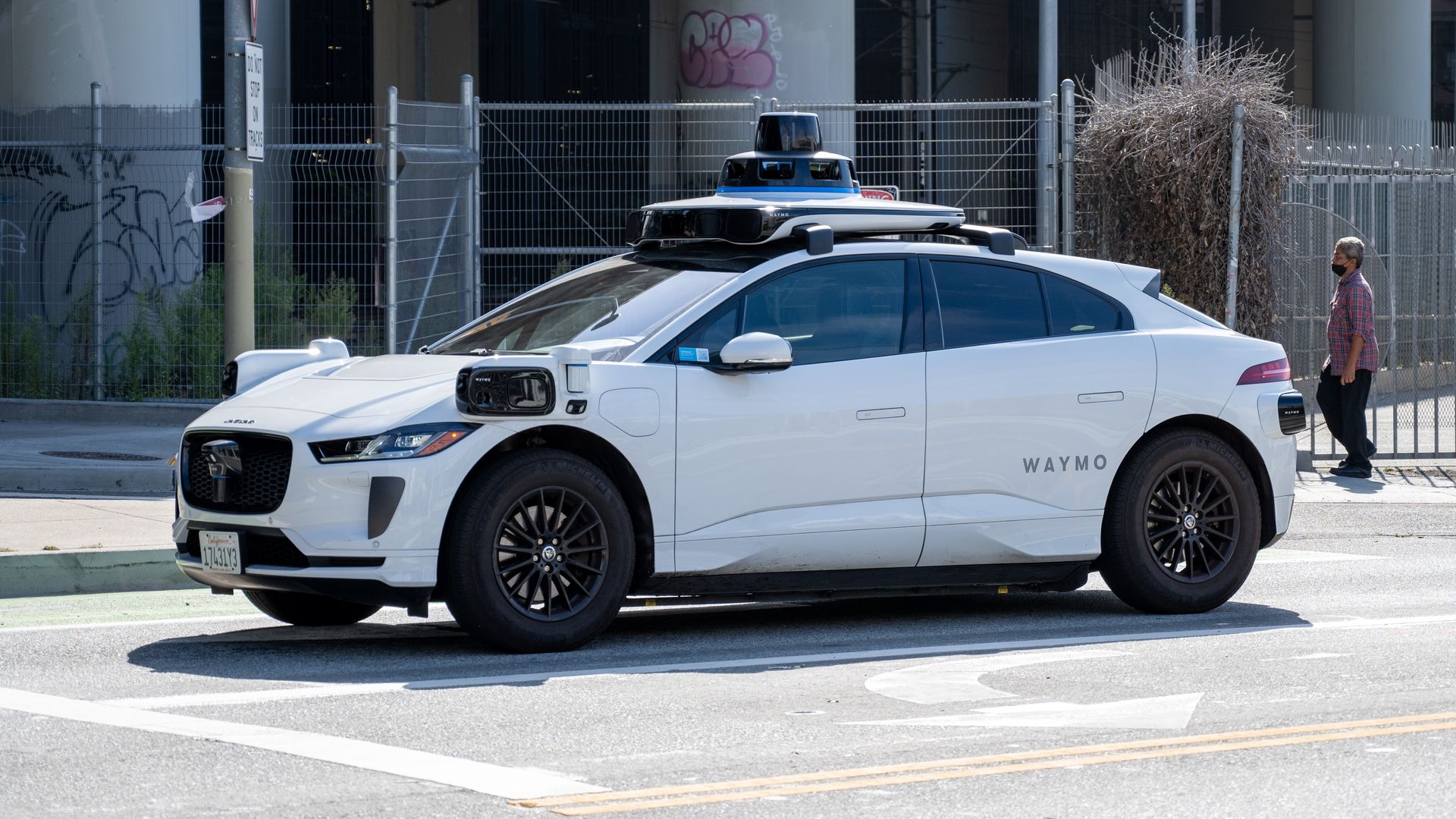
Self-driving car company Waymo is partnering with DoorDash to provide deliveries, beginning in the Phoenix area.
Why it matters: The deal marks the first collaboration between the two companies, and could open the door for a wider deployment of autonomous vehicles for delivery purposes.
Here's what's new on Netflix, Peacock, Apple TV+, Hulu, BET+, Prime Video, HBO Max and Tubi.
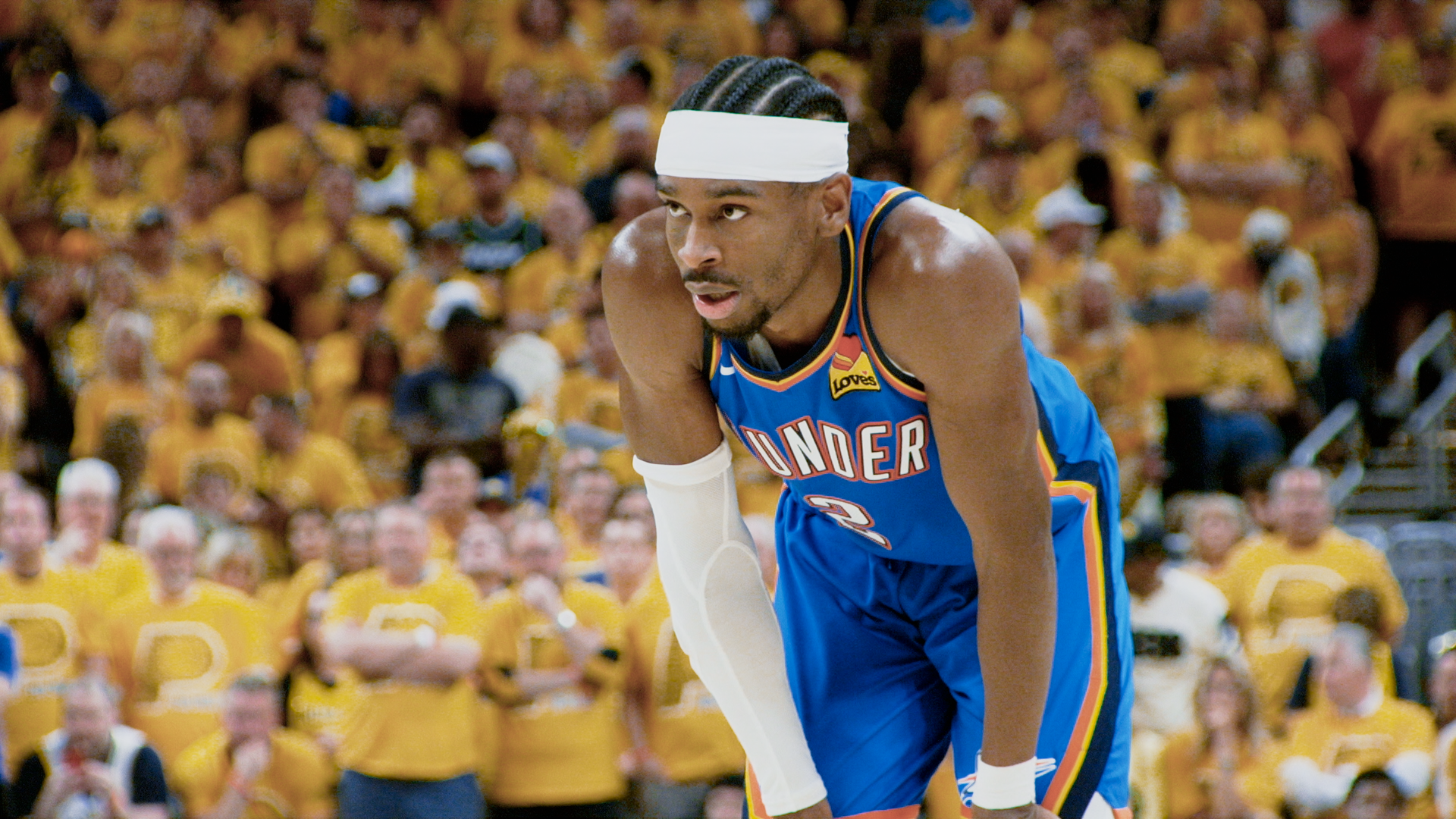
What we're watching: The second season of "Starting 5," a dramatic series following serial killer John Wayne Gacy, and a documentary about Martin Scorsese.
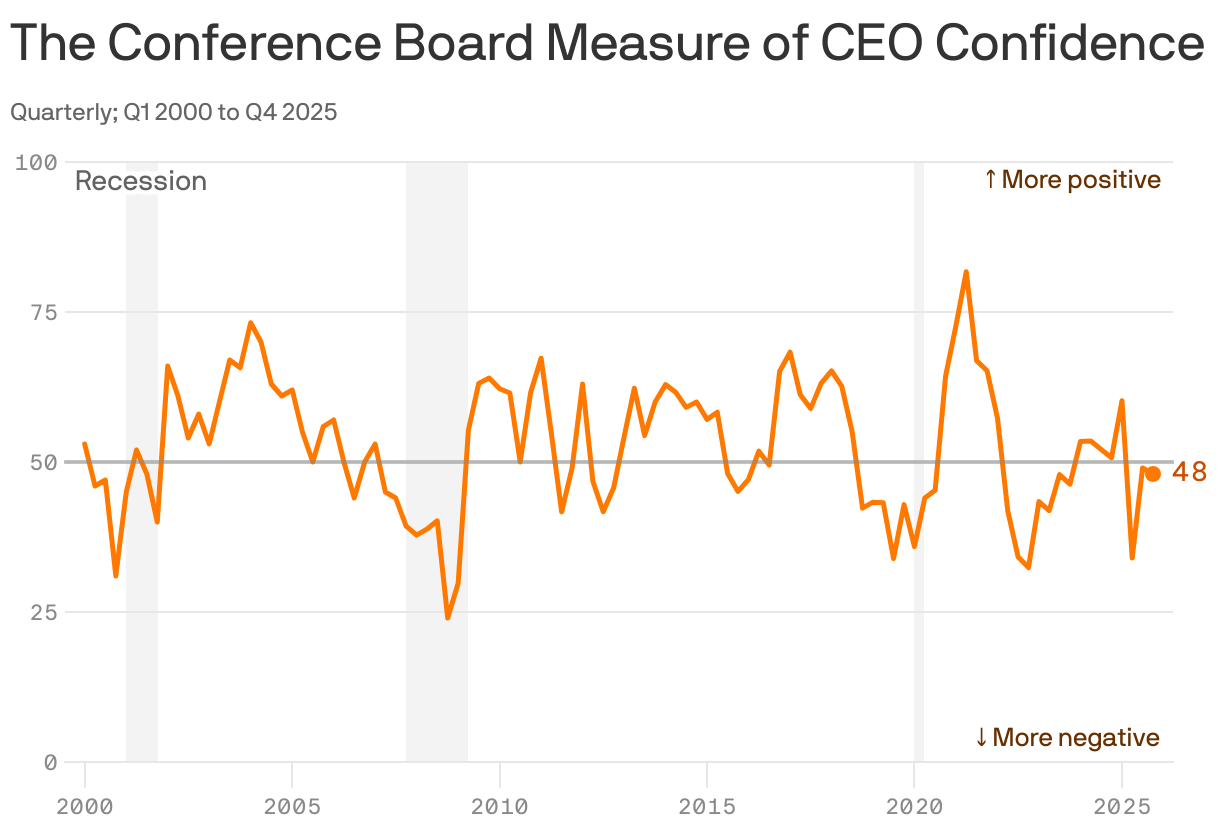
Data: The Conference Board and The Business Council; Chart: Axios Visuals
A key measure of CEO confidence dipped slightly lower into negative territory, according to a survey of executives out Thursday morning.
About two-thirds said they expect stagflation over the next year and a half.
Why it matters: It's a sign of the uncertain business environment — as leaders grapple with a constantly changing policy landscape, particularly around tariffs.
The White House and Anthropic, maker of the Claude chatbot, are in a war of words over AI regulation.
Why it matters: AI may be the century's most consequential technology, possibly even determining the geopolitical order, and rules are (or aren't) being written right now.