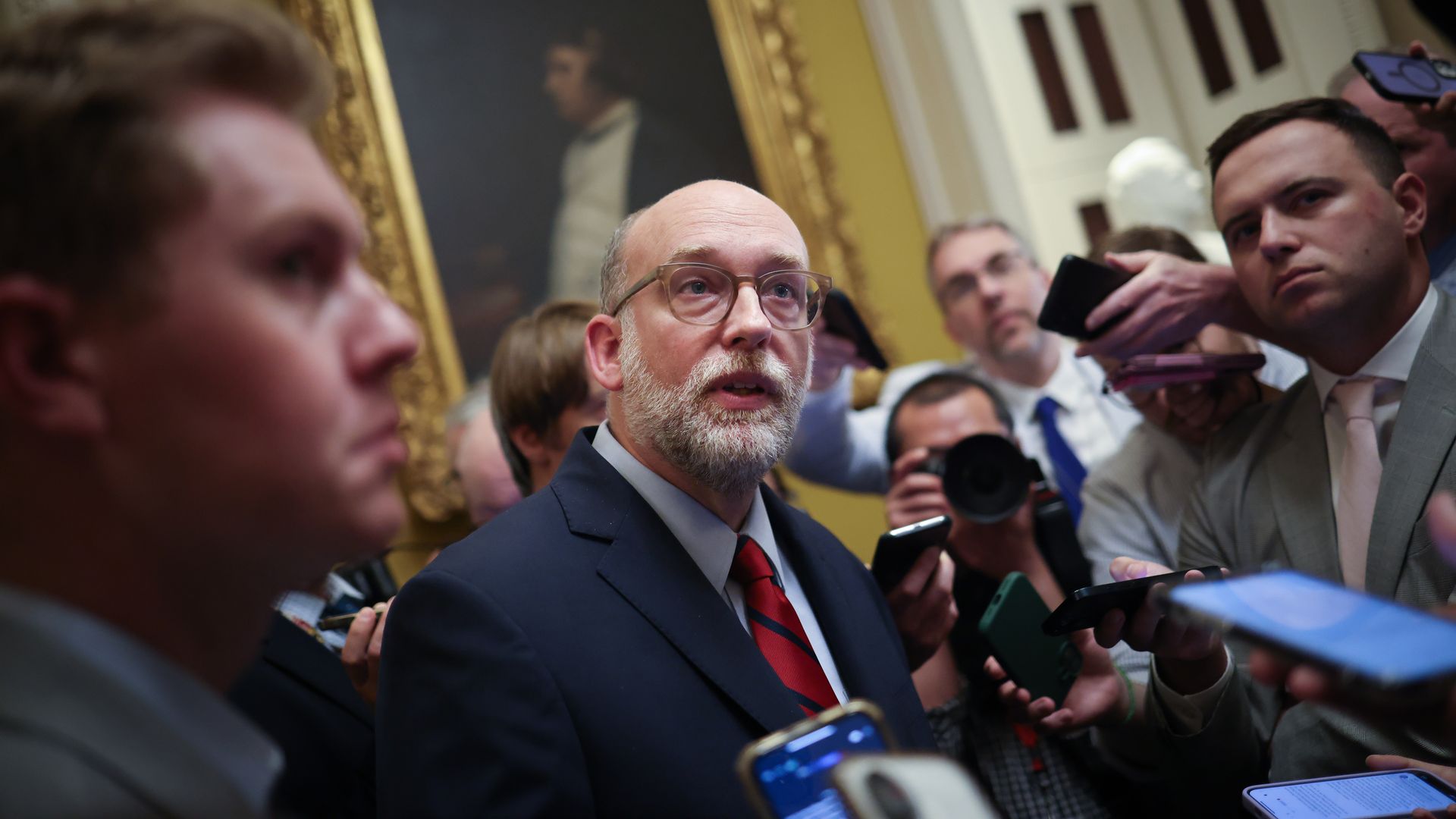
The White House is using the government shutdown as an opportunity to fire thousands of people — furthering the aims of Elon Musk's DOGE effort earlier this year.
Why it matters: This time the stated focus isn't efficiency or eliminating fraud. It's all about shrinking the federal government — and doing away with programs that run counter to the administration's ideologies.
The Trump administration is pausing more than $11 billion in projects to mostly Democratic-led cities, the Office of Management and Budget director announced on Friday.
The big picture: The White House is continuing to pressure and blame Democrats over the shutdown, as well as point to the suspension as the reason it is firing workers and cutting spending.
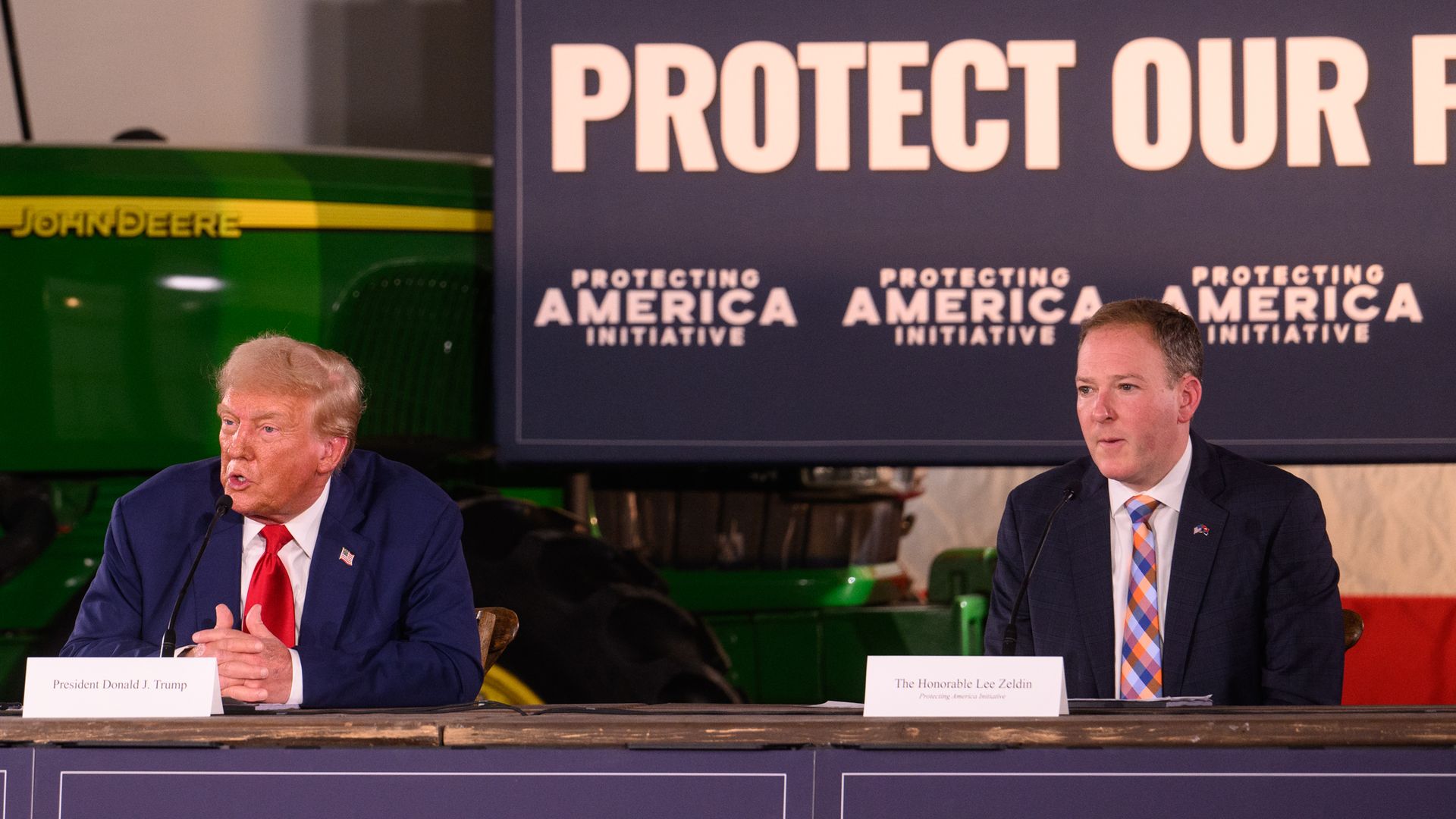
GLP-1 drug stocks slumped today after President Trump signaled plans to drive down the price of at least one of the blockbuster weight-loss and diabetes treatments.
Why it matters: GLP-1 drugs remain cost prohibitive for many Americans as Medicare and many private insurance plans don't cover them for weight loss purposes.
As global tensions reshape the business landscape, geopolitics is a core concern in every boardroom. In this episode, PwC Partner Michelle Horton and Axios Creative House Host Ryan Heath explore how leaders can turn geopolitical uncertainty into strategic advantage.
Our world has become increasingly affected by shifting tariffs, evolving trade policies and constant disruption. Supply chains can be both a source of risk and a wellspring of opportunity.
PwC Principal Carla DeSantis and Axios Creative House Host Ryan Heath explore how leaders can turn short-term challenges into long-term advantages with:
IKEA confirmed that it has raised prices as President Trump's furniture tariffs went into effect this week.
The big picture: The famously budget-conscious Swedish brand has at least partially ended its price-slashing campaign, indicative of the way that tariffs are ultimately hitting consumers rather than businesses.
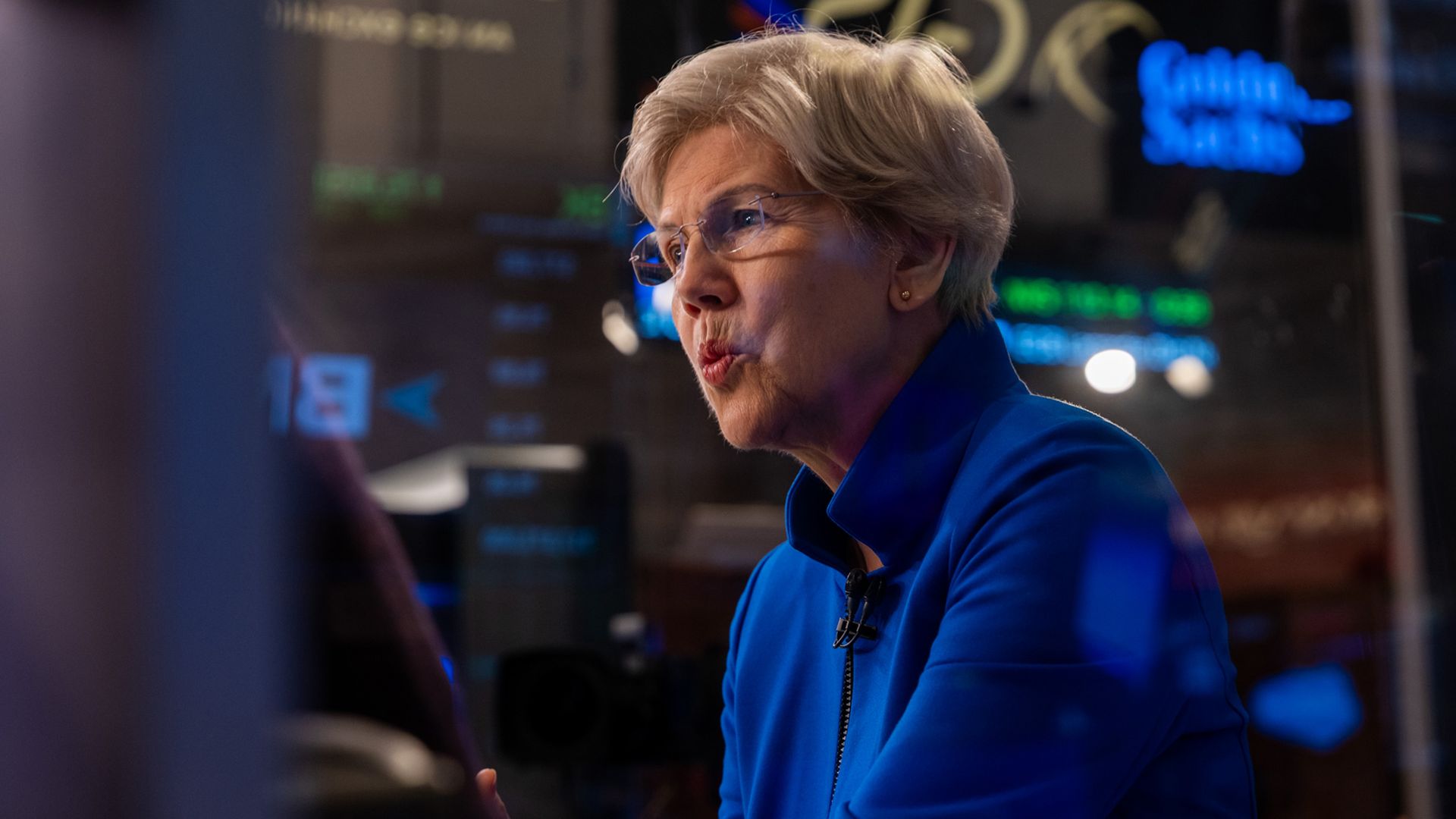
Sen. Elizabeth Warren (D-Mass.) sent a letter to the White House demanding the publication of the September employment report, Axios has learned.
Why it matters: The data release is among the most important delayed by the government shutdown, leaving economic policymakers in the dark about the health of the job market at a critical juncture.
First things first: Safe, stable housing is the foundation of financial security for individuals and households across America and critical to economic success. Yet for too many, affordable housing remains out of reach, whether they are seeking to own or rent their homes.
Weakness persisted in the financial sector today, after two regional banks warned of credit issues in their quarterly earnings reports. Safe-haven corners of the market caught an early bid, indicating investors are seeking safety.
Why it matters: For a stock market which has been largely unshakeable but lately a little more tepid, the response could turn significant if selling deepens and sticks around.
They have performance reviews. Human managers. Email addresses. Logins. But they're not human. BNY Mellon says it has over 100 digital employees working on everything from payment remediation to engineering and code repair.
Why it matters: The bank's AI strategy is among the most aggressive on Wall Street as it seeks to increase productivity and enhance profits, though the firm says AI will not affect headcount.
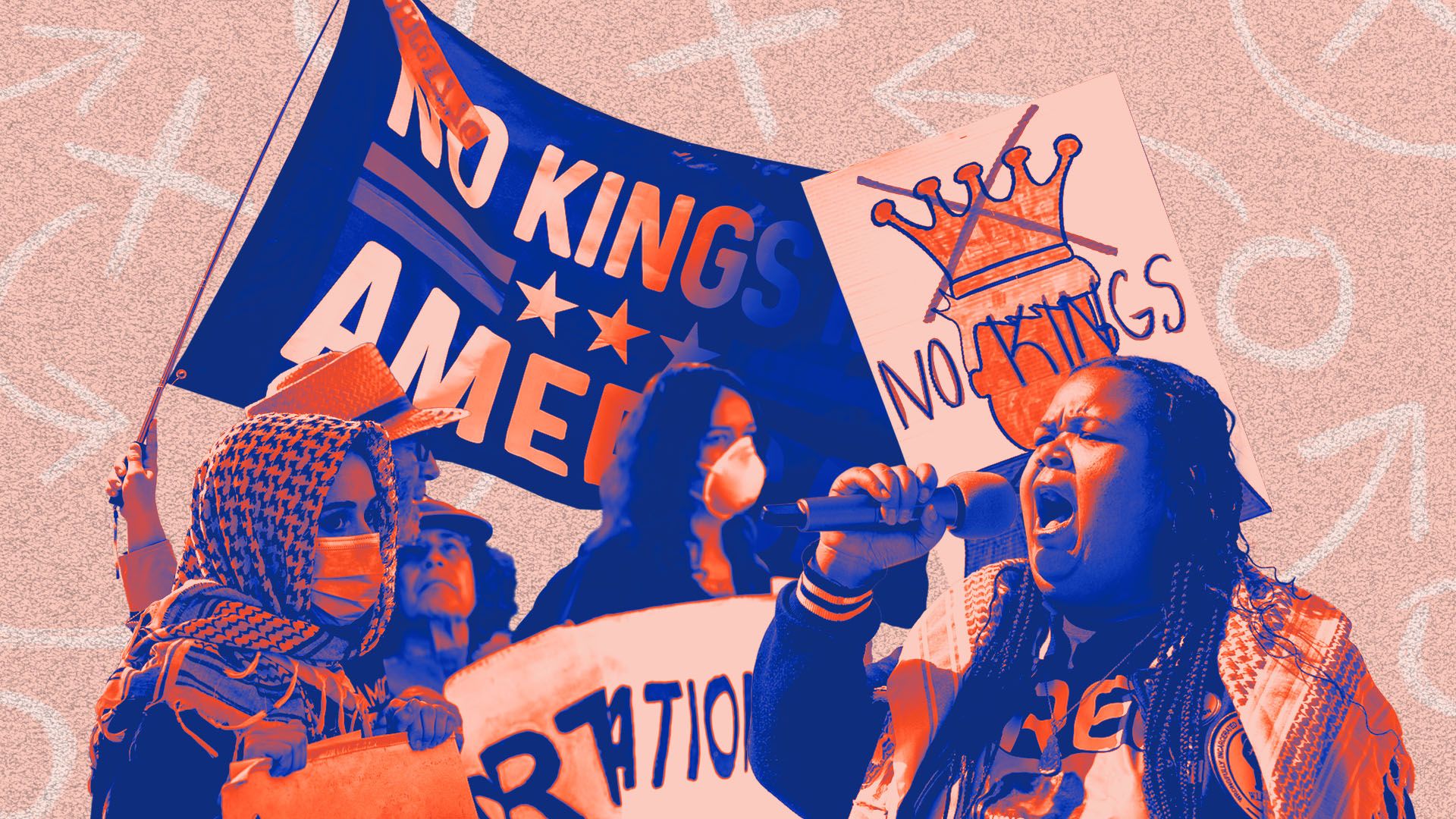
Millions are expected to protest nationwide this weekend for "No Kings Day," raising questions about how to demonstrate safely amid President Trump's law enforcement crackdowns.
The big picture: While most "No Kings" protests in June were peaceful, scattered incidents of violence in Los Angeles, Salt Lake City and Culpeper, Virginia have renewed focus on protest preparation and demonstrators' rights.
The Trump administration's immigration crackdown is projected to reduce the U.S. workforce by 6.8 million people by 2028 and by 15.7 million by 2035, per a study first shared with Axios.
Why it matters: Fewer workers in the labor force could have dramatic effects on the U.S. economy, from lower economic growth to reductions in the nation's goods and services produced.
The rip-roaring performance of just 30 AI-linked stocks may be driving nearly $200 billion in annual consumer spending, according to a new report from JPMorgan economists.
Why it matters: The overall economy has become increasingly dependent on AI-driven growth, most notably through investment in data centers and software. But the "wealth effect," in which higher asset prices make consumers more willing to spend money, is part of the story as well.
The Trump administration was sued by some two dozen states that are seeking to block the Environmental Protection Agency (EPA) from canceling a $7 billion solar energy program.
The big picture: The states argue in a lawsuit filed in the U.S. District Court for the Western District of Washington Thursday that the EPA "illegally terminated" the program that's "designed to bring low-cost distributed solar energy to over 900,000 households in low-income and disadvantaged communities."