China's soybean deal stings Iowa growers

Add Axios as your preferred source to
see more of our stories on Google.
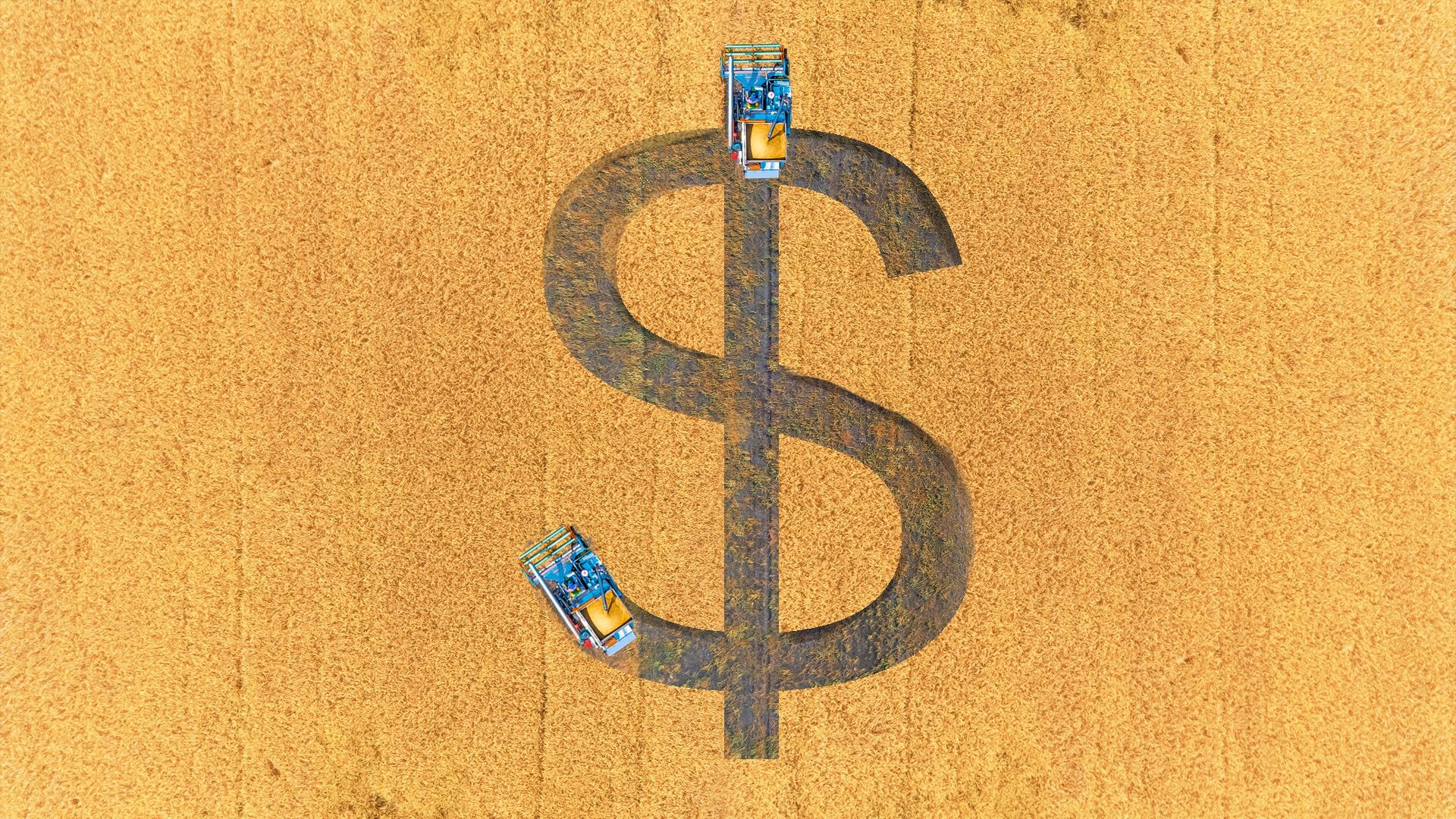
Illustration: Lazaro Gamio / Axios
China's surprise soybean deal with Argentina, a country it rarely buys from, signals rising trade tensions and concerns for Iowa's ag economy, Iowa State economics professor Chad Hart tells Axios.
Why it matters: A drop in soybean exports has economic ripple effects beyond Iowa fields, including industries like manufacturing, insurance and logistics.
- Iowa's soybean market is around $5.8 billion a year, and this year's disruptions could cost the state nearly $200 million if they drag on, according to model research published in July by ISU.
Catch up quick: On Monday, Treasury Secretary Scott Bessent announced concepts for broad financial support to stabilize Argentina's economy, including potential loans, currency purchases and debt buying.
- Argentina, looking to rake in more capital, suspended its export taxes on several products Monday, including its 26% soybean tax.
- That attracted China, historically the top buyer of U.S. soybeans, to Argentina, with Reuters reporting that Beijing bought at least 10 cargoes of Argentine soybeans.
- This further priced out U.S. soybean farmers, who are already grappling with a 20% tariff imposed by China on their soybeans.
State of play: China's latest deal with Argentina is putting pressure on U.S. negotiators as officials continue to argue over trade policy.
- "We've built our entire production system around China's demand," Hart said. "And if that disappears, it's hard to replace."
The big picture: It's not just soybean farmers who are hurting.
- Many jobs in the state are tied to agriculture, Hart says.
- Iowa's large manufacturers are agriculture-based, like John Deere and Vermeer. Insurance and finance, big industries in Des Moines, also sell crop insurance. Crops also affect food prices.
What they're saying: The situation is fluid and could quickly change, Hart says.
What's next: Soybean prices may remain low and the U.S. could search for more domestic uses, such as biodiesels. Farmers could also plant fewer soybeans next year.
- There are also rumblings about a bailout for farmers, as they also deal with high land, seed, technology and fertilizer costs.