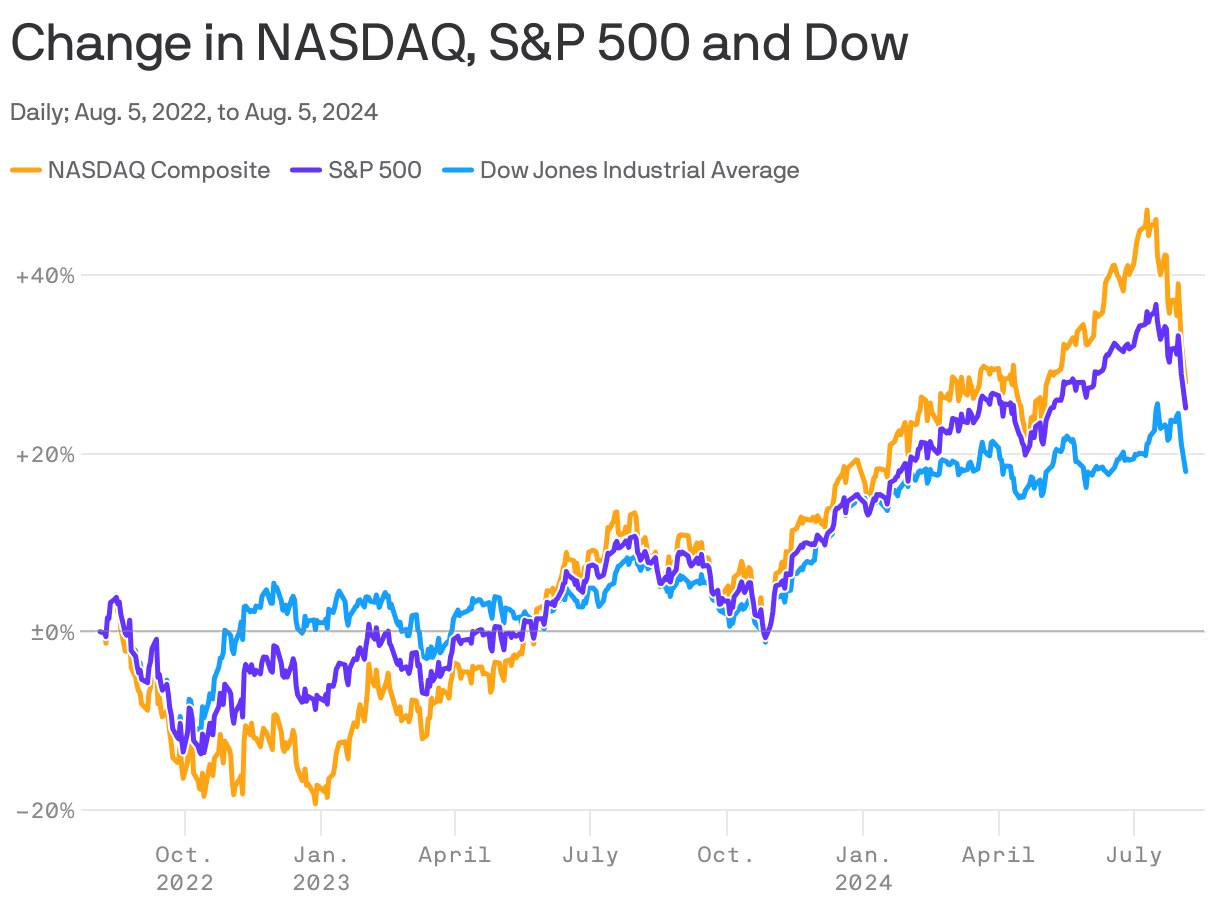
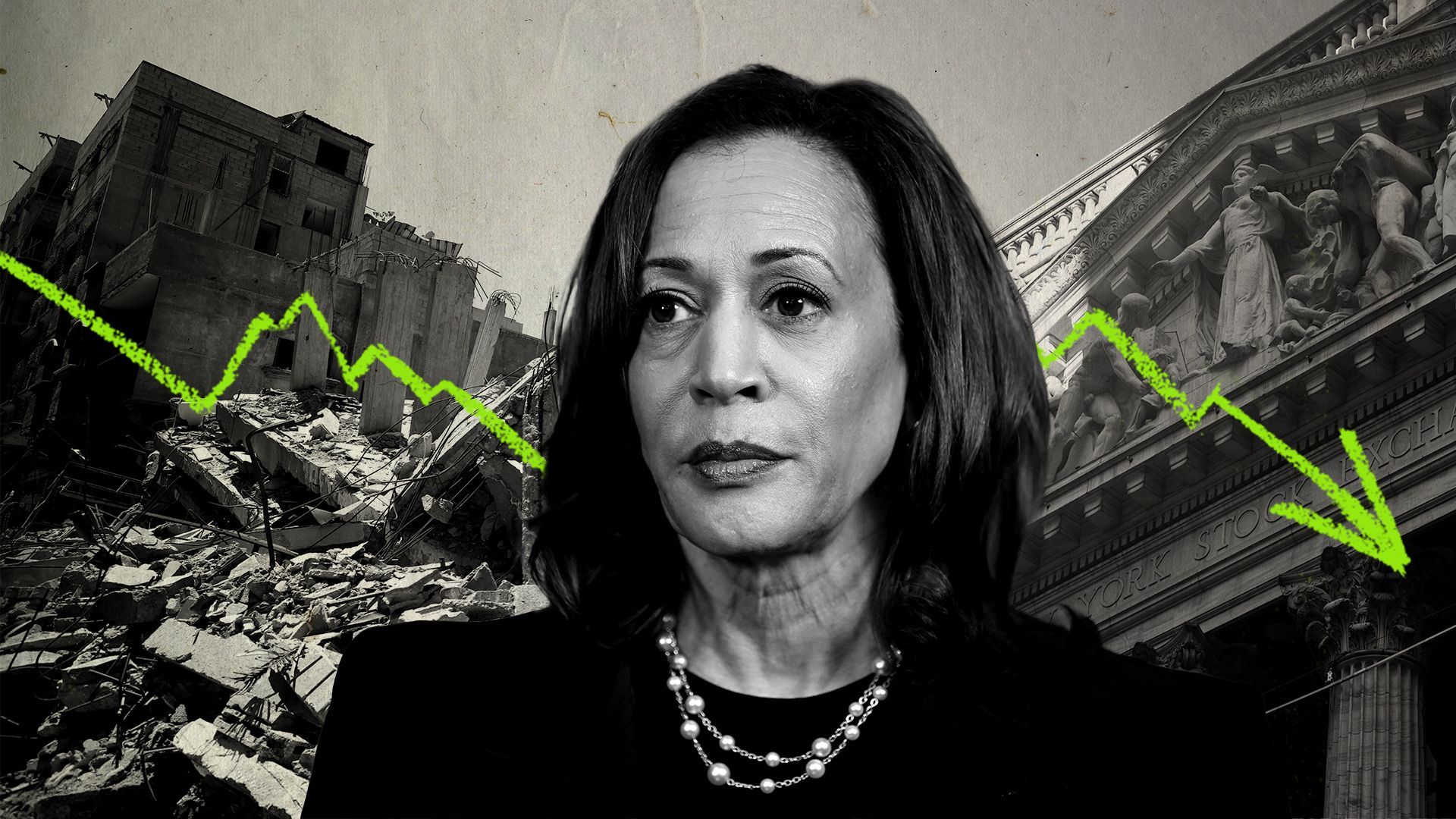
Global markets largely rebounded from yesterday's selloff, which was triggered by a flash crash in Japan and growing concern over the health of the U.S. economy.
Between the lines: "I think people realize that was a little bit of a panicked reaction yesterday to a big fall in Japan," David Kelly, chief global strategist at J.P. Morgan Asset Management, tells Axios in an interview this afternoon.
Most Hulu, Disney+ and ESPN+ streaming plans will cost $1 to $2 more per month starting in mid-October, Disney announced Tuesday.
Why it matters: Rising costs for major streaming services — also known as "streamflation" — are already forcing more consumers to consider ad-supported plans.
CrowdStrike is fighting back against Delta Air Lines' claims that the cybersecurity vendor didn't provide enough assistance during its recent global IT outage.
Why it matters: How a judge rules in Delta's lawsuit against CrowdStrike could set a precedent for other companies that choose to take legal action over the outage.
Yesterday, $237 million in collateral was liquidated from 1,222 loans using Aave, the biggest money market in decentralized finance.
Why it matters: This was the system working as designed.
Borrowing against digital assets is the oldest function enabled in decentralized finance. The way bad loans get closed, however, helps to illuminate how DeFi finance works differently than traditional finance.
Catch up fast: When people take out a loan in DeFi, they post collateral.
They have a ratio to maintain between the value of that collateral and what they have borrowed. Smart participants borrow much less than they are allowed, to create room for volatility.
News broke last week that Russia will likely begin allowing companies to use cryptocurrencies as a way of conducting international trade.
Why it matters: If a sovereign nation impacted by economic sanctions were to turn to cryptocurrency, that would be an indisputable real use case.
Background: Russia is under a heavy array of targeted sanctions by the West, in a coalition of dozens of countries, but it's not a wholesale blockade of the country.
That said, Russia has pivoted to a full war economy, so sanctions targeted at such efforts reach almost everywhere now.
The coalition has expressed a willingness to cut off companies that do business with Russia, even if they are not in a coalition nation.
Why it matters: More Americans are falling behind on loan payments. Household balance sheets once looked rock-solid. That is no longer the case as the economy slows and high interest rates weigh on consumers.
Financial markets gyrating.The economy showing cracks. Wall Street talking heads accusing the Federal Reserve of being cluelessly behind the curve.
The big picture: These are hallmarks of moments when the Fed has undertaken a pivot toward rate cuts, and are very much in the air right now. Examining those past episodes sheds light on what could go right — or very, very wrong — as rate cuts loom.
Data: Federal Reserve Bank of St. Louis, FactSet; Chart: Axios Visuals
The 10-year Treasury bond yielded less than its 2-year equivalent for the past two years, the longest ever the yield curve has been inverted. For a few moments yesterday, that record stretch was interrupted.
What happened: At 8:38am, the 2-year yield was 3.65%, slightly lower than the yield on the 10-year which was 3.67%.
Stock market volatility, as measured by the notorious VIX "fear index," briefly hit 66 yesterday — a higher level than at any point except the 2008-9 global financial crisis and the 2020 pandemic crash.
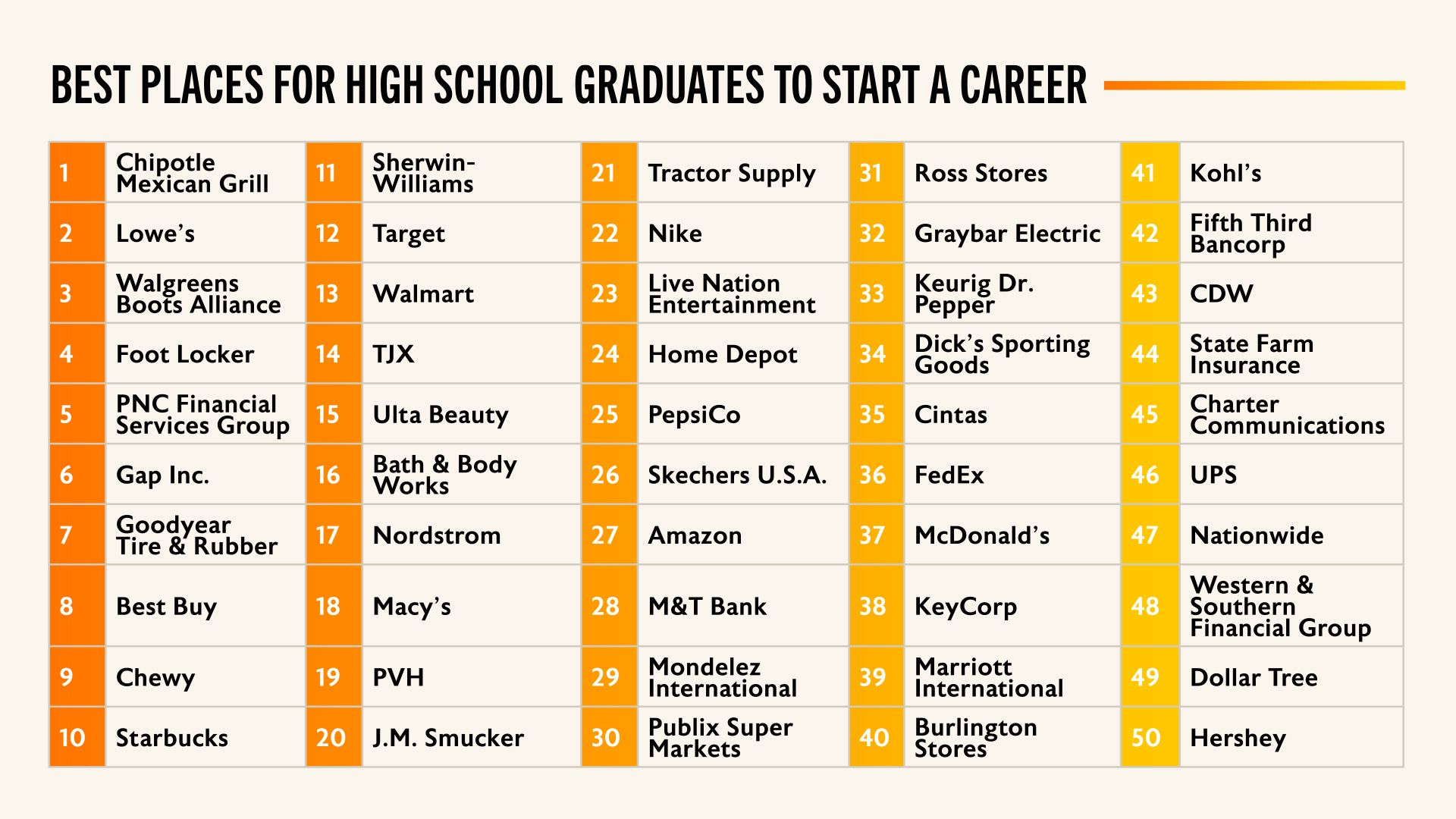
Chipotle, Lowe’s and Walgreens are the best big companies for high school graduates to get hired and promoted quickly, according to a new analysis by the American Opportunity Index.
Why it matters: Some 40% of this year’s high school graduates do not plan to enroll in college this fall, per the index.
U.S. economic outlook has dimmed some. But the sharp stock selloff of recent days appears to have its roots in more obscure forces — and does not, in and of itself, mean a recession is looming.
Why it matters: After Monday's 3% drop, the S&P 500 is down 9% since reaching an all-time high just three weeks ago today.
The growing risk of twin calamities — recession and war — is suddenly looming over the U.S. election.
Neither life-altering event is inevitable. But each could imperil Vice President Kamala Harris' ascendant campaign at a critical moment.
Why it matters: For the next 90 days, Republicans intend to treat Harris as the incumbent. That means saddling her with every crisis consuming the headlines, even when her role as vice president is murky or minimal.