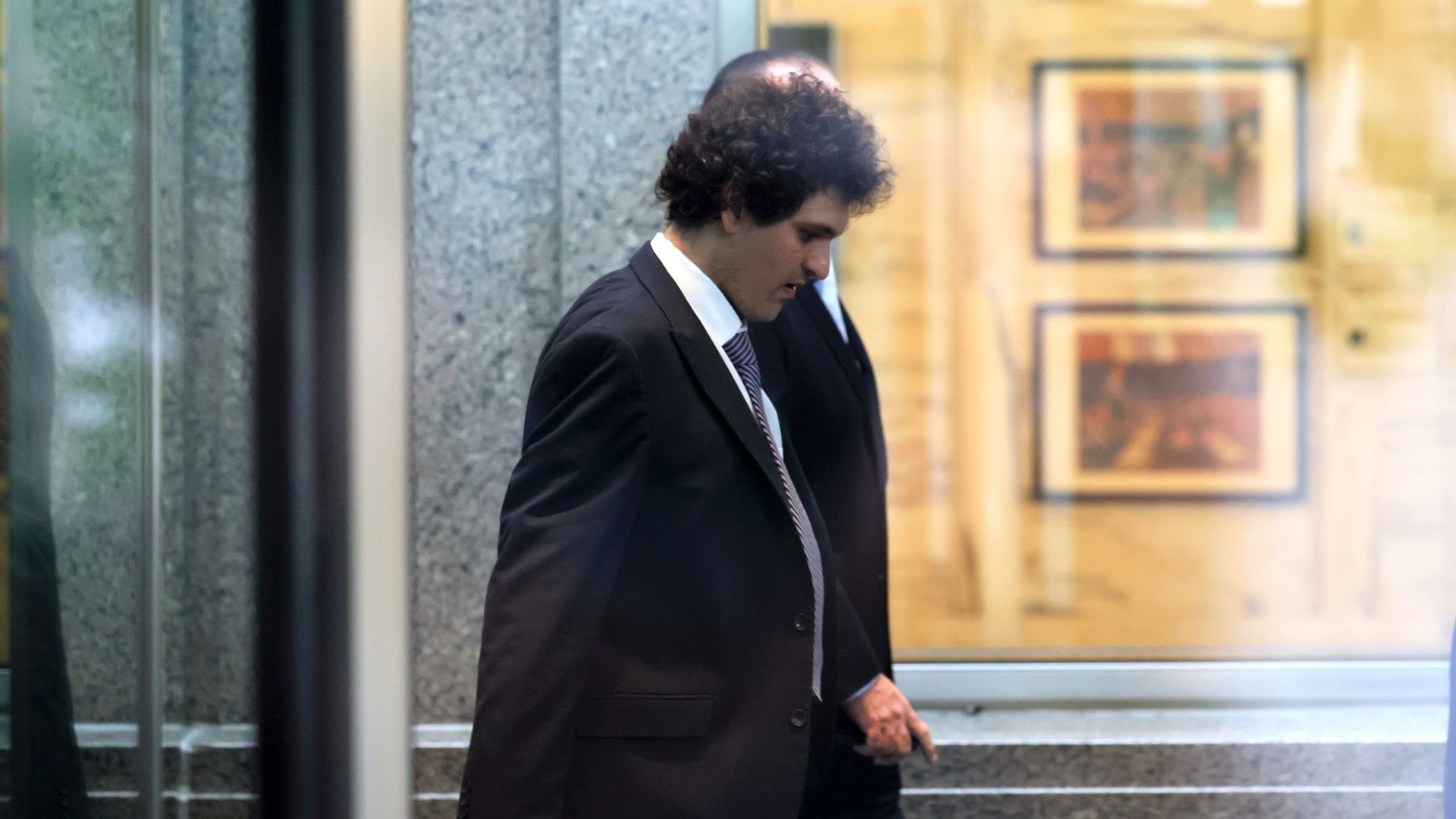
Driving the news: The SBF trial picked up again Thursday with the headliner himself taking the stand to give Judge Lewis Kaplan and others in the courtroom a preview of his testimony to help the judge decide what topics would be allowed to come up during the real thing tomorrow.
Bitcoiners might be excited, but Grayscale's proposal to turn its bitcoin trust into an ETF still needs a green light from the SEC — and that is no sure thing.
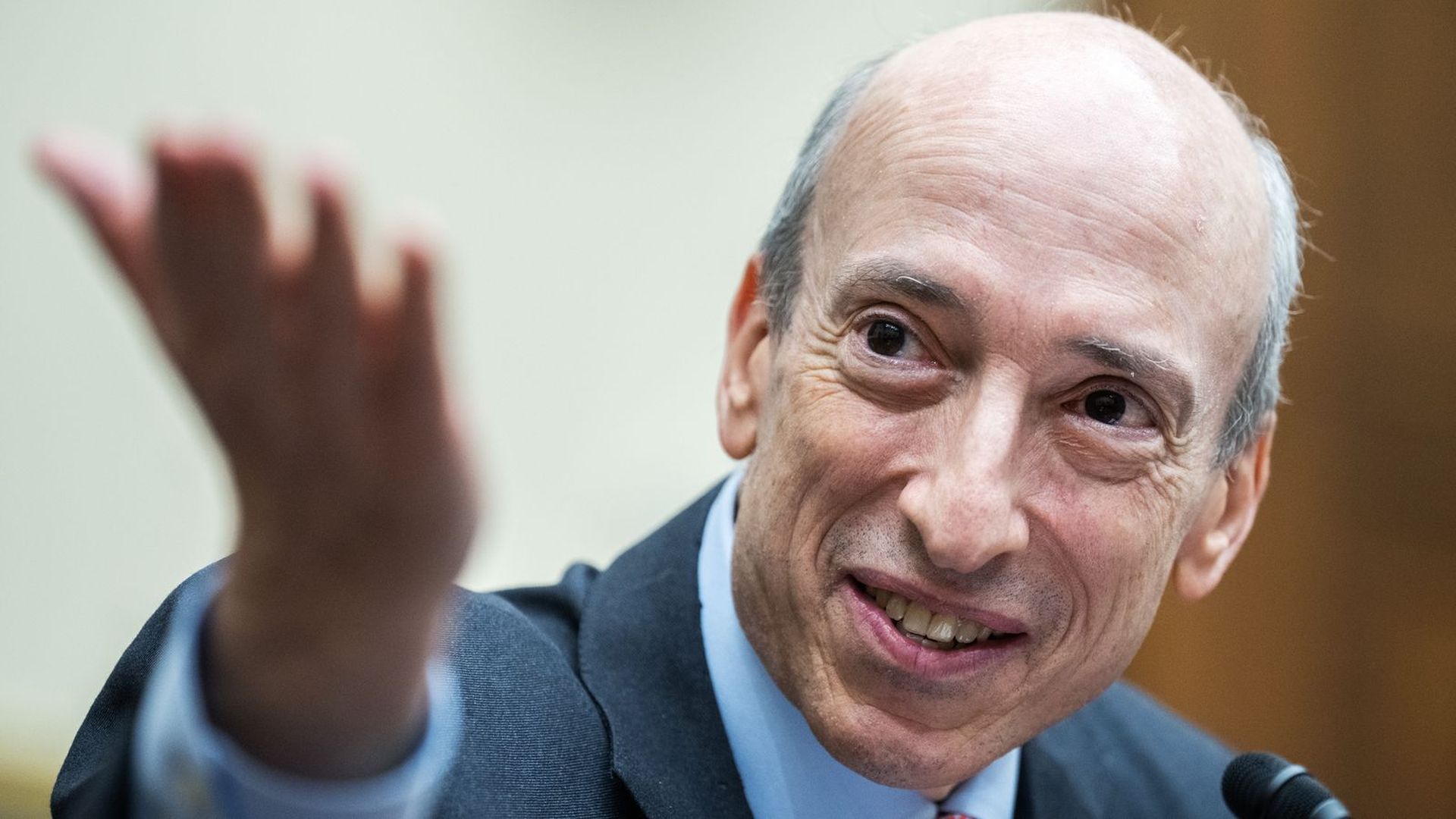
Zoom out: SEC chair Gary Gensler could still find a second reason to deny the proposal, after choosing not to appeal a court ruling striking down his first one. And if political calculus enters into his decision, that might be his most logical move.
Bitcoin is tantalizingly close to breaking past its price from just before the terra usd stablecoin melted down in May 2022.
Why it matters: It's a sign that the world's biggest cryptocurrency may have shaken off the bad news. And as the bellwether for the whole crypto industry — when bitcoin rises, every other coin and token tends to rise with it.
In the tentative settlement between Ford and the UAW, the emphasis should be placed on tentative.
Zoom in: While Ford's concessions are significant wins for the union, workers must accept the deal for it to be finalized — and that's far from guaranteed.
This time a year ago, the Federal Reserve was raising interest rates three-quarters of a point at a time, big-name companies were announcinglayoffs, and a 2023 recession appeared, to many analysts (and, we confess, economics writers) to be baked into the cake.
Why it matters: There is more underlying strength in the U.S. economy, and especially consumer demand, than nearly anybody thought. That has helped boost growth and the job market, but makes future progress in bringing down inflation less certain.
Friday is the one-year anniversary of Elon Musk's $44 billion takeover of Twitter, which he subsequently renamed X.
The big picture: Musk gets to benefit from the long-term nature of private equity. Which is good for him because, in the short term, this deal has been a steaming pile of blue bird poop.
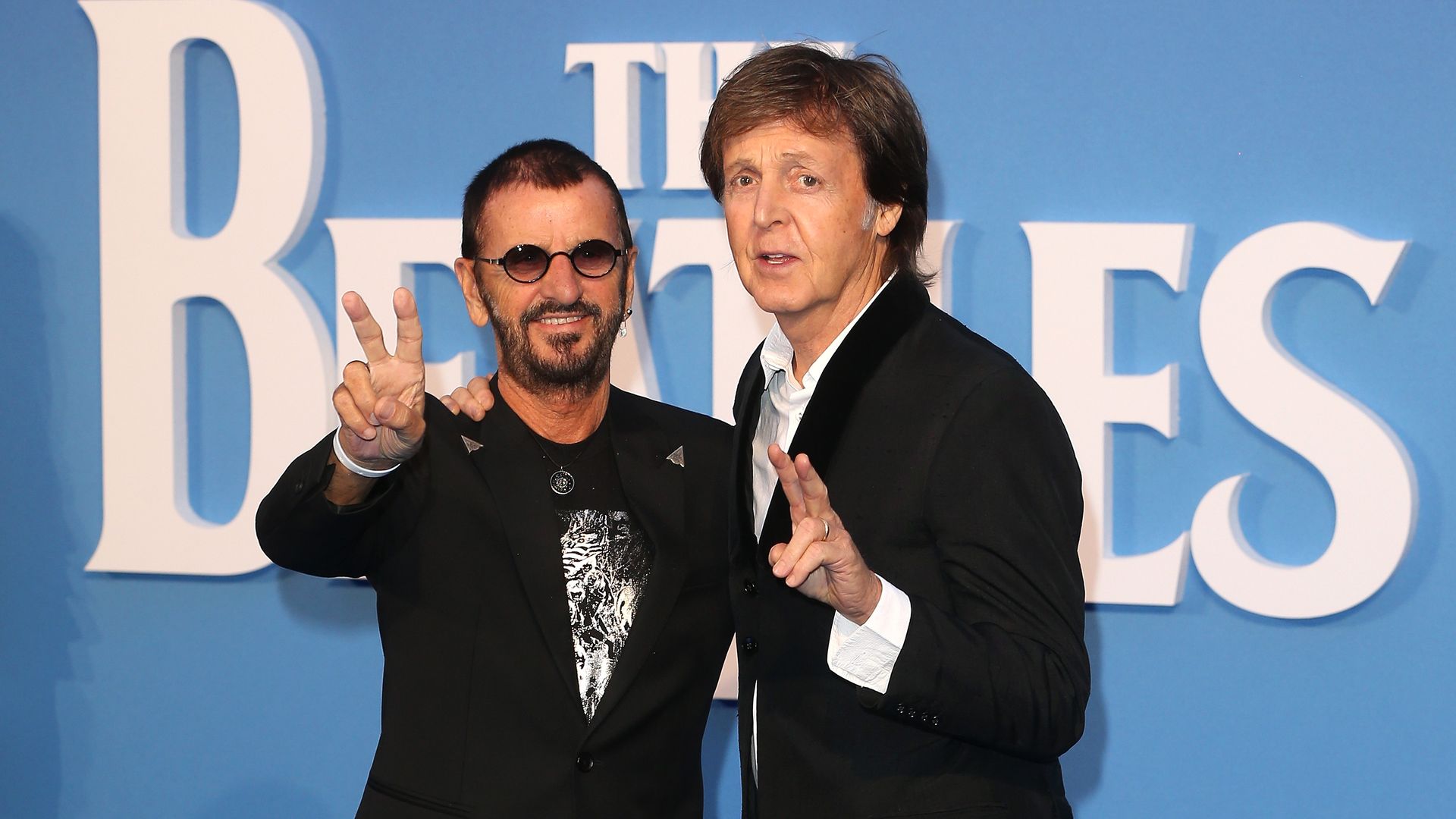
The Beatles next week are set to release "Now And Then" — their "last" song to feature all four members that's been in the making for over four decades, the band announced on Thursday.
Why it matters: The song was in part finished using artificial technology, which is rapidly changing the music industry.
The futures markets are seeing a healthy influx of positions betting on the upcoming price of bitcoin.
Why it matters: More players in the market means more efficient price discovery. But it also means more people are seeing the asset as worthy of putting bets on — long or short.
Every now and then, a company (or its leader) makes a communications blunder so ghastly that you can't look away. That's what happened this week with equity management platform, Carta.
Why it matters: This is the latest example of a self-inflicted public relations crisis, which — rather than containing damage — will likely inflict more on the company's reputation, consumer confidence and further erode employee morale.
With its daily champagne toasts and plush perks, San Francisco's Expensify Lounge co-working space always felt too good to be true — and now we know that it was.
What's happening: In a blog post late Wednesday, Expensify CEO David Barrett revealed that the lounge was actually "a little experiment around a very simple question: Can anything bring workers back to the office voluntarily?"
Morgan Stanley tapped Ted Pick to become its new CEO, handing the reins to a veteran who has worked at the Wall Street bank for more than three decades.
Why it matters: Pick succeeds James Gorman, who ran the bank for 14 years and transformed it into a wealth management behemoth.
Oxide Computer Co., a San Francisco-based developer of on-premise cloud computers, has raised $44 million in Series A funding led by Eclipse.
Why it matters: The vast majority of IT infrastructure still lives outside the public cloud, despite the popularity of services like Amazon's AWS and Microsoft's Azure, for reasons ranging from regulation to security to latency.
The U.S. economy grew at its fastest pace in nearly two years in the third quarter, defying expectations of a slowdown.
Driving the news: Gross Domestic Product rose at a 4.9% annual rate during the July through September quarter, the Commerce Department said, the strongest since the final months of 2021 and powered by robust consumer spending.
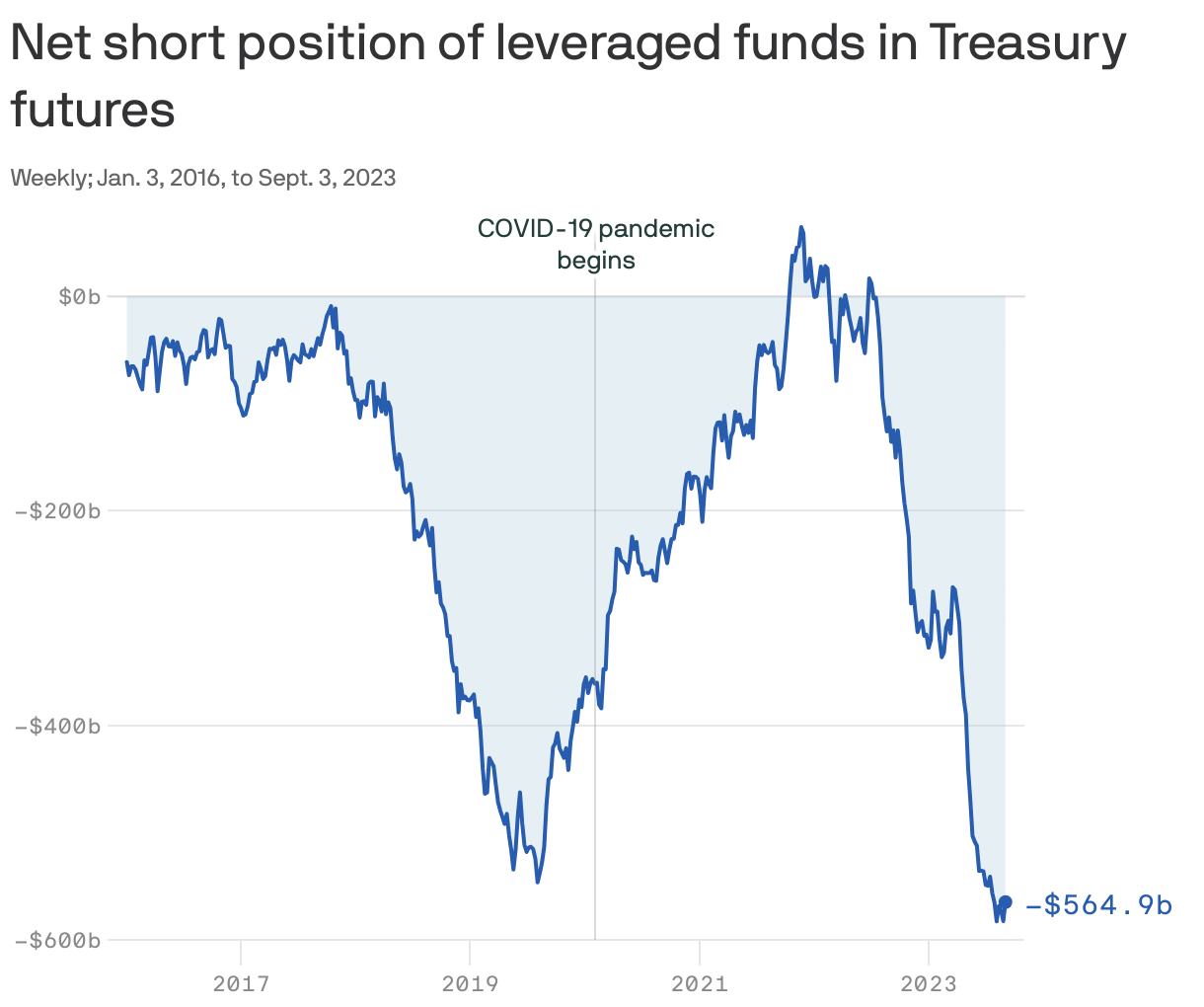
Data: Bank for International Settlements; Note: Net position is the sum of two-, five- and 10-year U.S. Treasury futures; Chart: Deena Zaidi/Axios Visuals
Hedge funds are piling in once again to a trade that was popular before the COVID crisis — until it blew up.
Why it matters: In March 2020, this bet went bad and amplified the chaos in the most important market on earth, the market for U.S. Treasuries.
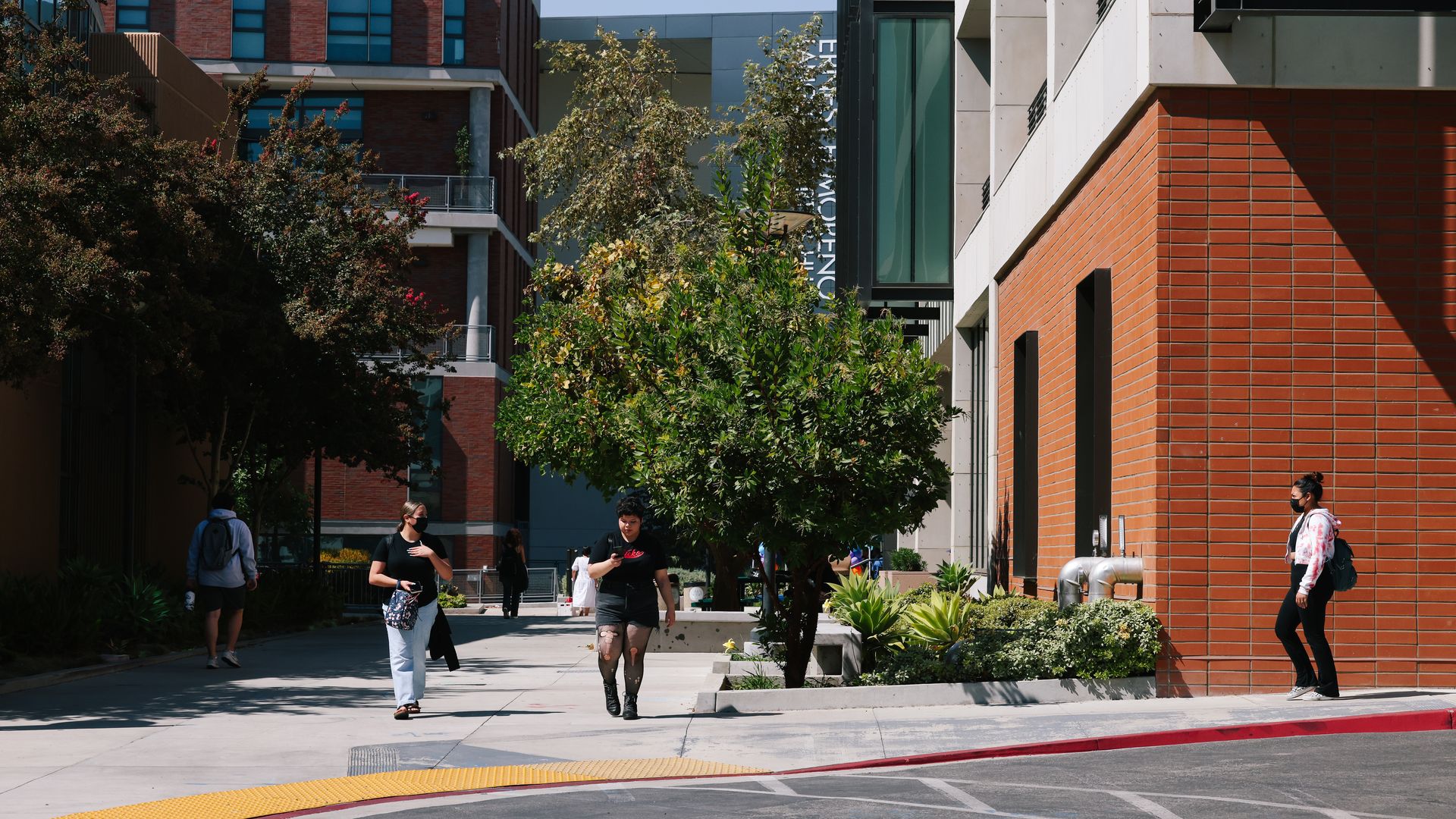
Undergraduate enrollment grew this fall for the first time since the onset of the COVID-19 pandemic, despite a decline in freshmen enrollment, according to preliminary data released Thursday by the National Student Clearinghouse Research Center.
Why it matters: College enrollment had been trending downward prior to the pandemic and dropped further since 2020 — one of several facets of higher education impacted by COVID-19.
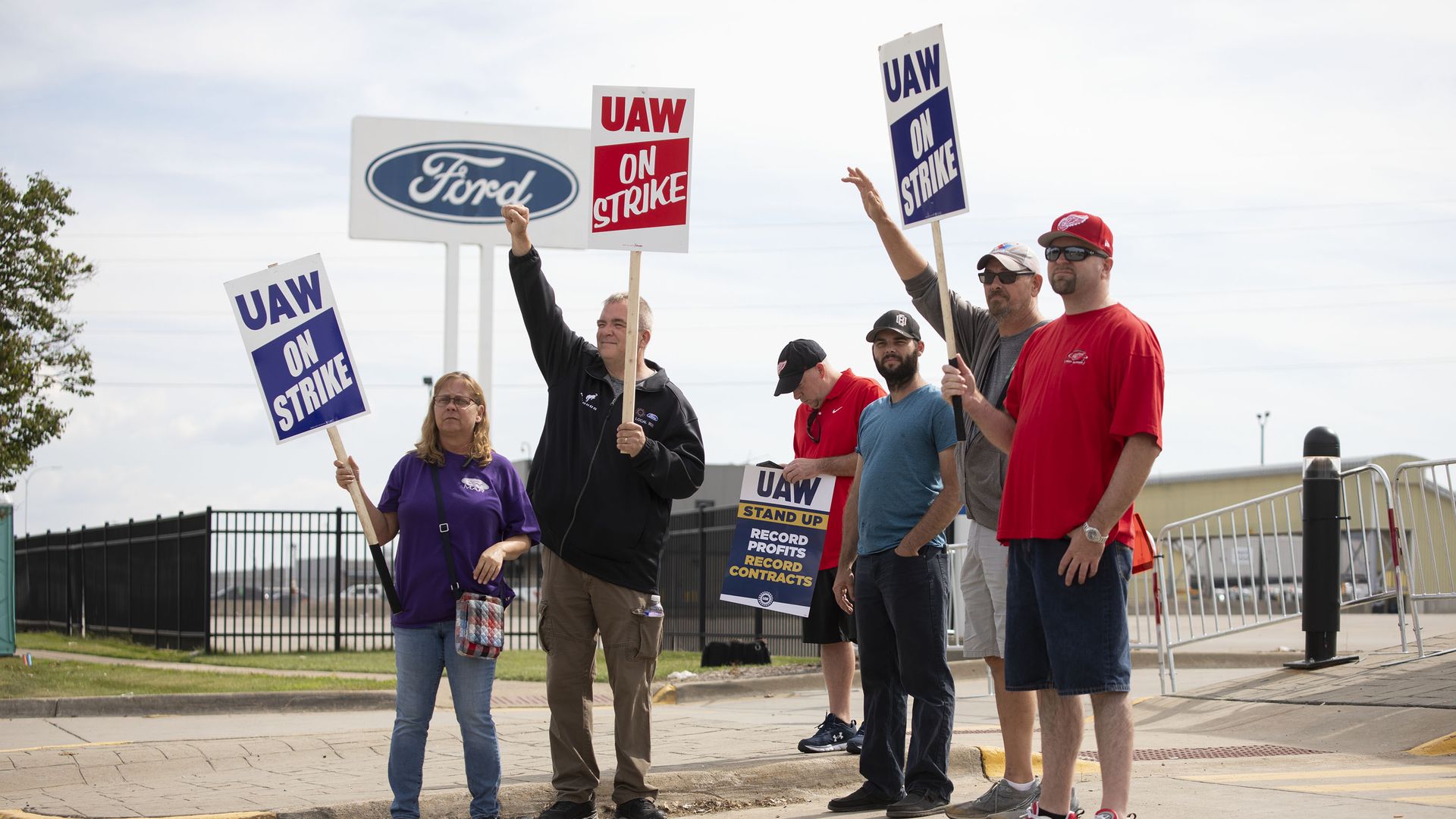
The United Auto Workers union and Ford reached a tentative contract agreement on Wednesday night that would end almost six weeks of strike action against the automaker.
The big picture: The tentative agreement, announced by the union and Ford, still needs to be ratified by some 57,000 UAW members at Ford.
It could also set a pattern for agreements at Stellantis and General Motors, where UAW members have also been on strike at select plants.