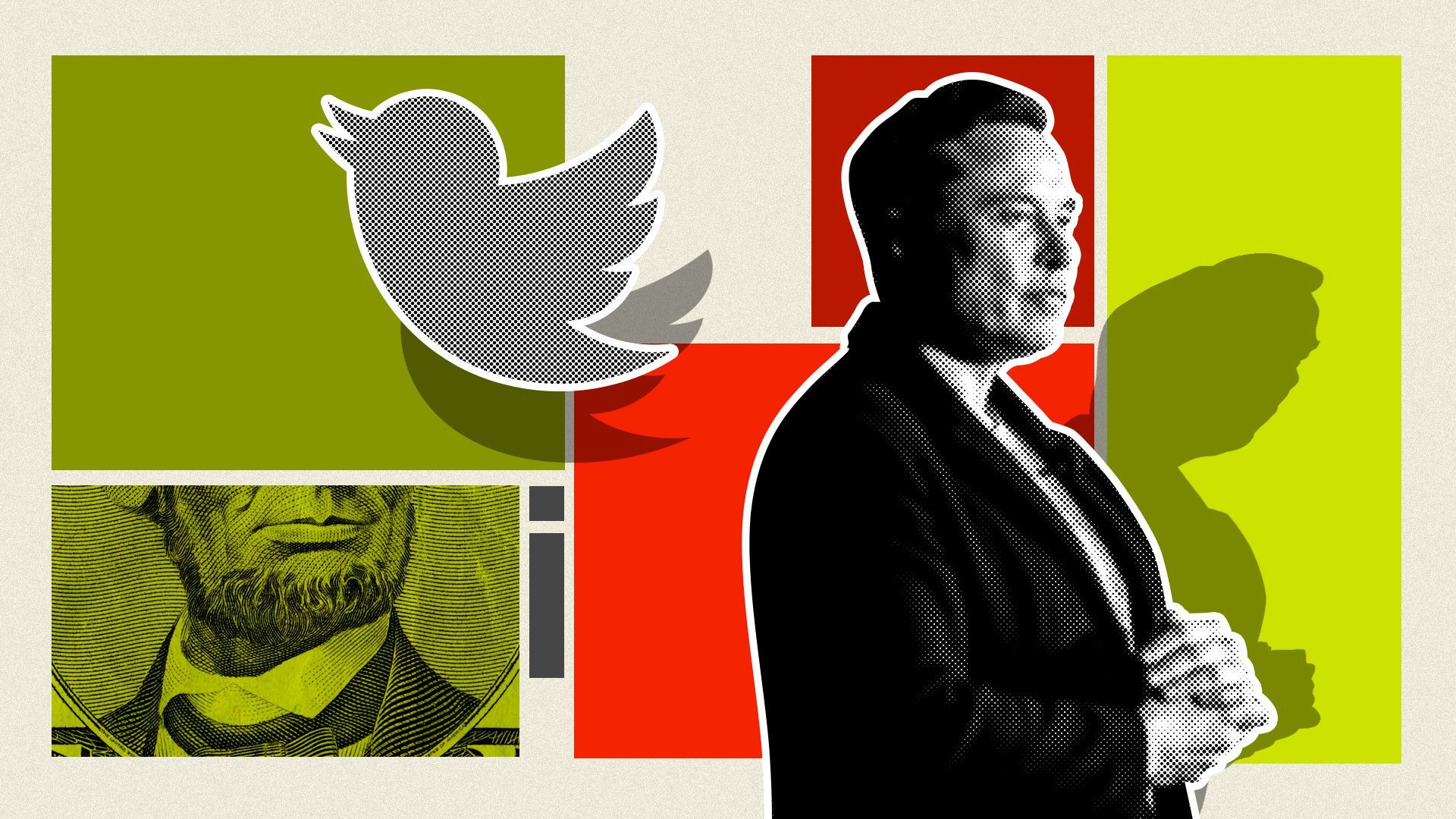
Elon Musk has offered to proceed with a $44 billion buyout of Twitter, according to a letter his lawyer sent to Twitter's legal team that was submitted to regulators Tuesday.
Driving the news: According to the letter, Musk has agreed to proceed in closing the transaction in accordance with the April 25 merger agreement he originally signed, in which he agreed to pay $54.20 per share.
Google will pay $85 million to settle a lawsuit by the Arizona Attorney General's Office over the way the tech giant used customers' location data.
The settlement averts a trial that was scheduled to begin on Oct. 24.
Catch up quick: Attorney General Mark Brnovich began investigating Google in 2018 after the Associated Press reported that some of the company's apps continued tracking and storing users' location data even after they turned off the location history feature.
Brnovich sued Google in state court in 2020, alleging it violated the Arizona Consumer Fraud Act.
Driving the news: Brnovich announced the settlement Tuesday morning, calling it one of the largest consumer fraud lawsuits in Arizona history.
Google will pay $77,250,000 to Arizona's general fund, and another $7,750,000 to the attorney general's outside counsel.
The settlement directs the state legislature to spend the money that goes into the general fund on education, broadband and internet privacy efforts.
The AG's office will direct $5 million to an accredited law school and to a bipartisan AGs' association for consumer protection training and programming.
Why it matters: The bulk of Google's profits come from advertising, and it uses customers' location data to help determine which ads to target them with.
The AG's office noted that 80% of the $161 billion in revenue that Google generated in 2019 came from advertising.
What they're saying: "When I was elected attorney general, I promised Arizonans I would fight for them and hold everyone, including corporations like Google, accountable," Brnovich said in a press statement. “I am proud of this historic settlement that proves no entity, not even big tech companies, is above the law."
Of note: The settlement does not require Google to admit wrongdoing or to the violation of any laws.
The other side: Google spokesperson José Castañeda told Axios that the case was based on outdated policies the company changed years ago.
"We provide straightforward controls and auto delete options for location data, and are always working to minimize the data we collect. We are pleased to have this matter resolved and will continue to focus our attention on providing useful products for our users," Castañeda said.
CEOs are beginning to dust off their supply of pink slips after several years of nearly nonstop hiring, save for a few months early in the pandemic.
With about 9 in 10 expecting a recession in the next year, 51% are considering workforce reductions over the next six months, according to a new survey of 400 U.S. CEOs by consultancy KPMG.
First, the good news: The Fed just got a big signal that its offense against inflation is bearing fruit.
Now, the bad: The number of job openings as measured by the Labor Department (JOLTS) plunged in August by over 1 million — well more than economists had forecast.
In fact, the drop was the largest since April 2020 (the height of COVID-19 lockdowns, for those with short memories). Yet quits and layoffs were marginally changed, in keeping with the theme that jobs still remain plentiful.
Why it matters: Independent of the monthly payrolls data, JOLTS is one of a handful of reads giving insight into the health of the jobs market.
With about two open jobs for every person seeking one, JOLTS has characterized an impossibly torrid labor market — an element of growth the Fed is looking to tame in the battle against price pressures.
What they're saying: "All we can say for sure is that this is the first official indicator to point unambiguously, if not necessarily reliably, to a clear slowing in labor demand," wrote Ian Shepherdson at Pantheon Macroeconomics.
"If it continues over the next few months, and core inflation falls as much as we expect, the Fed will not be hiking by 125 [basis points] by the year end."
The data is "the first clear sign of weakening labor demand [that] will pressure the Fed to do less, if it persists."
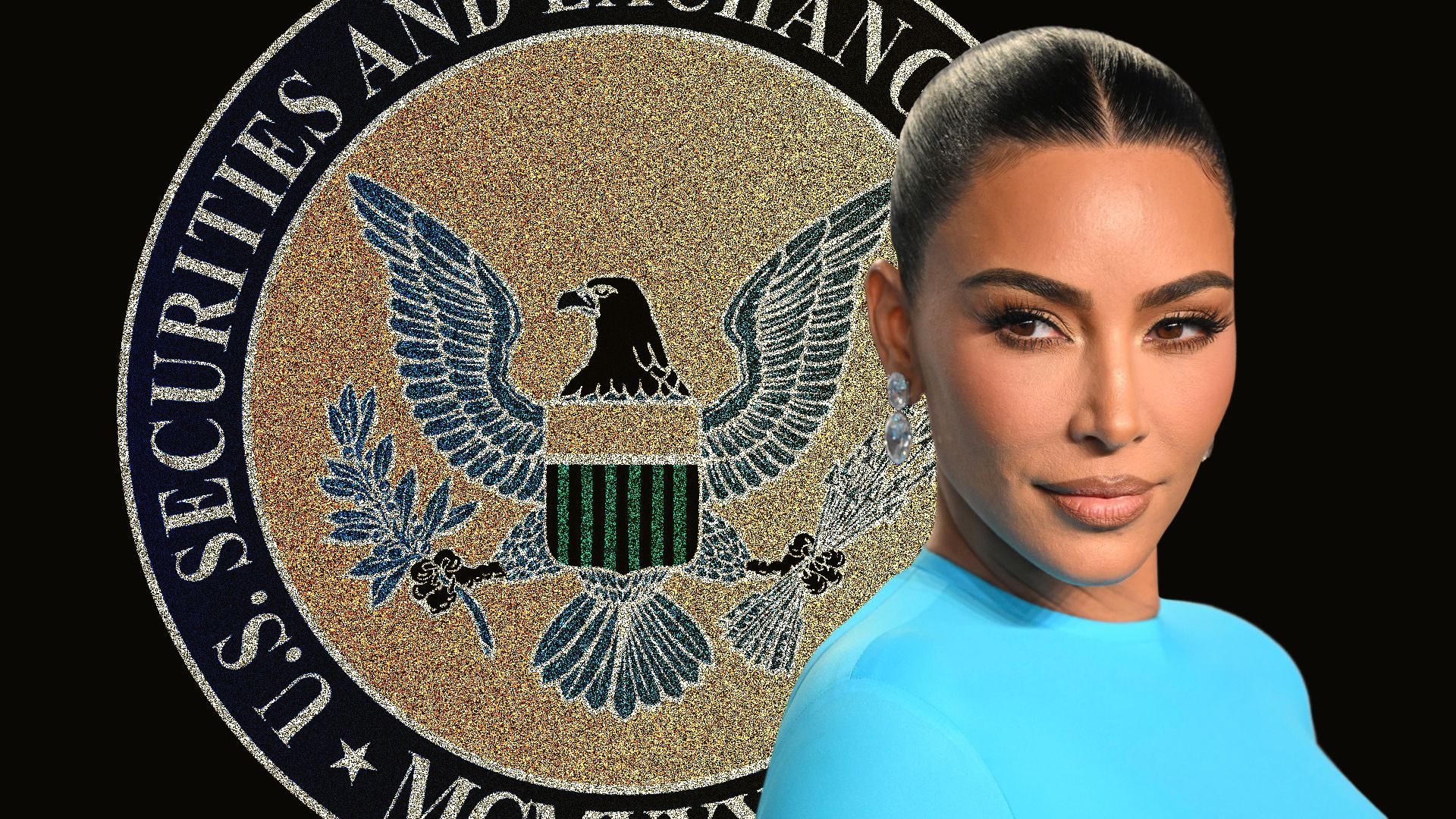
Kim Kardashian is every marketer's dream influencer. And that includes for SEC chair Gary Gensler.
Why it matters: If the Securities and Exchange Commission wanted to get the word out on its crypto stance — that most cryptocurrencies are securities — hanging that message on Kardashian has been a successful move.
TV Guide has been sold. Again. This time as part of a digital media portfolio that switches hands from Red Ventures to TPG-backed Fandom for around $50 million.
Right now you're likely thinking one of three things, depending on your age: (1) TV Guide still exists? (2) What is TV Guide? (3) What is TV?
Why it matters: For those with the first question, TV Guide is an iconic brand that's also been an M&A hot potato since the internet eradicated the need for a published compendium of TV program listings.
Liquid Death, a maker of branded water products in aluminum cans, raised $70 million in Series D funding led by Science Ventures at a $700 million valuation.
Why it matters: The Los Angeles-based company and its early investors were widely mocked upon launch.
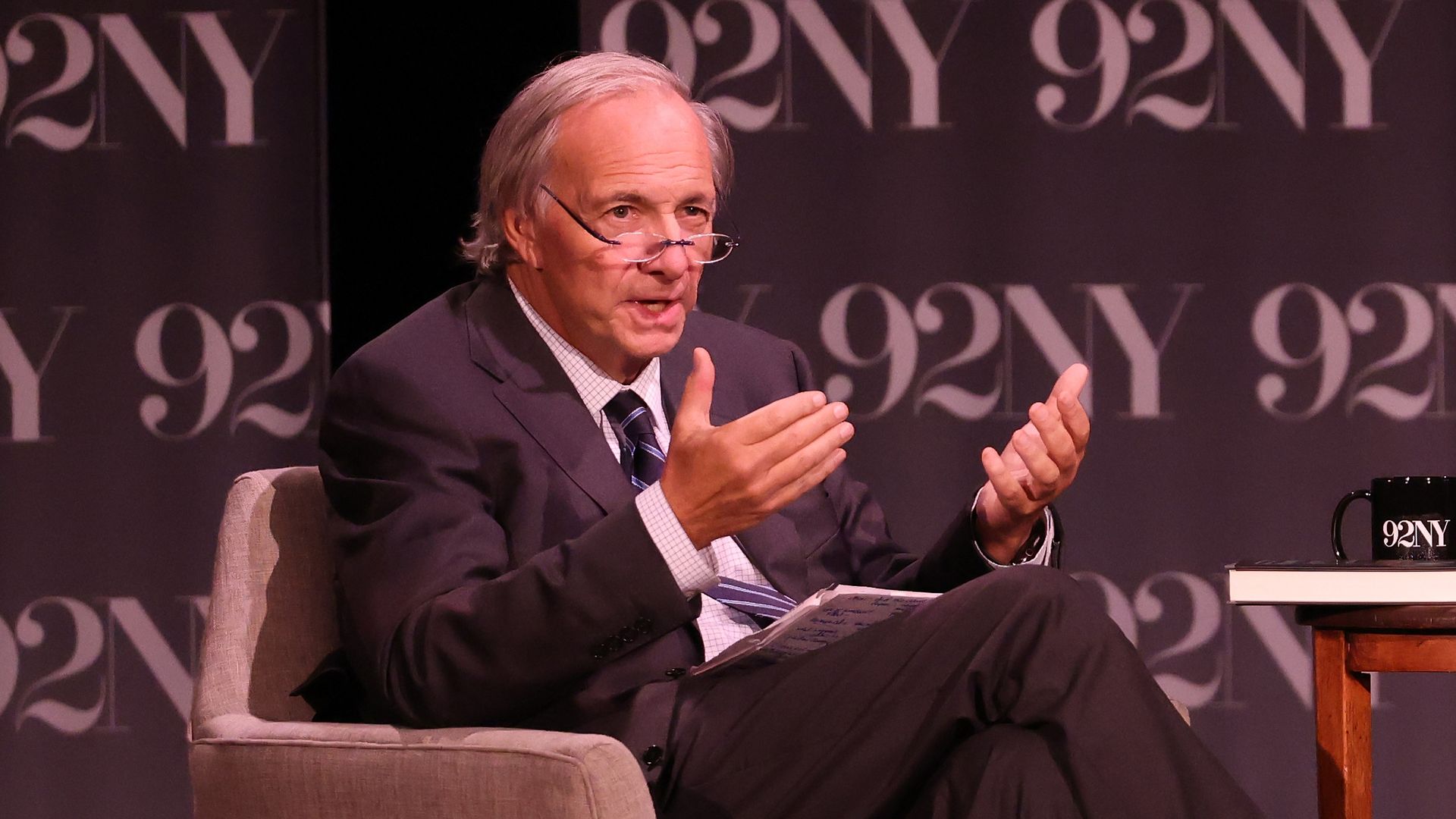
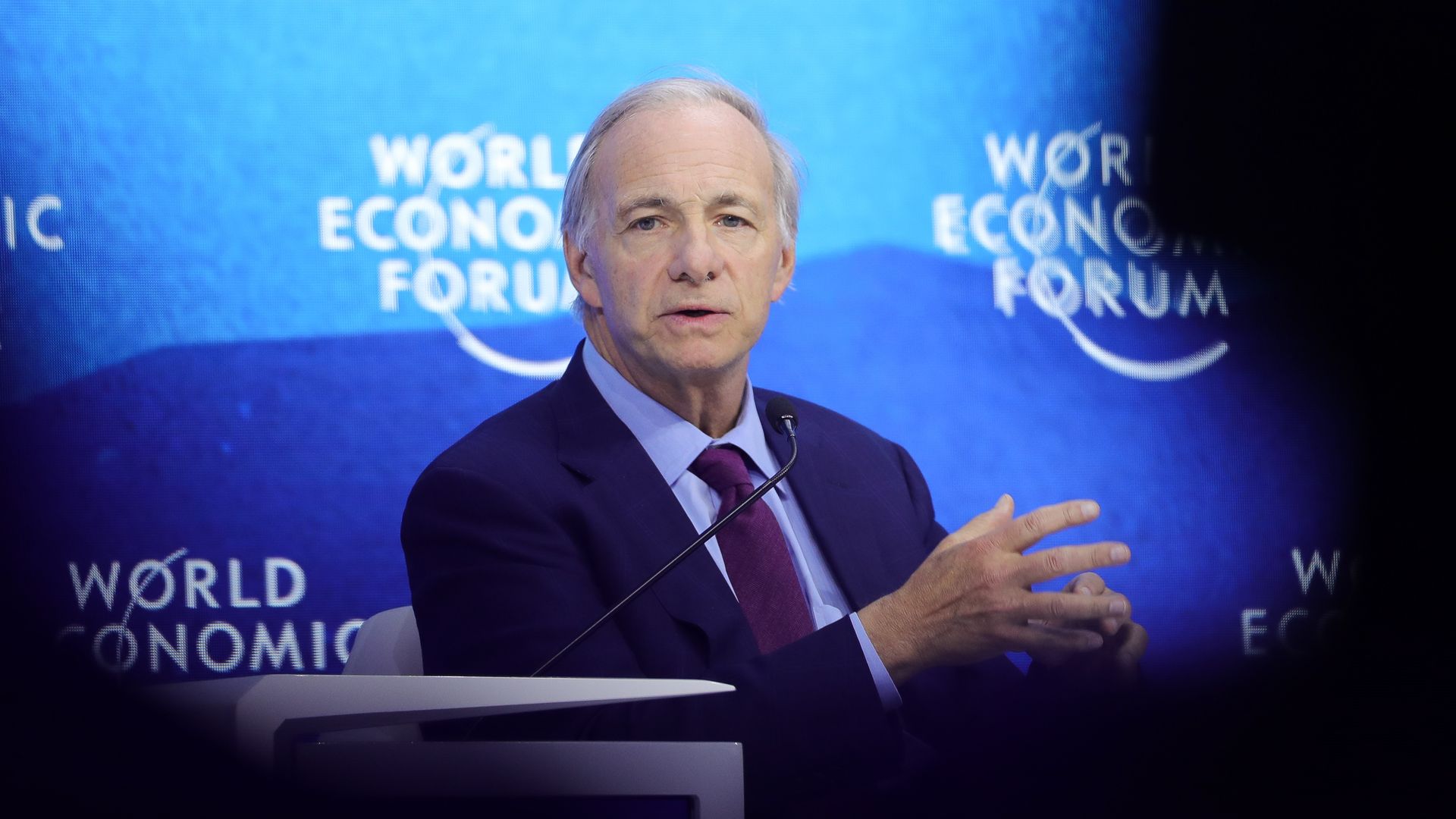
Billionaire investor Ray Dalio announced Tuesday that he is giving up control of Bridgewater Associates, the world’s largest hedge fund.
Why it matters: This is the final step in Dalio relieving control of the firm he founded, transitioning $150 billion in assets to the next generation of leaders.
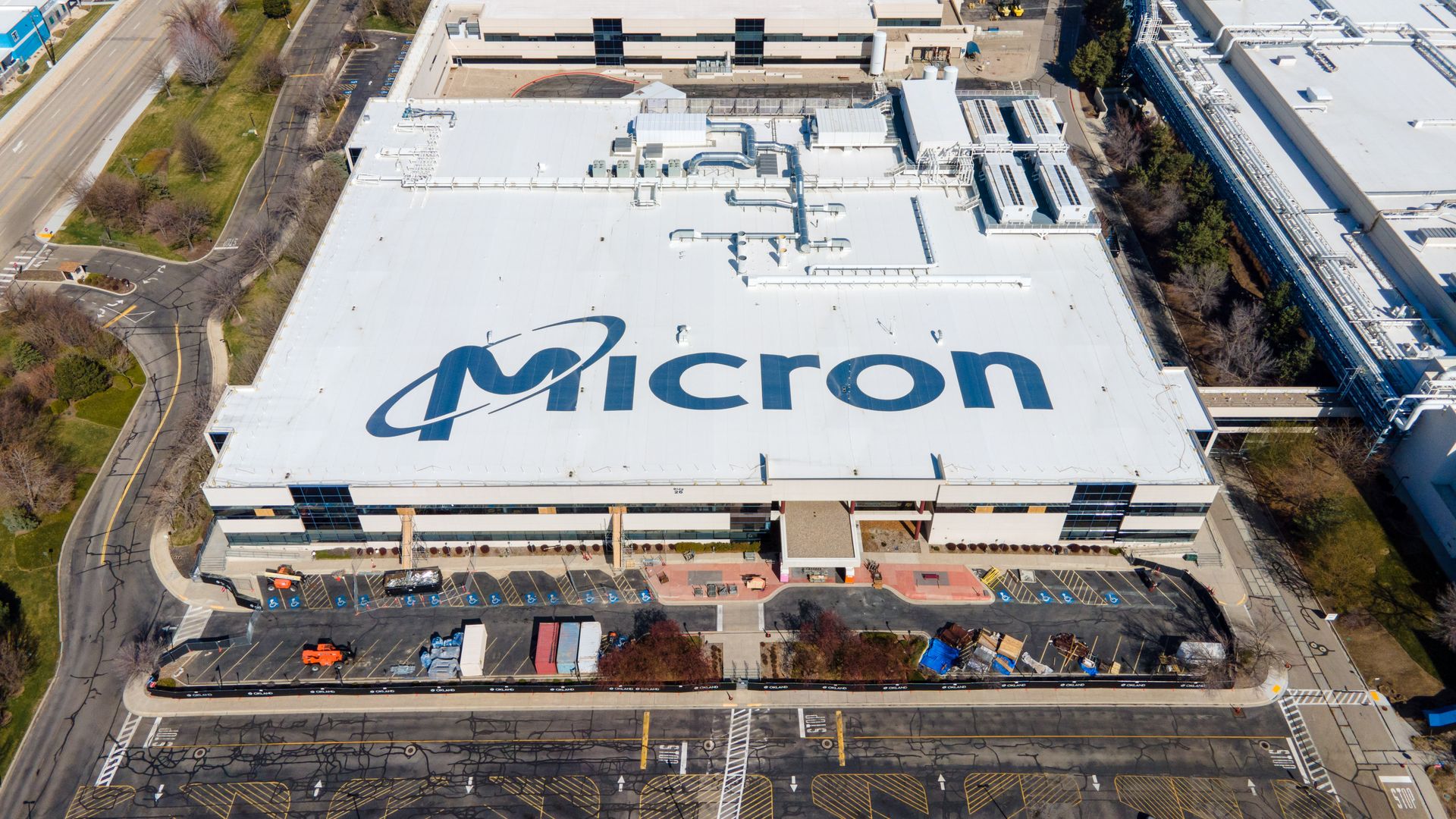
Memory chip maker Micron will commit up to $100 billion over the next two decades to build a computer chip factory in upstate New York, the company announced Tuesday.
Why it matters: The U.S. government has invested in semiconductors through the CHIPS and Science Act of 2022, which provides grants for companies to build computer chip factories in the United States.
The New York Daily News plans to shift its coverage priorities toward producing more local content about issues impacting New York City, according to a memo sent to staff Tuesday morning by the paper's executive editor Andrew Julien and general manager Michael Gates.
Why it matters: The memo praised the support for its strategy from its new owners, Alden Global Capital, a hedge fund known for cutting journalists at local papers to maximize profits.
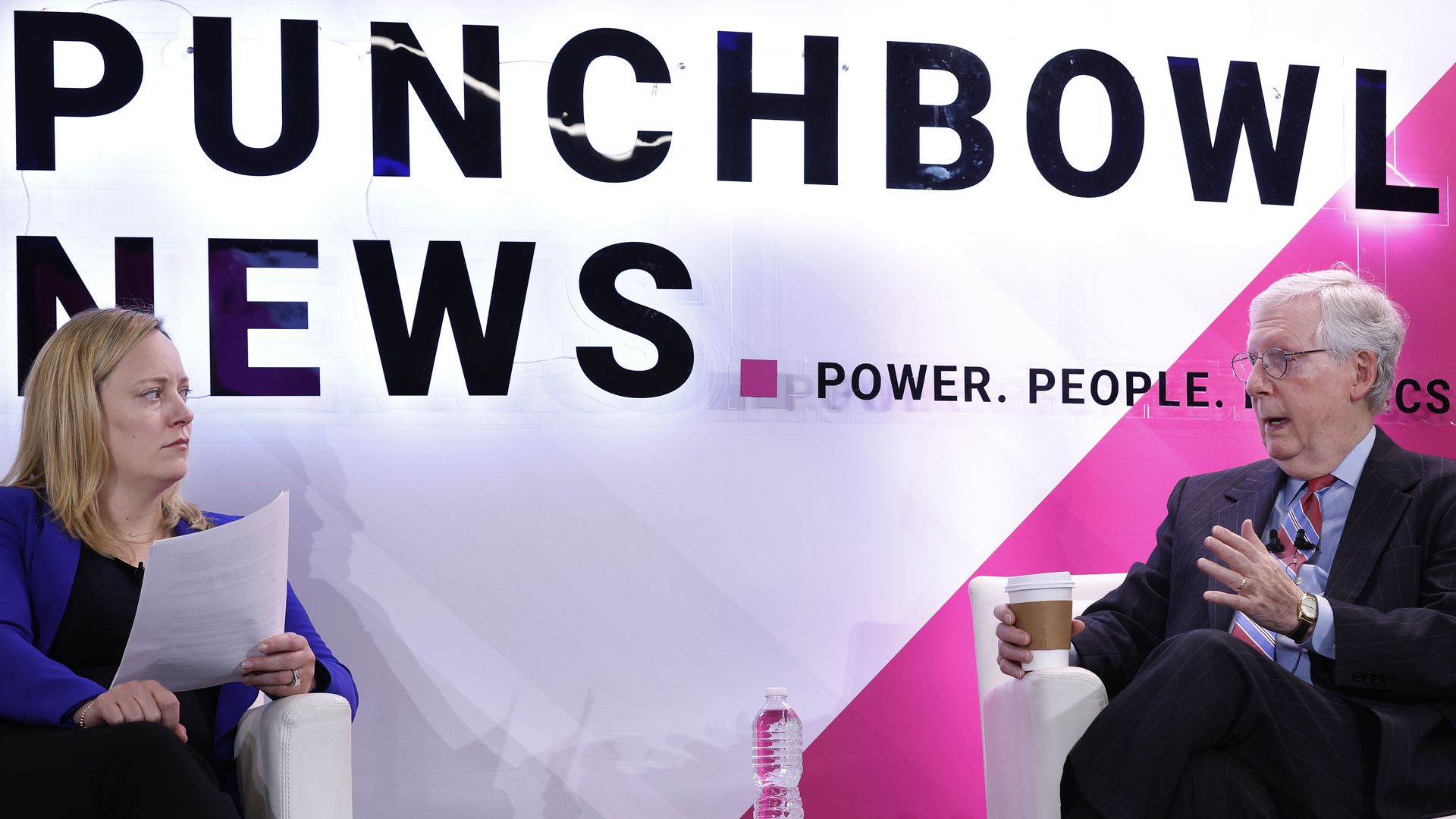
Punchbowl News, a D.C.-based political media startup, is expanding its coverage to include financial services, according to a memo to investors obtained by Axios.
Why it matters: It's Punchbowl's first major expansion since the company launched in January 2021. The new vertical paves the way for the company to dive even deeper into enterprise subscription sales and opportunities outside of Washington.
Kat Downs Mulder, formerly chief product officer and managing editor of the Washington Post, is joining Yahoo News as senior vice president and general manager, Axios has learned.
Why it matters: Downs Mulder is the third longtime C-suite executive to leave the Post this year.
Audacy, the publicly traded radio and digital audio company, has hired bankers as it looks to sell Cadence13, one of its two podcast studios, three sources familiar with the process told Axios.
Why it matters: Offloading the studio could help alleviate some of the company's debt as it faces financial challenges.
There’s a new program on the block for turning entrepreneurs into angel investors — dubbed Powerset — and it’s aiming to raise $314 million.
Why it matters: Co-founder Jake Zeller previously helped lead Spearhead, a similar setup (and the inspiration for Powerset) that’s a joint venture between AngelList and venture firm Accomplice.
Why it matters: The gift-buying season is being extended as Americans grapple with record inflation and consumers look to stretch their budgets by shopping early to spread out purchases.
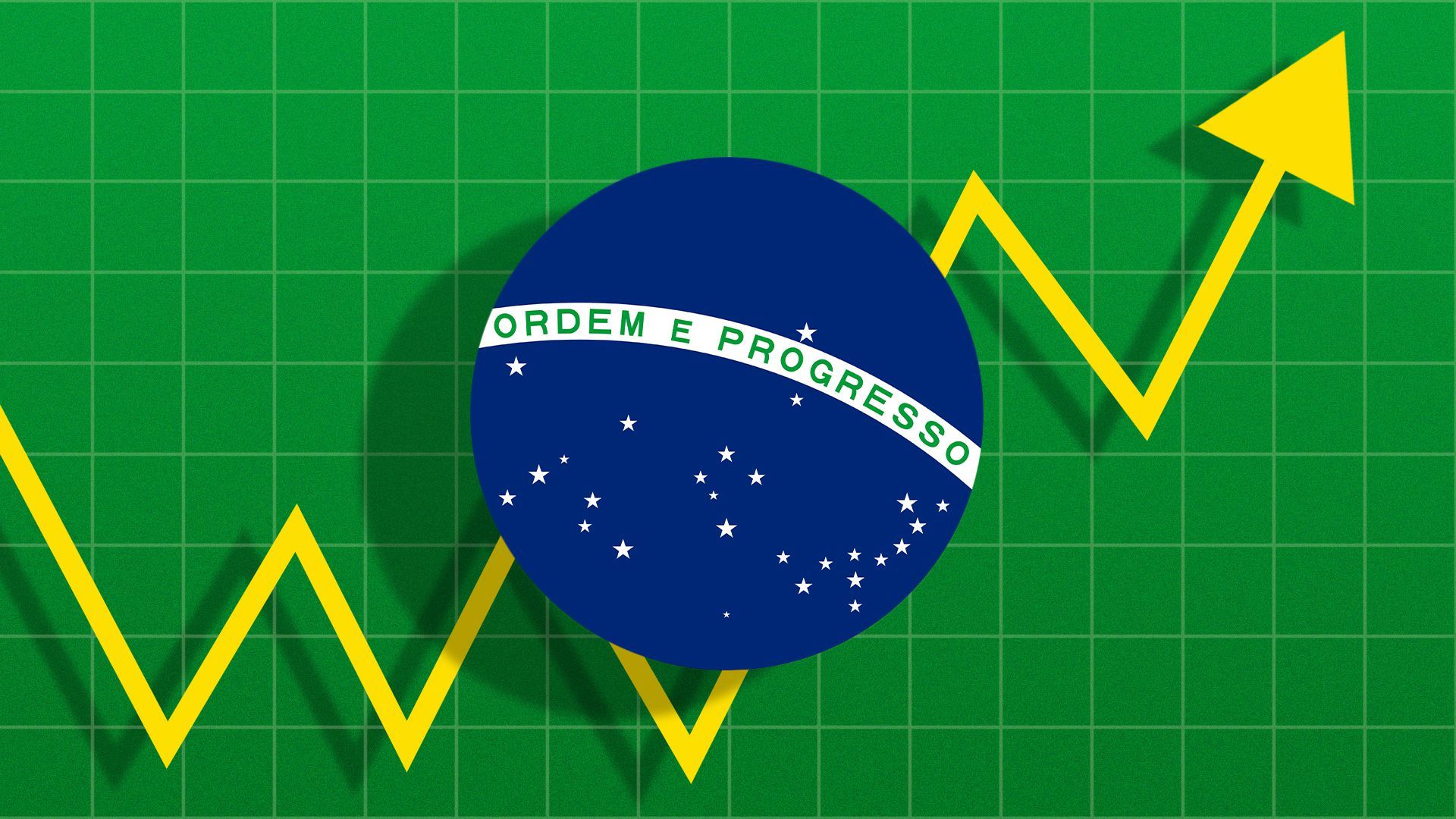
A stronger-than-expected showing for Brazil's far-right President, Jair Bolsonaro, in Sunday's presidential vote appeared to buoy Brazilian markets Monday.
Why it matters: A a powerhouse producer of commodities such as soybeans, iron ore and petroleum, Brazil has Latin America's largest economy and population.
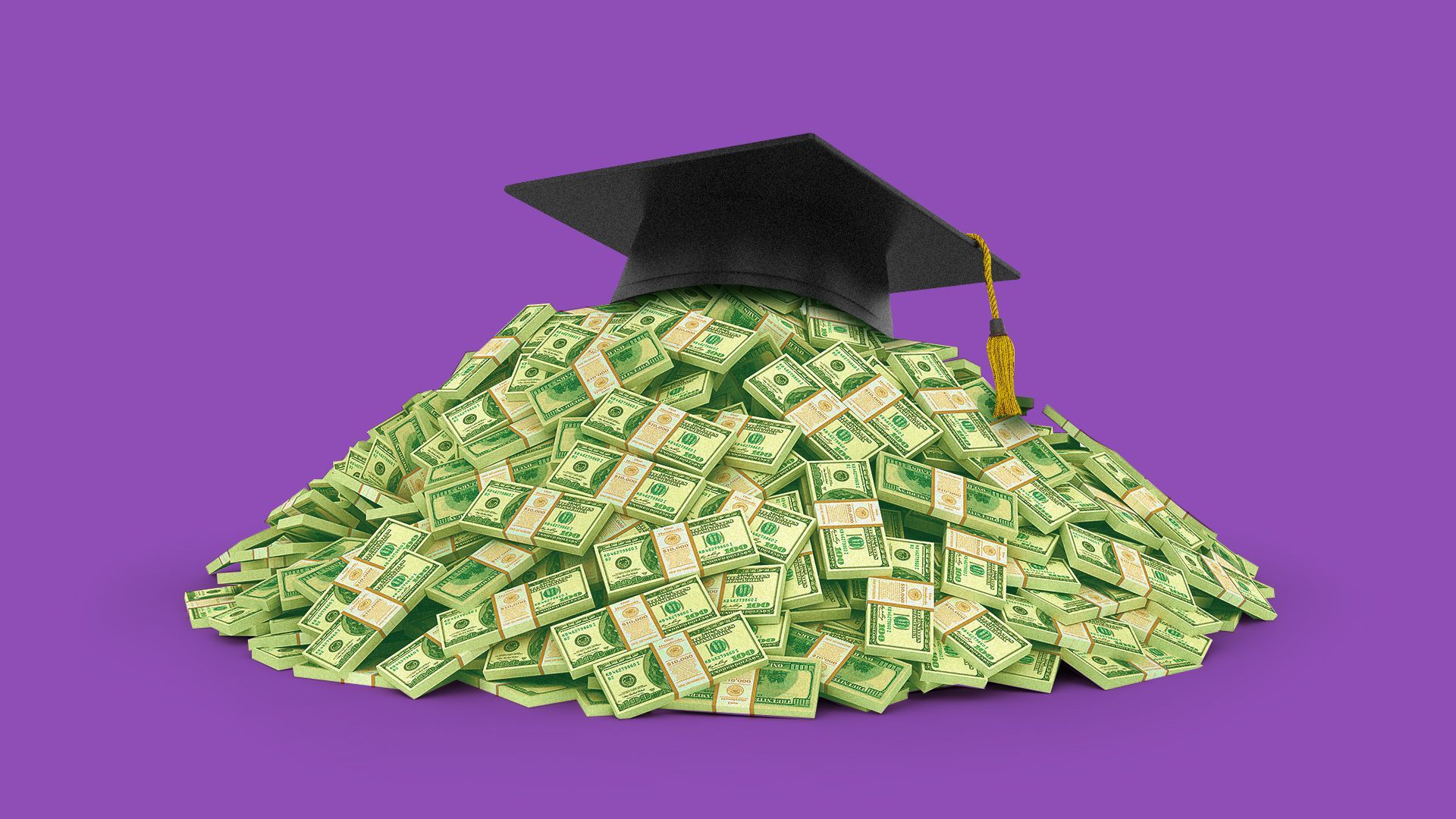
Princeton University is so rich it has become a perpetual motion machine — an institution that can operate with no outside financial support whatsoever. That's the claim made by Malcolm Gladwell, in a recent newsletter, and opposed by Harvard economics professor John Campbell, in a letter to The Browser.
The big picture: Gladwell is broadly correct. Campbell's quibbles might change the exact numbers, but Princeton really does seem to have reached the point at which it's capable of funding itself in perpetuity, even without research grants or tuition income.
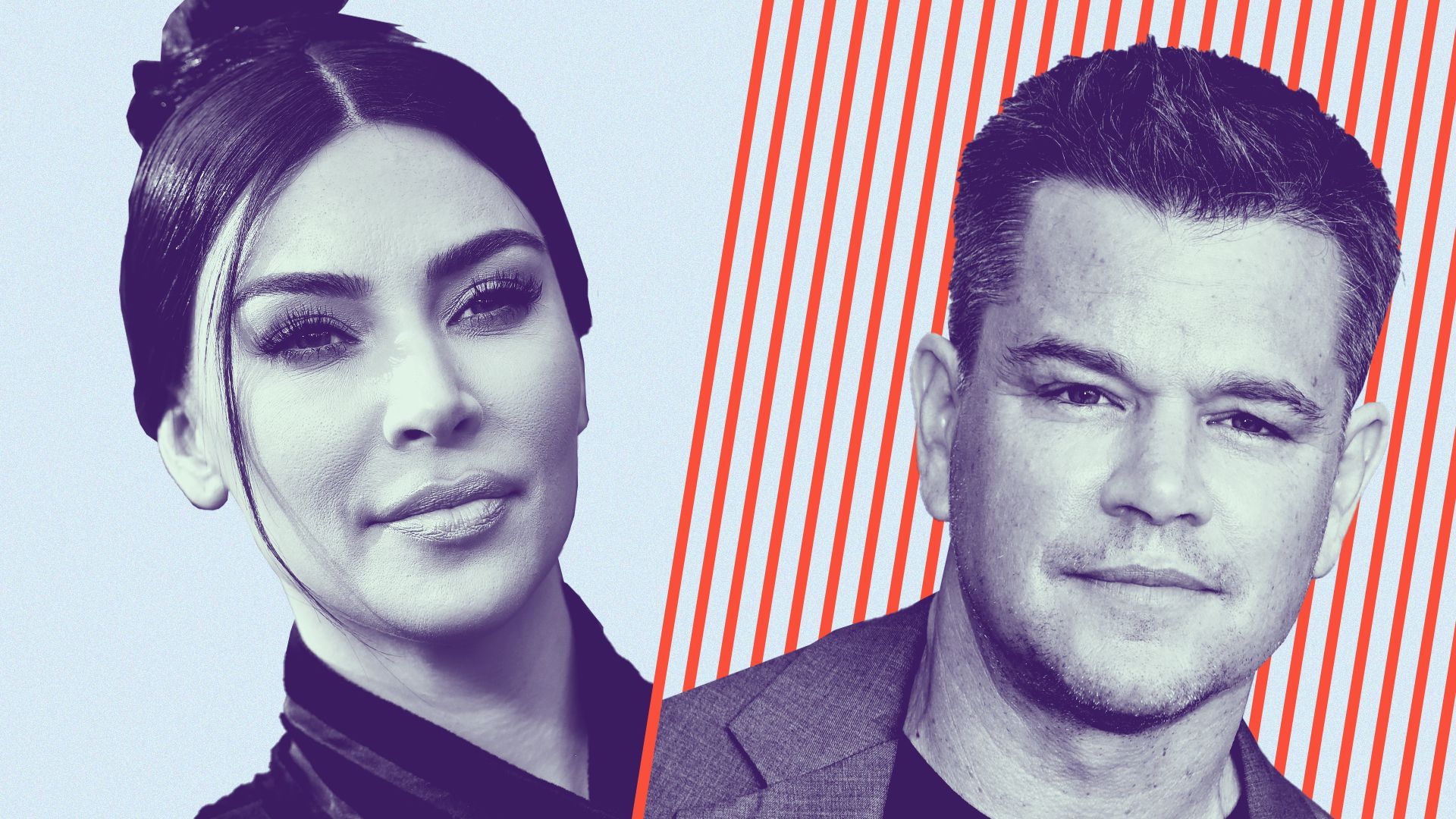
Kim Kardashian was fined $1.26 million Monday for touting crypto schemes — even as much more high-profile pitches from the likes of Matt Damon and Larry David have gone unpunished. The seeming double standard is a function of a subtle yet crucial distinction in securities law.
Why it matters: Celebrity crypto endorsements drew millions of Americans into the crypto market at the beginning of this year, just before prices cratered.
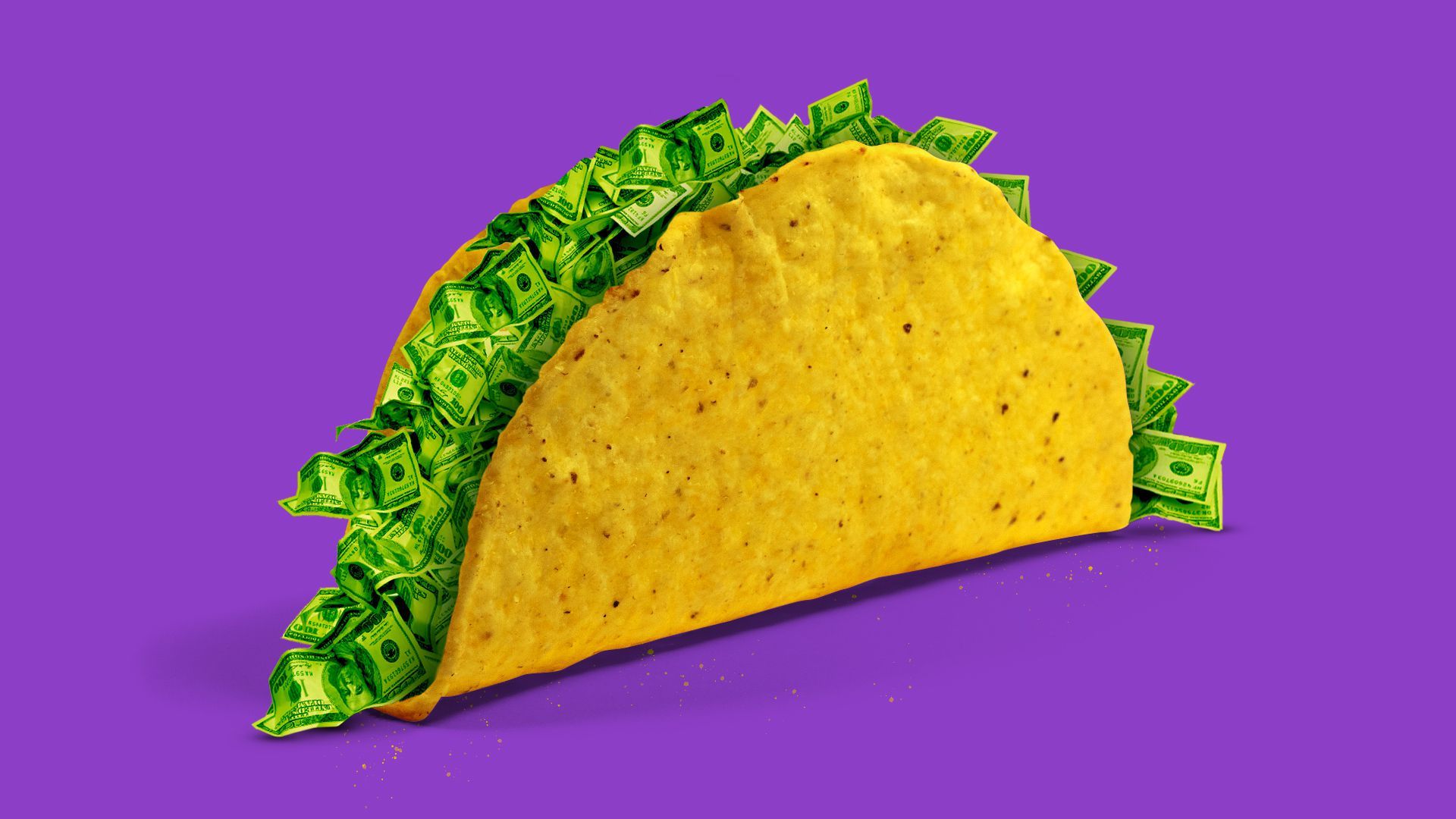
Let's talk about why Tuesday is one of the best days of the year for saving on tacos: It's National Taco Day and Taco Tuesday.
The big picture: Like with other made-up food holidays, restaurants are rolling out deals and freebies, mostly through their loyalty programs that have been growing as consumers look for ways to beat inflation.
Artificial intelligence is taking the pizza business by storm, with a host of startups introducing machines that churn out pies faster and cheaper than humans.
Why it matters: While robots are making steady inroads in the restaurant industry overall — flipping burgers, frying chips, brewing coffee — pizza is the place where automation may make its earliest and most transformative mark.
Elon Musk may be forced by a court to go through with his purchase of Twitter, raising questions about how his approach to risk-taking in business might play out on the platform.
Why it matters: Musk's high tolerance for risk at his companies, including Tesla and SpaceX, has reshaped industries and intersected with a vast number of employees and consumers.
South Korean tech giant Naver on Monday announced that it will buy U.S. secondhand clothing platform Poshmark for approximately $1.6 billion.
Why it matters: The merger is intended to help Poshmark expand geographically, while also introducing live streaming and image recognition technologies that could help jumpstart slowed revenue growth.