Univision is eliminating some roles, including Fusion Media Group CEO Felipe Holguin, as it integrates its English-language assets.
Why it matters: According to sources within the company, the move is part of plans to restructure its business in light of a cancelled IPO, which was triggered by difficult market conditions that have led to consolidation within the industry.
Why it matters: The Amazon effect is one reason for the iconic chain's misery. But the other is the $6.6 billion in debt that Vornado, Bain Capital and KKR laid on Toys R Us after a leveraged buyout in 2005, some $5.2 billion of which remains.
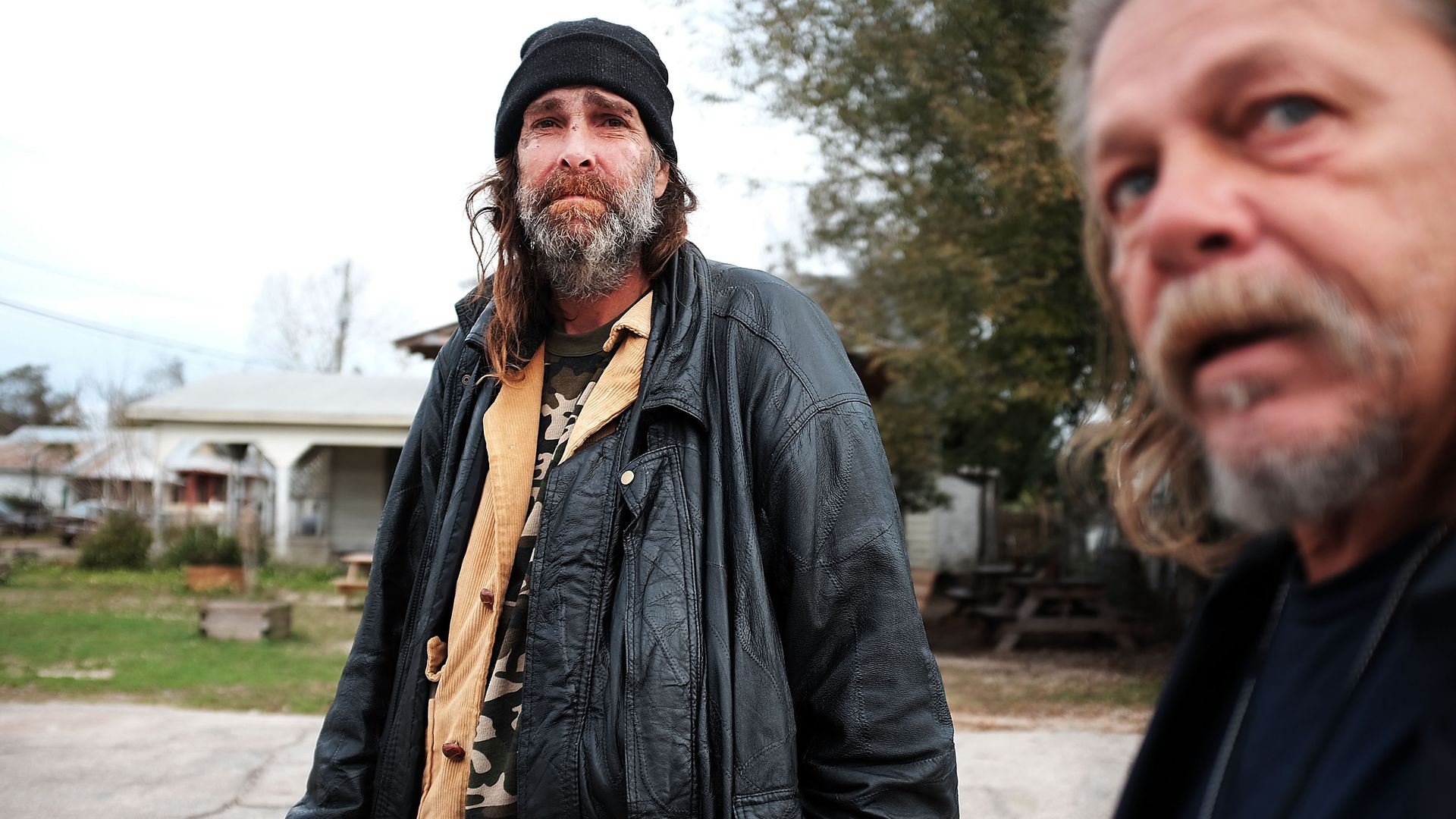
Harvard economist Ed Glaeser says something dark is going on within a chunk of U.S. geography stretching north from Louisiana to Michigan. The "Eastern Heartland," as he calls it, is an "epicenter of troubled America, an epicenter of hopelessness."
Why it matters: Some of the nation's most stubborn social problems are concentrated in the 12-state Eastern Heartland, and Glaeser argues there needs to be a new approach to attacking them.
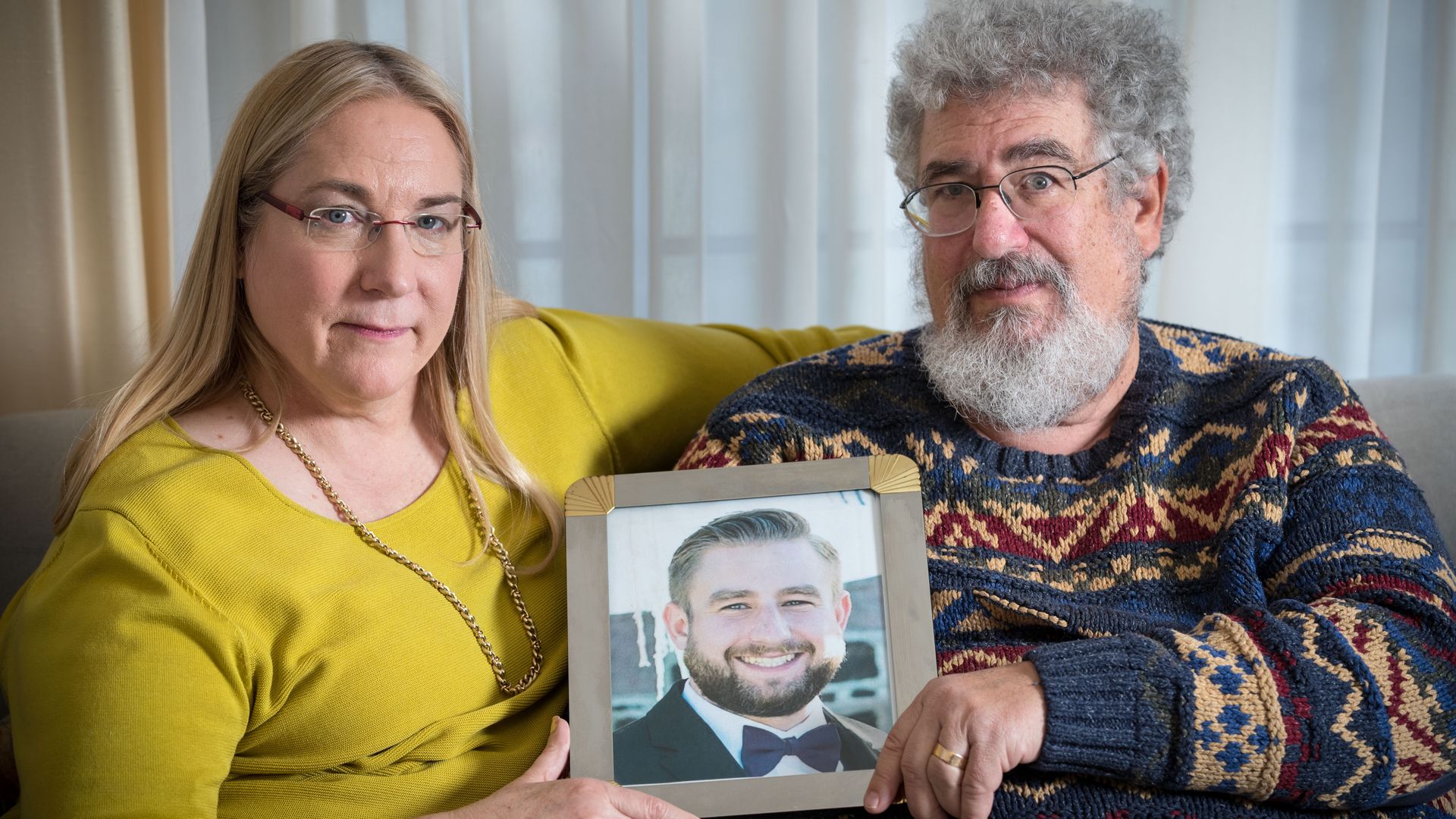
The parents of Seth Rich, the former DNC staffer who was murdered in 2016, have filed suit against Fox News, reporter Malia Zimmerman, and guest commentator Ed Butowsky over a retracted 2017 article that tied his death to a conspiracy theory that Rich had a hand in WikiLeaks' release of hacked DNC emails. They allege that the "sham story" exploited their son's murder "through lies, misrepresentations, and half-truths."
The details: The filing claims Fox News and the writers are liable for "intentional infliction of emotional distress" with the story's publication. The Rich family is seeking monetary and compensatory damages to be determined in a court of law. Fox News declined to comment on the allegations, citing pending litigation.
The Securities and Exchange Commission is charging Jun Ying, a former executive at Equifax, with insider trading after he profited nearly $1 million by selling his shares ahead of the company's data breach announcement. Ying avoided roughly $117,000 in losses by selling before the breach that affected nearly 148 million U.S. customers, according to a report from the SEC.
What they're saying: “Corporate insiders who learn inside information, including information about material cyber intrusions, cannot betray shareholders for their own financial benefit,” said Richard R. Best, Director of the SEC’s Atlanta Regional Office.
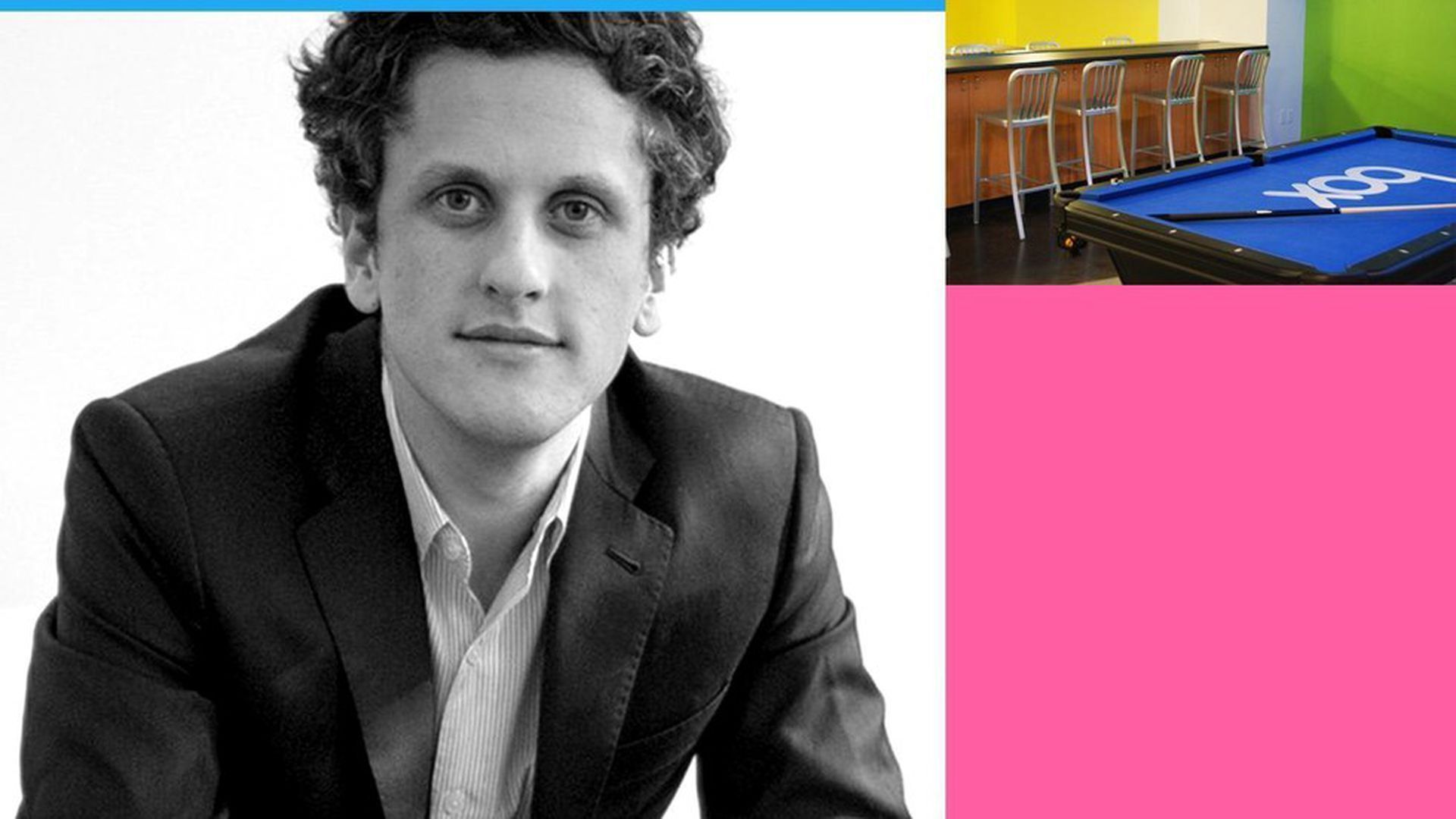
Dropbox is expected to go public later this month, or three years after the IPO of enterprise-focused rival Box. Each company has a distinct business model, but they often get lumped together due to their fundamental focuses on file storage and sharing. Well, plus those three shared letters in their names.
Axios spoke with Box founder and CEO Aaron Levie about what surprised him in the Dropbox numbers, how the market should view Dropbox vis-à-vis Box and what he makes of Salesforce buying into the IPO.
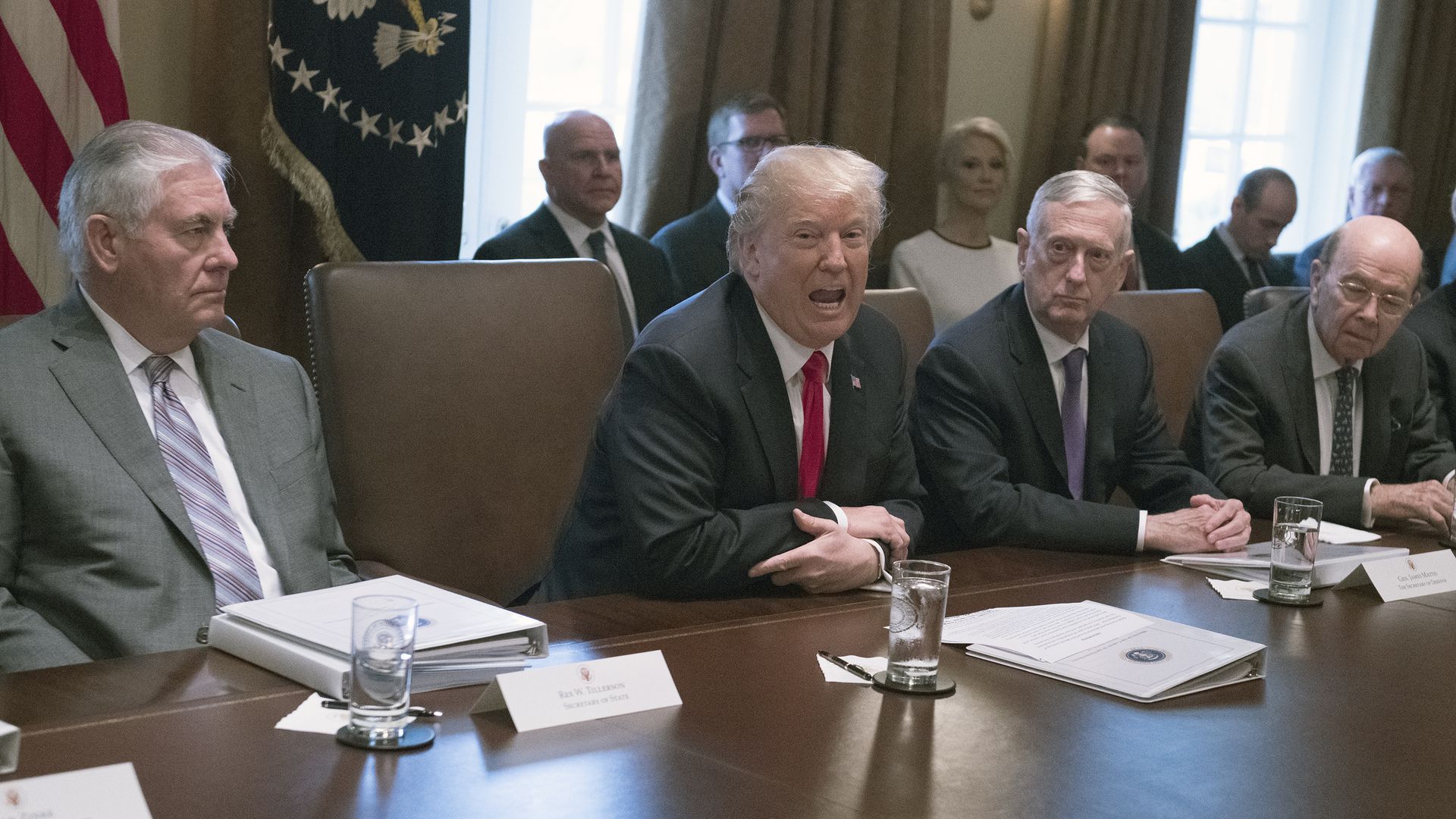
President Trump's firing-via-tweet of Secretary of State Rex Tillerson, following his sudden imposition of tariffs, reflects the president's increasing comfort with solo use of his awesome power over policy, personnel and politics.
Why it matters: White House officials tell us that it's getting ever more difficult for aides to disagree with Trump, or stand up to him about the consequences of decisions great and small.
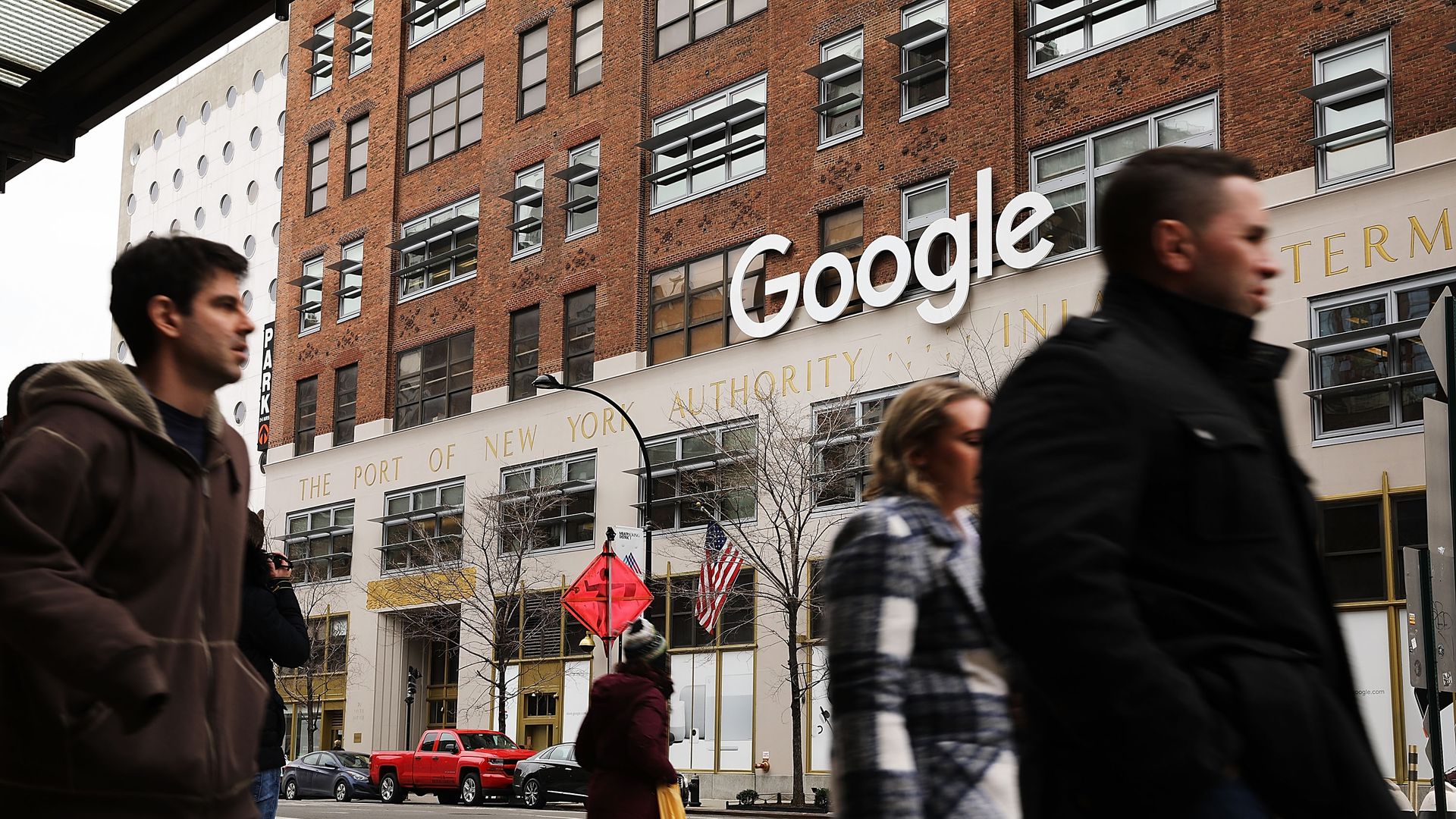
Google will begin prioritizing news stories for users based on the publications they already pay to subscribe to, Bloomberg reports. The tech giant will also share data with publishers about Google users most likely to subscribe.
Why it matters: The efforts comes as publishers look to bolster their subscription efforts, since their traditional revenue stream — digital advertising — has become monopolized by tech giants, mainly Google and Facebook. This effort builds on Google's announcement last year to test when to show users ads with subscription offers instead of regular commercial ads.
An upstart cybersecurity research group and trading firm claimed Tuesday that security flaws in AMD computer processors "could potentially put lives at risk." But many in the security community say the widely covered report was dangerously overhyped in an attempt to drive down AMD's stock price.
Why it matters: CTS-Labs and Viceroy Research ultimately did not move the market — AMD finished up for the day. But the media bought into the chaos, at least a little, which could have disastrous effects to security-concerned owners of AMD products.
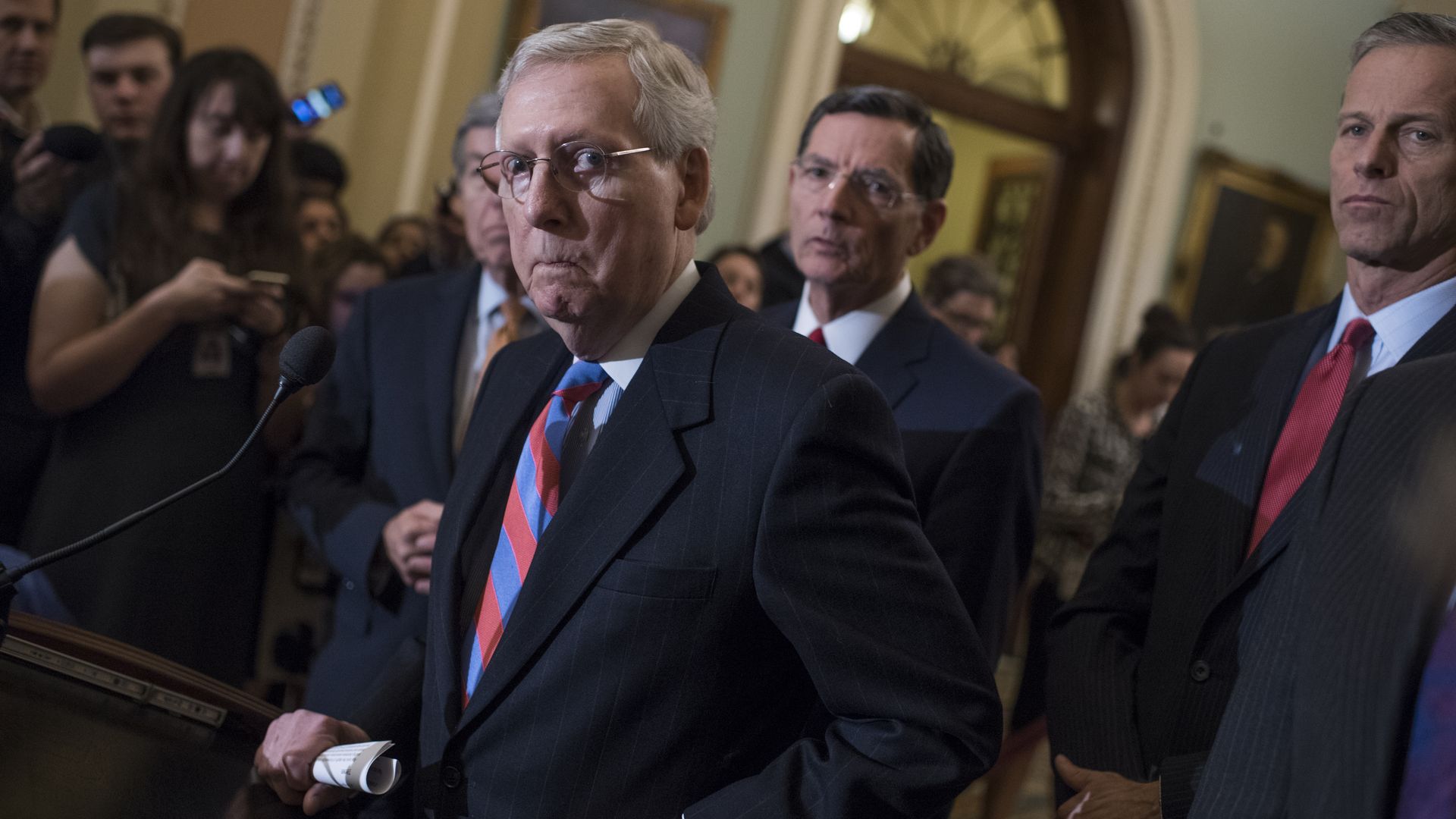
Senate Majority Leader Mitch McConnell said Tuesday that it is “highly unlikely” lawmakers in the Senate will approve legislation to rollback President Trump’s recent move imposing heightened tariffs on imported steel and aluminum.
“The thought that the president would sign a bill that would undo actions he’s taken strikes me as remote at best, and I like to use floor time in the Senate for things that actually have a chance to become law. So I think it’s highly unlikely we’d be dealing with that in a legislative way.”
— McConnell told reporters at his weekly news conference
President Trump’s tariffs on steel and aluminum, authorized last Thursday, will likely come with costs to the global economic and diplomatic order that exceed their domestic benefits.
Why it matters: The tariffs were intended to address Chinese economic practices that harm American workers. But in order to truly mitigate that harm, the U.S. would need to collaborate with Europe through institutions such as the World Trade Organization. Instead, Trump's tariffs will create tensions with our trading partners and undermine global stability.
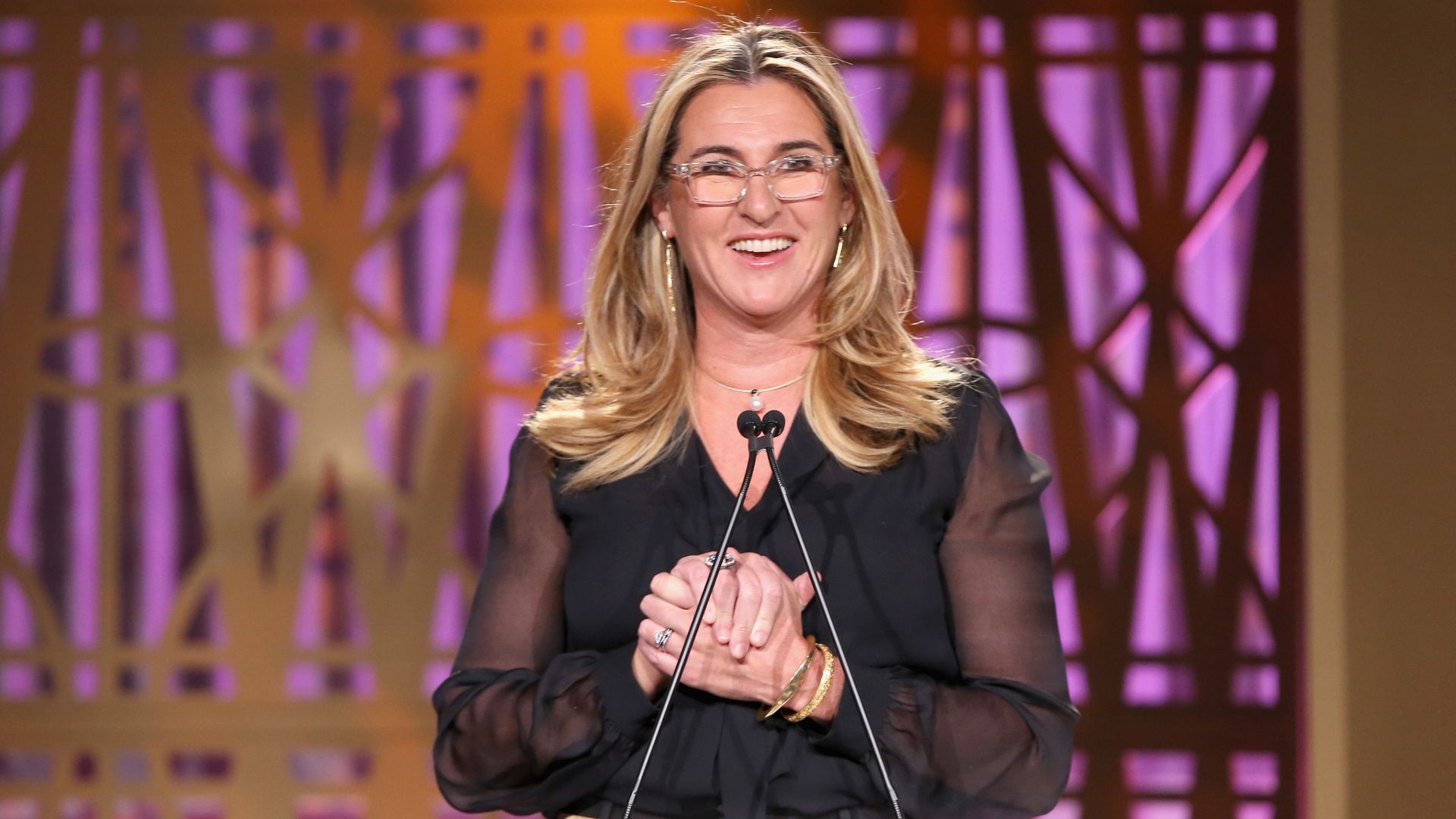
Nancy Dubuc has left her post as CEO of A&E Networks and will become chief executive of Vice Media, replacing the company's co-founder Shane Smith. Smith will move to executive chairman, where he will focus on "strategic deals and content development."
Why it matters: Vice Media, currently valued at around $5.7 billion, found itself embroiled in controversy after more than 24 women came forward with stories of sexual harassment, resulting in the dismissal of several top executives. Per Variety, Dubuc is "one of the most prominent executives in the cable TV arena, and one of media’s few female CEOs."
Editor's note: This story has been updated to reflect the official announcement.
The Business Roundtable CEO Economic Outlook Index, "a composite of CEO projections for sales and plans for capital spending and hiring over the next six months," hit the highest level in the survey's 15-year history in the first quarter of 2018. The group said that the results of the survey — conducted in February — reflect CEO optimism following the passage of the GOP tax law, but not the effects of President Trump's tariff announcement.
These results validate BRT's advocacy of smart and inclusive economic policies. Put into action, the survey results translate into more jobs and opportunity for all Americans.
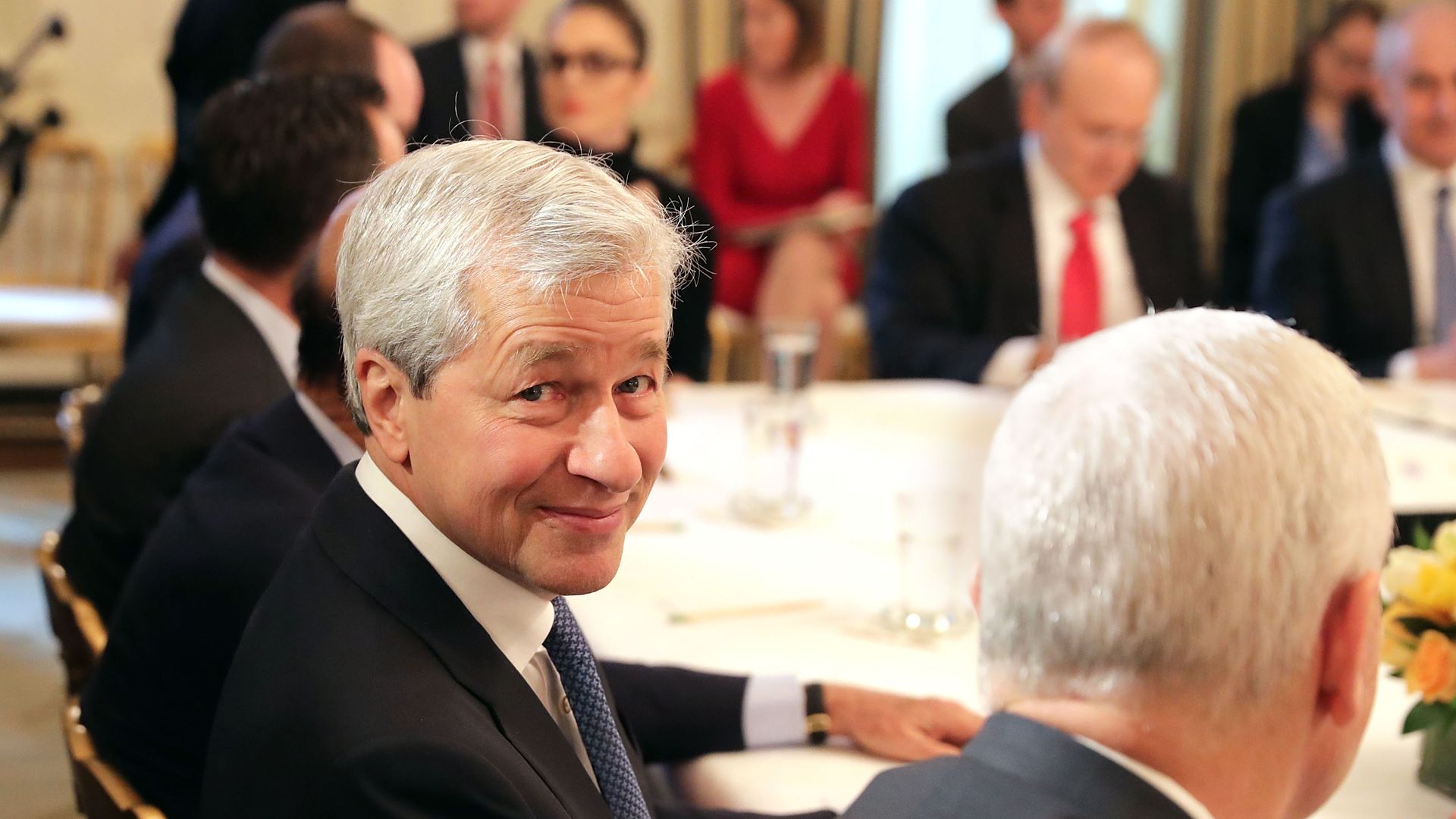
— Jamie Dimon, Chairman and CEO of JPMorgan Chase and Chairman of Business Roundtable
National Geographic’s Editor in Chief, Susan Goldberg, revealed on Monday that for decades the magazine has covered the world through a racist lens, such as portraying native brown-skinned tribesmen and bare-breasted women as "savages” and virtually ignoring people of color in the U.S. who were not laborers or domestic workers until the 1970s.
I’m the tenth editor of National Geographic since its founding in 1888. I’m the first woman and the first Jewish person — a member of two groups that also once faced discrimination here. It hurts to share the appalling stories from the magazine’s past. But when we decided to devote our April magazine to the topic of race, we thought we should examine our own history before turning our reportorial gaze to others.