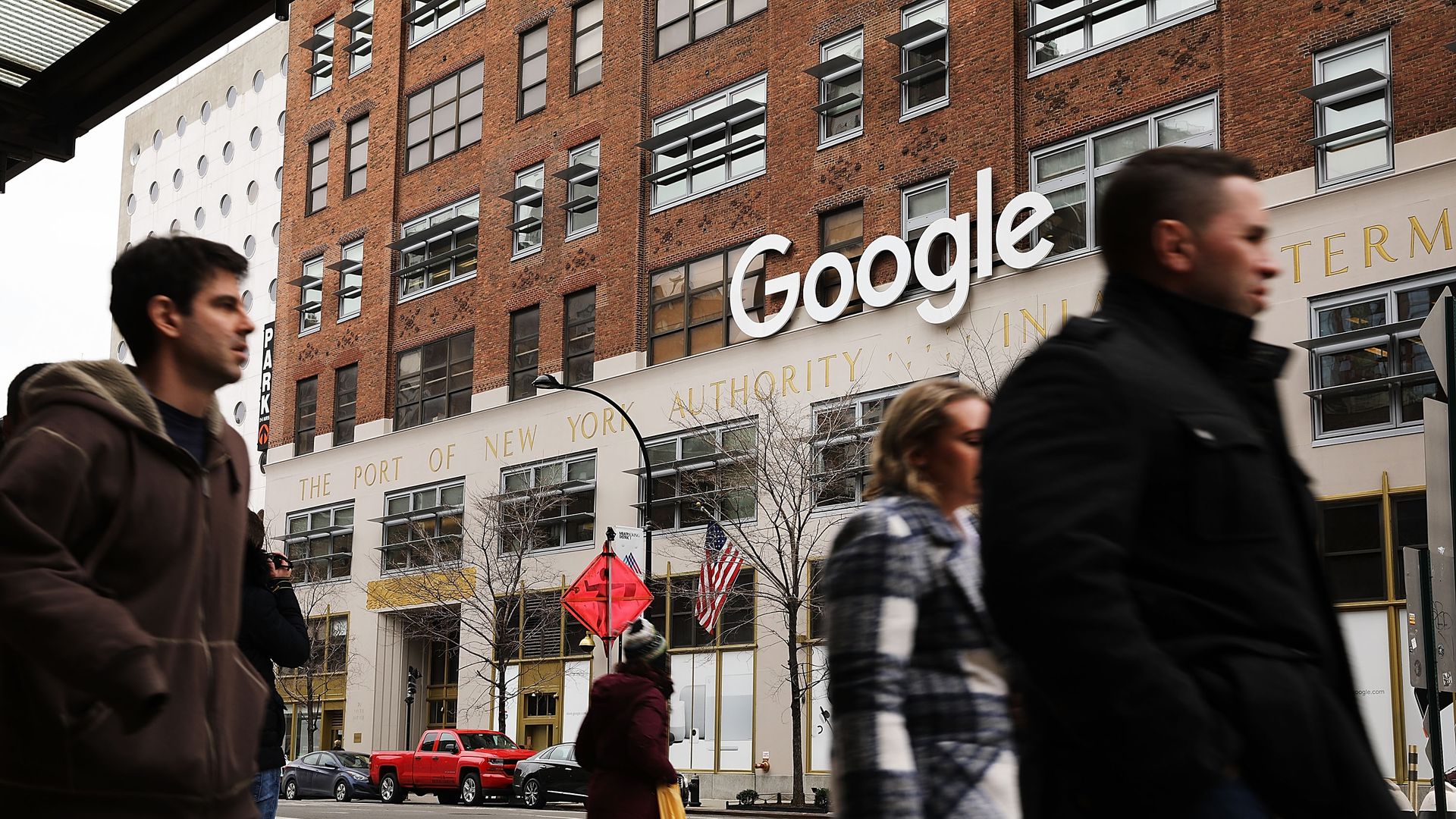
Google will begin prioritizing news stories for users based on the publications they already pay to subscribe to, Bloomberg reports. The tech giant will also share data with publishers about Google users most likely to subscribe.
Why it matters: The efforts comes as publishers look to bolster their subscription efforts, since their traditional revenue stream — digital advertising — has become monopolized by tech giants, mainly Google and Facebook. This effort builds on Google's announcement last year to test when to show users ads with subscription offers instead of regular commercial ads.
An upstart cybersecurity research group and trading firm claimed Tuesday that security flaws in AMD computer processors "could potentially put lives at risk." But many in the security community say the widely covered report was dangerously overhyped in an attempt to drive down AMD's stock price.
Why it matters: CTS-Labs and Viceroy Research ultimately did not move the market — AMD finished up for the day. But the media bought into the chaos, at least a little, which could have disastrous effects to security-concerned owners of AMD products.
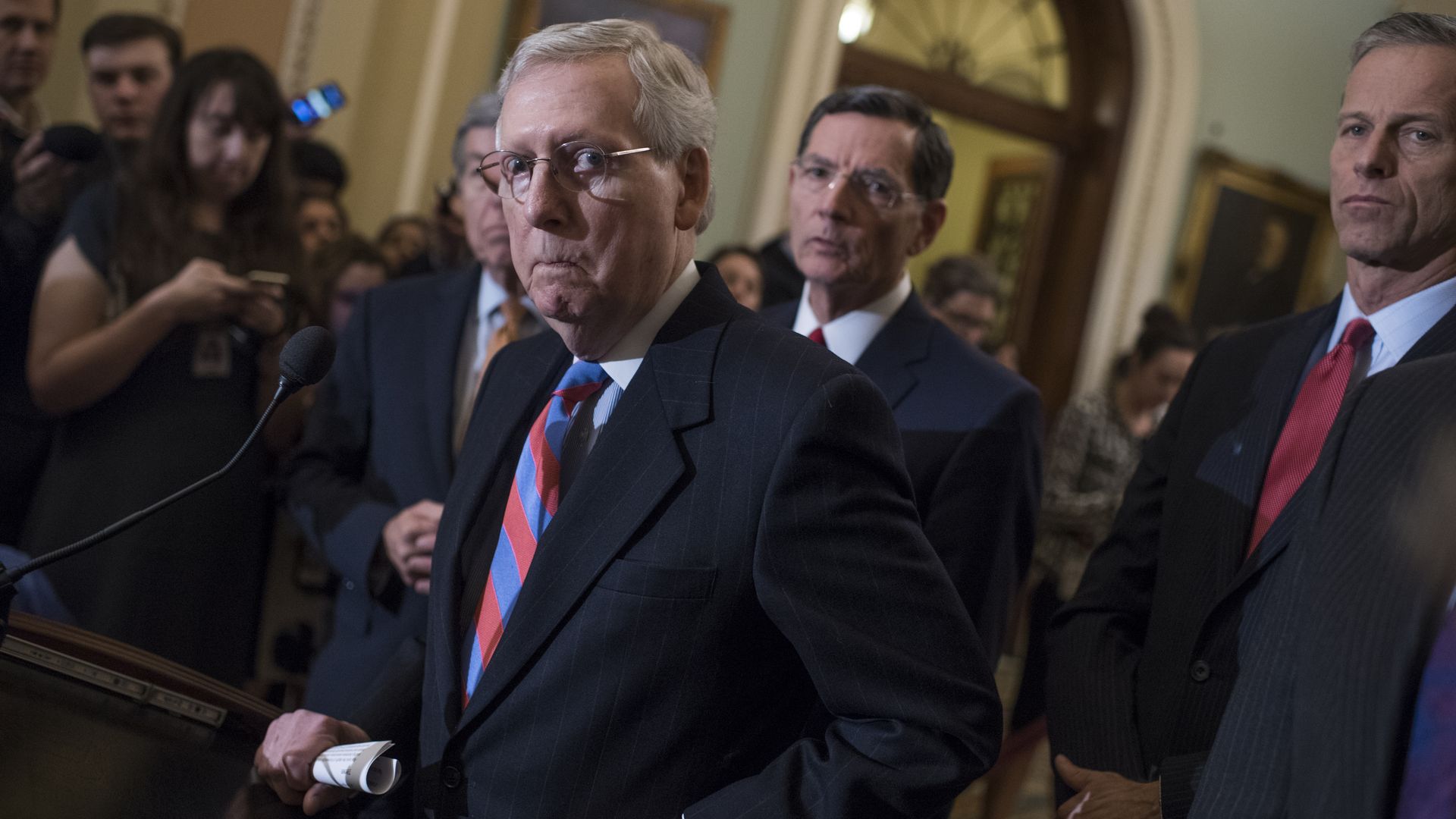
Senate Majority Leader Mitch McConnell said Tuesday that it is “highly unlikely” lawmakers in the Senate will approve legislation to rollback President Trump’s recent move imposing heightened tariffs on imported steel and aluminum.
“The thought that the president would sign a bill that would undo actions he’s taken strikes me as remote at best, and I like to use floor time in the Senate for things that actually have a chance to become law. So I think it’s highly unlikely we’d be dealing with that in a legislative way.”
— McConnell told reporters at his weekly news conference
President Trump’s tariffs on steel and aluminum, authorized last Thursday, will likely come with costs to the global economic and diplomatic order that exceed their domestic benefits.
Why it matters: The tariffs were intended to address Chinese economic practices that harm American workers. But in order to truly mitigate that harm, the U.S. would need to collaborate with Europe through institutions such as the World Trade Organization. Instead, Trump's tariffs will create tensions with our trading partners and undermine global stability.
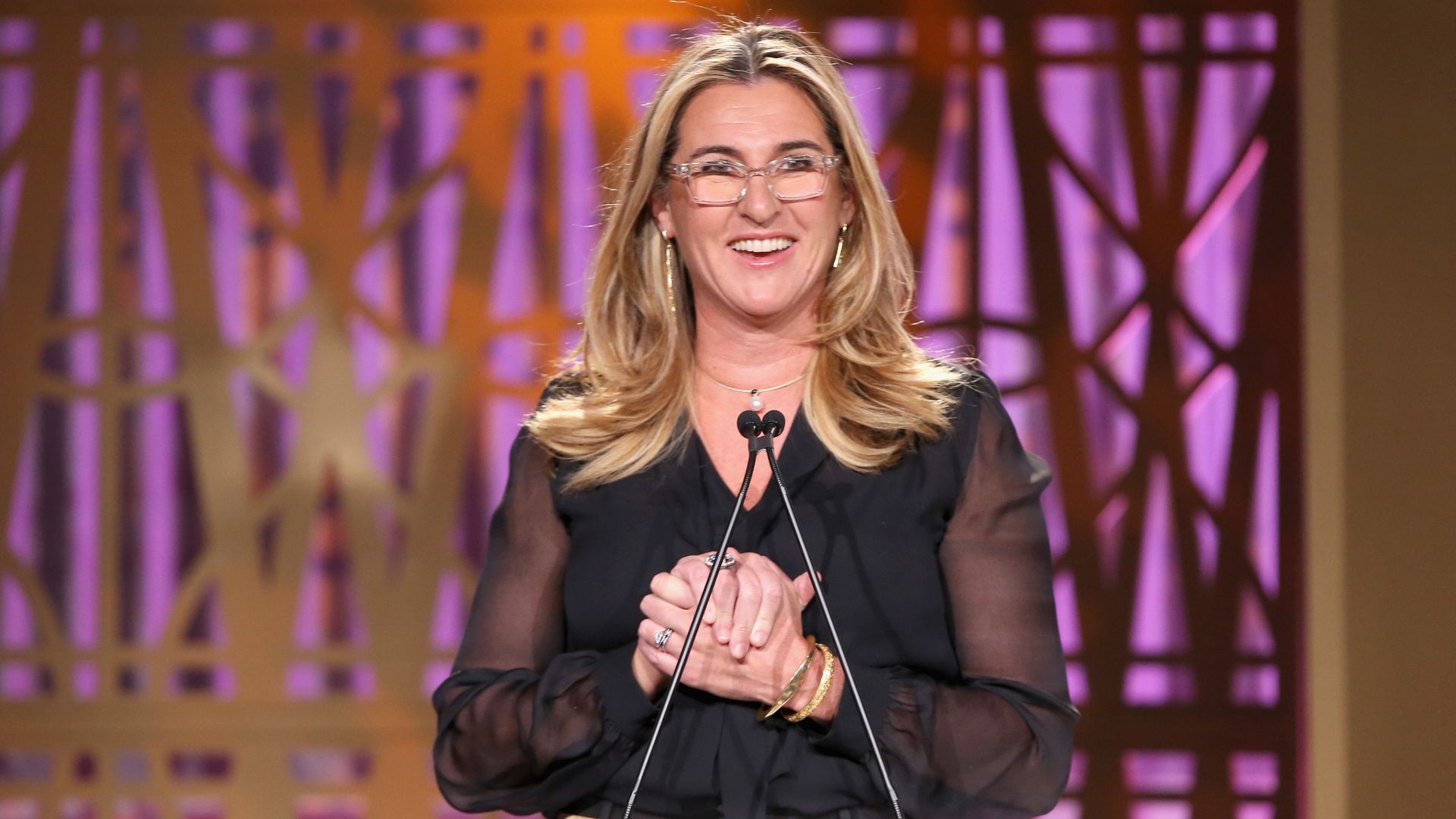
Nancy Dubuc has left her post as CEO of A&E Networks and will become chief executive of Vice Media, replacing the company's co-founder Shane Smith. Smith will move to executive chairman, where he will focus on "strategic deals and content development."
Why it matters: Vice Media, currently valued at around $5.7 billion, found itself embroiled in controversy after more than 24 women came forward with stories of sexual harassment, resulting in the dismissal of several top executives. Per Variety, Dubuc is "one of the most prominent executives in the cable TV arena, and one of media’s few female CEOs."
Editor's note: This story has been updated to reflect the official announcement.
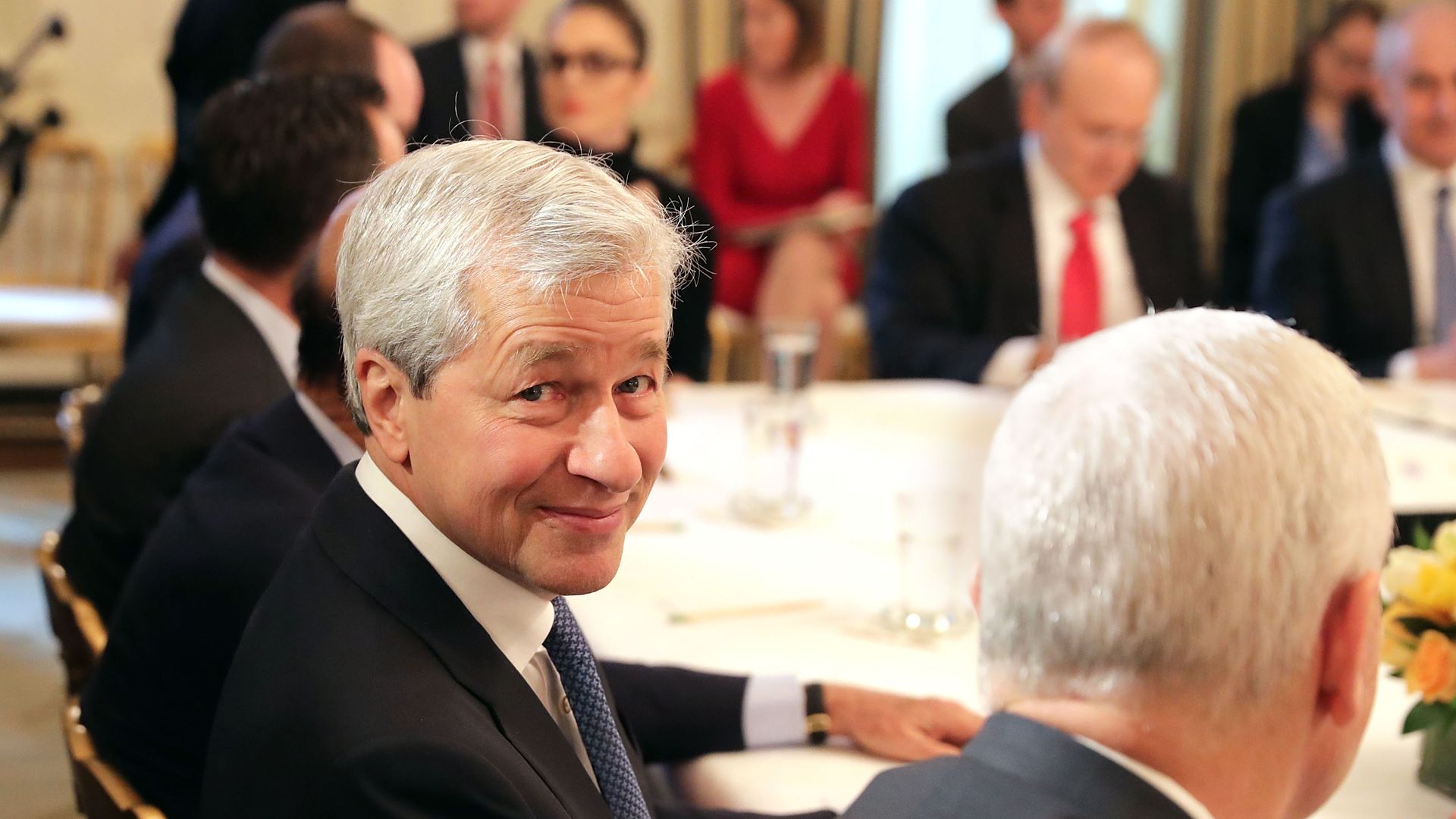
The Business Roundtable CEO Economic Outlook Index, "a composite of CEO projections for sales and plans for capital spending and hiring over the next six months," hit the highest level in the survey's 15-year history in the first quarter of 2018. The group said that the results of the survey — conducted in February — reflect CEO optimism following the passage of the GOP tax law, but not the effects of President Trump's tariff announcement.
These results validate BRT's advocacy of smart and inclusive economic policies. Put into action, the survey results translate into more jobs and opportunity for all Americans.
— Jamie Dimon, Chairman and CEO of JPMorgan Chase and Chairman of Business Roundtable
National Geographic’s Editor in Chief, Susan Goldberg, revealed on Monday that for decades the magazine has covered the world through a racist lens, such as portraying native brown-skinned tribesmen and bare-breasted women as "savages” and virtually ignoring people of color in the U.S. who were not laborers or domestic workers until the 1970s.
I’m the tenth editor of National Geographic since its founding in 1888. I’m the first woman and the first Jewish person — a member of two groups that also once faced discrimination here. It hurts to share the appalling stories from the magazine’s past. But when we decided to devote our April magazine to the topic of race, we thought we should examine our own history before turning our reportorial gaze to others.
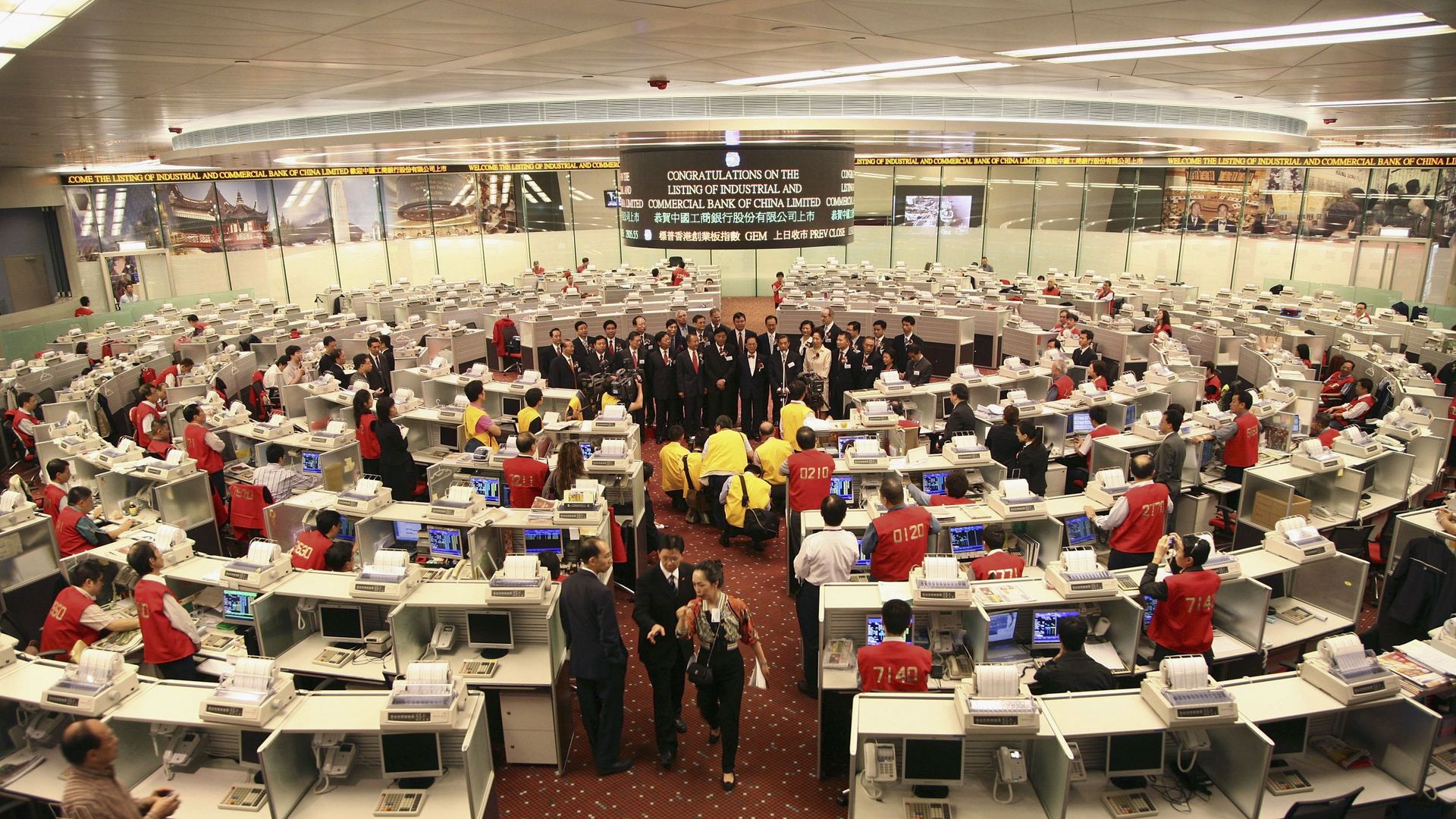
Swiss bank UBS has been suspended from sponsoring Hong Kong IPOs for the next 18 months, likely due to its role in the 2009 IPO of China Forestry Holdings (which later collapsed). UBS disclosed the suspension and $15.2 million fine in its annual report — without identifying China Forestry — and said that it will appeal.
Why it matters: This could be a record year for Hong Kong IPOs, aided by plans to accept dual-class share listings.
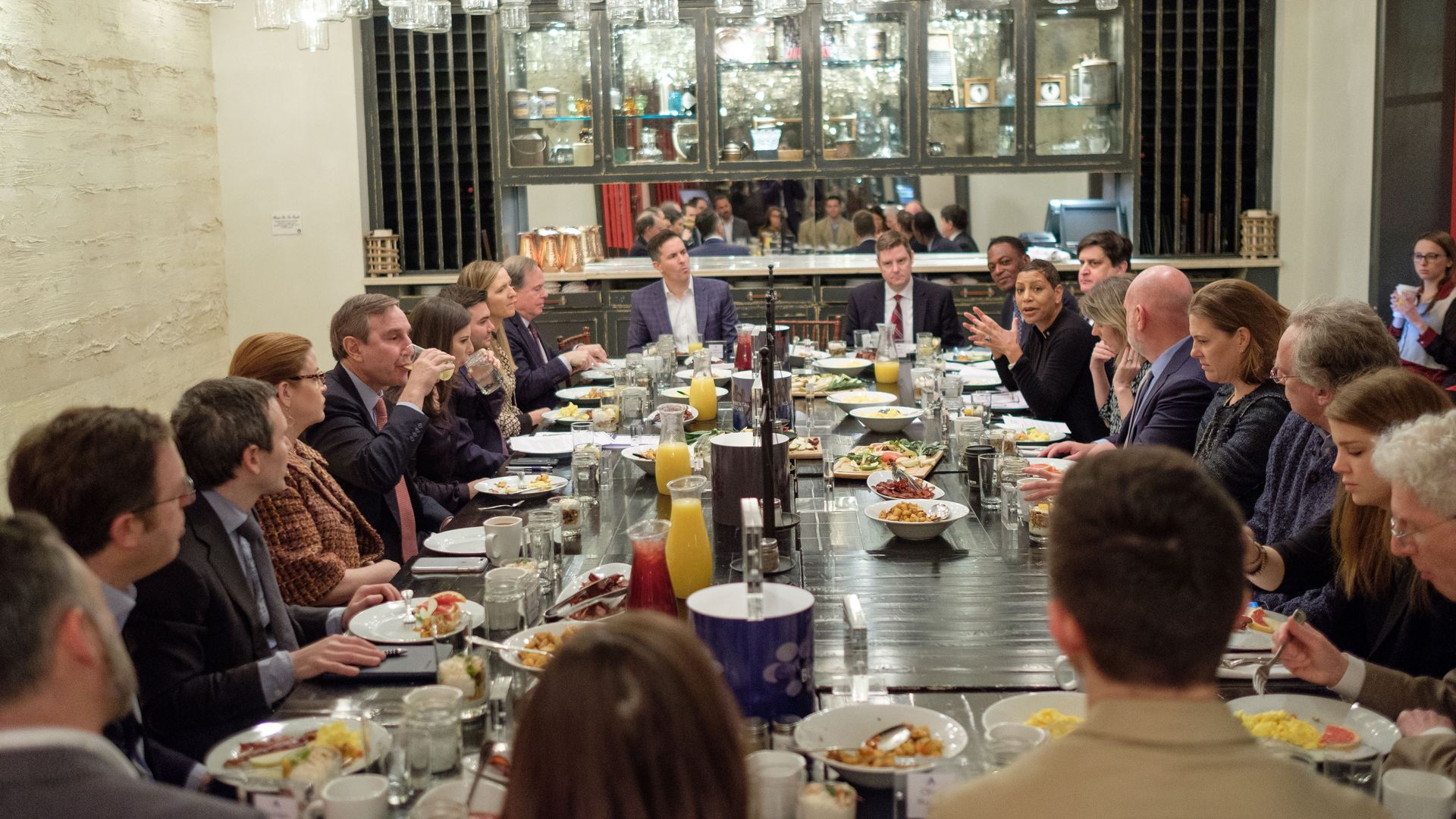
Experts in media, tech, business and politics came together in D.C. on February 7th to discuss the status of trust in institutions. Thought leaders dialogued about what affects trust over breakfast at The Lincoln—a restaurant filled with subtle (and obvious) nods to the president remembered for his honesty.
Why it mattered: This year, Edelman's annual trust barometer report revealed that the U.S. is facing the biggest decline in institutional trust since the report started in 1999.
Secretary of Education Betsy DeVos made the rounds on the morning news shows Monday after her "60 Minutes" interview last night where she struggled to answer questions about her school choice policies.
File storage and sharing company Dropbox on Monday disclosed terms for its upcoming IPO.
Share details: 36 million being offered at between $16 and $18 a piece.
Valuation: At the high end of its range, Dropbox would have a fully-diluted value of $7.9 billion (or $9.9 billion, if including of shares reserved for future equity compensation). That's below the reported $10 billion that it most recently received from private investors.