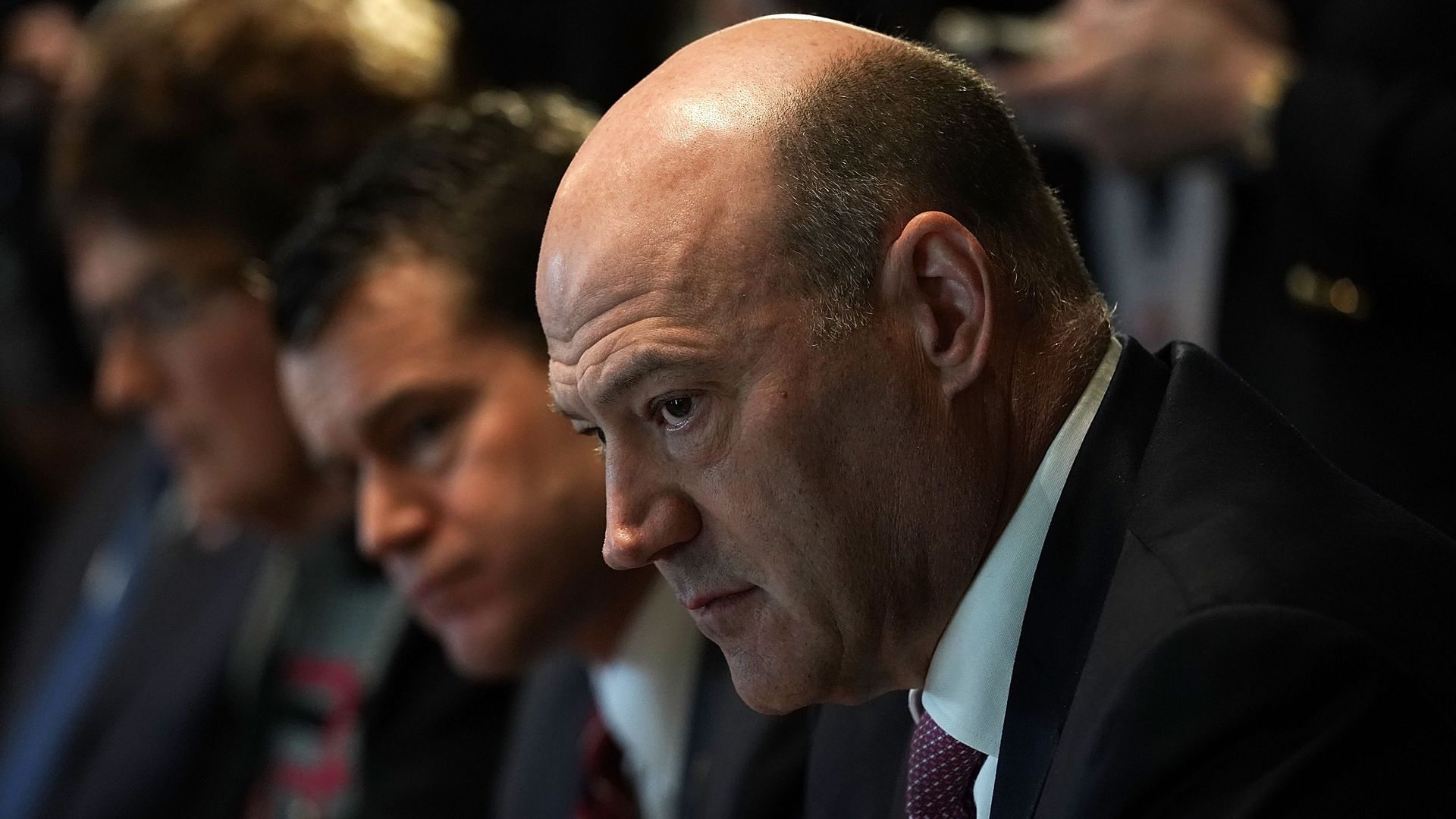
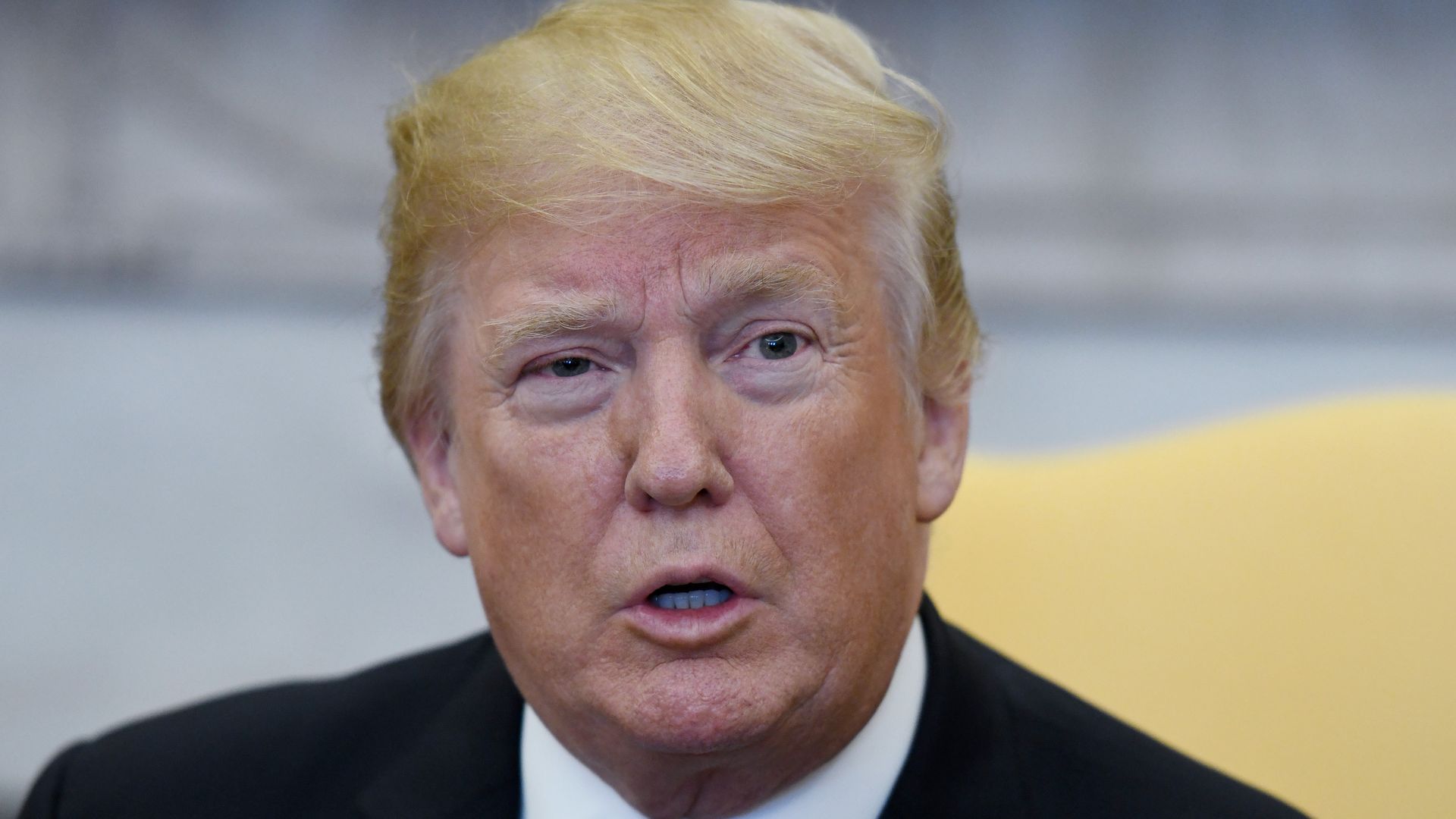
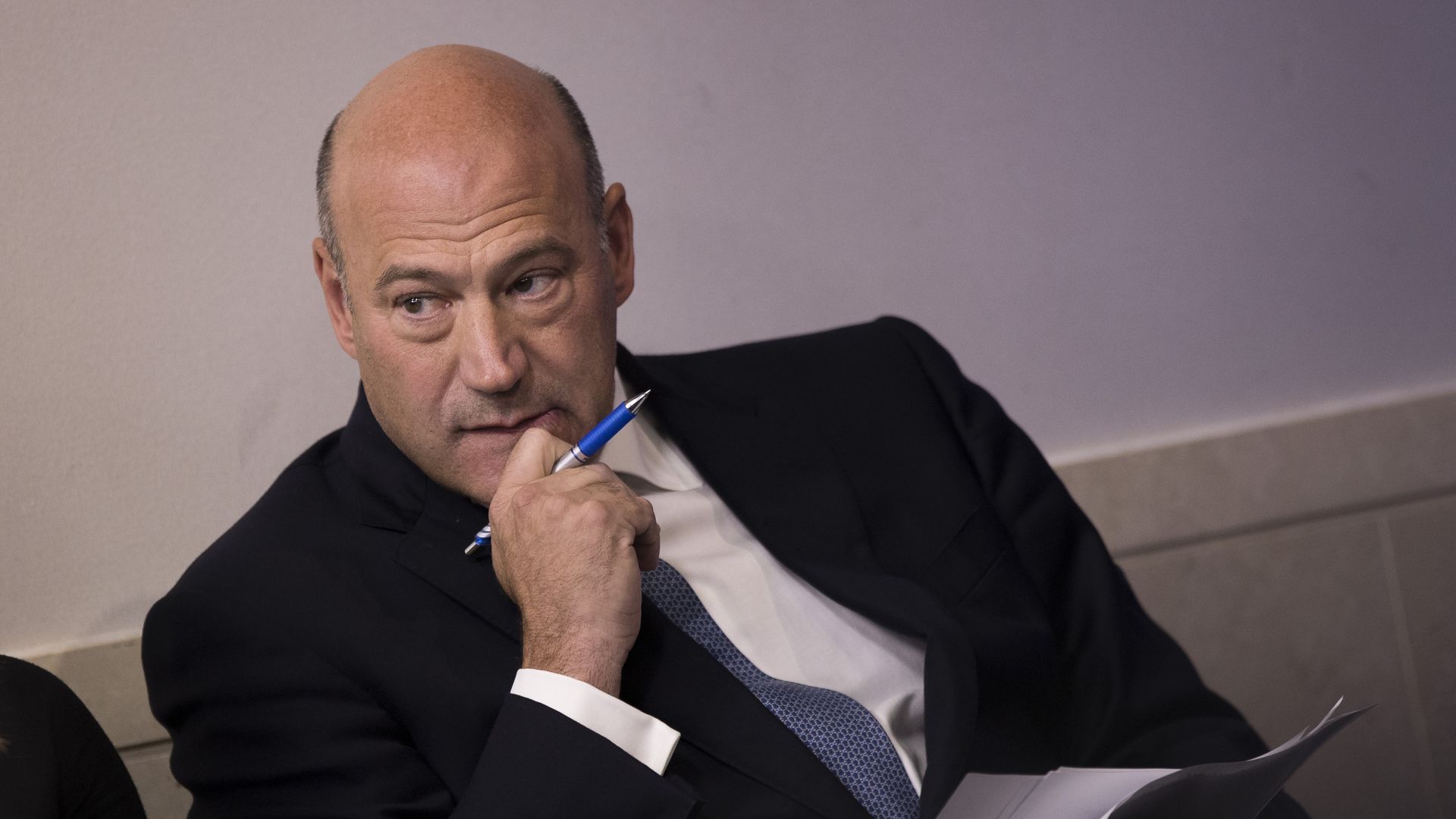
President Trump's top economic advisor, Gary Cohn, is reportedly leaving the White House, the latest in a string of high-profile departures.
Why it matters: Per the NY Times, there isn't any "single reason" for his departure, but the announcement comes after Trump's tariffs decision, which Cohn had strongly argued against. He told Axios' Mike Allen in December that he wouldn't be resigning any time soon, but that was before a bitter Oval Office tariff fight last week.
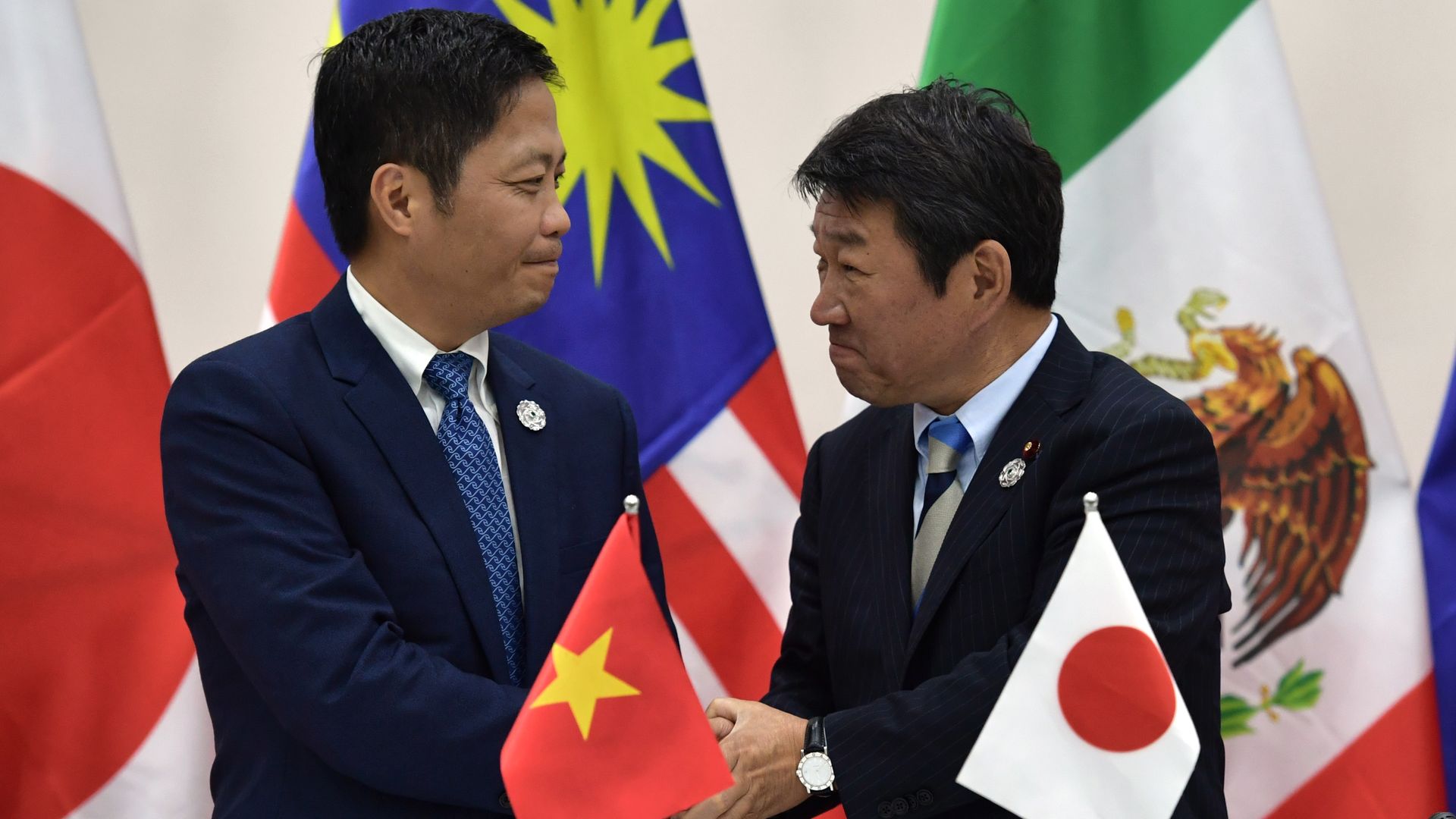
Eleven countries in the Asia-Pacific will sign the Trans-Pacific Partnership (TPP) trade agreement this Thursday, while the TPP’s original catalyst — the United States —watches from the sidelines. Of all the groups ruing what could have been, America's advanced energy sector must be left particularly disheartened.
Why it matters: The TPP was expected to reduce costs for imported renewables. Not only will these savings not be realized, but new steel and aluminum tariffs may add around 2 cents per watt to utility-scale solar projects, in addition to the increase of 10 cents per watt from the recent solar tariffs.
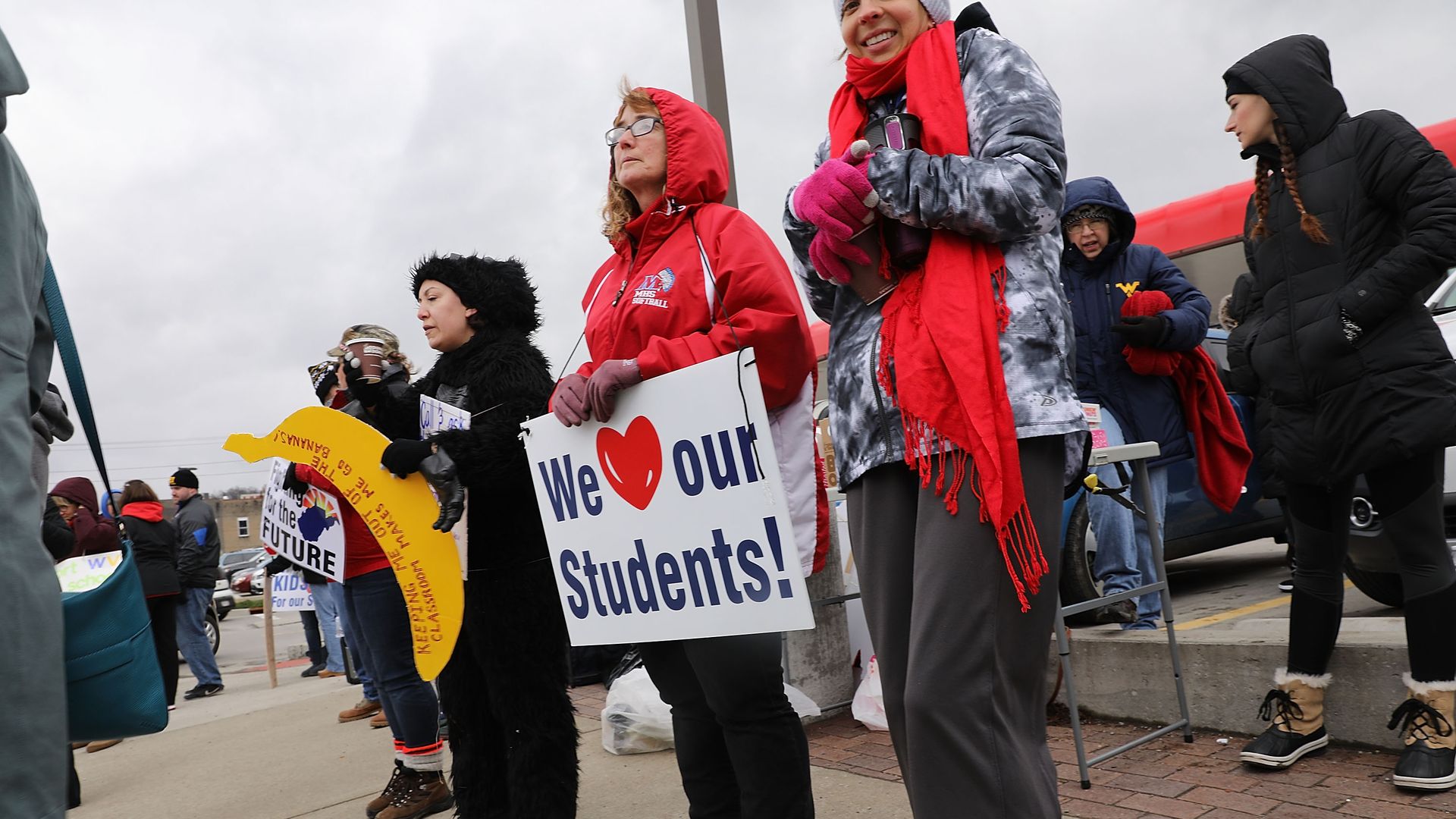
West Virginia's teachers will be returning to the classroom now that Gov. Jim Justice and other state leaders have agreed to a deal that gives state workers, including teachers, a 5% pay raise, reports AP. The decision, reached on Tuesday, brings and end to the 9-day strike, the longest in state history.
Why it matters: According to the most recent research from the National Educator's Association, teachers in West Virginia made on average about $45,000 annually in 2016, a figure on the lower end of the scale compared to the average in most other U.S. states.
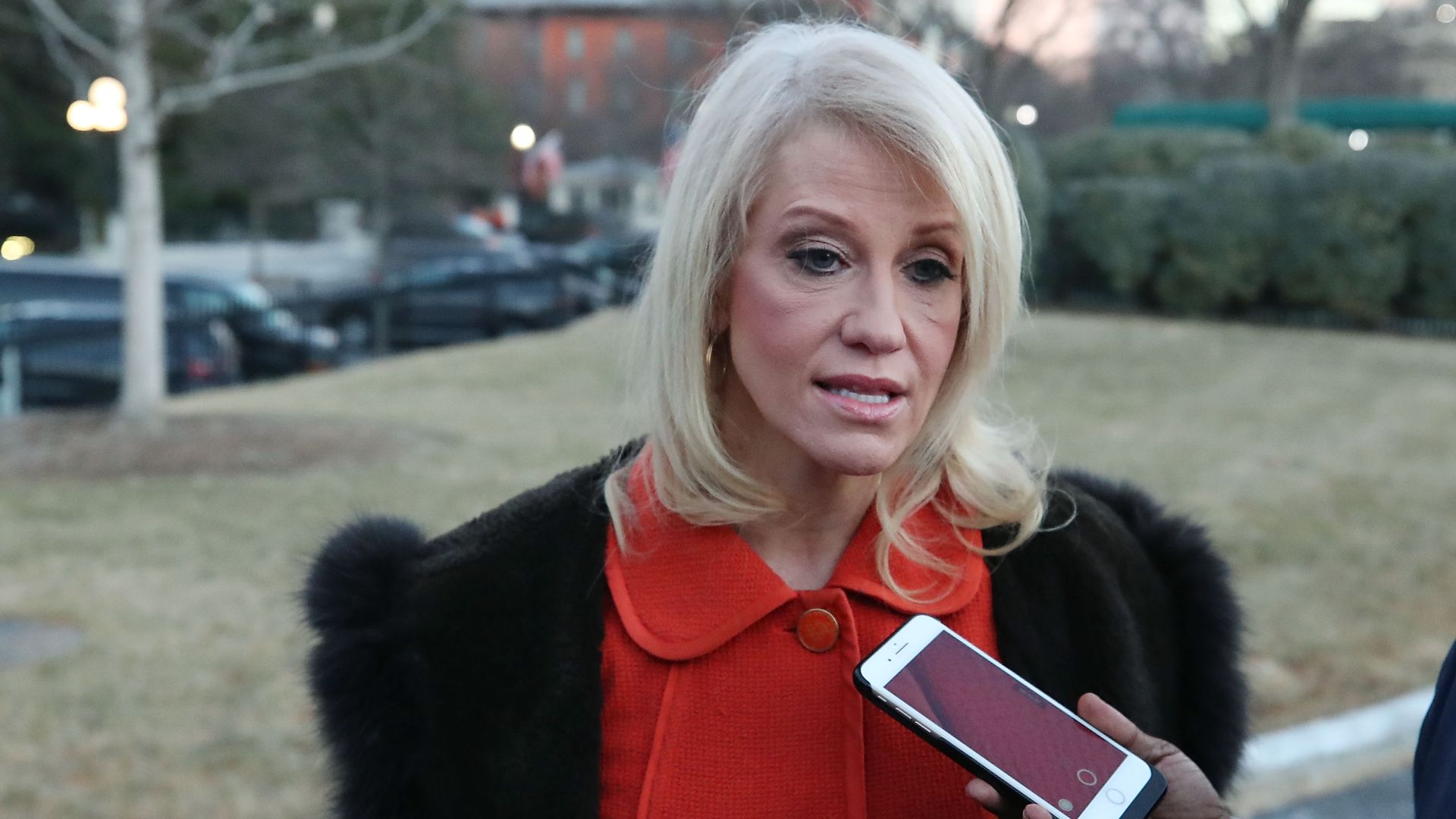
The U.S. Office of Special Counsel — separate to the investigation led by special counsel Robert Mueller — has found that Trump aide Kellyanne Conway violated the Hatch Act. The OSC says that Conway "impermissibly mixed official government business with political views about candidates in the Alabama special election," citing two separate television appearances.
The Act prohibits federal employees — except the president and various appointed officials — from engaging in "any part" of a political campaign while officially serving in the government.
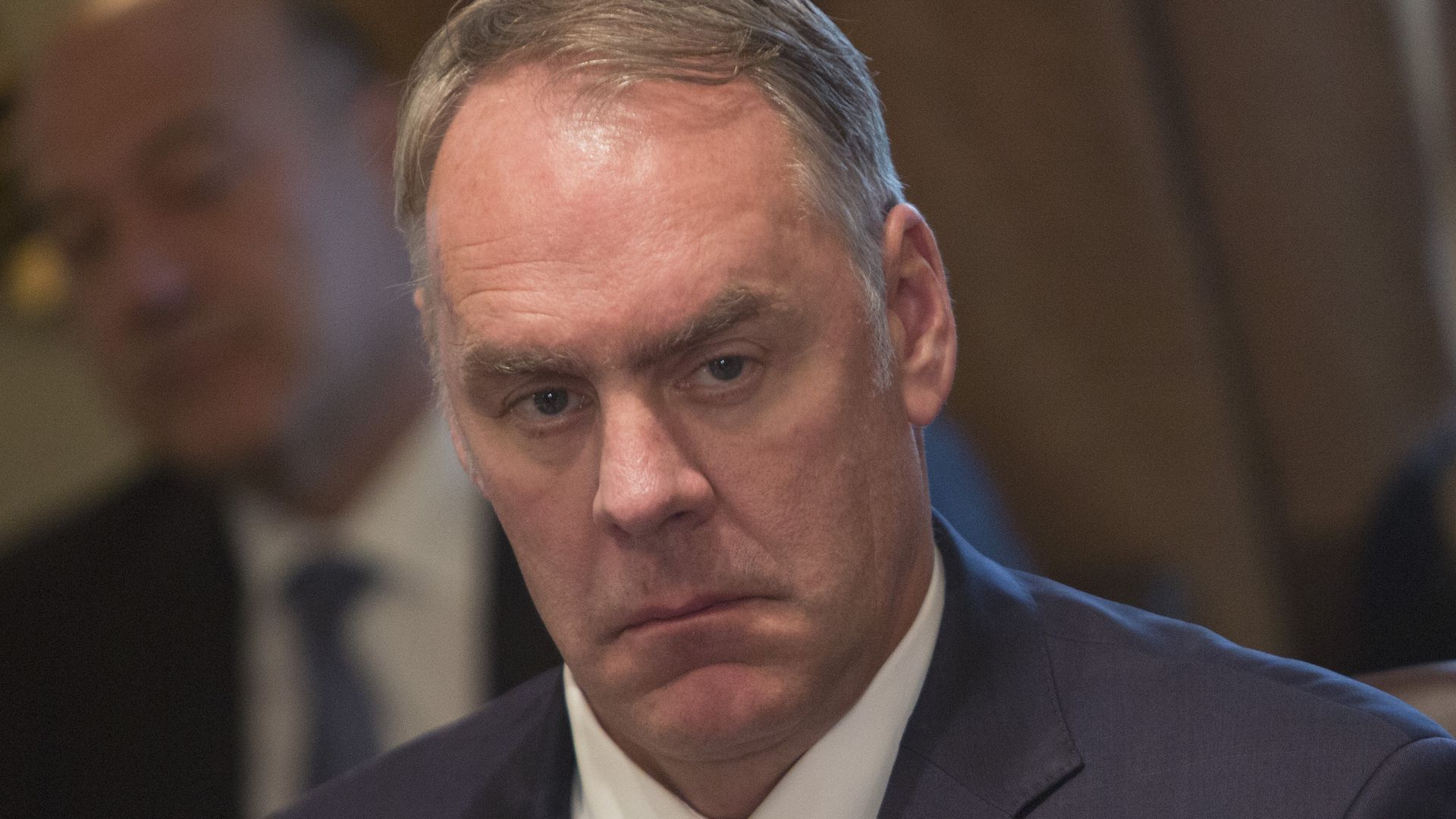
HOUSTON — Interior Secretary Ryan Zinke is defending White House plans to impose new tariffs on steel and aluminum imports, even as the oil-and-gas industry warns that the penalties will raise project costs.
Why it matters: Energy companies are warning of elevated prices for steel needed for extraction and pipelines that they're unable to source domestically and urging the Trump administration to include some flexibility in the policy.
"The president is right to point out that there are abuses ... there's a big overcapacity problem. Let's go focus on that, let's go focus on the abusers of that. And that is why we think that the proper approach is a more surgical approach so that we don't have unintended consequences. "
— House Speaker Paul Ryan during a Tuesday press briefing
What's next: Ryan said that House Ways and Means Chairman Kevin Brady is focusing on this approach and is working with the administration to draft new solutions to the tariff issue. [Paul Ryan's not-so-subtle message to Trump on tariffs hitting stocks]
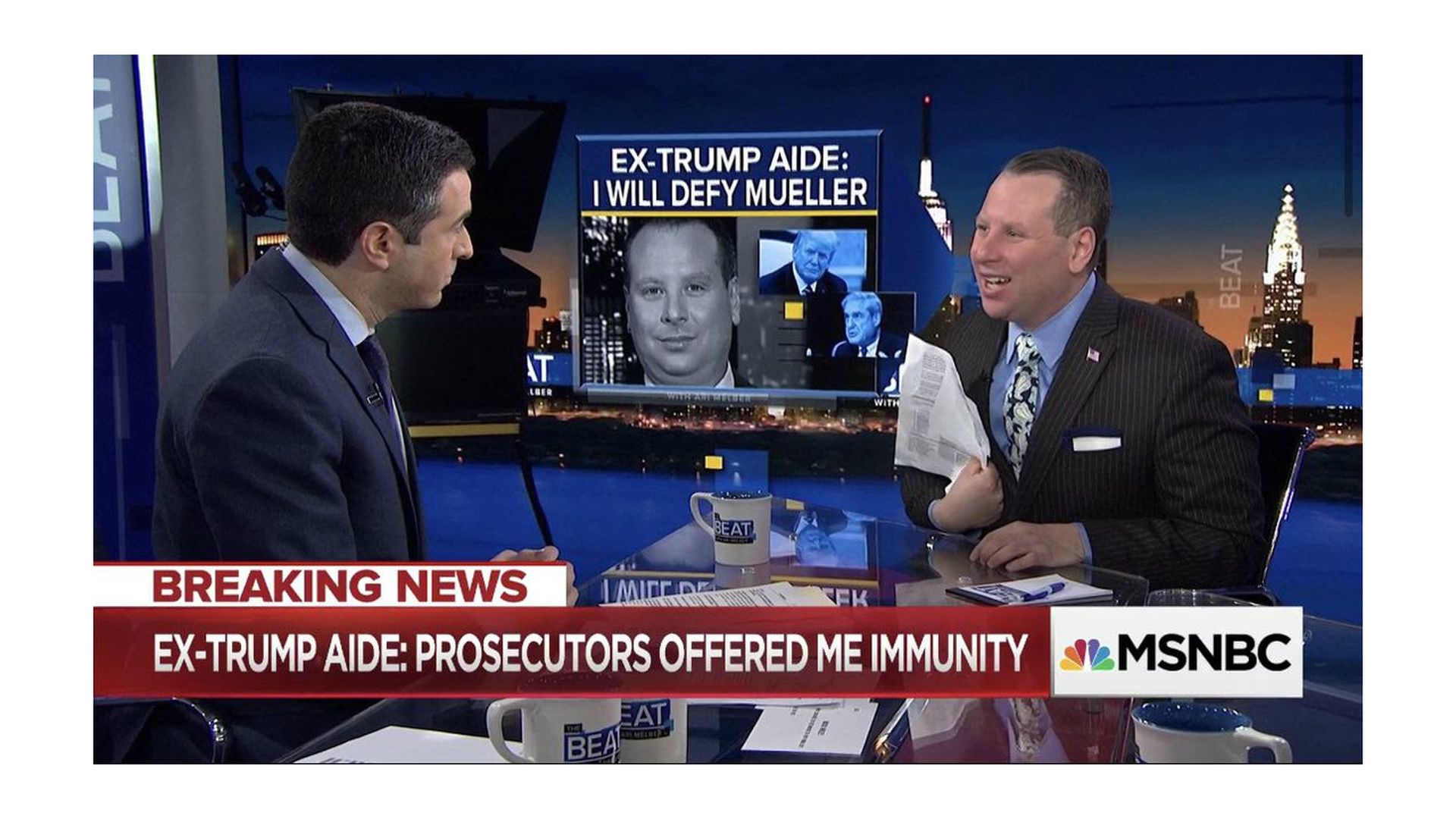
MSNBC dubbed it "a historic interview." CNN's Jake Tapper called it "a wild edition of 'The Lead.'" Drudge's banner headline, with a cable screengrab: "cRaZy!"
Here's what it was: A sad, epic meltdown — a troubled Trump flunky, pecked at and picked apart like roadkill on the Russia Interstate, in his last gasps of public fame and shame.
"Goldman Sachs Group Inc. delivered a comprehensive critique of Donald Trump’s planned metal tariffs, saying they risk damaging the world’s biggest economy by raising costs just as price pressures build [and] hurting allies more than others," Bloomberg's Jasmine Ng writes.
“Import tariffs make the U.S. less competitive by raising the prices of raw materials. By imposing across-the-board tariffs to all steel and aluminum imports, the larger economic impact is on Canada, Mexico and the EU, and it ironically eases the economic impact to China and Russia.”
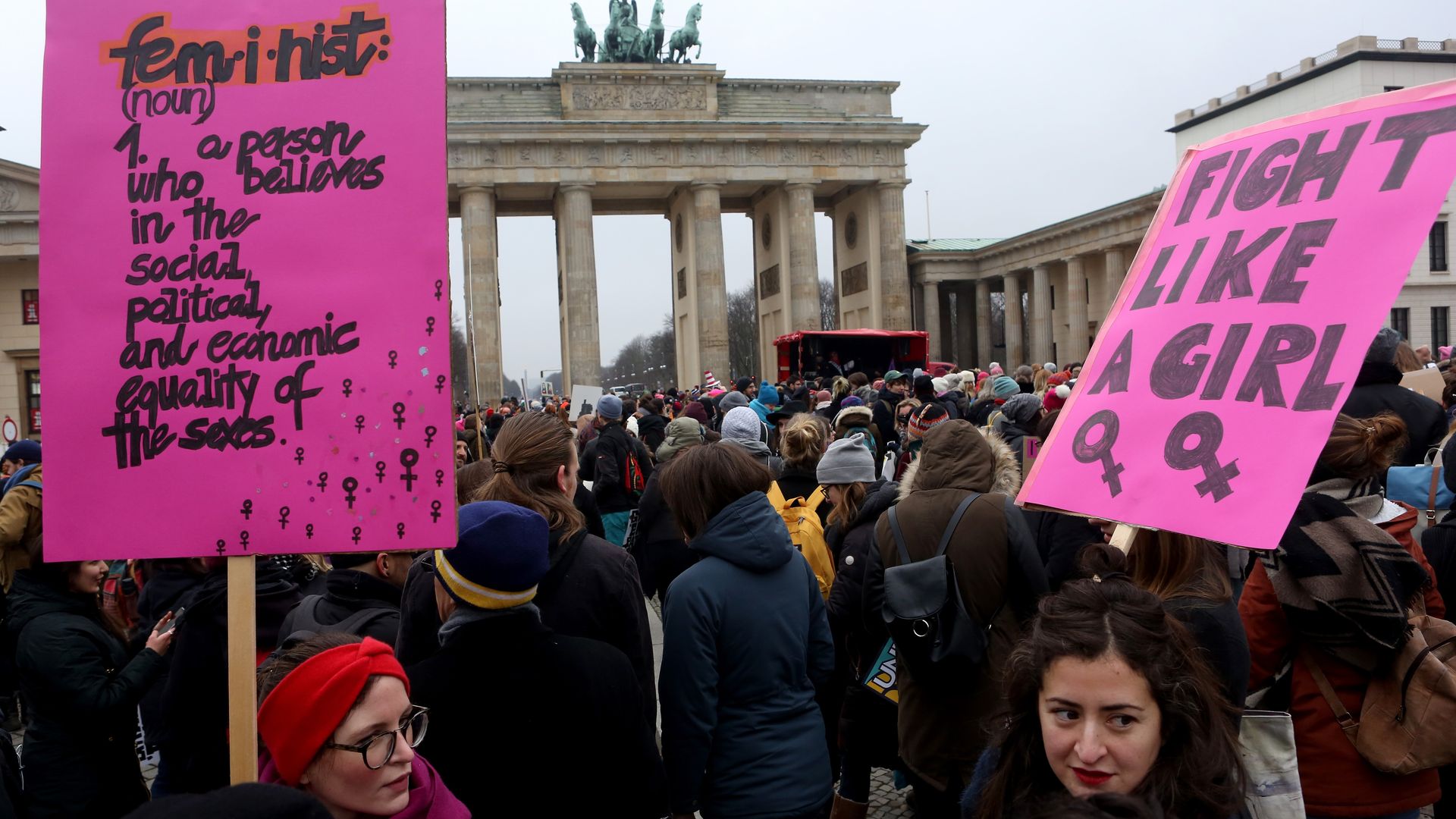
"Thanks to the vast reach of social media and the prevalence of sexual misconduct in virtually every society, the #MeToo movement has proven itself a genuinely global phenomenon," AP's David Crary writes.
But, but, but: "Worldwide, the fallout includes backlashes against women who speak out, divisions within feminist ranks and minimal repercussions for accused harassers."
The European Union is putting pressure on President Trump's decision to impose steep across-the-board tariffs on steel and aluminum by threatening "tit-for-tat" tariffs of 25% on $3.5 billion worth of American products, Bloomberg reports.
Why it matters: While iron and steel are on the EU's list, the bloc also targeted items designed to strike the American heartland and prominent politicians. Some of the items set for tariffs include motorcycles (Harley Davidson is located in Paul Ryan's Wisconsin), jeans, orange juice and Mitch McConnell's prized bourbon whiskey.
Marriott International, the largest global hotel company, will consolidate its entire paid media business under one roof and will make Publicis Groupe its new agency of record, Axios has learned. Creative agency partners will not change.
Why it matters: Marriott becomes the latest brand to leave MEC, now called Wavemaker, a WPP-owned agency that has handled most of the global media buying for Marriott since 2011. Also, a lot of money is at stake. According to Kantar Media, Marriott International spent roughly $194 million on paid media last year and $233 million in 2016 promoting its various brands in the U.S. and abroad.
Over 60% of marketers believe they will no longer need to rely on tracking cookies, a 20-year-old desktop-based technology, for the majority of their digital marketing within the next two years, according to data from Viant Technology, an advertising cloud.
Why it matters: Advertising and web-based services that were cookie-dependent are slowly being phased out of our mobile-first world, where more personalized data targeting is done without using cookies.
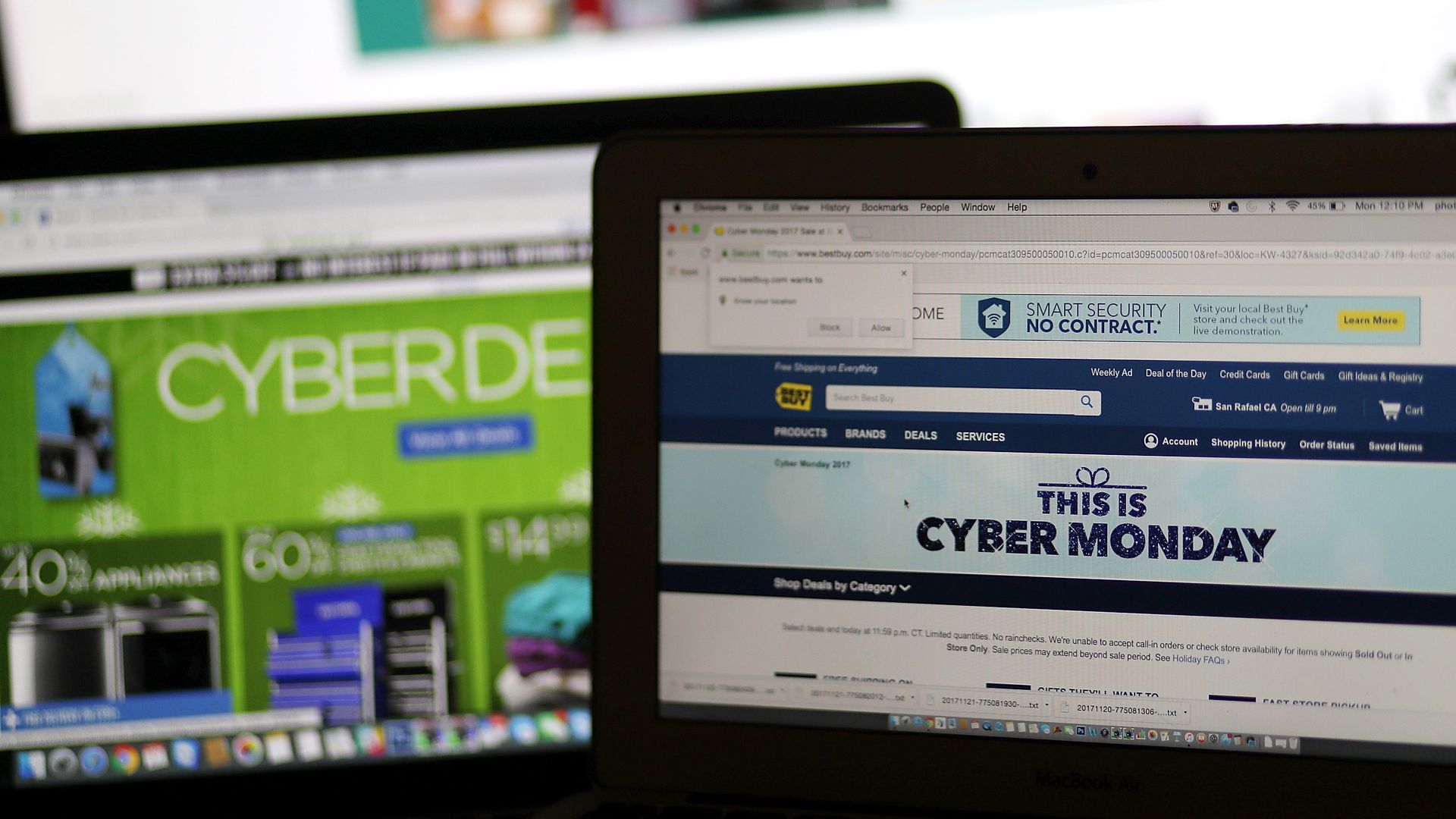
The Trump administration on Monday urged the U.S. Supreme Court to allow state and local governments collect sales taxes from online retailers as the justices consider a pending case South Dakota seeks to overturn.
"In light of Internet retailers’ pervasive and continuous virtual presence in the States where their websites are accessible, the States have ample authority to require those retailers to collect state sales taxes owed by their customers."
Why it matters: If it agrees, the court would roll back a 1992 ruling that prohibits states from mandating merchants to collect taxes unless they have a “physical presence" there.
Gary Cohn has organized a White House tariffs meeting for Thursday between Trump and executives from American aluminum and steel users, Bloomberg reports Monday, citing sources familiar with the issue.
Why it matters: Cohn, Trump's top economic adviser, is mounting a last-ditch attempt to thwart Trump's proposal on tariffs, which faces opposition from industry and some Republicans . The meeting will reportedly include representatives from the brewing, beverage can manufacturing, oil and automakers industries. Trump said earlier he won't back down from the proposal.