A month after forecasting a then-uber-bullish unemployment rate of 3.5%, Mark Zandi, chief economist at Moody's Analytics, is going further — if the Fed maintains its current pace of interest rate hikes, he says, joblessness could plunge as low as 2.5% by the summer of next year.
Data: Bureau of Labor Statistics; Chart: Axios Visuals
Why it's a big deal: If that happens, it would match the lowest U.S. jobless rate since the government began tracking the figure in 1948. The precedent is two months in 1953—May and June—when the number was also 2.5%. "That was in the middle of the Korean war," when hundreds of thousands of Americans were fighting abroad and not in the work force, Zandi tells Axios.
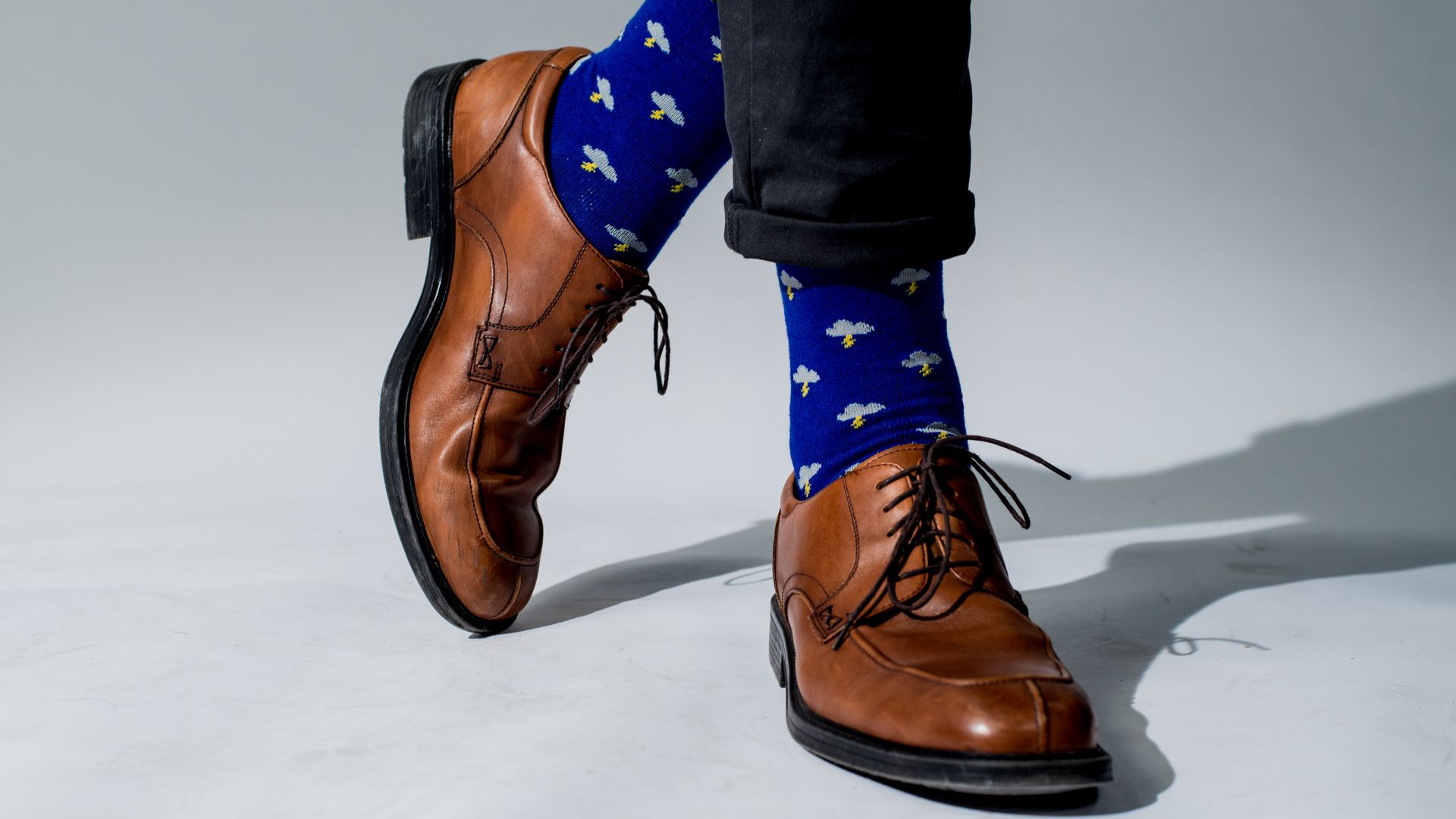
Filip Pejic runs Society Socks, a subscription service that mails you two pair of colorful unisex socks a month, such as those pictured above (here's what other styles look like). The secret sauce: for every pair Pejic sells, he donates a pair of thick socks to charity, such as homeless shelters.
The bigger picture: Pejic is playing into an apparent trend. Mike Sykes, one of Axios' newest reporters, says he has 45 pair of shoes and a lot of socks. "I'd say they are a bigger thing, yes," he told me. "As we've begun to mesh business and personal settings across the country, wearing colorful socks has become more common."
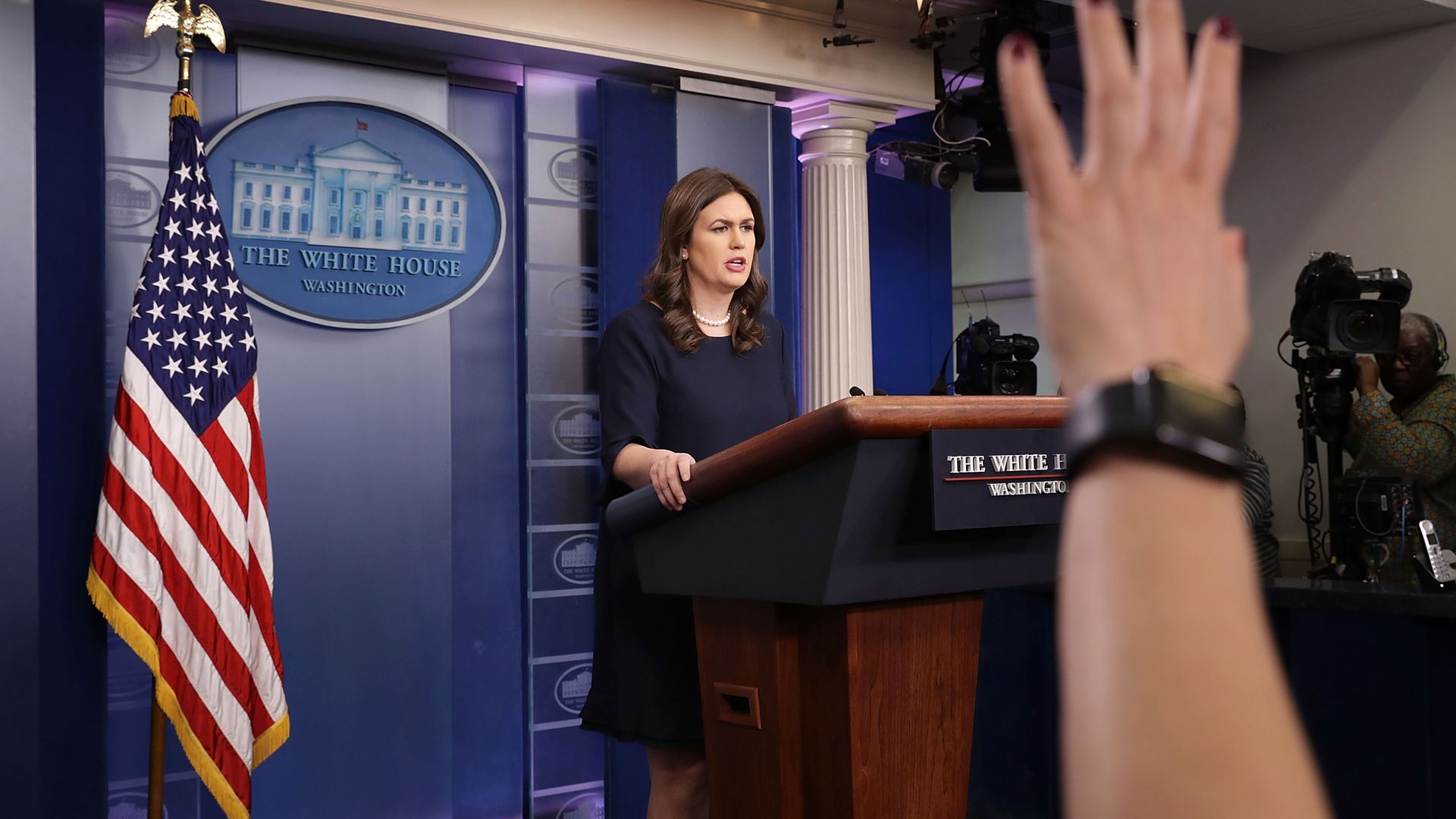
Press Secretary Sarah Sanders said on Wednesday that there are "potential carve-outs for Mexico and Canada based on national security," regarding the tariffs announced by President Trump.
Why it matters: The tariffs announced on steel and aluminum have been a controversial topic, getting backlash abroad and at home. Sanders said Trump "will sign something by the end of the week."
Univision has scrapped its IPO plans, citing "prevailing market conditions." The group also announced that Peter Lori will replace Frank Lopez-Balboa as chief financial officer.
Bottom line: The Spanish-language broadcaster originally filed for its IPO in 2015, but the process has been stalled for some time. Expect it to eventually seek a buyer, with one private shareholder telling Axios that "there are bankers climbing all over them."
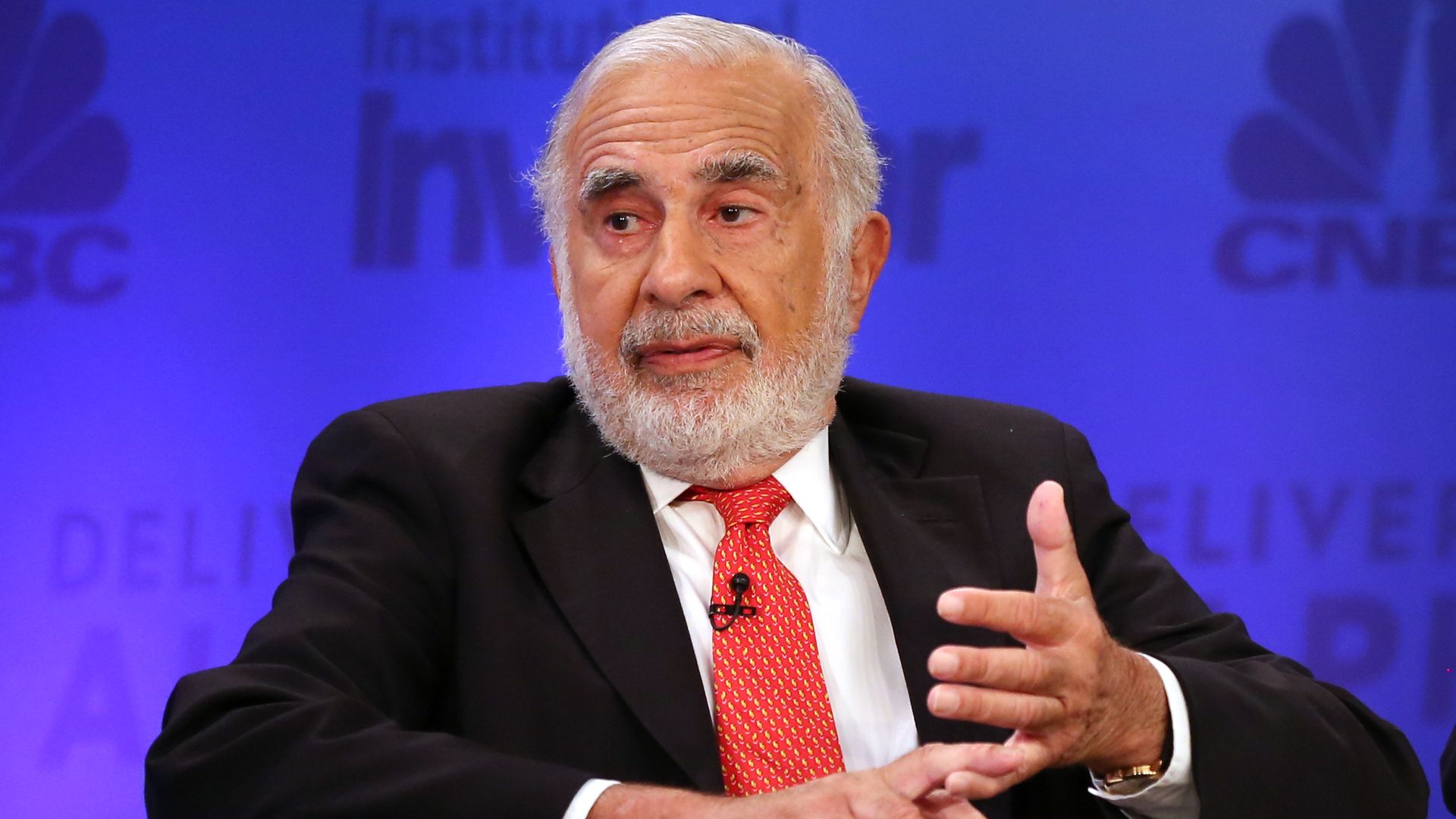
Billionaire investor Carl Icahn is denying that he knew about President Trump's steel tariff plan before it was formally disclosed.
Why it matters: Icahn sold at least part of his stake in The Manitowoc Co., which relies heavily on steel, ahead of Trump's announcement last Thursday. The stock has since fallen more than 5%, but Icahn — who once served as an unpaid economic advisor to Trump — had declined comment until today.
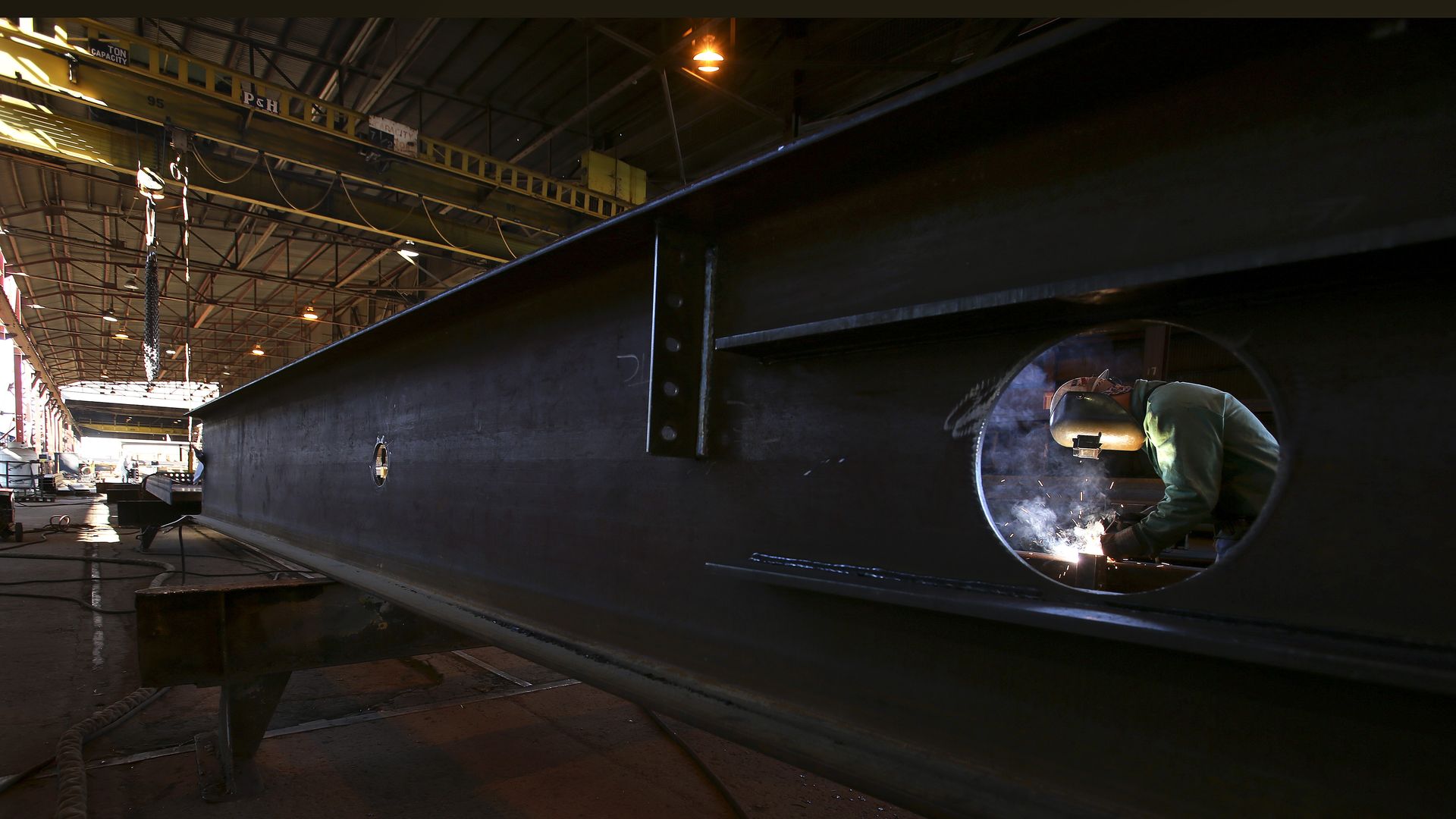
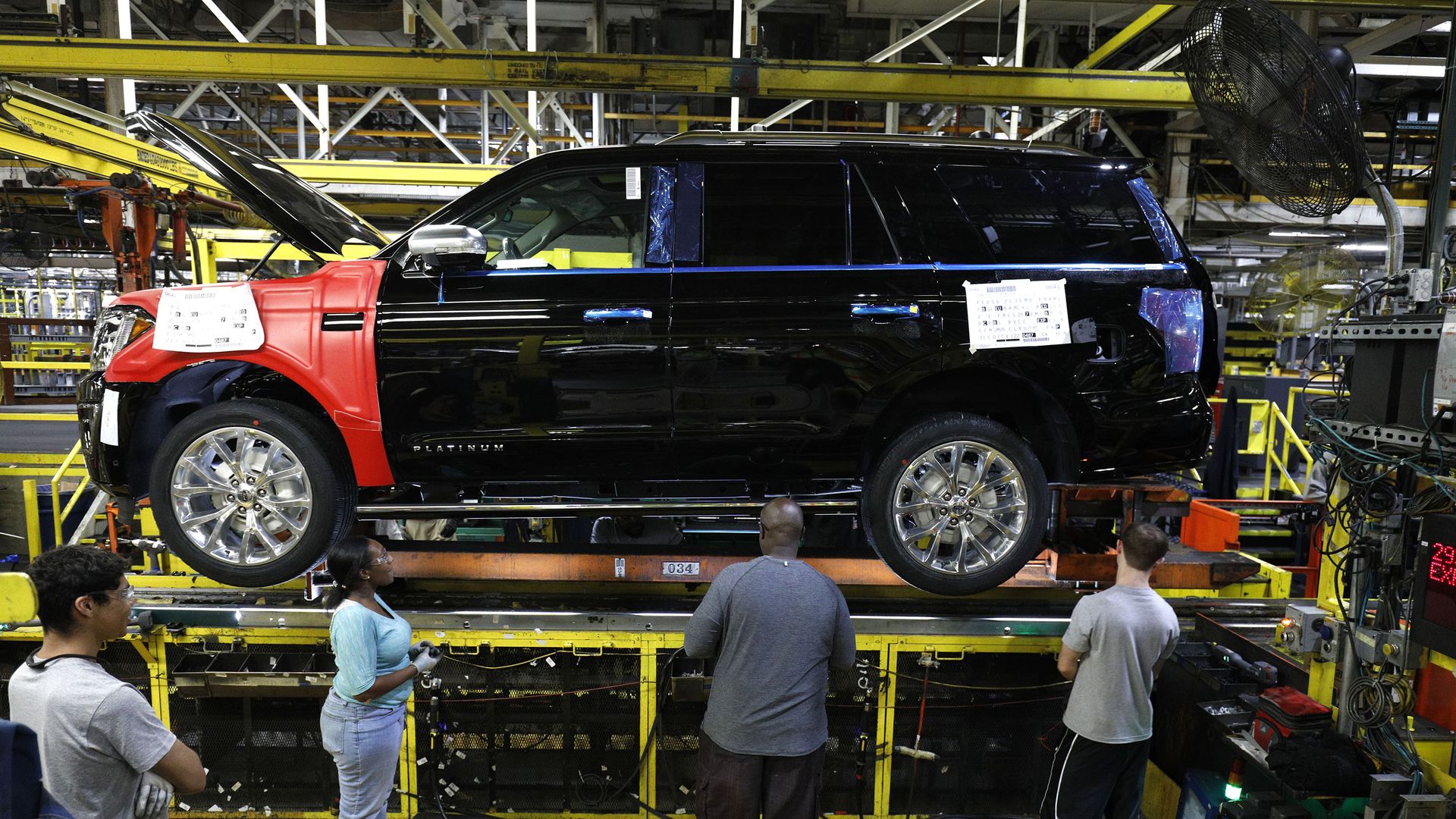
President Trump is determined to impose tariffs to protect the U.S. steel and aluminum industries from foreign competition. But his administration’s “national security” rationale is unsupported by its own reports and risks opening a dangerous new loophole for the U.S. and other nations to exploit.
Why it matters: The current trading system reflects American priorities — from intellectual property protections to rules that require science-based regulation of food safety — and has served the world well for decades. Short-term benefits for U.S. steel and aluminum firms will be offset by harm to other industries from a less stable trading environment governed by weakened norms.
President Trump previewed a plan of action this morning to reduce the U.S.-China trade deficit on Twitter, saying, "China has been asked to develop a plan for the year of a One Billion Dollar reduction in their massive Trade Deficit with the United States."
By the numbers: A reduction of $1 billion would comprise just a tiny fraction of the $375.2 billion trade deficit that the U.S. had with China in 2017. That deficit has been expanding since 1985 and, in 2016 alone, it grew by over $28 billion.
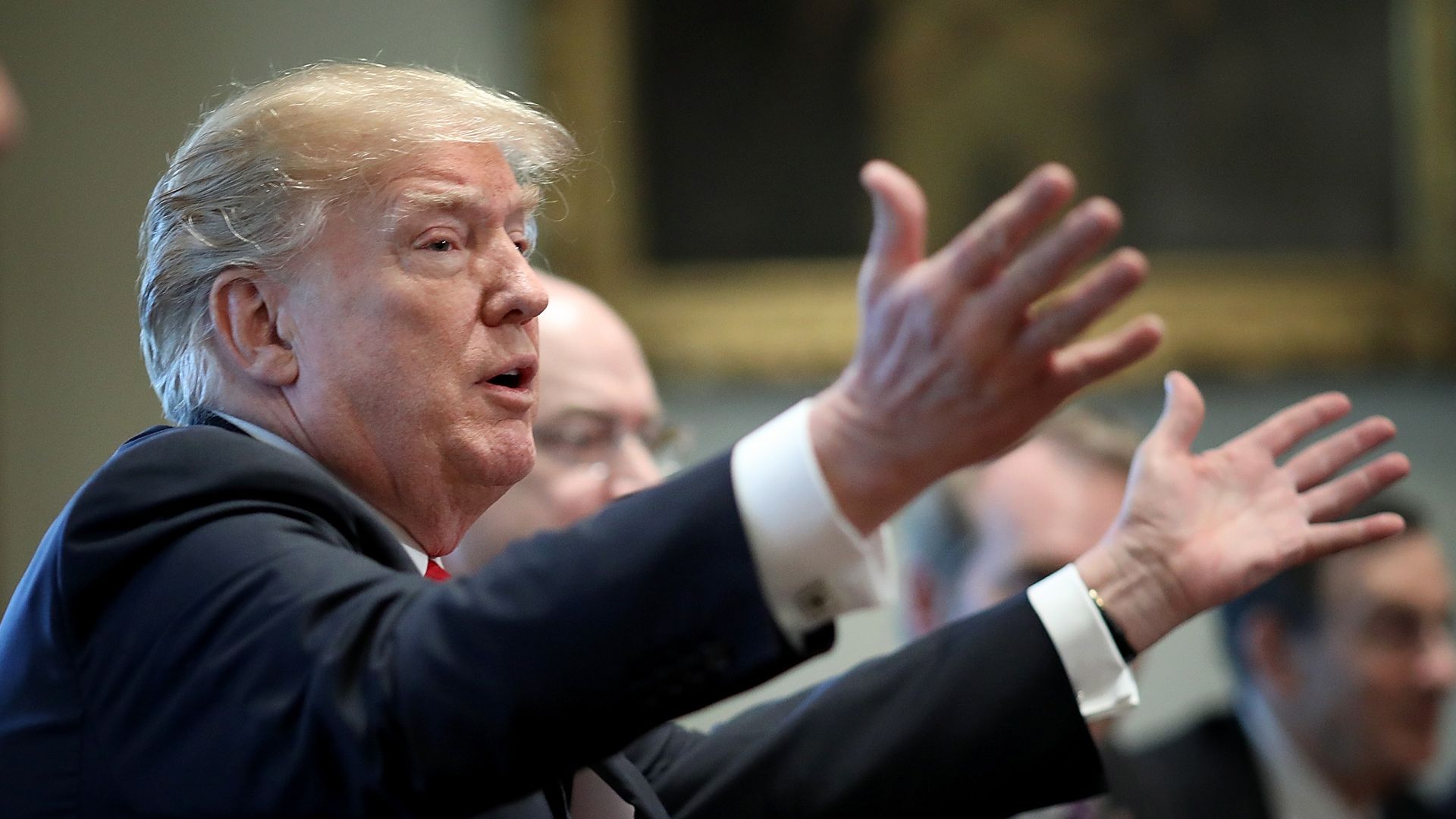
President Trump wants to sign a presidential proclamation tomorrow to set his steel and aluminum tariffs in motion, according to two senior administration officials. (More on how proclamations work below).
The big picture: Trump is impatient and he wants to act — or at least be seen as acting. He got fed up with staff, especially Gary Cohn and Rob Porter, not giving him his tariffs on steel and aluminum. And some of Trump’s nationalist-minded advisers are telling him these tariffs will help turn out voters in the upcoming special election in Pennsylvania's 18th congressional district.
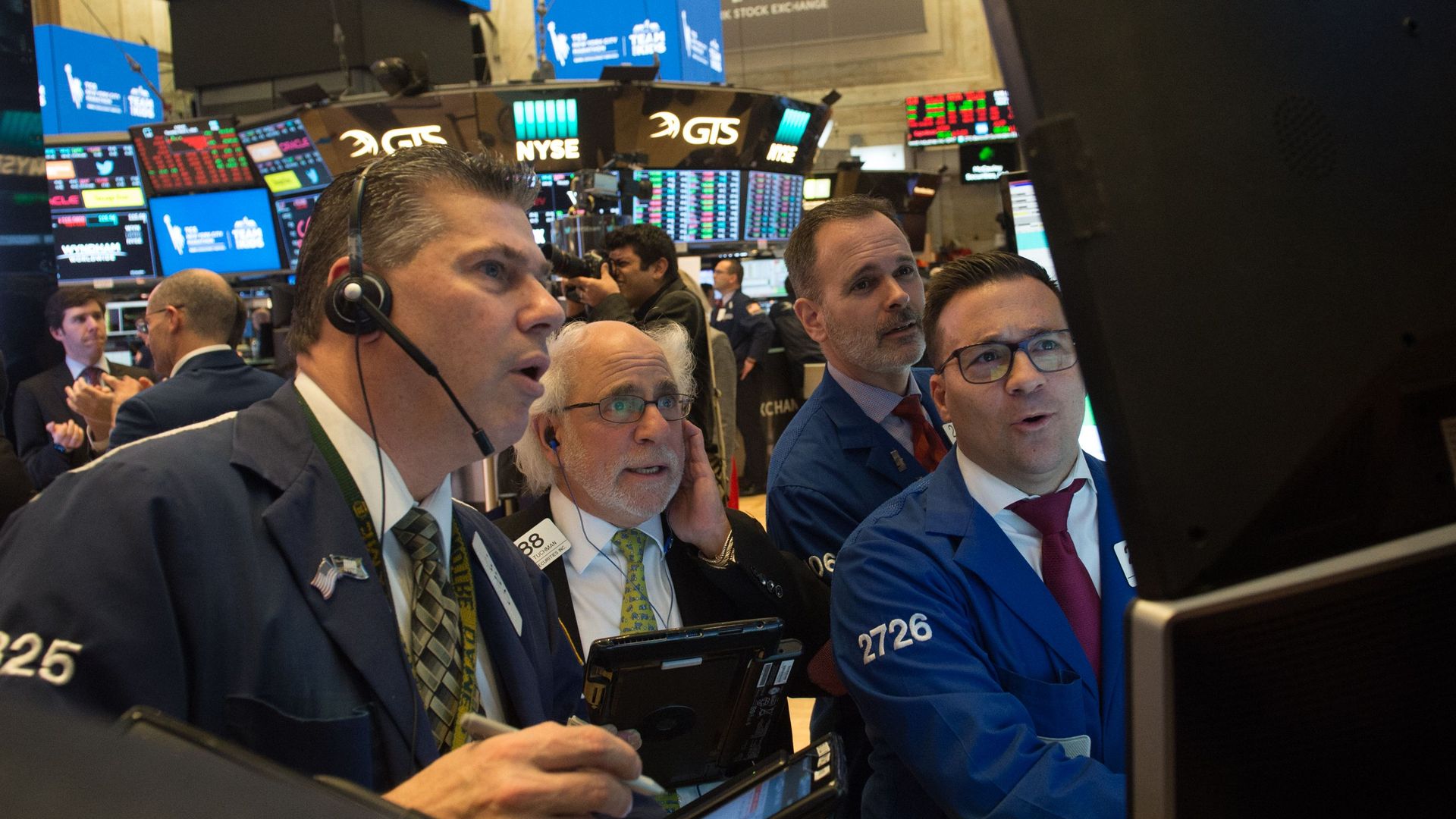
The Dow dropped sharply Wednesday morning in the first market open since President Trump's chief economic adviser, Gary Cohn, announced his resignation after losing his battle against tariffs.
Why it matters: Investors see Cohn as a pro-business, free trade advocate who helped pass significant tax cuts late last year. His departure from the White House means there are now "zero powerful West Wing voices willing to spend all their political capital to persuade the president to kill these tariffs," per Axios' Jonathan Swan.
A third of US. major metro areas — nearly 100 communities — are shedding a greater proportion of white-collar jobs than blue-collar jobs, AP's Josh Boak finds.
Why it matters: That trend means that declining manufacturing centers — many in Trump country — get hit twice. "[T]he flow of white collar jobs out of these cities has pulled money and brainpower out of local economies and left them more vulnerable to economic downturns."
Next month, Debjani Ghosh will become the first woman president of NASSCOM, one of the largest global trade associations representing thousands of India's IT companies. She takes the helm at a critical time for her industry as President Trump cracks down on foreign workers — and for women in technology in general in the wake of the #MeToo movement.
Why she matters: She's not only the first woman to lead NASSCOM, she's also bullish that her gender will become even more indispensable to the technology industry."Leadership is not going to be a man's role," she told Axios in an interview.
In early February, after President Trump's well-received State of the Union address and Davos trip, economic adviser Gary Cohn was having lunch with the president and Chief of Staff John Kelly, in the small dining room off the Oval Office.
"I’ve got to tell you. I’m working at like 20 percent of my capacity."
— Gary Cohn to President Trump, according to West Wing sources
Politicians and policy hands across the West are working to avert trade war, but it's a sideshow to the bigger fight over the long neglect of people left behind by globalization, economists and scholars tell Axios.
Why it matters: President Trump's threat of tariffs and Italy's lurch to chaotic populism are of one piece — they are new chapters in the far-flung uprising against the post-World War II system that we've watched unfold for about two years. But because they reflect a global wave, experts say, there is no knowing how long this period of history will go on.
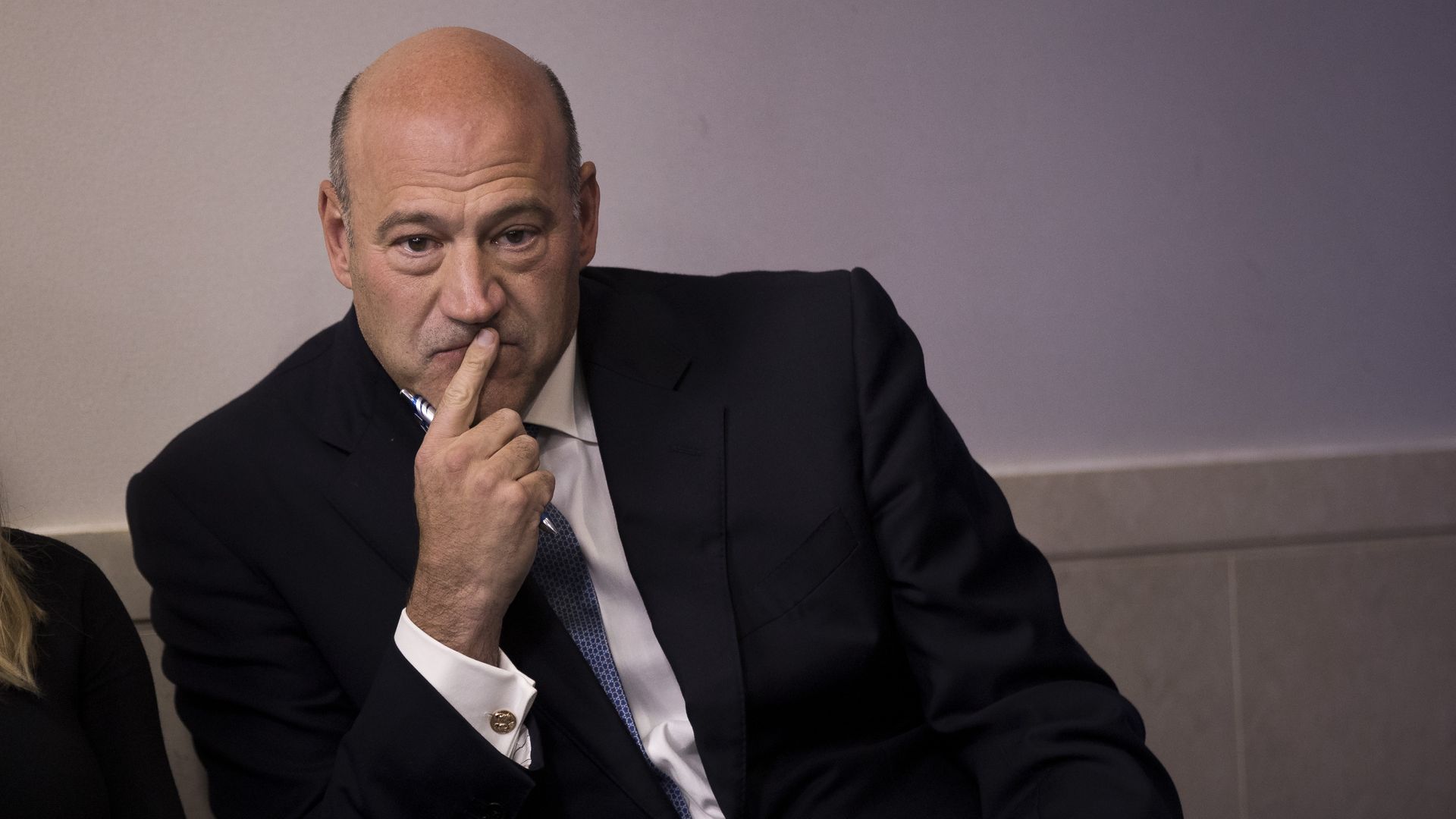
President Trump has tweeted that there are "many people wanting" to replace Gary Cohn, and a decision will come shortly.
The bottom line: The White House has not done succession planning for Cohn. One problem is Trump likes CEOs and business celebrities and it’s going to be very hard — probably impossible — to get somebody of Cohn’s stature to replace him.