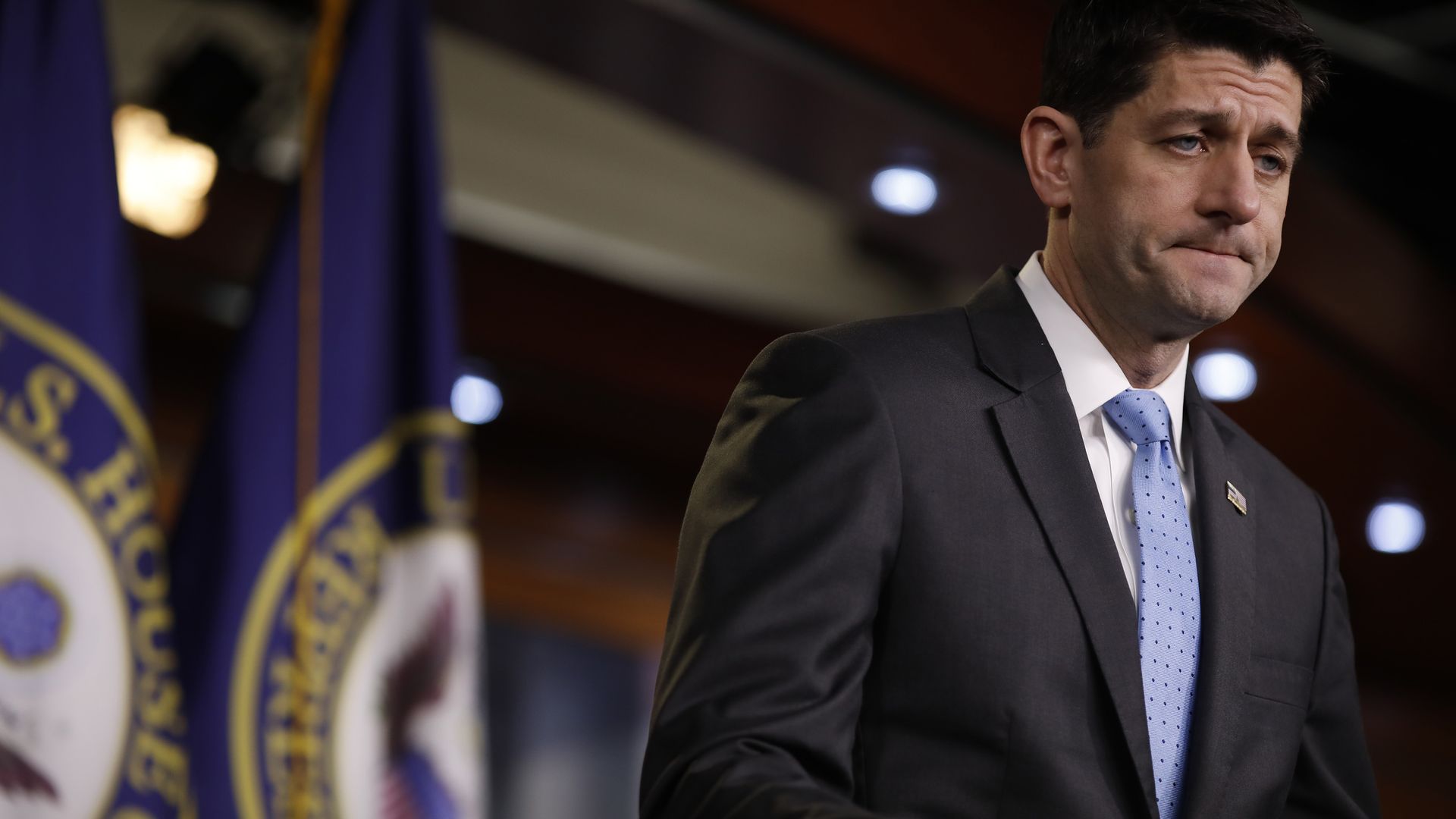
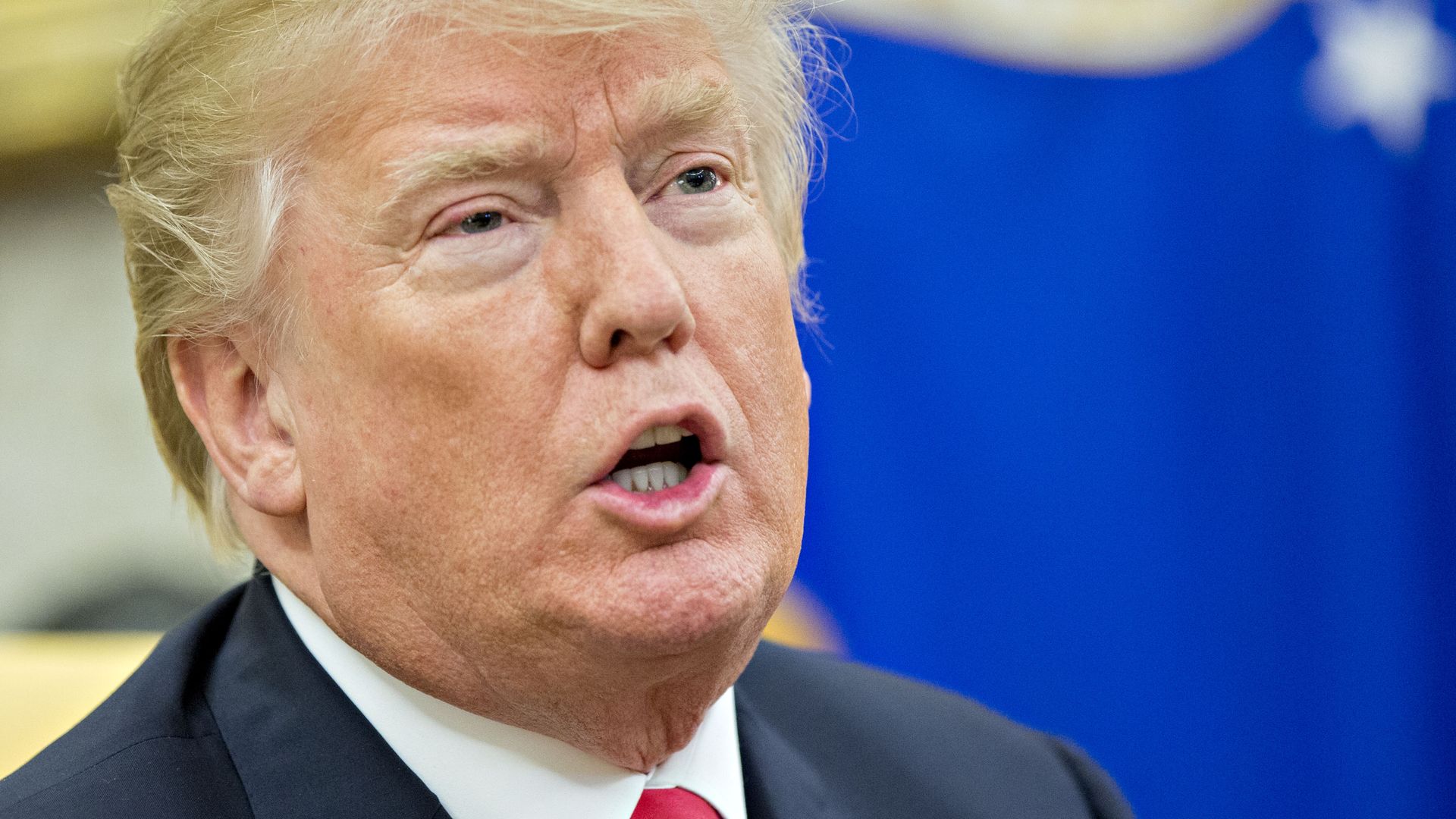
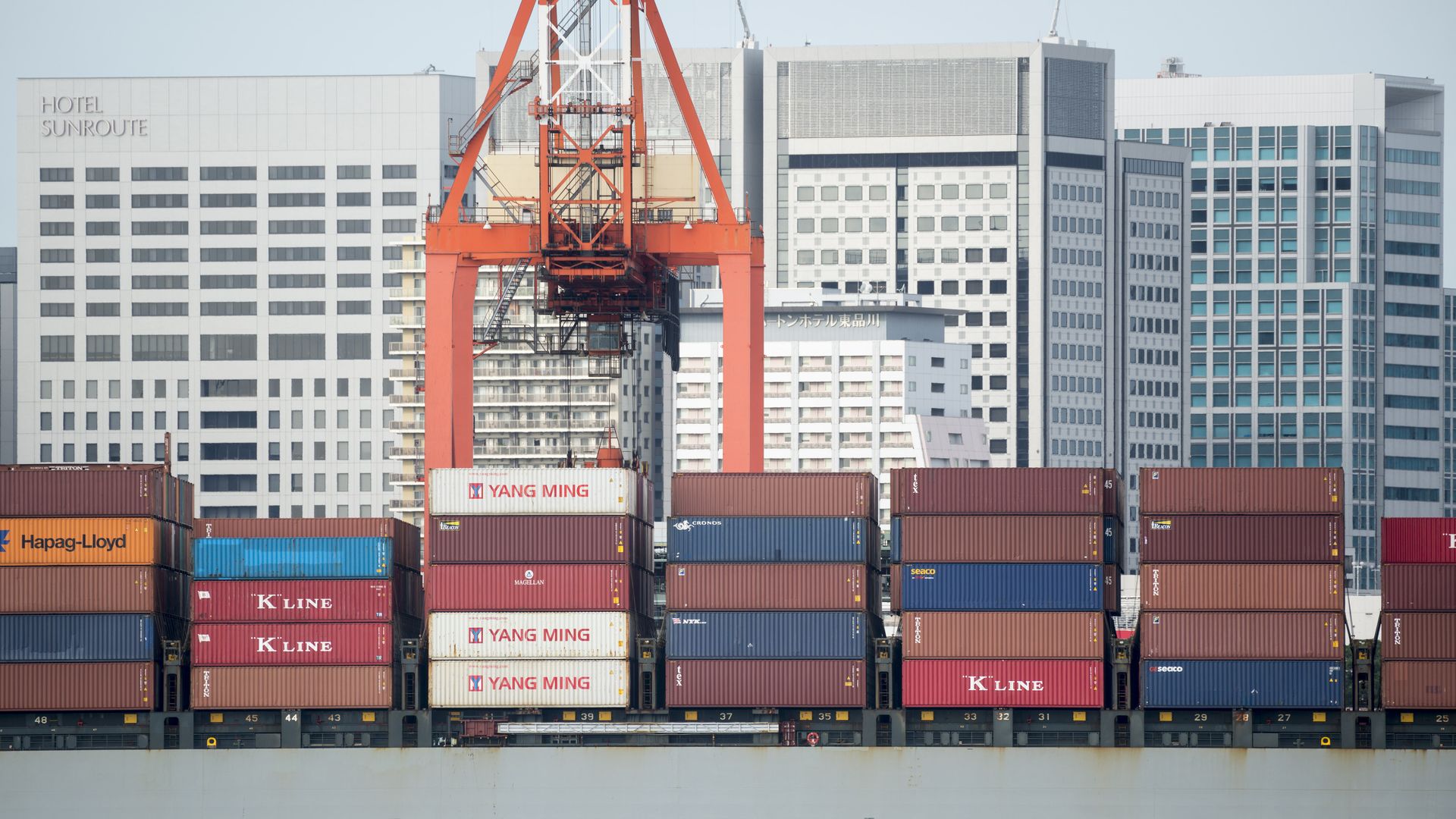
President Trump signed two proclamations to impose heightened steel and aluminum tariffs, which will go into effect in two weeks. Lawmakers immediately reacted to the signing; Speaker Paul Ryan said he disagreed with the tariffs, while Sen. Joe Manchin praised them.
Why it matters: While the tariffs are still going to get pushback, they aren't as bad as originally believed. However, the added costs could spark international backlash.
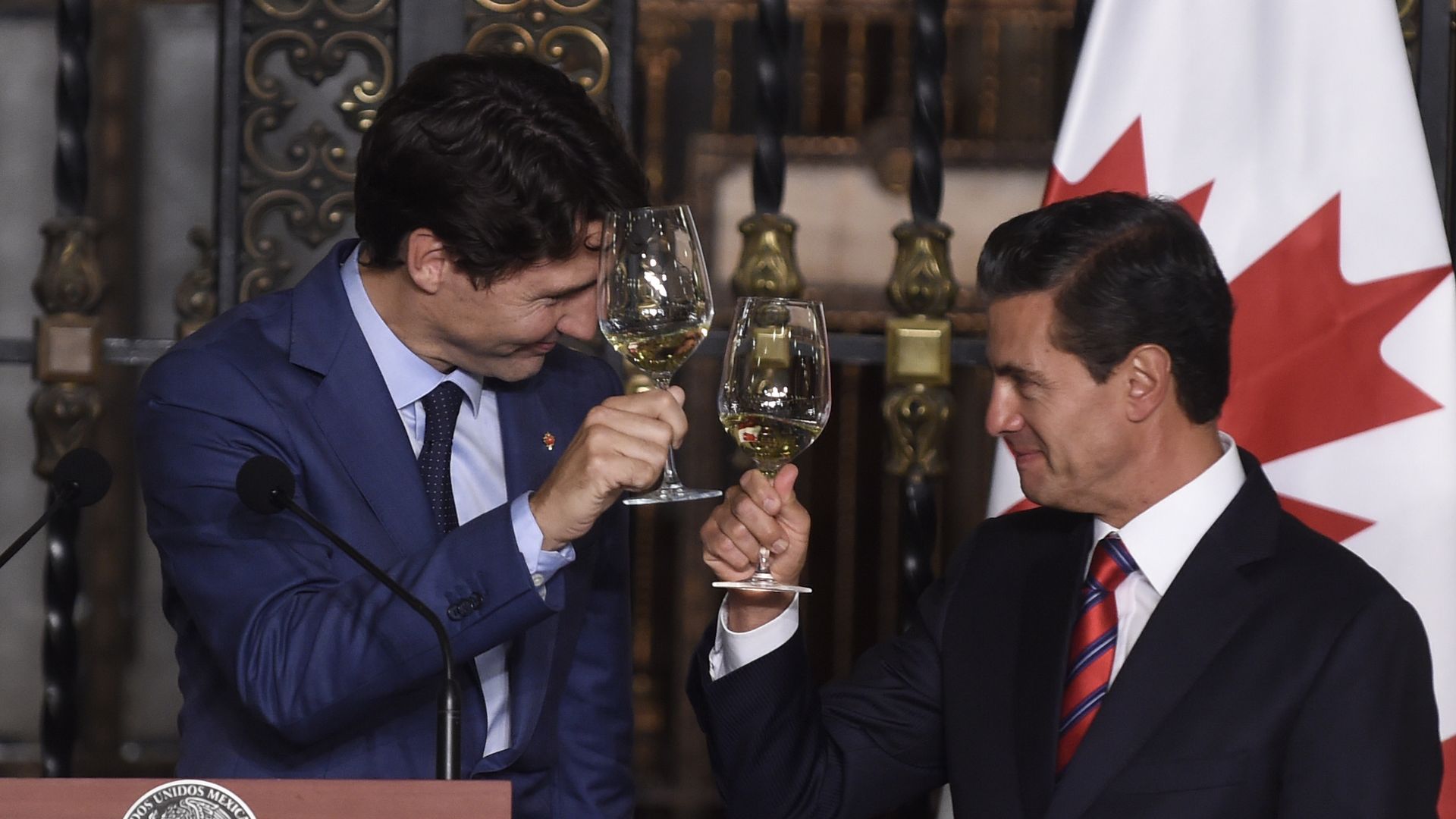
President Trump signed two proclamations today that go into effect on March 23, one imposing a 25% tariff on steel and the other a 10% tariff on aluminum. The president confirmed that Canada and Mexico are exempt from the tariff increases, citing national security agreements — specifically ongoing NAFTA negotiations. He called the existing taxes an economic and national security "disaster" adding, "we're finally taking action to correct."
The big picture: This will still meet fierce opposition from free traders and large sections of the business community. But it’s not nearly so bad as it originally appeared. Trump initially wanted to impose these tariffs on everyone with no exceptions and no room for exclusions. There’s now plenty of wiggle room.
As President Trump signed proclamations for tariffs on steel and aluminum this afternoon, the 11 remaining members of the Trans-Pacific Partnership (TPP) finally closed their sweeping trade deal, just over a year after the U.S. withdrew.
Why it matters: For the U.S., the TPP deal means that manufacturing, agricultural and services exporters and their workers will be at a disadvantage in the markets of the 11 Asian-Pacific countries. Beef, pork and dairy exporters, for example, will not benefit from the tariff cuts made by Japan that competitors from Australia, New Zealand and Canada will soon enjoy.
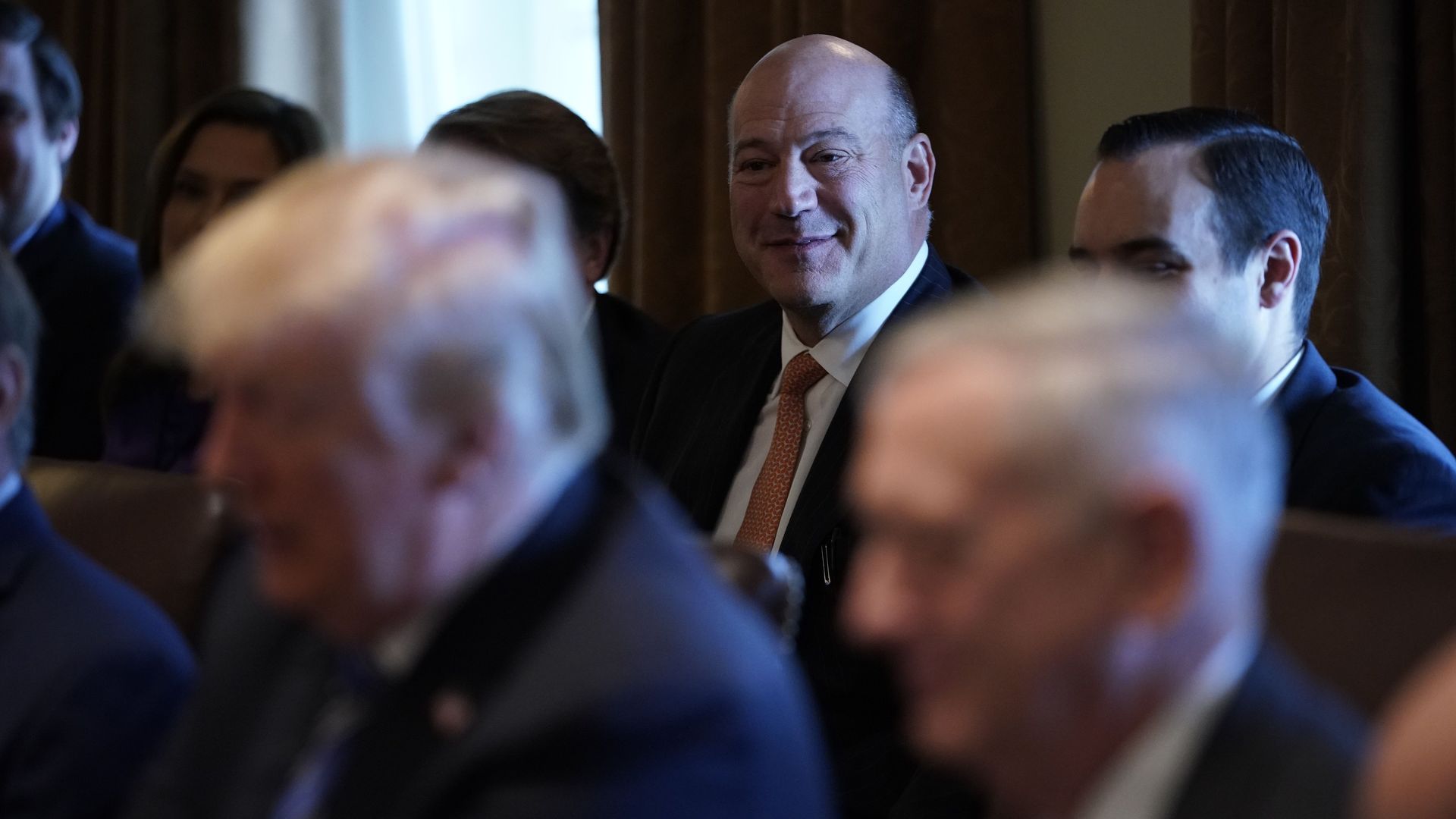
President Trump thanked his now ex-economic advisor Gary Cohn for his time in the administration during a Cabinet meeting Thursday, joking that he expects he'll back.
This is Gary Cohn’s last cabinet meeting. He's been terrific. He may be a globalist, but I still like him … I have a feeling you’ll be back.
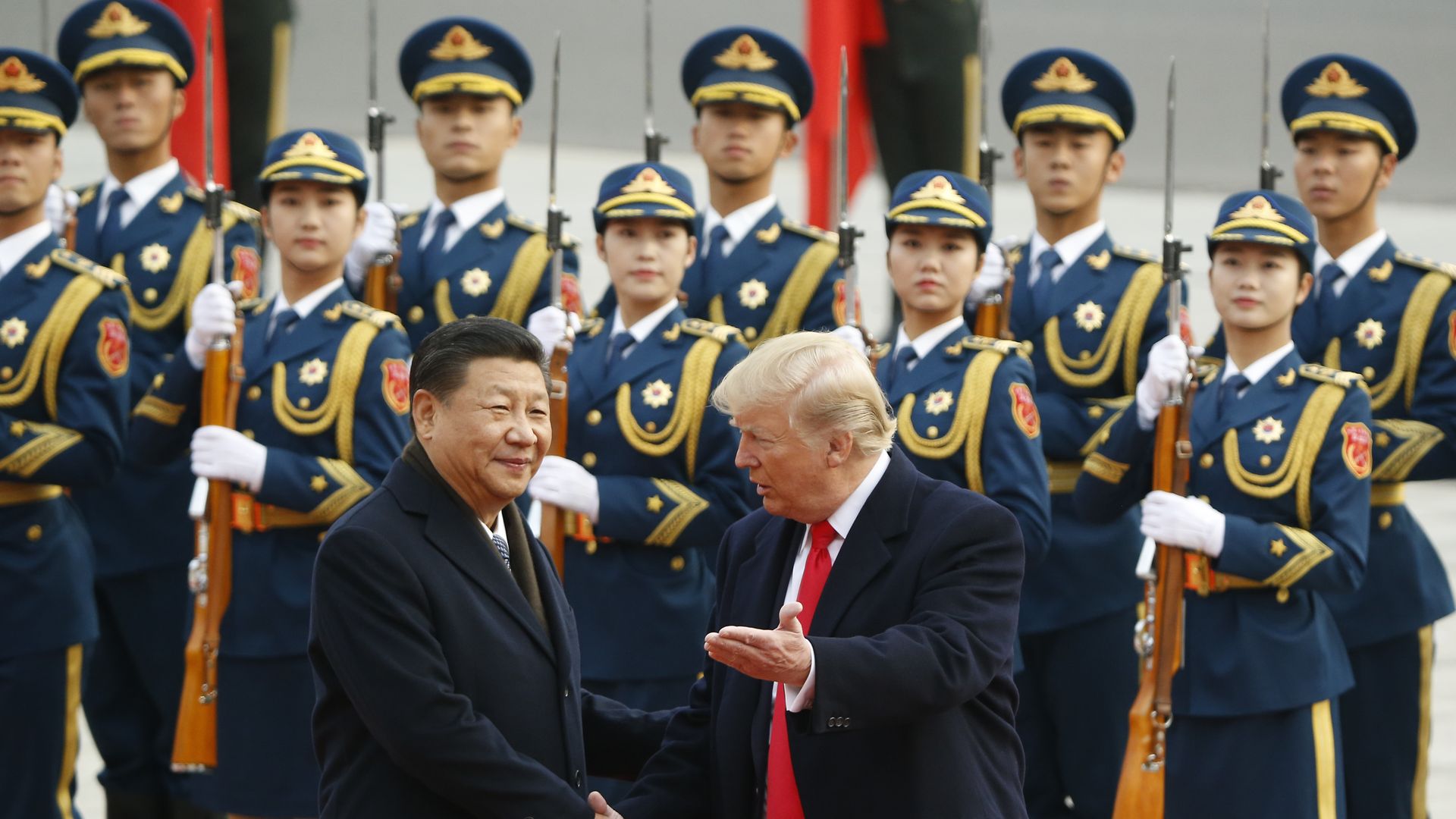
The details: It makes much more sense to cut $100 billion from a $375.2 billion deficit than to cut $1 billion. Liu He, President Xi Jinping's top economic deputy who was in Washington last week, reportedly told U.S. officials that it's in China's interest to reduce the trade deficit as it moves away from export-led growth. [Go deeper: The scale of the U.S.-China trade deficit.]
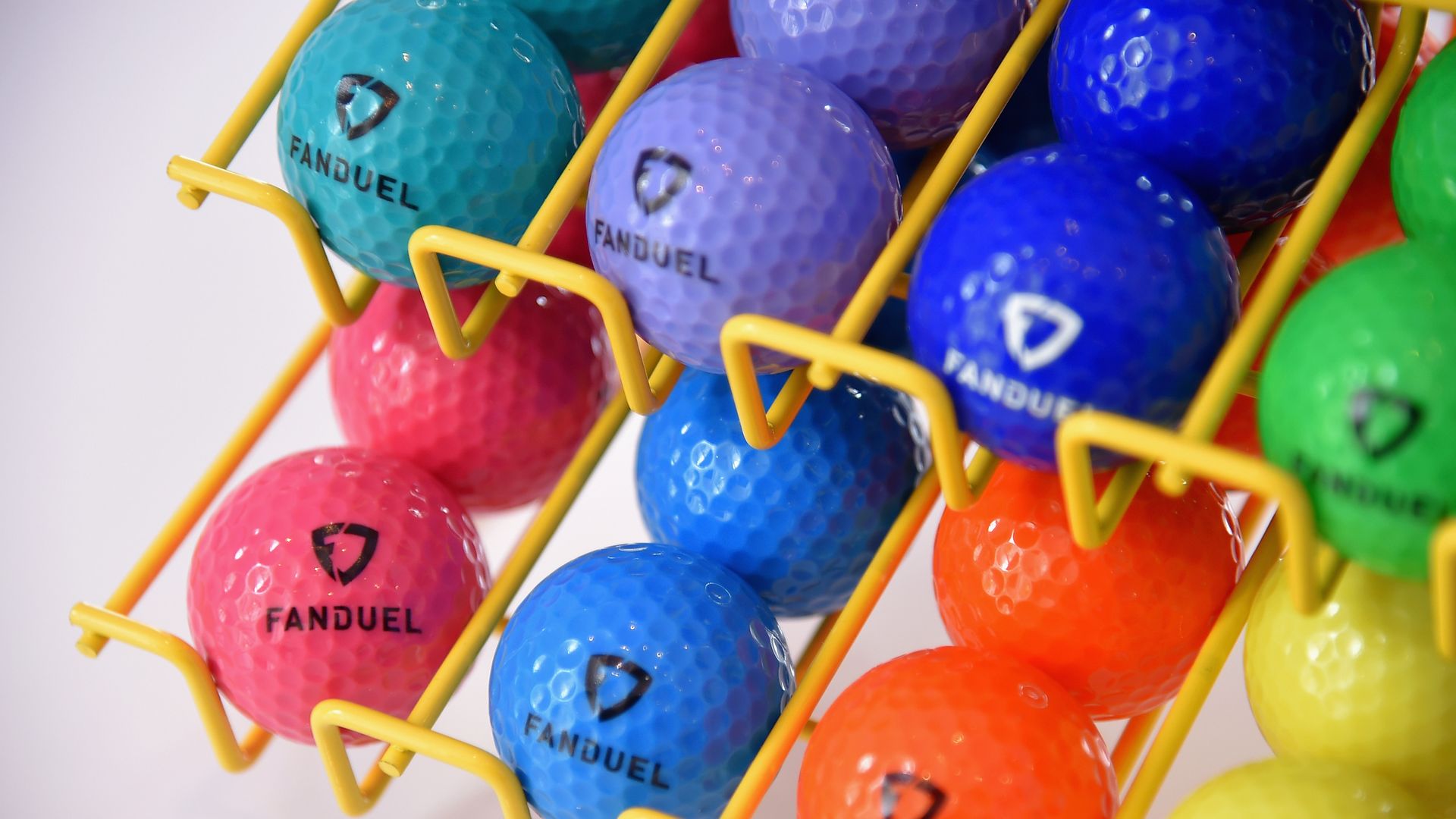
FanDuel is in advanced talks to go public, but not via an IPO.
The plan: Multiple sources tell Axios that the fantasy sports site is likely to participate in a reverse merger with Platinum Eagle Acquisition Corp., a special purpose acquisition company formed earlier this year by veteran media executive Jeff Sagansky.
President Trump tweeted this morning that an on-again, off-again afternoon meeting to "protect & build our Steel and Aluminum Industries" — one that may include the signing of a proclamation instituting tariffs — is very much on again.
The big picture via Axios' Jonathan Swan: "[A]s late as 10pm last night it was NOT happening today. Trump always wanted it today so seems like he made the definitive call this morning."
With President Trump imminently planning to sign a tariffs proclamation, the Gary Cohn wing scores a win: Canada and Mexico will be exempt at the outset, and will remain so if a new NAFTA deal is reached, per the Wall Street Journal.
Trade wars are bad and easy to lose.
— European Council President Donald Tusk at a press conference in Luxembourg, via AFP
The latest: A senior official told Axios' Jonathan Swan last evening that Trump's planned tariff announcement is now not happening today. As we reported Wednesday, Trump wanted to do it as soon as possible but White House lawyers are still working out the details.
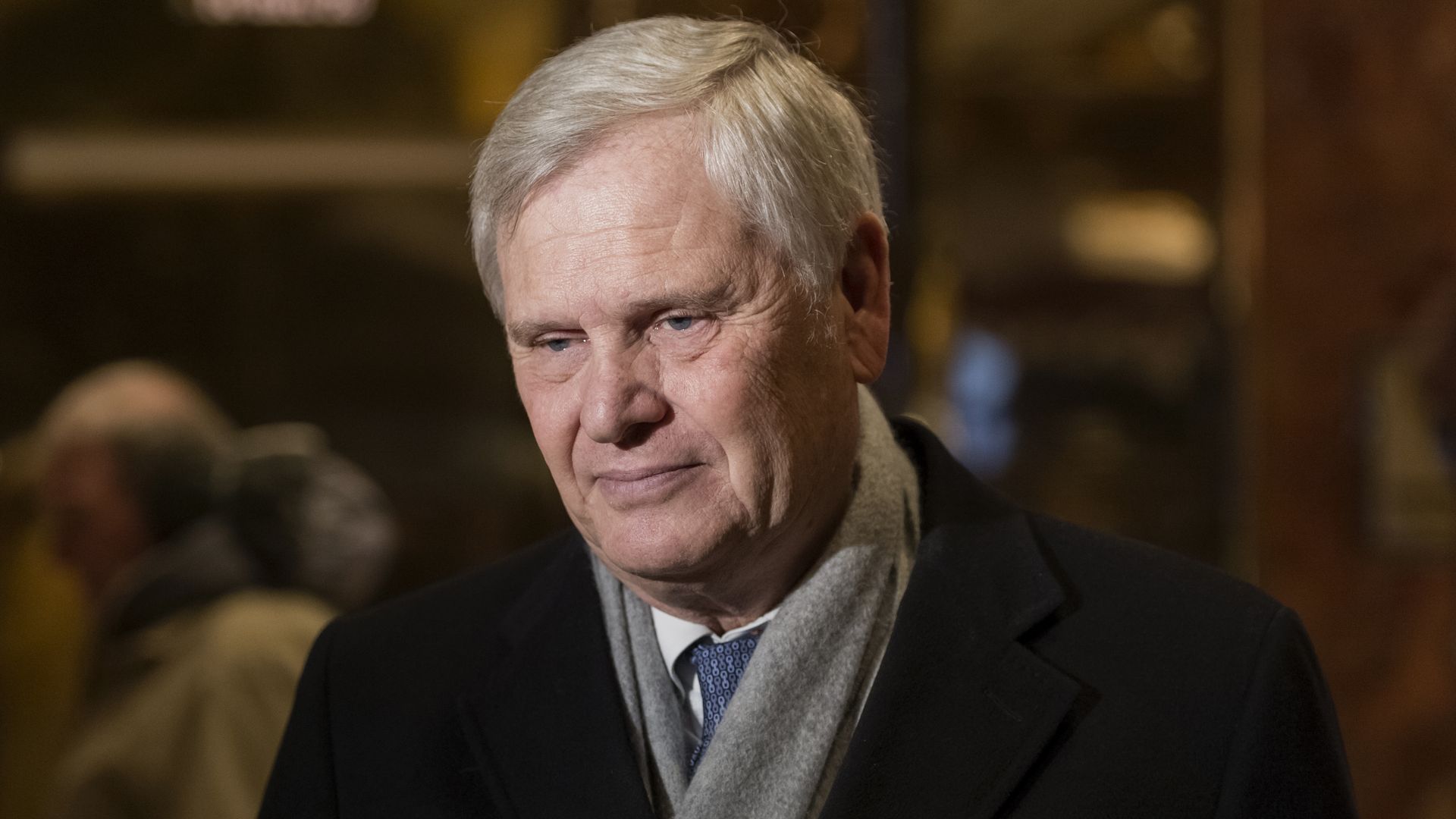
Univision CEO Randy Falco will retire at the end of the year, according to a statement from Univision's Board of Directors Wednesday evening. The news comes after Univision announced it would be scrapping plans to go public, citing "prevailing market conditions."
Why it matters: Rumors swirled shortly after the announcement that Falco's retirement was linked to failed attempts to take the company public, forcing the Board to put out a statement dispelling such rumors and saying they "reluctantly agreed" to Randy's wishes to retire and that they "could not be more pleased with his performance."
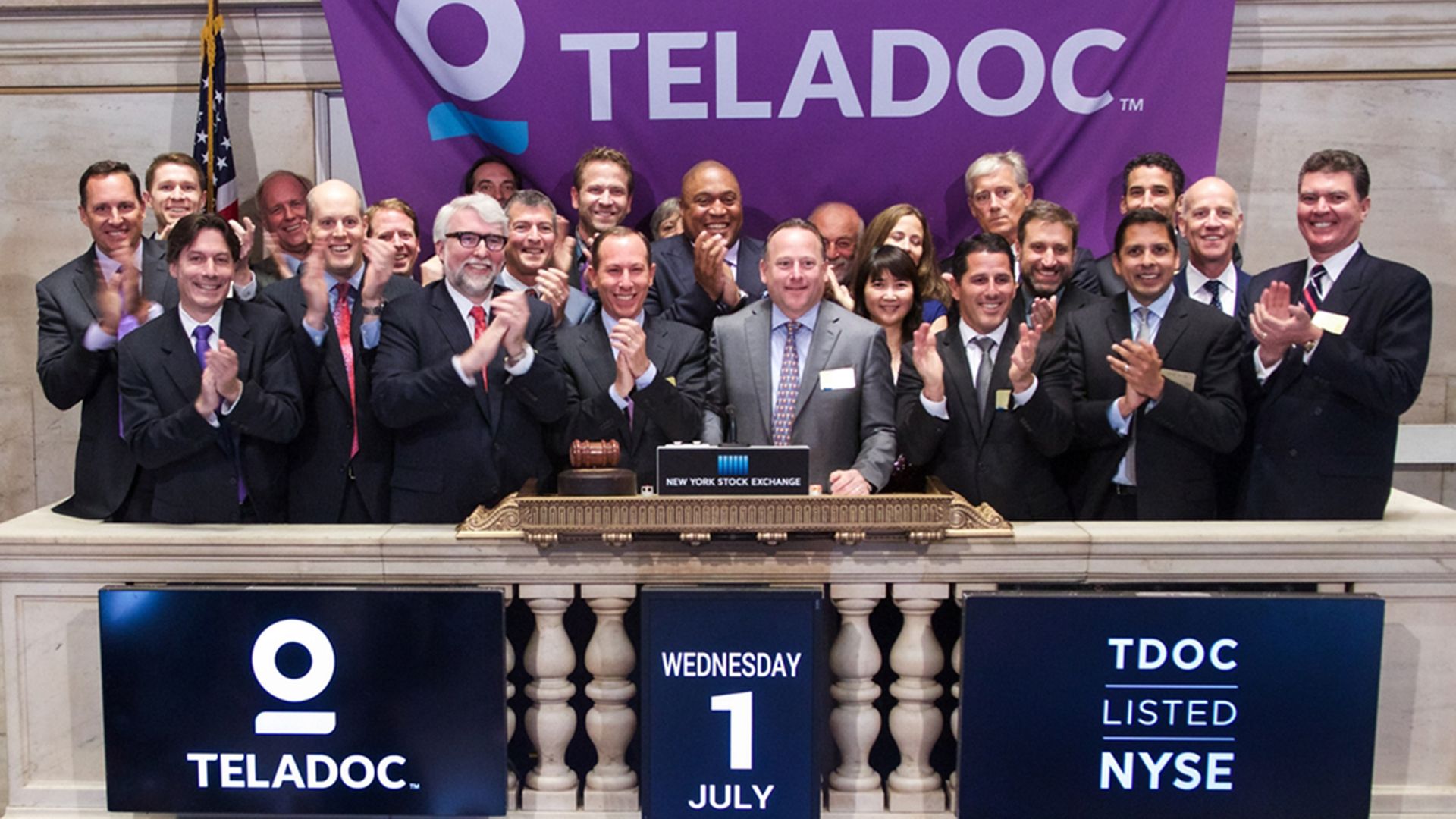
Teladoc, a company that connects patients with doctors via video and phone, recently disclosed it has serious accounting problems tied to "stock-based compensation." Teladoc directed Axios to an investor relations firm after repeated inquiries, and the outside firm has not responded.
Why it matters: The health care industry views virtual care as an important way to treat common ailments in lower-cost settings. But Teladoc is the largest telemedicine company; its new blunders, on top of a long track record of losses, don't inspire confidence.
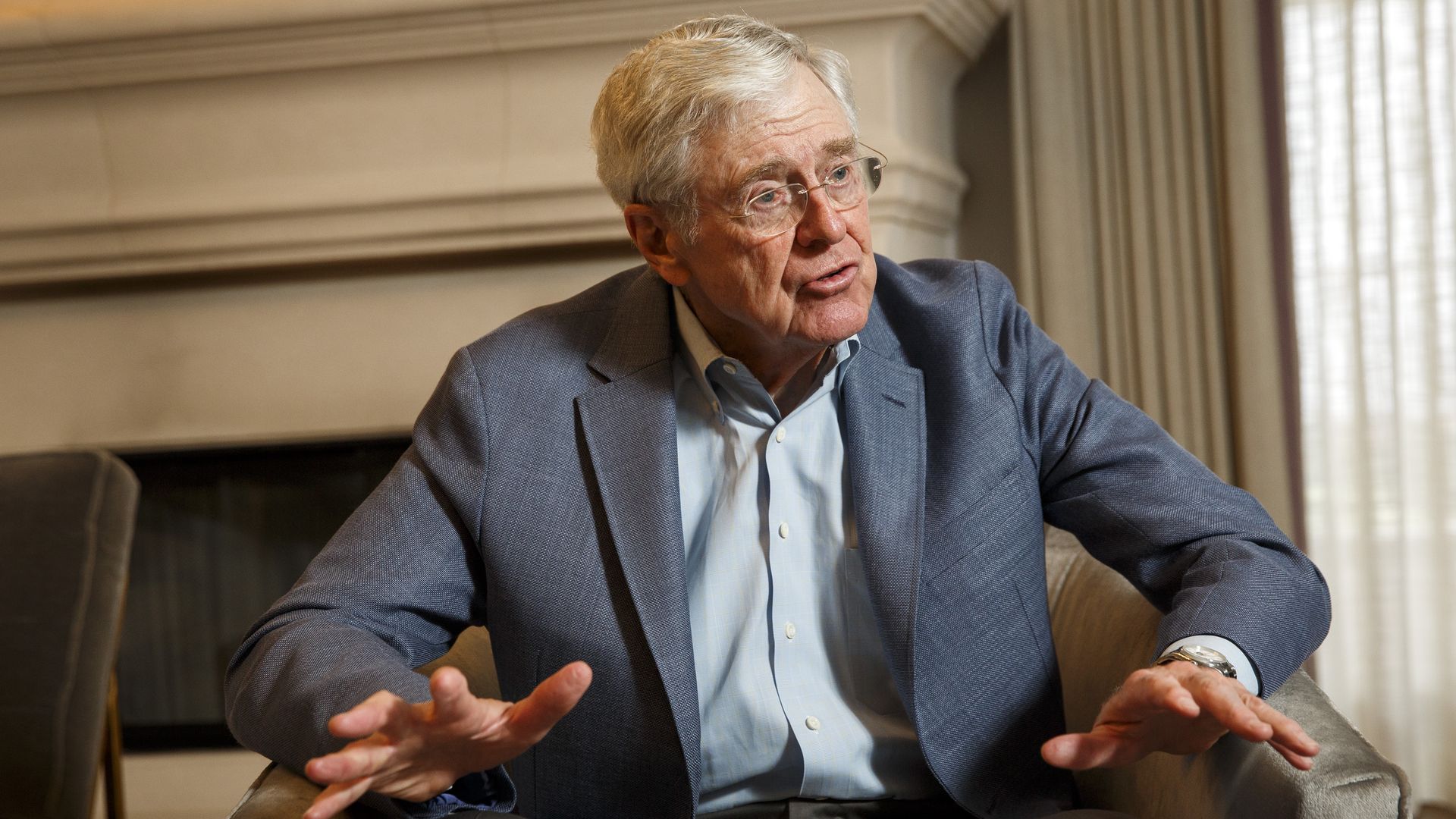
Republican mega-donor Charles Koch lambasted President Trump's plan to impose tariffs on steel and aluminum imports, urging corporate leaders in a Washington Post op-ed Wednesday to reject the plan and arguing that it will undercut the benefits ushered in by the recent GOP tax overhaul.
Why it matters: Koch is part of a growing list of mainstream Republicans and industry leaders who are frustrated over Trump's move, yet the president has reaffirmed his plans and is expected to sign a presidential proclamation Thursday to set them in motion.