Thursday's economy stories

Snap's ad product to compete with Facebook
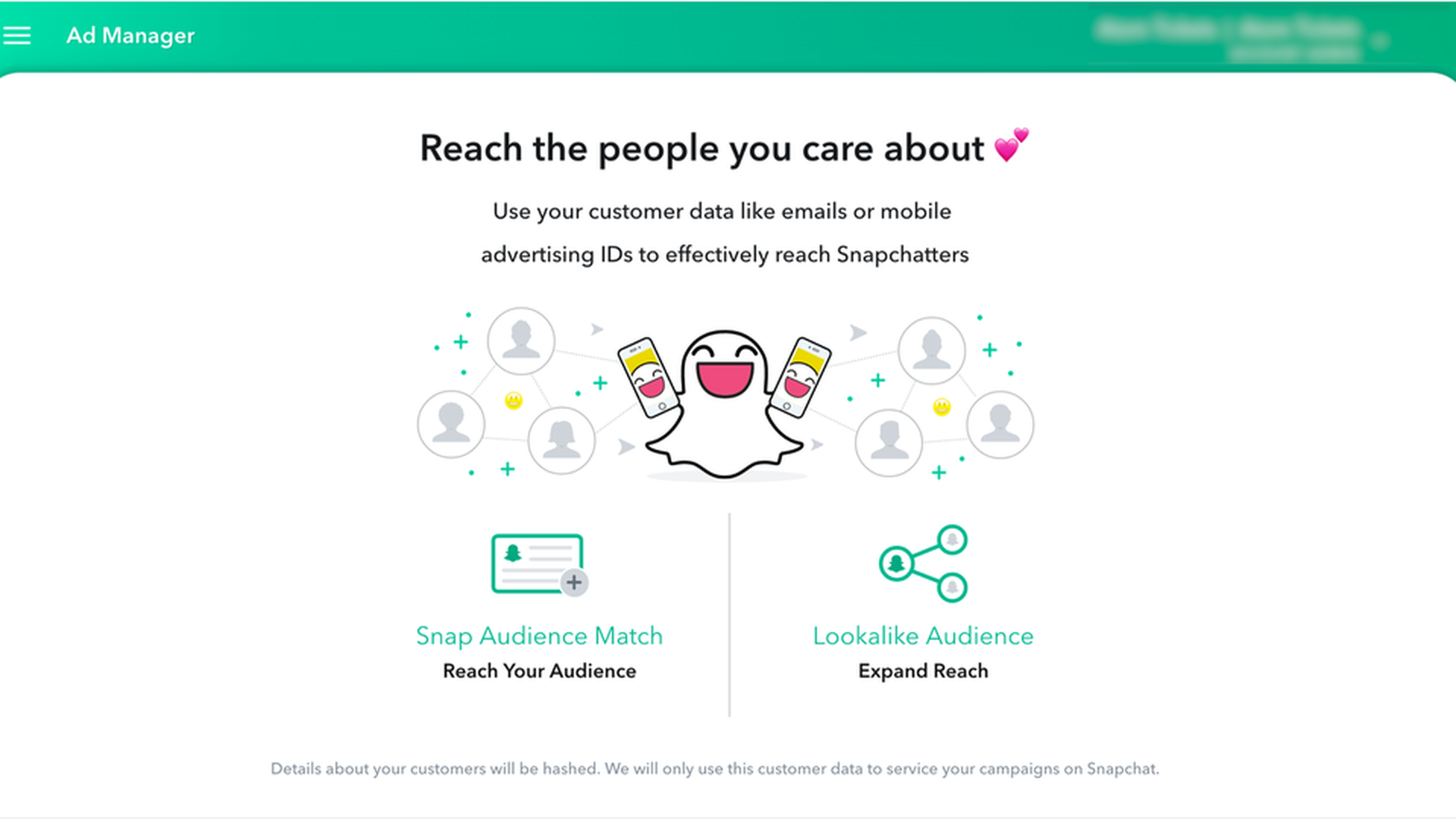
Snapchat has rolled out a new ad product called Snapchat Ad Manager that, starting in June, will let all marketers buy ads on Snapchat and monitor them through an all-in-one digital interface. The new product makes it easier for ad buyers to buy ads quickly and at scale. They will be able to manage their ad creative and targeting. With a new dashboard, they will also be able to test their ads on a phone to see what they will look like in the app.
Why it matters: These new capabilities will lower the barrier of entry to buy Snap ads, making it easier for small and medium-sized businesses to work with the platform. Facebook-owned Instagram, which has been eating at Snapchat's user growth since launching a Stories feature, has seen enormous success using similar tools to lure small business advertisers.

Walmart beefs up e-commerce to compete with Amazon
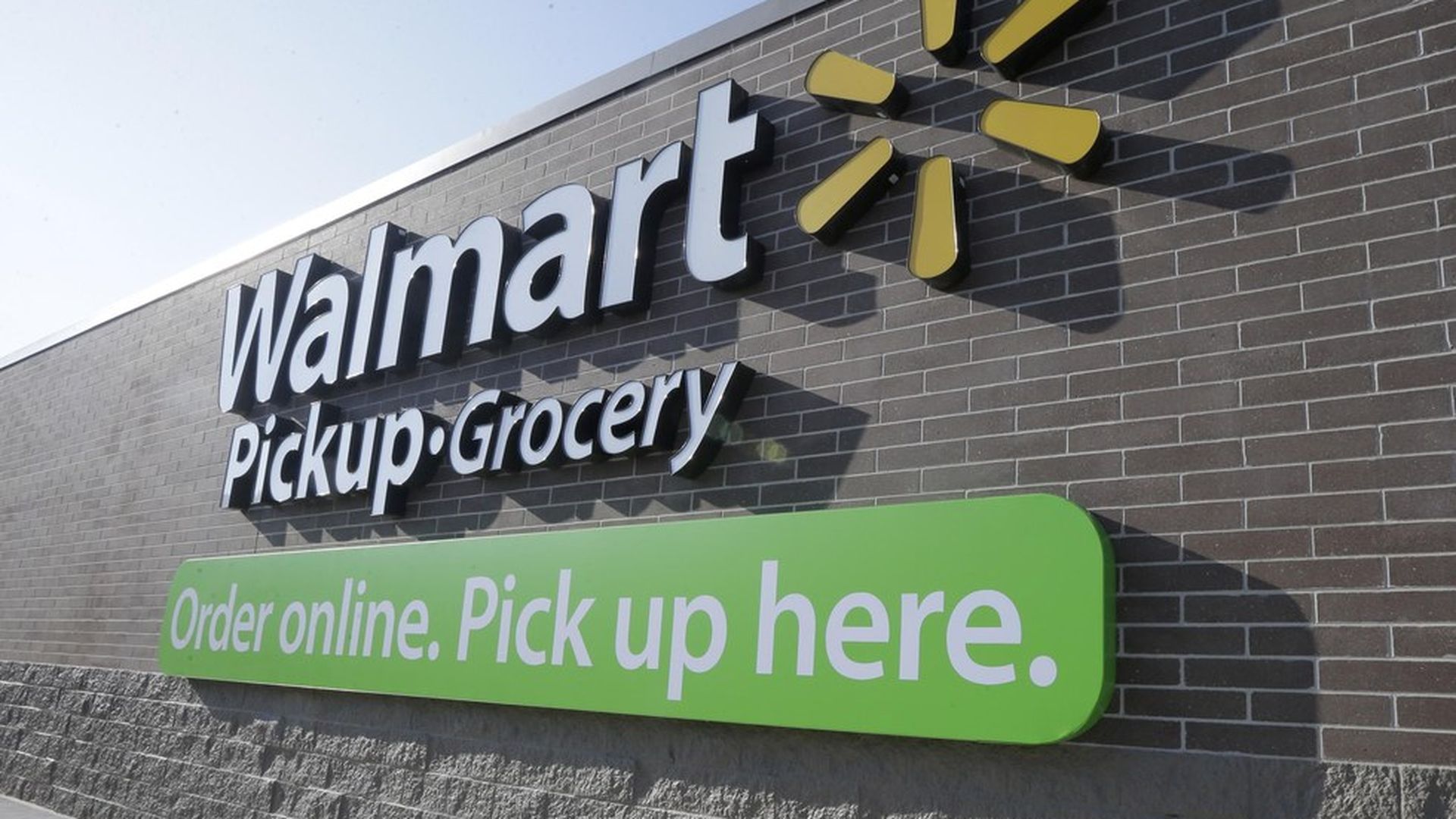
Bloomberg Businessweek cover, "Can Wal-Mart's Expensive New E-Commerce Operation Compete With Amazon? A recent acquisition spree including Jet.com gives the retail giant much-needed digital chops," by Brad Stone and Matthew Boyle:
Wal-Mart's biggest challenge is that its primary rival isn't standing still. An estimated half of all U.S. households subscribe to Amazon Prime ... And Amazon currently takes more than $5 out of every $10 spent buying stuff online ...In Seattle, Amazon is also trying out concepts, such as the Amazon Go store, where customers are automatically charged for items they pick from shelves without going through a checkout line.

3 landmines in the GOP's epic health care gamble
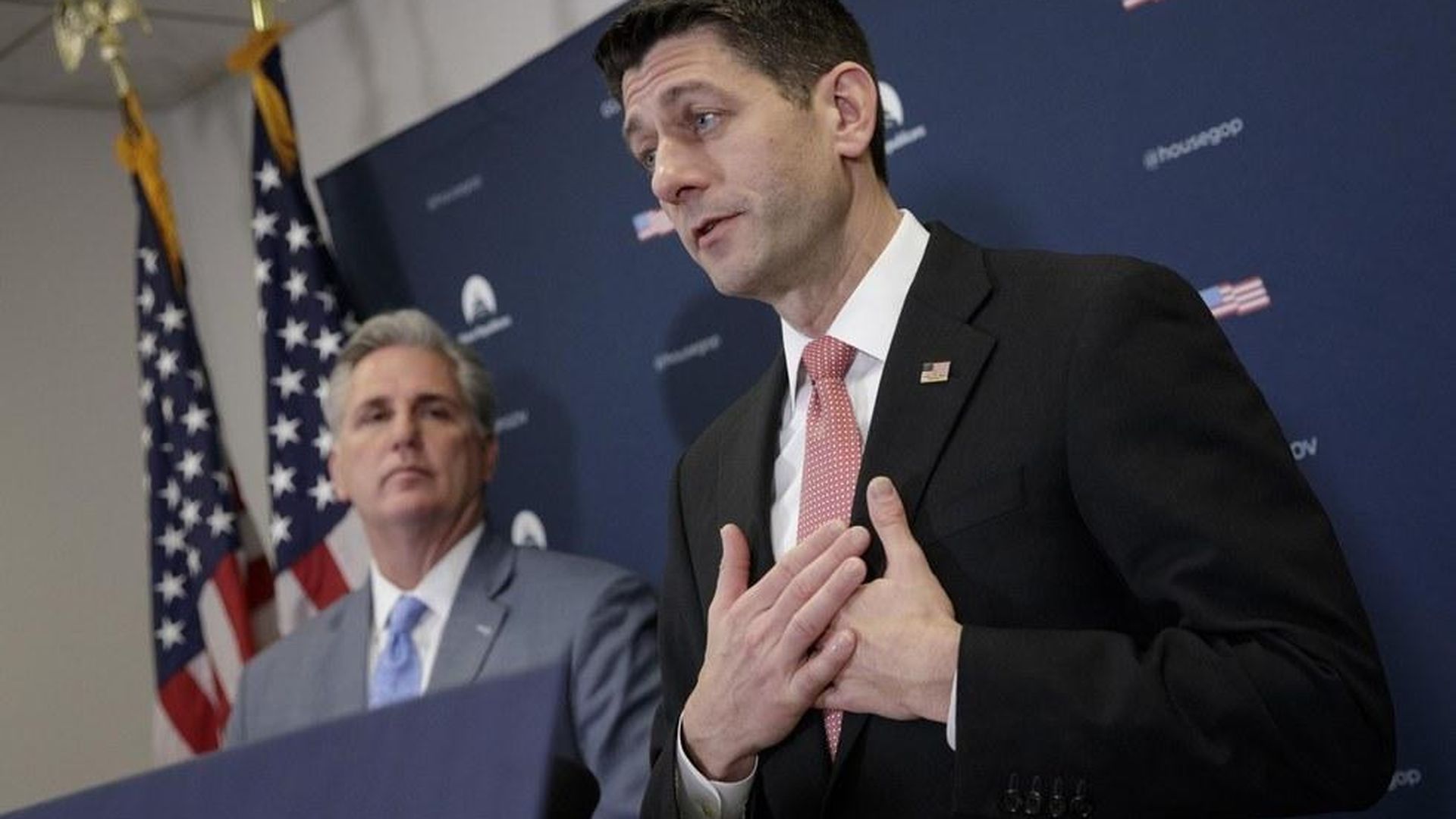
House Republicans — promising that they really, really have the votes this time — plan to rush into a health-reform vote this afternoon without waiting for a Congressional Budget Office estimate of how the updated bill will affect estimates of the costs and impact.
The WashPost warns: "[I]ndependent analysts remained skeptical that the new proposal would fully address the needs of at-risk patients who receive coverage guarantees under the Affordable Care Act."
With the House in recess next week, neither end of Pennsylvania Avenue wants to take a chance on delaying the vote, which would give President Trump his first big legislative victory. The Journal says a win would "redeem" Ryan, and The Times says it'd be "redemption for both Mr. Ryan and Mr. Trump."
The kings of the internet expand their dominance
Earnings calls and industry reports this week show that Google and Facebook, the two largest advertising companies in the digital ecosystem, are thriving, despite controversies that have raised questioned about how safe their platforms are for advertisers.
- Google's ad revenue grew 18.8% to $21.41 billion last quarter, mostly due to YouTube video ads and mobile search ads
- Facebook revenue beat expectations for the first quarter, with, $7.86 billion in ad revenue, up 51% from the prior year, which is especially positive since the company has continually warned investors that ad revenue would "come down meaningfully" beginning in the middle of this year due to Newsfeed ad saturation.
- Google and Facebook took 89% of all digital ad growth in 2016, according to the Interactive Advertising Bureau (IAB)
Why it matters: Despite controversial content on their platforms upsetting users, these numbers suggest marketers are willing to take a risk on using imperfect technologies to market their brands, because it's convenient and effective.
Here's why buyers say they aren't deterred: Axios spoke with several ad buyers and agency executives, most of which offered similar thoughts on how Google and Facebook can be useful and necessary, despite some of the risks.
- Users aren't dropping, so ad potential is still there: "At the end of the day, if brand marketers choose to opt out, their competitors won't, and this creates an interesting dynamic," Unified CEO Jason Beckerman said. "As we just saw with Facebook earnings, the audience's attention on these platforms is only growing, so even if there is fake news, there are folks who are reading it who also have disposable income and make purchases. Brands cannot overlook that."
- The platforms drive results: "Google captures individuals actively searching for keywords and phrases relevant to a specific topic or issue, which is handy for intercepting someone looking for the information, product or service a brand has to offer," says Christi Burnum, VP and Group Manager, Digital Paid Media at Ketchum. "Regarding Facebook, there is an expectation from consumers nowadays that they can have a relationship with their favorite brands, and social media is where this engagement is taking place."
- Clients aren't as concerned as you'd think: "We tell our clients that Facebook in-stream advertising and YouTube pre-roll is at the top of the digital advertising pyramid," says Brian Donahue, CEO of CRAFT Digital in DC. "Despite recent controversies, there's been no decline in audiences and engagements. The era of advertisers having great concern over adjacent content is behind us."

Apple launches $1B fund for U.S. advanced manufacturing
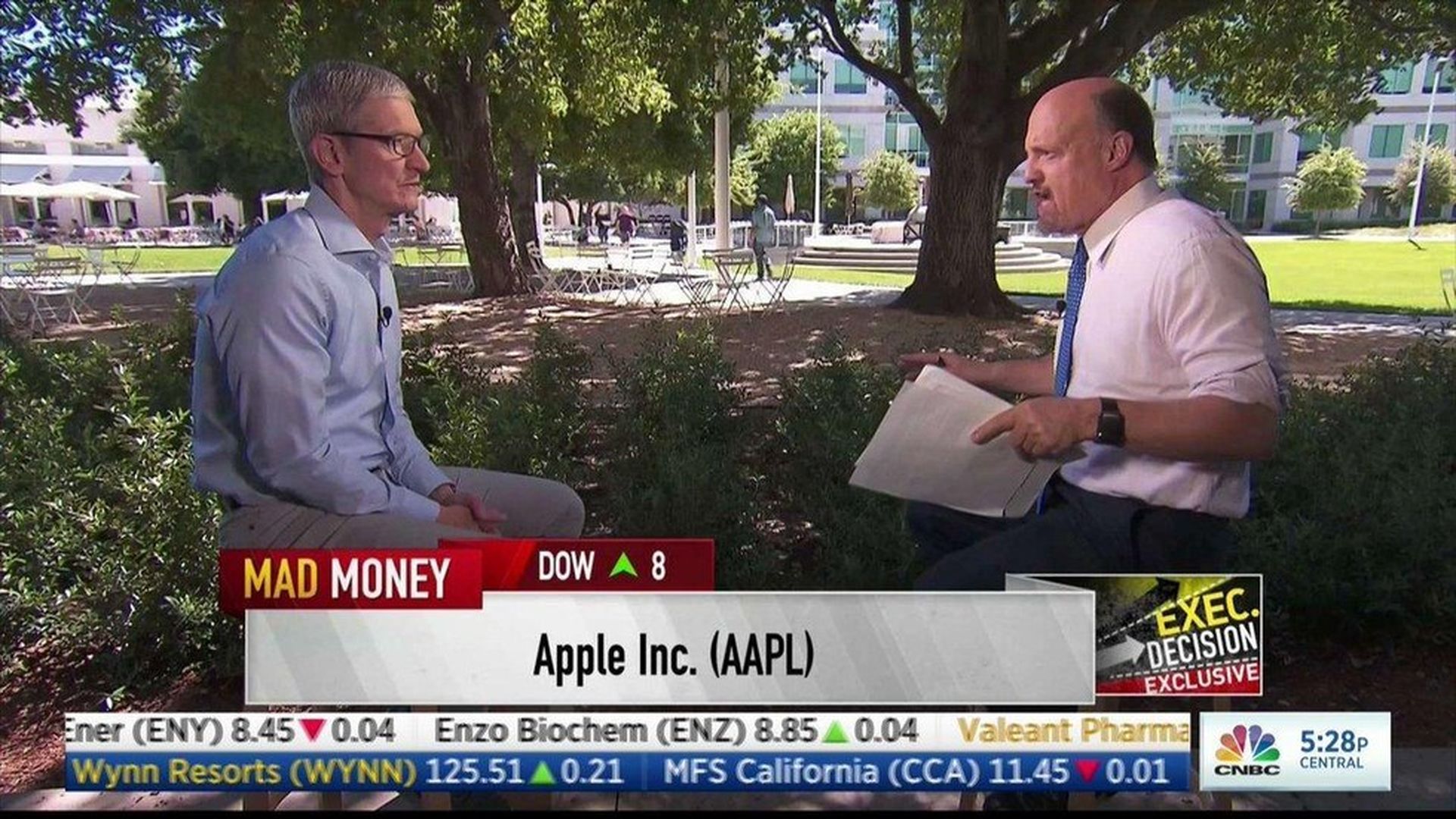
Apple CEO Tim Cook announced Wednesday that the company plans to invest $1 billon to help develop advanced manufacturing capabilities in the U.S.
"We asked ourselves, 'How can we get more people to do advanced manufacturing in the United States?," Cook said in an appearance on CNBC's Mad Money show. "And I'm proud to tell you that we're creating an advanced manufacturing fund. We're initially putting $1 billion in the fund."

Apple to spend $1b on U.S. manufacturing
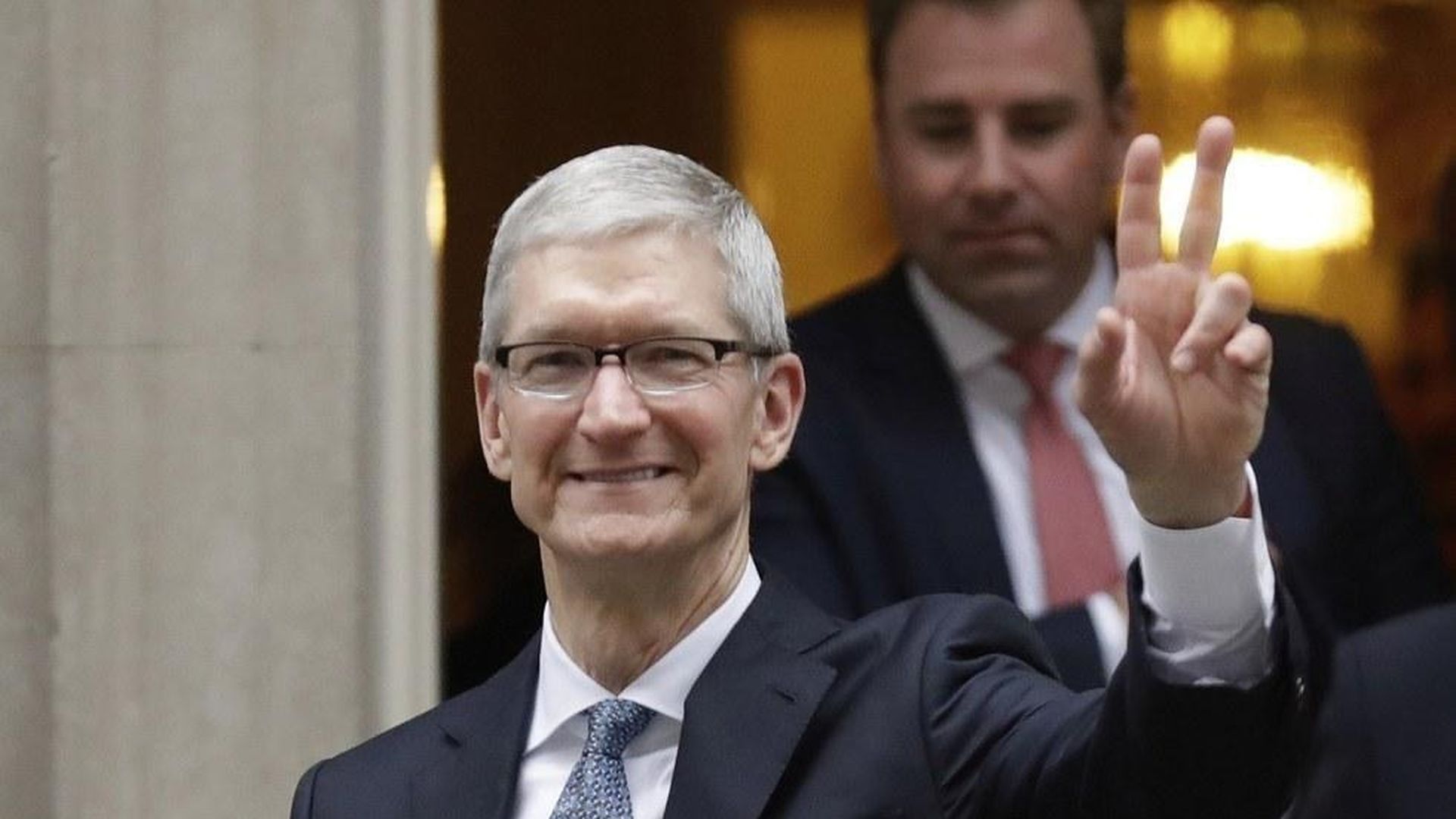
Apple CEO Tim Cook told CNBC the company's going to create a billion-dollar fund to promote advanced manufacturing jobs.
Our thought bubble: Apple has $250 billion in cash and President Trump is known for praising companies that take steps to promote U.S. manufacturing (and browbeating those that don't) so this could be smart politics at a good price.
Verizon scores exclusive NFL deal to stream one game for $21 million

Verizon will pay the National Football League for rights to stream the Sept. 24 regular-season game between the Baltimore Ravens and Jacksonville Jaguars in London, The Wall Street Journal reports. The telecom giant is hoping to rank in digital ad revenues by streaming the game on its digital properties: AOL, go90 and Complex.
Why it matters: NFL's SVP of digital media business development told WSJ they chose Verizon because of its scale. (It owns AOL and is in process of purchasing Yahoo! digital properties.) The NFL has been losing TV viewers, so digital partnerships are crucial.
Between the lines: The League is making loads of money off of digital distribution deals, while expanding their digital audience at the same time. Last month, they announced an exclusive Thursday Night Football streaming deal with Amazon for reportedly $50 million. They also just announced an exclusive content partnership with Twitter.

Facebook beats estimates and continues revenue growth
Despite predicting its own slowdown in revenue growth, Facebook beat expectations and posted $8.03 billion in revenue for the first quarter of 2017, a 49% year-over-year bump. It also beat expectations for earnings per share with $1.04, though the company noted that it has changed how it reports earnings.
Other numbers:
- Monthly active users: 1.94 billion
- Daily active users: 1.28 billion
- Mobile advertising revenue: 85% of total ad revenue, or $6.7 billion, up from 82% a year ago
Facebook's stock price was down by 1-2% in after hours trading.

How automation could endanger capitalism
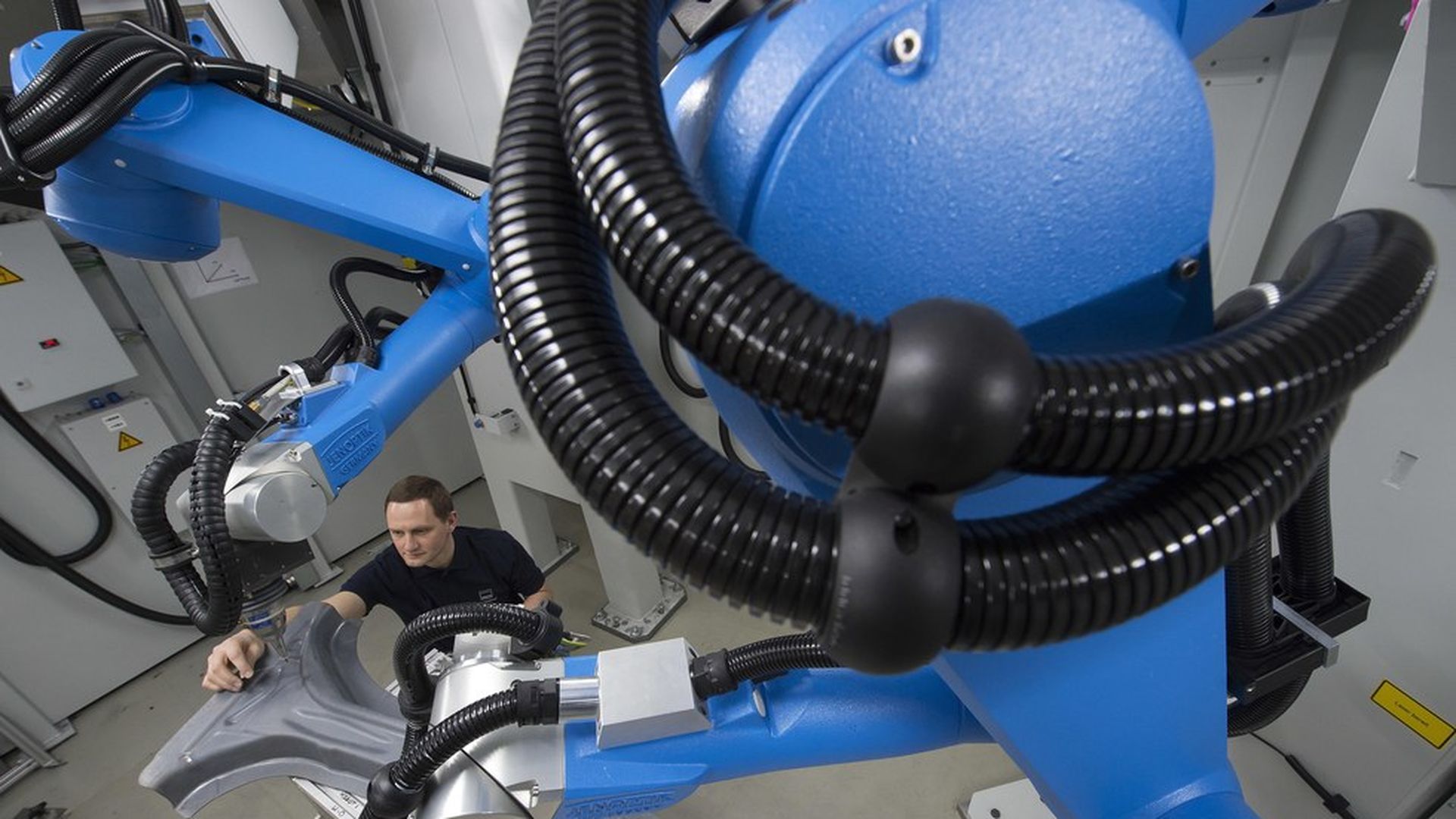
Many technologists and futurists are concerned about how artificial intelligence and automation will affect capitalism, according to a survey of more than 1,400 experts released Wednesday by the Pew Research Center.
What they found: "The trajectory of technology will overwhelm labor markets, killing more jobs than it creates," said 30 percent of those polled. But 70 percent of people were more optimistic, saying that the overall benefits of coming automation would outweigh the costs, while still expressing concerns that the costs will be high.
Why they're pessimistic: The experts argued that the coming wave of technological progress will revolutionize the economy in ways previous productivity booms haven't. They worry that even as society gets richer as a result, the social dislocations caused by too much leisure time and rising wealth inequality could be devastating.
Expect Facebook's revenue growth to slow—but not because of 'fake news'
Later today, Facebook will post its earnings for the first quarter of 2017, and expectations are mixed.
Controversies: Facebook's been grappling with the rise of "fake news" and graphic violence on its Facebook Live platform, but the controversies are unlikely to affect the company's ad business. Similarly to Google, whose revenue has been unaffected by advertiser backlash over its programmatic ads ending up on inappropriate videos, Facebook has been actively working to smooth over its image.
The bad news: Facebook's revenue growth is expected to start slowing down. The company warned us last year that it is running out of space in its service to put more adds. To be clear, Facebook's revenue will be greater than a year ago, but the growth will be slower. What's more, it historically sees a big bump in revenue in the fourth quarter, followed by a drop in revenue the following, so expect to see that again.
The better news: Though Facebook doesn't break out Instagram's numbers, the photo-sharing app has had a huge success with its take on Snapchat's Stories feature and is on the upswing. Facebook also has yet to roll out its mid-roll video ads, so it's not fully monetizing its video content yet. When it does, that should help boost its revenue.

This robot constructs buildings from moon dust, ice and dirt

A new robot designed by a research affiliate at MIT can digitally construct buildings out of local materials ranging from ice to dirt to moon dust.
Why it matters: The Digital Construction Platform (DCP) is revolutionizing construction by proving that new technology can source local energy and materials to autonomously manufacture buildings — all while adapting to local conditions. This is particularly helpful in disaster relief situations and hazardous environments.
How it works: DCP is basically a giant, solar-powered, four-ton robotic arm (that you'd typically see on an assembly line) that sits atop tank tracks. It zips around collecting data about its surroundings, like radiation levels and topography, using the sensors in its technology. The arm has a nozzle that can mix various local, viscous materials and spray them to create structures.

Elon Musk is way ahead of his time on underground driving
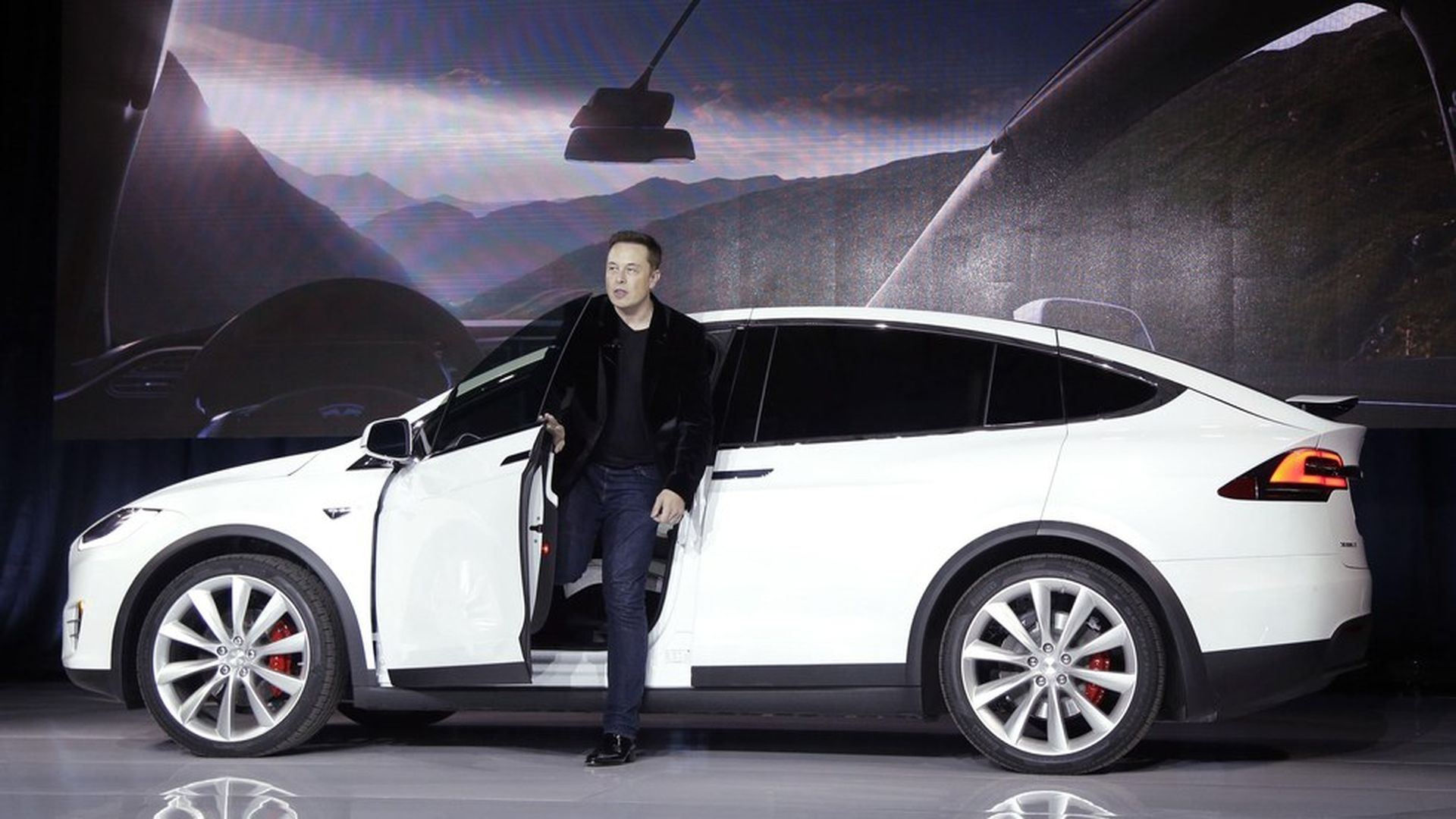
Elon Musk has dropped his latest vision on us — a future in which we avoid "soul-destroying" traffic by vanishing underground in our electric, self-driving cars, and tool through our cities within subterranean tunnels, only to pop out at our destination on the surface. Musk says such tunnels will be necessary, namely because we are about to see a massive increase in the number of cars on the road.
Not so fast: A professor at Carnegie Mellon University is pouring cold water on the idea, at least for now. Costa Samaras, informed by his work on the mile-long extension of New York's No. 7 subway line in the mid-2000s, suggests that technologists already have enough on their hands optimizing fully autonomous cars; it's getting way ahead of themselves to contemplate yet another ultra-complex concept. He told me:
Maybe let's figure out shared, fully-driverless, electric mobility first?

How Trump thinks like a journalist
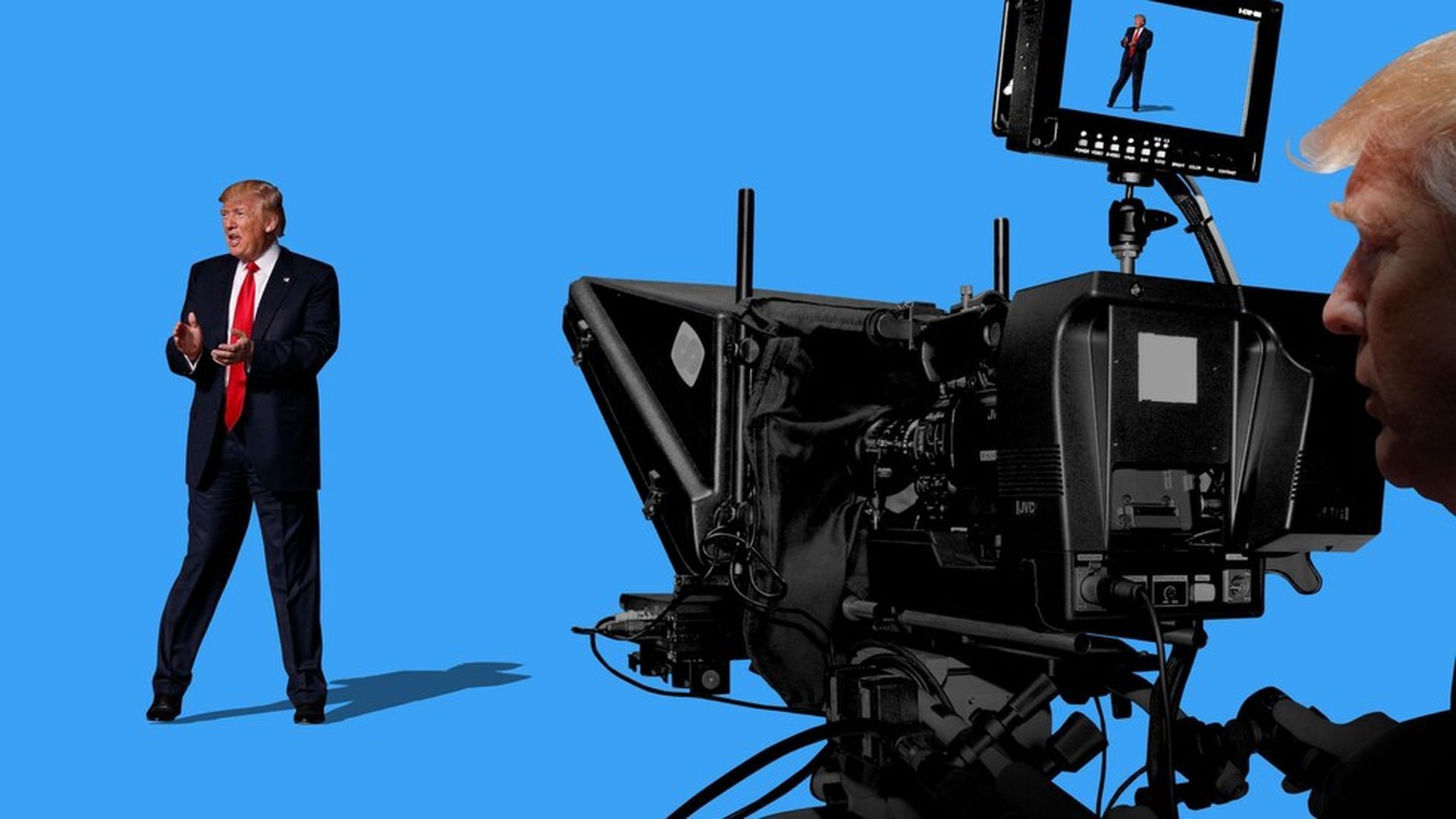
President Trump broke a lot of news in his whirlwind of 100-day interviews. But a close read of the interviews reveal a skill that helped him win the presidency: Trump instinctively understands the reporter's psychology. You see this side of Trump in his off-hand asides to the journalists interviewing him that you get when the publication publishes the full transcript, as the AP and Bloomberg did.
Why this matters: Trump's presidential victory was fueled by an understanding of media and showmanship, from the news generated by his Twitter account to his rallies being fodder for live cable television. He's been sparring with and feeding Manhattan journalists for decades and brought that skill/obsession to the White House. The 100-day interviews are the freshest examples of the flip side to his media hatred — he eats up the coverage because he's his own audience.
Federal Reserve meets as economic picture darkens
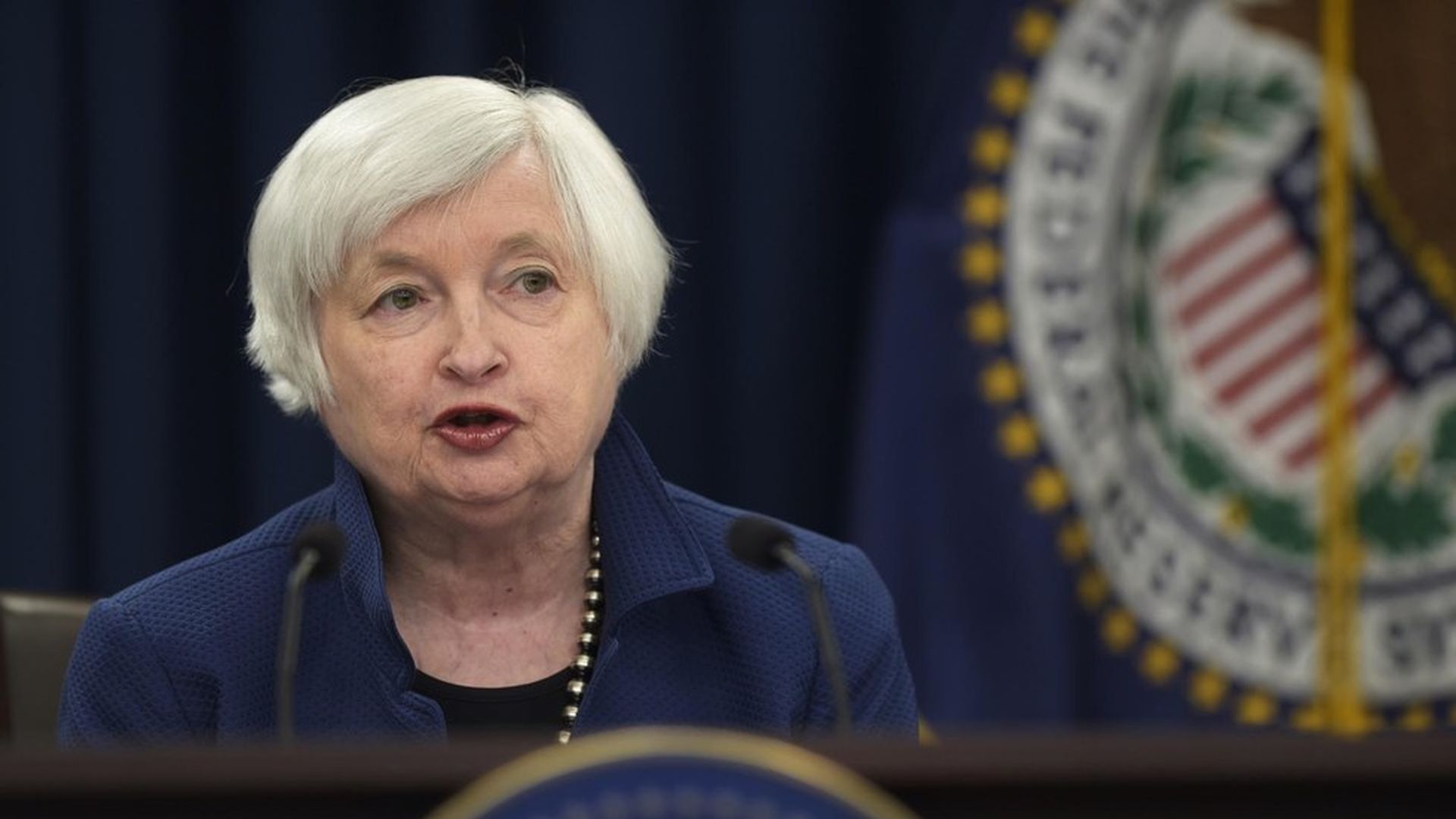
U.S. economic data have turned south just in time for the Federal Reserve to conclude its May meeting Wednesday, when Wall Street expects the central bank to maintain interests rates at between 0.75% and 1.00%. The Fed has raised interest rates twice in the last four months.
Troubling numbers: The U.S. economy grew at just 0.7% on an annualized basis in the first quarter of 2017, a sharp decline from the previous quarter's 2.1%. What's more, inflation fell for the first time in more than a year in March, while consumer spending numbers were flat.
Why Janet Yellen won't worry: Shehriyar Antia, a former Fed economist and Chief Market Strategist at Macro Insights Group, emails Axios to argue that GDP growth will recover in the second quarter. The latest numbers, he says, were depressed by seasonal adjustments from the Commerce Department. Antia blames sluggish consumer spending growth on unseasonably warm winter weather, which produced low gas prices and utility bills. He predicts that the Fed's statement, to be issued at 2 p.m. Wednesday, "will look past recent stumbles and remain upbeat." Investors should expect another rate hike next month, he said.