Peloton's stock shot up more than 13% Friday, after the company said it would lay off more people and begin "aggressive" cost cutting measures that will include store closures.
Why it matters: Peloton shot to prominence during the pandemic lockdowns, quickly becoming a poster child of the stay-at-home rally among technology stocks.
With that effect long gone, the company is now in the midst of a turnaround strategy: In the past year it's already replaced its CEO and laid off at least 2,800 people.
Details: Peloton is now cutting approximately 780 jobs in areas including delivery, and customer support, CNBC and Bloomberg first reported.
At the same time, CEO Barry McCarthy wrote in a company memo reviewed by Axios that the company will continue to recruit for people in "key" roles such as software engineering.
The big picture: Peloton has admitted to being overly optimistic about how many people were interested in its products and services.
The fitness equipment maker and platform has been facing an inventory glut, as consumer demand diminished after the height of the pandemic.
The brand has halted production of its bikes and treadmills, canceled plans to open a manufacturing facility, and outsourced delivery and logistics of its products.
What to watch: The company is also reversing its April decision to cut the price of some of its products in an effort to generate free cash flow.
The price of the Bike+ is now back to $2,495 in the United States and its Tread machine is now $3,495, a $650 increase from its initial price.
The changes are designed to "maintain [Peloton's] position as the undisputed premium brand in the Connected Fitness category," McCarthy wrote.
Our thought bubble: Most people who wanted a Peloton likely already have one. To try to sell the equipment now to new customers, when they are like now also more interested in spending on experiences than goods, seems like yet another uphill battle.
Read the email that Peloton CEO Barry McCarthy shared with the company:
Trader Joe's workers in downtown Minneapolis on Friday voted to unionize, marking the second victory for Trader Joe's United in less than three weeks, HuffPost reports.
The big picture: A Massachusetts Trader Joe's became the first store to unionize at the end of July. These victories come as employees at other major national retailers — including Starbucks and Amazon — have voted to unionize in recent months.
Data: Gallup's State of the Global Workplace: 2022 Report; Chart: Axios Visuals
Bosses remain the top factor in job satisfaction.
"Get a bad one and you are almost guaranteed to hate your job," Gallup CEO Jon Clifton wrote as part of the company's 2022 State of the Global Workplace report.
Why it matters: A majority of workers globally (60%) say they're emotionally detached or not engaged at work. Meanwhile 19% say they're miserable or actively disengaged.
The big picture: The "great resignation" has driven high job turnover, giving workers the upper hand while making employers pull out all the stops to attract and retain talent. Companies around the world have tried to make doing work better during the pandemic, but hiring the right people remains key.
"A manager’s effect on a workplace is so significant that Gallup can predict 70% of the variance in team engagement just by getting to know the boss," says Clifton.
Plus, happier and more engaged workers can mean 23% higher profits, Clifton points out.
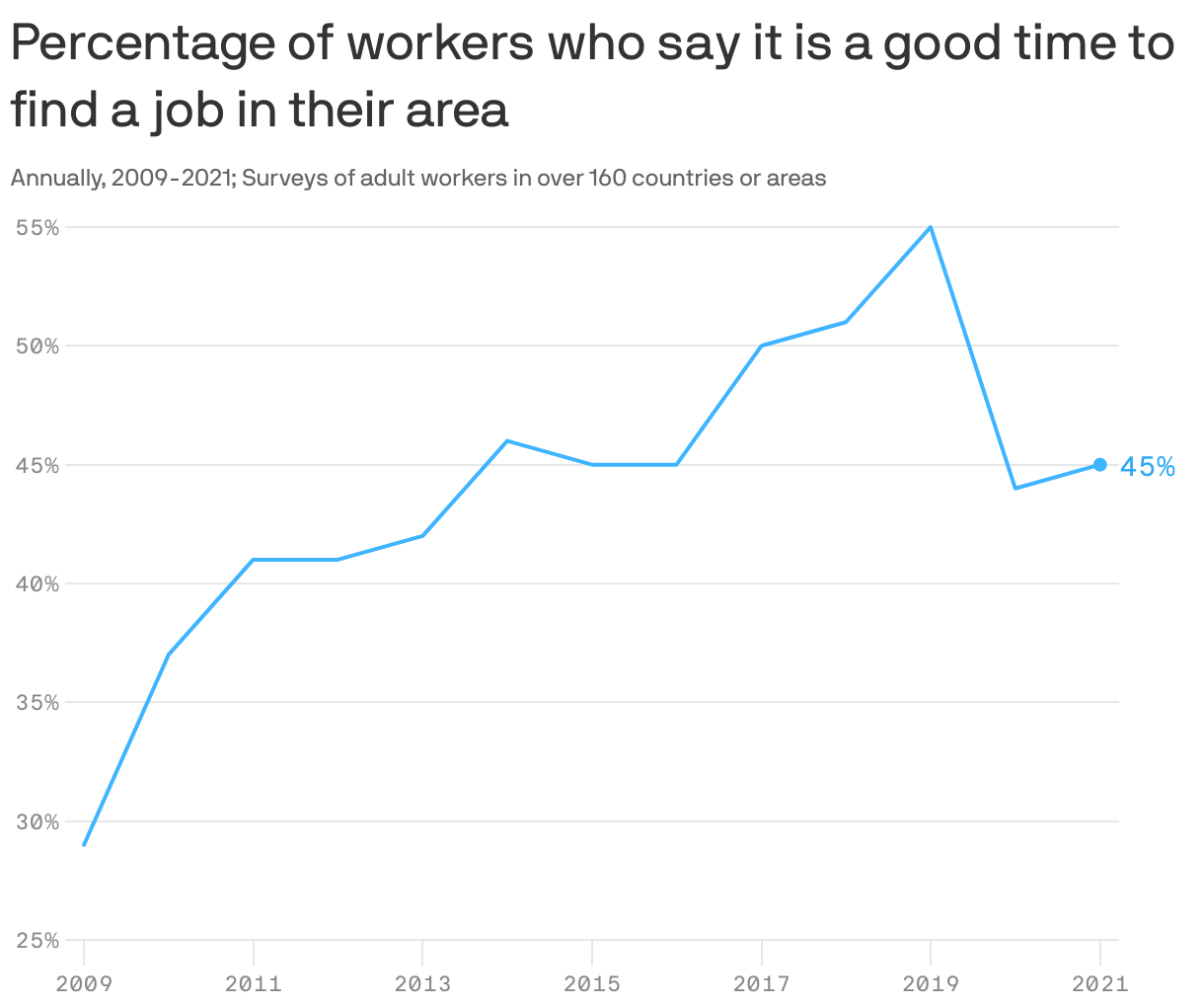
Threat level: The job market still favors workers, and 45% of workers globally say "now" is a good time to find a job, according to Gallup.
In the U.S. and Canada specifically, the percentage of workers who agree that "now [is] a good time to find a job" is at 71%.
Wall Street’s improbable summer rally has given way to scattershot yet bullish early August momentum. Still, a growing number of analysts are cautioning investors against chasing what may be a classic "suckers' rally."
Driving the news: Tentative signs that inflation is moderating has fanned hopes of a soft economic landing, even as the Federal Reserve shows no signs of relenting on its tightening campaign.
Lyons Magnus has expanded its voluntary recall to include 32 additional nutritional and beverage products due to potential microbial contamination, according to a notice posted on the Food and Drug Administration website.
Why it matters: The potential contaminants — including Cronobacter sakazakii and Clostridium botulinum — could lead to symptoms including fever, vomiting and urinary tract infection or severe food poisoning.
There's an escalating arms race in bachelor and bachelorette parties, with brides and grooms throwing ever-more-elaborate blowouts — and guests shelling out more money (and sometimes regretting it).
Why it matters: Inflation, higher airfares and the pressure to stage Instagram-worthy celebrations are driving up the cost of pre-nuptial revelry, putting social and financial pressure on young adults who already face all kinds of sticker shock.
South Korea's president on Friday pardoned Jay Y. Lee, Samsung Electronics' de facto leader who served 18 months in prison after being convicted of bribery and embezzlement.
Why it matters: The pardon will enable Lee, the grandson of Samsung's founder, to formally take the helm of the electronics giant at a critical moment as South Korea's government seeks to recover the country's pandemic-hit economy in the face of surging inflation.
New Zealand has welcomed back the first cruise ship since the country closed its borders in March 2020 as the COVID-19 pandemic spread.
The big picture: Tourism Minister Stuart Nash said in a statement that the arrival in Auckland of Carnival Australia's Pacific Explorer cruise ship carrying some 2,000 passengers and crew was "another boost for local communities" after the government dropped pandemic restrictions at the border earlier this month.
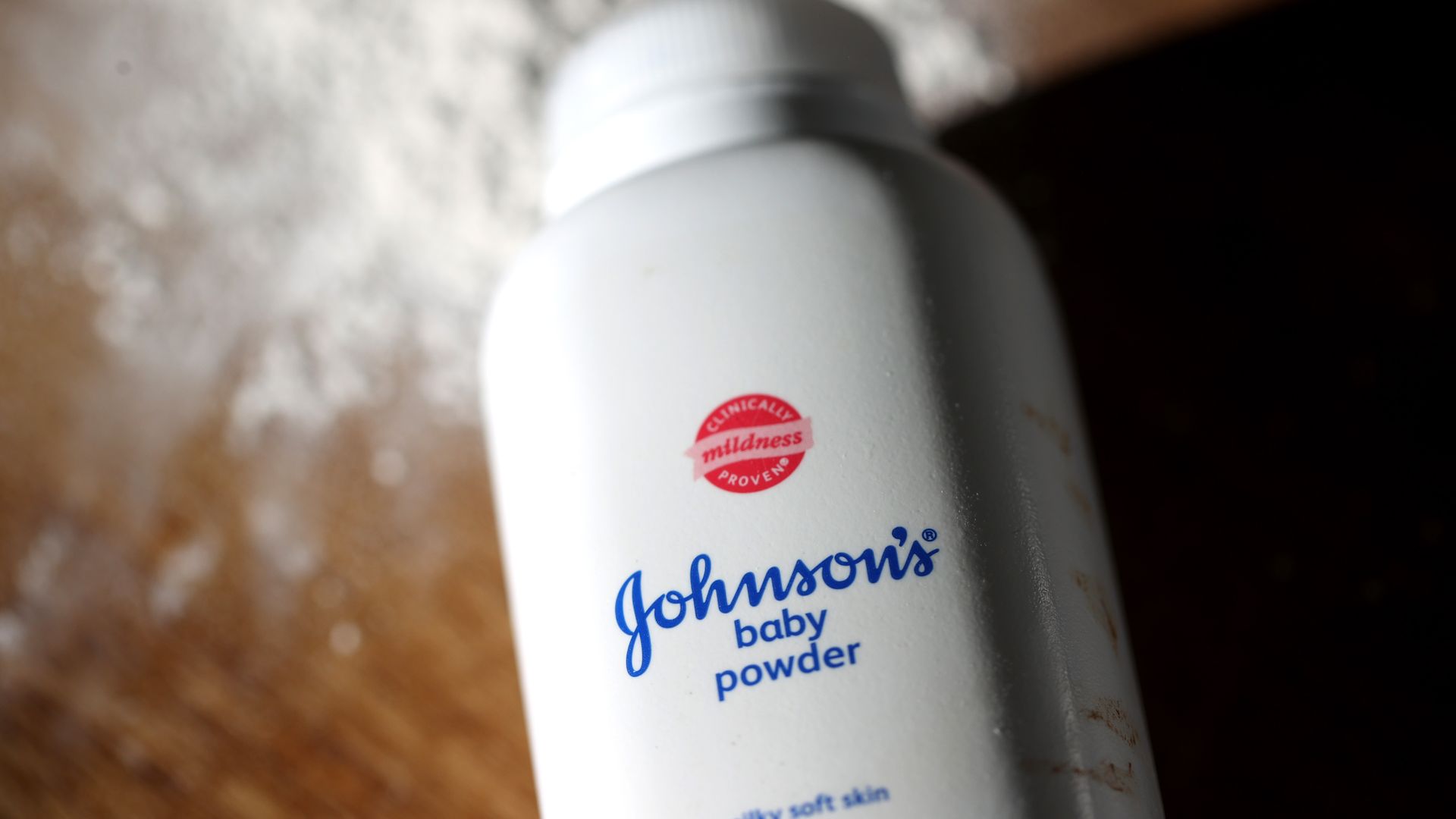
Johnson & Johnson said Thursday that it will discontinue its talc-based baby powder but insisted that the decision has nothing to do with the safety of the product, which has been accused of causing cancer.
Driving the news: J&J said it will transition to all cornstarch-based baby powder in 2023, completely phasing out talc-based powder globally after having already stopped sales in the U.S.
Pent-up demand for real world fun took business away from companies that crank out digital gaming.
Why it matters: The slowdown is expected to continue as consumers continue to adjust how they spend amid high inflation and worries of economic slow downs, industry leaders warn.
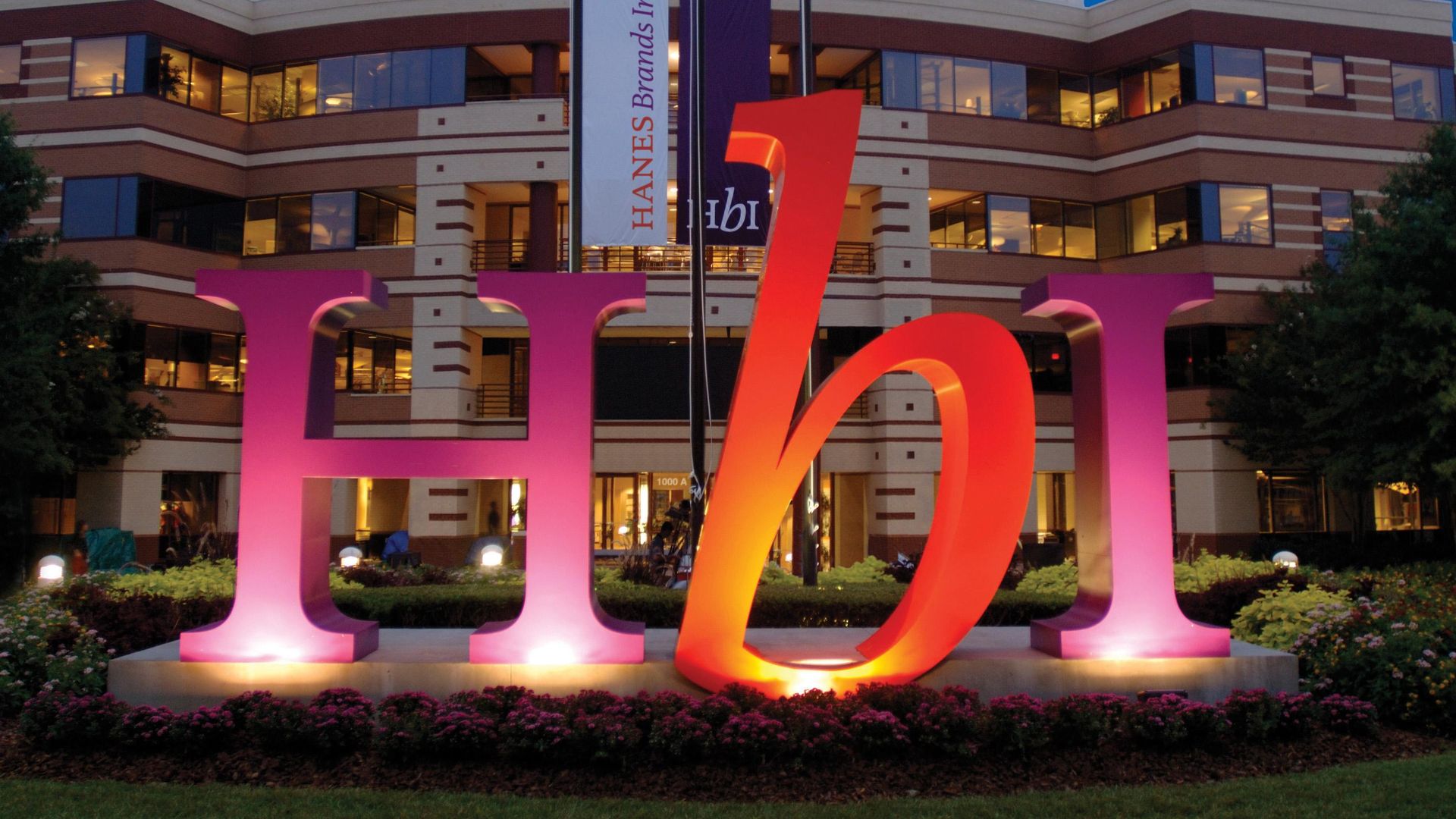
HanesBrands suffered a $100 million blow from a ransomware attack that temporarily devastated its supply chain and orders, the company said Thursday.
Why it matters: These cyber attacks pose a serious financial threat to companies in which bad actors seize control of their target's systems and then threaten to delete data, release information or refuse to relinquish control until payment is received.
The big picture: Loyalty has its perks. Free coffee, discounted meals and access to exclusive savings are up for grabs at the nation’s largest restaurant chains.
A month after raising the price of postage stamps, the United States Postal Service wants to increase the cost of shipping packages over the holidays.
The big picture: USPS is proposing temporary rate adjustments to “help cover extra handling costs” through its busiest season. If approved, the new rates will take effect on Oct. 2 and run through Jan. 22, according to a news release.
Sometimes you can say more with humor than with a polished speech or marketing spot.
Why it matters: Consumer brands, public figures and even state governments and federal agencies have embraced the riskiest communication tool of them all ... trolling.
McDonald’s said it plans to soon start a phased reopening of some of its restaurants in Kyiv and western Ukraine even as the war with Russia continues.
Why it matters: The fast-food chain, which announced in February that it would pause its operations in Ukraine because of the ongoing war, said Thursday that reopening could “support a small but important sense of normalcy.”
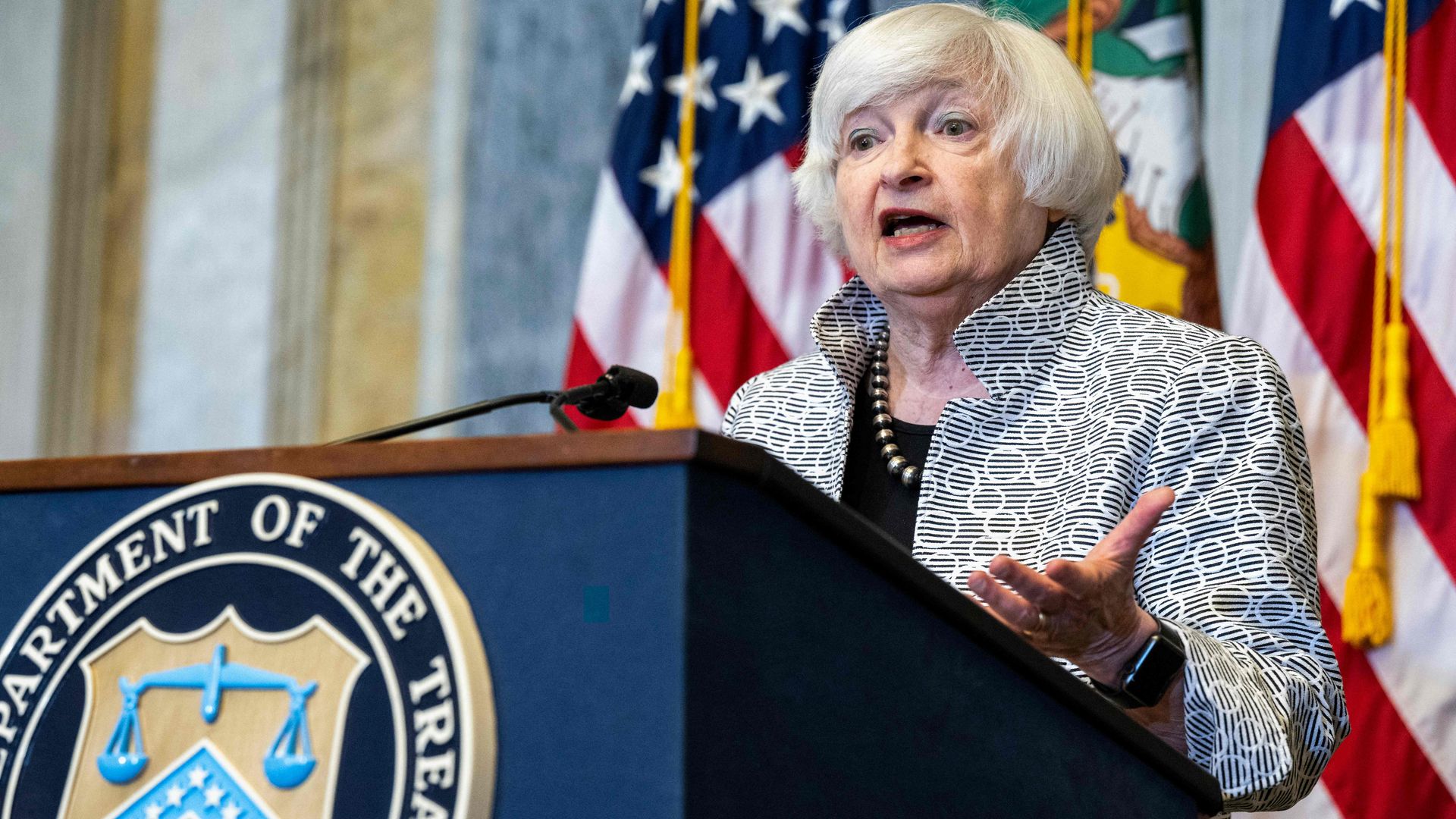
The big picture: Yellen's letter follows GOP charges that the Inflation Reduction Act, which adds about $80 billion to the IRS' budget over 10 years, will cause more audits for the middle class.
Digital asset exchange FTX has launched a web campaign to bring the public around on cryptocurrency, called "Get to Know Crypto."
Why it matters: Starting with the White House's executive order this spring, 2022 has become the year policymakers have moved beyond holding the odd hearing about the industry and actually started drafting laws. They are more likely to actually enact laws if they have informed voters.
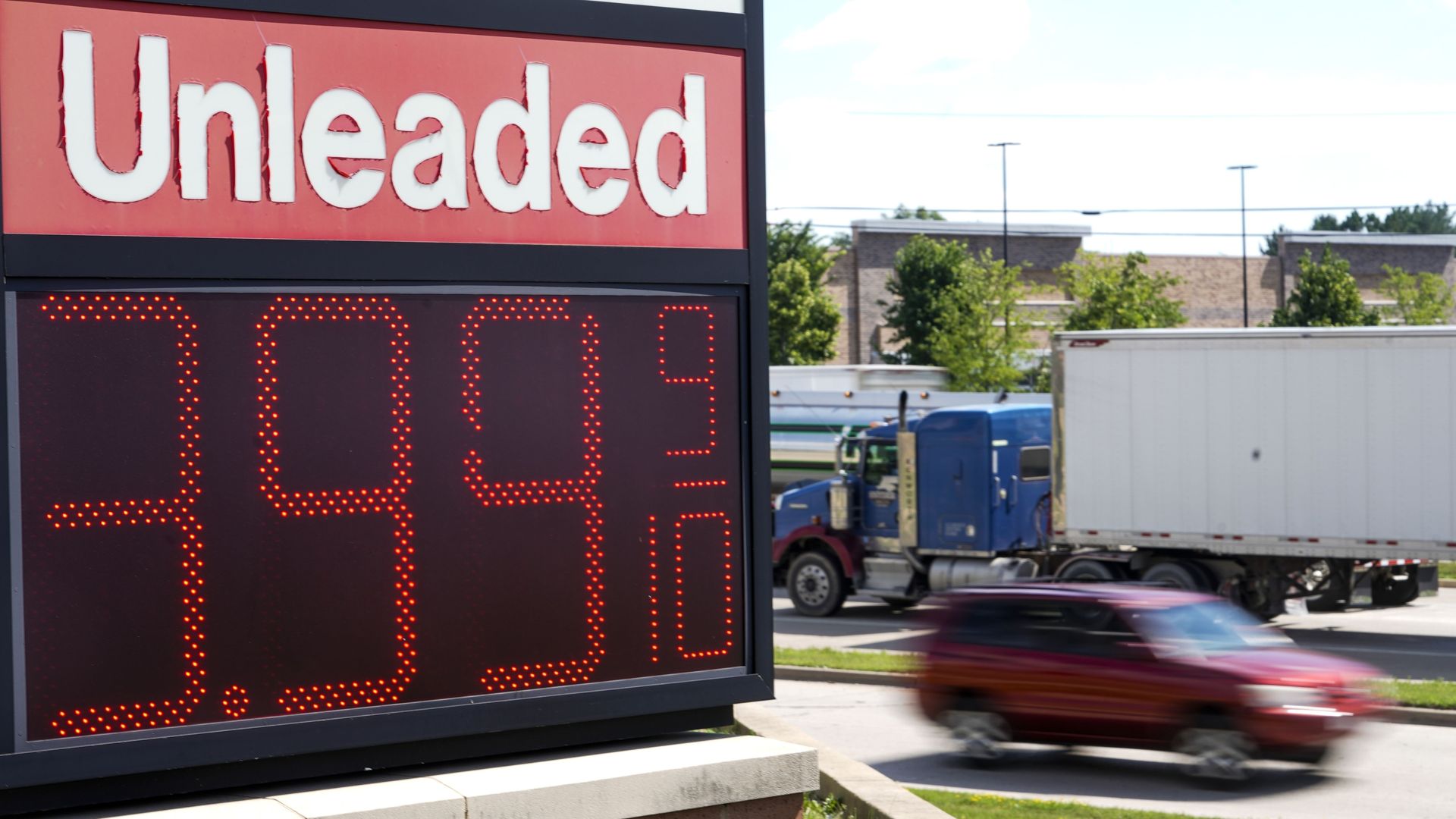
Early this morning, AAA posted the national average price of a gallon of regular gas at $3.990, dropping under the psychological barrier of $4.
Why it matters: The falling gas price is a huge relief for consumers — and for Democrats, since Republicans plan to hammer rising prices in midterm campaigns.