Netflix on Thursday said it is weighing offering a cheaper, ad-supported subscription plan over "the next year or two" in an effort to expand its subscriber base.
Why it matters: As the streaming subscription market becomes more saturated, analysts have argued that an ad-supported tier is Netflix's best option for growth.
Netflix's stock sunk more than 20% in after-hours trading Tuesday after the streaming giant said it lost 200,000 subscribers in the first quarter — its first subscriber loss in a decade. It also missed investor expectations on revenue.
Why it matters: Netflix's stock was already down more than 40% year-to-date, in large part due to increased competition and slowed user growth forecasts from Netflix for Q1.
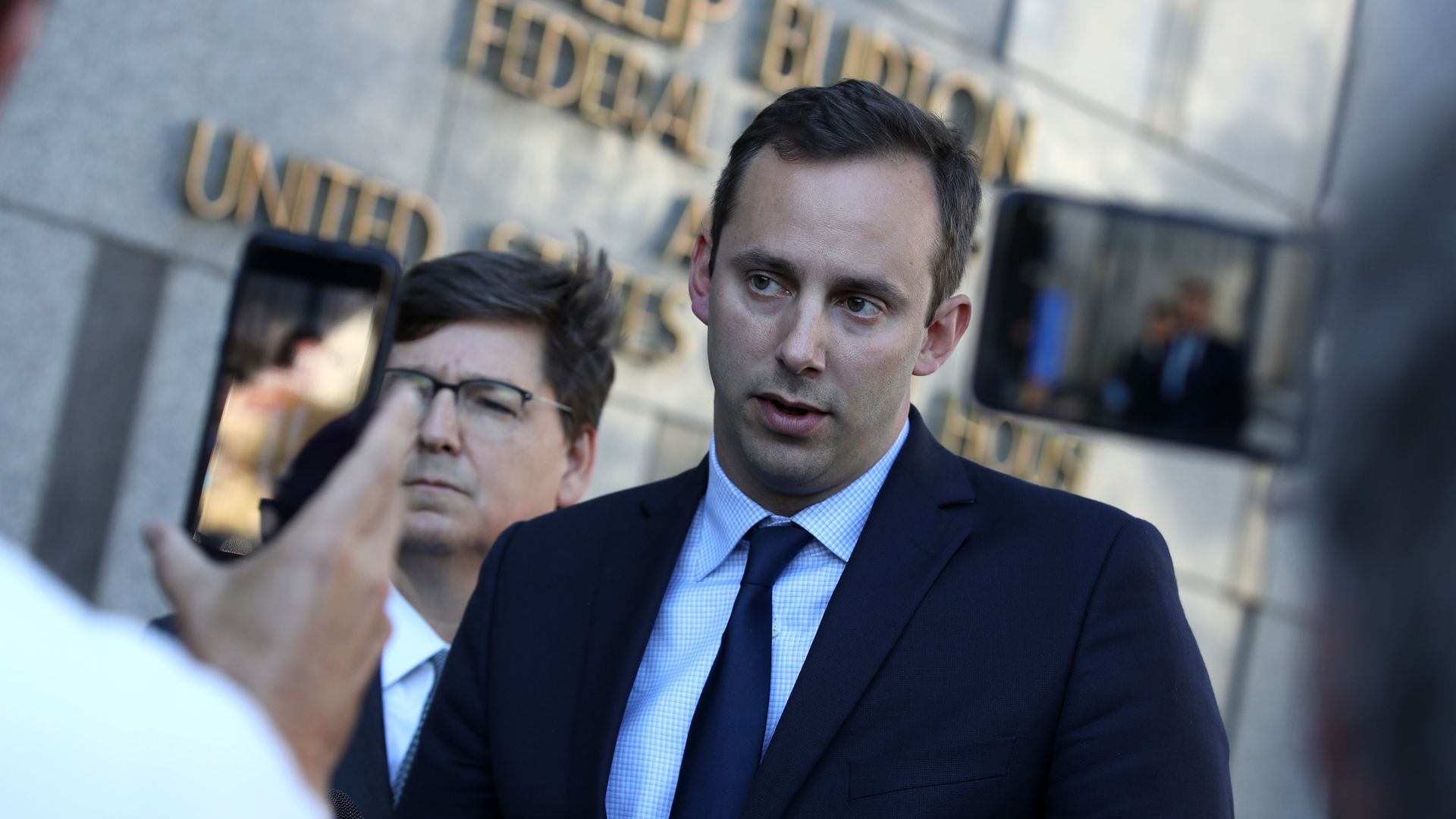
Anthony Levandowski,the former self-driving car engineer and Uber executive pardoned by President Trump after being convicted of stealing trade secrets from Google, has found venture capital backers for his new startup.
Driving the news: Pollen Mobile, a mobile carrier that leverages cryptocurrencies for rewards, raised an undisclosed amount of funding led by Slow Ventures, with DISH Wireless also participating.
Warner Bros. Discovery has suspended all external marketing spend for CNN+ and has laid off CNN's longtime chief financial officer as it weighs what to do with the subscription streaming service moving forward, five sources tell Axios.
Why it matters: Inside CNN, executives think the launch has been successful. Discovery executives disagree.
The National Audubon Society is introducing a new certification program: Cattle ranchers who can show that their ecological practices will restore bird populations will earn the designation "bird-friendly beef" for their products.
Three billion North American birds have perished since the 1970s, and global warming may push many more to the brink of extinction, per Audubon.
Audubon created a "bird-friendliness index" to evaluate conservation success in grasslands, where bird populations are particularly hard-hit.
Why it matters: Instead of making war on ranchers and encouraging people to boycott red meat, Audubon is launching its "Conservation Ranching Initiative," which it calls a "market-based conservation approach [that] offers incentives for good grassland stewardship through a certification label on beef products."
For the first time, Audubon says, consumers "can contribute to grassland conservation efforts by selectively purchasing beef from Audubon-certified farms and ranches."
What they're saying: "It’s a quietly radical move," according to The Counter, a food industry news site. "Historically, U.S. wildlife conservation efforts have focused on preserving habitat."
"But Audubon’s new strategy is specifically geared toward improving the environmental value of working lands, implying that 'nature' and 'agriculture' are not mutually exclusive entities."
The bottom line: Bird populations decline when pesticides are applied to fields, and tend to return once landscapes are "re-wilded."
"In exchange for going through the ropes, ranchers with lands certified by Audubon receive the organization’s 'raised on bird-friendly land' seal to leverage sales of their beef for environmentally conscious consumers," The Counter says.
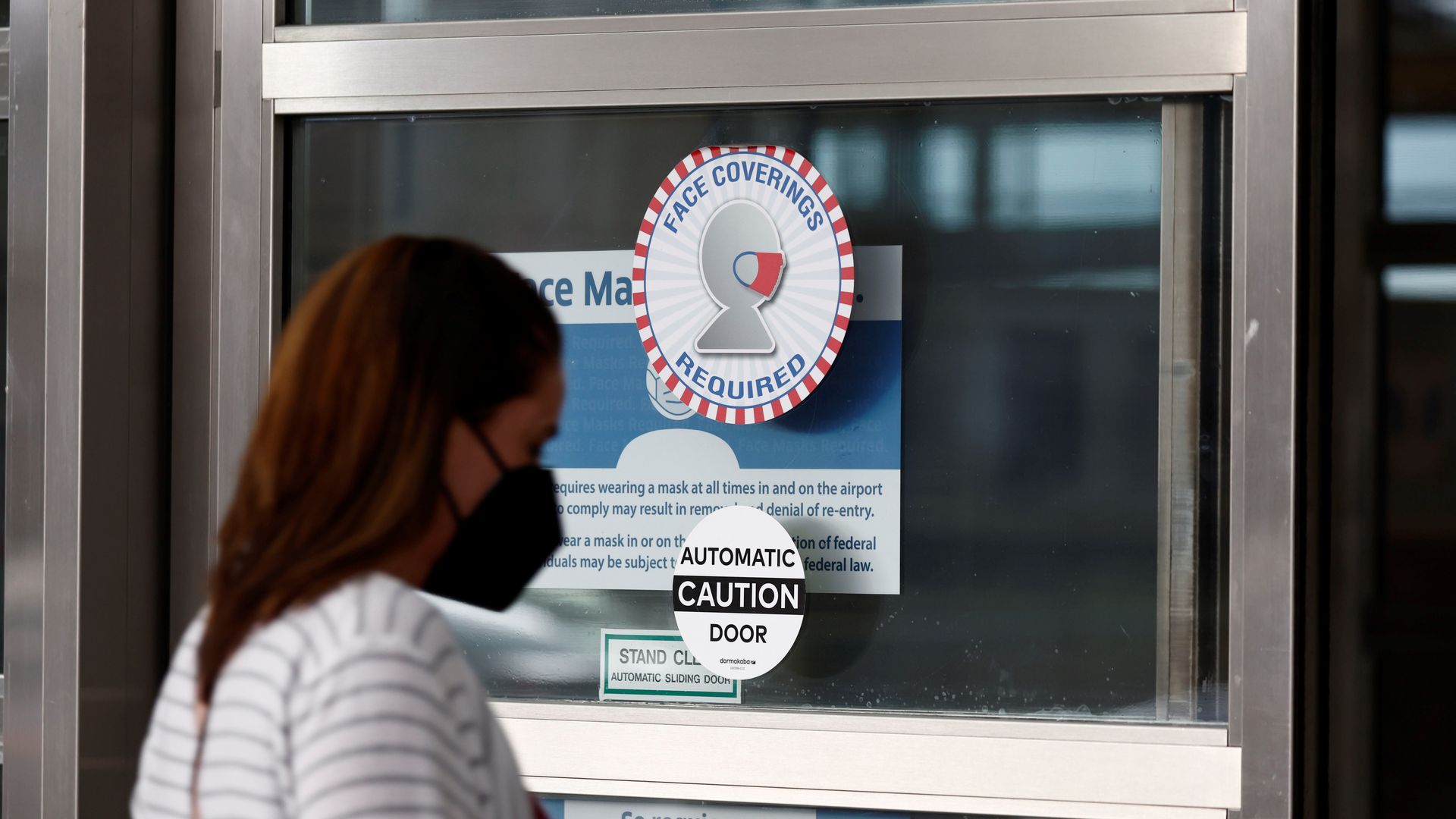
Monday's court ruling striking down the federal traveler mask mandate was met with mixed reactions as companies scrambled to respond.
Driving the news: Several airlines — including the four largest in the U.S. — Uber, Lyft and Amtrak dropped their masking requirements following the Transportation Security Administration's announcement that it will no longer enforce a mandate.
CoinDCX, an Indian cryptocurrency exchange, raised $135 million in Series D funding at a $2.15 billion post-money valuation co-led by Steadview and Pantera.
Why it matters: This comes just weeks after the implementation of India's new crypto tax rules, including a 30% capital gains tax rate and a 1% at-source tax on transactions above a certain size. Those regs have cut deep into trading volumes, particularly slowing down high-frequency plays.
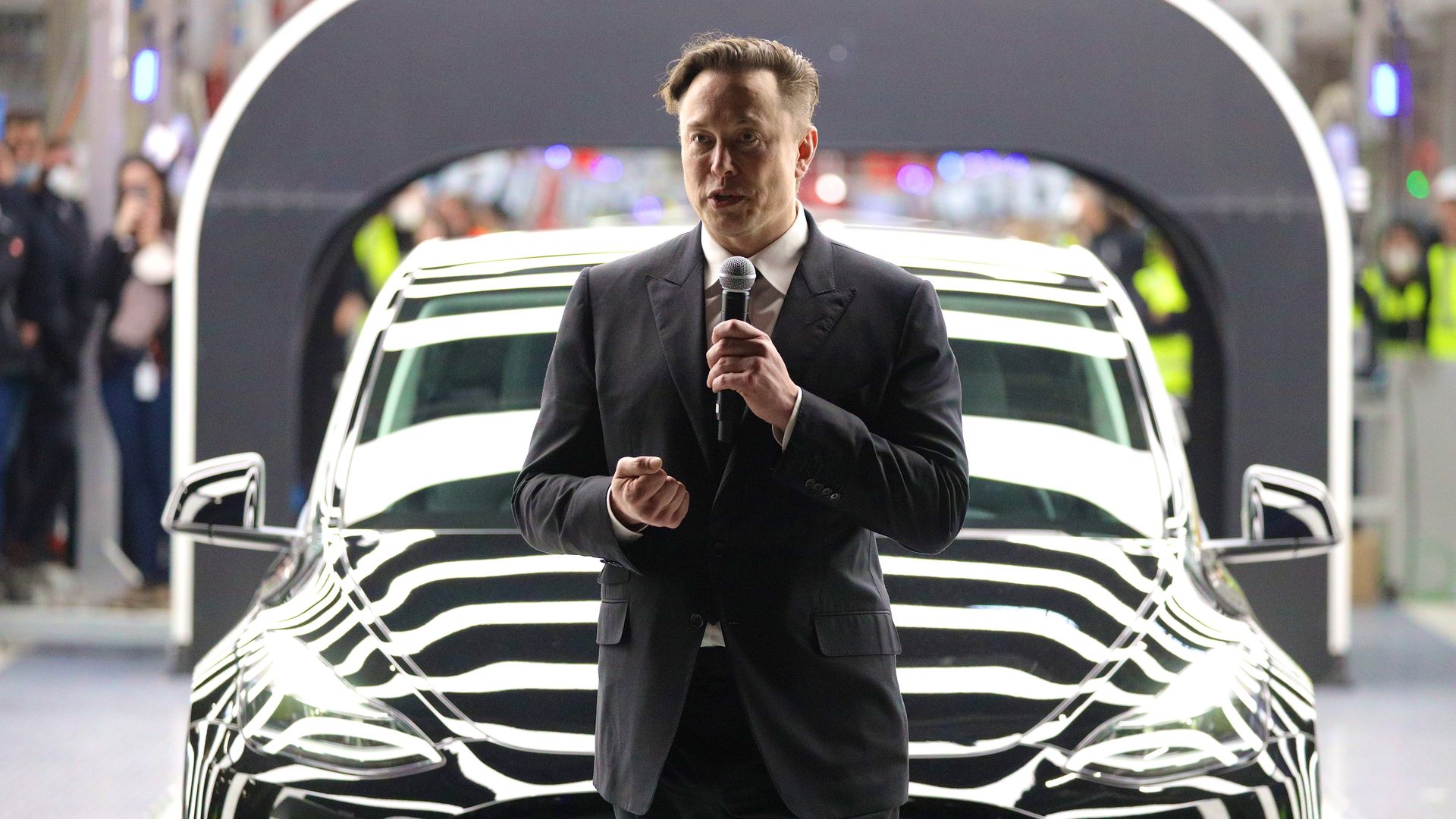
Private equity firms are kicking the tires on Twitter, either as solo efforts or as financing partners to Elon Musk.
Be smart: Of course they are. Twitter is screeching for a white knight, and Musk can't be excited about the Tesla stock sales/loans it would take to cover his own unsolicited bid. For PE to not do basic due diligence would (almost) be irresponsible.
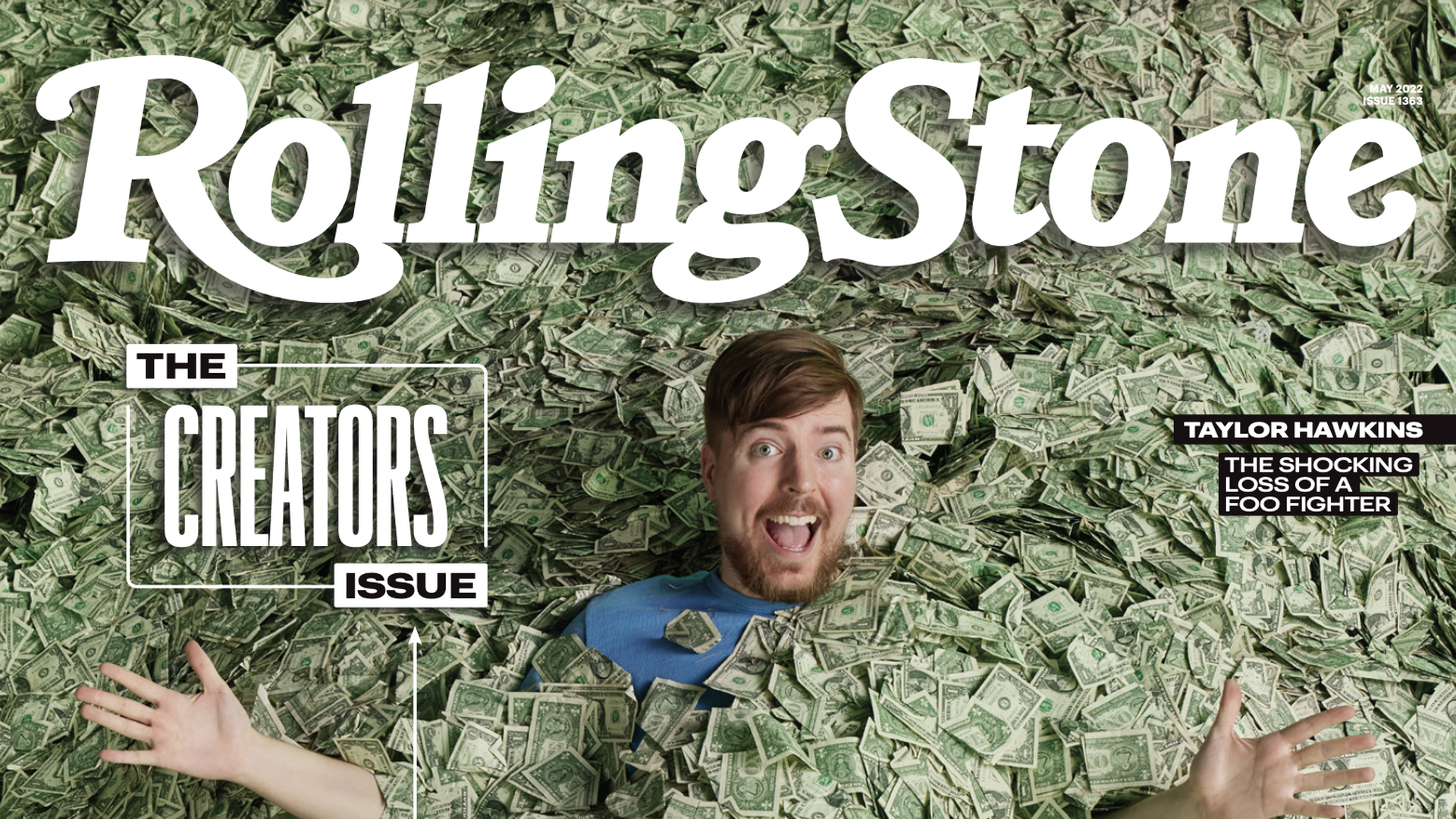
Rolling Stone will debut its inaugural "Creators" issue Tuesday, featuring the first in-depth profile of YouTube star MrBeast. A social media celebrity has never before graced the magazine's iconic cover.
Why it matters: The company, which is now fully owned by Penske Media, had its most profitable year in two decades in 2021, according to CEO Gus Wenner.
Dozens of prominent investors, entrepreneurs and cultural figures of Asian and Pacific Islander (API) descent are funding a new venture to back founders of API descent.
Details: Gold House, a nonprofit collective of API leaders, announced its Gold House Ventures fund on Tuesday, with $30 million from partners across fields.
Chipotle on Tuesday announced the creation of a $50 million venture capital fund to invest in tech startups that can help it better run its restaurants or improve the customer experience.
Between the lines: Quick-serve restaurant chains have begun experimenting with automation, including Chipotle's tortilla chip-cooking robot (Chippy) and Sweetgreen buying a startup that automates the cooking and delivery of warm and salad bowls.
The New York Times has named managing editor Joseph Kahn to succeed Dean Baquet as its next executive editor.
Why it matters: Kahn takes the reins at a critical moment in Times history. As the company looks to expand its business, it needs to figure out how to attract a more diverse set of subscribers without alienating its mostly older, progressive audience. Baquet has been leading the paper as its top editor since 2014.
A K Street powerhouse with friends in both parties is making a closed-door and, as of today, public pitch for policies that shore up fossil fuel supplies in the short term while transitioning toward clean energy over time.
Driving the news: The Business Roundtable's new energy policy "roadmap," unveiled Tuesday and provided first to Axios, comes in response to high energy prices related in part to the COVID-19 pandemic and the war in Ukraine.
Why it matters: Many are focusing on inflation and the war in Ukraine, but the path of the world economy and global financial markets this year largely hinges on China's economic and public health.
Despite a recent flurry of wage hike announcements from some big chains — and what you might have heard about a labor shortage driving up wages — the majority of workers at the nation’s largest companies still earn less than $15 an hour.
Why it matters: Since 2012, activists have fought to raise the federal minimum wage to $15, with only limited success. Inflation is eroding that number.
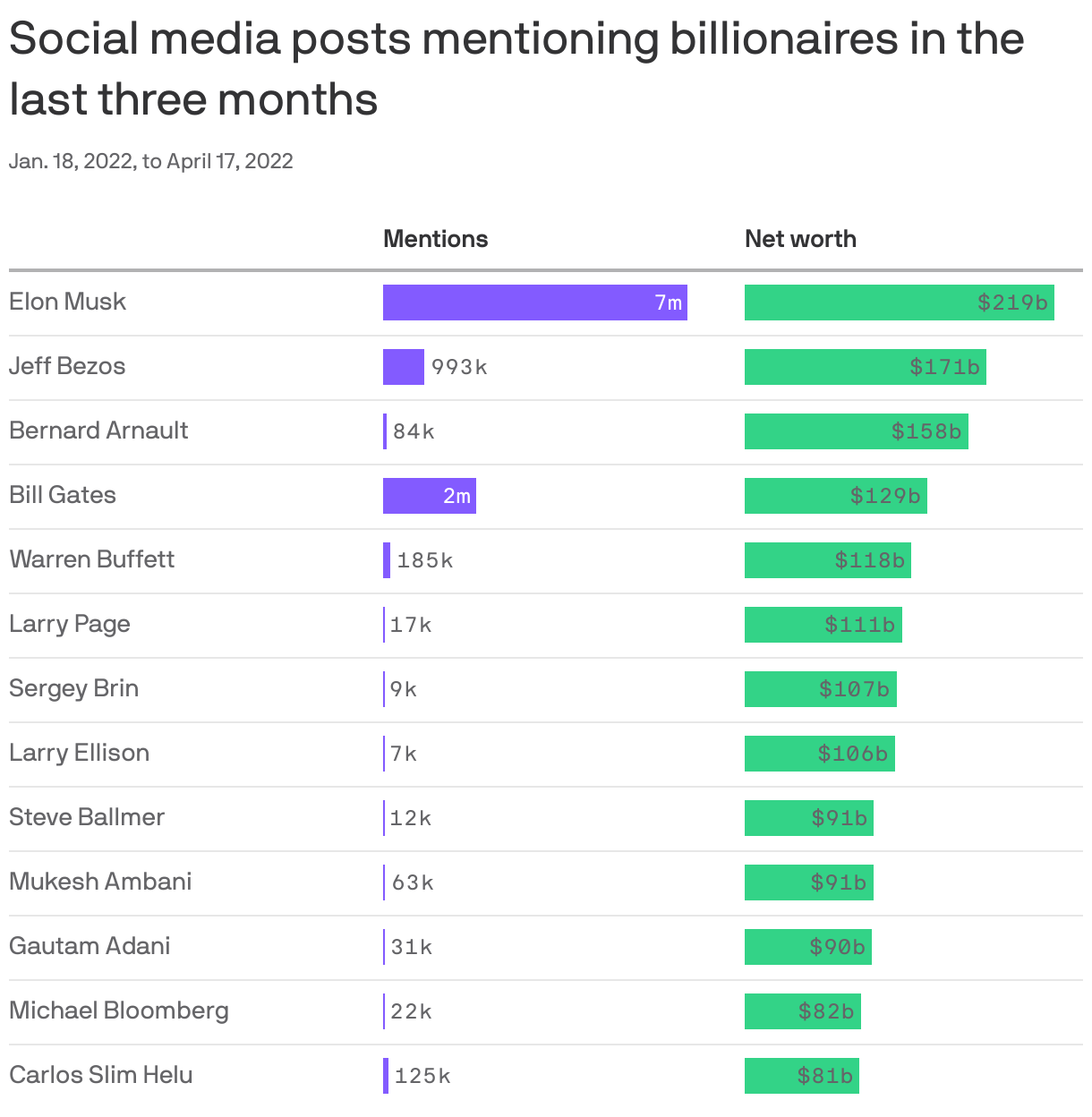
While Elon Musk makes waves by trying to bend the world to his vision, most of American's richest individuals are happy to enjoy their wealth with more anonymity.
Why it matters: America's corporate titans — from the Rockefellers to the Waltons — have long been household names. But Musk, and to an extent Jeff Bezos and Bill Gates, have hit a new level of superstardom by embarking on pursuits beyond their cash cows.
Data: Deloitte Consumer Industry Center; Chart: Baidi Wang/Axios
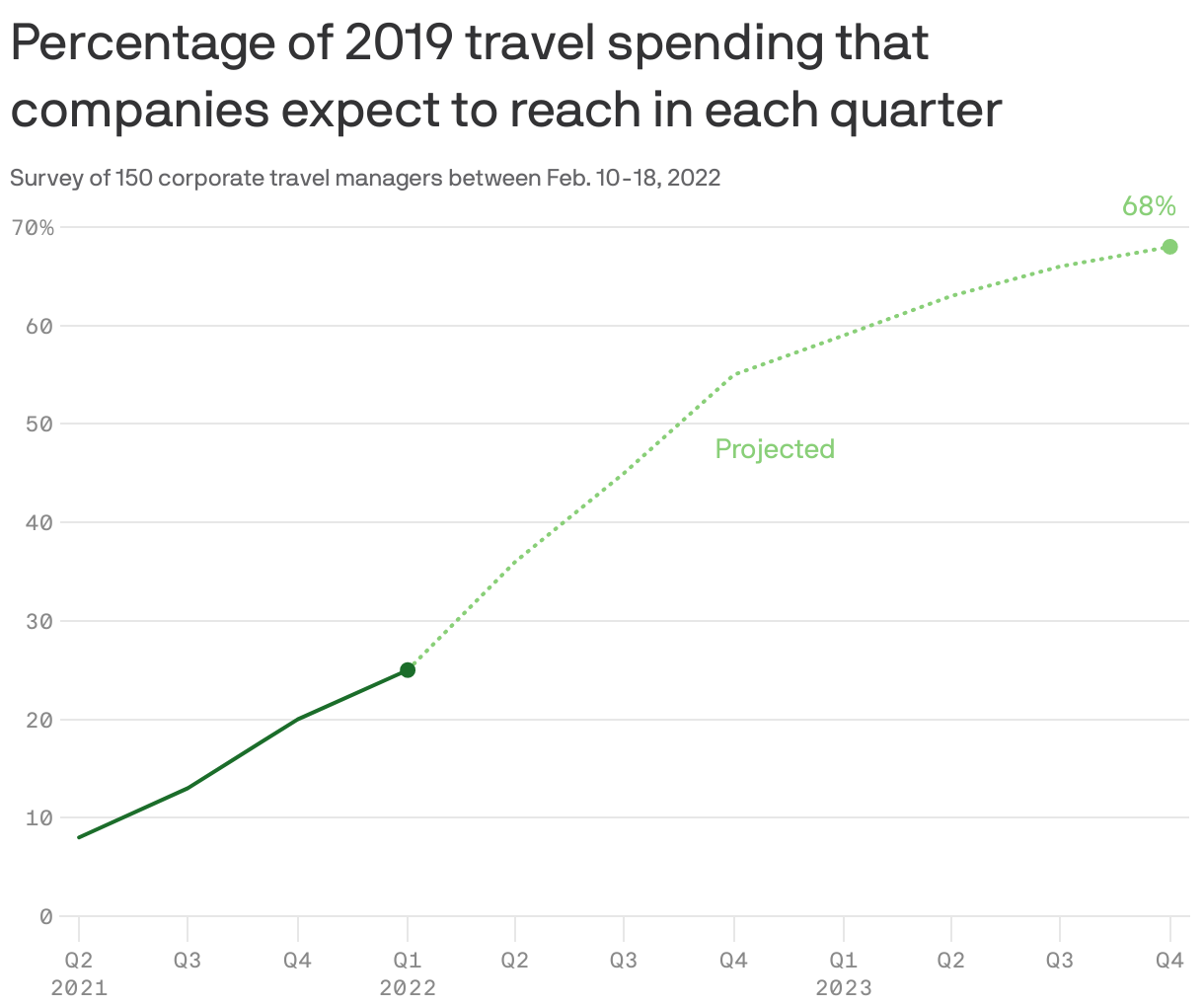
Many companies had been limiting corporate travel because of health concerns and travel restrictions. Now there are new worries about the soaring cost of travel and its impact on businesses' much ballyhooed climate commitments.
Why it matters: Unlike leisure travel, which is now roaring back, business travel is at least two years from a full recovery, according to new research from Deloitte.
Congested cities stand to benefit the most from switching to electric vehicles, yet they often have the fewest places to charge them. As EVs become increasingly available, the plug problem is finally getting more attention.
Why it matters: Transportation is the leading cause of greenhouse gas emissions in the U.S. Replacing gasoline cars with EVs could go a long way toward helping the planet.
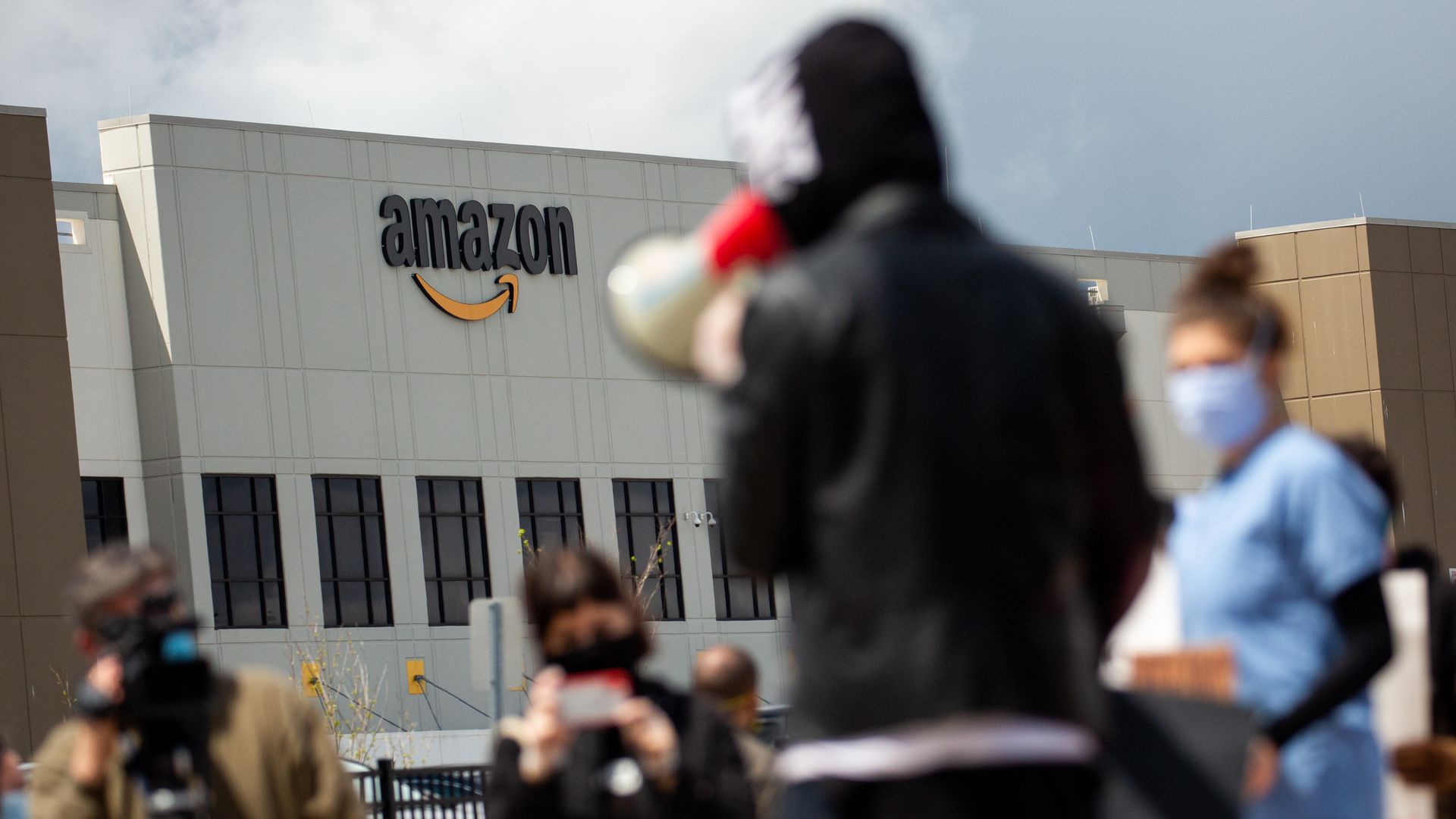
Amazon must reinstate a former warehouse worker who was fired after a protest against the e-commerce giant's working conditions at its Staten Island facility early in the pandemic, a judge ruled Monday. Amazon said it will appeal the ruling.
Why it matters: In his decision, administrative law judge Benjamin Green agreed with the National Labor Relations Board's findings that Gerald Bryson was fired for protesting safety conditions in April 2020, which he said was "unlawful." He ruled that Bryson was owed back pay for "discriminatory discharge."
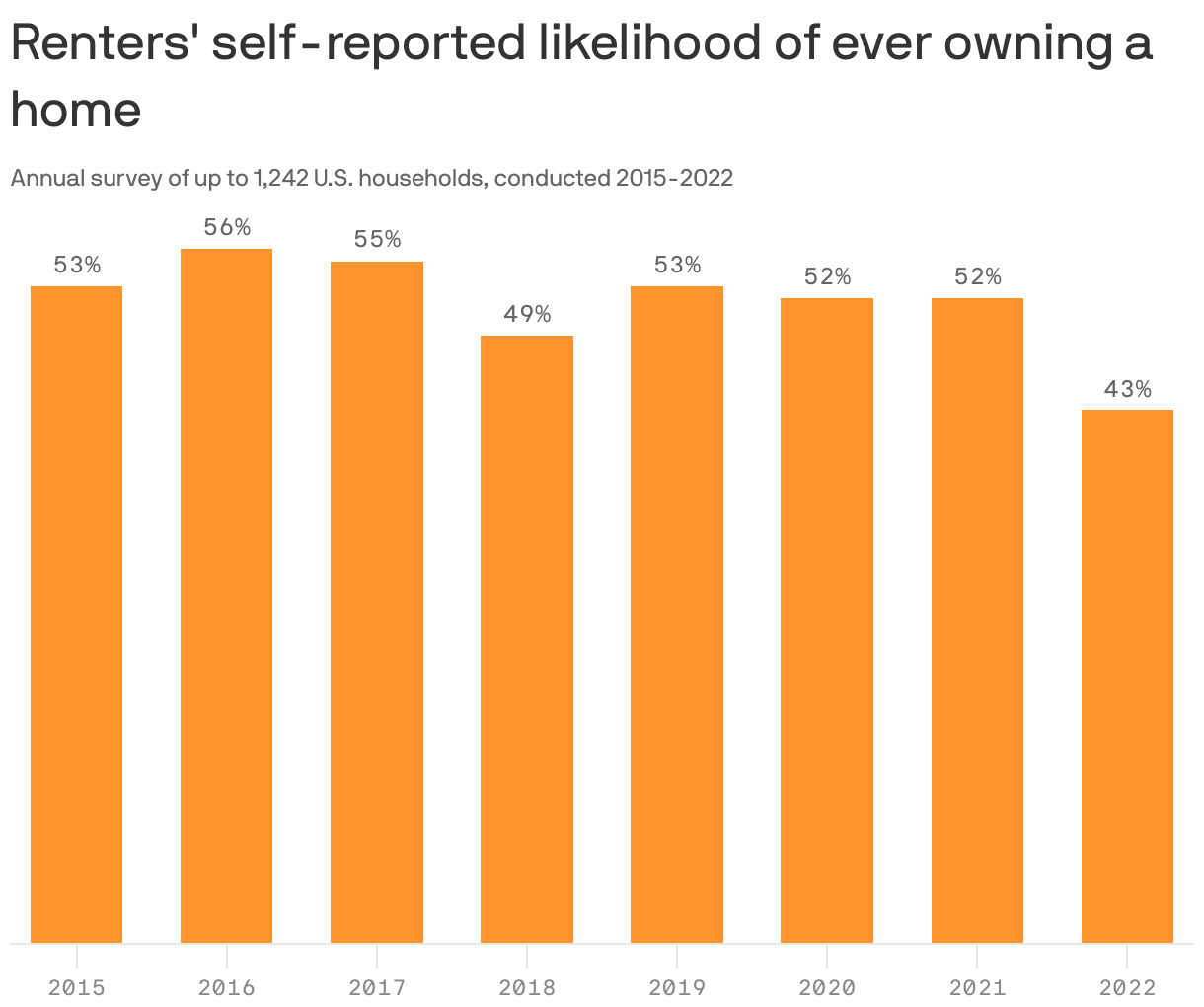
Rising home prices are dampening hopes of homeownership.
Driving the news: The majority of renters asked by the Federal Reserve Bank of New York’s 2022 SCE Housing Survey say they now either prefer to rent (36%) or are waiting for prices to come down (42%).
The U.S. Equal Employment Opportunity Commission (EEOC) has an ongoing investigation into Tesla, the electric automaker disclosed in a filing on Monday, per Bloomberg.
Driving the news: Tesla made the disclosure as it asked a judge to suspend a lawsuit filed last February by the California Department of Fair Employment and Housing (DFEH) accusing the company of systemic racial discrimination at its facilities in the state. Tesla denies the allegations and accused the DFEH of abusing its power with the suit.
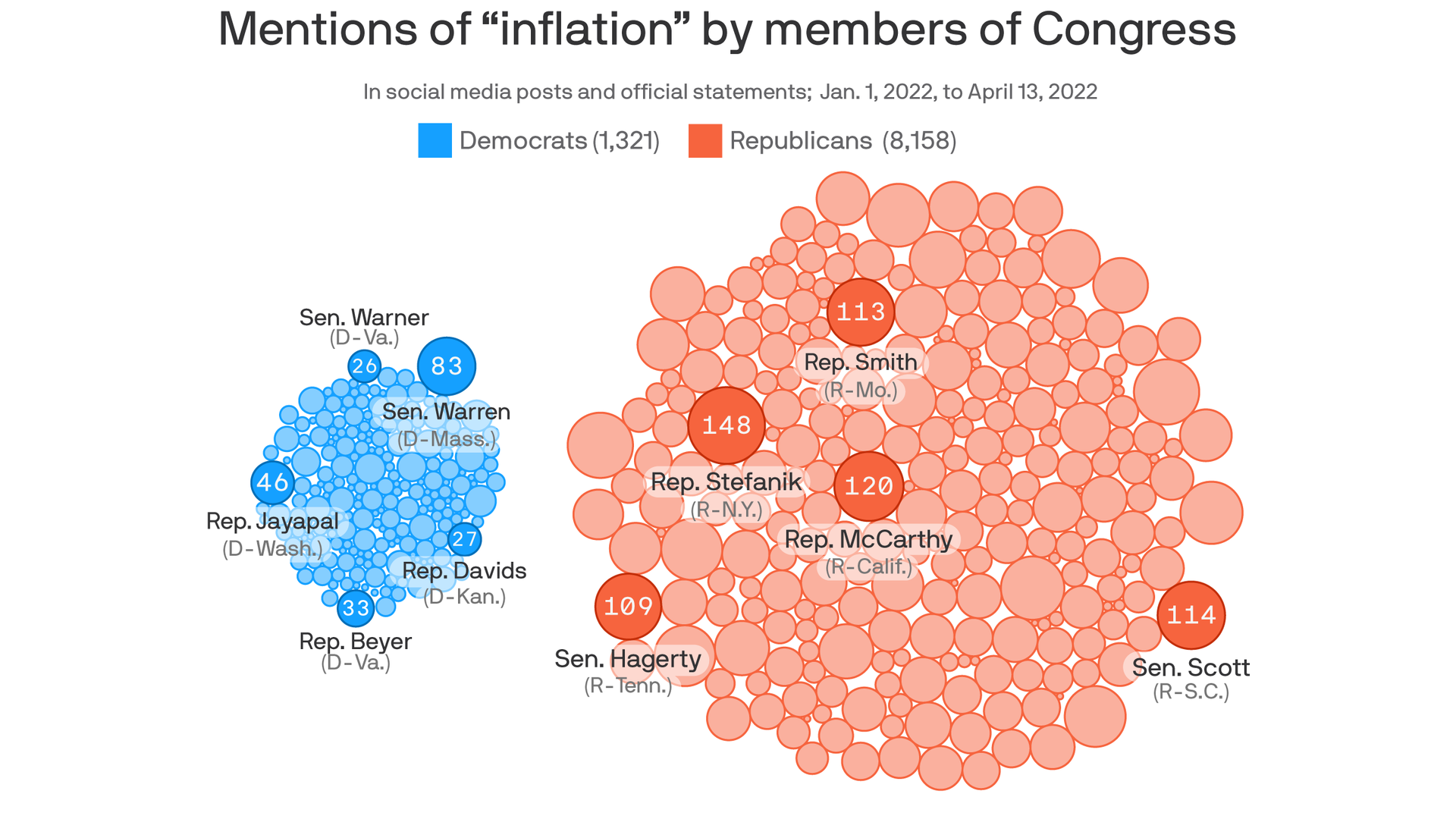
Rep. Elise Stefanik (R-N.Y.), chair of the House GOP conference, talks about inflation more than any other member of Congress — more than once a day, according to new data compiled by Quorum.
Why it matters: Since Jan. 1, 2022, Republican lawmakers have mentioned inflation six times more than their Democratic counterparts. They're focusing on it as President Biden gets hammered in the polls — and vulnerable Democrats fear getting sunk in the November midterms.

/2022/04/19/1650410183500.gif?w=3840)


/2022/04/19/1650328540569.gif?w=3840)