The shape and form of hybrid work are becoming clearer now that companies and employees have had almost two years to figure out the balance between where and how people do their jobs.
Why it matters: The percentage of remote workers in the labor force fell to its lowest level since the pandemic began — and that was before OSHA issued new vaccine rules last week.
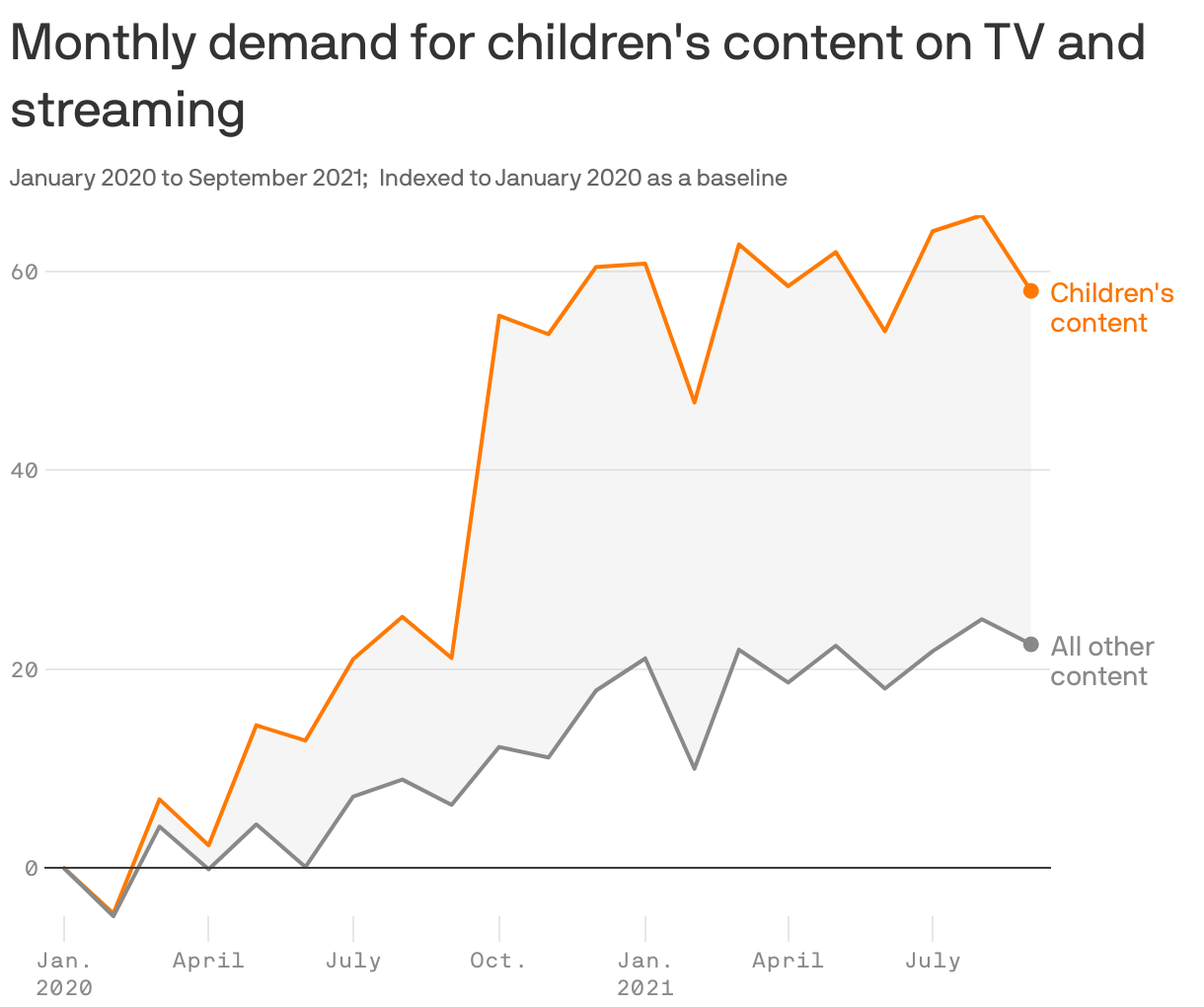
Kids and family programming deals are surging as streaming companies look to double down on content that serves a highly-engaged cohort of younger users.
Why it matters: Kids content used to be perceived as a tool to stop users from cancelling streaming accounts. Now it's a key driver for new user growth.
Meta, the parent company to Facebook, on Tuesday said that starting January 19, it will no longer allow advertisers to select terms for ad targeting related to sensitive identifying traits, such as race, ethnicity, political affiliation, religion, or sexual orientation.
Why it matters: It's one of the more dramatic moves that the social media company has taken to minimize manipulation on its platform by advertisers.
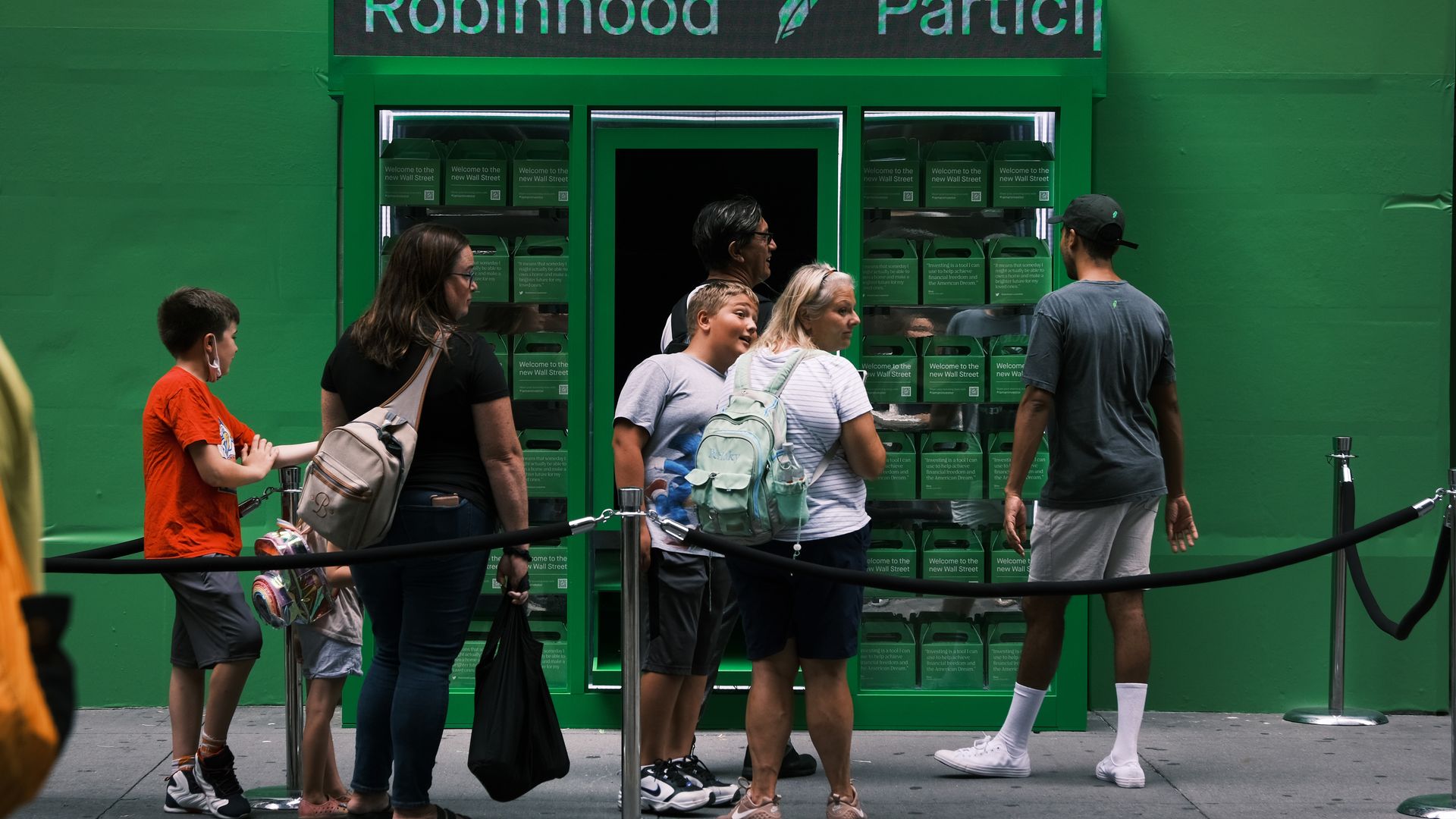
Popular trading app Robinhood said Monday that hackers gained accessed to personal information belonging to millions of its users on Nov. 3, including full names and email addresses.
Details: The trading app said it does not believe any Social Security numbers or financial information was exposed from the security breach, but the details that were disclosed could leave people vulnerable to email and phone scams and identity theft.
Adam Neumann on Tuesday spoke publicly for the first time since being ousted as CEO of WeWork more than two years ago, expressing "regret" for the employees who lost their jobs but not apologizing for making around $1 billion on his way out the door.
"It was never my intention for the company not to succeed," Neumann offered while being interviewed at the New York Times DealBook Summit, saying he was slow to recognize that the markets in 2019 had shifted from valuing revenue growth to valuing profitability.
"I can't and won't quit China." That was a prominent U.S. growth equity investor, when I asked if Beijing's business crackdown was causing him to reconsider his firm's China strategy.
Driving the news: It's the same message I've heard repeatedly over the past 24 hours, albeit not usually so pithy. My questions came after SoftBank reported a $3.5 billion third-quarter loss, plus a $54 billion dip in net asset value, that it largely pinned on China.
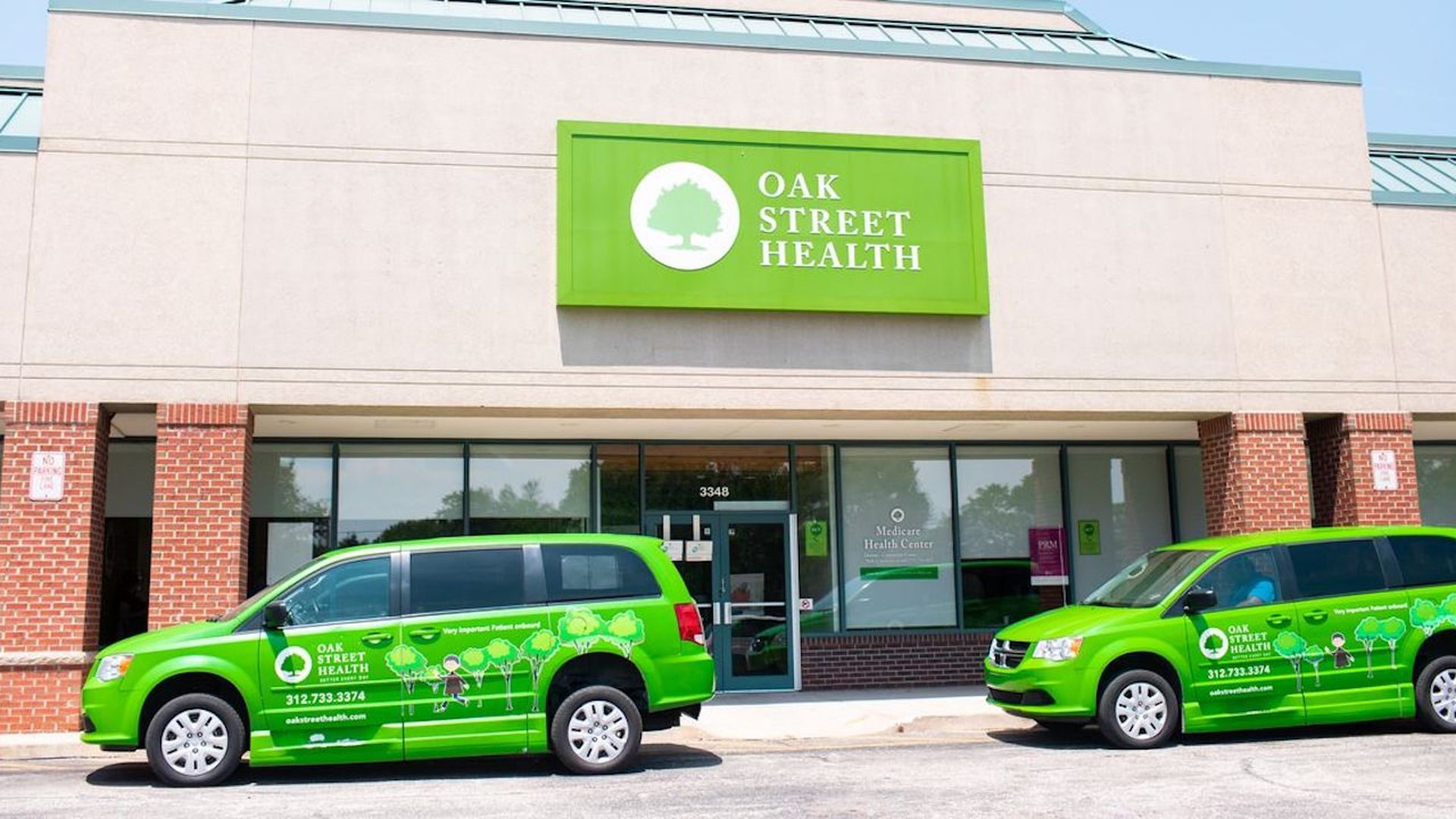
The Department of Justice is investigating Oak Street Health, the newly public chain of physician clinics that focuses on Medicare patients, over possible violations of the False Claims Act, the company disclosed in a quarterly filing.
Why it matters: Oak Street Health is one of the fastest-growing primary care groups, especially for people over 65.
The DOJ requested documents tied to Oak Street Health's "relationships with third-party marketing agents" and "free transportation" provided to its patients, according to the filing.
Hospitals are charging private health insurers "considerable markups" on highly used outpatient drugs like Remicade, Neulasta and Keytruda, according to a new study in JAMA Internal Medicine.
Why it matters: Depending on the drug, insurers are paying hospitals several times what Medicare pays, and that ultimately flows through to workers' insurance premiums.
OpenWeb, a platform used by publishers to manage comments and user interactions, has raised $150 million in a series E financing round that values the company at $1.1 billion, its CEO and co-founder Nadav Shoval tells Axios.
Why it matters: OpenWeb's growth is driven by a realization from publishers that building direct relationships with their audiences online is a stronger value proposition long-term than being reliant on social media and search giants.
For airlines, one of the biggest remaining pieces of the recovery puzzle just fell into place — the ban that had killed most international travel lifted on Monday.
State of play: Stocks backing the U.S. airlines that most actively serve international markets — American, Delta and United — have surged by 13%-16% since President Biden signed the order on Oct. 25.
With 2021 soon in the rearview, the economic tumult of 2020 is looking more and more like a faded “scar,” J.P. Morgan Asset Management's team told reporters on Monday.
Why it matters: “Bold” and coordinated fiscal and monetary policies not only helped soften the pandemic’s blow — they also set up conditions for more corporate and economic growth, they said.
Why it matters: The planned split of the once industrial powerhouse comes after years of seeing its stock underperform and the buildup of high levels of debt.
The pandemic has brought a swell of interest in classic, vintage and exotic cars, particularly among people with spare cash and a desire for COVID-safe driving adventures.
Why it matters: While electric vehicles are often viewed as the future, combustion engines will be with us for now — and vintage cars can be a good investment vehicle in an era of low interest rates.
Health insurance companies that are licensed by the Blue Cross Blue Shield Association face steep financial penalties from that organization if they merge with a competitor that doesn't sell BCBS insurance.
Why it matters: Blue Cross Blue Shield is one of the most recognizable health insurance names in the country, and the powerful association behind that brand wants to keep its dominance in local markets.
Four astronauts on the SpaceX Crew-2 mission splashed down in the Gulf of Mexico near Pensacola, Florida, Monday night after a six-month stay on the International Space Station.
The big picture: The return of NASA's Shane Kimbrough and Megan McArthur, Japanese astronaut Akihiko Hoshide and the European Space Agency's Thomas Pesquet comes ahead of another SpaceX launch to the ISS of four more crew members that's scheduled for Wednesday.
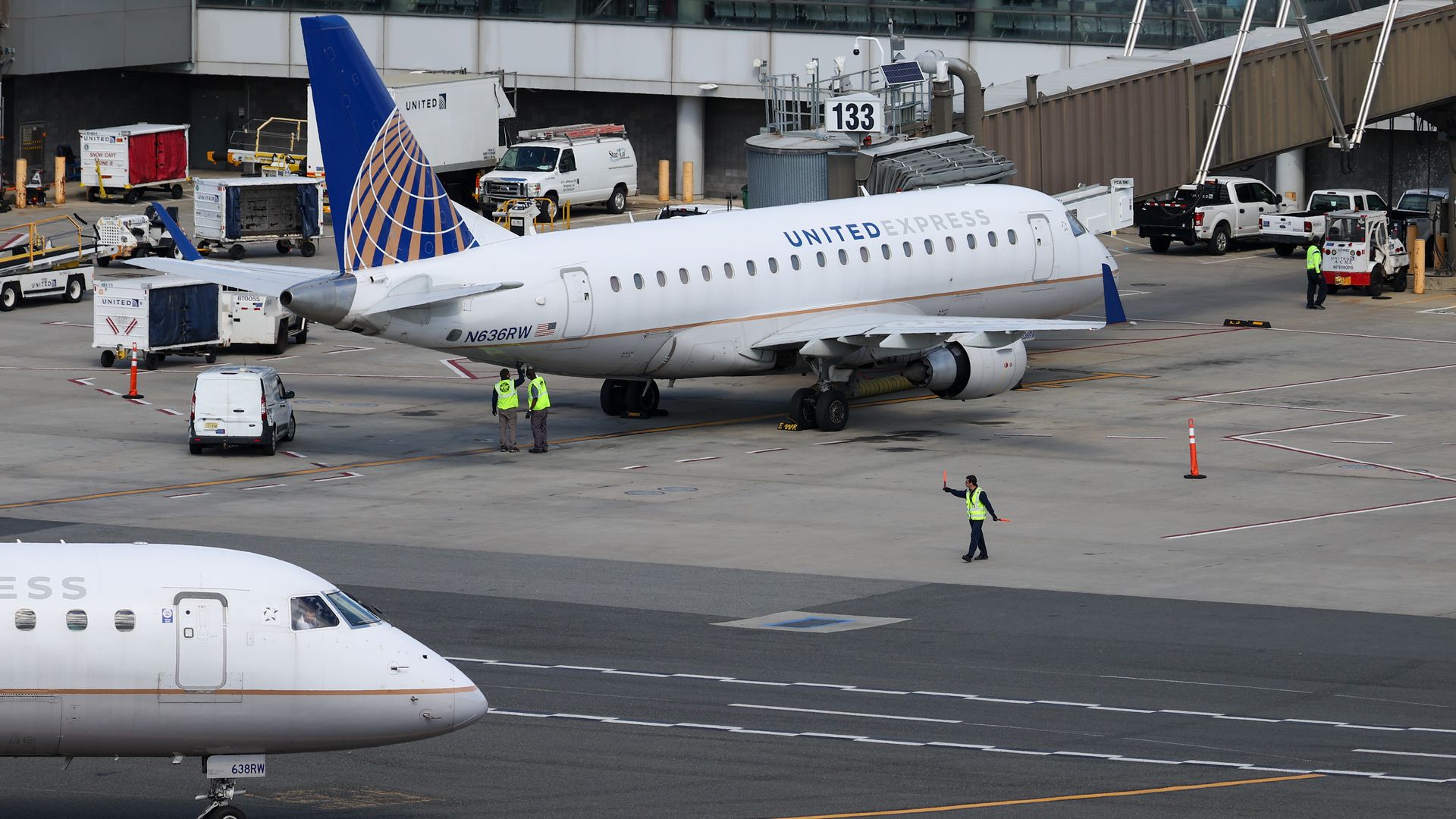
United Airlines can uphold its COVID-19 vaccine mandate that places on unpaid leave employees who have been granted a medical or religious exemption, a federal judge ruled Monday, per Reuters.
Details: U.S. District Judge Mark Pittman noted in his ruling in Fort Worth, Texas, that it was a human resources matter and that no airline staff member was required to get the vaccine, according to Reuters.











/2021/11/09/1636461480995.gif?w=3840)