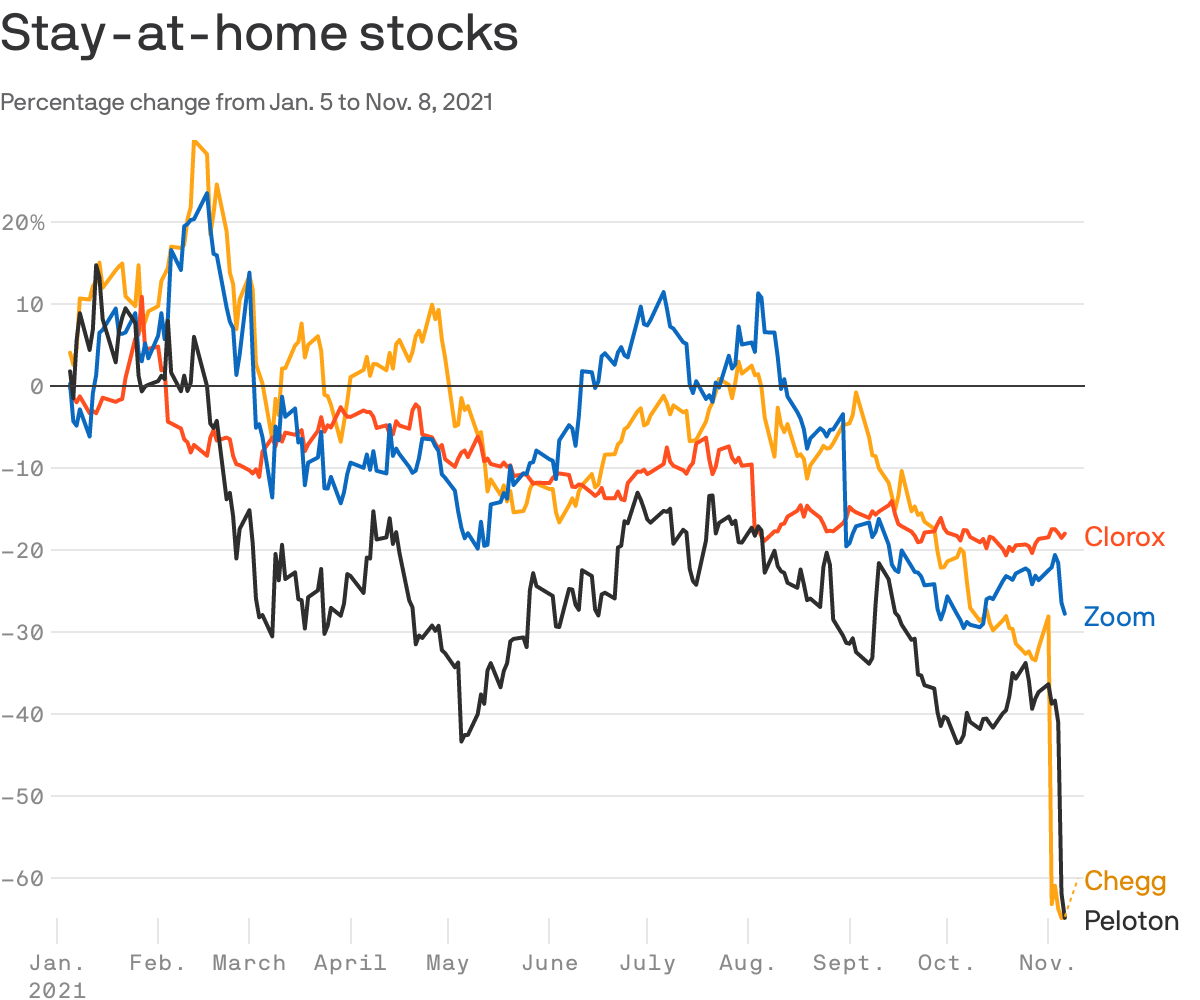
Stocks are at all-time highs. Onetime pandemic-era winners are moving sharply in the other direction.
Why it matters: Stocks move for all types of reasons. But the declines reflect a shift that's sticking: At-home workouts and remote learning are out. Travel and gyms are in.
The U.S. reopened its land and air borders Monday for nonessential travel to visitors from over 30 countries who are fully vaccinated against COVID-19.
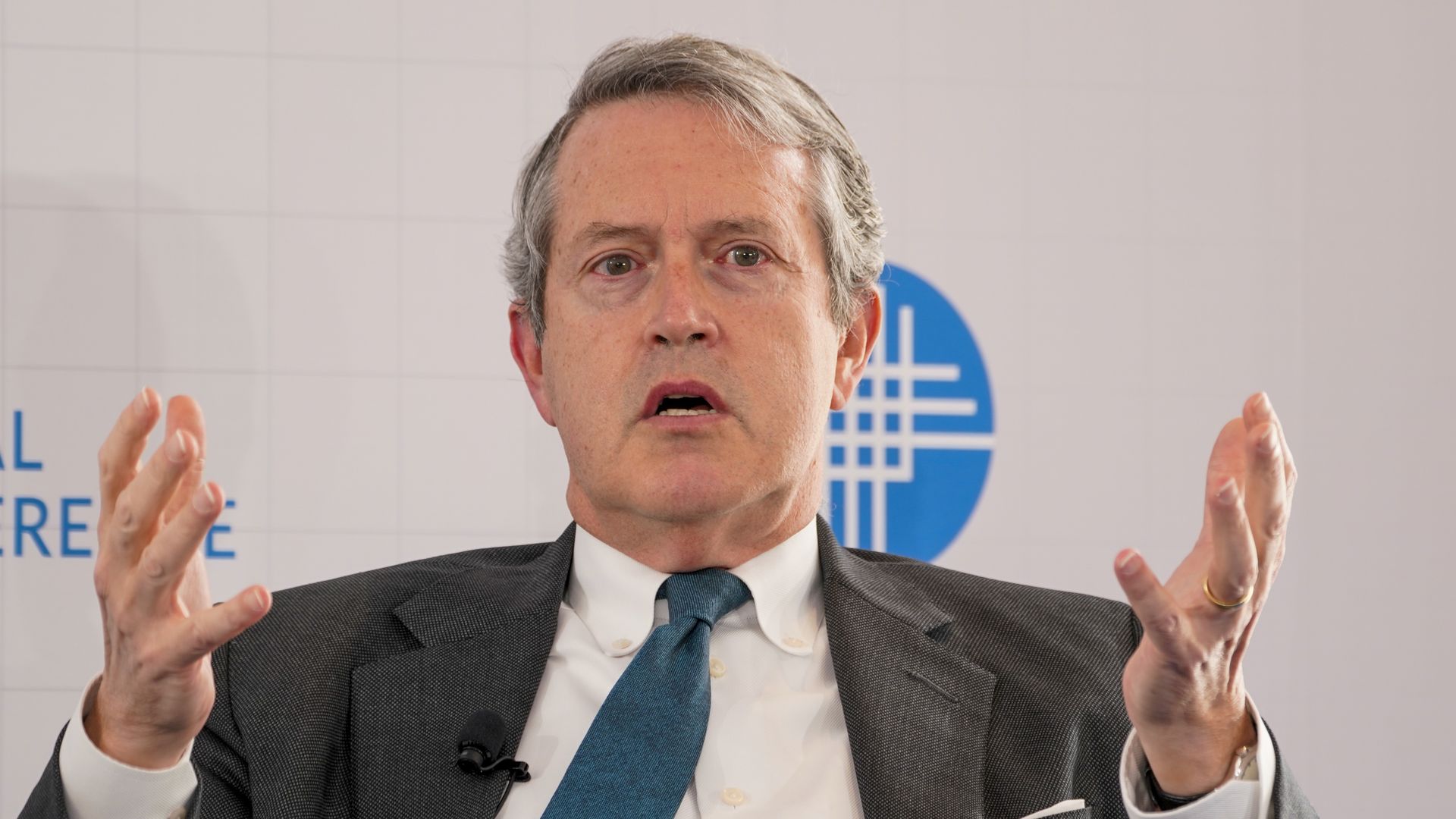
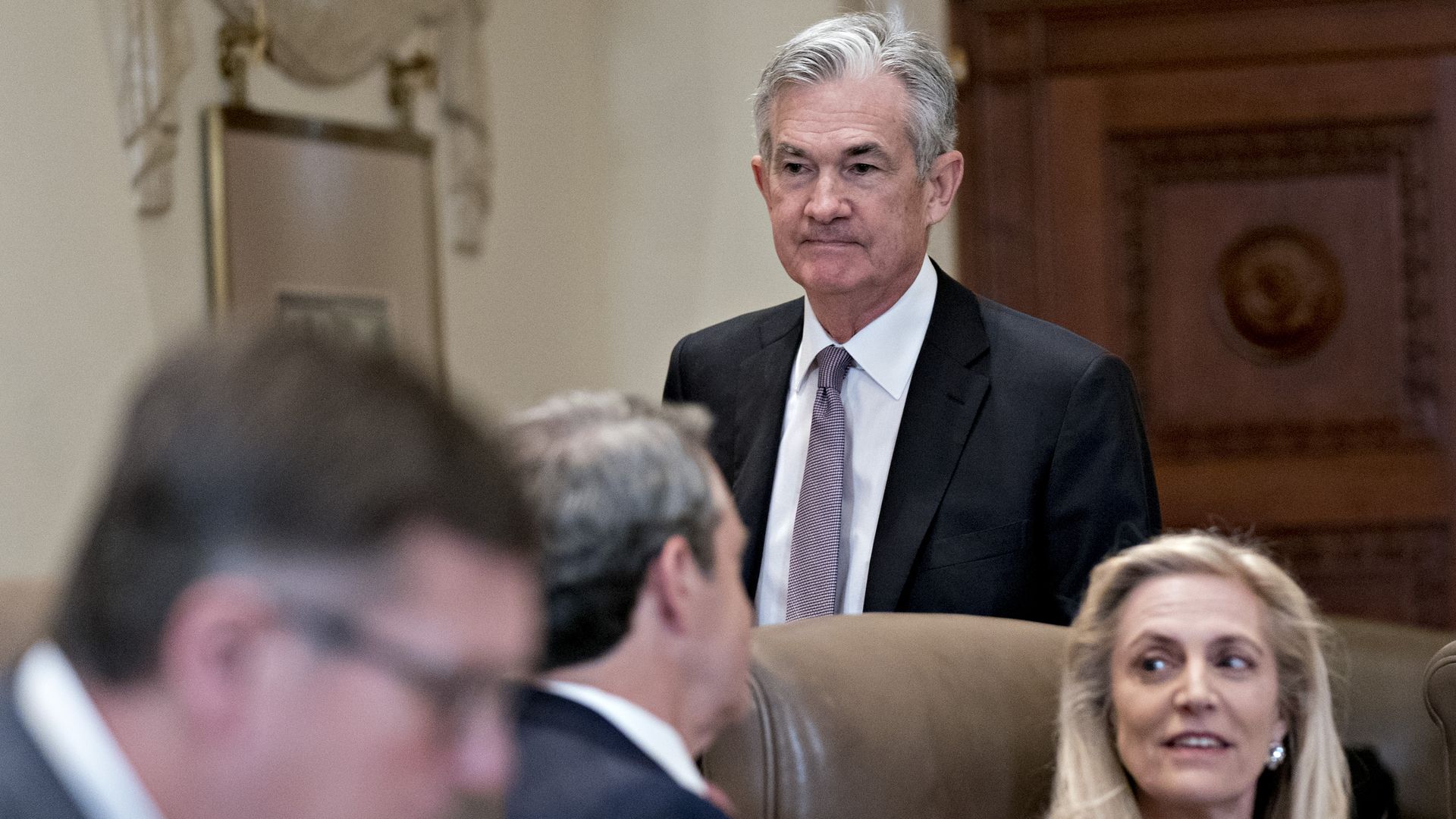
Randal Quarles, who was the Federal Reserve's vice chair for bank supervision, submitted his resignation on Monday and will step down from his post at the end of December.
Why it matters: Quarles' resignation opens up a seat on the Federal Reserve Board for President Biden to fill, giving Biden an avenue with which to shape the Fed — and a choice that could offer a clue about the president's broader vision for the central bank.
Ben Dell's job is to buy oil and gas assets, as a managing partner of private equity firm Kimmeridge. And he has a message for his peers: You're going unacceptably slow on carbon neutrality.
Driving the news: Kimmeridge recently formed Civitas Resources, via the $2.3 billion all-stock merger of publicly traded Bonanza Creek Energy and Extraction Oil & Gas. Civitas then purchased Crestone Peak, creating the largest pure-play energy producer in Colorado's DJ Basin.
Zillow (Nasdaq: ZG) is receiving takeover interest in its multibillion-dollar homes portfolio, just days after abandoning its digital home buying-and-selling program.
Why it matters: This could swell America's home rental stock and depress its number of homes for sale, as the reported suitors are large institutional landlords.
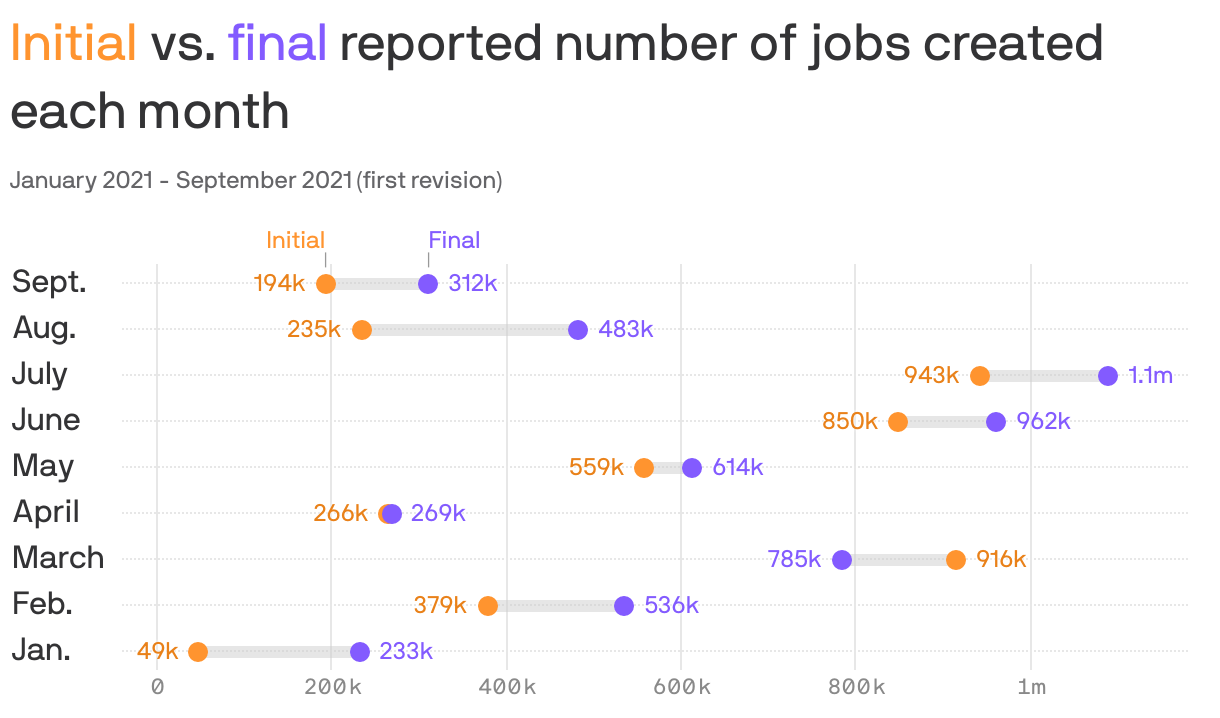
Data: Bureau of Labor Statistics; Chart: Jacque Schrag/Axios
Sometimes the initial picture is only half the story. The October jobs report, out Friday, included considerable revisions to the tally of new jobs created in August and September — enough to change how we view the economy’s progress through the peak of the Delta variant.
Why it matters: It’s a reminder to step back and let the whole picture take shape. Throughout the pandemic recovery — a time with absolutely no modern economic precedent — the imperfections of gathering complex data have become all the more stark.
Even with Friday’s stellar jobs report, it may feel like it's too soon to talk about full employment: America is still 4 million jobs short of where it was pre-pandemic.
But how close we are has big implications for when the Fed — fresh off a taper announcement — might consider raising interest rates from near zero.
Anyone who’s shopped for a car this year knows that new ones are hard to get and used ones have gotten way more expensive. And we know why: There's a global shortage of all the computer chips modern-day cars require.
But October’s used car price growth still managed to shock even the experts.
The latest: The industry’s key index of used vehicle prices jumped another 9.2% over the span of just a month. That puts the index 38% higher than a year ago — compared to “just” 27% for the same stat in September.
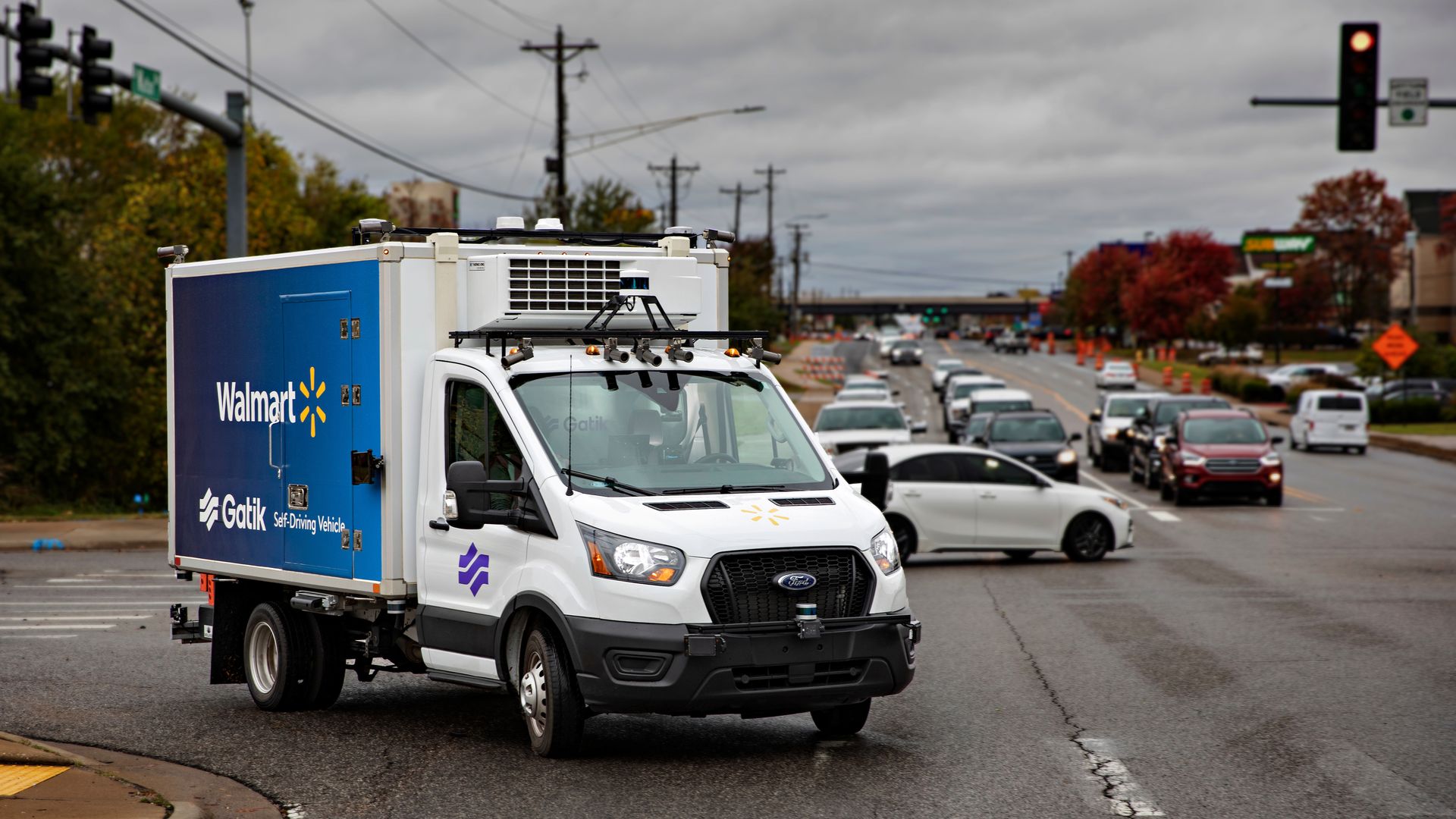
The country's first driverless trucks are now operating on local roads in Bentonville, Arkansas, shuttling merchandise for Walmart from a warehouse to a nearby store.
What's new: Walmart and its self-driving technology partner, Gatik, said today they had pulled the human safety driver from autonomous delivery trucks on a seven-mile route in the retailer's hometown — an industry first.
The big picture: Short urban routes are becoming more common as retailers like Walmart turn to hub-and-spoke distribution to fulfill growing online orders for same-day store pickup. Retailers need to be able to quickly move goods from micro-fulfillment centers to nearby stores.
Gatik has been developing self-driving technology incrementally, starting with this so-called "middle mile" of the supply chain — short, fixed, repeatable delivery routes.
What they're saying: “This milestone signifies a revolutionary breakthrough for the autonomous trucking industry,” said Gautam Narang, CEO and co-founder of Gatik, based in Mountain View, California.
“Our deployment in Bentonville is not a one-time demonstration. These are frequent, revenue-generating, daily runs that our trucks are completing safely in a range of conditions on public roads."
Details: Four-year-old Gatik has been working with Walmart on middle-mile logistics in Bentonville since 2019, initially with both a safety driver and a second operator in the passenger seat.
Now, with permission from the Arkansas State Highway Commission, the trucks are operating with nobody behind the wheel.
For now,the passenger still rides along as an observer, with limited access to the controls, to stop the truck in an emergency. A chase vehicle follows behind to observe as well.
The trucks move customer orders from a Walmart "dark store" (or micro-fulfillment center) to a nearby Neighborhood Market.
The initialdriving route was selected to minimize risk: It avoids schools and hospitals, and favors right turns over unprotected left turns— a common practice among UPS drivers too.
The bottom line: Autonomous trucks are beginning to roll out.
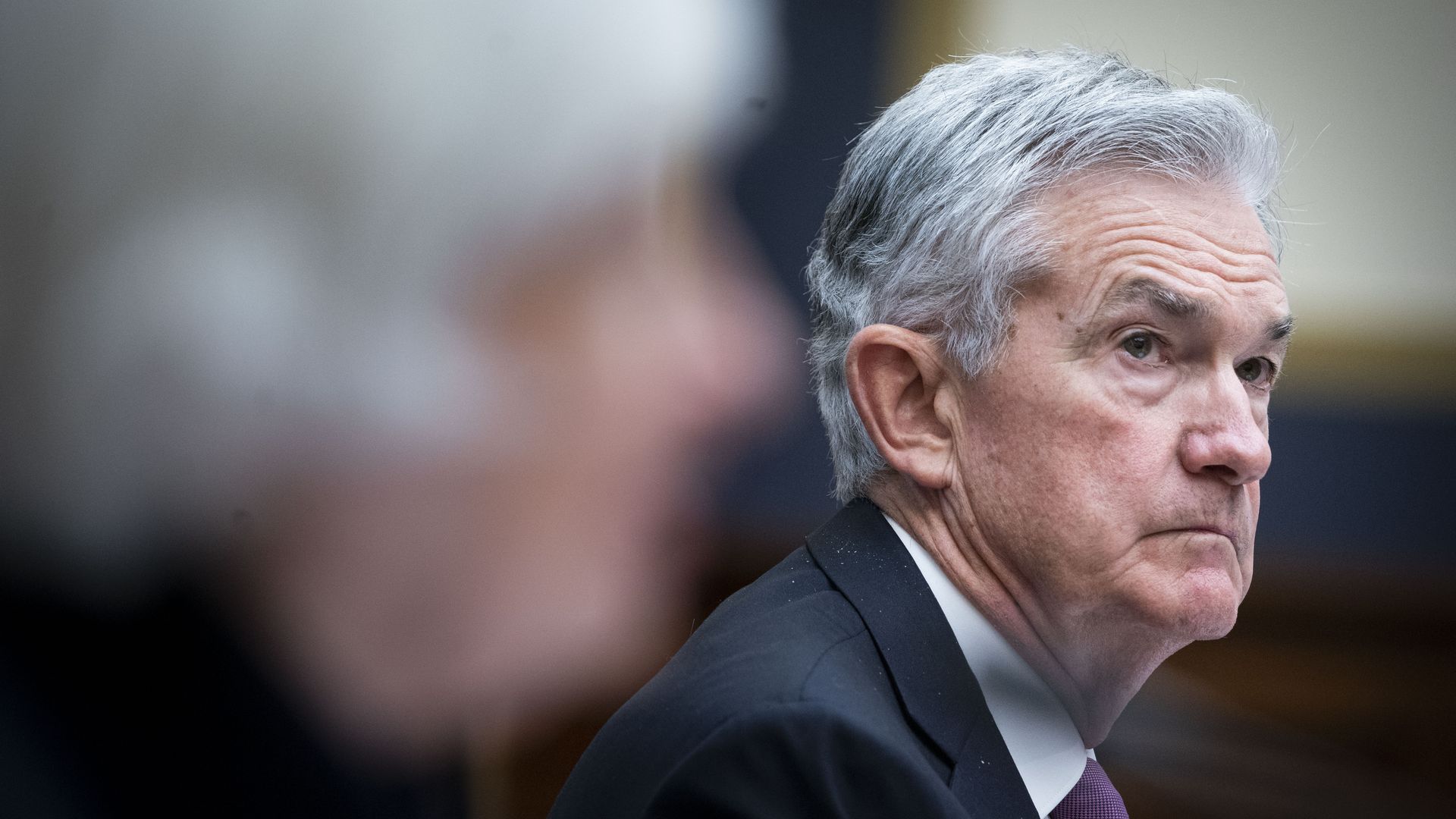
President Biden has more than economics on his mind as he weighs his choice to lead the Federal Reserve: His pick will impact inflation, face the cruel judgment of financial markets and somehow need to find 50 votes in deeply divided Washington.
Why it matters: The head of the U.S. central bank is vested with vast powers that determine how quickly to heat — or cool — the economy. The results will be pivotal to Democrats' midterm chances next year, and Biden's potential re-election campaign in 2024.
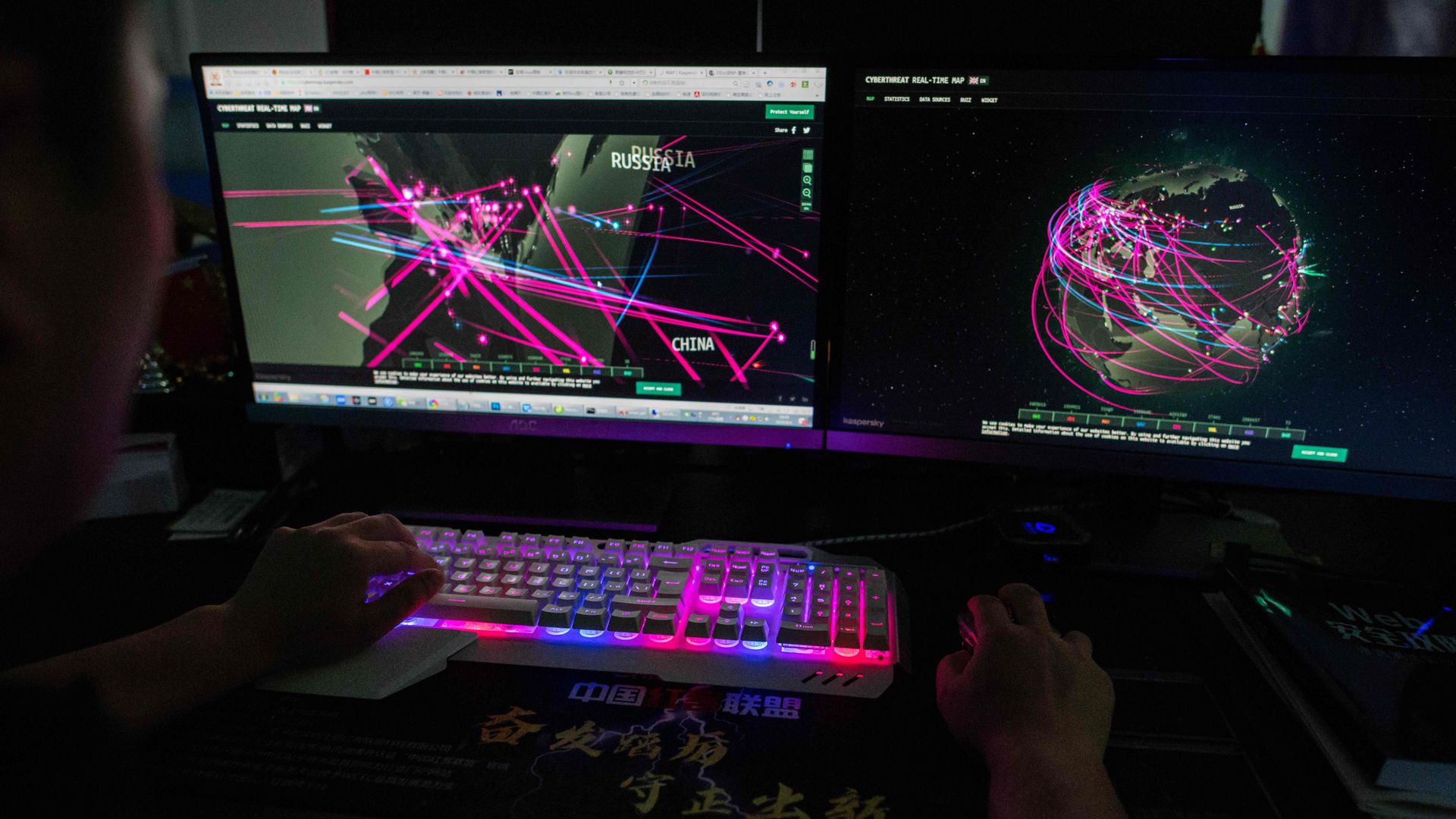
Foreign hackers are suspected of compromising organizations in the technology, defense, healthcare, energy and education industries in the U.S. and other countries, cybersecurity firm Palo Alto Networks said late Sunday.
Why it matters: The National Security Agency contributed to Palo Alto Networks' report amid ongoing efforts to crack down on hackers who've been trying to steal critical data from targets including U.S. defense contractors, notes CNN, which first reported the breach.