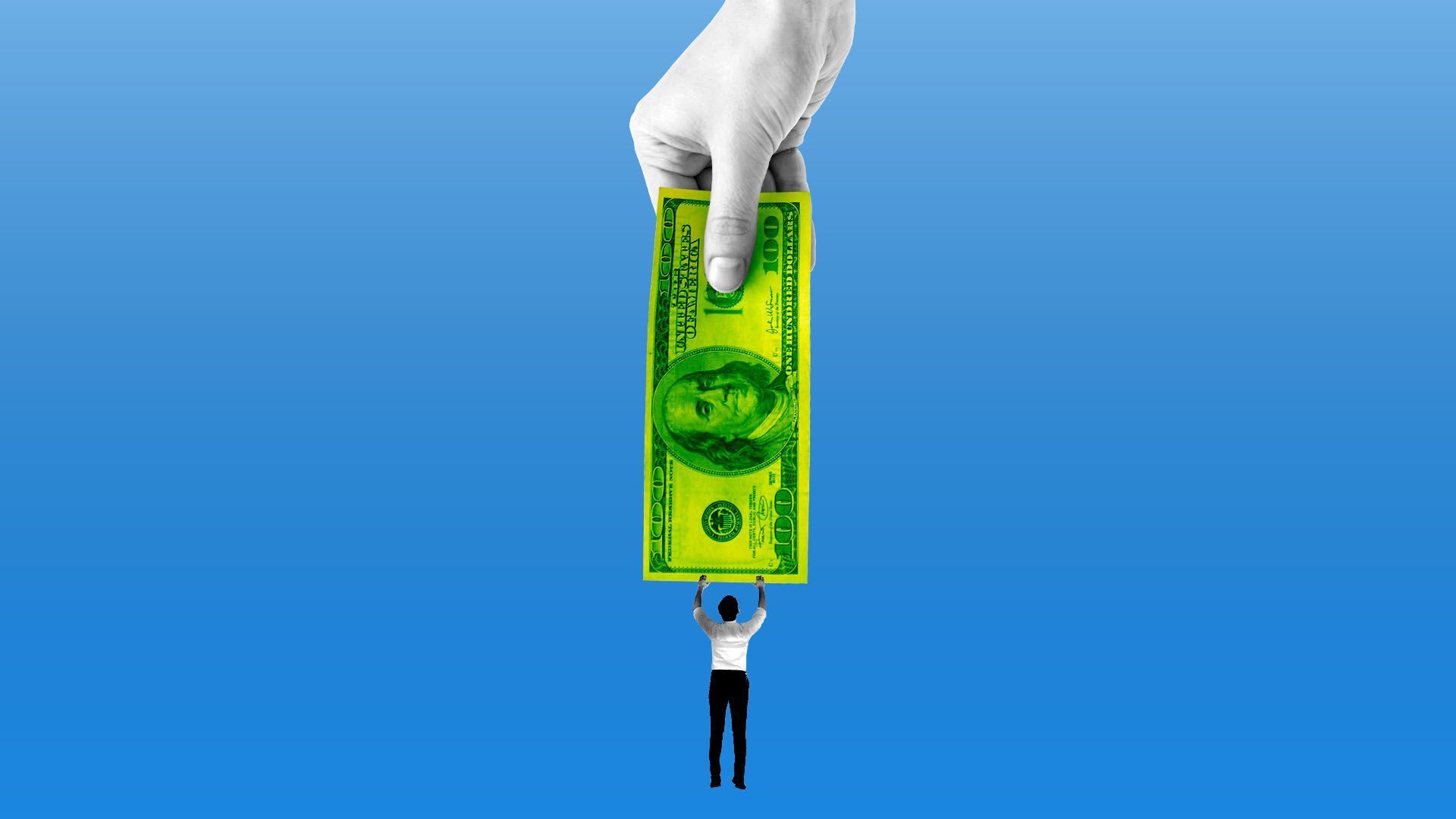
Wednesday’s release of the Consumer Price Index confirmed that inflation is up, with prices jumping 6.2% in the last year. It’s the largest increase the U.S. has experienced in three decades, and it’s certain to impact not just how consumers are spending but also how they vote.
Axios Re:Cap host Felix Salmon digs into what these numbers could mean and how they might sway consumers and voters with Axios political reporter Hans Nichols.
Disney's stock was down nearly 5% in after-hours trading Wednesday after the entertainment giant reported that it missed analyst expectations on earnings, revenue and subscriber additions.
Why it matters: Despite a slowdown in subscriber growth, CEO Bob Chapek told investors on a call that the company is still on track to meet previously-announced goals of reaching 230-260 million global paid Disney+ subscribers by 2024.
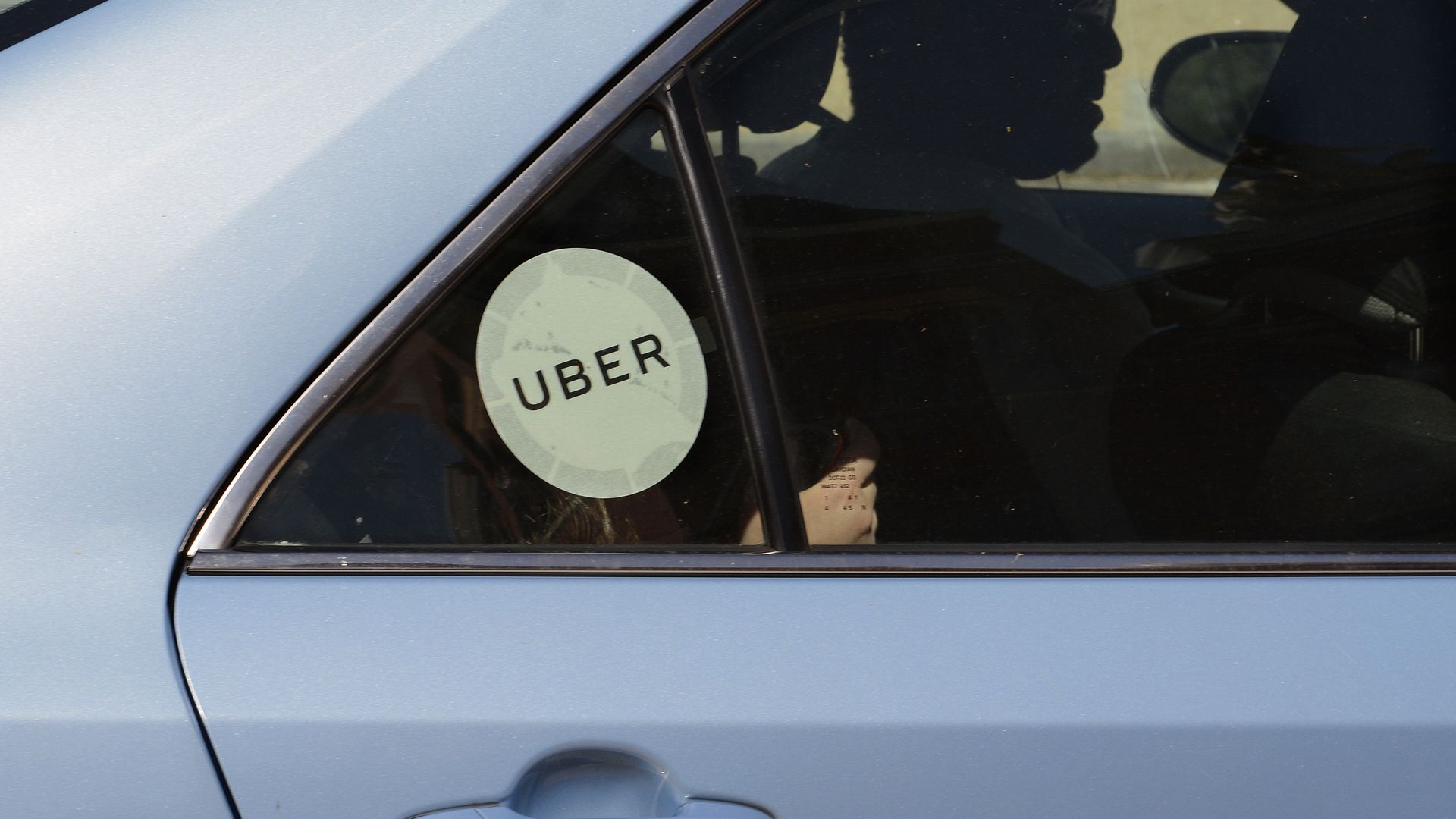
The Justice Department said on Wednesday that it is suing Uber for allegedly charging "wait time" fees to passengers with disabilities who need more time to get into vehicles.
State of play: The department's complaint says that Uber "violates the [Americans with Disabilities Act] by failing to reasonably modify its wait time fee policy for passengers who, because of disability, need more than two minutes to get in an Uber car."
Health insurance provided by employers this year cost an average of $22,200 for families and $7,700 for individuals, a 4% increase from a year ago, according to new survey data from the Kaiser Family Foundation.
Why it matters: While many people lost their jobs and health insurance during the pandemic, most companies didn't rock the boat heading into 2021. But even a relatively modest increase in the already high costs of job-based insurance means workers and families continue to pay a lot more for their health care.
A new company called Workweek launched Wednesday to give creators of business-to-business content — traditionally content that lived in white papers or behind paywalls at trade outlets — full-time support to work independently.
Why it matters: The model is meant to give writers and creators more support than they would typically receive if they wrote for an independent publishing platform, like a salary and full-time benefits.
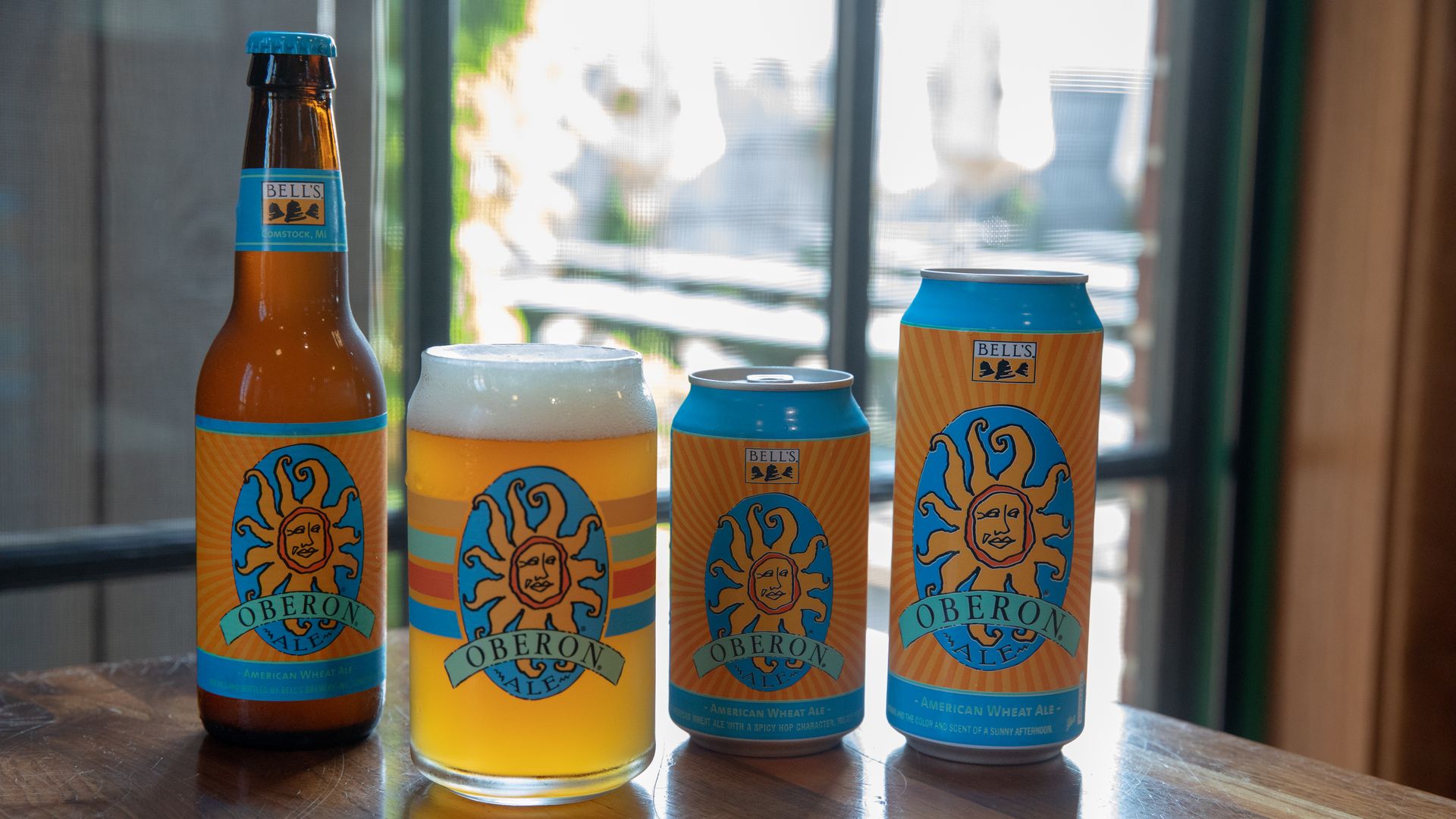
Bell's Brewery, the maker of America's best beer, plans to sell itself to a global beverage conglomerate, in a deal that will jolt the craft brewing industry.
Australia-based Lion, a subsidiary of Japanese beverage giant Kirin Group, is acquiring the Michigan Brewery for an undisclosed sum. The deal is expected to close soon, the companies announced Wednesday.
Bell's will join forces with another iconic brand, Colorado's New Belgium Brewing — which sold to Lion in 2019. The companies would combine to lead craft beer in terms of sales volume and growth, leaders said citing Nielsen sales numbers.
Why it matters: Bell's is the latest in a string of prominent independent craft brewers to sell to once-reviled "big beer" companies, a surprising move given the brand's fiercely independent reputation.
But it comes as the craft brewing industry faces an uncertain future with declining beer consumption and more competition from big players.
By the numbers: In 2020, Bell's ranked as the nation's seventh largest craft brewery and the 16th largest overall brewing company, according to Brewers Association, the trade organization that represents small and independent beer makers.
Bell's sold 461,582 barrels in 2020, a 7% decline amid the pandemic, ending three years of growth.
Between the lines: Within the industry, Bell's will no longer be considered a craft brewer under the strict definition set by the Brewers Association, which differs from other industry observers.
In the association's annual survey, craft beer fans voted Bell's Two Hearted IPA as the best in the country four years in a row.
What they're saying: Larry Bell, who founded the brewery in 1985 in Kalamazoo, Michigan, told Axios that he is retiring and wanted to find a buyer who could continue his legacy.
"I wouldn't call this a sell out. I would call this a sale. Nobody lives forever and I needed an elegant solution to succession," Bell said in an interview. "If you look at what happened to New Belgium since acquisition by Lion, it's nothing but good — it's grown significantly."
Details: New Belgium's CEO Steve Fechheimer will helm the new collaboration, which includes Bell's spinoff Upper Hand Brewery.
He said no major changes or layoffs are expected initially, and the combined company will allow the two iconic brands to remain rooted in their values.
"It is about how we … continue to drive positive social and environmental change and make great beer," Fechheimer told Axios.
Two years ago, the company behind Make magazine and the popular Maker Faire events laid off all its staff and shut down operations, later being revived in a reduced capacity by founder Dale Dougherty.
Driving the news: Dougherty today will face off with creditors who allege that he fraudulently recovered the assets.
General Atlantic, one of the oldest and most successful growth equity investment firms, today announced that it raised $7.8 billion for its latest closed-end fund.
The big picture: GA also continues to employ an evergreen fund, which means it basically has around $24 billion in investable capital. The firm tells Axios it's investing around $8 billion per year, and in 2021 has made 50 deals and had 21 IPOs.
DoorDash agreed to buy Wolt, a Finland-based restaurant delivery company that operates in 23 European countries, for €7 billion (more than $8 billion) in stock.
Why it matters: It reflects how the local food and convenience delivery wars will be globalized via acquisition. Recent deals include Just Eat Takeaway going stateside via the purchase of GrubHub and Gopuff entering the U.K. via the acquisitions of Dija and Fancy.
The core Consumer Price Index (CPI), which measures the price of goods and services excluding food and energy, rose 0.6% in October, according to data out Wednesday.
The headline CPI, which includes all items, increased 0.9% in October, compared to economist expectations for a 0.5% uptick.
The big picture: The latest inflation reading shows that price gains are picking up steam.
The number of credit cards in America hit an all-time high of 520 million in the third quarter of this year, per the New York Fed's household debt and credit report, released Tuesday.
Why it matters: There was a precipitous plunge of more than 100 million credit cards between 2008 and 2010, but we’ve now more than made up for that decline.
Minute Media, a holding group that owns digital sports and entertainment websites like Players' Tribune and The Big Lead, said Wednesday that it has acquired Wazimo, an Israeli publishing tech firm that helps media companies develop and monetize their audiences.
Why it matters: It's Minute Media's first tech-focused acquisition. It is also its first acquisition since raising at least $40 million dollars earlier this year.
Tesla shares fell 12% Tuesday — nearly putting its market cap back under $1 trillion less than two weeks after it entered the exclusive trillion-dollar club.
The company shed over $150 billion in value since its peak last Thursday, according to FactSet.
Since China Evergrande began flaking on debt payments in September, the world’s focus has turned from whether its collapse represents a Lehman Brothers-like moment of systemic peril (it doesn’t) — to whether China’s whole property sector is set for a string of defaults (it probably is).
Why it matters: Lehman or not, the Federal Reserve warned this week that financial fallout from China’s real estate shakeout “could pose some risks to the U.S. financial system.”
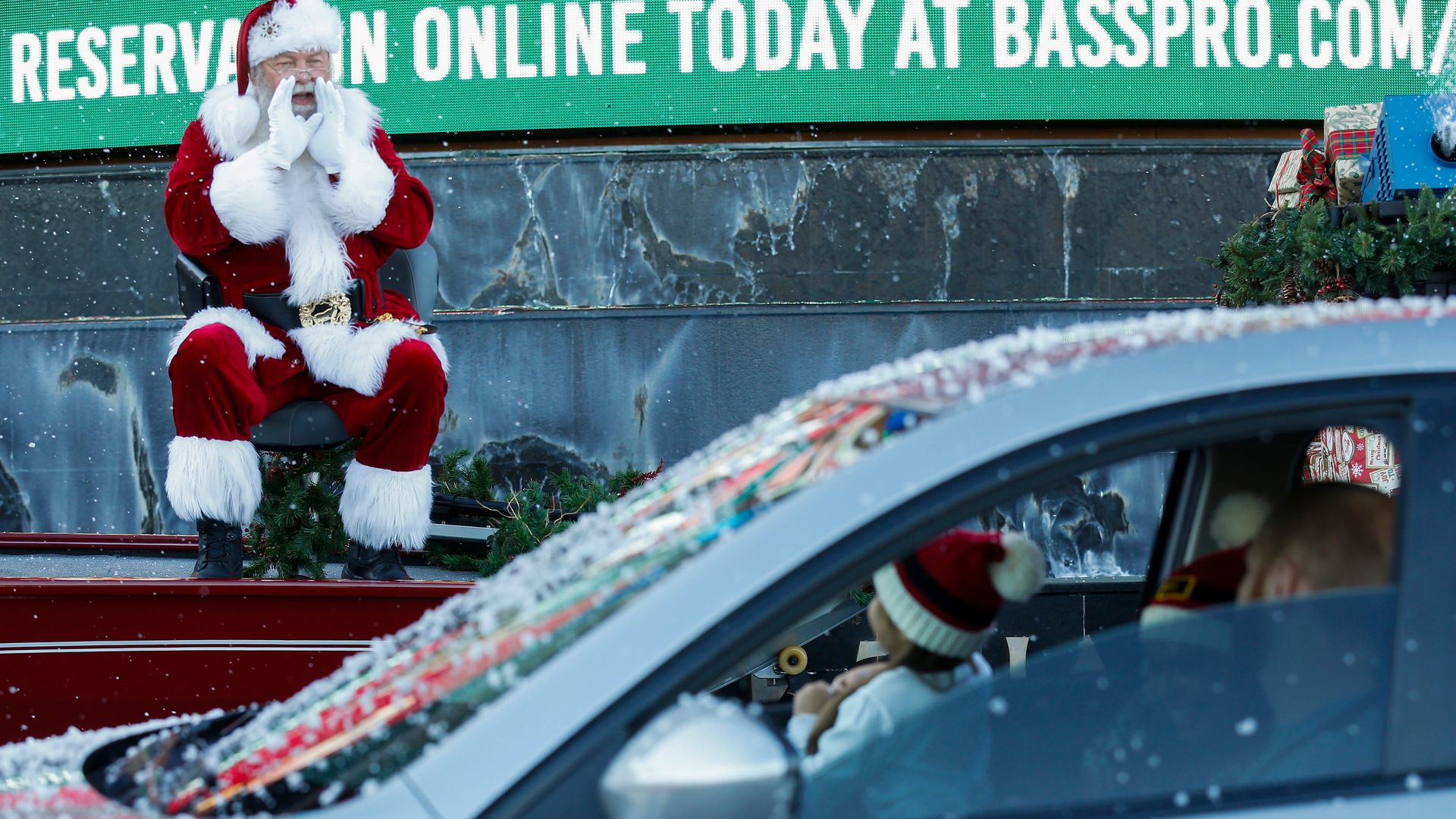
The tight labor market is producing a Santa shortage as malls try to return to real-life wonderlands after last year's virtual workarounds, according to the Wall Street Journal.
Why it matters: "Working Santas are capitalizing on their scarcity value, bumping up hourly rates and packing their schedules," the Journal notes.
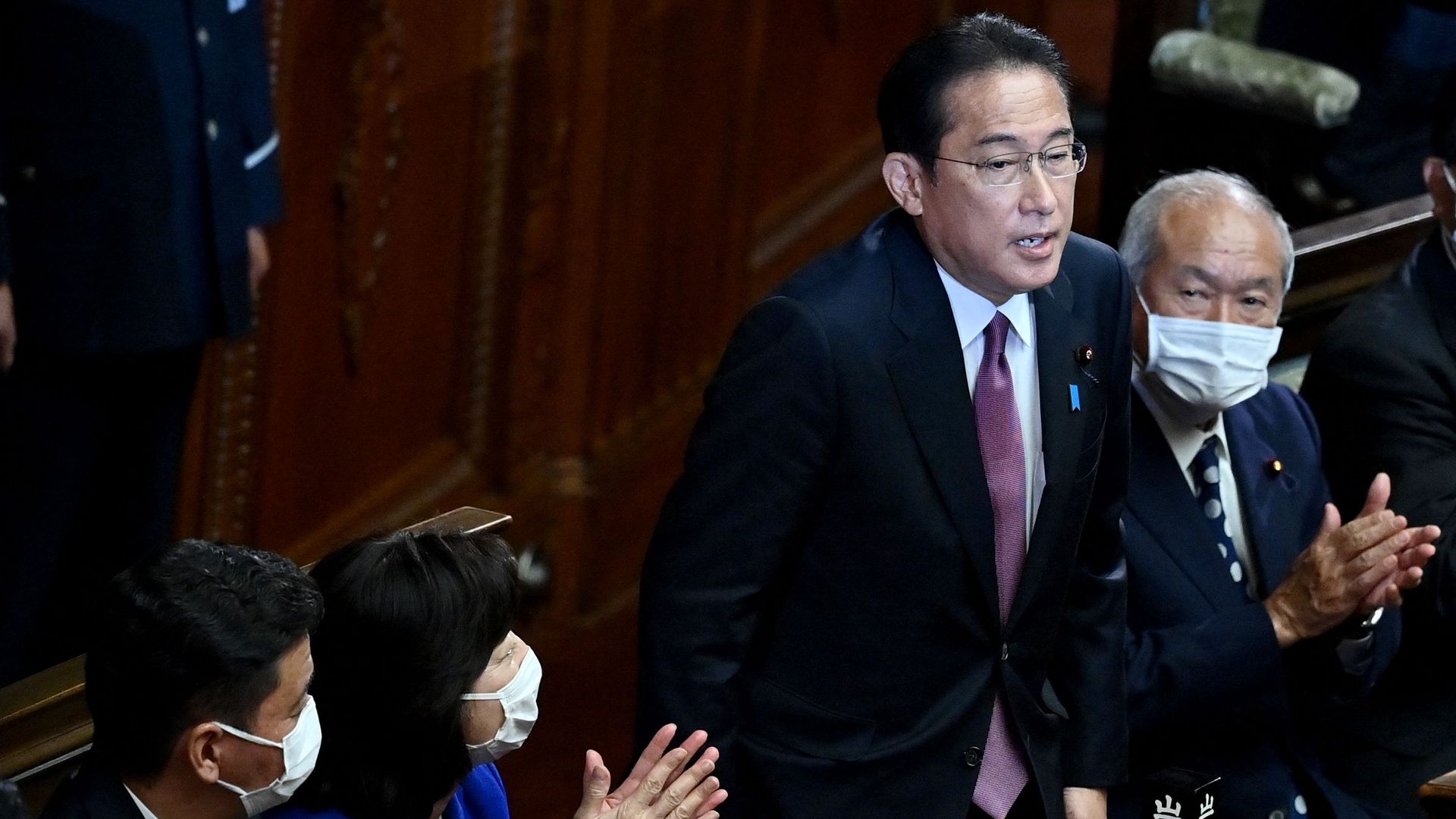
Fumio Kishida was re-elected as Japan's prime minister Wednesday in a parliamentary session after his ruling Liberal Democratic Party (LDP) won a majority in the House of Representatives election, per AP.
Why it matters: The 261 seats the LDP won in the 465-member lower house at the Oct. 31 election puts Kishida in a more powerful position, as he prepares to protect Japan from a potential COVID-19 resurgence while trying to revive the world's third-largest economy and working with the U.S. and other allies to address security threats.
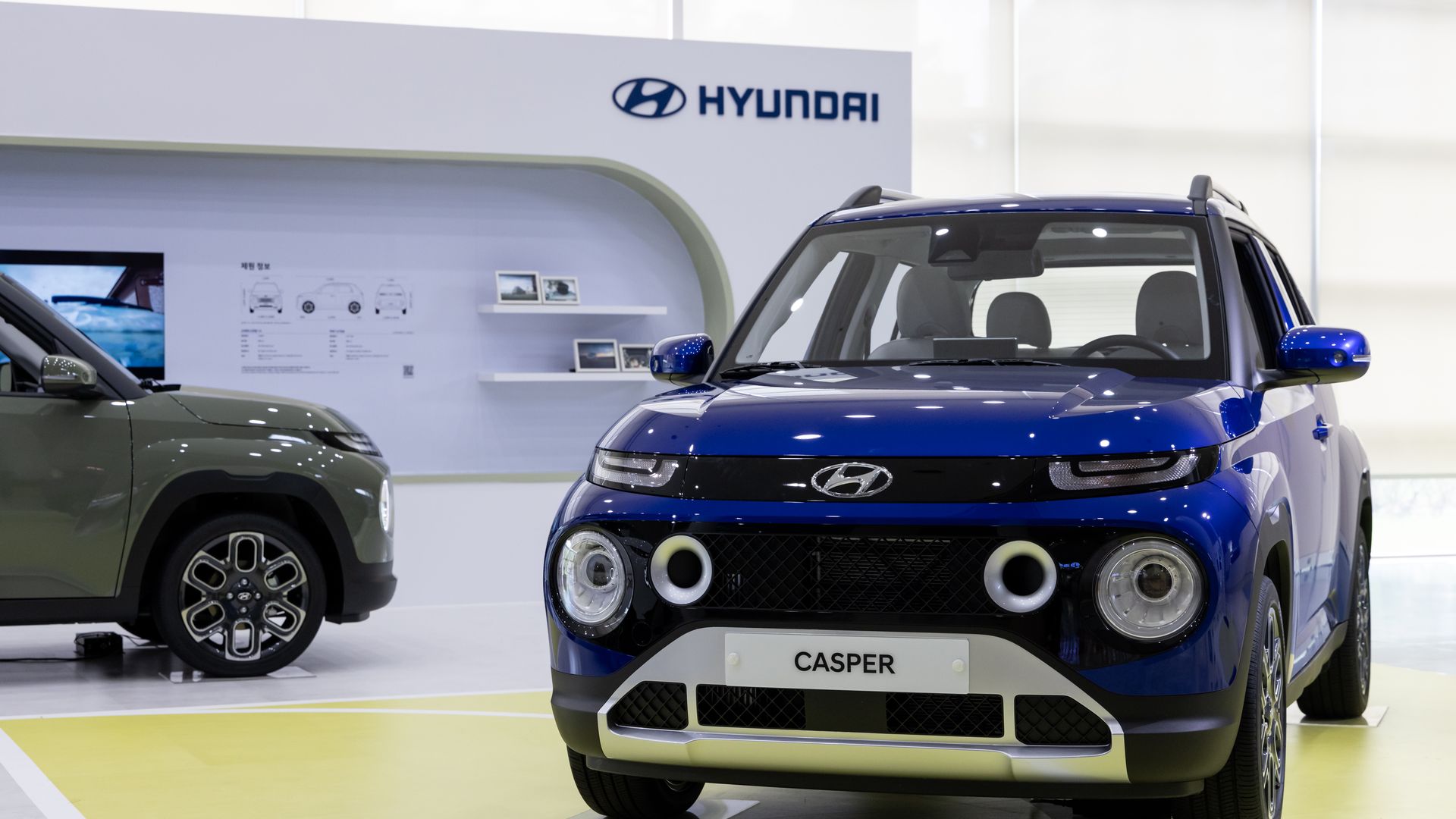
The U.S. government's auto safety regulator announced Tuesday it would award over $24 million to a former Hyundai employee who reported key information about safety defects.
Why it matters: Engineer Kim Gwang-ho provided evidence that Hyundai and sister company Kia were hiding a design flaw that was causing engines to seize and catch fire, according to law firm Constantine Cannon, which represents Kim.
Business groups are sharpening their attacks on President Biden's Build Back Better package, warning congressional Democrats about its overall costs, potential effects on inflation and $800 billion in corporate tax increases.
Why it matters: The White House relied on some of these same groups — like the Chamber of Commerce and Business Roundtable — to pass the $1.2 trillion bipartisan infrastructure bill.
















/2021/11/10/1636547553668.gif?w=3840)