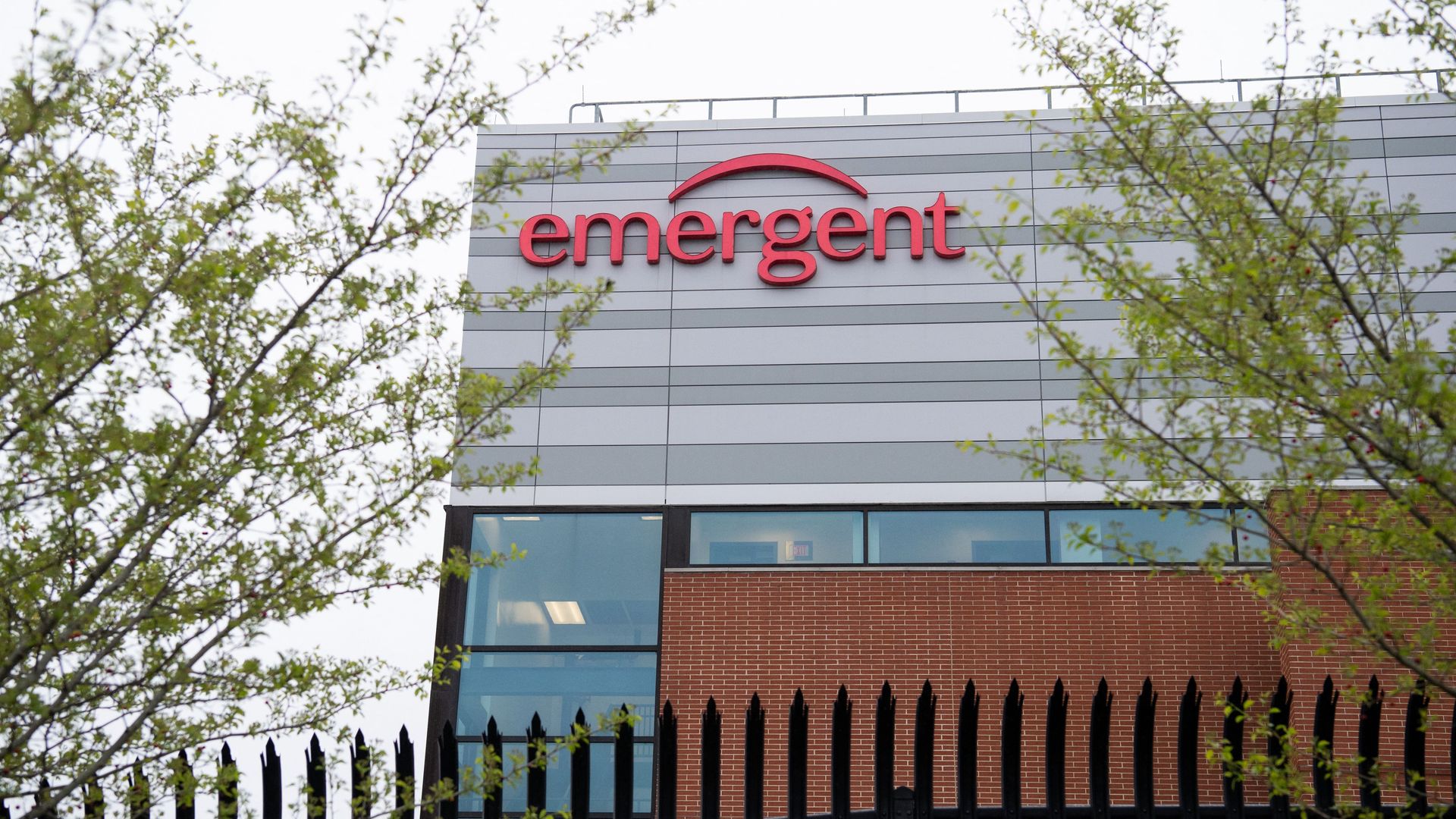
Emergent BioSolutions announced Thursday that the Food and Drug Administration is allowing its Baltimore plant to resume manufacturing materials for vaccines after it was shutdown in April due to contamination problems.
Why it matters: The plant, which had been producing vaccine materials for Johnson & Johnson and AstraZeneca, conflated ingredients between the two different types of vaccines last year and destroyed 15 million doses of J&J's vaccine.
Robinhood, the company that was founded to disrupt Wall Street, was taught a painful lesson by Wall Street investors on Thursday.
Why it matters: Robinhood attempted to revolutionize the initial stock offering by allocating a large number of shares to its own small-dollar investors. Those investors are now sitting on a significant loss, even as Robinhood's multibillionaire founders both sold about $50 million of shares at the IPO price.
Hollywood actress Scarlett Johansson on Thursday filed a lawsuit against the Walt Disney Co., alleging her contract was breached when the company released "Black Widow" on its streaming service at the same time it premiered in the theaters.
Why it matters: "Major media companies are prioritizing their streaming services in pursuit of growth, and are increasingly putting their high-value content on those platforms," the Wall Street Journal, which first reported the suit, writes.
Eating ice cream on a hot summer day is one of the simplest pleasures in life. For those 21 and older, adding a little bit of booze might make it even better.
The big picture: Several startup companies across the country are infusing alcohol into delicious frozen desserts, creating one of this summer's hottest trends, Bloomberg reports
There are $1.83 trillion of European assets in sustainable investment funds, per Morningstar. In the U.S., by contrast, the number is just $300 billion.
Why it matters: There's no sign of the United States catching up in the foreseeable future. Total inflows into European sustainable funds were $112 billion in Q2, compared to less than $18 billion in America.
The positive social media response to Simone Biles withdrawing from Olympic competition highlights how the artificial line between health care and mental health care is finally beginning to dissolve. And startup investors have taken notice.
By the numbers: Venture capital investments in mental health startups rose 72.6% between Q1 2020 and Q1 2021, per CB Insights.
The U.S. economy grew at an annualized 6.5% rate last quarter, the government said Thursday — slower than the 8.4% economists expected.
Why it matters: It came as the economy made strides toward further reopening, vaccinations rolled out and government stimulus bolstered spending. But supply crunches held the pace of growth back.
Trevor Milton, the founder of electric truck startup Nikola, was charged Thursday on three counts of fraud stemming from federal prosecutors' investigation of allegedly inaccurate or misleading statements the company made to investors.
Driving the news: The Securities and Exchange Commission — which filed a complaint alongside a grand jury indictment from federal prosecutors in Manhattan — accused Milton of engaging in a "fraudulent scheme to deceive retail investors about Nikola’s products, technical advancements, and commercial prospects for his own personal benefit."
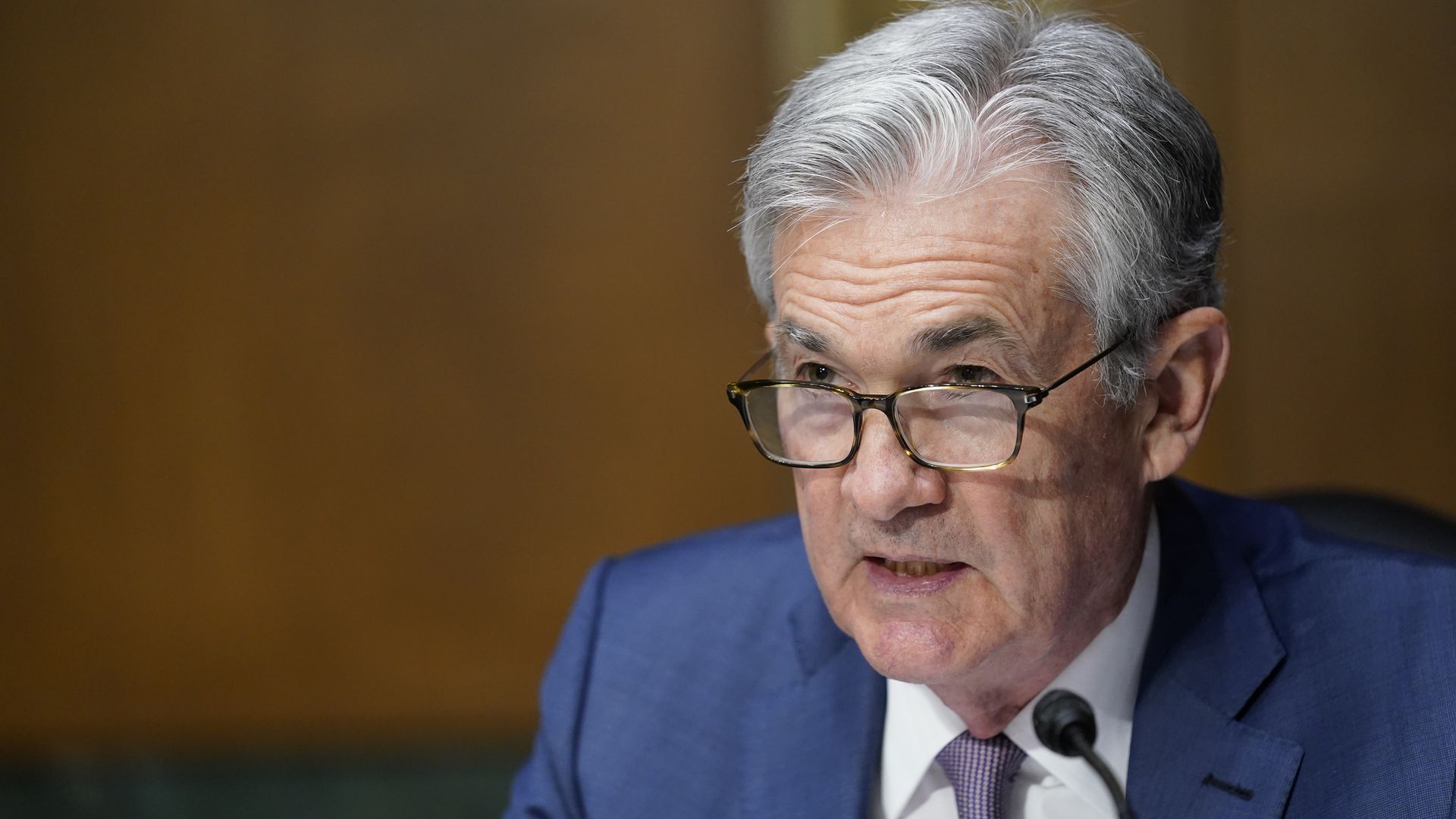
Federal Reserve chair Jerome Powell’s Wednesday press conference focused on all things tapering.
Why it matters: With a rate liftoff not expected until the end of next year at the earliest, a tapering — or reduction — of the Fed’s $120 billion per month asset purchases will be the first significant pullback of its emergency pandemic market support.
New data from Realtor.com, out this morning, shows that investor-driven purchases accounted for 5.7% of homes sold in April and are reducing inventory in 31 of the top 50 U.S. markets.
Why it matters: Individual homeowners have been struggling to buy homes over the past year amid short supply and rising prices.
Families are expecting to spend a record amount on back-to-school shopping this year, according to a new National Retail Federation survey conducted this month.
Why it matters: Purchases will be driven in part by electronics items, putting more pressure on retailers and manufacturers to meet that demand amid a continuing chip shortage and other supply chain constraints.
Never in the history of capitalism have the world's biggest companies grown as fast as the tech giants in recent years.
Why it matters: A series of stunning earnings reports this week — with another one likely to arrive Thursday afternoon, from Amazon — has underscored the astonishing growth among a group of companies that were already some of the most profitable of all time.
Forget the home office — 45% of American teleworkers regularly work from a couch, 38% regularly work from bed and 20% often work outside, according to a study by the home improvement marketing firm CraftJack.
Advertising growth was the chief driver of tech's blowout quarter, as the economy snapped back from the pandemic and a long-term shift to digital went into overdrive.
By the numbers: Facebook, Snapchat, Twitter, LinkedIn, YouTube and Google all posted record ad revenue growth rates in earnings reports for 2021's second quarter.
It was bliss while it lasted — which was exactly two years. Right now, the U.S. has no limit on the amount of debt it can issue. But that ends on Saturday.
Why it matters: Brace yourself for another round of unedifying posturing and brinkmanship, all of which should result — after a period of entirely unnecessary fiscal contortion — in the debt ceiling being raised (not abolished) sometime this fall.
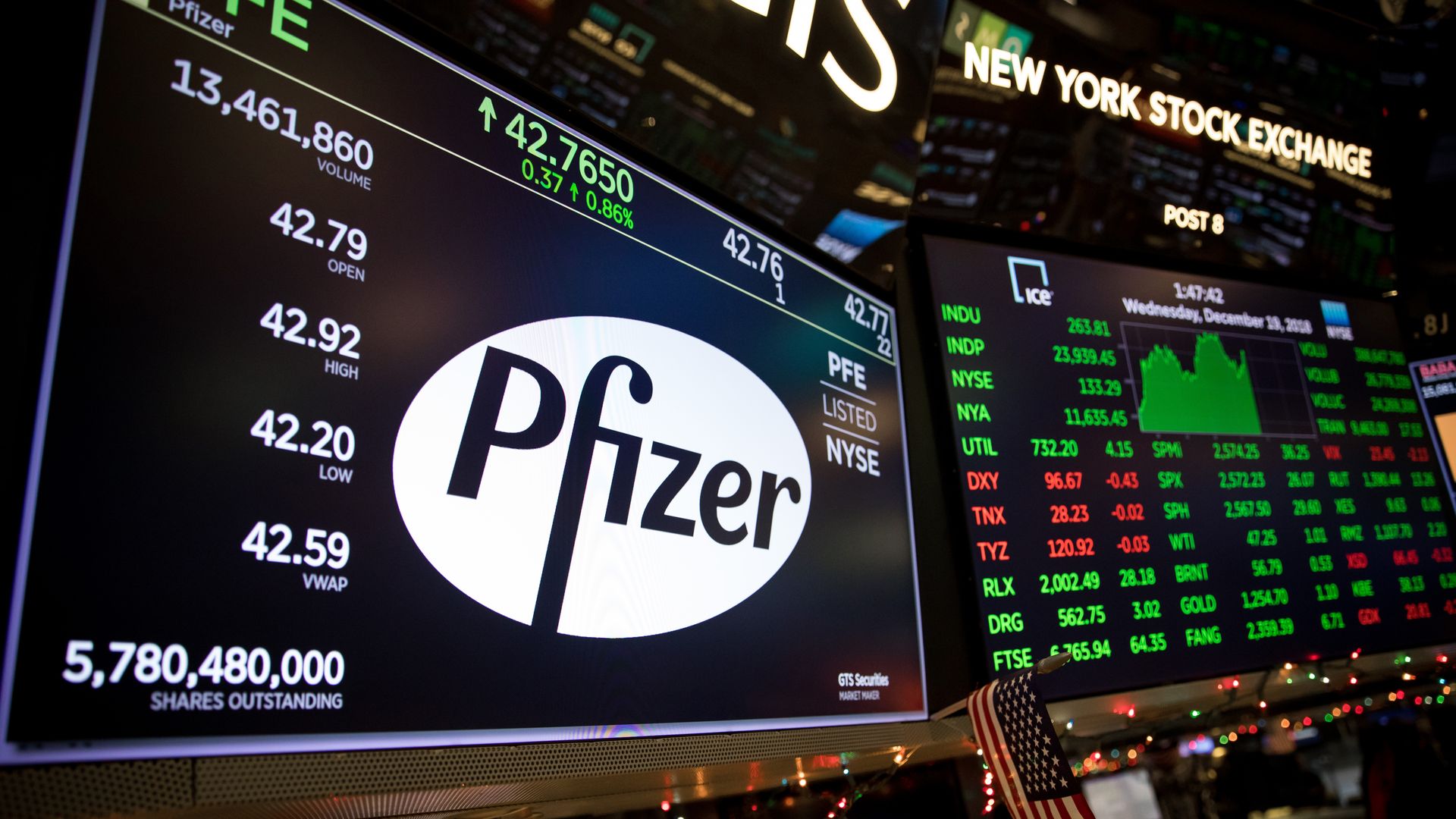
Pfizer said yesterday that it expects to sell nearly $34 billion worth of coronavirus vaccines this year — and there could be billions more behind that, if people who have gotten the shot ultimately need boosters.
Why it matters: It's unclear whether, when and for whom a coronavirus vaccine booster will be necessary. Pfizer has a lot of money riding on those answers, and executives are already making the case that many Americans will need a third dose.
Today is the day everyone can begin buying and selling shares in Robinhood, which goes public on the Nasdaq after raising $1.89 billion in its IPO.
Why it matters: Robinhood is considered a proxy for the rise of retail investing, particularly among younger Americans. But it also has drawn regulatory and political scrutiny for a variety of business practices, and found itself in the crosshairs after users drove up the price of GameStop stock earlier this year.
Google and Facebook both announced Wednesday that they would require everyone in their offices to be vaccinated against COVID-19.
Why it matters: The Delta variant's spread is upending corporate plans for a quick and steady resumption of in-office work, and vaccine mandates are one way for companies to put employees at ease and increase their safety.
With inflation rising and Congress pumping out massive spending bills, conservative media have focused renewed attention on financial issues — and lent significant airtime to some of the very companies underwriting their shows.
Why it matters: Politics is bleeding into financial advice, and all incentives are to play up impending economic disaster.
Robinhood priced its IPO at the bottom of its price range at $38 a share on Wednesday, giving it a valuation of just under $32 billion.
Why it matters: The no-fee trading app maker made an unusually large allocation of its IPO shares available to retail investors, which is expected to make its opening day on the market less predictable.