Chinese companies will be unable to go public in the U.S.unless they make new risk disclosures, according to a statement released Friday morning from SEC chair Gary Gensler.
Why it matters: Chinese companies, and tech startups in particular, are already under growing pressure from their own government. Now they're also getting squeezed by U.S. officials.
The price of goods and services rose 0.4% in June, slowerthan the 0.5% growth during May, according to the core personal consumption expenditures (PCE) price index released Friday morning. The June reading was lower than the consensus expectation for 0.6% growth.
Why it matters: The core PCE is the inflation measure the Federal Reserve watches most closely. June's reading is the second month in a row of decelerated price growth, giving the Fed breathing room to design a pullback strategy from its emergency market support.
U.S. GDP grew at a 6.5% annualized rate during the second quarter, a pace that fell short of some economists' expectations. But a closer look at the numbers suggests the report was far from disappointing.
Why it matters: If the shortfall in GDP growth were due to a shortfall in demand, then there would be concerns the economy could be peaking.
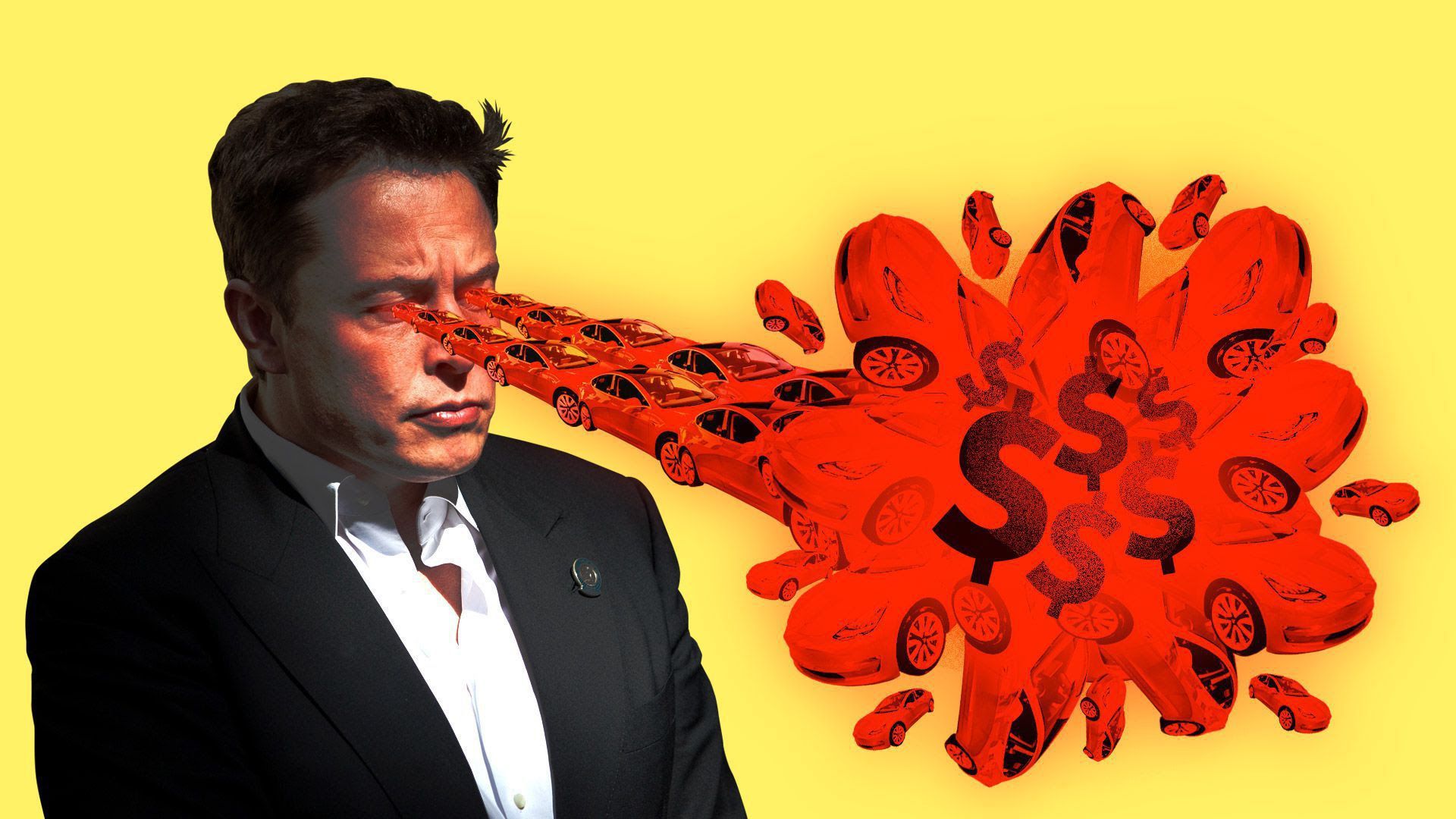
Car technology is changing fast — and getting more expensive. But a more affordable alternative for some buyers is subscribing only to the car features they want.
Why it matters: Automakers drool over the prospect of collecting recurring revenue from car owners, even as they roll out regular software improvements. And people who lease their vehicles, or trade them in frequently, could avoid spending thousands of dollars on cutting-edge tech they only get to use for a few years.
Retail stores of all sizes are turning part of their real estate footprint into logistics and fulfillment centers as they try to blend in-store shopping with e-commerce offerings.
Why it matters: In addition to staying competitive in a buy-everything-online environment, the trend is pushing brands to locate stores closer to dense population centers to try to reach consumers where they are and better cover the last-mile delivery zone to doorsteps.
When Tidjane Thiam was fired as CEO of Credit Suisse in early 2020, the stated reason was his involvement in a spying scandal. Now that an incendiary report has been released by Credit Suisse about the bank's internal risk controls under Thiam's leadership, it looks like he was fired for the wrong reason.
Why it matters: The 165-year-old Credit Suisse, with its trillion-dollar balance sheet and 50,000 employees, is one of the most systemically important financial institutions in the world. The weakness of its internal controls, exposed by the collapse of the Archegos hedge fund, amounts to a major international scandal.