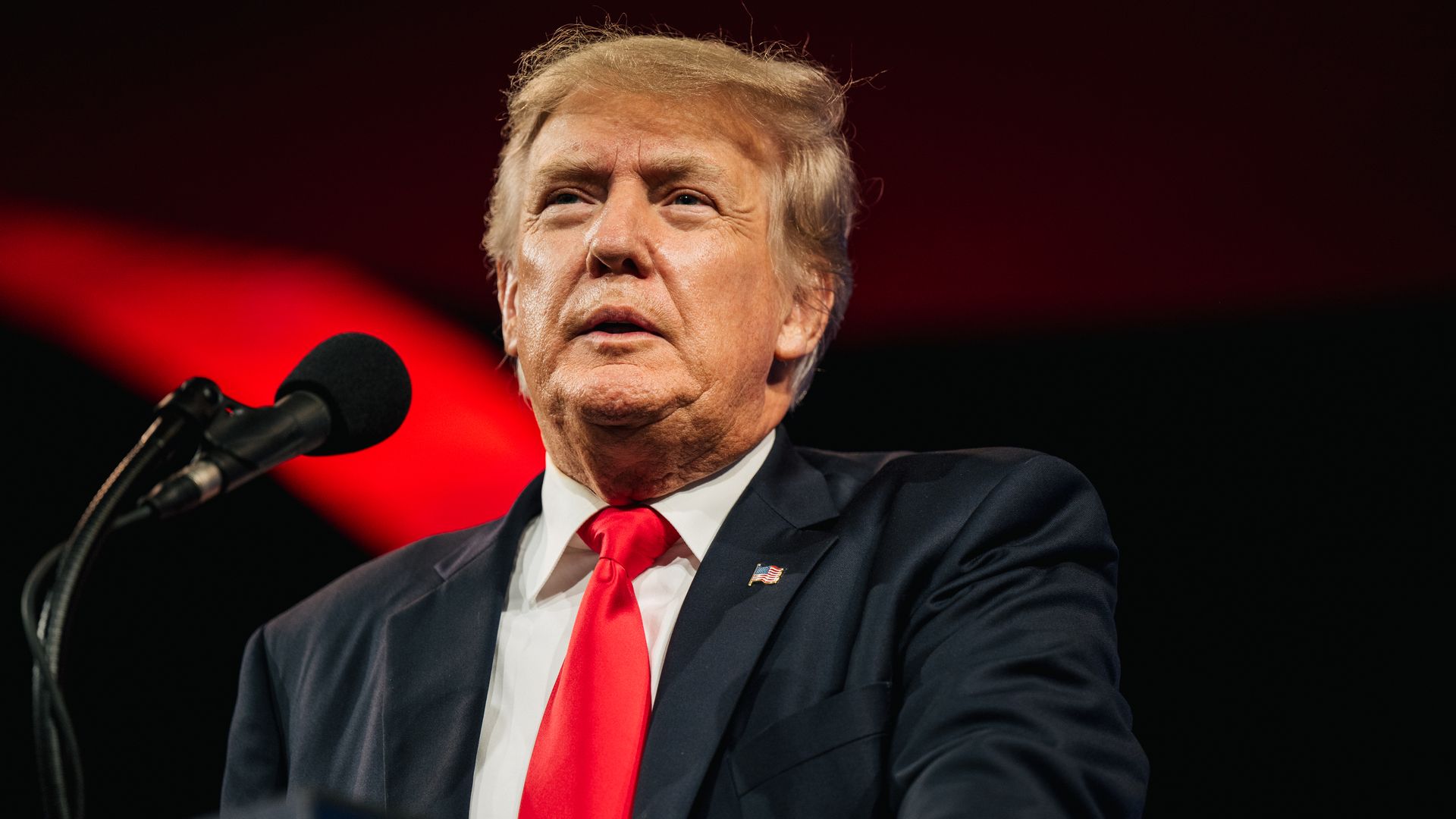
Former President Trump's political action committees (PACs) raised more than $82 million in the first half of 2021, per Federal Election Commission filings published on Saturday.
Why it matters: It's a significant amount for a former president who's been banned from major social media platforms. It demonstrates his ability to raise huge sums of money should he choose to run for the presidency for a third time.
White House national climate adviser Gina McCarthyand Energy Secretary Jennifer Granholm celebrated progress on President Biden's infrastructure package by taking a spin in a Kenworth fuel-cell, zero-emissions Class A truck.
What they're saying: "We have a deal, a Bipartisan Infrastructure Framework deal," Granholm said. McCarthy responded: "it's big and it's beautiful."
A growing number of companies are thinking about requiring employees to vax up for work.
Why it matters: COVID-19 vaccination rates are plateauing across the country while infections spike. Mandating that all employees be vaccinated will make some workers feel safer about returning to the office — but it risks alienating those who are opposed to getting the jab.
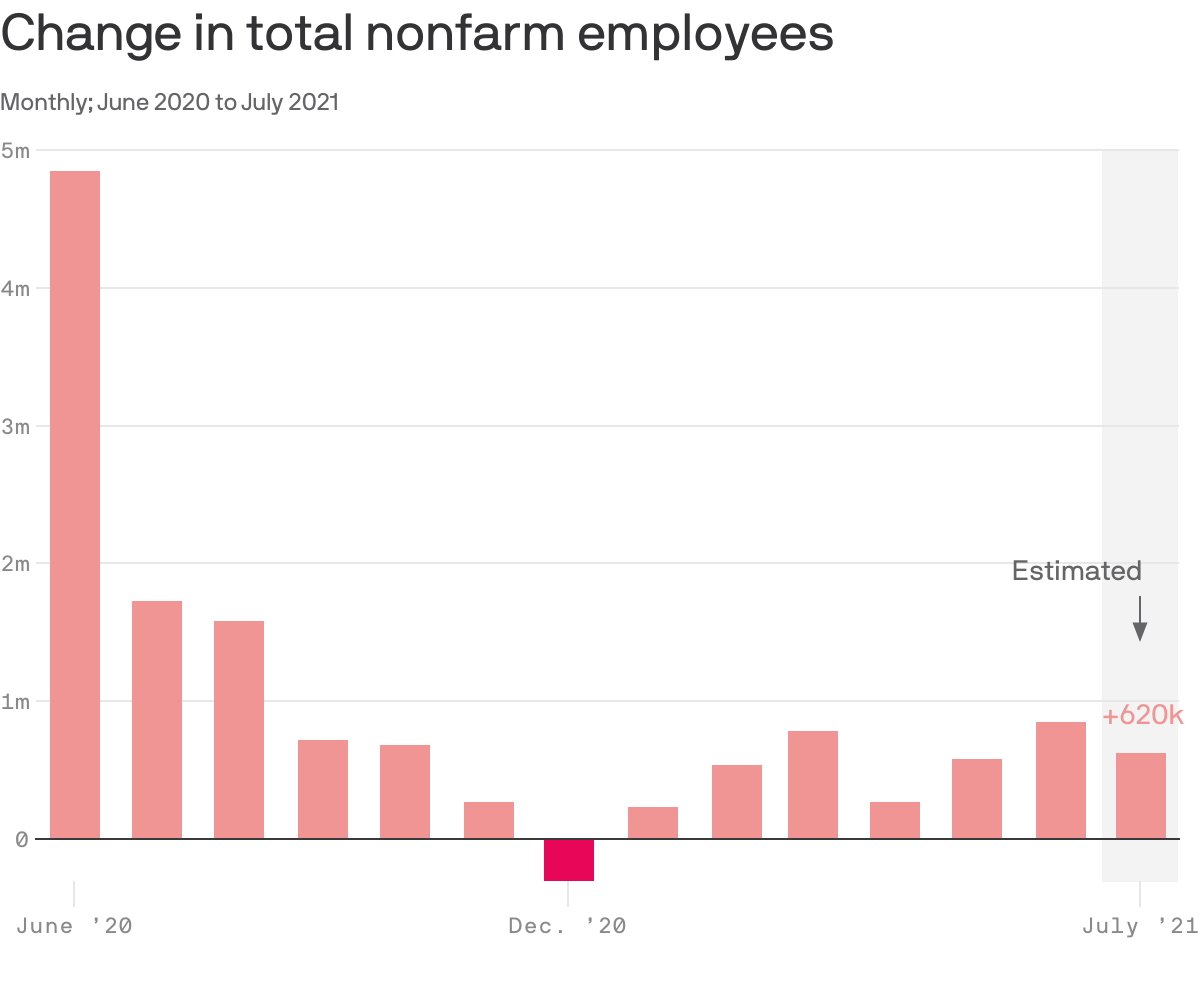
Economists say job momentum continued in July with 620,000 payroll jobs added. If they're right, it helps chip away at the 6.8 million still needed for a full healing.
The unemployment rate could slip to 5.8%, matching a pandemic-era low.
Wages are expected to grow 0.2% after gaining 0.3% in June.
Spice company McCormickannounced it's hiring for that tasty title — a four-month gig that pays $100,000, Sam writes.
Responsibilities include: "Taste test and consult on inspirational and approachable taco recipes" ... "Debate the ultimate controversial taco topic: soft or hard shell taco?"
Between the shells: With so many choices for workers, short-term gigs have become a lot more interesting.
"There were endless amounts of roles. I could be extremely picky."
— Ashley Taylor, who works in software sales.
Taylor left her last job in January and within two days had an offer to join another startup. She waited six months and ended up getting an even higher offer from the same company.
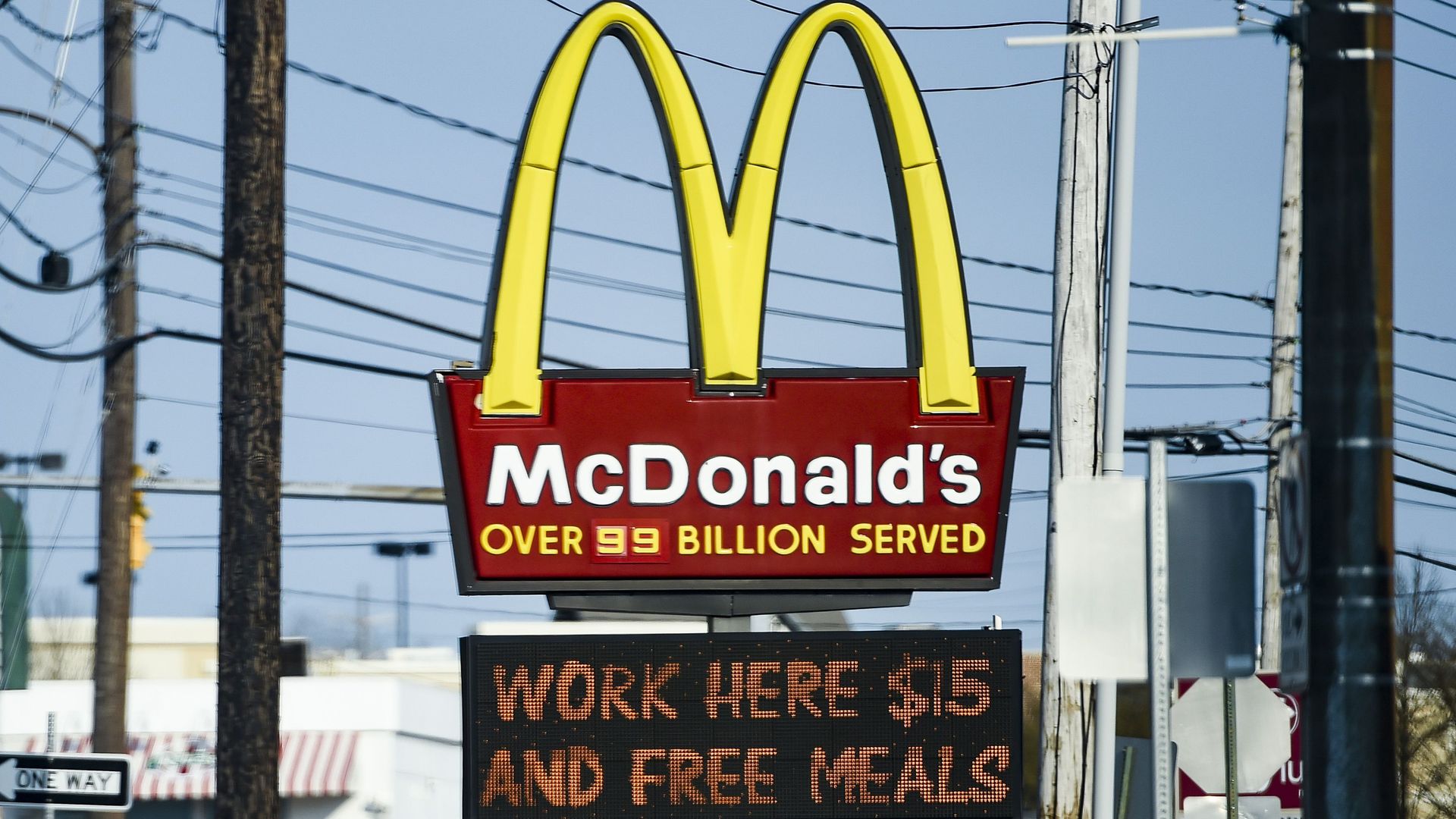
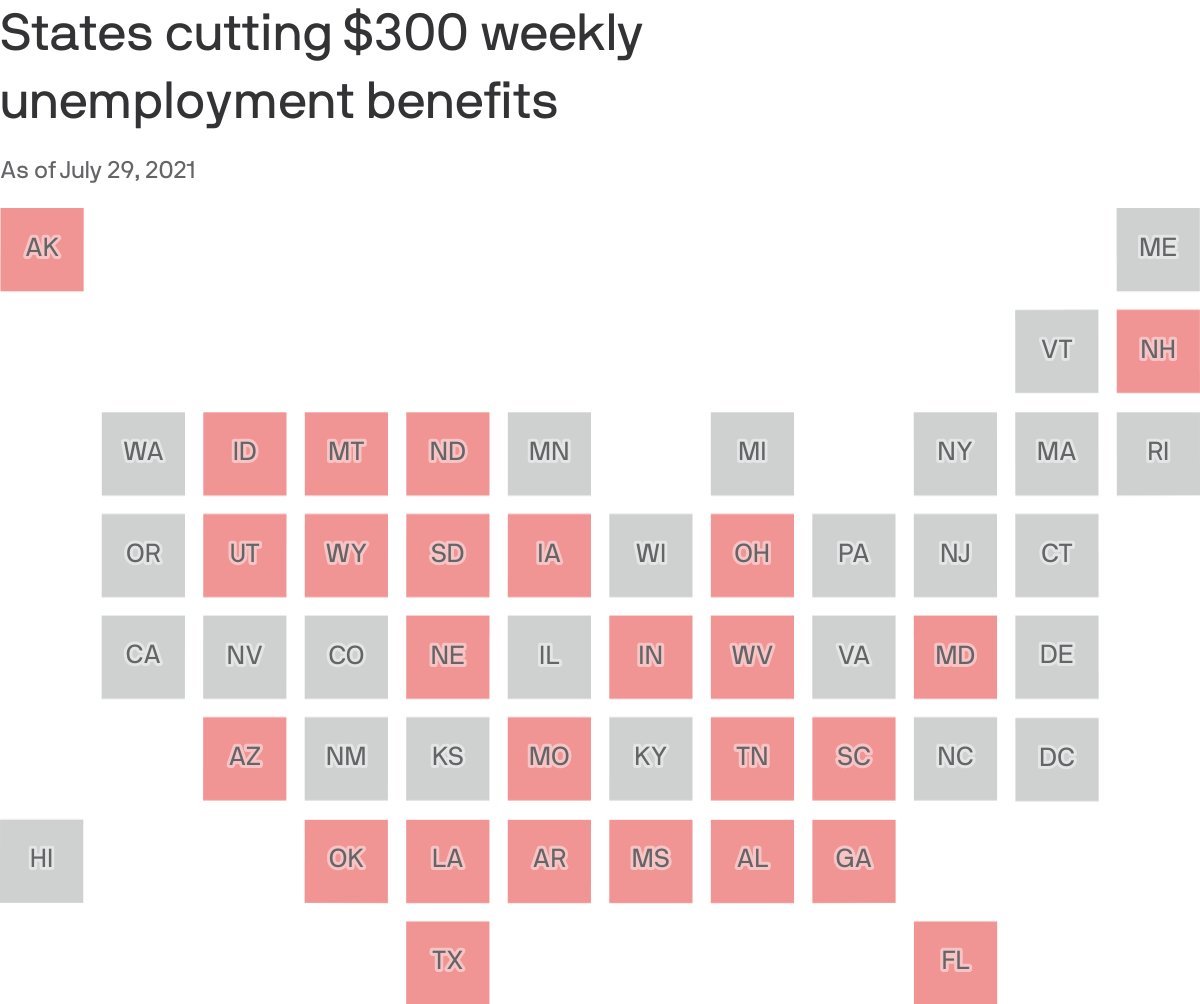
More than half of states are embarking on a grand experiment: prematurely ending enhanced unemployment benefits in order to spur people back to work.
What's happening: Despite the uproar over the higher payouts, early evidence suggests canceling them only marginally helped employers find workers — that is, if there was any effect at all.
This Deep Dive on jobs by the Axios business team looks at the incredible state of the U.S. jobs market and how employers, employees and job seekers are navigating this unprecedented moment.
The unprecedented upheaval of a year-plus of pandemic life is playing out in the job market.
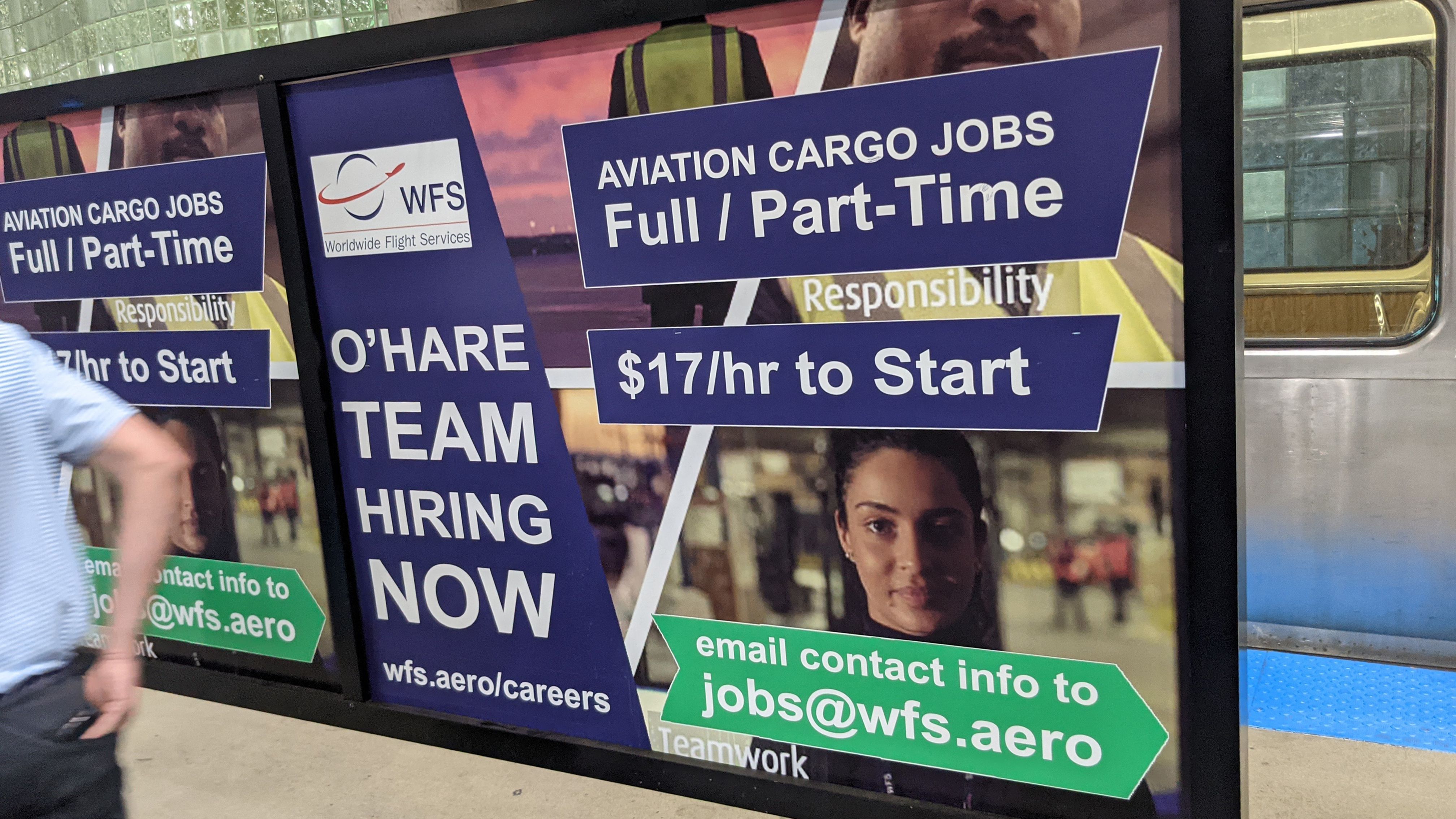
Why it matters: The unemployment rate remains stubbornly high. At the same time, the Great Resignation has companies across the country trying desperately to hold on to staff as employees act on pent-up demand for job changes.