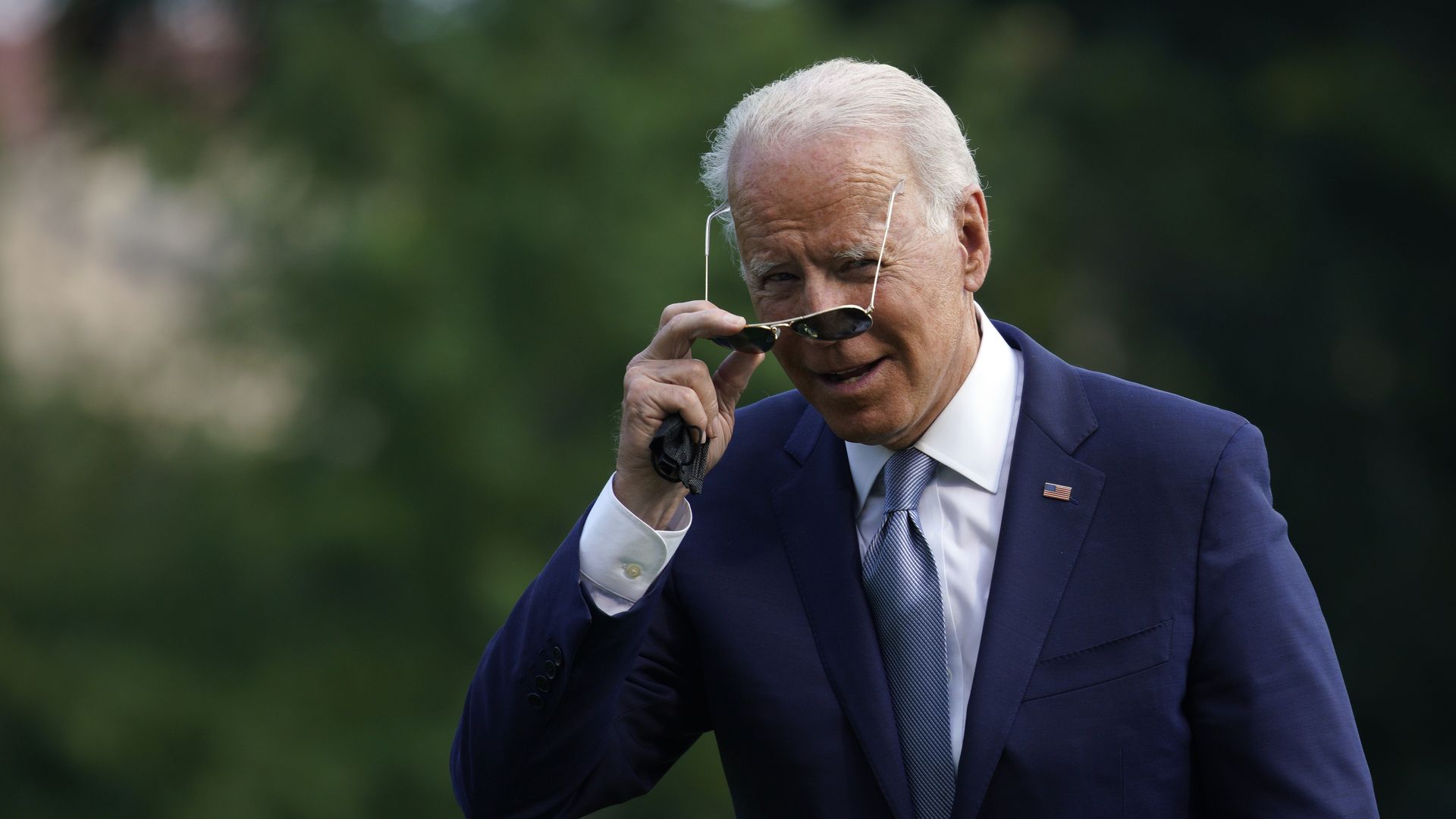
President Biden wants to remake the U.S. economy by injecting more competition into highly concentrated industries including airlines, Big Tech and agriculture to improve choices and prices for consumers.
Why it matters: The ambitious executive order signed Friday directs the federal government to step up antitrust enforcement and regulation. The move marks a sea change from four decades of a hands-off-big-business approach ushered in by Ronald Reagan.
The Commerce Department added 34 foreign entities to an export blacklist on Friday for "acting contrary to the foreign policy interests of the United States," including 23 companies allegedly tied to the Chinese military or implicated in the genocide against Muslim minorities in Xinjiang.
Why it matters: It's the Biden administration's latest effort to hold China accountable for its human rights abuses and restrict U.S. firms from doing business in Xinjiang, where Beijing is engaged in a campaign of mass surveillance, detention and forced labor against Uyghurs and other minorities.
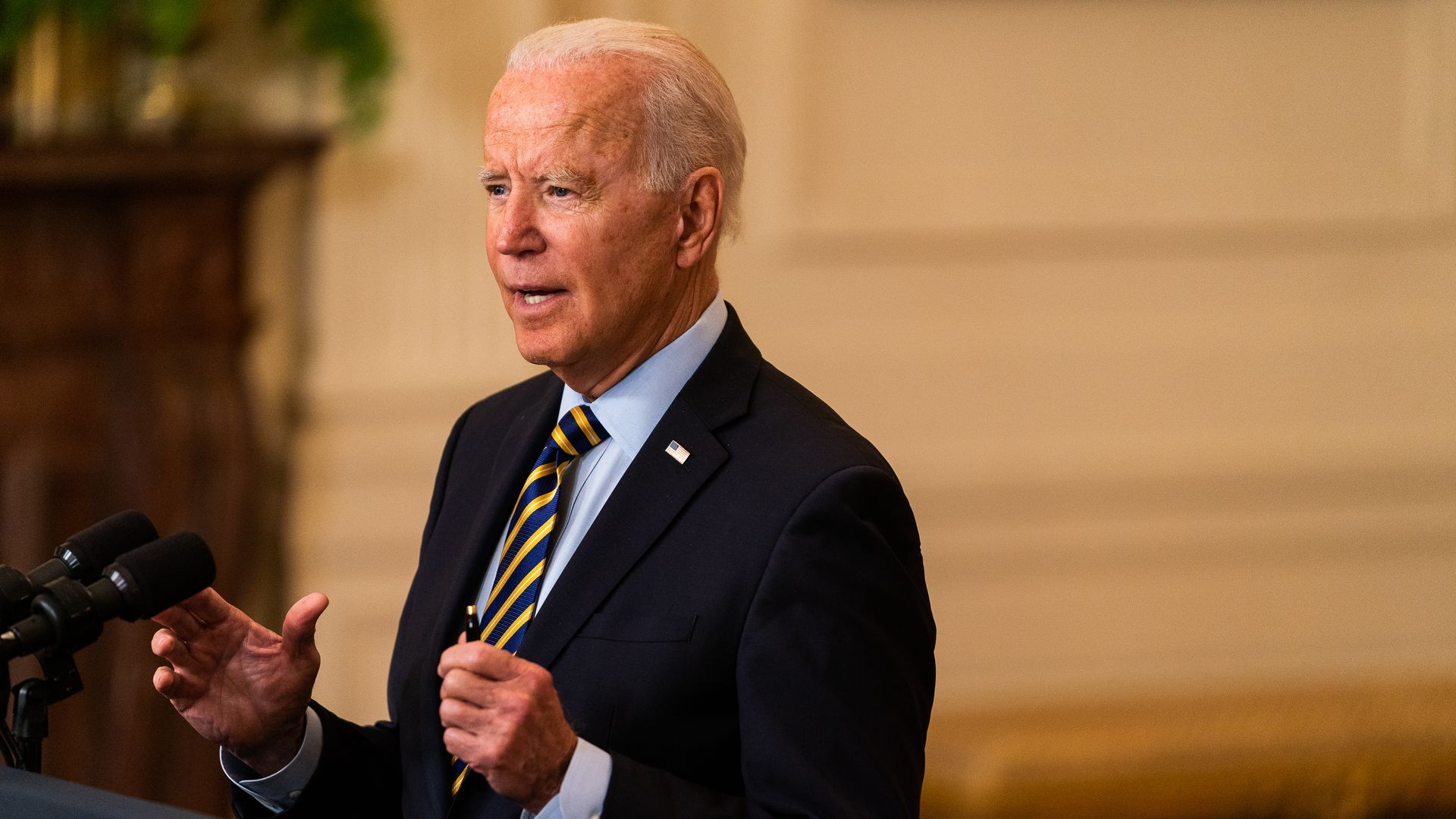
President Biden has decided to become the antitruster-in-chief, today signing a sweeping executive order that could limit corporate consolidation.
The big picture: Biden is explicitly asking regulators to not only block new mergers, but also to consider unwinding prior mergers that were not challenged by past administrations.
The gym industry, battered by a year of pandemic-related closures and customer losses, faces an added hurdle as it looks to recover: the rise of home workout technology.
The big picture: Health clubs in the U.S. saw revenue drop by more than half last year. Meanwhile, Americans working at home started getting in shape there as well, Peloton sold bikes as fast as it could make them, and Apple started selling fitness subscriptions.
Financial markets were rattled on Thursday amid signs that the economic recovery is at risk of stumbling. But experts say the longer-term outlook for markets remains bright.
Why it matters: Even with the selloff, the stock market is near an all-time high, with the S&P 500 having closed at a record 4,358 on Wednesday.
Not so long ago, Wells Fargo was in trouble for opening accounts its customers didn't want. Now, having seen the error of its ways, it has decided instead to close accounts its customers do want.
Driving the news: Wells is shutting down all existing personal and portfolio lines of credit, after last year deciding it would stop issuing new home equity credit lines.
President Biden will sign an executive order on Friday promoting 72 initiatives across more than a dozen agencies that aim to reduce corporate consolidation, increase competition and offer benefits to consumers, workers, farmers and small businesses.
Why it matters: It's a sweeping push to fulfill Biden's goals of making the U.S. economy more dynamic and fair, as the administration seeks to crack down on highly concentrated industries like Big Tech and compete more effectively with China.
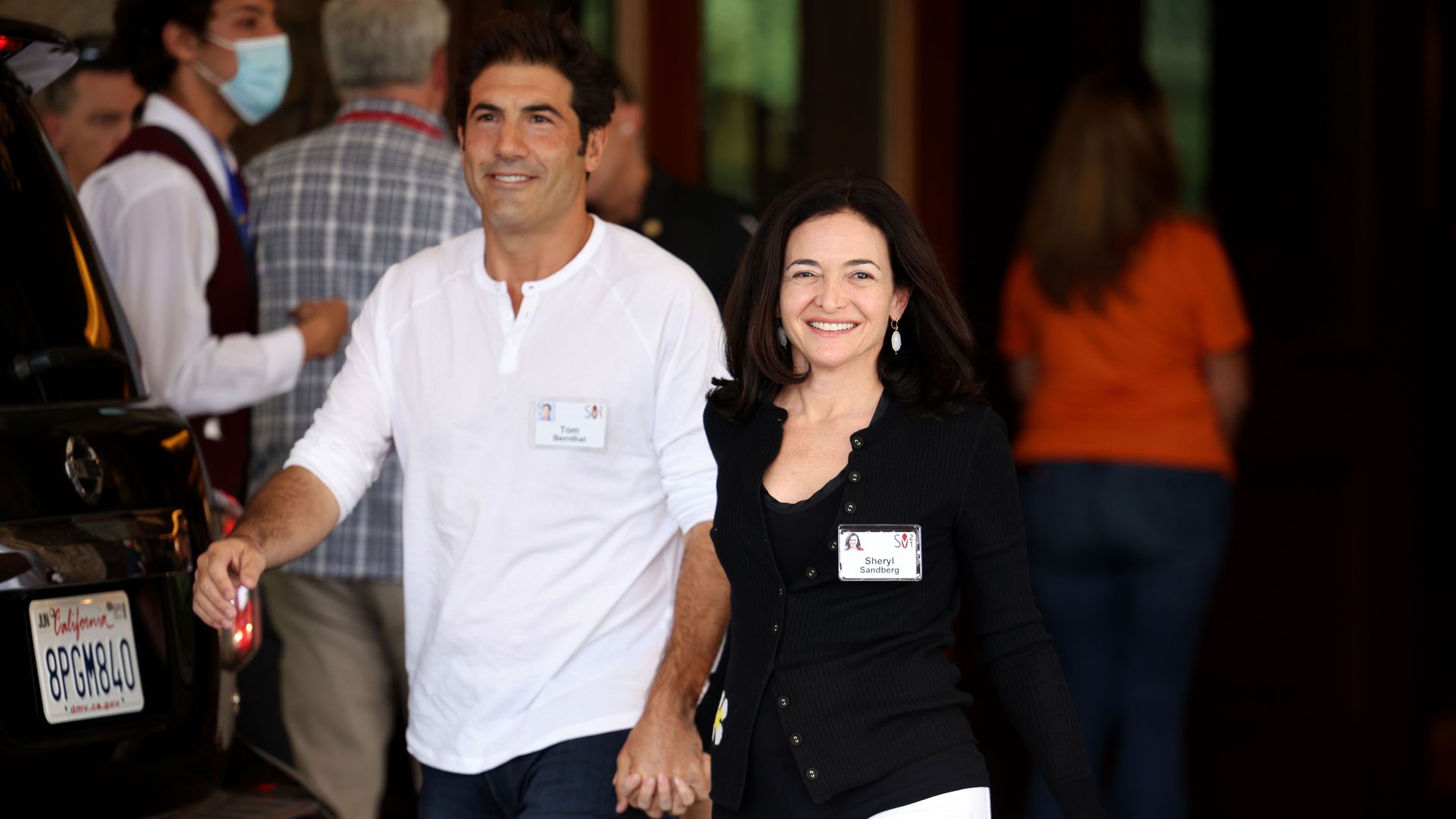
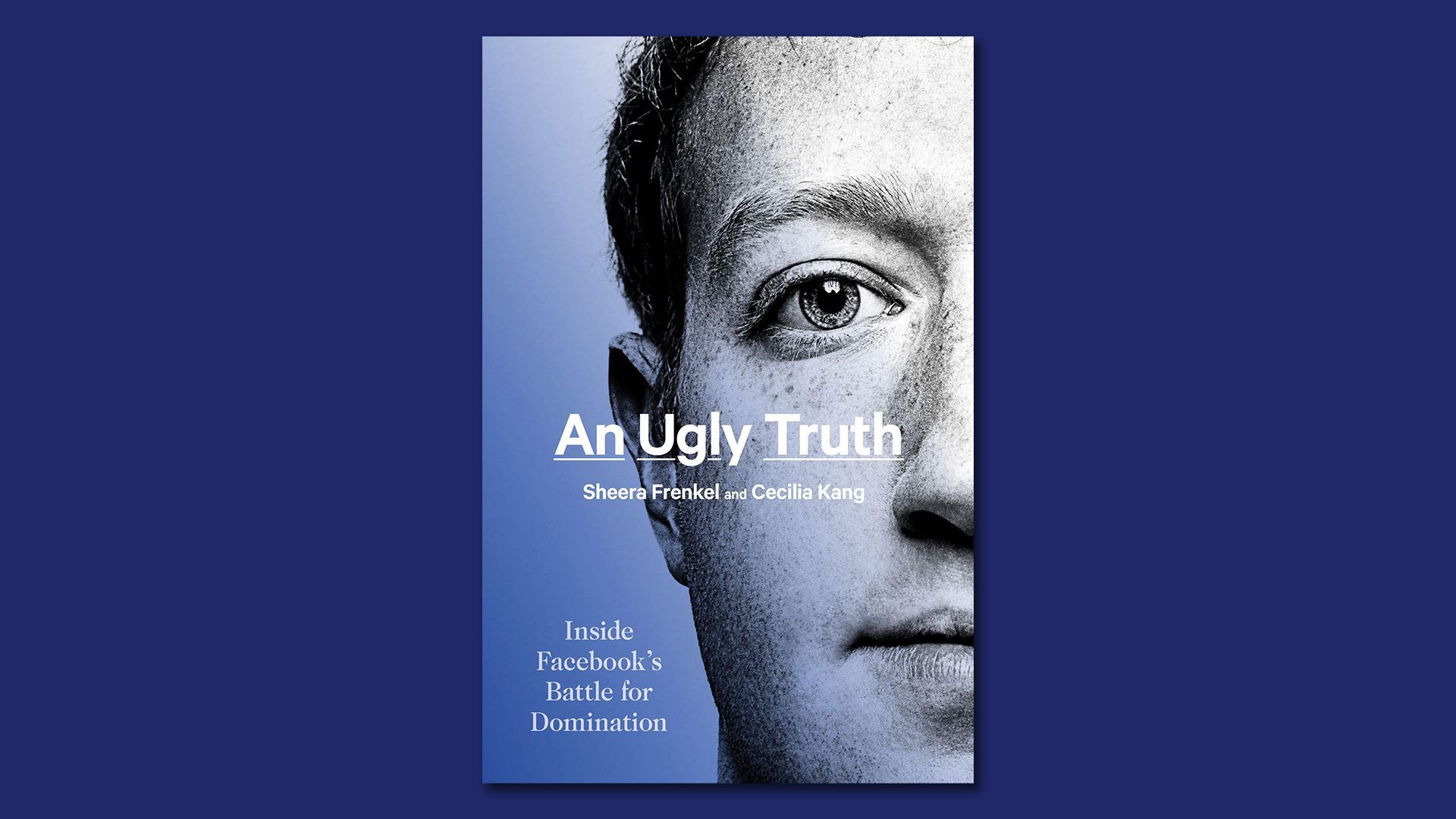
The close relationship between Facebook CEO Mark Zuckerberg and COO Sheryl Sandberg was strained by the Trump era, the N.Y. Times' Sheera Frenkel and Cecilia Kang write in their book, "An Ugly Truth: Inside Facebook’s Battle for Domination," out Tuesday.
"She became increasingly isolated," they write in an adaptation posted by The Times Thursday. "Her role as the C.E.O.'s second-in-command was less certain with his elevation of several other executives, and with her diminishing influence in Washington."
"Oh f---, how did we miss this?" Facebook CEO Mark Zuckerberg asked, looking around at the somber faces of his top executives, the N.Y. Times' Sheera Frenkel and Cecilia Kang write in their book, "An Ugly Truth: Inside Facebook’s Battle for Domination," out Tuesday.
In an excerpt provided first to Axios, the authors write that the executives met Dec. 9, 2016, for a briefing on what Facebook's security team knew about Russian meddling on the platform during the election won by Donald Trump.
Now that the ad market is booming again, all sorts of businesses are doubling down on their investments selling ad space.
Why it matters: Media companies used to be the biggest sellers of advertising globally. Then tech giants took that title. Now, in a post-pandemic world, every industry that has a digital presence is trying to build an ad revenue line.
The cryptocurrency market is becoming one of the few places where internet meme culture can translate into serious money.
The big picture: "Joke" cryptocurrencies can thrive when bored people who have cash to spare look for new ways to entertain themselves with seemingly benign bets —hoping that one of those bets could turn into a lucrative investment.