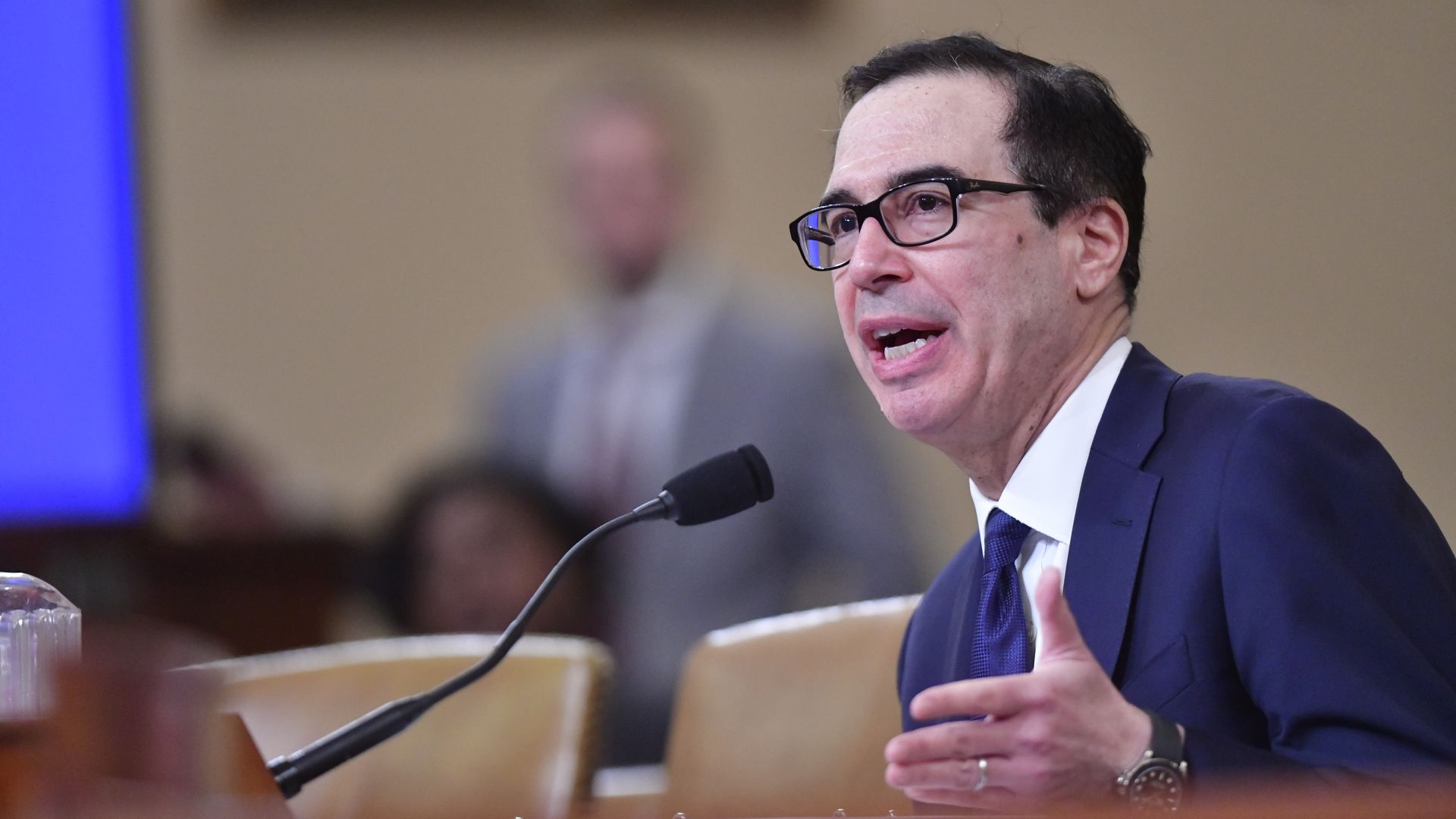
The U.S. Treasury will need to borrow a record $2.99 trillion this quarter to pay for coronavirus relief efforts, it announced Monday.
Why it matters: The borrowing is a result of nearly $3 trillion in spending that Congress has enacted since the start of the pandemic. That outlay included direct payments to most U.S. households, the Paycheck Protection Program and other economic relief. It also reflects a dip in revenues because the government delayed the tax filing deadline to June.
Spain and Italy, the European countries hardest-hit by the novel coronavirus, are reopening their economies in stages beginning on Monday.
The big picture: Both countries have emphasized bringing back industry before retail. In the U.S., some states are reopening restaurants and other non-essential businesses first, in contrast with federal guidelines for reopening.
Intel is paying $900 million to buy Moovit, a data-rich app that helps people navigate cities using multiple modes of transportation from bikes and scooters to public transit and taxis.
Why it matters: The acquisition will help Mobileye, Intel's automated driving subsidiary, expand the breadth of its planned mobility services to include everything from self-driving vehicles and automated fleets to on-demand robo-taxi services.
NBC News chairman Andy Lack is stepping down and will transition out of the company by the end of May, NBCUniversal announced Monday.
Why it matters: Under Lack, NBC News was accused of attempting to scuttle journalist Ronan Farrow's investigation into allegations of sexual assault against Harvey Weinstein. Farrow also accused Lack of downplaying an internal complaint about a rape allegation against then-host Matt Lauer.
The 2019 Pulitzer Prize winners were announced Monday after initially being postponed due to the coronavirus.
The big winner: The New York Times was awarded the most prizes, including in major categories like investigative reporting, international reporting and commentary.
A Netflix-type model could lower the cost of one-time gene therapy treatments, said Jane Barlow, the chief clinical officer for Real Endpoints, a data analytics company for the healthcare industry.
Why it matters: Current medicines spread their costs out over time. Gene therapy treatments are likely to cost the health care system billions of dollars, and drugmakers are already having to come up with creative ways to get paid for high-cost drugs, Axios' Caitlin Owens reports.
Tim Bray, vice president and distinguished engineer at Amazon Web Services, announced Monday in a blog post that he resigned after the company fired workers who raised concerns about warehouse employees frightened of the coronavirus.
Why it matters: Bray said he strongly disagreed with the firings of a number of employees, including Emily Cunningham and Maren Costa, who link their terminations to their public criticism of Amazon’s treatment of employees during the coronavirus pandemic, according to TechCrunch.
Textbook publishers Cengage and McGraw-Hill on Monday announced the termination of their proposed $5 billion merger, which was originally announced in May 2019.
The bottom line: Lots of M&A deals are being canceled because of the coronavirus, but this one was felled by federal antitrust opposition. The two companies and regulators were unable to agree on what divestitures would be required to gain deal approval.
Carnival announced Monday it will restart some cruises departing from the U.S. on Aug. 1.
Why it matters: Cruise ships, including some under Carnival's Princess brand, became hot beds for coronavirus infections earlier this year, resulting in thousands of infections and dozens of deaths around the world, per the Miami Herald.
Elliott Management, one of the most feared activist investors, is financing a patent lawsuit on behalf of a small interactive video company against the splashy new mobile streaming company Quibi, a person familiar with the lawsuit tells Axios.
Why it matters: Elliott Management's involvement escalates the months-long battle over who owns the video technology that powers Quibi's entire business. Quibi just launched in April, and has struggled to stick to its ambitious growth plan amid the coronavirus pandemic.
Two Brookings Institution analysts say it's possible to revive the economy while maintaining the benefits of greatly reduced traffic — but only with important policy changes.
Why it matters: The radical decline in movement during the pandemic has caused steep reductions in car travel. Going forward, the extent of the bounce back of vehicle and air travel will affect oil demand and emissions of CO2 and traditional pollutants.
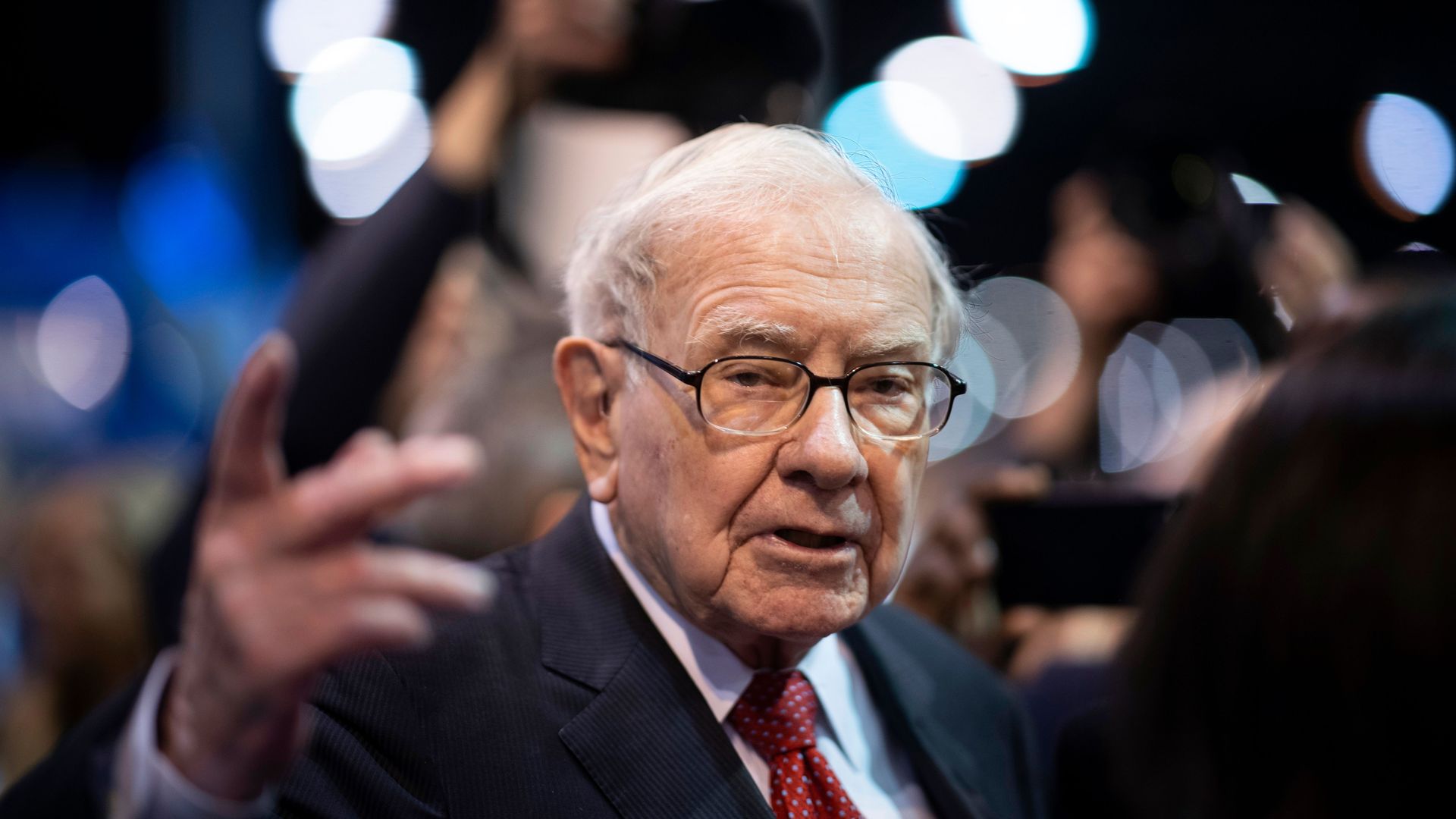
Berkshire Hathaway CEO Warren Buffett told shareholders Saturday that the company sold 16 times more in stocks than it purchased during April, including dumping $6 billion in airline stock — the company's entire equity position in U.S. airlines.
Why it matters: Long an advocate for buy-and-hold investing and being opportunistic during downturns, Buffett's actions are in stark contrast to the general mood of the market, which has seen stocks rally by around 30% since March 23.
Three months after Vietnam detected its first case of coronavirus, the country of more than 95 million hasn't reported a death from the virus and most of its 270 confirmed cases have recovered, the Wall Street Journal reports.
Why it matters: Already growing as a hub for global manufacturing, companies looking to diversify their supply chains or be less reliant on China could increasingly look to Vietnam thanks to its fast recovery.
Thanks to solid reports from tech giants like Amazon and Microsoft, expected first-quarter earnings are now on pace to decline by less than they were last week — the first week in which expectations improved since Q1 earnings season began.
By the numbers: With 55% of S&P 500 companies having posted first-quarter results, earnings are projected to fall 13.7% year over year, compared to an estimated 16.1% decline last week. Disney, General Motors, Tyson Foods and CVS among the big names expected to report this week, according to FactSet.
April's U.S. jobs report will certainly reveal unprecedented losses after 30.3 million people filed unemployment claims in just six weeks, but it will also contain a number of other data points that will provide important context about the real hit to the economy and what a recovery might look like.
Why it matters: The monthly Bureau of Labor Statistics (BLS) nonfarm payrolls report uses a combination of household surveys and employer records to more accurately assess the state of U.S. unemployment.
J. Crew filed for bankruptcy Monday, reaching a deal with its lenders to convert $1.65 billion of debt into equity, Bloomberg reports.
Why it matters, via Axios' Dan Primack: It's one of the first major retail casualties of the coronavirus pandemic, though the chain was in serious financial trouble long before. The outbreak forced J. Crew, like its peers, to close its physical stores, but it also scuttled an IPO for jeans unit Madewell, which would have provided the company with fresh capital.
Colleges around the U.S. are formulating plans to welcome students back to campus this fall — afraid they'll be headed for financial catastrophe if they remain closed.
The big picture: Social distancing could still be in place and medical experts say a second wave of coronavirus cases is possible in the fall, but for many universities, the revenue blows that would come with an online semester are too severe to weather. They've got no option but to figure out how to reopen.
Private equity firm Silver Lake is investing 56.56 billion rupees (about $746.74 million) into Jio Platforms, a telecom subsidiary of India's Reliance system, at a $65 billion valuation.
Why it matters: The deal comes just over a week after Facebook announced a $5.7 billion investment into the company, underscoring Jio's growing importance as an entry point into the Indian market. This investment is also the latest in Silver Lake's recent tech spree, which has brought it stakes in Airbnb, Expedia and Twitter in the last two months.
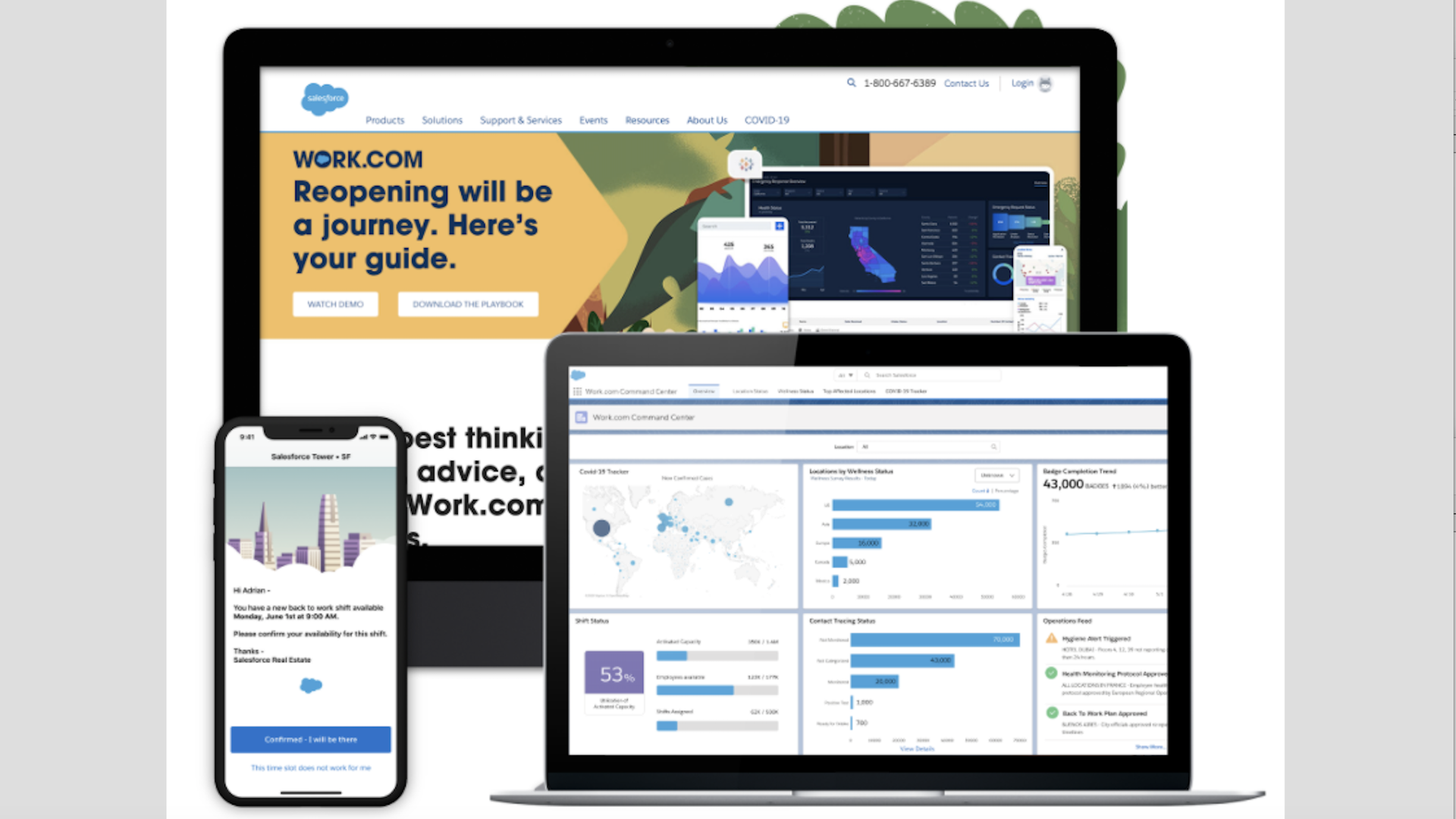
Salesforce is announcing new products Monday to help businesses navigate reopening during a pandemic, tackling newly necessary tasks like scheduling office workers in shifts, managing employee health and handling emergency responses.
Why it matters: Firms like Zoom and Slack have seen their existing services flourish during the coronavirus crisis, but Salesforce's new products are some of the first designed specifically to help navigate it. Expect many more to follow.