Although many, many companies pulled off relatively seamless transitions to operating fully remote, workers are discovering unforeseen consequences of the sudden switch.
The big picture: This is not normal teleworking. Typically, employees aren't caring for or schooling kids while on the job — and they're not prohibited from seeing friends, working from a coffee shop or going to the gym.
Disney's stock whipsawed Tuesday after the entertainment giant reported that it beat Wall Street expectations on revenue, but missed on earnings. Its stock was slightly higher at market close than market open.
Why it matters: Analysts didn't expect this quarter to be impacted by the coronavirus as heavily as they expect next quarter to be. Still, Disney says operating income from its parks division was down 58% from this time last year.
NASA and Tom Cruise are in talks to shoot a movie onboard the International Space Station, the space agency's administrator Jim Bridenstine confirmed in a tweet Tuesday.
Why it matters: NASA has been looking for new ways to try to commercialize the space station, and filming a movie on location in orbit could be one way to do just that.
Airbnb is laying off a nearly 1,900 employees, or a quarter of its global workforce, as it tries to weather the near total halt of travel amid the coronavirus pandemic.
Why it matters: Despite raising $2 billion in debt and equity last month, cutting marketing expenses and freezing hiring, the company couldn't escape having to cut a significant number of jobs.
California's attorney general, along with city attorneys for San Francisco, Los Angeles and San Diego, is suing Uber and Lyft over the companies' classification of drivers are independent contractors instead of employees.
Why it matters: This is the latest move in a long-running effort to get the companies to reclassify their drivers. It follows multiple lawsuits from individual drivers over the years, as well as last year's new California law codifying a state supreme court decision that makes it harder to classify workers are contractors.
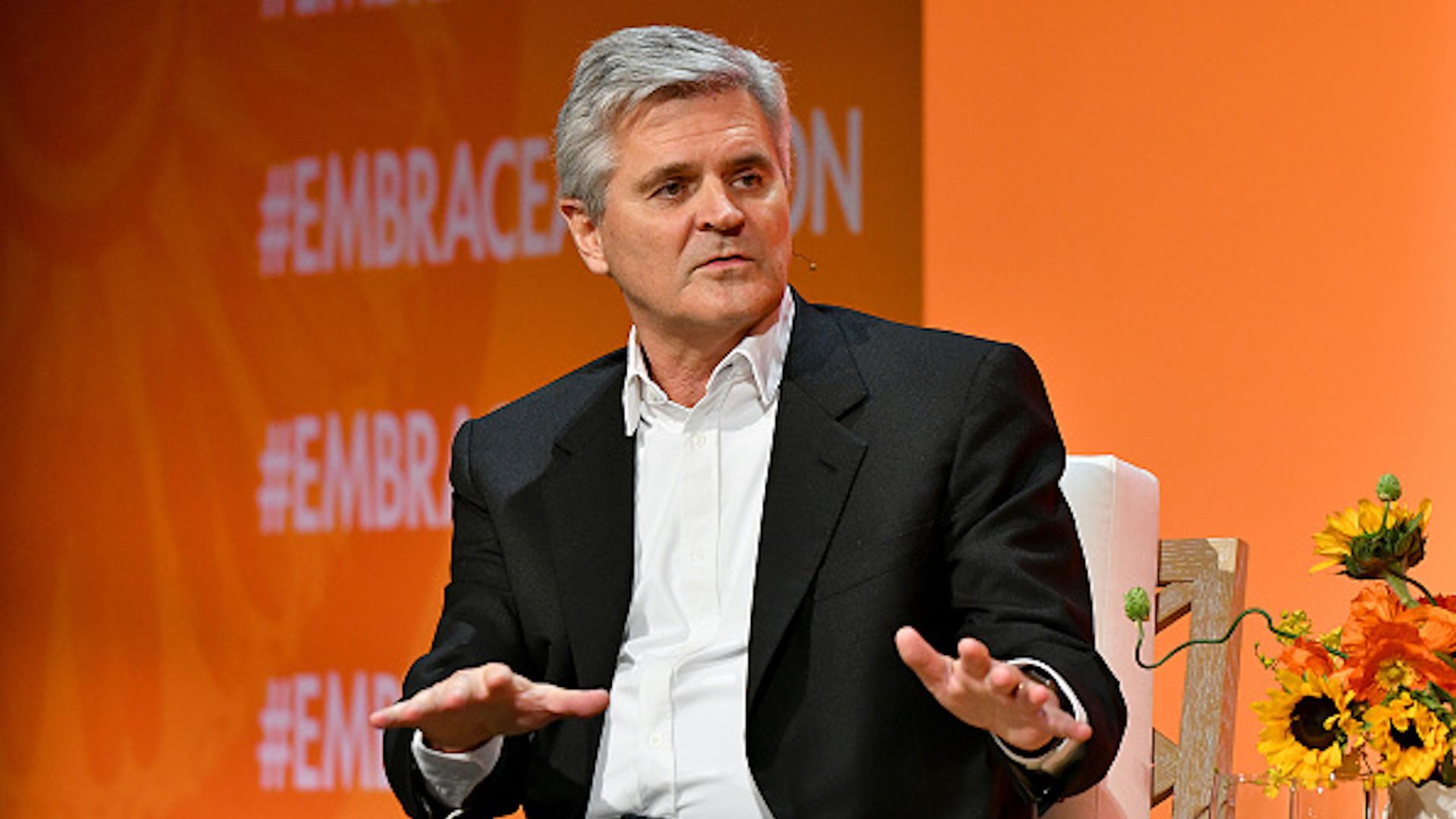
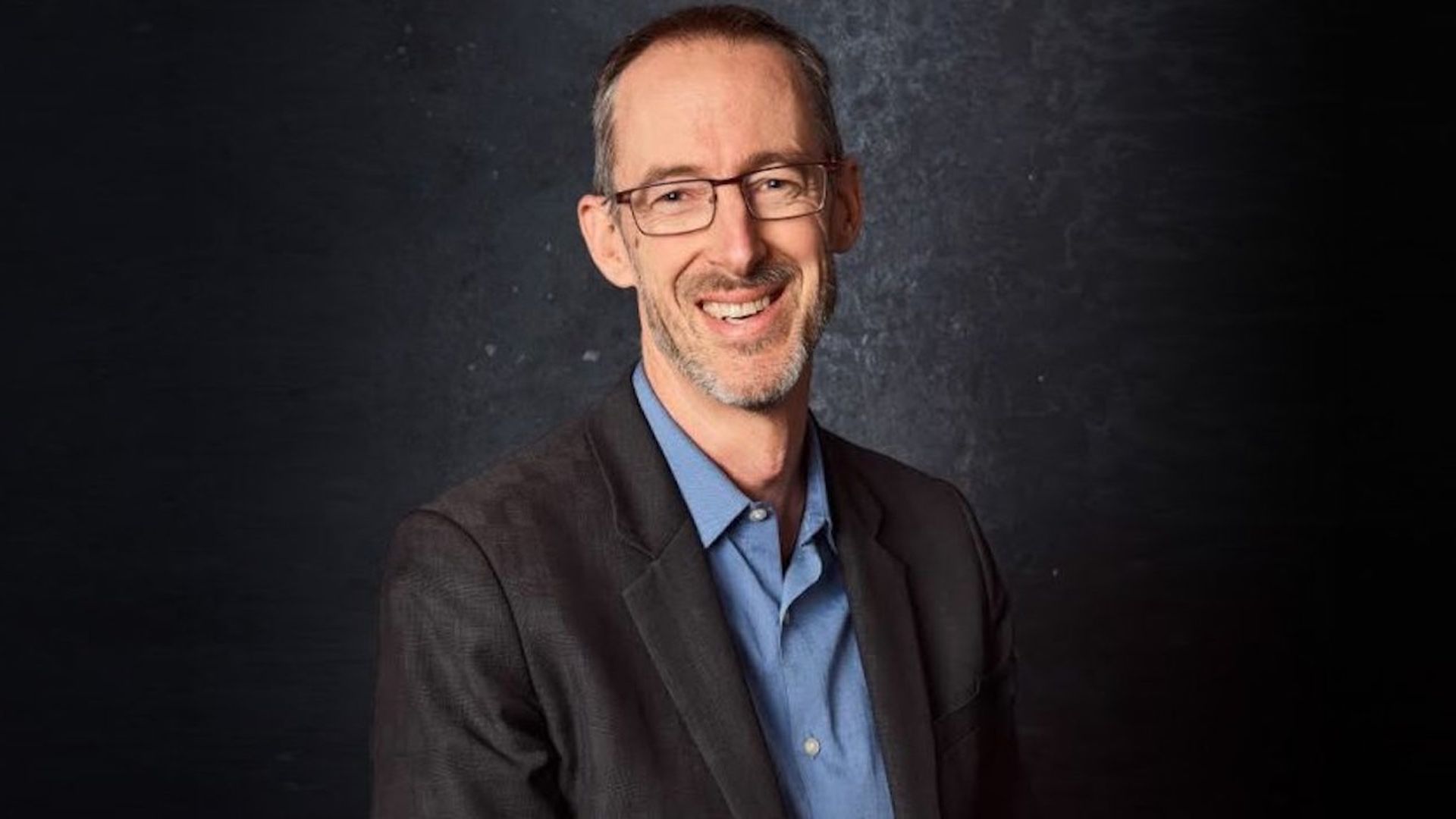
The coronavirus pandemic could be the tipping point to reverse brain drain from the Midwest, Steve Case, AOL co-founder and venture capitalist, predicted Tuesday at an Axios event.
What he's saying: "So the question that we look for is how can we keep some of that talent in place, slow the brain drain and actually create a bit of a boomerang of people returning? And I think this crisis may be a tipping point. There are a lot of people who are rethinking things and using this as an opportunity to take a step back and reflect."
BuzzFeed founder and CEO Jonah Peretti announced Tuesday that Mark Schoofs will be the new editor-in-chief of BuzzFeed News, replacing Ben Smith, who left the company to join the New York Times as a media columnist.
Why it matters: Schoofs is a two-time Pulitzer Prize-winning journalist whose 30-year career has spanned a variety of newsrooms, including the Wall Street Journal, ProPublica and the Village Voice.
Pharma startups are in the media spotlight, after decades of playing second-fiddle to consumer and enterprise tech, but are facing their own pandemic-related challenges.
What's happening: Many clinical trials have been put on indefinite hold, particularly if they involved hospital sites. The upshot is that such startups are effectively in a holding pattern, with investors scrambling to decide whether or not to foot the elongated bill.
Adam Neumann, founder and former CEO of WeWork, yesterday filed suit against SoftBank, alleging breaches of contract and fiduciary duty related to SoftBank's decision to walk away from a $3 billion tender for WeWork shares.
Why it matters: Because when a special committee of WeWork's board filed a similar lawsuit last month, SoftBank responded by questioning its standing to represent minority shareholders who could have participated in the tender offer. Neumann is unquestionably a minority shareholder.
Of all the conspiracy theories floating around the internet related to the coronavirus, disinfectant has by far gone the most viral.
Why it matters: Unlike some of the other conspiracy theories gaining traction on the internet, the disinfectant theory has gone viral online in large part because it's so obviously nonsensical that it quickly became an internet meme after President Trump suggested it could be used as a cure for coronavirus.
ATTN:, the progressive social media-based news outlet aimed at millennials, is launching a video series on Facebook and Instagram, in partnership with Poynter's groundbreaking digital literacy project "MediaWise."
How it works: Facebook came to ATTN: to produce the series because it's already proven that it knows how to capture millennials' attention with video, especially on Instagram.
Governments in Western democracies are being pressured by the news industry to come up with relief plans to support local media companies upended by the coronavirus pandemic — and some have already begun implementing small aid programs.
Why it matters: Most experts agree these efforts are not sustainable in supporting the local media ecosystem long-term.
Wall Street is anxiously awaiting Disney earnings at market close today, after several analysts have already begun to downgrade the stock due to its unique exposure to the coronavirus epidemic.
Why it matters: Roughly half of Disney's revenue is directly tied to industries that have been shut down, like parks and resorts, advertising and film.
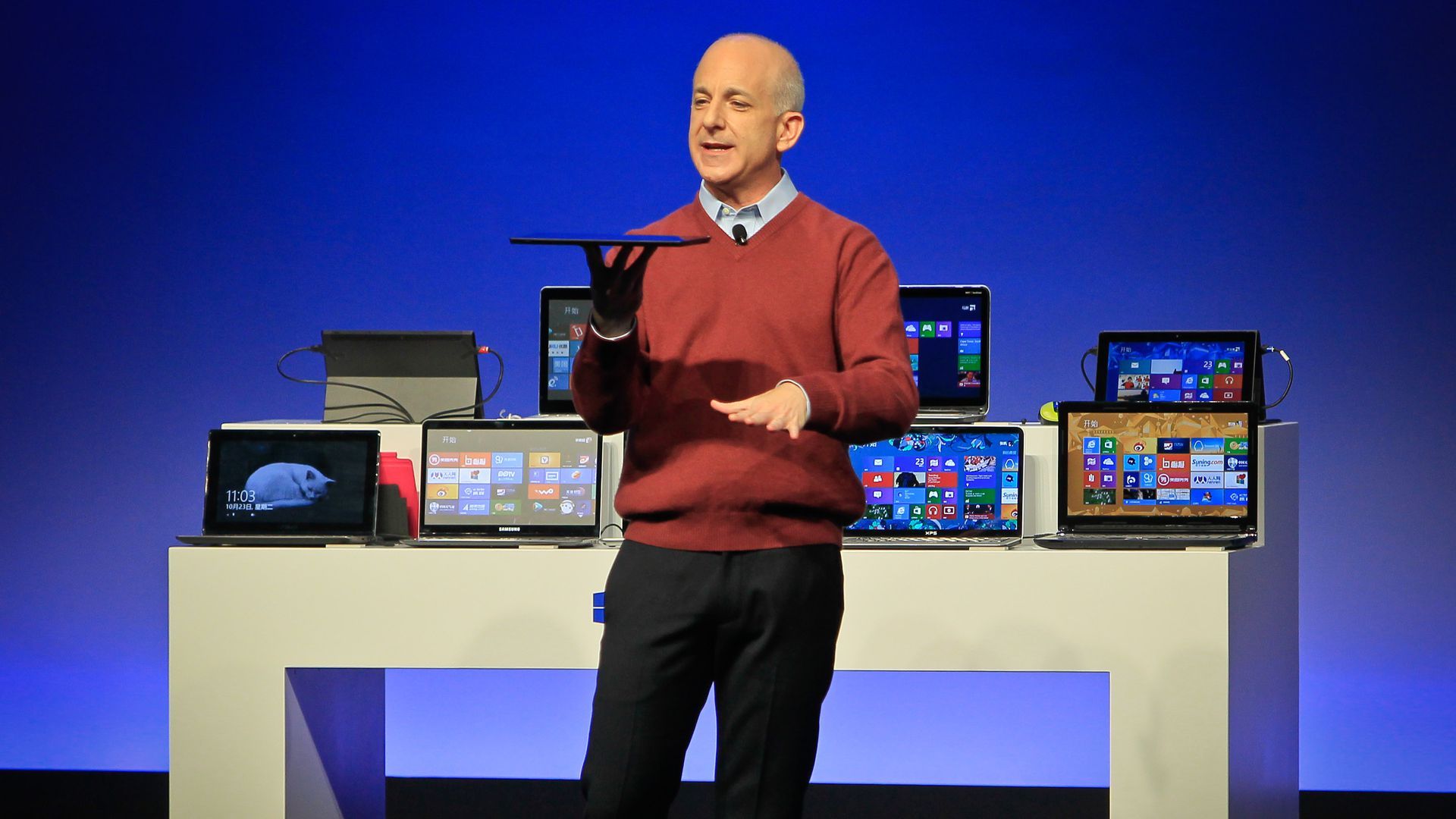
Steven Sinofsky, the former Microsoft executive and current Andreessen Horowitz board partner, has been working on a book chronicling what he learned during his decades at Microsoft, including his time leading the Office and Windows teams.
Why it matters: There are a lot of lessons today's tech giants can learn from Microsoft's experiences — and Sinofsky was at Microsoft for many of its most crucial moments.
The absence of live sports is reigniting the years-long debate over the real value of live sports in a Pay-TV package.
Why it matters: New York State Attorney General Letitia has argued that consumers shouldn't have to pay the same amount for cable and satellite packages, which include expensive sports networks, when those sports networks aren't carrying any live sports.
Cesar Conde will become the chairman of NBC News Group — including MSNBC, CNBC and NBC News — NBCUniversal announced Monday.
Why it matters: His promotion marks the first time that a Latino has become the head of news for NBC, and people who have worked closely with Conde say he's one of America's most underestimated media executives.
The number of high-poverty neighborhoods in the U.S. has increased at an alarming rate over the past 38 years, according to a new report out Tuesday from the Economic Innovation Group.
Why it matters: The analysis found that more and more neighborhoods that fall into poverty end up staying there. Stagnant wage growth in these places has made it very difficult for them to improve their fortunes even in good times — and that was before the severe economic crisis brought on by coronavirus.
Concern about President Trump's tariffs on U.S. imports of Chinese goods hit its highest level on record in April, as the coronavirus pandemic caused more Americans to fear the their' impact on household finances, according to the latest survey from CivicScience.
Where it stands: The tariffs remain a massive tax on American businesses and individuals at a time when Congress and the Federal Reserve are expending trillions of dollars to offset the negative economic shock of the virus.
Retailer J. Crew's Chapter 11 bankruptcy filing Monday "is likely the first of many companies to restructure in- or out-of-court in the next one to two years," S&P Global Ratings analysts warn in a new report.
Driving the news: J. Crew is the eighth debt-issuing retail and restaurant company to default on its debt this year, equaling the total from all of 2019 in just over four months, S&P notes.
The number of U.S. mortgages in forbearance increased again in the last full week of April, but new requests slowed significantly from the pace earlier this year, data released Monday by the Mortgage Bankers Association showed.
Why it matters: A total of 3.8 million homeowners are now in forbearance plans, accounting for 7.54% of all mortgages, but that may actually be a good thing.
Many hospitals may not make it out of the coronavirus pandemic.
The big picture: The most vulnerable organizations — especially those that treat more old, poor and non-white patients — are teetering on the edge of existence and have to compete with larger, affluent hospitals for federal aid.
In a matter of weeks, the coronavirus crisis has triggered indelible shifts in the way America works.
The big picture: The pandemic is accelerating the onset of new trends in work — toward telecommuting, new office layouts and a different work-life balance. And we’re already seeing signs that these effects will outlast the crisis.
Americans say they are getting less worried about leaving their homes and taking part in large group activities, according to the latest installment of the Axios-Ipsos Coronavirus Index.
Why it matters: As states start to relax shelter-in-place orders and allow more businesses to open, there is increasing public appetite for the kind of activities that could help spur the economy toward recovery, the Axios-Ipsos results show.