The airline industry got a $58 billion lifeline in the coronavirus federal aid package. But the path is unclear for these companies, whose operations and prospects will be forever changed by the global pandemic.
Why it matters: People may want to minimize travel for the foreseeable future. Investors, analysts and industry watchers are trying to determine how much airlines will need to spend — and how much more in lost revenue they'll see — while they adapt to the new reality.
ezCater, a Boston-based corporate catering startup valued last year at $1.25 billion, on Tuesday laid off more than 400 of its 900 employees, the company confirms to Axios.
The big picture: This is just the latest in a rapid series of major "unicorn" layoffs, particularly for companies servicing a market that has largely evaporated (in this case, hungry office workers).
Twitter CEO Jack Dorsey tweeted Tuesday that he is reallocating $1 billion of his equity from Square, a payment processor for smaller merchants, to fund relief for the coronavirus pandemic.
Details: Dorsey's "Start Small" fund donated $100,000 on April 2 to a GoFundMe working with Feeding America and World Central Kitchen to address food insecurity caused by COVID-19.
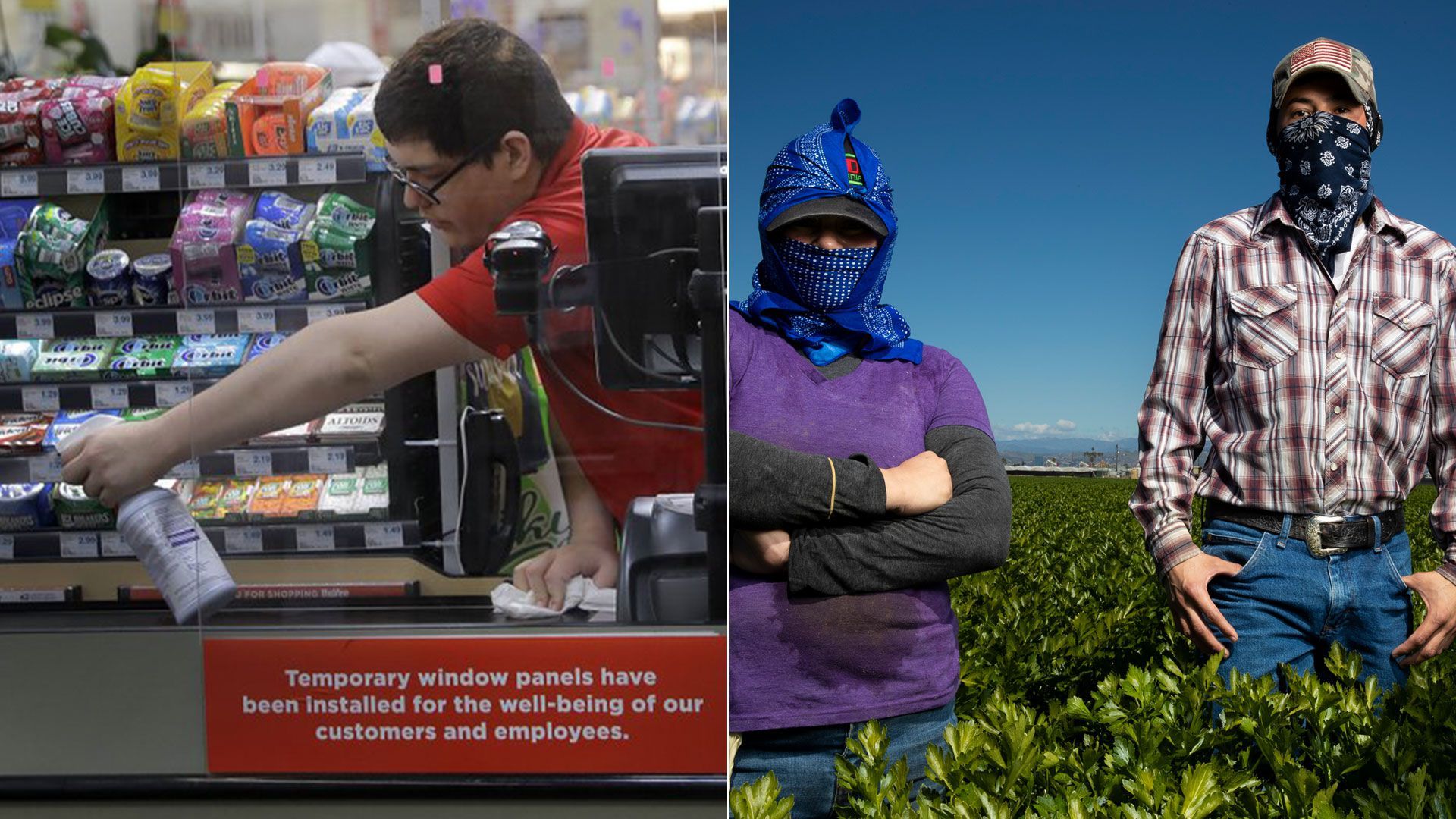
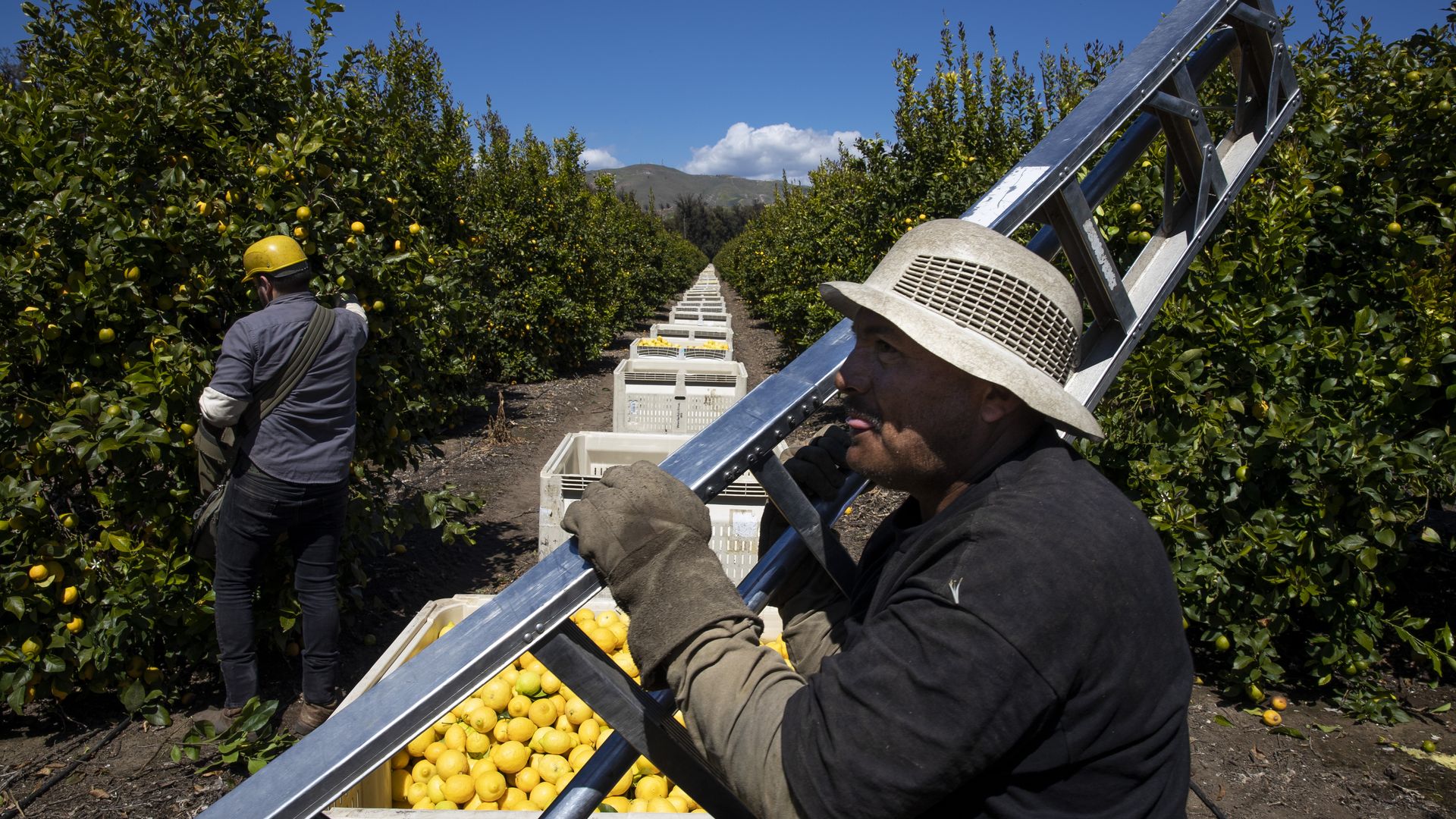
The people who grow, process and keep food stocked on shelves are doing heroic work in these conditions, often for bottom-barrel pay.
Why it matters: Millions of Americans don't have the luxury of working from home, and it's essential that food workers keep working so we can keep eating.
The U.S. food system depends on up to 2.7 million farmworkers, most of whom are undocumented, to pick fresh fruits and vegetables, Michael Haedicke, an agricultural sociologist at Drake University, writes.
Driving the news: Their living and working conditions do not lend themselves to social distancing.
A blank-check acquisition company called Allegro Merger has terminated its $380 million takeover of restaurant chain TGI Fridays, which is owned by TriArtisan Capital Partners.
Why it matters: TGI Fridays is one of the world's largest eat-in restaurant franchisers, with more than half of its 842 stores located outside the U.S. Plus, its spinach and artichoke dip is downright delicious.
Group Nine Media, which includes digital lifestyle brands like The Dodo, NowThis, Thrillist, Seeker and PopSugar, is laying off 7% of its employees, according to sources familiar with the cuts. A smaller percentage of employees will be furloughed.
Why it matters: It's one of the many media companies that's been forced to take drastic measures to survive the economic fallout of the coronavirus.
The U.S. will not be able to reopen as quickly as it closed. Dan and Axios' Felix Salmon discuss what it will take to safely reopen the American economy and how far off that may be.
Quorum Health, the chain of small community hospitals spun out by Community Health Systems, has filed for Chapter 11 bankruptcy and secured $300 million to keep operations going throughout the process.
The bottom line: Quorum said none of its 23 hospitals will close, and employees will be paid and available to provide care during the coronavirus pandemic. But the company, which has been crushed by debt and was nearly bought out by one of its private equity owners, will remain in a precarious financial position even once it emerges from bankruptcy.
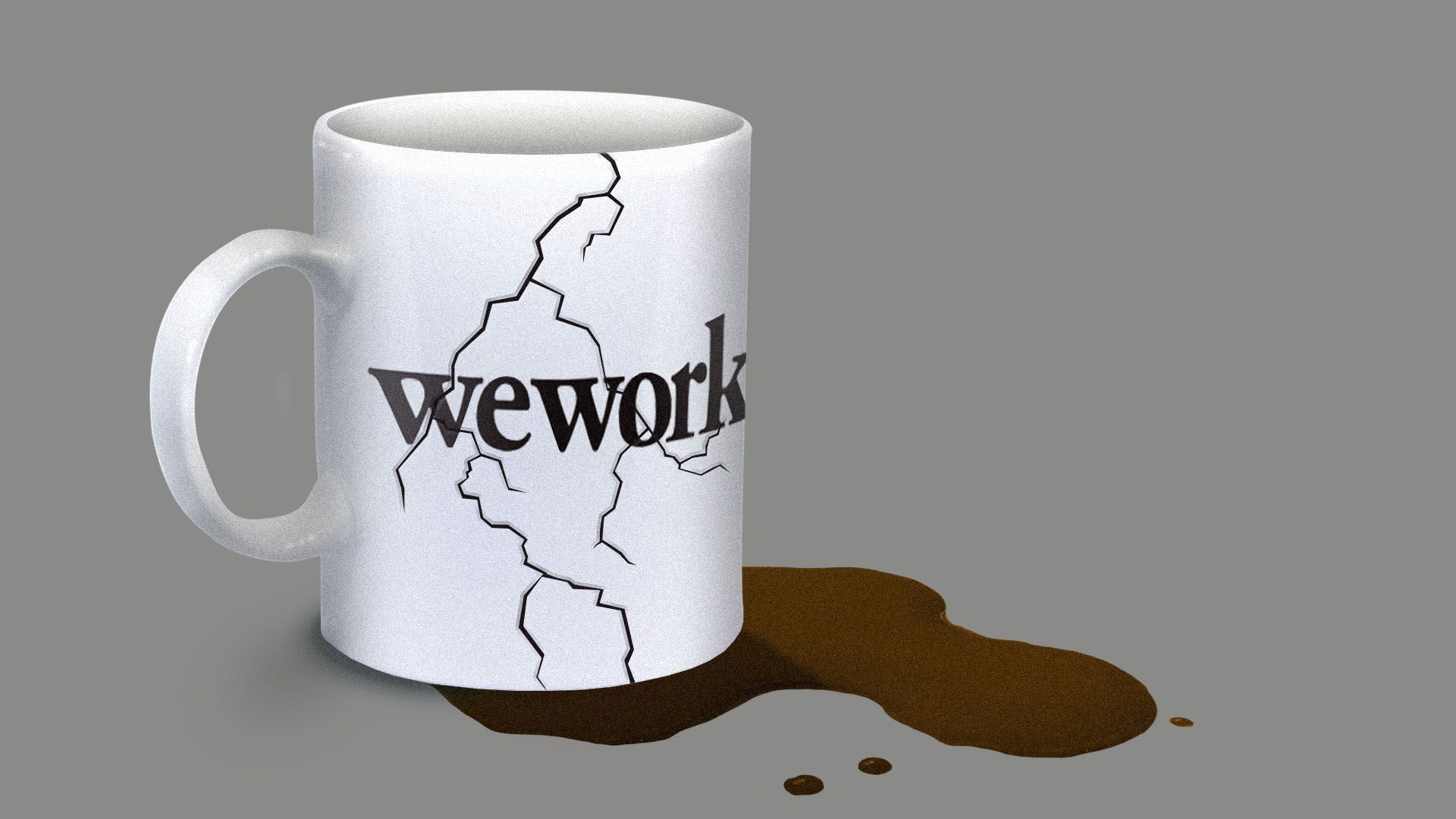
SoftBank was sued Tuesday morning by a special committee of WeWork's board of directors for alleged breaches of contract and fiduciary duty related to SoftBank's decision to cancel a $3 billion tender offer for WeWork shares.
Why it matters: SoftBank is viewed by many in the private markets as an unfaithful partner. If this reaches trial, that reputation could either become widely cemented or reversed.
YouTube's product chief tells Axios that the Google-owned video site has removed thousands of COVID-19 videos — including some from the Brazilian president's channel — for violating policies related to the spread of medical misinformation.
Why it matters: Though criticized in the past for allowing misinformation to flourish, Facebook, Google and Twitter have all been taking a tougher stand when it comes to the coronavirus.
Patch, the hyperlocal (and profitable) digital news platform, had its strongest month ever in March for both revenue and traffic, according to president Warren St. John.
Why it matters: The digital-only local news platform is an anomaly compared other local news publishers which are struggling amid steep advertising losses.
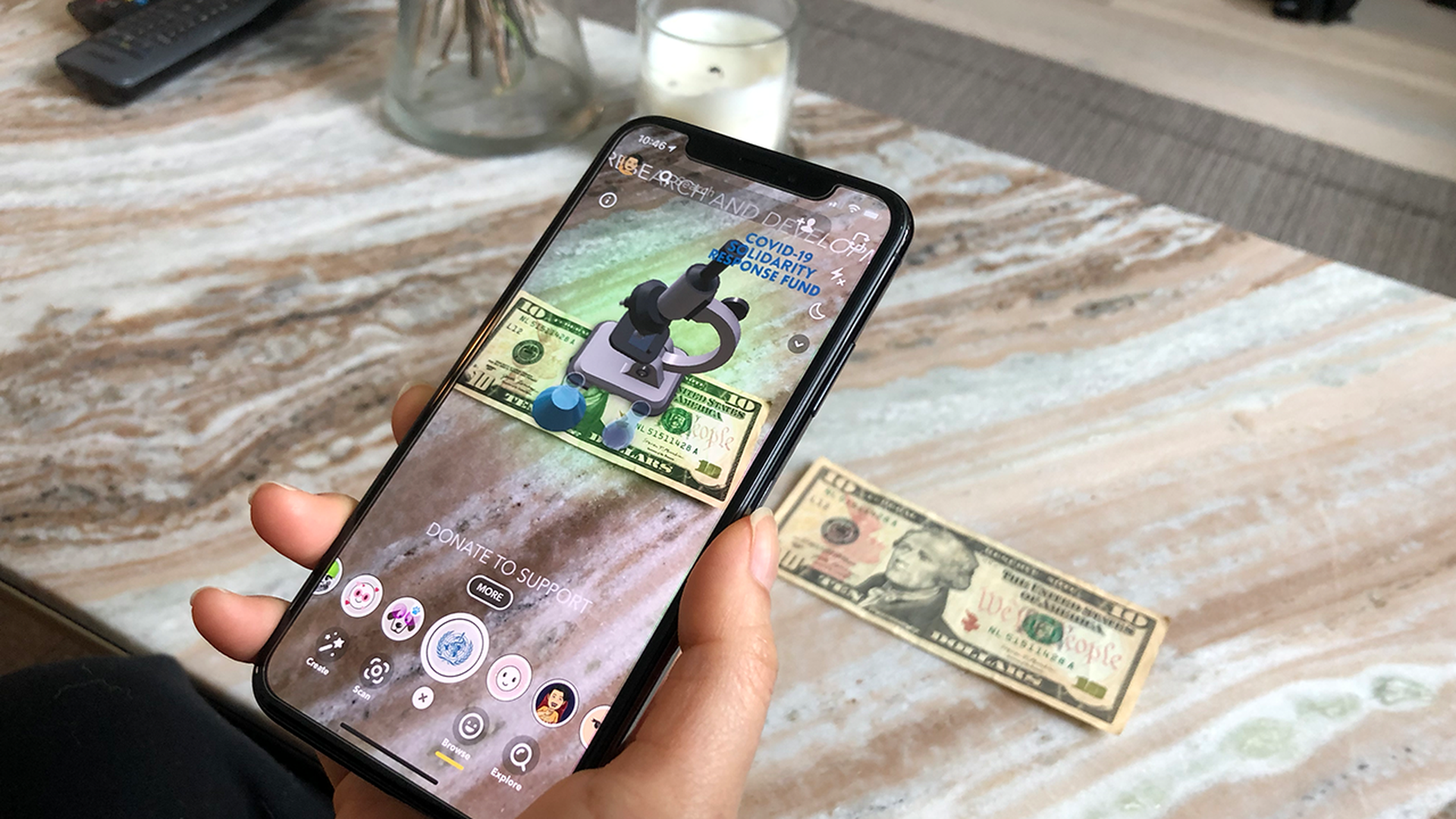
Snapchat launched its first donation tool today to help users donate to coronavirus relief efforts, a spokesperson tells Axios.
Why it matters: It uses augmented reality. Snap users can scan 23 international currency notes across 33 countries using the Snapchat app, triggering an AR visualization of how a potential donation could support the World Health Organization’s response efforts.
Major sports broadcasters are leaning into eSports to fill the programming gaps left from leagues canceling professional sports games because of coronavirus.
The state of play: ESPN on Sunday aired 12 hours of esports including Rocket League, NBA 2K, and Madden.
Facebook will release today a list of the 400 local newsrooms receiving grants from its Facebook Journalism Project's "Community Network" program to support coronavirus news coverage.
Why it matters: Local newsrooms desperately need the money. Facebook said it received over 200 applications within the first 48 hours of the program being announced.
New data from Parse.ly shows that demand for shopping-related content online is up far more than any other type of web traffic.
Why it matters: The coronavirus pandemic has created a new reality for media publishers: the need to convert an influx of traffic into consumer dollars instead of ad dollars.
In October 2011, the American soccer world was stunned to learn that the World Cup broadcast rights, which ESPN had owned since 1994, would be moving to Fox for the 2018 and 2022 World Cups.
Driving the news: According to a federal indictment handed down by U.S. prosecutors yesterday, two former Fox executives participated in an alleged scheme to pay millions of dollars in bribes to secure those rights.
Gold futures rose to their highest since late 2012 on Monday, surging above $1,700 an ounce and pushing out the spread over spot prices, even as U.S. stock indexes rose by more than 7%.
The big picture: Investors continue to buy gold even on days that equity prices soar, in part because of worries about the coronavirus outbreak but also because of the prospect of untold trillions in spending from global governments and central banks, decreasing the value of the dollar and fiat currencies.
Americans are more worried than ever about losing their jobs, their household income and the equity in their homes, but one thing they are not worried about is the stock market.
The state of play: The Fed's latest survey of consumer expectations shows "a significant deterioration in households’ expectations regarding their labor market and financial situation, a decline seen across all age, education, and income groups," but respondents also reported an unprecedented spike in expectations for the stock market to rise.
Both the U.S. and global economies are set to be permanently altered by the coronavirus outbreak and the measures that have been taken in response to it, experts say.
The state of play: "Fundamentally there are going to be huge changes in household consumption patterns, business patterns and global supply chains," Kevin Warsh, a former Fed governor and current economics lecturer at Stanford, said during a Reuters teleconference.
Consumers are adopting stand-alone broadband services at a much higher rate than just two years ago, and analysts predict that the economic downturn prompted by the COVID-19 outbreak will accelerate the trend.
Why it matters: With a recession looming, consumers may look to cut pay TV service in favor of more robust standalone internet packages once they're free to leave their homes.
David Rubenstein— a business titan who has developed a sideline as a captivating interviewer — will be out Sept. 1 with a book that captures five years of learnings from his onstage and on-air conversations.
"How to Lead: Wisdom from the World's Greatest CEOs, Founders, and Game Changers" includes conversations with Bill Gates, Jeff Bezos, Ruth Bader Ginsburg, Warren Buffett, Oprah and more.
Morgues, funeral homes and cemeteries in hot spots across America cannot keep up with the staggering death toll of the coronavirus pandemic.
Why it matters: The U.S. has seen more than 10,000 deaths from the virus, and at least tens of thousands more lives are projected to be lost. The numbers are creating unprecedented bottlenecks in the funeral industry — and social distancing is changing the way the families say goodbye to their loved ones.
Federal payments to Medicare Advantage companies will increase by 1.66% in 2021, and several of the insurance program's policies are being waived or changed due to the coronavirus outbreak, the Centers for Medicare & Medicaid Services said Monday.
The bottom line: Medicare Advantage continues to grow at a lofty rate, and the Trump administration is protecting those health insurers through the pandemic and into next year.
Wells Fargo reiterated Monday night that it will not open up its small business Paycheck Protection Program loans to companies with more than 50 employees, despite an announcement from the Fed that it would set up a facility to buy the loans from banks.
Why it matters: Wells Fargo's announcement shows that even with a Fed backstop one of the country's largest banks will still not be participating in a program designed to help businesses on the verge of collapse because of the coronavirus outbreak.













/2020/04/06/1586210655225.gif?w=3840)