Companies are scrambling to reorganize operations and add protections for employees after a surge of public protests by workers who are fearful of contracting the coronavirus on the job.
Why it matters:America is relying on grocery clerks, warehouse personnel and factory workers for food and other necessities. If they get sick, supply chains could break down, further threatening the teetering U.S. economy.
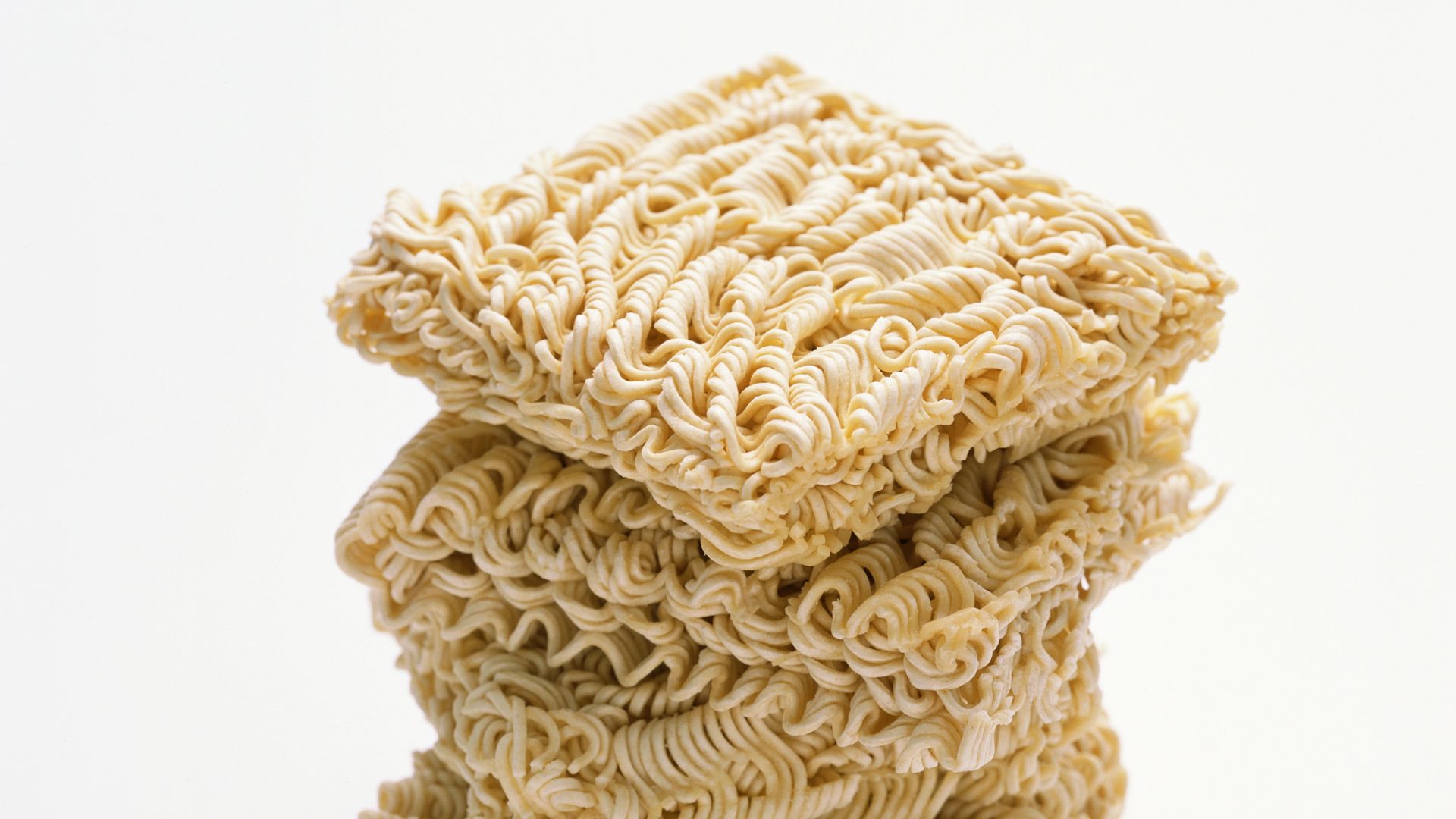
Online ramen noodle sales have skyrocketed 578% between Feb. 23 and March 21, as American consumers continue to stash reserves of non-perishables during the coronavirus pandemic, according to a company presentation cited by Bloomberg.
The big picture: Sales of shelf-stable products, including pastas and canned soups, have swelled more than 400% in recent weeks. However, consumers' spending habits throughout the outbreak have recently shifted to office supplies, toys and exercise equipment — a period Walmart has dubbed "Restricted Living," Bloomberg writes.
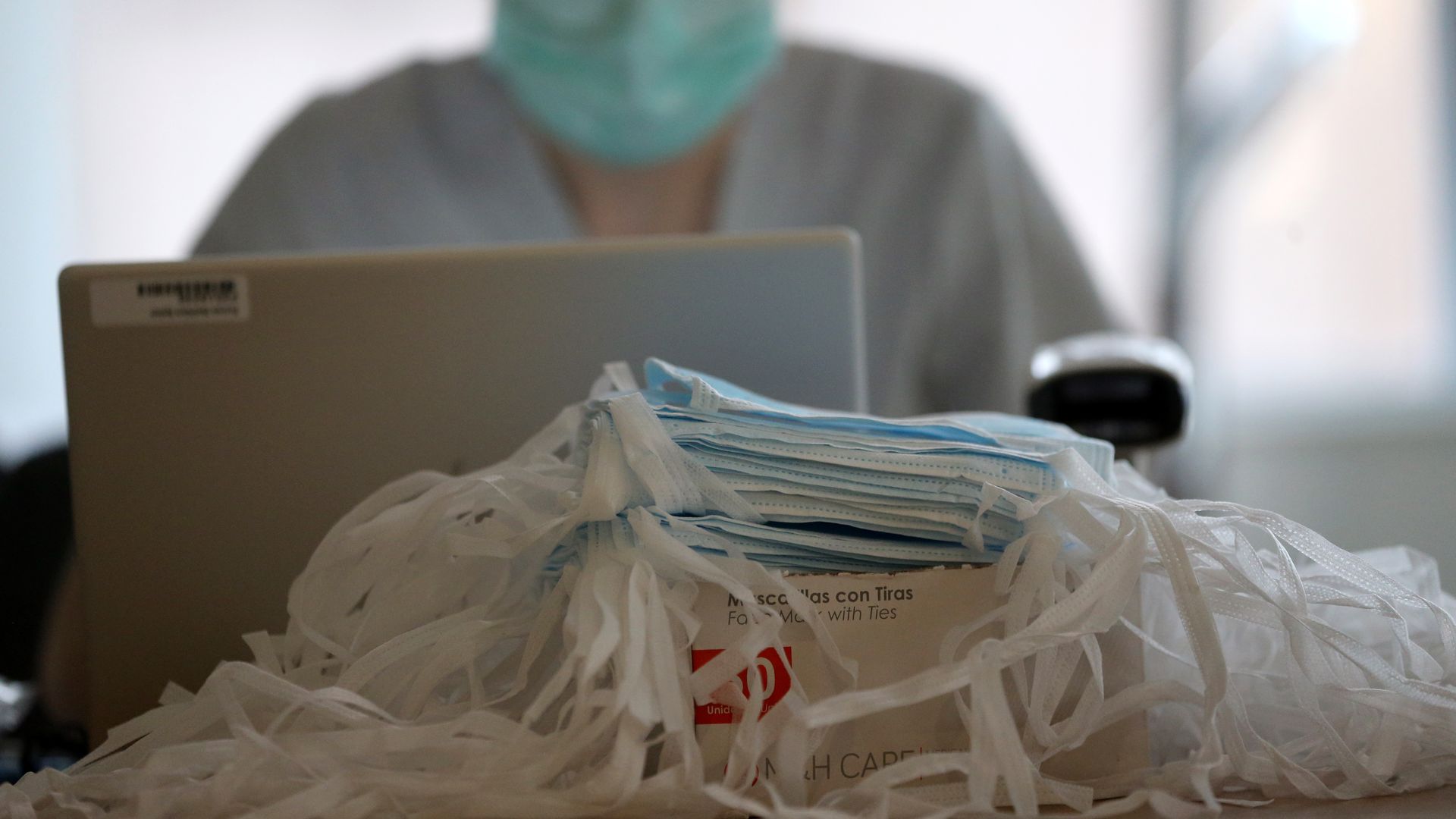
Counterfeiters and scammers have emerged as the global supply of protective personal equipment continues to dwindle and the search ramps up to find material for healthcare workers treating coronavirus, AP reports.
The big picture: The desperate hunt for protective medical supplies and equipment to fight the pandemic is pitting nation against nation and forcing governors to compete against each other and the federal government — all while the coronavirus death toll continues to rise. America's relations with its trade partners are being tested as it blocks and outbids other nations seeking masks, per The Washington Post.
Congress’ CARES Act will send one-time relief checks to most Americans. But many adults who are tax dependents won’t get a cut of the more than $300 billion set to be distributed in direct payments.
Yes, but: Adults who can be claimed as dependents on another person's tax return don't qualify either for the $1,200 checks or for the $500 add-on for each child.