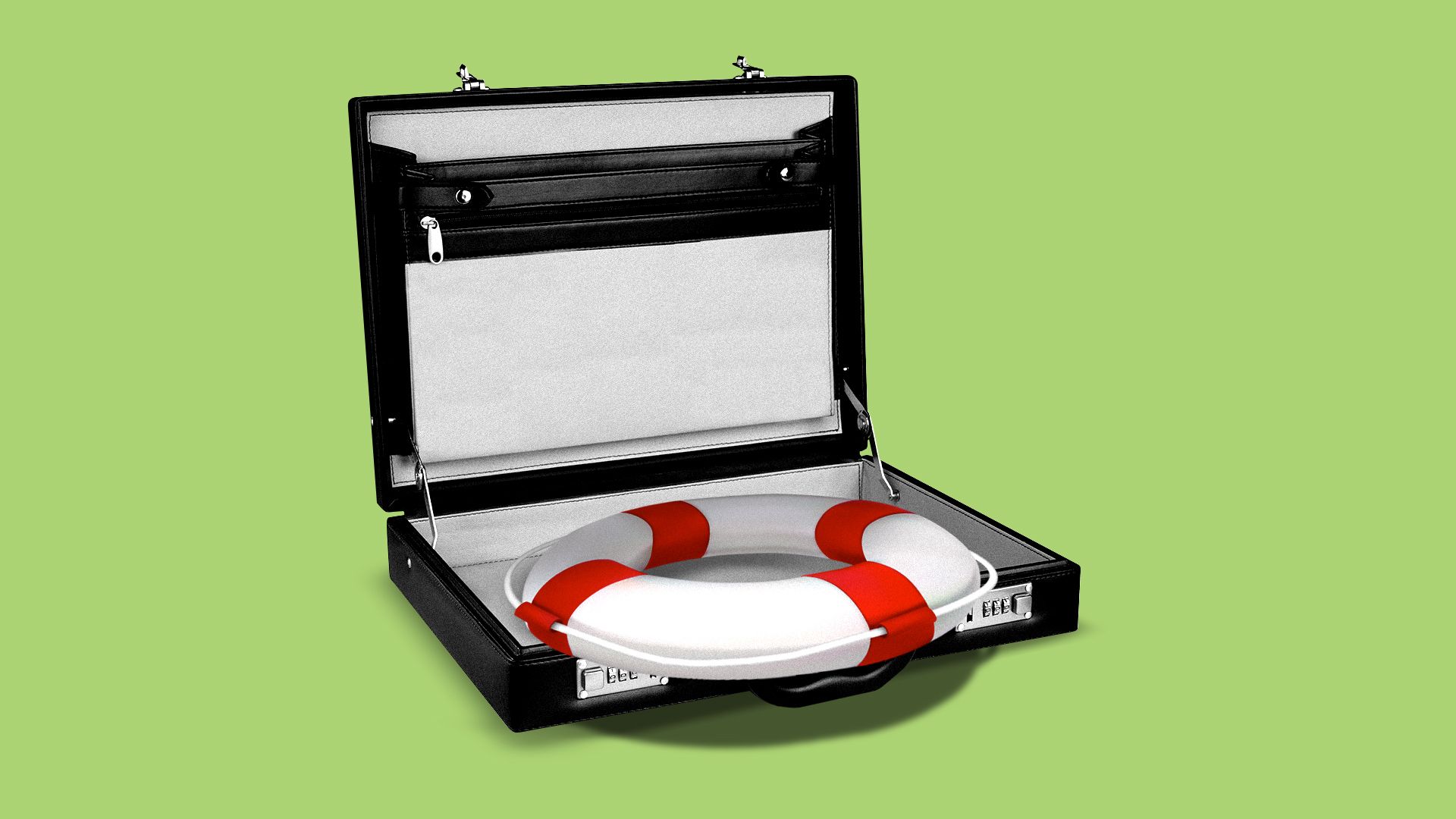
Companies are scrambling to reorganize operations and add protections for employees after a surge of public protests by workers who are fearful of contracting the coronavirus on the job.
Why it matters:America is relying on grocery clerks, warehouse personnel and factory workers for food and other necessities. If they get sick, supply chains could break down, further threatening the teetering U.S. economy.
Online ramen noodle sales have skyrocketed 578% between Feb. 23 and March 21, as American consumers continue to stash reserves of non-perishables during the coronavirus pandemic, according to a company presentation cited by Bloomberg.
The big picture: Sales of shelf-stable products, including pastas and canned soups, have swelled more than 400% in recent weeks. However, consumers' spending habits throughout the outbreak have recently shifted to office supplies, toys and exercise equipment — a period Walmart has dubbed "Restricted Living," Bloomberg writes.
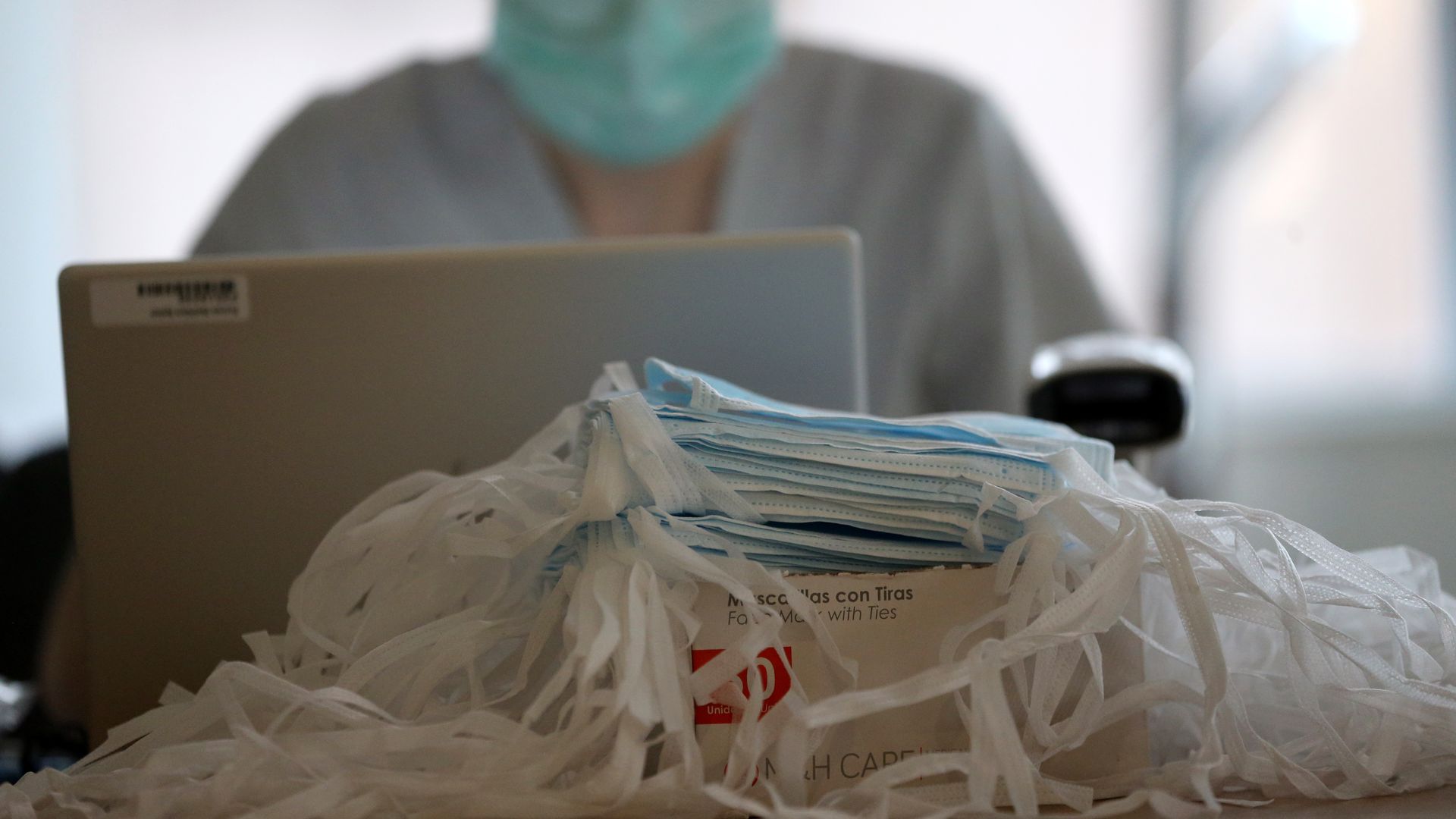
Counterfeiters and scammers have emerged as the global supply of protective personal equipment continues to dwindle and the search ramps up to find material for healthcare workers treating coronavirus, AP reports.
The big picture: The desperate hunt for protective medical supplies and equipment to fight the pandemic is pitting nation against nation and forcing governors to compete against each other and the federal government — all while the coronavirus death toll continues to rise. America's relations with its trade partners are being tested as it blocks and outbids other nations seeking masks, per The Washington Post.
Congress’ CARES Act will send one-time relief checks to most Americans. But many adults who are tax dependents won’t get a cut of the more than $300 billion set to be distributed in direct payments.
Yes, but: Adults who can be claimed as dependents on another person's tax return don't qualify either for the $1,200 checks or for the $500 add-on for each child.
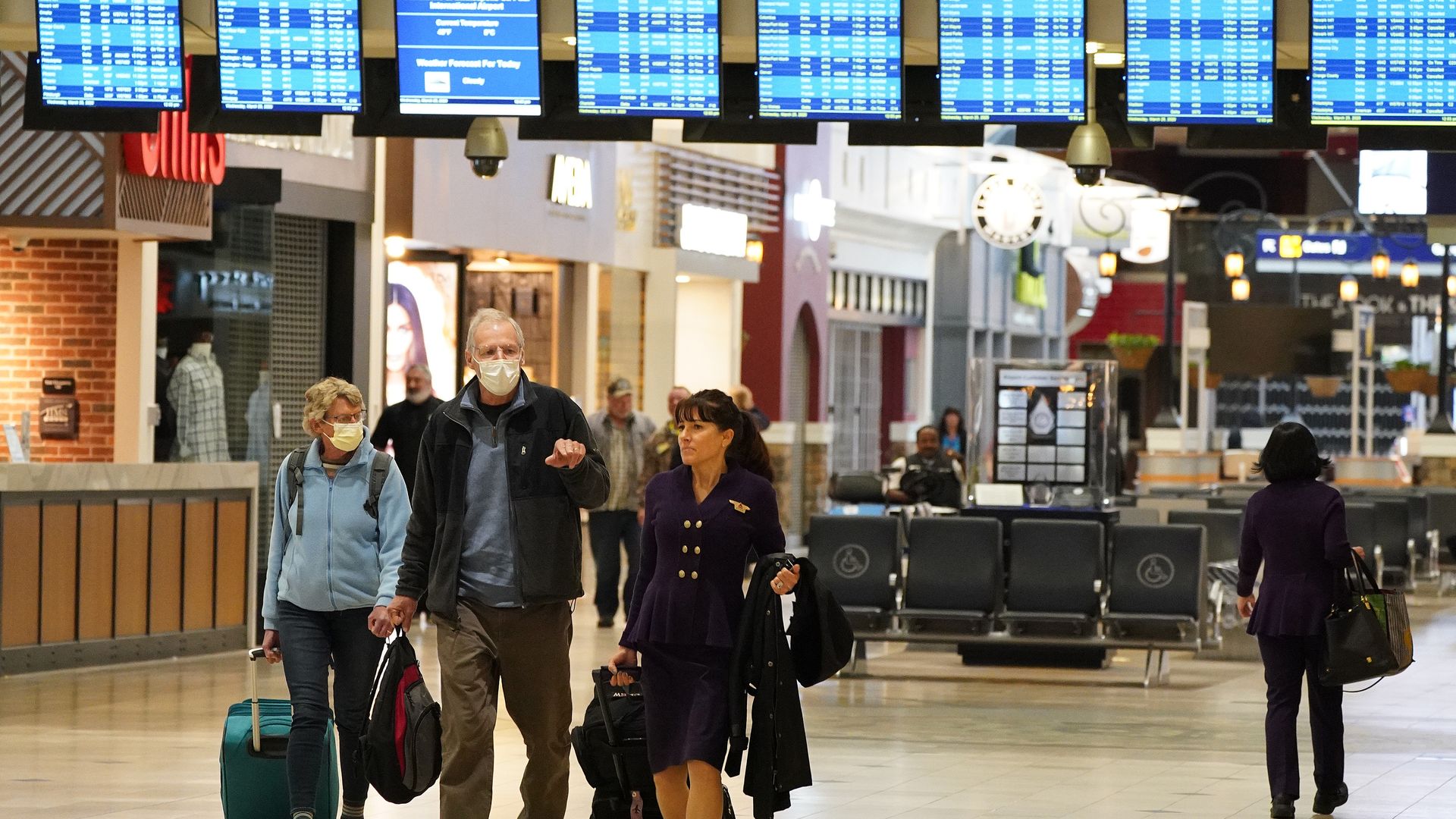
The Department of Transportation on Friday urged domestic and foreign airlines to refund passengers due to canceled or rescheduled flights amid the novel coronavirus pandemic.
Yes, but: The agency said it will not take enforcement action against airlines that provide vouchers or credits instead of a refund, provided that the airline promptly tells passengers they can get a refund, reminds its employees how refunds should be made, and updates its policies to make clear that it provides refunds.
Websites have crashed, phones are jammed and confusion reigns as businesses rushed at today's kickoff to get their chunk of the $350 billion Paycheck Protection Program.
Why it matters: This is a race to save jobs in the present and the future, and to ensure that as many workers as possible keep their benefits and paychecks during the coronavirus lockdown.
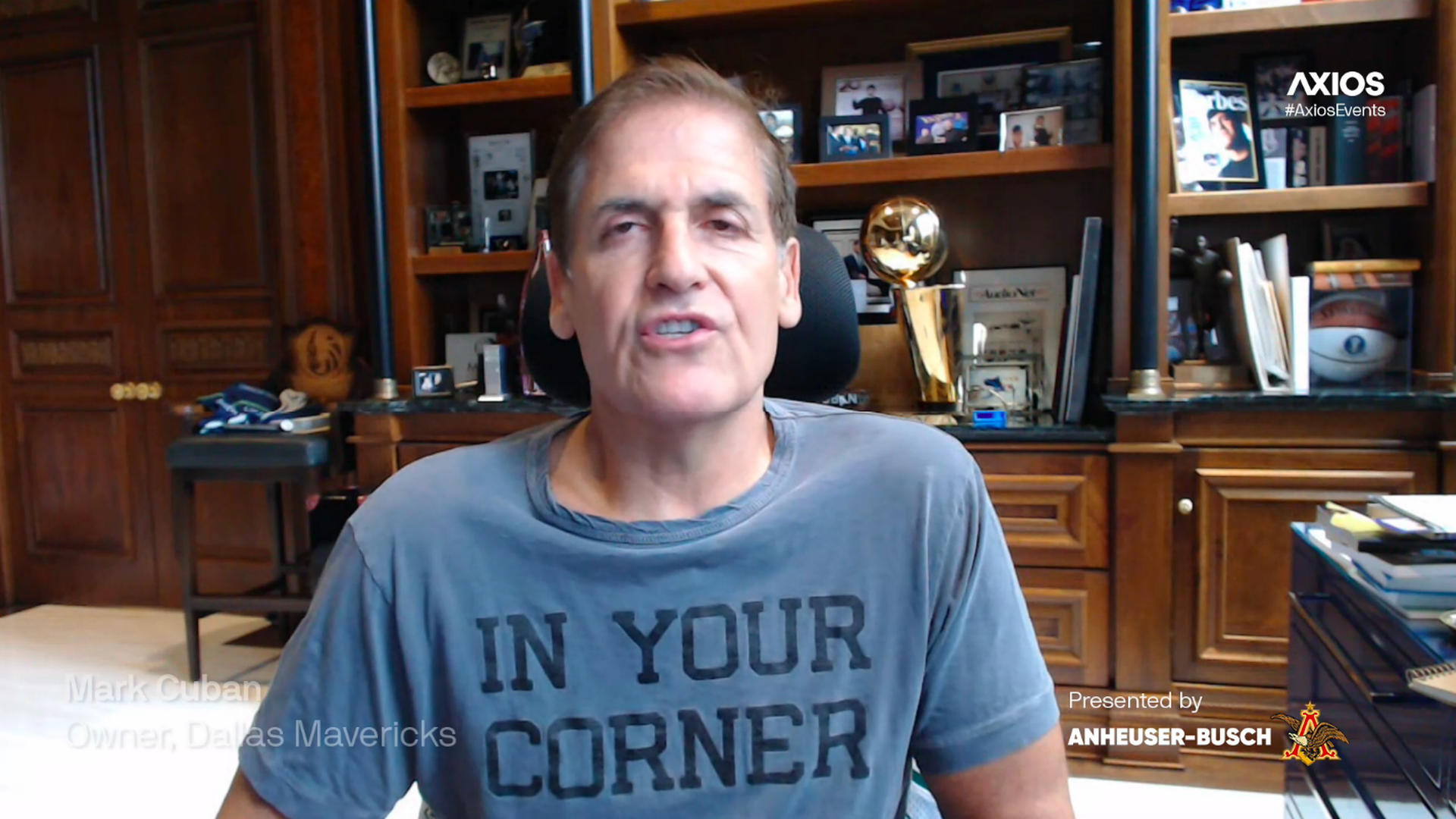
Businessman and Dallas Mavericks owner Mark Cuban said during an Axios virtual event Friday that 3M is "arrogant" for not speaking up about respirator production in the midst of the coronavirus outbreak.
What he said: Cuban criticized the company for "making more globally than domestically," echoing a similar line from President Trump now that the U.S. is the epicenter of the pandemic. "You can't ghost the American people," he told Axios CEO Jim VandeHei from Dallas.
This week I'm driving the 2020 Genesis G70 RWD Sport, a compact performance sedan that should have BMW and Mercedes-Benz worried.
The big picture: Hyundai's new luxury brand is making a name for itself. While Genesis has only three sedan models to date — the G70, G80 and G90 — its first SUV, the GV80, debuted earlier this year in South Korea.
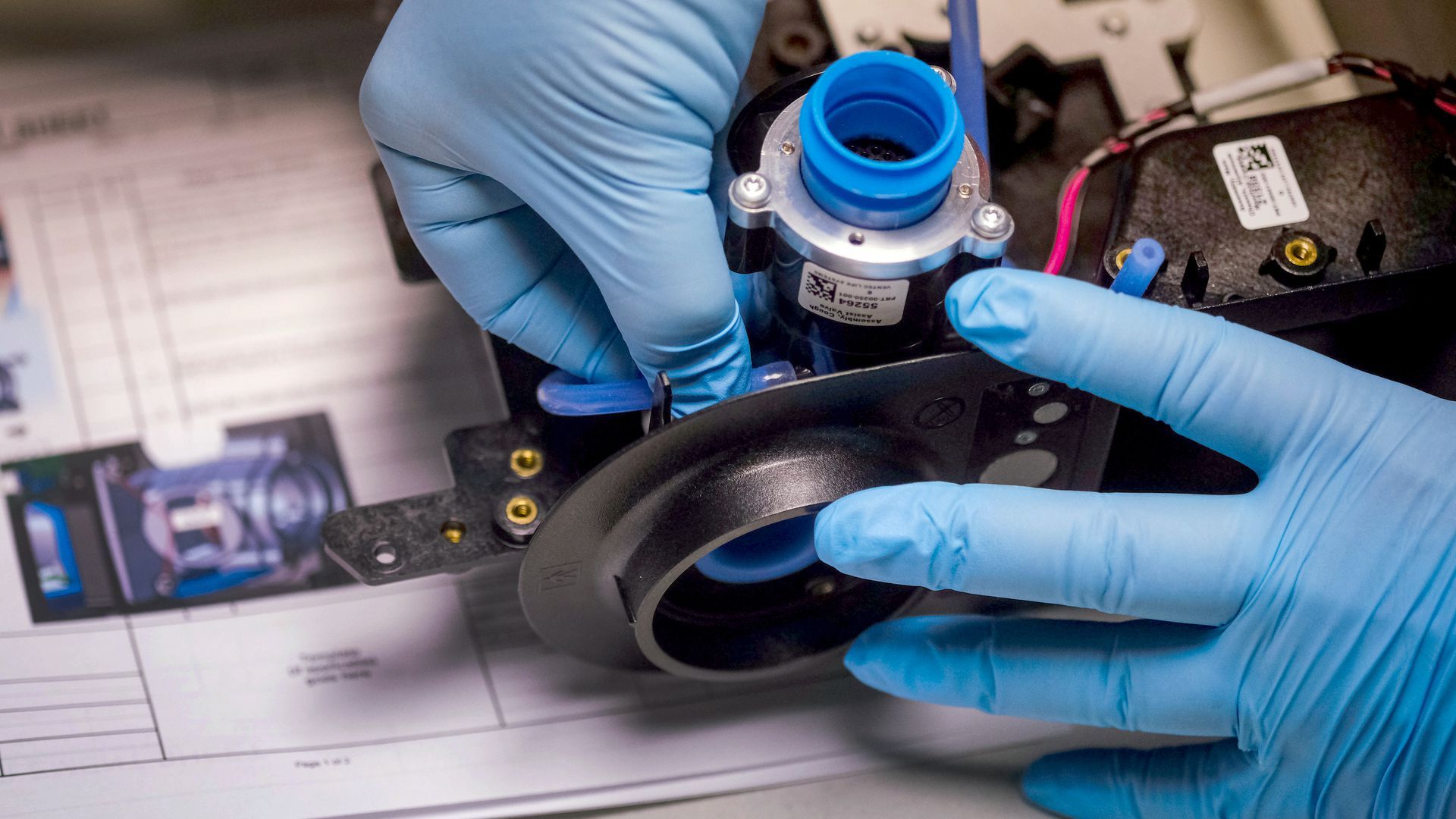
Sadly, it's clear the wartime mobilization effort to produce ventilators and medical supplies got started too late to help patients and medical personnel before the coronavirus peaks in some cities like New York. But those supplies will be available for the next wave of the pandemic.
Driving the news: American manufacturers are saying it will be months before they meet demand for high-quality masks, the Wall Street Journal reports.
The Trump administration's final rules weakening Obama-era vehicle mileage and emissions standards through the mid-2020s include some surprising safety claims.
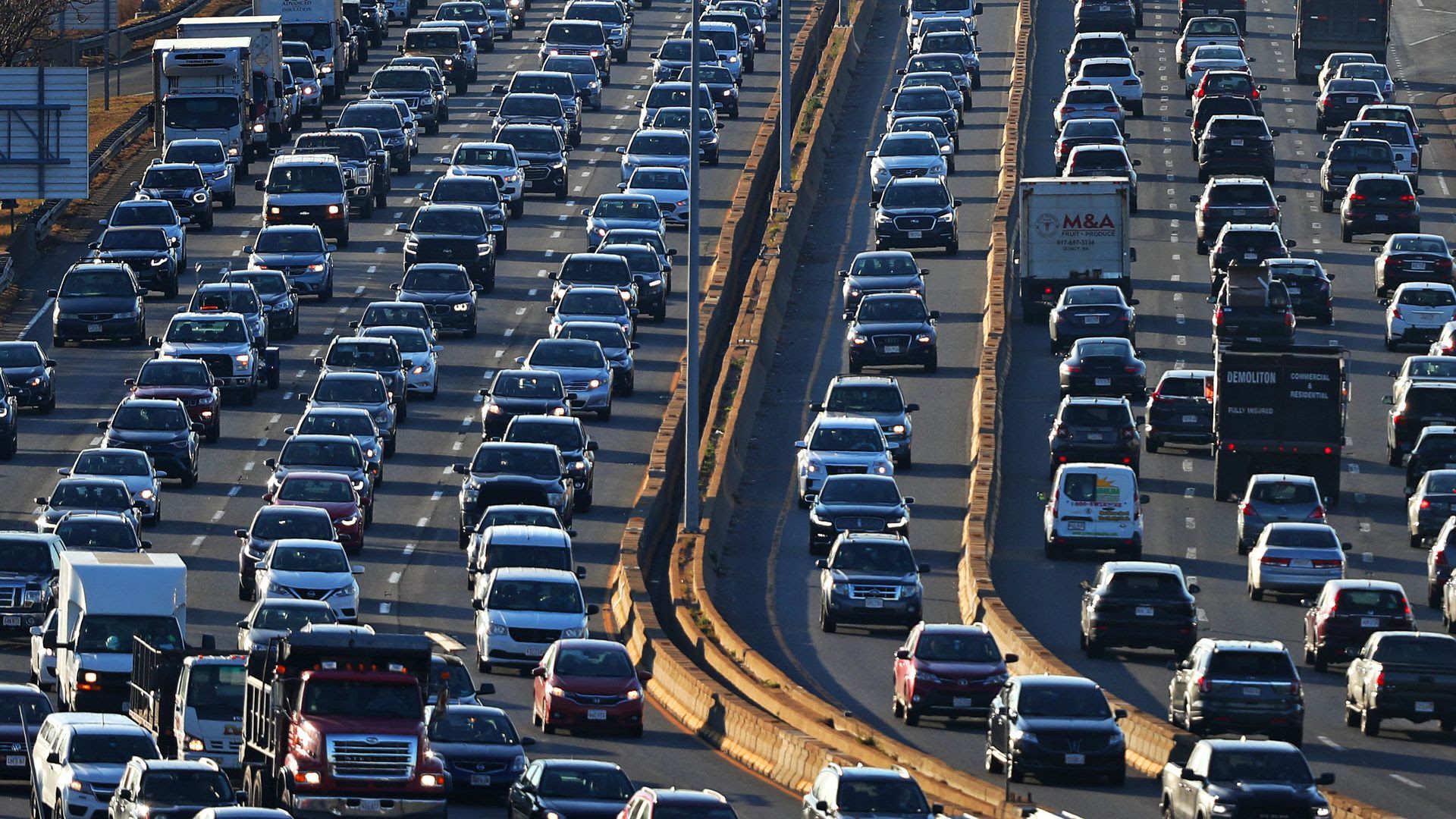
Driving the news: In what is shaping up to be a major legal battle with environmentalists, the federal government said it will require 1.5% annual increases in fuel efficiency through 2026 — far weaker than the 5% increases under the previous rules that the industry said it couldn't meet.
In two weeks, the coronavirus has brought the entire U.S. auto industry to a screeching halt. When it finally sputters back to life, many companies may be forced to change, defer — or even abandon — their ambitious plans for self-driving vehicles.
The big picture: Auto factories are shut down across North America to prevent the spread of the virus among workers, while stay-at-home orders have kept car shoppers away from showrooms. The resulting financial shock means carmakers have shifted their focus to survival, not investing in expensive technologies with no clear payoff.
Luckin Coffee (Nasdaq: LK), a Chinese rival to Starbucks that went public last year at a $4.3 billion valuation, disclosed that its chief operating officer fabricated around $310 million in 2019 sales.
Why it matters: This raises big questions about due diligence by Luckin's IPO bankers, who subsequently worked on both a secondary share sale and convertible bond offering that relied on the inflated data.
America today launched its $350 billion bailout for small businesses, and already there is widespread skepticism that the program will run smoothly or be large enough to meet demand.
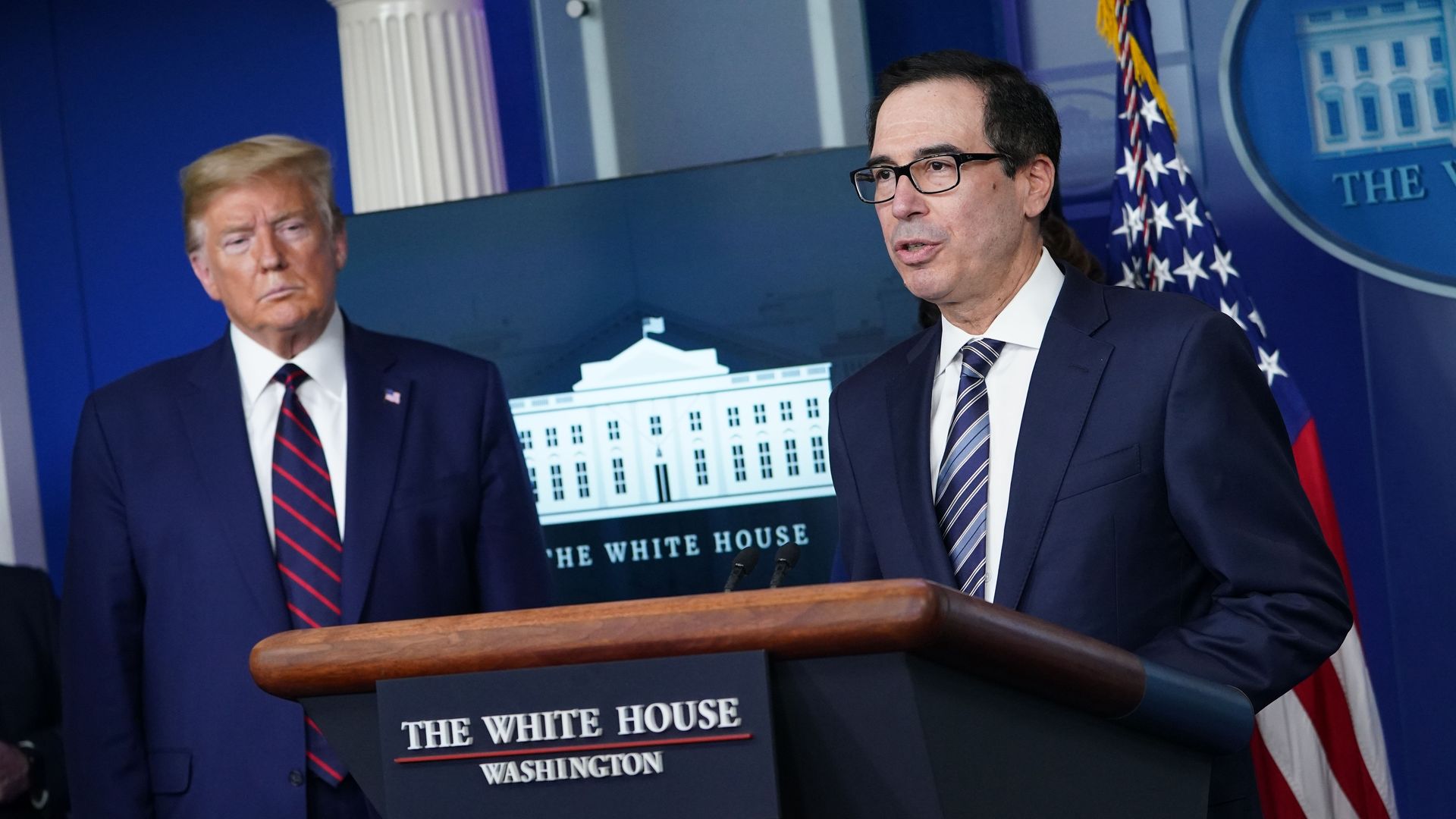
What's new: House GOP leader Kevin McCarthy yesterday said that the affiliation rule will be waived for any company with less than 500 employees that doesn't have a controlling outside shareholder, thus making most VC-backed startups eligible for PPP loans. This was based on a conversation he'd just had with Treasury Secretary Steven Mnuchin.
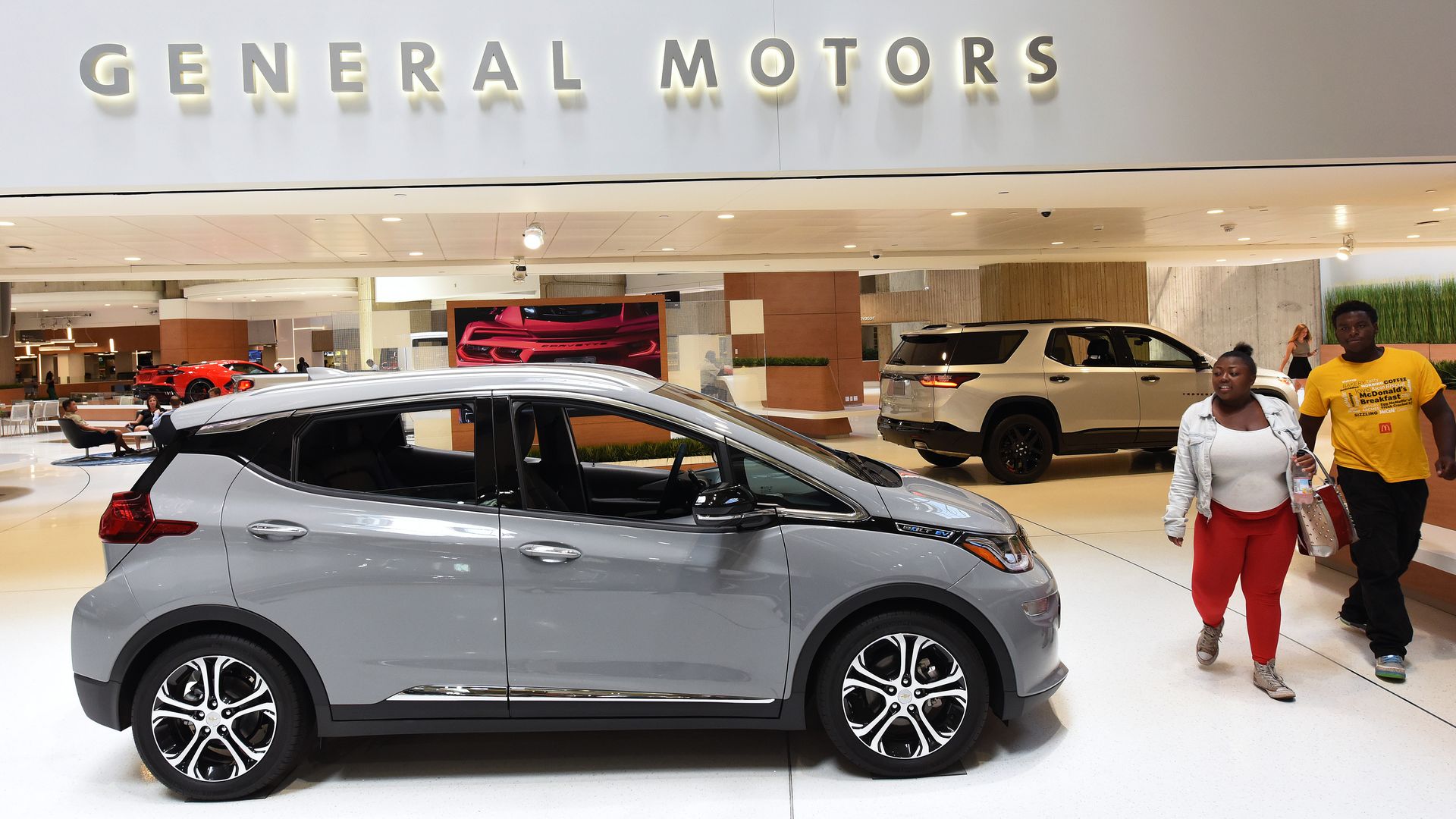
General Motors and Honda will jointly develop two electric vehicles for Honda's product line that are slated for manufacture at GM's North American plants.
Why it matters: No company can go it alone when it comes to funding advanced technologies like electrification.
After a six-year stalemate that saw almost half of Southern California blacked out from watching Dodgers games, Spectrum Networks finally reached a deal with AT&T to carry SportsNet LA, the team's regional sports network.
The backdrop: Millions of Dodgers fans have been unable to watch games on SportsNet LA since 2014, depriving them of six straight NL West titles, two World Series trips and one farewell tour for the great Vin Scully.
Cannes Lions, the advertising industry's biggest awards show and gathering, has been officially canceled due to the coronavirus outbreak — after initially being postponed to late October.
Why it matters: The festival in southern France serves as a mid-year meeting point for top advertising and media executives around the world.
The U.S. economy shed 701,000 jobsin March, ending a decade-long stretch of job gains, according to government data gathered before many states instituted economy-shutting measures to contain the coronavirus outbreak.
The big picture: It's a way bigger job loss than economists expected the report to pick up — and it still understates the unprecedented turmoil that the job market is currently facing.
The COVID-19 outbreak has encouraged many cooped-up households to try online shopping, but the growth rate has plateaued as many report bad experiences.
What's happening: After rising consistently, the number of people who say they are doing more online grocery shopping declined last week, data from CivicScience show, retreating 5 percentage points from its level the week before.
The divergence between professional money managers and retail investors continued this week, as the pros again flocked to cash at a record pace.
What happened: Data from the Investment Company Institute shows institutional asset managers moved $163 billion into money market funds in the week ending April 1, the second-largest move to cash ever recorded, dating back to January 2007.
Thursday's initial jobless claims reading has made clear that the scope of U.S. job losses as a result of the COVID-19 outbreak will be significant, but what comes next is still very uncertain.
Driving the news: Lawmakers are divided on whether to push forward immediately with a "phase 4" relief bill to back up the $2.2 trillion CARES Act, and concern already is growing about provisions in that legislation.
Congress passed a $2.2 trillion stimulus bill to help struggling Americans and businesses hit hard by the coronavirus. Now, lawmakers on both sides of the aisle worry the agencies responsible for delivering the aid may not be ready for the task.
Why it matters: People are desperate for federal help to dig them out of the economic hardship brought on by the pandemic.
From hastily-chartered superyachts to fortresslike country estates, the wealthiest Americans have found places to ride out the pandemic far away from the masses.
Why it matters: The contrast between the rich vs. poor experience of coronavirus exposes class differences — in housing, access to health care, etc. — that are less obvious in normal times.
People are more likely to purchase something from a company during and after the coronavirus crisis if that company speaks out appropriately about the pandemic now, according to a new survey from Edelman.
The big picture: Data shows that consumers overwhelmingly want brands to speak out regularly during the pandemic, but that they don't want to be sold anything that isn't going to help make the situation better.
New data provided to Axios spells out just how outsized a role immigrants play on the high- and low-skilled ends of the economy keeping Americans alive and fed during the coronavirus crisis.
By the numbers: Immigrantsmake up an estimated 17% of the overall U.S. workforce. But the analysis by New American Economy (NAE) shows they're more than one in four doctors, nearly half the nation's taxi drivers and chauffeurs and a clear majority of farm workers.





















/2020/04/01/1585781143151.gif?w=3840)