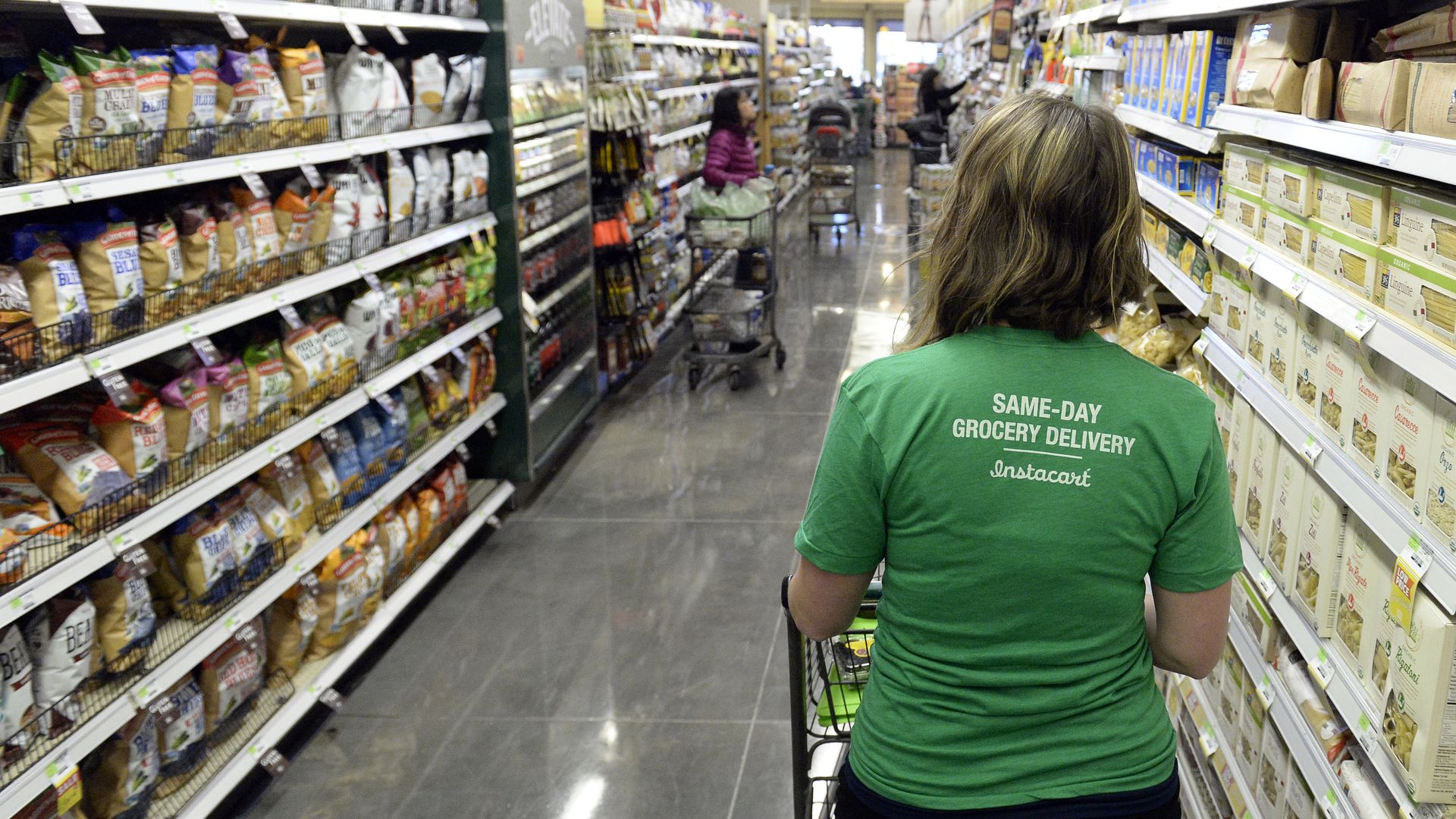
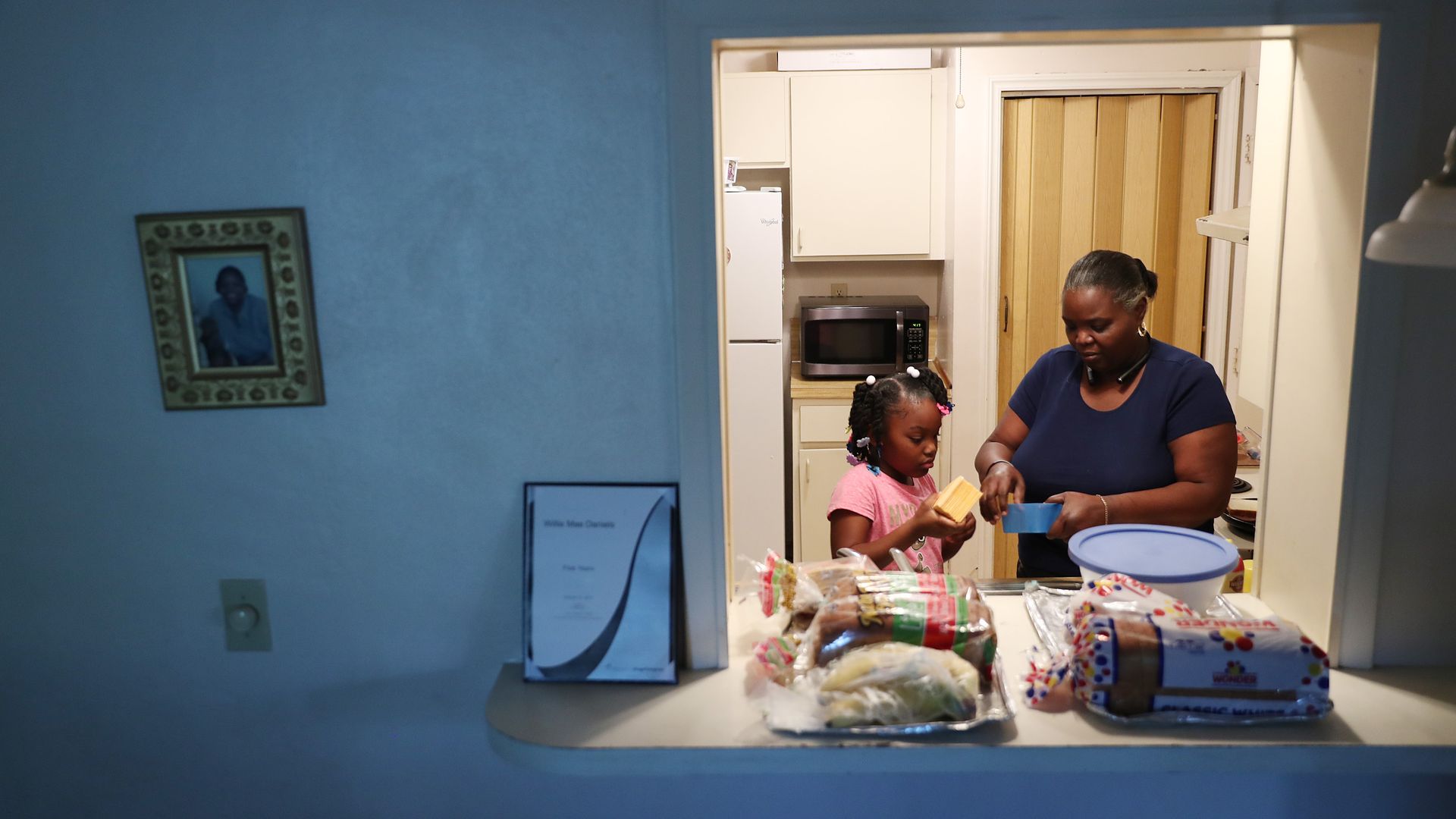
Grocery delivery company Instacart says that beginning next week it will make free safety kits with face masks, hand sanitizer and a thermometer available to the workers who shop for its customers and distribute masks to in-store workers amid the coronavirus outbreak.
Why it matters: Some Instacart workers began a strike on Monday to put pressure on the company to provide them with benefits, safety supplies and additional pay as they — and delivery workers at large — have become a lifeline for many Americans staying in their homes amid the COVID-19 pandemic.
In 2018, when WeWork was raising money at a $20 billion valuation, the thinking was: "Office occupants are realizing they kind of like being around people and they don’t mind having less space."
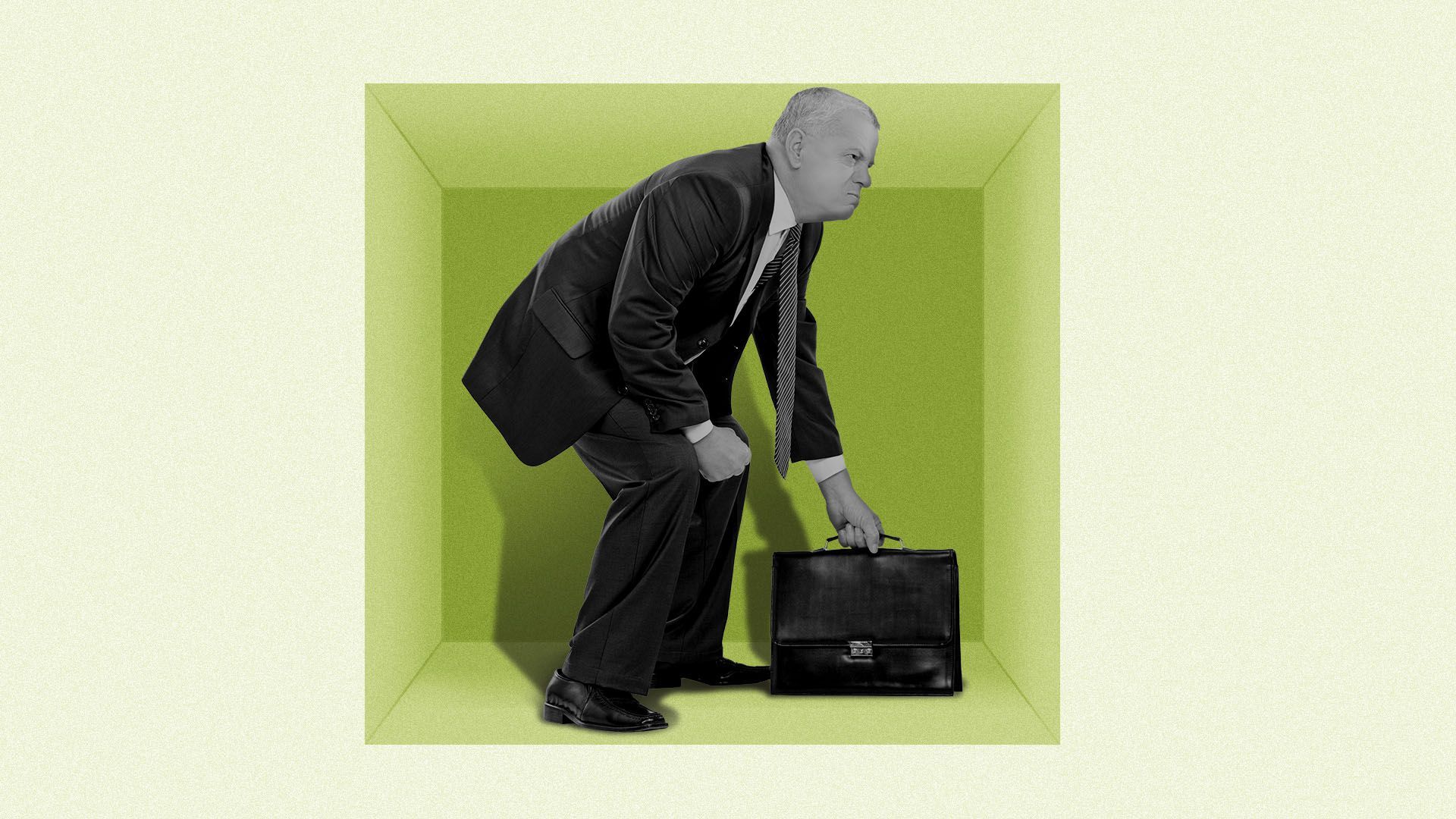
WeWork's value proposition was simple: It was amazing at optimizing space, and was able to squeeze the number of square feet per worker down to a borderline-claustrophobic 75.
At a time of crisis, we tend to crave certainty — the one thing we have less of than ever.
The big picture: The markets, of course, are full of uncertainty. Record-high volatility (just look at the oil price today) indicates that price discovery is breaking down.
Over the last four decades, Americans' personal space at work has steadily shrunk.
Why it matters: Companies around the country were able to abruptly send their employees home to curb the spread of the coronavirus, but bringing those panicked employees back after the pandemic won't be so easy — especially to increasingly cramped, open-plan offices.
Venture capital-backed startups will become eligible for $350 billion in small business loans guaranteed by the federal government, House Minority Leader Kevin McCarthy (R-Calif.) told the Axios Pro Rata Podcast on Thursday: "I just got off the phone with Treasury Secretary Mnuchin and this is going to be solved."
Roughly 3.5 million Americans likely lost their health insurance just in the past two weeks, according to an analysis of state and federal data from the Economic Policy Institute. That's over one-third of the people who have filed unemployment claims.
Why it matters: The coronavirus pandemic is wiping away people's jobs and health insurance at the same time people are at risk of contracting a deadly disease, and in the process is exposing the flaws of tying health coverage to employment. Medicaid will pick up a lot of these people.
Private equity and venture capital investors now have high-powered bipartisan support in their efforts to expand the types of small businesses eligible for $350 billion in federal loans via the CARES Act.
The intrigue: House Speaker Nancy Pelosi and House Minority Leader Kevin McCarthy, who rarely agree on anything except for the grandeur of California, both want the so-called "affiliation rules" waived.
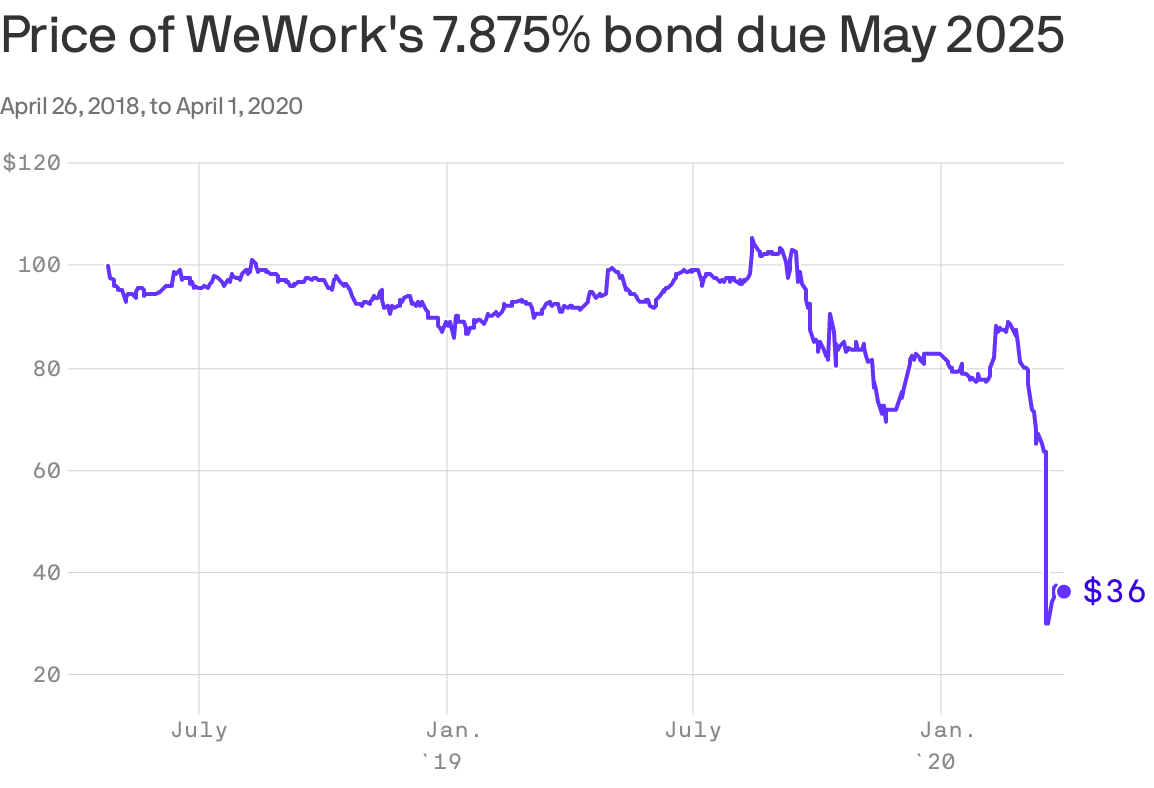
SoftBank has officially pulled the plug on its $3 billion tender offer for WeWork shares, which was agreed to last fall and scheduled to close yesterday.
Why it matters: This is money that was all but promised to early WeWork employees and investors, some of whom may have made major financial decisions based on its receipt. The snarkier coverage may focus on the $970 million that former WeWork CEO Adam Neumann "lost," but that shouldn't obscure where the bulk of the money was to go.
Notion, a San Francisco-based startup that’s developed a cult following for its cloud-based collaboration tool, raised $50 million in new funding at a $2 billion valuation.
Why it matters: The entire round happened after the coronavirus pandemic spread to the U.S.
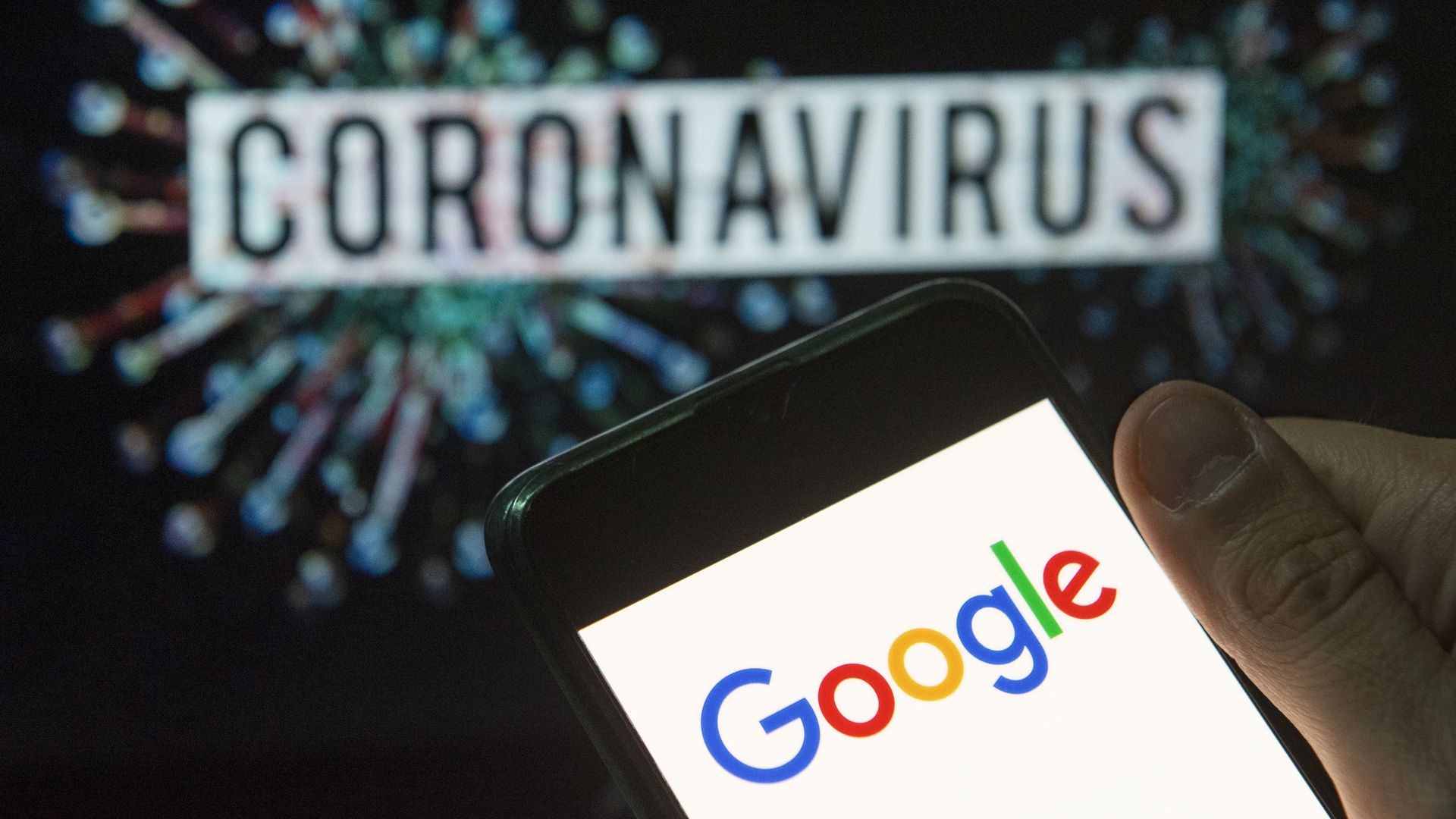
Google said that it's providing more than $6.5 million in funding to fact-checkers and nonprofits fighting misinformation around the world, with an immediate focus on the coronavirus.
Why it matters: Google wants to be proactive throughout the coronavirus crisis to support the spread of accurate and safe information.
Job losses over the past month have likely been worse than even some of the more extreme economic estimates, and are expected to get worse.
Driving the news: Led by small businesses, U.S. companies cut payrolls by 27,000 in early March, ADP's latest private payrolls report showed Wednesday, in a surge of cuts that predated many municipalities' mandated business closures.
6.6million people filed for unemployment last week, a staggering number that eclipses the record set just days ago amid the coronavirus pandemic, according to government data released Thursday.
Why it matters: Efforts to contain the outbreak are continuing to create a jobs crisis, causing the sharpest spikes in unemployment filings in American history.
Many of the world's poor and developing countries could begin defaulting on their bonds in the coming weeks as the coronavirus outbreak has led to massive outflows from emerging market assets and real-world dollars being yanked from their coffers.
Why it matters: The wave of defaults is unlikely to be contained to EM assets and could exacerbate the global credit crisis forming in the world's debt markets.
This is clearly Zoom's moment in the spotlight, as the public has embraced the videoconferencing provider's service during the coronavirus lockdown. However, security woes, privacy controversies, and trolling incidents have marred the company's star turn.
The big picture: When Zoom usage soared as Americans started working and studying from home, some worried whether it could handle the load. It did, but other problems cropped up as millions of consumers started using what had been an unsung piece of business software.
The White House Correspondents Association on Wednesday voted to remove One America News Network from the press briefing rotation after one of the outlet's reporters broke social-distancing guidelines amid the novel coronavirus outbreak.
The big picture: The WHCA imposed a seating policy for President Trump's press briefings to prevent reporters from crowding and abide by the Centers for Disease Control and Prevention's social-distancing recommendations. But OANN reporter Chanel Rion twice attended the briefings without an assigned seat.